人民币国际化

Search documents
土耳其人民币清算行业务正式启动
Xin Hua Wang· 2025-11-18 08:25
Core Viewpoint - The establishment of the Renminbi clearing bank in Turkey marks the official launch of Renminbi clearing services, enhancing bilateral trade and financial cooperation between China and Turkey [1][2]. Group 1: Financial Cooperation - The Renminbi clearing bank will facilitate the use of Renminbi in local settlements, financing, and transactions, promoting higher levels of economic and financial connectivity between the two countries [1][2]. - The People's Bank of China emphasizes that the use of Renminbi provides a reliable new option for global trade and investment activities, with a commitment to market-oriented, legal, and international practices [1]. Group 2: Business Opportunities - The clearing bank is expected to lower trade risks and reduce transaction costs, creating new business opportunities for Turkish enterprises in trade, investment, and long-term financing [2]. - The establishment of the clearing bank is seen as a milestone in China-Turkey financial cooperation, aimed at enriching the offshore cross-border application scenarios of Renminbi [1][2]. Group 3: Institutional Collaboration - The Industrial and Commercial Bank of China (ICBC) aims to deepen cooperation with local Turkish banks, policy institutions, and Chinese financial institutions to create a mutually beneficial Renminbi usage ecosystem [1]. - The opening ceremony was attended by nearly 400 representatives from financial institutions and the business community, highlighting the significance of this initiative [2].

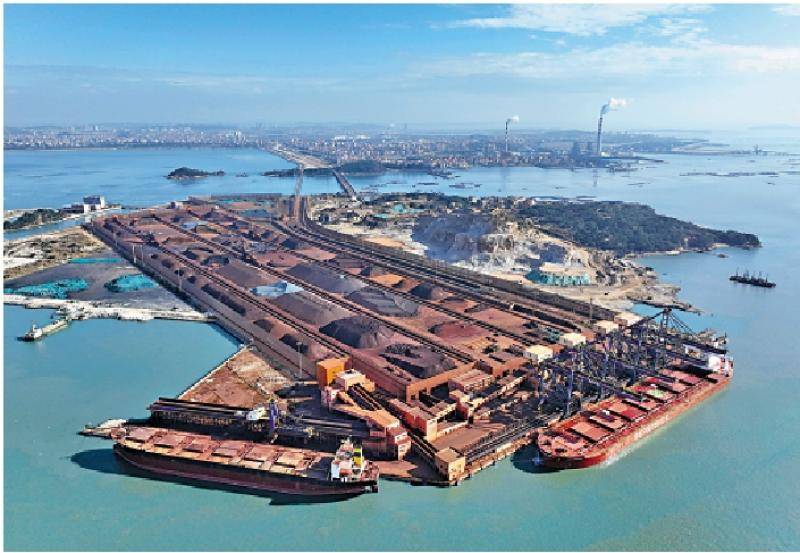
特朗普还未回国,就收到两个坏消息,中国出手非凡,直击美债命门
Sou Hu Cai Jing· 2025-11-18 08:20
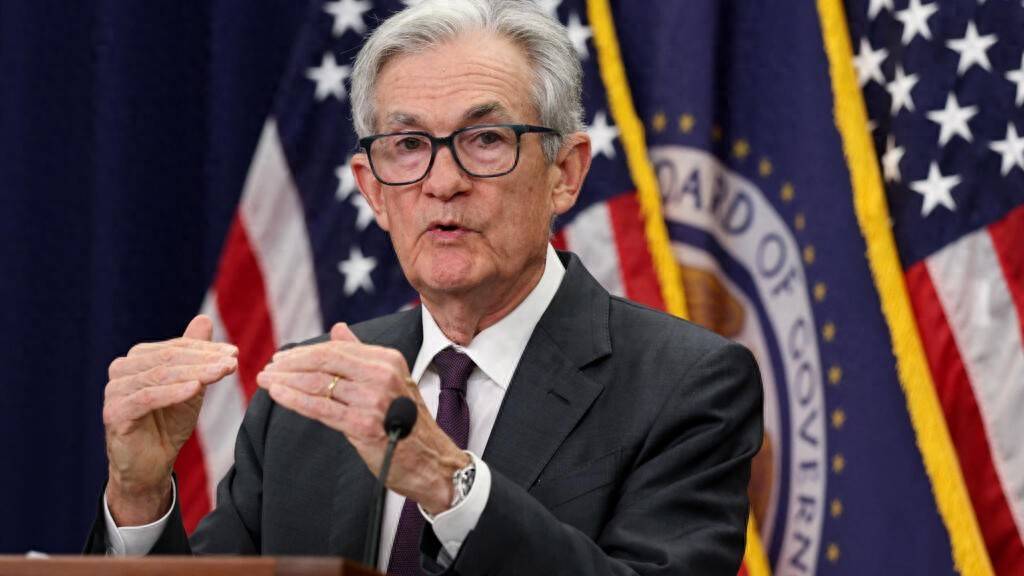
Group 1 - The US-China summit concluded successfully, indicating that both sides were able to reach a consensus on key issues after thorough discussions [1] - Following the summit, negative news emerged for Trump, leading to a decline in US stock markets and international gold prices, highlighting the challenges he faces [1] - The ongoing struggle between the White House and the Federal Reserve has become a focal point for Wall Street, with Trump advocating for a significant interest rate cut to 1% [3][4] Group 2 - The Federal Open Market Committee (FOMC) voted 10-2 to lower the interest rate by 25 basis points, with Chairman Powell noting significant internal divisions regarding future rate cuts [4] - Trump's efforts to pressure the Federal Reserve to lower rates are seen as a political strategy rather than an economic one, as Powell focuses on monetary and economic considerations [3][7] - The divergence between fiscal and monetary policies raises concerns about a potential recession in the US economy [7] Group 3 - China announced plans to issue US dollar sovereign bonds in Hong Kong, with a maximum scale of 4 billion, marking a significant step towards enhancing China's financial autonomy and promoting the internationalization of the Renminbi [11] - This move is part of a broader strategy to counter US dollar hegemony and stabilize Hong Kong's position as a financial center in the Asia-Pacific region [11] - The issuance of these bonds aligns with China's efforts to expand its financial influence and facilitate a shift towards "de-dollarization" globally [13]

中国工商银行土耳其人民币清算行开业
Xin Hua Cai Jing· 2025-11-18 07:29
Core Viewpoint - The establishment of the Renminbi clearing bank by the Industrial and Commercial Bank of China in Turkey marks a significant milestone in China-Turkey financial cooperation, facilitating trade and investment between the two countries [1][2]. Group 1: Financial Cooperation - The Renminbi clearing bank will enhance the use of Renminbi in local settlements, financing, and transactions, promoting higher levels of bilateral economic and financial connectivity [2]. - The People's Bank of China emphasizes that the use of Renminbi provides a reliable new option for global trade and investment activities, with a commitment to market-oriented, legal, and international practices [1]. Group 2: Economic Impact - The establishment of the clearing bank is expected to reduce trade risks and transaction costs, creating new business opportunities for Turkish enterprises [2]. - The Turkish Central Bank highlights that the Renminbi clearing operations will facilitate access to Renminbi financing and payment channels within Turkey, enhancing the cross-border use of Renminbi and the Turkish Lira [2]. Group 3: Institutional Collaboration - The Industrial and Commercial Bank of China aims to create a "highway" for Renminbi usage, enriching offshore cross-border application scenarios and providing comprehensive Renminbi services [1]. - The opening ceremony was attended by nearly 400 representatives from financial institutions and the business community, indicating strong institutional support for the initiative [2].
中金:“十五五”时期的金融开放线索
中金点睛· 2025-11-18 00:13
Core Viewpoint - The article emphasizes the importance of financial opening during the "15th Five-Year Plan" period, highlighting a more proactive approach compared to previous plans, particularly in promoting the internationalization of the Renminbi and enhancing capital account openness [3][4]. Financial Opening Importance - Financial opening is deemed crucial for enhancing China's economic and financial security amid international competition, as China's GDP is projected to account for approximately 17% of the global total by 2024, while the Renminbi's share in global payments remains below 3% [3][4]. - The article argues that increasing financial openness is necessary to activate China's high savings rate and improve capital allocation efficiency, as China's total savings rate is higher compared to the US, EU, and Japan [4][17]. Preconditions for Financial Opening - Ensuring financial security is essential for advancing financial openness, as stable domestic macroeconomic conditions are closely linked to cross-border capital flows [5]. - Changes in macroeconomic factors, such as the relative positions of the Renminbi and US dollar exchange rates, create favorable conditions for further financial opening [5][6]. Policy Directions for Financial Opening - The article outlines potential policy directions for financial opening, focusing on both funding and asset dimensions [7]. - Hong Kong is expected to experience a dual expansion in funding and assets, supported by the central government's commitment to maintaining its unique status as an international financial center [8]. - Shanghai is highlighted as a key area for financial opening, with policies aimed at attracting foreign investment through a richer supply of financial products and enhancing the competitiveness of its international financial center [9].

人民币太猛了!打破美元霸权,全球巨头排队抢用,中国这次玩真的
Sou Hu Cai Jing· 2025-11-17 15:36
Core Viewpoint - The Chinese yuan, once considered a "regional currency," is now gaining significant traction on the international stage, with its share in global foreign exchange reserves reaching 2% by mid-2025, indicating a shift in the global financial landscape [1][20]. Group 1: Yuan's Role in Commodity Markets - The yuan's internationalization is being tested in the commodity markets, where historically, transactions have been dominated by the US dollar [3]. - In a significant move, by the end of 2025, China's Mineral Resources Group, along with domestic steel companies, negotiated to settle 30% of iron ore purchases in yuan, challenging the dollar's long-standing pricing mechanism [5]. - Algeria has also shifted 85% of its oil export orders to yuan, reflecting a broader trend among resource-exporting countries to reconsider their settlement currencies [5][6]. Group 2: Attracting Global Capital - To enhance the value of yuan-denominated assets, China has focused on attracting global capital through interest rate advantages and macroeconomic stability [8]. - In early 2025, China's Ministry of Finance issued $4 billion in sovereign bonds in Hong Kong, receiving subscriptions 30 times the issuance amount, signaling strong demand for yuan assets [10]. - Additionally, China issued €4 billion in bonds in Luxembourg tailored for European investors, further integrating yuan into international investment portfolios [10]. Group 3: Institutional Support for Yuan Internationalization - The internationalization of the yuan is supported by China's strategic planning, as outlined in the 14th Five-Year Plan, which includes specific tasks for cross-border capital flow and financial openness [14]. - Various regional pilot programs, such as the "Cross-Border Wealth Management Connect" in the Greater Bay Area and the "Free Trade Island" in Hainan, are designed to facilitate the international use of the yuan [14][16]. - The yuan is positioned as a viable alternative to the dollar, especially for developing countries seeking stable and low-cost settlement options [16]. Group 4: Shifting Global Financial Landscape - The current international financial landscape is transitioning from a "unipolar dollar" system to a "multipolar coexistence," with the yuan emerging as an important variable [18]. - Although the yuan's share is only 2%, its growth rate is the fastest among major currencies, indicating a shift towards reducing reliance on the dollar rather than outright replacement [18][20]. - Countries in the Middle East and Africa are increasingly considering the yuan for trade settlements and foreign reserves, reflecting a desire to diversify away from the dollar amid US-centric monetary policies [18][20].
中油资本与安永联合发布《中国能源金融发展报告(2025)》, 首次系统性勾勒中国能源金融全产业链图景
Di Yi Cai Jing· 2025-11-17 08:58
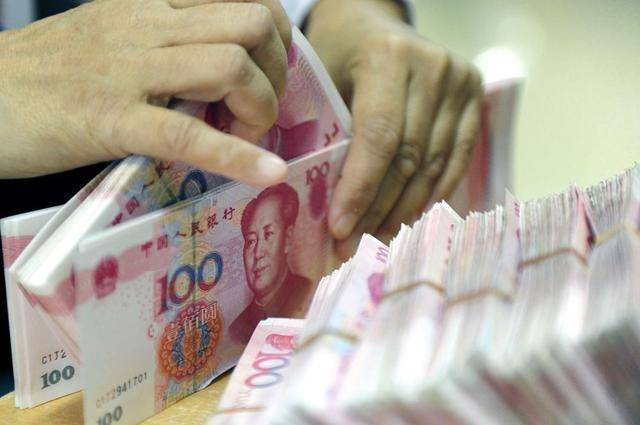
Core Insights - The integration of energy and finance is becoming a key driver for China's modernization amid the global energy landscape transformation and the advancement of the "dual carbon" strategy [3] - The "China Energy Finance Development Report (2025)" was jointly released by China National Petroleum Corporation Capital and Ernst & Young, providing a comprehensive analysis of the energy finance market in China [3] Group 1: Energy Finance Role and Structure - Energy finance has evolved from being a "service provider" to a "multi-dimensional enabler," supporting energy security and green transformation [4][6] - The financing structure is diversifying, moving away from reliance on traditional credit, with new financing tools emerging [8] - In 2024, the new financing products in energy finance reached 6.7 trillion yuan, with a total scale of 42.9 trillion yuan, representing 19% and 26% of the overall market, respectively [6] Group 2: Cross-Border Settlement and Industry Focus - The rise of RMB cross-border settlement is establishing energy trade as a new engine for internationalization, with the direct cross-border settlement amount reaching 13.9 trillion yuan in 2024 [9] - The electricity sector has become the main financing player in the energy system, accounting for 74% of the new financing in energy listed companies in 2024 [15] Group 3: Traditional Energy Giants and Hydrogen Financing - Traditional oil and gas giants are transforming into key bridges for energy transition, with green bond balances in the oil and gas sector reaching 32.5 billion yuan in 2024 [18] - The hydrogen financing ecosystem is taking shape, with government-led and market-driven dynamics, resulting in over 6.5 billion yuan in cumulative financing for hydrogen enterprises by 2024 [22] Group 4: Nuclear Fusion and Carbon Market Development - China's nuclear fusion industry is advancing towards commercialization, with a goal to achieve the world's first fusion power demonstration by 2027, supported by a dual-driven funding system [24] - The carbon market is becoming more active, with a trading volume of 18.1 billion yuan in 2024, and green electricity trading has seen a compound growth rate of 200% since 2021 [27] Group 5: Energy Listed Companies and Financial Innovation - Energy listed companies are showing a significant increase in new financing, with a growth rate of 10.5%, indicating their leading position in the market [29] - The report outlines a new paradigm of energy finance that emphasizes "industry-specific strategies," showcasing successful models from various energy capital platforms [30] Conclusion - The future of energy finance in China is expected to create new opportunities through continuous innovation and technological transformation, evolving from traditional service models to deep collaborative roles [31]


期待与中国共享高质量发展新机遇
人民网-国际频道 原创稿· 2025-11-17 03:20
Core Insights - The "14th Five-Year Plan" is viewed as a strategic development blueprint that emphasizes a shift from quantity to quality growth, particularly in high-tech industries and sustainable development [2][3] - The plan is expected to create new opportunities for high-quality development and international cooperation, particularly benefiting Southeast Asian countries [1][2] Group 1 - The "14th Five-Year Plan" reflects China's commitment to enhancing economic resilience through structural upgrades and reducing dependence on global market fluctuations [2] - The plan outlines significant reforms in capital markets, foreign investment access, and the internationalization of the Renminbi during its implementation period [2] - The focus on a modern industrial system and new technology applications is expected to elevate Indonesia's strategic position in key minerals, manufacturing partnerships, and digital economy cooperation [2] Group 2 - China's high-level opening up is anticipated to strengthen mutually beneficial cooperation with developing countries, including Thailand, enhancing win-win opportunities [3] - The plan addresses major global challenges and is expected to provide lasting momentum for the global economy, contributing to global governance [3] - A stable and predictable China is seen as a stabilizing force for regional and global stability, with a focus on high-quality and sustainable growth [3]
黄金基金ETF(518800)近20日净流入超21亿元,去美元化持续推进,看好金价中期上涨
Sou Hu Cai Jing· 2025-11-17 02:28
Core Viewpoint - The ongoing de-dollarization is expected to drive a mid-term increase in gold prices, with the internationalization of the RMB leveraging gold to expand its influence [1] Group 1: Gold Market Dynamics - The Shanghai Gold Exchange is anticipated to enhance its pricing influence in non-USD currency markets [1] - Gold constitutes nearly 9% of China's central bank foreign reserves, which is still below that of major global economies, indicating significant room for growth [1] - Despite a slight slowdown in the pace of central bank gold purchases due to high gold prices, there has been a continuous increase for 12 months, highlighting the importance of raising gold's proportion in reserves [1] Group 2: Price Forecasts - Short-term gold prices may experience fluctuations due to weakened expectations of interest rate cuts and a strengthening dollar [1] - In the mid-term, the total US national debt is projected to exceed $40 trillion, with overseas inflation likely to rise, supporting a bullish outlook for gold prices to surpass $4,500 per ounce and potentially reach $5,000 per ounce [1] Group 3: Investment Strategies - The long-term outlook for gold prices remains positive, suggesting that investors may consider participating during subsequent pullbacks and gradually accumulating positions [1] - Direct investment in physical gold and tax-exempt gold ETF (518800) are recommended, along with gold stock ETFs (517400) that cover the entire gold industry chain [1]

中国科技企业债券发行受离岸人民币投融资市场热捧
Huan Qiu Wang· 2025-11-17 01:47
Core Insights - China Bank has acted as a global coordinator for several leading tech companies, including Alibaba, Baidu, Tencent, and Meituan, issuing a total of over 47 billion yuan in dim sum bonds, which were highly sought after in the offshore RMB financing market [1] - The total subscription amount for these bonds reached nearly 150 billion yuan, representing 3.2 times the issuance amount [1] - As of now, the total issuance of dim sum bonds in the market for 2025 has reached 979.454 billion yuan [1] Group 1 - The People's Bank of China (PBOC) has expressed its commitment to promoting the role of the RMB as a financing currency, supporting various financing products such as RMB loans, panda bonds, offshore RMB bonds, and trade financing [1][3] - The PBOC aims to enhance the liquidity of RMB for offshore entities, despite strict capital outflow controls in China [3] - The internationalization of the RMB has made progress, with the currency becoming the second most used in trade financing globally, accounting for 7.3% of total transaction volume as reported by SWIFT [3]




宋清辉等专家:三招推进,人民币国际化迎来新战略机遇窗口
Sou Hu Cai Jing· 2025-11-16 22:56
Group 1 - The core viewpoint suggests that the next phase of RMB internationalization should focus on enhancing the "freely usable" and "asset allocation" attributes of the RMB [1][4] - It is recommended to steadily advance capital account opening under controllable risks, allowing foreign investors to more easily freely remit RMB in and out [1][4] - The introduction of more diversified and highly liquid RMB-denominated assets, such as government bonds and financial derivatives, is advised to attract central banks and sovereign funds to use RMB as a reserve and allocation currency [1][4] Group 2 - According to SWIFT data, in July this year, RMB maintained its position as the sixth most active global payment currency, accounting for 2.88% of the total [3] - The internationalization of RMB is seen as entering a new strategic opportunity window, with a focus on three key areas: strengthening sovereign credit and currency stability, ensuring alignment with national interests, and adhering to a principle of "taking the lead" to prevent financial risks from rapid internationalization [3]