绿色低碳

Search documents
商务部:引导企业加快绿色低碳转型 降低外贸产品碳排放量
Sou Hu Cai Jing· 2025-10-31 05:46
Core Viewpoint - The Chinese government is promoting green trade initiatives to enhance low-carbon development in foreign trade, focusing on sustainable practices and reducing carbon emissions in the supply chain [1][3]. Group 1: Green Trade Implementation - The Ministry of Commerce has issued implementation opinions to promote green trade, which includes transitioning long-distance transport from road to rail and water, using environmentally friendly packaging, and enhancing international recognition of logistics containers [3]. - The initiative aims to develop trade in sustainable fuels like green hydrogen and explore the import and export of remanufactured products [3][4]. - Support for enterprises to leverage free trade agreements for expanding cooperation in the green low-carbon sector is emphasized, along with enhancing the greening of trade exhibitions [3]. Group 2: International Cooperation and Standards - The government plans to engage in global discussions on carbon-related trade rules and strengthen international cooperation on green low-carbon development, particularly with Belt and Road Initiative countries [3][4]. - There is a focus on improving carbon footprint accounting standards for key foreign trade products and enhancing mutual recognition of qualifications in the green low-carbon sector [3][4]. Group 3: Financial and Policy Support - The initiative includes strengthening financial policy support, expanding export credit insurance for green low-carbon industries, and developing a carbon footprint database for foreign trade products [4]. - Establishing a carbon pricing mechanism and increasing the scale of green certificate and green electricity trading are also part of the strategy to meet the needs of foreign trade enterprises [4]. - The government aims to build a statistical monitoring and analysis system for green trade and improve the policy framework surrounding it [4].

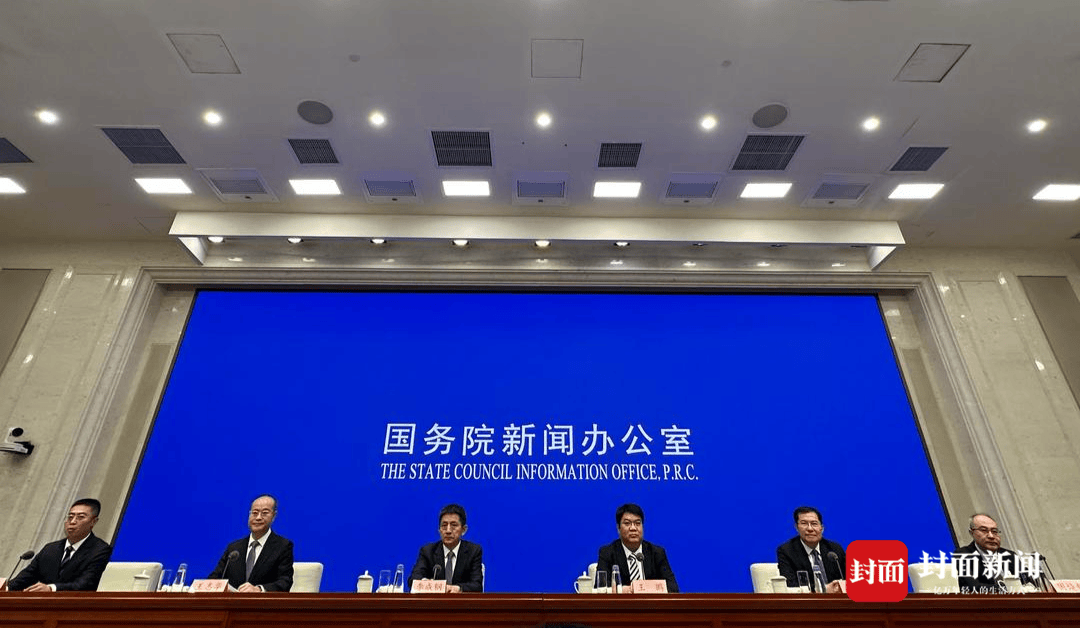
李成钢分享一组数据
Sou Hu Cai Jing· 2025-10-31 05:46
Core Insights - China's wind power, photovoltaic, and new energy vehicle products have been exported to over 200 countries, significantly reducing global wind and solar power generation costs by more than 60% and 80% respectively [1][4] - The Chinese government is committed to expanding green trade as part of its responsibility in global climate change efforts, as highlighted by recent initiatives [3][8] Industry Performance - In the first three quarters of this year, the export growth rate of wind turbine units and components exceeded 30%, while photovoltaic products have maintained an export value of over 200 billion yuan for four consecutive years [4] - Electric vehicle exports surpassed 2 million units last year for the first time, with strong growth also seen in the export of electric locomotives, electric motorcycles, and bicycles [4] Policy Initiatives - The Ministry of Commerce has issued the first special policy document on expanding green trade, which includes measures covering the entire process and various aspects of the foreign trade supply chain [4][5] - The policy encourages the development of new products using recycled resources and biodegradable materials, and aims to reduce resource waste and environmental pollution from trade [5] International Cooperation - The implementation plan emphasizes the need for fair and inclusive international rules and standards to facilitate the smooth flow of green products and services [7] - China aims to participate in global discussions on carbon-related trade rules and enhance cooperation on green low-carbon development topics [7][8] Future Outlook - The Chinese government plans to establish a standard system for green low-carbon products, technologies, and services that aligns with international standards, thereby reducing trade costs associated with standard discrepancies [7] - The goal is to enrich the global supply of green low-carbon products and services, contributing positively to global climate governance [8]
科技加持让城市焕新貌 “数字建造”好房子“多点开花”释放强大潜力
Yang Shi Wang· 2025-10-31 05:37
Core Insights - The theme for the 2025 World Cities Day in China is "People's City, Smart Future," highlighting the transformative impact of technology on urban development [1] - The Ministry of Housing and Urban-Rural Development reports significant advancements in smart construction during the 14th Five-Year Plan, with numerous advanced technologies and new materials being applied to promote high-quality urban development [1][3] Smart Construction Progress - By 2025, 24 cities including Beijing, Tianjin, and Chongqing will conclude their pilot programs for smart construction, with positive progress and results achieved in expanding application scenarios and nurturing new industries [3] - Notable innovations include digital design, intelligent production, smart construction, and building robots, which enhance construction efficiency and safety [4] Technological Integration - The integration of technologies such as Building Information Modeling (BIM) and construction robots has become widespread in major projects, improving precision and efficiency while ensuring safety [4] - The collaboration between smart construction and green low-carbon initiatives has led to significant energy-saving renovations, with approximately 800 million square meters of existing buildings upgraded since the start of the 14th Five-Year Plan [4] 3D Printing and Customization - The application of 3D printing technology in construction is revolutionizing production methods, allowing for personalized designs at lower costs [6][9] - The "Xiong'an Wing" cultural theater, the world's largest 3D-printed building, showcases the potential of 3D printing in creating unique architectural features [7] Smart Construction Equipment - Various intelligent equipment, such as building machines and collaborative robots, are increasingly utilized on construction sites, enhancing efficiency and reducing noise [10][12] - Advanced technologies like 5G-enabled tower cranes allow for remote operation and comprehensive monitoring, improving safety and operational efficiency [17] Urban Development and Global Perception - The ongoing urban renewal in China reflects a shift from focusing solely on infrastructure to prioritizing human-centered design, enhancing livability and community warmth [20][22] - Foreign observers note the rapid construction pace and high quality of urban architecture in China, which blends traditional cultural elements with modern design [22]

Day2:“十五五”战略规划全面建设铜工业强国:CCAE2025SMM铜业年会会议纪要
Nan Hua Qi Huo· 2025-10-31 05:27
Report Industry Investment Rating No information provided regarding the report industry investment rating. Core Viewpoints of the Report - China's copper industry has achieved remarkable results in production, consumption, corporate strength, technological innovation, and economic benefits during the "14th Five - Year Plan" period. The "15th Five - Year Plan" aims to build a copper industry powerhouse in two steps, focusing on aspects such as independent innovation, resource security, green and low - carbon development, and digitalization [1][2][5] - The global copper market is facing challenges such as high copper prices suppressing demand, accelerated copper - aluminum substitution, and pressure on smelting profits. However, there are also opportunities in new energy vehicles and artificial intelligence driving demand growth. The market will be in a long - term tight balance, requiring industry collaboration, technological innovation, and ecological construction to address challenges [11][18][19] Summary by Relevant Catalogs "15th Five - Year Plan" to Fully Realize a Copper Industry Powerhouse "14th Five - Year Plan" Core Development Achievements - **Output and Consumption Scale**: China's copper industry has maintained rapid growth since reform and opening - up. In 2024, refined copper production accounted for nearly 50% of the global total, and consumption accounted for 58%. Per capita copper consumption reached 10 kg, and consumption increased from 1.266 billion tons to nearly 1.5 billion tons from 2020 - 2024. The power sector accounted for 50% of domestic consumption [2][6] - **Enterprise and Resource Status**: Two Chinese enterprises have entered the global top ten in the copper mining field, with Zijin Mining ranking among the top four. Domestic refined copper production capacity is concentrated in provinces such as Jiangxi, Shandong, Guangxi, and Anhui. Significant progress has been made in domestic and overseas resource exploration [6][7] - **Economic Benefits**: During the "14th Five - Year Plan" period, the copper industry's operating income increased from 1.7 trillion yuan to 3 trillion yuan, with a growth rate of 14.9%. Profits increased from 45.4 billion yuan to 95.3 billion yuan, accounting for 22% of the non - ferrous metal industry [7] - **Technological Innovation**: China has achieved import substitution for copper tubes, copper plates, and copper foils. Ultra - thin copper foils with a length of over 20,000 meters have been produced, and energy consumption has been continuously optimized [7] "15th Five - Year Plan" Strategic Plan - **Overall Goals**: Build a copper industry powerhouse in two steps. From 2025 - 2030, focus on independent innovation, resource security, green and low - carbon development, and digitalization. From 2030 - 2035, achieve technological self - reliance, resource control, green production, smart factories, global layout, and talent cultivation [5] - **Key Goals**: Promote work in five major areas: scientific and technological research, resource security, green and low - carbon development, smart factory construction, and high - end talent deployment [10] Current Situation of the Copper Mine Industry and Corporate Green Transformation Global and Chinese Copper Mine Industry Patterns - **Global Pattern**: Global copper resources are concentrated in countries such as Chile and Peru. In 2024, global production was 2.298 billion tons, consumption was 2.35 billion tons, and the new energy sector accounted for 27% of consumption [11][12] - **Chinese Situation**: China's copper resource reserves are 41 million tons, accounting for 4.2% of the global total, with a static guarantee period of 24 years. In 2024, production was 1.364 billion tons (49.9% of the global total), and consumption accounted for 58% of the global total, with a high degree of external dependence [11][15] Challenges in the Development of the Copper Industry - **High Copper Prices Suppress Downstream Demand**: After the National Day in 2025, copper prices rose to nearly 89,000 yuan/ton. For every 10,000 - yuan increase in copper prices, the cable industry's cost increases by 12%, and the new energy vehicle procurement cost increases by 8%. In the first half of 2025, domestic copper processing enterprises' orders decreased by 7.3% year - on - year [16] - **Accelerated Copper - Aluminum Substitution**: When the copper - aluminum price ratio exceeds 4, downstream enterprises tend to use aluminum to replace copper. The aluminum industry association has conducted special research on "replacing copper with aluminum" [16] - **Pressure on Smelting Enterprise Profits**: In 2025, copper processing fees were negative, about - 40 US dollars/ton. Domestic smelting enterprises mainly rely on the profits of by - products such as sulfuric acid, gold, and silver to subsidize production [17] Round - Table Discussion: Coexistence of Challenges and Opportunities Mine Copper Supply Shows "Short - Term Growth, Long - Term Bottlenecks" - Global copper demand is growing structurally, driven by new energy vehicles and artificial intelligence. It is predicted that in 2035, the global copper industry demand will reach 42 million tons, with a shortage of 4.5 million tons of mine copper [20] There are Delivery Arbitrage Opportunities When the LME - COMEX Copper Price Difference Reaches a Maximum of 2,500 US Dollars - The Trump administration's tariff policies have changed the global copper trade pattern, widening the LME - COMEX copper price difference. Trade enterprises can profit from cross - market arbitrage, but they also face challenges such as high market access thresholds and policy risks [22] The Low TC/RC is Corely Due to Supply - Demand Mismatch and Insufficient Industry Collaboration - The TC/RC has deteriorated significantly. In 2025, it dropped from 80 US dollars/ton in 2024 to 21.25 US dollars/ton, a decrease of 75%. The core reasons are supply - demand mismatch and insufficient industry collaboration [25] 2025 Global Copper Industry Chain Supply - Demand Pattern and Price Forecast - The US manufacturing reshoring and the Trump administration's tariff policies have affected the copper market. The supply - demand pattern of the copper industry chain is tense, and it is predicted that the copper price will rise to about 12,000 US dollars/ton in 2026 [28][29]

锐财经|第八届进博会来了
Ren Min Ri Bao Hai Wai Ban· 2025-10-31 04:21
Core Points - The 8th China International Import Expo (CIIE) will be held from November 5 to 10 in Shanghai, with participation from 155 countries and regions, showcasing over 4,108 foreign enterprises and covering an exhibition area exceeding 430,000 square meters, marking a new record in scale [1][2] Group 1: Characteristics of the Expo - The expo emphasizes openness, with six countries serving as guest countries, and will showcase China's achievements in deepening reform and high-level opening during the 14th Five-Year Plan [2] - The event will display 461 new products, technologies, and services, positioning China as a testing ground for global innovation [2] - The exhibition area has increased to over 367,000 square meters, with more than 600 new exhibitors compared to last year, including 290 Fortune 500 companies [2][3] Group 2: Focus on Cooperation and Development - The expo aims to connect with countries involved in the Belt and Road Initiative, featuring enterprises from 123 participating countries, a 23.1% increase year-on-year [3] - Special emphasis is placed on supporting the least developed countries, with an 80% increase in participating African enterprises [3][8] - New initiatives include a cross-border e-commerce platform and enhanced digital services to improve visitor experience [5] Group 3: Economic Impact and Future Outlook - The CIIE serves as a crucial platform for China's high-level opening, with a commitment to providing a stable and transparent business environment [7] - China remains the world's second-largest import market, with projected imports exceeding $15 trillion during the 14th Five-Year Plan [7] - The expo aims to foster mutual cooperation and shared development, with measures to support exhibitors from the least developed countries [8]
从“卖产品”到“给方案”!中国外贸绿色升级有这三大密码
Da Zhong Ri Bao· 2025-10-31 04:14
Core Insights - The Chinese government is accelerating the development of green trade, as highlighted in the recent implementation opinions issued by the Ministry of Commerce [1] Group 1: Green Trade Development - Green low-carbon products are becoming a new driving force for foreign trade, with global market size for electric vehicles, solar, and wind energy expected to reach $2.1 trillion by 2030, five times the current scale [3] - In the first three quarters of this year, exports of wind power generators and components grew by over 30%, while photovoltaic products have maintained export values exceeding 200 billion yuan for four consecutive years [3] - Electric vehicle exports surpassed 2 million units last year, with strong growth in green transportation tools like electric locomotives and motorcycles [3] Group 2: Supply Chain Upgrades - The green low-carbon development of China's foreign trade is evident in both product upgrades and deep transformations across the entire supply chain [4] - 47% of new products showcased at the 138th Canton Fair incorporated green design concepts, reflecting a shift in R&D towards sustainability [4] - Companies are innovating in production by using recycled materials, such as ocean waste fishing nets for swimwear, and adopting clean energy vehicles for logistics, reducing carbon emissions [4] Group 3: Integrated Solutions - The focus is shifting from merely selling products to providing integrated solutions that include technology, services, and management [4] - Chinese companies are exporting green low-carbon building materials to Saudi Arabia, offering comprehensive energy-saving design and construction solutions [4] - In Tanzania, Chinese firms are providing complete rapid transit solutions, including new energy buses, enhancing urban commuting efficiency [4] Group 4: Regional Performance - Local exports of green products are also performing well, with Shandong's exports of photovoltaic products, lithium batteries, and electric vehicles totaling 10.4 billion yuan in the first three quarters, a year-on-year increase of 29.6% [5] - In September alone, exports reached 1.2 billion yuan, marking a growth of 46.7% [5]
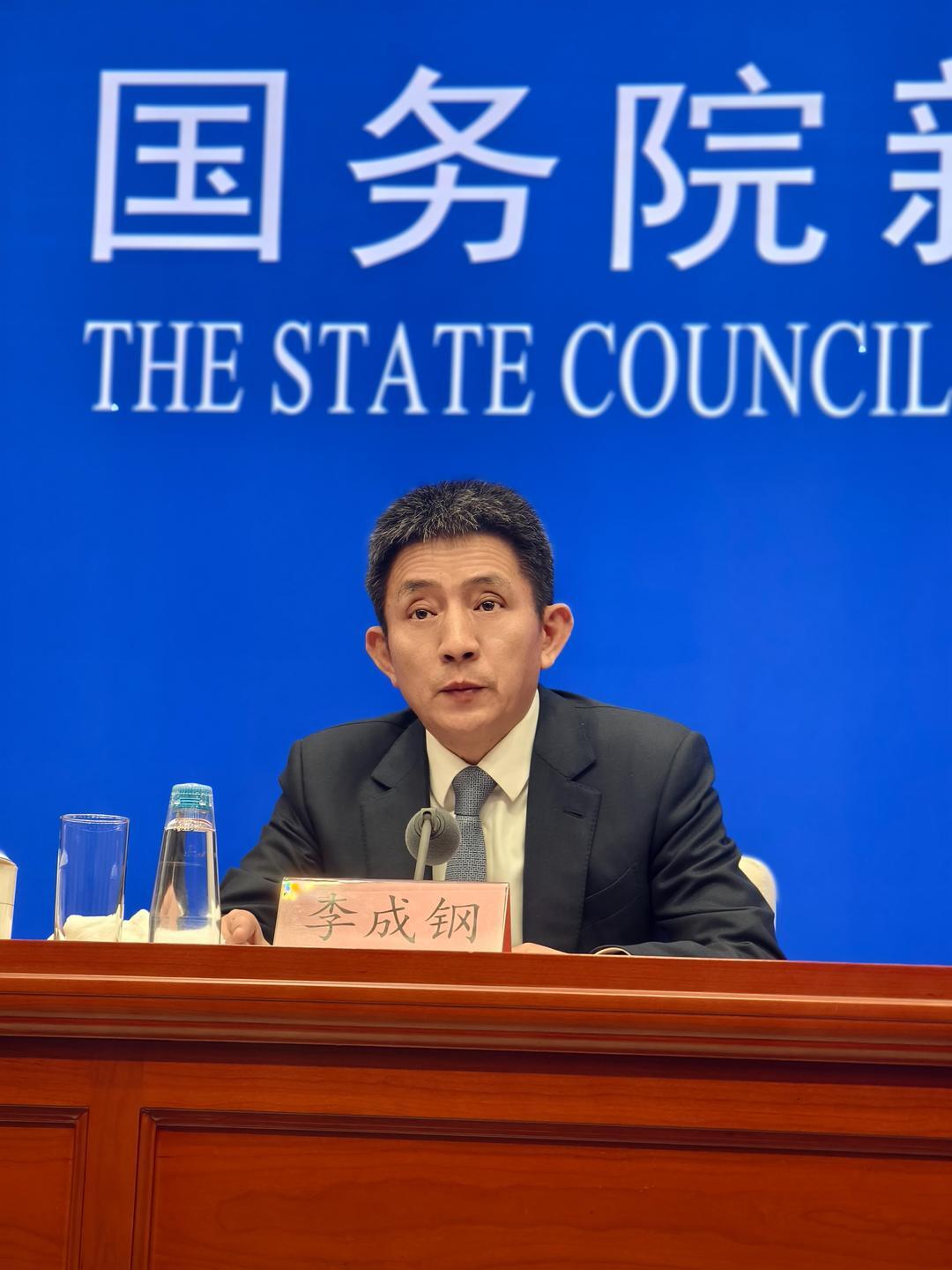
商务部:绿色低碳产品成为外贸发展的新动能
Xin Hua Wang· 2025-10-31 03:42
Core Viewpoint - The Chinese government emphasizes the importance of green low-carbon products as a new driving force for foreign trade development, with significant growth potential in the global market for electric vehicles, solar energy, and wind energy by 2030 [1] Group 1: Market Potential - International institutions predict that by 2030, the global market size for electric vehicles, solar energy, wind energy, and related technologies will reach $2.1 trillion, which is five times the current scale [1]
商务部:促进长途运输“公路转铁路”“公路转水路”
Sou Hu Cai Jing· 2025-10-31 03:24
Core Viewpoint - The "Implementation Opinions on Expanding Green Trade" is the first specialized policy document in the field of green trade in China, focusing on innovative leadership and addressing weaknesses in the country's green trade development [1][3]. Group 1: Enhancing Green Low-Carbon Development Capabilities - The document emphasizes strengthening training for foreign trade enterprises and enhancing awareness of green low-carbon development [3]. - It encourages leading enterprises to drive the green low-carbon transformation of the foreign trade supply chain and promotes green design and production to reduce carbon emissions from foreign trade products [3]. - Initiatives include promoting the shift from road to rail and water transport, using environmentally friendly packaging, and establishing a public service platform for green trade [3]. Group 2: Expanding Green Low-Carbon Product and Technology Trade - The document proposes the development of sustainable fuel trade, such as green hydrogen, and explores the import and export of remanufactured products [3]. - It supports enterprises in utilizing preferential arrangements from free trade agreements to expand trade cooperation in the green low-carbon sector [3]. - The document also emphasizes enhancing the greening of exhibitions and improving standards and management measures for the import of renewable resources [3]. Group 3: Creating a Favorable International Environment for Green Trade - The document calls for participation in global discussions on carbon-related trade rules and strengthening exchanges on green low-carbon development topics [4]. - It aims to establish more inclusive and fair international green trade rules and actively participate in high-standard trade agreement negotiations [4]. - The establishment of carbon footprint accounting standards for key foreign trade products is also highlighted [4]. Group 4: Establishing a Support System for Green Trade - The document emphasizes strengthening financial policy support and enriching financial products and services based on carbon footprint accounting results [5]. - It calls for the acceleration of the construction of a carbon footprint database for foreign trade products and the improvement of carbon pricing mechanisms [5]. - The establishment of a statistical monitoring and analysis system for green trade is also proposed [5].
厨余垃圾可发电 秸秆发酵变乙醇 武汉绿色新技术变废为宝
Chang Jiang Ri Bao· 2025-10-31 02:59
Core Viewpoint - The articles highlight innovative green technologies emerging in Wuhan that transform waste into valuable resources, addressing urban environmental challenges and contributing to high-quality sustainable development [1][2]. Group 1: Waste Management Innovations - Wuhan University of Technology developed an anaerobic digestion system with an intelligent carbon measurement platform for kitchen waste, significantly improving waste management efficiency [1]. - The system can generate 60 million kilowatt-hours of electricity annually from biogas, reducing carbon emissions by 80,000 tons [1]. - The biogas produced is now considered a "carbon asset," allowing for measurable and tradable carbon reductions in the carbon market [1]. Group 2: Biofuel Production - Wuhan Ruijia Kang Biotechnology Co., Ltd. has developed a "super strain" of bacteria that rapidly decomposes corn husks and straw into biofuel ethanol, achieving domestic production capabilities [1]. - The company has successfully demonstrated the production of high-purity lactic acid and cellulose ethanol, with cellulose ethanol reducing carbon emissions by 57% compared to traditional gasoline [2]. - Bio-based lactic acid produced by the company can achieve up to 98% lower carbon emissions compared to conventional plastics [2]. Group 3: Soil and Energy Solutions - Wuhan Lando Biotechnology Co., Ltd. utilizes fast-growing "super reed" plants for soil remediation and the production of green hydrogen and methanol, offering new solutions for ecological restoration and energy transition [2]. - The emergence of these green technologies in Wuhan not only addresses environmental issues but also transforms waste into valuable resources and green energy [2].
美丽广西建设成色更足底色更绿
Guang Xi Ri Bao· 2025-10-31 02:29
Core Points - The article discusses the progress and achievements of Guangxi in ecological protection and sustainable development during the "14th Five-Year Plan" period, emphasizing the integration of ecological safety and economic growth [1][2][3][4][5] Group 1: Ecological Protection Initiatives - Guangxi has implemented various ecological protection measures, including the establishment of 19 national ecological civilization demonstration zones and 6 "Two Mountains" practice innovation bases [1] - The region has maintained high air quality, with over 95.1% of days classified as good since 2021, and PM2.5 levels reduced to below 26.5 micrograms per cubic meter [2] - The water quality in Guangxi remains high, with over 98.2% of surface water meeting quality standards, and several cities achieving national recognition for water quality [2] Group 2: Green Development Strategies - Guangxi has introduced 113 measures to promote high-quality development, with over 1.7 million environmental impact assessments conducted and total investments exceeding 4.2 trillion yuan [3] - The region has created 105 national-level green factories and 11 green parks, along with one zero-carbon park, as part of its low-carbon initiatives [3] - The total investment in ecological environment-oriented development projects has surpassed 100 billion yuan [3] Group 3: Biodiversity and Environmental Health - Guangxi has made significant strides in biodiversity conservation, discovering 249 new species and increasing the population of endangered species such as the white-headed langur [4] - The region has established a zero-tolerance policy towards ecological violations, resulting in 5,319 administrative penalty cases since 2021, with fines totaling 437 million yuan [4] Group 4: Regional Cooperation and Collaboration - Guangxi has strengthened environmental cooperation with neighboring regions, signing multiple ecological compensation agreements and participating in international environmental exhibitions [5] - The region has also deepened cooperation with ASEAN countries, including signing a memorandum of understanding with Vietnam on environmental protection [5]