
银发经济

Search documents
聚焦万亿级消费新风口!增强供需适配,适老化产品市场潜力几何?
Huan Qiu Wang· 2025-12-04 01:57
Core Insights - The elderly products market is projected to grow from 2.6 trillion yuan in 2014 to 5.4 trillion yuan by 2024, with a compound annual growth rate of 7.3%, becoming a significant pillar of the silver economy [1] - The "Implementation Plan" aims to enhance the adaptability of supply and demand in the elderly products sector, with specific goals set for 2027 [1] Market Growth and Trends - The elderly products market is experiencing robust growth, driven by an aging population and increasing demand for elderly care services [1][2] - The market is expected to form three trillion-level consumption fields and ten hundred-billion-level consumption hotspots by 2027 [1] Product Supply and Demand - There is a need to optimize the supply of elderly products to better match the diverse needs of the elderly population [2][3] - Current elderly products cover basic care, health monitoring, and life assistance, but there is a significant lack of high-end smart devices and personalized products [2][3] Barriers to Market Development - Major obstacles include insufficient consumer awareness, supply-demand mismatch, lack of standardization, and cost pressures [3] - Traditional views among the elderly lead to lower acceptance of elderly products, with a preference for reliance on family or traditional care methods [3] Policy and Technological Integration - The "Implementation Plan" emphasizes the need for enhanced research and development of elderly products, including care robots and multifunctional nursing beds [3][4] - The integration of artificial intelligence into elderly care services is highlighted as a key area for innovation [4] Role of Insurance in Elderly Products - The insurance sector plays a crucial role in promoting elderly products through a "product + service" model, establishing long-term trust with clients [5][6] - Insurance companies are integrating various service resources to create a comprehensive service system for the elderly [5][6] Financial Support and Industry Development - The government aims to increase support for quality elderly products through financial policies, including the establishment of special funds and tax incentives [6] - Insurance companies are encouraged to invest strategically in infrastructure for elderly care, enhancing the application scenarios for elderly products [6]
奏响适老化“新乐章”
Jing Ji Ri Bao· 2025-12-04 00:14
Group 1 - The integration of the music industry with the silver economy is creating new opportunities, with products like smart instruments and AI massage chairs catering to the elderly market, transforming passive aging into active enjoyment of life [1] - The silver economy encompasses both tangible products related to daily needs and intangible services such as education and cultural tourism, with the music industry emerging as one of the fastest-growing sectors [1] - Countries like the US and EU are implementing structured policies to support music therapy and lifelong music education for the elderly, highlighting the potential for China's music industry to tap into the vast silver economy market [1] Group 2 - Policy support is crucial for the growth of the music industry within the silver economy, as seen in Wuxi, which has implemented targeted policies to incentivize music events and education, fostering a complete ecosystem that connects elderly individuals [2] - There is a strong demand for cultural and educational services among the elderly, prompting art colleges to take social responsibility by offering music education tailored for older adults, enhancing their engagement and enjoyment [2] - The development of digital technology is facilitating easier access to music services for the elderly, leading to the formation of a comprehensive online music education industry chain that addresses their specific needs [3] Group 3 - Continuous innovation in age-appropriate music products is essential, with a focus on developing user-friendly instruments and devices that cater to the elderly's operational challenges and hearing impairments [3]
到2027年,我国将培育3个万亿级消费领域与10个千亿级消费热点
Sou Hu Cai Jing· 2025-12-03 11:44
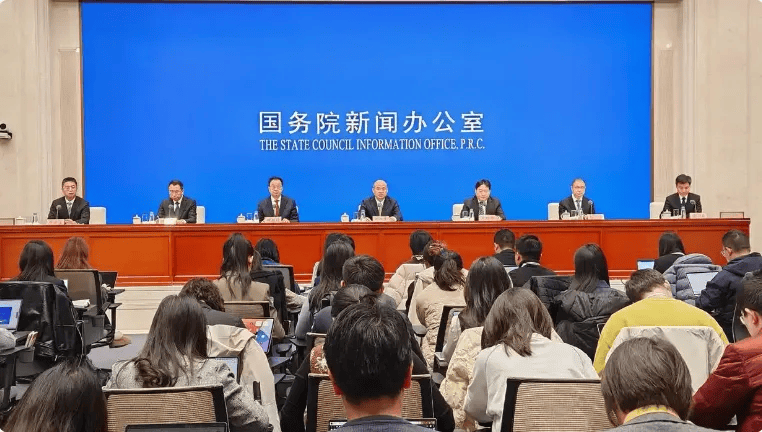
Core Insights - The Chinese government has introduced an implementation plan to enhance the adaptability of consumer goods supply and demand, aiming for significant optimization of the supply structure by 2027, with the goal of creating three trillion-level consumption sectors and ten hundred-billion-level consumption hotspots [1][3]. Group 1: Consumption Trends and Market Potential - The development goals are based on a comprehensive assessment of current consumption trends, industrial foundations, and technological changes, focusing on both "stock optimization" and "incremental creation" [3]. - The elderly care market is projected to grow from 2.6 trillion yuan in 2014 to 5.4 trillion yuan by 2024, with a compound annual growth rate of 7.3%, highlighting its potential as a core driver of the silver economy [3][4]. Group 2: Key Consumption Sectors - The three trillion-level consumption sectors identified are elderly products, smart connected vehicles, and consumer electronics, which are seen as high-potential areas for growth [3][4]. - The ten hundred-billion-level consumption hotspots include diverse categories such as baby products, smart wearables, cosmetics, fitness equipment, outdoor products, pet supplies, civilian drones, trendy toys, jewelry, and national trend clothing, reflecting a vibrant and diversified market [4]. Group 3: Strategic Development Approach - The government plans to adopt a multi-faceted and layered approach to continuously cultivate and expand various consumption hotspots, enhancing the resilience and vitality of the domestic consumption market [4].

角逐银发经济新赛道 险企加速布局康养旅居
Jin Rong Shi Bao· 2025-12-03 03:17
Group 1 - The core idea of the article is that the insurance industry is increasingly focusing on the "travel and health" sector as a new opportunity in the aging economy, integrating health protection, travel experiences, and quality living for the elderly [1][3][4] - Xinhua Insurance has launched a new health and wellness base in Huizhou, enhancing its travel and health strategy, and has established a network covering 45 cities and 55 projects nationwide [2][4] - The market for travel and health services is expected to grow significantly, driven by government policies aimed at promoting elderly welfare and the integration of tourism and health services [3][5] Group 2 - The insurance industry has adopted a "light asset, heavy service" model, collaborating with hotels and third-party service providers to expand travel and health communities [4][5] - Challenges in the travel and health industry include service standardization, emergency support, and talent supply, which companies like Xinhua Insurance are addressing through rigorous partner selection and ongoing project evaluations [5][6] - The future of the insurance travel and health sector is expected to see increased competition, a growing elderly demographic, and higher consumer expectations for service quality [6]
奋楫“十五五”,资本与国策共创
Sou Hu Cai Jing· 2025-12-03 01:52
Core Insights - The focus of national development is shifting from "quantitative recovery" post-pandemic to "qualitative leap" in the "15th Five-Year Plan" [1] - The "15th Five-Year Plan" emphasizes "high-level technological self-reliance" and aims for a dual goal of "effective qualitative improvement and reasonable quantitative growth" [5][11] Group 1: Economic and Industrial Strategy - The national strategy is entering a new cycle centered on innovation efficiency, industrial structure, and regional collaboration, marking a shift from "policy following" to "system co-creation" [4] - The plan aims to build a modern industrial system with advanced manufacturing as the backbone, focusing on future industries like quantum technology, biomanufacturing, and hydrogen energy [11] - The transition from "incremental manufacturing" to "efficiency manufacturing" indicates a shift in focus from merely increasing production to optimizing resource allocation [12] Group 2: Investment Opportunities - Hard technology investment, including semiconductors and advanced materials, is positioned as a foundational logic for "systematic breakthroughs" [10] - Investment institutions are encouraged to engage in pre-financing and result transformation for national technology tasks, fostering capital co-creation [10] - The emphasis on "entrepreneurial investment + risk-sharing mechanisms" presents opportunities for investment firms to participate in national innovation initiatives [10] Group 3: Green Development - The "15th Five-Year Plan" elevates green development from a secondary goal to a structural institution, influencing all industrial allocations [17] - The integration of green issues into financial and market mechanisms signifies a shift in perspective, making green development a capital issue [17] - Sustainable investment opportunities in green infrastructure and carbon asset management are expected to grow [20] Group 4: Consumer and Market Dynamics - The plan positions consumption upgrade as a core driver of economic structural transformation, moving from recovery to quality enhancement [22] - The "silver economy" is recognized as a significant industrial opportunity, transforming aging issues into growth engines [22][25] - Investment opportunities in healthcare, elder care, and technology-assisted living are anticipated to rise due to demographic shifts [25] Group 5: Regional Development - The focus of regional policy is shifting from "development gradient" to "structural coordination," promoting a unified market and efficient resource allocation [27] - Investment institutions are encouraged to collaborate with local guiding funds to strengthen project foundations and facilitate new industry development in less developed regions [30] Group 6: Financial Market Reforms - The "15th Five-Year Plan" emphasizes structural improvements in capital markets, transitioning from a focus on financing to a comprehensive investment-funding-exit cycle [32] - Direct investment institutions are identified as key players in building a strong financial nation, with multiple exit pathways being developed [35] - The plan aims to enhance the inclusivity and adaptability of capital market systems, promoting direct financing methods [31] Strategic Summary - The "15th Five-Year Plan" outlines new engines for China's economic growth, including technological innovation and green transformation, while establishing a more inclusive capital market system [36] - Investment institutions are encouraged to align their strategies with national planning, leveraging professional judgment to identify promising sectors and companies for investment [36]

湖南出台11项举措提振扩大消费,加大消费金融支持力度
Huan Qiu Wang· 2025-12-03 01:29
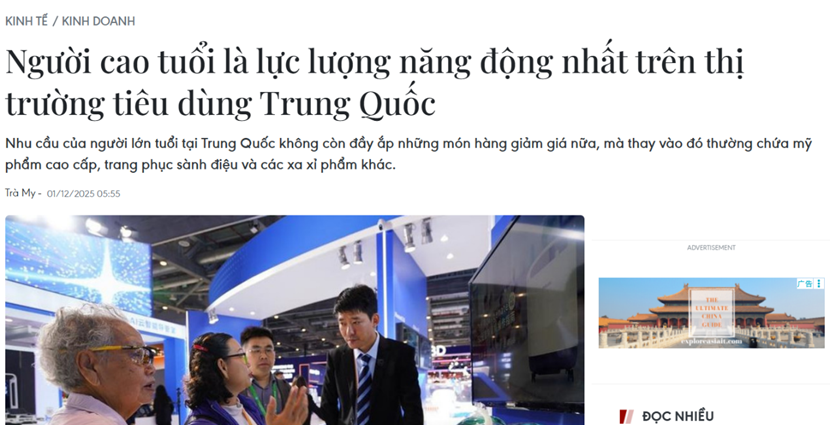
【环球网财经综合报道】日前,湖南出台11项举措提振扩大消费,提出要加大对消费品以旧换新、新型消费、文体消 费、生活服务、消费基础设施、商贸流通等关键消费领域的金融支持力度。 报道还提出,目前中国的银发经济规模约为7万亿元人民币(约合9890亿美元),到2035年,这一数字可能达到30万 亿元人民币,占全国GDP的10%。南京大学社会与行为科学学院副教授卢元认为,60岁左右的人受益于中国的改革开 放和社保体系的发展,养老金和医疗保险为他们的消费习惯提供了稳定的财务基础。 越南通讯社近日发文称,中国日益增长的老年人口正在推动一个巨大市场的需求。统计数据表明,目前中国老年人占 国内游客总数的20%以上;今年上半年,面向老年人设计的旅游、体育、健康护理以及文化娱乐服务的收入分别比去 年同期增长了约26%、24%和21%。 ...
南开大学原新:必须在原有经济发展模式上进行适老化改革
2 1 Shi Ji Jing Ji Bao Dao· 2025-12-02 14:02
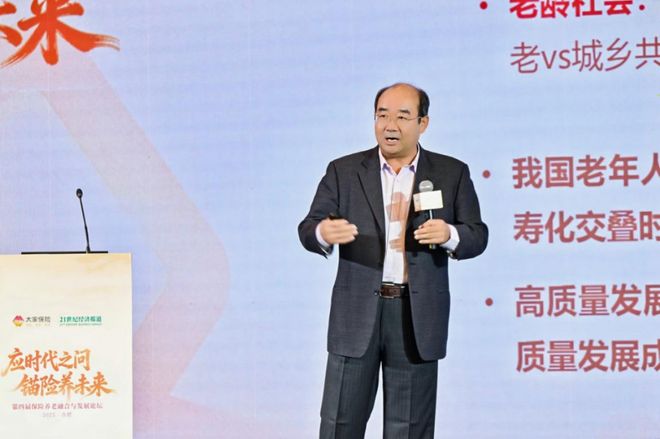
Group 1 - The forum focused on the challenges posed by China's aging population, low birth rates, and increased longevity, emphasizing the need for comprehensive and long-term reforms in the aging sector [1][3] - The macro-level discussion highlighted the necessity of adapting the relationship between population and economy through a new industry structure that is knowledge, technology, and capital-intensive to achieve high-quality economic development [3] - At the meso-level, the need for a multi-pillar and multi-level pension system was stressed, along with the innovation of an aging industry system that includes emerging sectors such as culture, education, health, finance, and livability to enhance the quality of life for the elderly [3] Group 2 - The micro-level perspective indicated that while the government is responsible for basic living standards for the elderly, individuals must take responsibility for their quality of life in old age through financial mechanisms and tools [3] - The proposed model for China's new pension insurance system involves a collaborative approach where the government ensures basic needs, enterprises provide supplementary support, families contribute to care, and individuals enhance their quality of life [3] - The forum underscored the potential for innovative market-oriented pension financial products, highlighting the significant opportunities for the integration of insurance and pension services in response to demographic changes [3][4]
白皮书:文化服务将成为银发经济的重要增长极
Zhong Guo Xin Wen Wang· 2025-12-02 13:54
Core Insights - The white paper highlights that cultural services will become a significant growth driver in the silver economy, driven by the increasing spiritual and cultural needs of the elderly population [1][2] Group 1: Market Trends - The silver economy has expanded from traditional elderly care services to a comprehensive approach that includes "for the elderly" and "preparing for the elderly" across the entire value chain [1] - The "new middle-aged and elderly" demographic, particularly those born in the 1960s and 1970s, is emerging as a key force in cultural consumption, showing a high level of education and acceptance of new technologies [1][2] - Over 80% of respondents recognize the value of educational learning in meeting their spiritual and cultural needs, with high participation in areas such as elderly education, online entertainment, and outdoor leisure [1] Group 2: Supply Challenges - Despite the rising demand for cultural services, there is a structural shortage in supply, particularly in high-quality offerings that are innovative and tailored to diverse needs [2] - Professional service capabilities are still developing, with limited resources in elderly education and emerging services like cultural study, psychological companionship, and digital literacy enhancement [2] - The penetration of digital applications among the elderly remains low, indicating a need for improved design, user experience, and learning support for new technologies [2] Group 3: Future Outlook - The scale of the silver economy is continuously expanding due to economic and demographic changes, emphasizing the growing importance of spiritual and cultural consumption [2] - Industry experts suggest that the focus of the silver economy should shift from merely responding to aging to actively enhancing the value of this demographic, improving quality of life, and promoting social participation [2]
华大集团CEO尹烨:科技赋能健康的本质,是为生命找到对抗衰老的“逃逸券”| WISE2025商业之王大会
3 6 Ke· 2025-12-02 10:02
Core Insights - The WISE 2025 Business King Conference aims to anchor the future of Chinese business amidst uncertainty, emphasizing the importance of technology and innovative narratives in shaping the business landscape [1] Group 1: Artificial Intelligence and Health - The rapid development of artificial intelligence (AI) is likened to "days feeling like years," with significant implications for various industries, including design and governance [3] - The average life expectancy in Beijing has increased to nearly 84 years, highlighting the importance of long-term thinking in personal and professional pursuits [2] - The potential for technology to extend human life is discussed, with the idea that for every three years lived, technology could add an additional year [3] Group 2: Disease Prevention and Health Management - Major health threats in China include malignant tumors and cardiovascular diseases, which account for approximately 70% of deaths, particularly in rural areas [4] - The five-year survival rate for cancer in China is around 42%-46%, compared to 70% in the US and Japan, indicating a significant gap in healthcare outcomes [4] - Emphasis is placed on preventive measures and lifestyle changes to combat chronic diseases, with a focus on weight control and healthy living [6] Group 3: Aging Population and Future Opportunities - The aging population presents opportunities for new markets, particularly in elder care and health management, with a projected increase in the elderly demographic [8] - Innovations in medical technology, such as organ transplantation from animals, are being explored to address the needs of an aging society [8] - The concept of "longevity" is redefined to encompass not just lifespan but also the quality of life, advocating for a holistic approach to health [11] Group 4: China's Position in Global Health Technology - China is positioned to become a global center for biomedical technology and treatment innovations, supported by recent government initiatives and pilot programs [10] - The accessibility of advanced medical treatments is crucial to prevent disparities in healthcare, ensuring that innovations benefit the broader population [10] - The digitization of health tools is expected to lower costs and improve health outcomes, aligning with national health policies [11]
昂立教育(600661.SH):公司当前主营业务为教育培训业务,计划将银发经济业务培育为公司的第二增长曲线
Ge Long Hui· 2025-12-02 08:48
格隆汇12月2日丨昂立教育(600661.SH)在投资者互动平台表示,公司当前主营业务为教育培训业务,计 划将银发经济业务培育为公司的第二增长曲线。 ...
