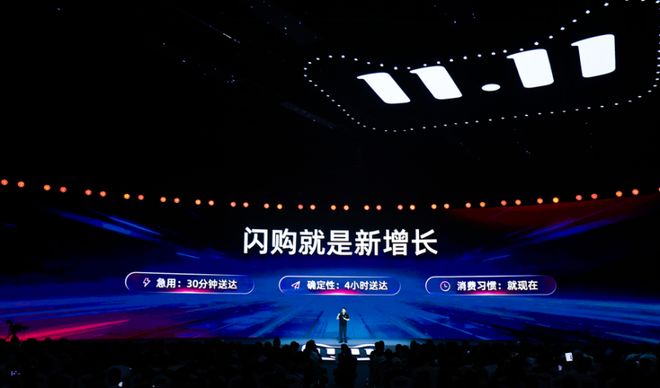
即时零售

Search documents
赵崇甫:白酒集体“降度”谋突围,理性看待低度化浪潮中的变与不变
Sou Hu Cai Jing· 2025-10-18 01:10
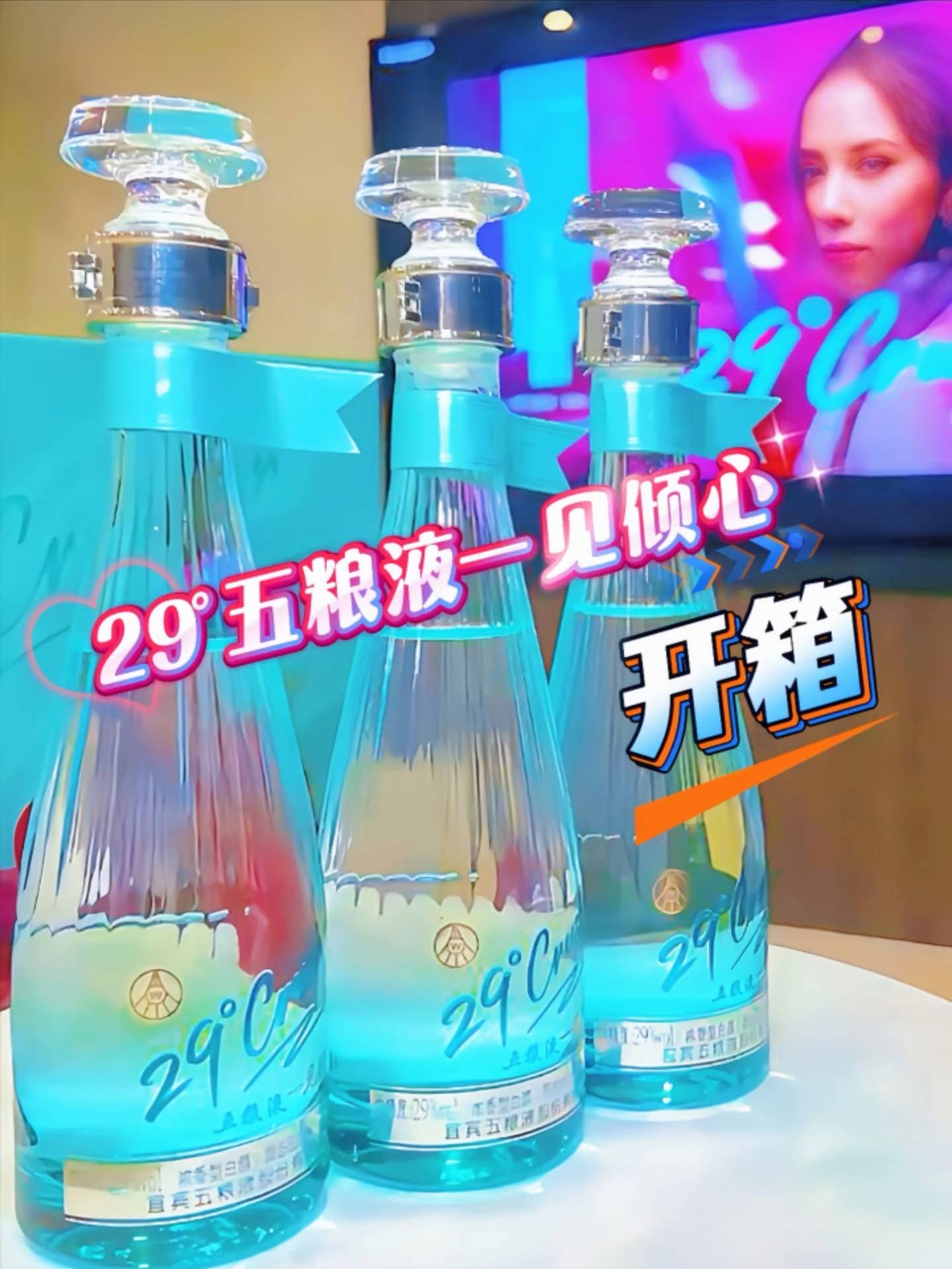
Core Insights - The low-alcohol trend in the Chinese liquor industry is gaining momentum, with major brands launching new low-alcohol products, indicating a significant shift in consumer preferences [1][4][8] Market Dynamics - The low-alcohol market is projected to exceed 74 billion yuan by 2025, with a compound annual growth rate of 25%, significantly outpacing the overall liquor industry growth [4] - The generational shift in consumer demographics is a key driver of this growth, as younger consumers show a preference for low-alcohol beverages [4][5] Consumer Preferences - A survey by Wuliangye revealed that only 19% of young consumers aged 20-35 favor traditional liquor, compared to 52% for beer and 29% for other alcoholic beverages [5] - Over 60% of young consumers prefer low-alcohol options, rejecting the strong taste of high-alcohol liquor [6] Changing Consumption Scenarios - Traditional consumption settings are evolving, with home drinking (50%) and outdoor activities (56% annual growth) becoming more popular, shifting the perception of alcohol from a social tool to a personal enjoyment [7] Technological Challenges - The production of low-alcohol liquor involves complex technical challenges, as reducing alcohol content can disrupt the balance of flavor compounds, leading to a bland taste if not managed properly [9][10] - Wuliangye's research on their 29-degree product highlighted the need for precise control of flavor components to maintain quality [11] Brand Strategies - Major brands are leveraging their existing brand equity to introduce low-alcohol products, while regional brands are creating independent brands to capture market share [13][14] - The 38-degree Guojiao 1573 has become a significant revenue source for Luzhou Laojiao, indicating the effectiveness of established brands in the low-alcohol segment [13] Channel Innovations - Instant retail is emerging as a crucial channel for low-alcohol beverages, with significant growth in categories like fruit wine (38% share, 72% growth) and tea wine (25% share, 65% growth) [16] - Data from Meituan indicates a dramatic increase in sales, with overall liquor sales reaching over 3 billion yuan in just 12 hours during promotional events [17] Cultural Context - Regardless of alcohol content, the essence of liquor remains tied to emotional, cultural, and social experiences, emphasizing that low-alcohol is not the ultimate solution but a response to evolving consumer needs [18][19]

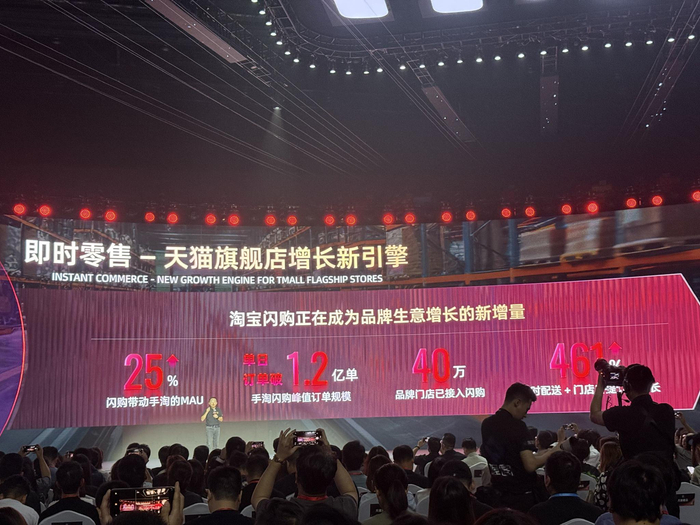
“淘宝闪购”首次出战 即时零售改造“双11”
Zhong Guo Jing Ying Bao· 2025-10-17 20:41
Core Insights - The 17th Tmall "Double 11" event will be the first to fully incorporate Taobao Flash Sales, marking a significant shift in Alibaba's strategy to leverage traffic from the food delivery battle [2][4] - Taobao Flash Sales are expected to generate a trillion yuan in new revenue over the next five years, indicating strong growth potential for the platform [2] - The competition in instant retail is intensifying, particularly between Alibaba and Meituan, as both companies seek to capture market share in this emerging sector [5][6] Group 1: Taobao Flash Sales - Taobao Flash Sales have shown promising results, with peak daily orders reaching 120 million in August, a 200% increase from April [4] - The integration of Taobao Flash Sales allows brands to connect online and offline sales, enhancing customer experience and operational efficiency [4][6] - The platform has already onboarded 37,000 brands and 400,000 stores, indicating strong merchant interest and participation [4] Group 2: Competitive Landscape - Meituan is closely monitoring the "Double 11" event, suggesting that aggressive subsidies from competitors could prompt a response [2][5] - While JD.com has shifted focus away from food delivery for this event, it is still engaged in deep operational strategies within instant retail [5][6] - The competition is expected to escalate between Alibaba and Meituan, with both companies leveraging their respective strengths in instant retail [6][10] Group 3: Market Potential - The instant retail market is projected to reach 600 billion yuan by 2024, with Alibaba's Flash Sales expected to contribute significantly to this growth [9] - Industry experts predict that instant retail could meet the increasing consumer demand for fast delivery, particularly for urgent and perishable goods [10][11] - The integration of offline stores into the instant delivery network is anticipated to enhance conversion rates and customer retention [10][11]


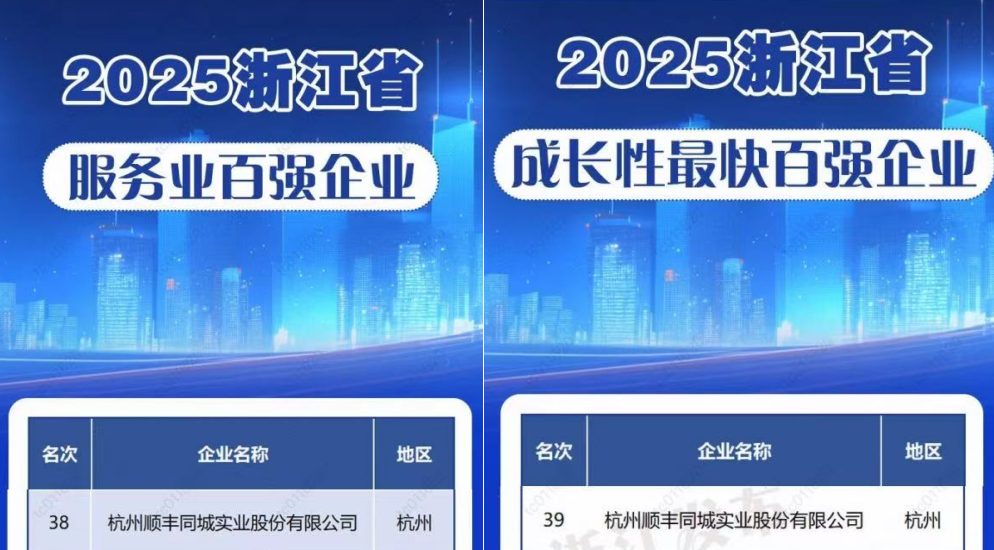
连升3名,顺丰同城位列“2025浙江省服务业百强企业”第38名
Zhong Jin Zai Xian· 2025-10-17 11:56
Core Insights - The announcement of the "2025 Zhejiang Province Top 100 Enterprises" lists highlights the inclusion of SF Express City in both the "Top 100 Service Enterprises" and "Fastest Growing Top 100 Enterprises" categories, ranking 38th and 39th respectively, with a 3-position improvement in the service sector compared to last year [1][3] Group 1: Company Performance - SF Express City achieved a total revenue of 15.75 billion yuan in 2024, representing a year-on-year growth of 27% [3] - The company reported a gross profit of 1.07 billion yuan, up 35% year-on-year, and a net profit of 130 million yuan, which is a significant increase of 162% [3] - It is noted as the only company in the third-party delivery industry to have continuous high revenue growth and profitability for two consecutive years [3] Group 2: Business Model and Technology - SF Express City operates as the largest independent third-party instant delivery platform in China, providing comprehensive services across four main scenarios: food delivery, local retail, near-field e-commerce, and near-field services [3][4] - The company is enhancing operational efficiency through technology, utilizing an AI-integrated "CLS" city logistics system for optimal order and capacity matching, and has over 300 autonomous delivery vehicles operating in more than 60 cities [4] Group 3: Workforce and Community Support - SF Express City has invested 30 million yuan in a "Dream Fund" to support the development and welfare of its delivery personnel, helping nearly 3,800 riders advance to higher positions within the company [5] - The company has also allocated 12 million yuan to address riders' clothing needs and established over 4,000 rider stations, along with initiatives for housing subsidies and a "grievance fund" to assist riders [5] Group 4: Industry Outlook - Industry experts view SF Express City's inclusion in the dual top 100 lists as a significant recognition of its business value, especially as instant retail evolves into a new norm of "flash purchase at home" [6] - The company is positioned to benefit from the ongoing growth in instant retail and the diversification of traffic, with expectations for accelerated profit release due to its customized solutions and operational efficiencies [7]
“闪购到家”渐成新消费常态,这家企业入选“2025浙江省百强企业”双榜单
Yang Zi Wan Bao Wang· 2025-10-17 11:16
Core Insights - The article highlights the recognition of SF Express's subsidiary, SF Same City, as one of the top companies in Zhejiang Province, reflecting its strong performance in both revenue and growth metrics [1][2]. Group 1: Rankings and Achievements - SF Same City was listed in both the "Top 100 Service Enterprises in Zhejiang" and the "Fastest Growing Top 100 Enterprises in Zhejiang," ranking 38th and 39th respectively, with a 3-position improvement in the service sector compared to the previous year [1]. - The rankings are based on the companies' revenue for the 2024 fiscal year and criteria such as a revenue growth rate exceeding 10% and R&D expenditure accounting for more than 3% of revenue [1]. Group 2: Financial Performance - In 2024, SF Same City achieved a revenue of 15.75 billion yuan, representing a year-on-year growth of 27%, with a gross profit of 1.07 billion yuan (up 35%) and a net profit of 130 million yuan (up 162%) [2]. - The company is noted as the only entity in the third-party delivery industry to have achieved continuous high revenue growth and profitability for two consecutive years [2]. Group 3: Community and Employee Initiatives - SF Same City invested 30 million yuan in a "Dream Fund" to support the development and welfare of its delivery riders, enhancing their skills and promoting internal career advancement [2]. - The company has established over 4,000 rider stations and provided various support measures, including a clothing fund and housing subsidies, to improve the living conditions of its riders [2].
港股,下跌
Zhong Guo Ji Jin Bao· 2025-10-17 10:25
Market Overview - The Hang Seng Index fell by 2.48% to close at 25,427.10 points, while the Hang Seng Tech Index dropped by 4.05% on October 17 [2] - The total market turnover was HKD 314.6 billion, with net inflows from southbound funds amounting to HKD 6.303 billion [2] Stock Performance - Alibaba's stock decreased by 4.22%, closing at HKD 154.4 per share, with a trading volume of HKD 20.78 billion [10] - Xiaomi Group's stock fell by 3.65%, closing at HKD 45.96 per share, with a trading volume of HKD 12.297 billion [11] - Chow Tai Fook's stock rose by 5.02%, while other notable declines included BYD Electronics down 8.13% and China Life down 5.75% [2] Biotechnology Sector - The biotechnology sector showed resilience, with notable gains from companies such as: -药捷安康-B, which surged by 22.22% [3] -轩竹生物-B, which increased by 16.90% and has seen its stock price rise over 200% since its listing [14] -药捷安康-B's clinical trial for its drug TT-00420 has commenced, targeting advanced or metastatic cholangiocarcinoma and other solid tumors [5] Consumer Sector - Lao Pu Gold saw a price increase of 3.11% and is set to raise prices on October 26 [7] - The brand achieved record sales during the Tmall "Double 11" event, with over HKD 300 million in sales within the first 10 minutes, marking a year-on-year growth of over 848 times [7]
港股,下跌
中国基金报· 2025-10-17 10:19
Market Overview - The Hang Seng Index fell by 2.48% to close at 25,427.10 points, while the Hang Seng China Enterprises Index dropped by 2.67%. The Hang Seng Tech Index experienced a significant decline of 4.05% [2] - The total market turnover was HKD 314.6 billion, with net inflows from southbound funds amounting to HKD 6.303 billion [2] Stock Performance - Alibaba's stock decreased by 4.22%, closing at HKD 154.4 per share, with a trading volume of HKD 20.78 billion. The company is preparing for the 2025 "Double 11" e-commerce promotion, which has seen a focus on instant retail [13] - Xiaomi Group's stock fell by 3.65%, closing at HKD 45.96 per share, with a trading volume of HKD 12.297 billion. Market fluctuations are attributed to news and rumors affecting the company [15][17] Notable Stocks - Jiangsu Yaojie Biotech Co., Ltd. (药捷安康 -B) saw a remarkable increase of 22.22% in its stock price [4] - Lao Pu Gold (老铺黄金) rose by 3.11% and announced a price increase on October 26. The company reported strong sales during the "Double 11" event, achieving over HKD 300 million in sales within the first 10 minutes [8][10] Biotechnology Sector - Xuan Bamboo Biotech (轩竹生物 -B) experienced a 16.90% increase, with its stock price reaching HKD 33.90, marking a cumulative rise of over 200% since its IPO at HKD 11.60 per share. The company focuses on innovative biopharmaceuticals and has over ten drug assets in active development [19][20]
“双11”已死?茶行业还有必要参与吗?
Sou Hu Cai Jing· 2025-10-17 08:50
Core Insights - The "Double 11" shopping festival, originating from a promotional event by Taobao in 2009, has evolved significantly over 17 years, transitioning from a single platform event to a massive annual commercial symbol involving multiple platforms and merchants [3][27] - Recent trends indicate a decline in the fervor surrounding Double 11, with discussions about its relevance and effectiveness becoming more common, suggesting a shift from a short-term "carnival" to a long-term "marathon" approach in marketing strategies [6][27] Group 1: Event Overview - The 2023 Double 11 event has seen a longer promotional period, with various platforms like Kuaishou, Douyin, JD, Xiaohongshu, and Tmall participating, starting their promotions at different times [1][2] - The sales figures for Double 11 have shown a deceleration in growth rates, with major platforms like Tmall and JD no longer disclosing total transaction amounts since 2022, indicating a cooling consumer enthusiasm [3][4] Group 2: Market Dynamics - The theme for this year's Double 11 is "simplification," focusing on straightforward discount strategies such as "direct price cuts" and "no need to bundle," reflecting a shift in consumer expectations and market dynamics [5] - The rise of instant retail and AI technology is reshaping the e-commerce landscape, providing new opportunities for brands to engage consumers and streamline their purchasing experiences [14][18] Group 3: Industry Implications - The tea industry, in particular, is encouraged to adapt its strategies in the "post-Double 11" era by focusing on quality over price, ensuring that promotions do not compromise product integrity [12][27] - Brands are advised to implement a more refined marketing strategy that combines daily engagement with promotional bursts during key sales events, fostering customer loyalty and consistent sales growth [13][27] - The integration of AI tools in e-commerce is expected to enhance user experience and operational efficiency, allowing brands to better connect with potential customers and optimize their marketing efforts [18][27]

一个“社会人”会买什么?阿里双11发动AI和即时零售一起看一看
Tai Mei Ti A P P· 2025-10-17 07:57
Core Insights - The 2025 Double Eleven (11.11) shopping festival marks a new beginning for Alibaba in the AI e-commerce era, with significant changes in consumer engagement and brand management strategies [2][3]. E-commerce Trends - The 2025 Double Eleven will be the first fully AI-integrated event, with the launch of features like "AI Universal Search" and "AI Try-On" to enhance user experience [10]. - Instant retail is expected to explode in 2025, raising questions about its coexistence with traditional centralized e-commerce [2][11]. AI Integration - Alibaba has significantly upgraded its AI capabilities, increasing computational power by 40 times and extending user behavior analysis from six months to ten years, resulting in a 25% increase in purchasing efficiency [9]. - The AI "Smart Benefit Engine" will distribute 50 billion yuan in consumer vouchers, with a 15% higher conversion rate compared to previous methods [9]. Consumer Insights - The traditional algorithmic approach to consumer behavior is being challenged; a more nuanced understanding of consumers as "social beings" is necessary for effective marketing [6][12]. - The concept of "full-scene perspective" is emphasized, suggesting that consumer needs are interconnected and should be addressed holistically [12][13]. Brand Support Strategies - Alibaba is focusing on AI-driven support for brands, enabling full-chain AI integration in operations, which is expected to save brands hundreds of billions in costs [9]. - The platform aims to create a comprehensive consumer service system that connects various consumption scenarios, enhancing brand marketing efficiency [12][13]. Market Dynamics - The rise of instant retail is seen as a long-term trend that meets diverse consumer needs across different shopping scenarios, rather than merely competing with traditional e-commerce [11]. - The shift from high-frequency to full-scene consumer engagement reflects a broader understanding of consumer behavior and preferences [12][13].
53度飞天茅台补贴价跌破1700元!酒企重新审视电商渠道
Di Yi Cai Jing· 2025-10-17 07:55
Core Insights - The collaboration with e-commerce channels has become an unavoidable topic for liquor companies, as they seek new growth amidst declining traditional sales [1][2] - The rapid growth of online liquor sales is not driven by liquor companies, which have historically undervalued e-commerce, but they can no longer resist the trend of online and offline integration [3][6] Group 1: Market Trends - The liquor industry is experiencing a significant downturn, with major companies reporting varying degrees of sales decline, particularly during the recent holiday seasons [2] - Sales of white liquor during the Mid-Autumn and National Day holidays dropped approximately 25%, primarily due to a significant contraction in group purchases and government-related markets [2] - In contrast, online sales of white liquor have surged, with Meituan reporting an 8-fold increase in sales for white liquor categories, and JD's sales growing by 109% during the holiday period [2] Group 2: E-commerce Dynamics - The entry of major liquor brands into e-commerce platforms marks a shift from resistance to cooperation, as companies like Moutai and Fenjiu have begun to embrace online sales [4] - However, the low-price competition from e-commerce platforms poses a significant challenge to traditional sales channels, with some premium liquor prices dropping below wholesale costs [4][7] - The current pricing chaos in the e-commerce sector is attributed to an oversupply in the liquor market, leading to platforms bypassing traditional controls set by liquor companies [6][7] Group 3: Brand Value and Consumer Perception - White liquor is characterized by information asymmetry, making it difficult for consumers to assess value, which is traditionally established through brand and pricing strategies [5] - The long-term low-price promotions on premium liquor products online threaten to undermine the established brand value and pricing structures of liquor companies [5] - The competition for market share between e-commerce platforms and liquor companies is intensifying, with platforms increasingly disregarding the concerns of liquor brands [7]

万亿大消费增量当前,双11的逻辑彻底变了
Di Yi Cai Jing Zi Xun· 2025-10-17 07:05
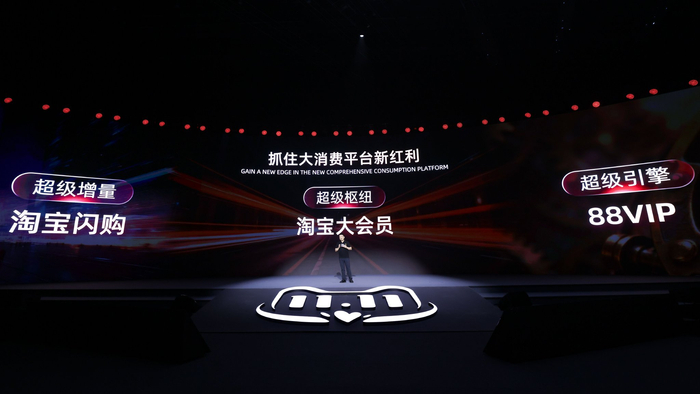
Core Insights - The upcoming Double 11 shopping festival is significantly influenced by changes in the food delivery market, which is expanding into brand retail through instant delivery services [1][3] - Alibaba's CEO emphasized the integration of shopping and life services as a historic strategic opportunity, marking this Double 11 as the first for their "big consumption" platform [3][11] - The growth of instant retail is projected to reach a market size of 3 trillion yuan by 2030, with penetration in online e-commerce increasing from 6% to 15.7% [3][8] E-commerce Trends - Instant retail has gained traction, with 6.82% of consumers purchasing the iPhone 17 through instant delivery in its first week, a significant increase from the previous year [4] - Consumers are increasingly demanding a combination of diverse e-commerce offerings, promotional discounts, and fast delivery [5][6] - The integration of shelf e-commerce, instant delivery, and local life services is essential to meet consumer needs [6] Alibaba's Strategic Moves - Since April, Alibaba has been transitioning to a big consumption platform, focusing on user growth and engagement [7] - The monthly active users (MAU) of the Taobao app grew by 25% year-on-year in August, indicating a strong upward trend in user engagement [8] - Taobao's flash purchase service has seen significant order volume, with 77 brands achieving over 10 million in sales and 490 brands over 1 million in August [8][9] Flash Purchase and Brand Integration - This Double 11 marks the first participation of flash purchase in promotional activities, with many brands integrating their products into the platform [13][14] - Brands are required to adapt to a unified online and offline operational model to leverage new opportunities presented by flash purchase [13] - The introduction of a membership system has allowed Taobao to better engage its vast user base, enhancing marketing and operational efficiency [14][16] Membership Dynamics - The 88VIP membership program has grown significantly, with over 53 million members, making it a crucial consumer base for brands [17][18] - 88VIP members spend nine times more annually than non-members, contributing significantly to top brands' sales [18][19] - The loyalty and repurchase rates among 88VIP members are critical for brands, as they represent a committed consumer segment [20][22] Market Outlook - The current market landscape is undergoing significant changes, with brands needing to adapt quickly to new consumer behaviors and preferences [22][23] - The upcoming Double 11 is expected to serve as a testing ground for brands to explore new sales strategies and consumer engagement methods [22][23]