
健康饮食

Search documents
《2025京东钛厨具趋势白皮书》
京东· 2025-09-17 05:18
Investment Rating - The report does not explicitly provide an investment rating for the titanium cookware industry Core Insights - The titanium cookware market is experiencing significant growth driven by increasing consumer health awareness and the advantages of titanium materials, such as safety and stability [8][30][34] - The report highlights the importance of understanding consumer needs and market trends to design products that meet these demands, thereby accelerating the growth of the titanium cookware sector [8][35] Summary by Sections 1. Health Diet Trends and Titanium Cookware Development - The "Healthy China" strategy is enhancing the health literacy of Chinese residents, leading to a growing focus on nutrition and dietary health [16][18] - Consumers are increasingly concerned about health-related issues in cooking, including the safety of materials used in cookware [26][27] - Titanium cookware is gaining popularity due to its lightweight, non-leaching properties, and ability to retain nutrients during cooking [30][34] 2. Titanium Cookware Consumption Demand Insights - Consumers prioritize non-stick technology, material quality, and ease of cleaning when purchasing titanium cookware [63][64] - The report indicates that 55% of consumers are interested in non-oil cooking methods, reflecting a shift towards healthier cooking practices [79] - The purchasing decision for titanium cookware is heavily influenced by e-commerce platforms and social media, with 68% of consumers using these channels for information [50][51] 3. Growth Trends of Titanium Cookware on JD Platform - The transaction amount for titanium cookware on JD platform is projected to grow at a compound annual growth rate (CAGR) of 109% from 2023 to 2025 [201] - The number of users purchasing titanium cookware on JD is also expected to increase, with a CAGR of 118% during the same period [204] - The penetration rate of titanium cookware is accelerating, particularly in cookware and waterware categories [208]
行业周报:中国赴柬游客高增,关注“现炒、现制”中餐龙头-20250914
KAIYUAN SECURITIES· 2025-09-14 14:32
Investment Rating - The industry investment rating is "Positive" (maintained) [1] Core Viewpoints - The report highlights a significant increase in domestic and international travel bookings ahead of the National Day holiday, with domestic flight bookings up approximately 25% year-on-year [15] - The second-hand toy market is experiencing rapid growth, with transaction volumes on platforms like Xianyu increasing over 300% year-on-year in Q2 2025 [25] - The report emphasizes the shift towards fresh and healthy dining options in the Chinese restaurant sector, particularly in response to controversies surrounding pre-prepared meals [31] - The education sector is seeing favorable policy changes, with many companies in the higher education space showing strong profit growth and high dividend yields [35] Summary by Sections Travel and Tourism - The report notes a surge in travel bookings for the upcoming holiday, with a 25% increase in domestic flight bookings and a 15% increase in international bookings [15][16] - The revival of direct flights between China and Cambodia has led to a 48% increase in Chinese tourists visiting Cambodia in the first seven months of 2025 [16] Toy Market - The second-hand toy market is rapidly expanding, with Xianyu reporting over 300% growth in order volume and GMV in Q2 2025 [25][26] - New domestic IPs are gaining popularity, with significant rankings improvements for local designs compared to international counterparts [28] Restaurant Industry - The pre-prepared meal sector is facing scrutiny, leading to a decline in growth rates, while the market for cooking robots is expected to grow significantly, reaching over 110 billion yuan by 2030 [31][32] - The report identifies "Xiaocaiyuan," a fresh-cooked Chinese restaurant chain, as a key beneficiary of the trend towards healthier dining options [34] Education Sector - The higher education sector is benefiting from favorable policies, with many companies reporting substantial profit increases and attractive dividend yields [35][39] - The report highlights that several education companies have seen their net profits rebound significantly in FY2025H1 [37] Local Life Services - The report discusses the growth of instant retail services, with Taobao's daily active users reaching 419 million, a 16% increase from the beginning of the year [41] - Alibaba's Gaode Map has launched a new ranking system to enhance offline consumer engagement, aiming to drive foot traffic to local businesses [45][46]
研判2025!全球及中国番茄加工行业产业链、市场现状、进出口贸易及发展难点分析:市场供需失衡矛盾持续激化,中国番茄加工产业承压运行[图]
Chan Ye Xin Xi Wang· 2025-09-12 01:17
Core Viewpoint - The global tomato processing industry is experiencing growth, particularly driven by increased production in China, but faces challenges such as high market inventory and potential declines in future production due to reduced planting enthusiasm among farmers [1][5][14]. Group 1: Industry Overview - The tomato processing industry is a crucial segment of the tomato supply chain, encompassing breeding, planting, initial processing, deep processing, and end-use by restaurants and food manufacturers [2][4]. - Global processed tomato production remained stable between 34 million to 40 million tons from 2018 to 2022, with a rise to 44.38 million tons in 2023 and an expected increase to 45.84 million tons in 2024, primarily due to significant production growth in China [5][6]. Group 2: Production Insights - China is the largest producer of processed tomatoes, with production increasing from 3.8 million tons in 2018 to 10.45 million tons in 2024, contributing 22.8% to global output [1][14]. - The main production areas in China are Xinjiang, Inner Mongolia, and Gansu, with Xinjiang alone accounting for 82.5% of the national production in 2024 [16][18]. Group 3: Consumption Trends - The global trend towards healthy eating and advancements in food technology are creating unprecedented opportunities for the tomato processing industry, with sales of tomato products expected to exceed 44 million tons in 2024, marking a 2.3% increase [8]. - Tomato sauce remains a leading product, with sales projected to reach 4.178 million tons in 2024, reflecting a 3.0% year-on-year growth [10][12]. Group 4: Export Dynamics - Approximately 80% of China's processed tomato production is directed towards exports, making the industry sensitive to exchange rate fluctuations and global trade policies [20]. - In 2024, external factors led to a slowdown in export activities, with significant declines in orders from overseas clients [20].


以食材创新破局健康 苏州稻香村的健康路径
Xiao Fei Ri Bao Wang· 2025-09-11 08:15
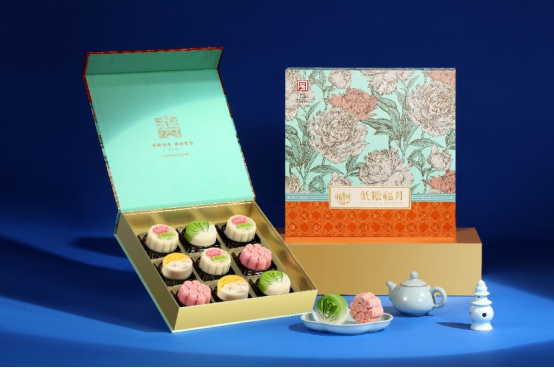
Core Viewpoint - The health-conscious trend among consumers is reshaping the mooncake market, prompting Suzhou Daoxiangcun to innovate with healthier mooncake options that align with the "medicinal food integration" concept [1][2][4]. Group 1: Product Innovation - Suzhou Daoxiangcun launched three new mooncake flavors: "Chenpi Dou Sha Lingzhi," "Zao Rong He Tao A Jiao," and "Rose Western Ginseng," which combine traditional mooncake attributes with health-focused ingredients [4]. - The "medicinal food integration" approach aims to reduce sugar and fat content while enhancing flavor, allowing traditional pastries to become healthier daily choices [2][4]. Group 2: Traditional Craftsmanship - The innovation does not disrupt traditional methods; Suzhou Daoxiangcun maintains its foundational pastry-making techniques while incorporating modern health concepts, ensuring the longevity of traditional craftsmanship [6]. Group 3: Technological Empowerment - The company has increased investment in product development and established a "Healthy Baking Laboratory" to quickly respond to market demands and adjust product formulations, ensuring health advantages and market vitality [7]. - A notable product, the "Fu Ji Jia" brand's high-protein konjac crisp, has achieved recognition for maintaining a sugar content below 5g per 100g, balancing taste and health [7][9]. Group 4: Industry Impact - Industry experts highlight that controlling sugar content while preserving core flavors is essential for the future of traditional pastries, with Suzhou Daoxiangcun setting a benchmark for health innovation in the mooncake sector [9]. - The company's commitment to "sugar and fat reduction" and the "medicinal food integration" philosophy is reshaping its brand image as "Healthy Daoxiangcun," resonating with consumers' evolving health consciousness [9].
一线城市拼美学,下沉市场卖性价比,酸汤从出圈到全国化生存
Sou Hu Cai Jing· 2025-09-10 09:41
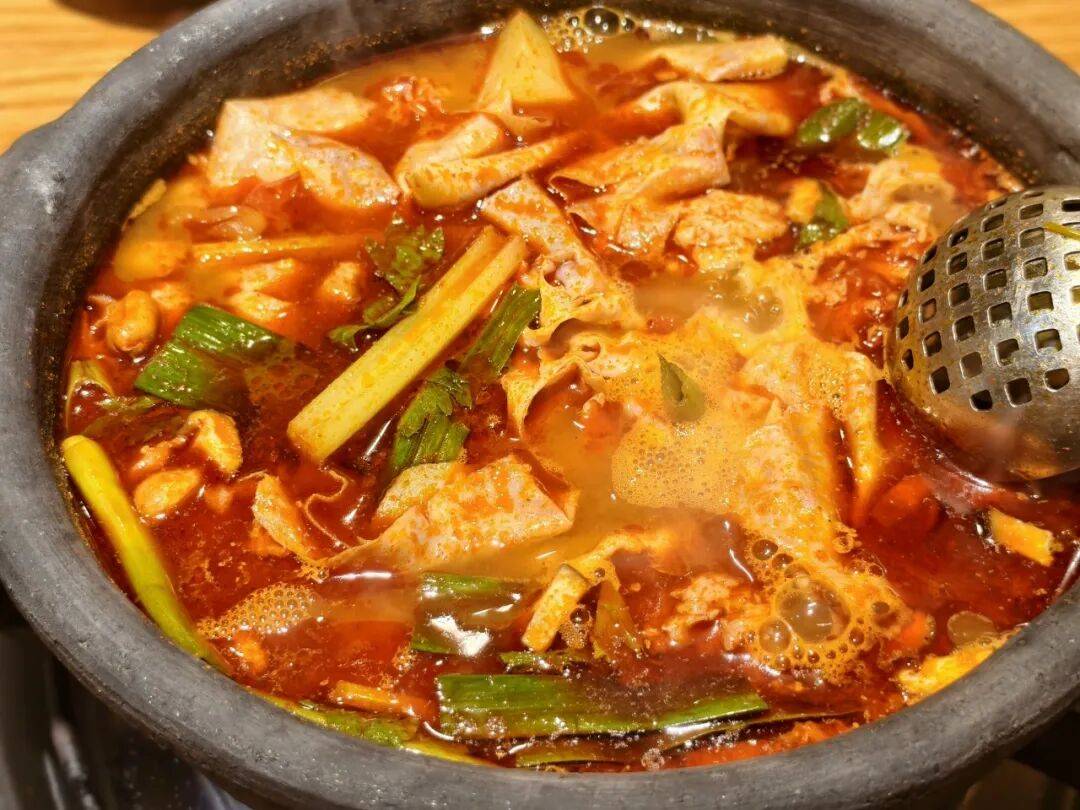
Market Overview - The market size of Chinese cuisine, specifically Yunnan-Guizhou cuisine, is projected to reach 36 billion yuan by 2025, representing a growth of 13.2% from 2023, outpacing the average growth rate of Chinese cuisine for three consecutive years [1] - The hot pot market is expected to expand to 650 billion yuan, but profitability for hot pot restaurants is becoming increasingly challenging due to intense competition [3] Hot Pot Trends - The rise of sour soup hot pot is notable, with an annual growth rate exceeding 25%, driven by its appeal to younger consumers seeking bold flavors and health-conscious options [3][4] - Flavor innovation is critical in a competitive market, with spicy flavors leading at 28.4% market share, followed closely by sour and clear broths at 23.0% and 21.6%, respectively [3] Health and Consumer Preferences - Sour soup hot pot's popularity is attributed to its health benefits, being lighter in oil and suitable for sensitive stomachs, making it a preferred choice for family gatherings [4] - The use of wild mushrooms and other local ingredients enhances the health attributes and regional characteristics of sour soup hot pot [4] Cultural and Marketing Strategies - Internet platforms, especially short video sites like Douyin, have significantly boosted the visibility of regional hot pot flavors, with Yunnan and Guizhou cuisine topics garnering over 10 billion views [6] - Cultural storytelling is becoming a key differentiation strategy, with brands incorporating local cultural elements into their dining experiences [7] Integration with Tourism - The integration of food and tourism is driving growth, with topics related to Yunnan tourism generating 134.6 billion views, leading to a 67% increase in restaurant consumption [8] Market Expansion and Challenges - As sour soup hot pot gains popularity, brands are focusing on refined operations and optimizing single-store models, particularly in lower-tier markets where disposable income is significant [9] - The industry faces challenges of homogenization, with many new stores focusing solely on sour soup offerings, and the need for standardization remains a critical issue [9][10] Supply Chain Considerations - The stability of supply chains is becoming a crucial factor in product strategies for hot pot companies, with many opting for direct sourcing and category adjustments to mitigate market fluctuations [10]
从田间到舌尖:生物科技如何将玉米变为“零卡糖”
Jing Ji Guan Cha Bao· 2025-09-05 12:24
Group 1: Industry Overview - The global trend towards "zero sugar" is reshaping consumer choices, with 75% of beverage consumers in China opting for sugar substitutes due to health concerns [1] - The global erythritol market is projected to reach approximately $910 million in 2024, with China dominating the market with a 73% share [1] - The rapid development of the sugar-reduction food industry is heavily reliant on biotechnology, particularly using corn as a raw material for natural sweeteners like erythritol [1] Group 2: Company Profile - Dongxiao Biotechnology Co., Ltd. is emerging as a significant player in China's biotechnology sector, leveraging advanced corn deep-processing technology and automated production capabilities [1] - The company has an annual corn processing capacity of 1.7 million tons, enabling a full-chain production process that includes the conversion of corn into erythritol, starch sugars, and amino acids [1] - Dongxiao has established partnerships with renowned brands such as Yuanqi Forest, Coca-Cola, Nestlé, Unilever, BASF, and Charoen Pokphand Group [2] Group 3: Technological Advancements - Dongxiao has a research team of nearly 200 members, including academicians and PhD holders, and has developed a four-tiered research and development system [2] - The company has optimized fermentation processes, reducing the fermentation cycle by 25% and increasing conversion rates by 5%, while also lowering energy consumption by 15% [2] - Dongxiao is preparing to launch the next generation of natural sweeteners, allulose, which has a sweetness level of about 70% compared to sucrose and only 10% of its calories [2] Group 4: Future Outlook - Dongxiao aims to continue expanding in the functional product sector and enhance the value chain of the health industry [3] - The company is positioned to contribute to the global health wave with its innovative approaches to "healthy sweetness" [3]
克明食品:将持续深耕高端挂面,保障软弹面、手延面品质稳定且逐渐降本增效
Cai Jing Wang· 2025-09-04 09:41
Core Insights - The company is facing challenges with declining revenue and sales due to decreased market demand [1] - The company is actively responding to health trends by expanding the use of buckwheat and whole wheat flour in its products [1] - The company aims to strengthen its high-end noodle product line while ensuring quality and reducing costs [1] - The company is exploring new distribution channels, including C-class small stores, wholesale markets, and catering services [1] - The company is implementing measures to reduce costs in its pig farming segment, focusing on health management and feed optimization [1] Revenue and Sales - The company reported a decline in sales primarily attributed to a decrease in market demand [1] Product Development - The company is expanding the application of buckwheat and whole wheat flour in response to health dietary trends [1] - The company is committed to enhancing the quality and cost-effectiveness of its high-end noodle products [1] Competitive Strategy - The company is conducting in-depth research on factors affecting the taste of its soft and elastic noodles to establish competitive barriers [1] Distribution Channels - The company is consolidating its existing advantageous channels while actively expanding into new markets such as wholesale and catering [1] Cost Management - The company is implementing several key measures to lower costs in its pig farming operations, including health management and feed optimization [1]

从“冷门三明治”到“自律食堂”:赛百味凭何翻红?
首席商业评论· 2025-09-02 04:23
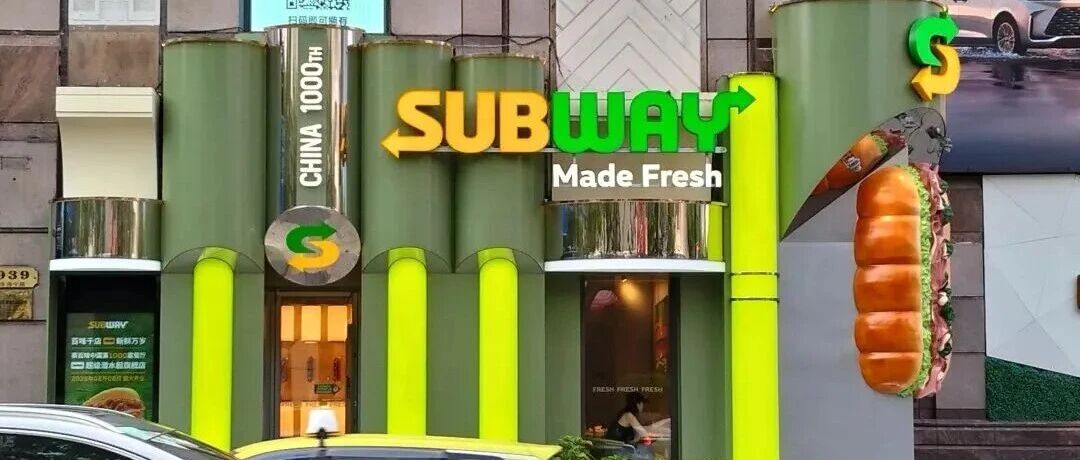
Core Viewpoint - After a significant restructuring, Subway is experiencing a resurgence in the Chinese market, but it still faces structural challenges that need to be addressed for sustainable competitive advantage [5][6][10]. Group 1: Market Performance - Subway has opened 228 new stores in 2024, marking the highest annual opening record since its entry into China nearly 30 years ago, with a total of over 1,000 stores [9][10]. - Despite its long presence in China since 1995, Subway's store growth has lagged behind competitors like McDonald's and KFC, with only about 500 stores by 2023 [8][12]. Group 2: Strategic Changes - In 2023, Subway entered a new franchise agreement aiming to open nearly 4,000 new stores in the next 20 years, expanding its scale by seven times [17]. - The brand has shifted from a franchise-dominated model to a focus on direct management, enhancing control over quality and customer experience [50][52]. Group 3: Product and Marketing Innovations - Subway has introduced new menu items tailored to local tastes, such as abalone shrimp sandwiches and spicy sauces, moving away from a purely foreign flavor profile [21]. - The brand has launched promotional strategies like the "9.9 membership breakfast series" and family meal options, targeting young consumers and families [23][25]. - Subway emphasizes health and customization, with new offerings like energy bowls that allow customers to choose ingredients, aligning with consumer preferences for healthy and diverse food options [28][32]. Group 4: Branding and Consumer Engagement - Subway is actively integrating local internet culture into its marketing, creating buzz through social media and engaging with popular trends [36][46]. - The brand has collaborated with celebrities and popular IPs to enhance its image and attract younger consumers, such as partnering with actor Wu Lei [46][48]. Group 5: Competitive Landscape and Challenges - Subway faces increasing competition from both international fast-food chains and local brands that are also focusing on health-oriented menus [54]. - The brand's pricing strategy places it in a challenging position, as it competes with lower-priced options while lacking the premium experience of higher-end dining [56]. - As Subway expands, it must balance quality control with cost sensitivity in lower-tier markets, which poses a significant operational challenge [57].
告别“糖”恐慌!生物科技正在重塑“健康的甜”
Zhong Guo Xin Wen Wang· 2025-09-01 20:33
Core Insights - The global health food revolution is significantly linked to corn, with rising health awareness driving consumers to reduce sugar intake and opt for sugar substitutes like erythritol [1][2] - The erythritol market is projected to reach approximately $910 million in 2024, with China dominating the market at a 73% share, highlighting its central role in the global supply chain [1] - Dongxiao Biotechnology Co., Ltd. is emerging as a key player in China's biotech sector, leveraging advanced corn processing technology and automation to produce high-value products [1][2] Company Overview - Dongxiao Biotechnology operates a fully integrated value chain, converting corn into various high-value products, including starch sugars, erythritol, and amino acids, through precise fermentation and extraction processes [2] - The company has an annual corn processing capacity of 1.7 million tons, enabling it to maximize the value derived from each corn kernel [2] - The production process includes advanced membrane separation and purification techniques, resulting in erythritol with a purity of over 99.5% [2] Product Advantages - Erythritol is favored by many well-known brands due to its natural origin and safety, being the only natural sweetener recognized as having no daily intake limit by various health authorities [3] - Its unique properties, such as zero calories, non-participation in blood sugar metabolism, and high tolerance, make it suitable for a wide range of applications in food, health products, cosmetics, and pharmaceuticals [3] Technological Innovation - Dongxiao Biotechnology has invested heavily in R&D, employing a team of nearly 200 professionals, including academicians and PhDs, to drive innovation in synthetic biology and fermentation technology [4] - The company has optimized its fermentation process, reducing the fermentation cycle by 25% and increasing conversion rates by 5%, while also lowering energy consumption by 15% [5] Future Developments - The company is positioning itself for the next generation of natural sweeteners, specifically allulose, which has a sweetness level similar to sucrose but only 10% of its calories [6] - Allulose has been approved as a new food ingredient in China and is expected to be widely used in various food products, including baked goods and beverages [6] - Dongxiao Biotechnology aims to expand its product offerings in functional products, probiotics, functional amino acids, rare sugars, and biodegradable materials, enhancing its value chain in the health industry [6]
中炬高新: 中炬高新2025年半年度报告
Zheng Quan Zhi Xing· 2025-08-27 13:10
Core Viewpoint - The report highlights a significant decline in the company's financial performance for the first half of 2025, with a notable decrease in revenue and profit compared to the same period in the previous year, primarily due to strategic inventory reduction and market price restructuring efforts [2][4][14]. Company Overview and Financial Indicators - Company Name: JONJEE HI-TECH INDUSTRIAL AND COMMERCIAL HOLDING CO., LTD. [2] - Stock Code: 600872 [2] - Total Revenue for H1 2025: CNY 2.13 billion, down 18.58% from CNY 2.62 billion in H1 2024 [2][14]. - Total Profit: CNY 316.72 million, a decrease of 27.04% from CNY 434.10 million in the previous year [2][14]. - Net Profit Attributable to Shareholders: CNY 256.85 million, down 26.56% from CNY 349.77 million [2][14]. - Net Cash Flow from Operating Activities: CNY 270.26 million, a decline of 54.36% from CNY 592.12 million [2][14]. - Total Assets: CNY 8.27 billion, a slight increase of 0.34% from CNY 8.24 billion at the end of the previous year [2][14]. Industry and Main Business Situation - The company operates primarily in the seasoning production sector, which is a core part of the food industry, benefiting from rising consumer spending and the growth of the restaurant industry [4][5]. - The seasoning market is characterized by a mix of regional brands and national leaders, with traditional products like soy sauce and vinegar dominating, while compound seasonings are gaining traction due to their alignment with the prepared food market [4][5]. - The company’s main product categories include soy sauce (65.12% of revenue), chicken essence (12.82%), and cooking oil (5.46%) [4][6]. Business Performance and Strategic Adjustments - The company has implemented strategic adjustments to address declining sales, focusing on inventory reduction among leading distributors to reshape market pricing and restore distributor confidence [14]. - The company has emphasized operational optimization, including supply chain management and cost reduction initiatives, to enhance efficiency and profitability [14][15]. - The company has also focused on brand promotion and product innovation, launching new products that cater to health-conscious consumers, such as low-sodium and organic options [12][13]. Competitive Advantages - The company’s brand, Chubang, is well-established in the high-end soy sauce market, recognized for its quality and health-oriented products, which aligns with consumer trends towards healthier eating [10][11]. - The company has a strong R&D capability, with over 232 patents and a focus on product innovation, ensuring it remains competitive in the seasoning industry [11][12].
