出海

Search documents
久违大涨!创新药再度“起舞”,“出海”或成关键词
券商中国· 2026-01-07 23:25
Core Viewpoint - The A-share market has shown strength in early 2026, with significant gains in the semiconductor and non-ferrous sectors, while the previously quiet innovative drug sector has also become prominent, particularly in the Hong Kong market. Additionally, the medical device sector may present investment opportunities due to the rising trend of brain-computer interfaces [1][3]. Innovative Drug Sector Recovery - Several ETFs related to innovative drugs have seen substantial gains, with five funds increasing over 7% in just three days. The innovative drug sector in both A-shares and Hong Kong has experienced a rally, although there was a significant pullback in the fourth quarter of 2025, with many funds dropping over 20%. Current valuations in the innovative drug sector are considered attractive, making 2026 a potentially good time for investment [3][4]. - The innovative drug sector is expected to remain a key investment theme in 2026, with positive catalysts such as industry conferences and advancements in commercialization and overseas expansion expected to drive stock prices [3][4]. Brain-Computer Interface Potential - The brain-computer interface concept has gained traction, particularly with Neuralink's anticipated mass production in 2026, signaling a potential commercialization milestone. This technology could significantly impact the medical device sector, offering solutions for patients with disabilities [5][6]. - The medical device sector is expected to benefit from innovation-driven growth, with domestic leaders focusing on high-end equipment and market share expansion, supported by favorable policies [6]. Focus on Overseas Expansion - Fund managers emphasize the importance of "overseas expansion" as a key factor in stock selection. The innovative drug sector is expected to see value realization through clinical data and milestone payments, particularly in areas like ADC and dual antibodies [7][8]. - Companies with strong overseas clinical capabilities and business development potential are highlighted as having significant growth opportunities, with some medical device companies already generating over 50% of their revenue from international markets [8].


久违大涨!创新药再度“起舞”,“出海”或成关键词
Xin Lang Cai Jing· 2026-01-07 23:24
Core Viewpoint - The A-share market has shown strength in early 2026, with significant gains in the semiconductor and non-ferrous sectors, while the previously quiet innovative drug sector has also regained attention, particularly in the Hong Kong market [1][8]. Group 1: Innovative Drug Sector Recovery - Several ETFs related to innovative drugs have seen substantial gains, with five funds increasing over 7% in just three days, and others tracking A-shares also showing over 5% growth [2][9]. - After a downturn in the fourth quarter of 2025, many fund managers believe that the current valuation of the innovative drug sector is attractive, suggesting that 2026 may be a good time to invest in pharmaceuticals [2][10]. - The innovative drug sector is expected to remain a key investment theme in 2026, with positive catalysts emerging from industry events and improved overseas liquidity conditions [10][11]. Group 2: Market Trends and Individual Stock Selection - The consensus among fund managers indicates that a broad market rally is unlikely to repeat, with a focus on high-quality assets that can sustain independent performance [3][10]. - The "outbound" capability of companies is becoming a critical factor in stock selection, with a focus on those that can effectively commercialize their products internationally [6][12]. - Fund managers emphasize the importance of companies with strong execution capabilities in the innovative drug sector, particularly those that can leverage partnerships for international clinical trials and market entry [12][13]. Group 3: Brain-Computer Interface and Medical Devices - The brain-computer interface (BCI) concept has gained traction, with expectations for commercialization in 2026, driven by advancements from companies like Neuralink [4][11]. - The medical device sector is seen as a primary application area for BCI technology, with potential benefits for patients with disabilities [4][11]. - The industry is expected to experience growth due to innovation and government support, with domestic leaders in high-end equipment continuing to gain market share [4][11].
万亿外资巨头,加仓!
Zhong Guo Ji Jin Bao· 2026-01-07 13:52
Group 1 - BlackRock increased its holdings in Haier Smart Home, WuXi Biologics, Midea Group, and Bank of China on January 2, 2026 [1][3] - The shareholding percentage of WuXi Biologics increased from 5.32% to 6.14%, Midea Group from 5.15% to 6.75%, Bank of China from 5.98% to 6.11%, and Haier Smart Home from 7.72% to 8.34% [3] - Previously, on December 29, 2025, BlackRock had reduced its holdings in Midea Group from 7.03% to 5.16% and in Bank of China from 6.07% [3] Group 2 - Goldman Sachs released a report predicting that China's GDP growth in 2026 will exceed market expectations, recommending an overweight position in Chinese stocks [4][5] - The report anticipates a continuation of the bull market in Chinese stocks, with annual growth rates of 15% to 20% in 2026 and 2027, supported by earnings growth and valuation re-rating [5] - UBS Wealth Management expressed optimism for the Chinese market, highlighting advanced manufacturing and technological self-reliance as new growth engines, with a projected 37% earnings growth for the Hang Seng Tech Index in 2026 [5]



2025消费IPO真相:熬够16.5年,才配敲钟
Sou Hu Cai Jing· 2026-01-07 10:54
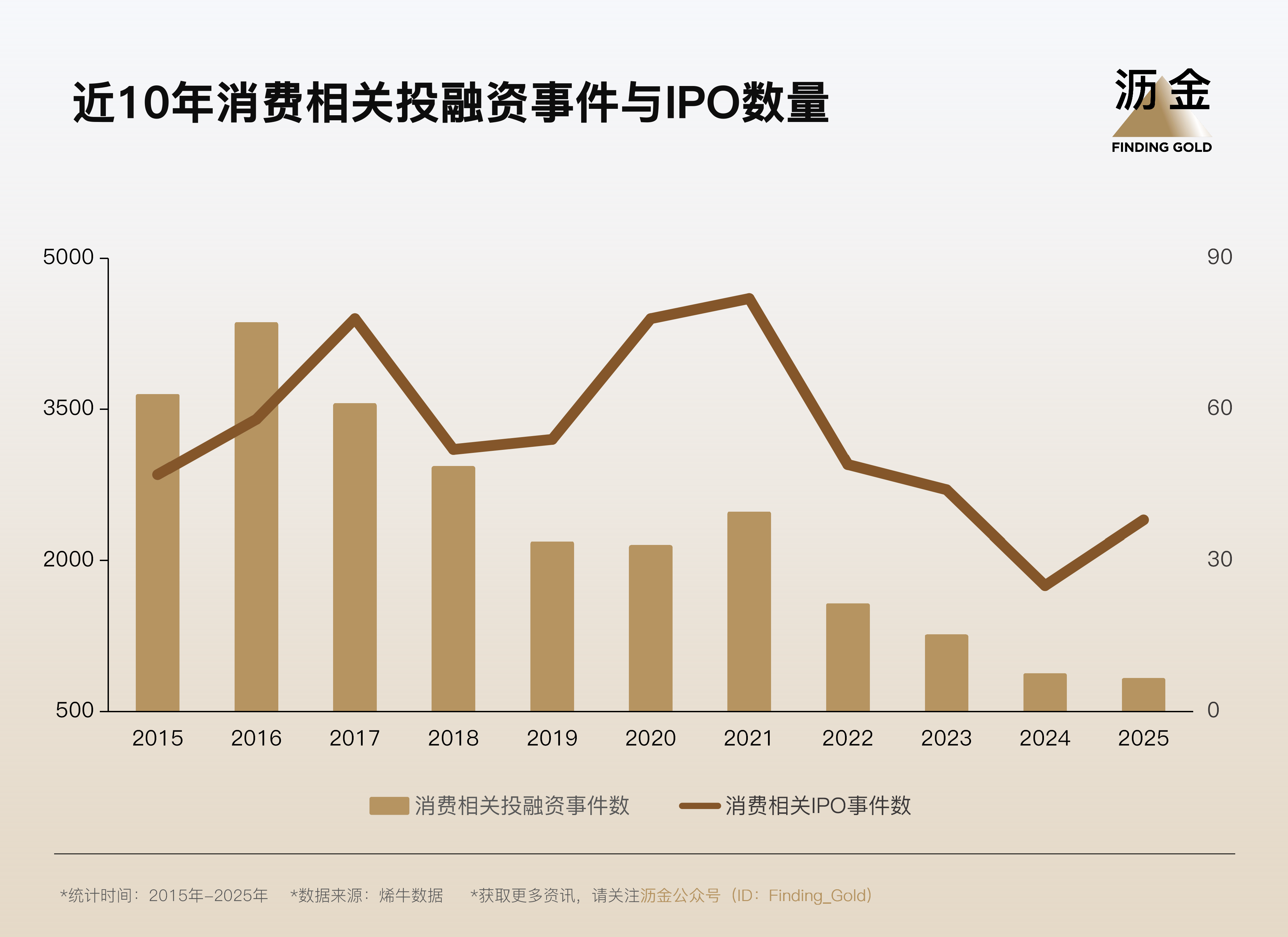
Group 1 - The consumer investment landscape in China has drastically changed, with the number of financing events dropping from 4,345 in 2016 to just 812 in 2025, indicating a cleansing of over 80% of false demands and PPT projects [4] - The number of IPOs is rebounding, increasing from 25 in 2024 to 38 in 2025, signaling a shift where the primary market is purging excess while the secondary market is identifying valuable opportunities [4] - The average age of companies going public in 2025 is 16.5 years, highlighting that only those with extensive industry experience and stable supply chains are able to secure IPOs [4][5] Group 2 - Investment is increasingly directed towards companies with high barriers to entry and essential needs, such as hard-tech consumer products, rather than purely marketing-driven DTC brands [5] - The pet industry is emerging as a significant sector, attracting investment in areas like pet CT and vaccine development, indicating a shift in consumer spending patterns [5] - Global expansion is a key trend, with 20% of funded projects having international attributes, emphasizing the importance of leveraging China's supply chain advantages in global markets [5][6] Group 3 - The current market environment favors companies with factories, technology, and overseas channels, which are considered scarce assets [6] - The era of relying on capital to sustain operations is over, and a focus on profitability from day one is essential for survival [5][6] - The lengthy wait for IPOs has filtered out truly valuable companies, marking a transition to an era that rewards craftsmanship, scientific innovation, and long-term thinking [7]
从巨星科技,看中国企业出海韧性
Xin Lang Cai Jing· 2026-01-07 10:07
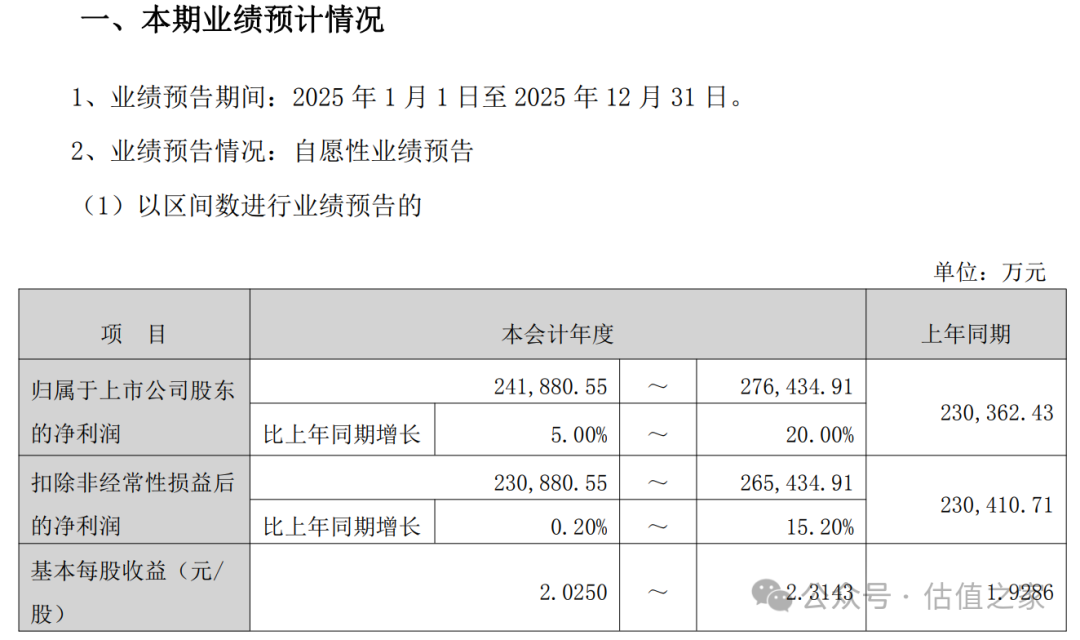
Core Viewpoint - The company, Giant Star Technology (002444.SZ), forecasts a net profit attributable to shareholders of 2.309 to 2.654 billion yuan for 2025, representing a year-on-year growth of 0.20% to 15.20% [1][17]. Financial Performance - For Q4 2025, the company expects a net profit of approximately 274 to 619 million yuan, with a year-on-year growth ranging from -26.15% to 66.84% [1][17]. - The median estimate for Q4 2025 net profit is about 447 million yuan, indicating a year-on-year growth of approximately 20.35%, which shows an acceleration compared to the growth rates of Q1 to Q3 2025 [1][17]. - The total revenue for Q4 2025 is projected to be around 3.65 billion yuan, with a decline of less than 2% year-on-year, which is an improvement from the -5.80% decline in Q3 2025 [1][17]. Market Dynamics - The company has faced challenges due to the trade war initiated by former President Trump, which negatively impacted domestic production capacity and industry sales [3][20]. - Despite these challenges, the company has successfully adjusted its production capacity by relocating to Vietnam and Thailand, which is expected to cover 90% of its export share to the U.S. by the end of 2025 [22][25]. Product Development - The company has seen significant growth in its electric tools segment, achieving revenue of 742 million yuan in H1 2025, a year-on-year increase of 56.03% [25][28]. - The electric tools business is anticipated to further expand in 2026, contributing to the company's second growth curve [25][28]. Strategic Outlook - The company plans to actively explore new business opportunities and product lines in 2026 to regain a reasonable growth trajectory [20][22]. - The company’s resilience has been recognized in the capital market, with its stock price rising by 8.91% following the earnings forecast announcement [5][20].

沪指13连阳创历史,业内人士:在向更均衡的全面牛市演进
Xin Lang Cai Jing· 2026-01-07 00:56
Core Viewpoint - The A-share market has set two historical records on January 6, with the Shanghai Composite Index closing at 4083.67 points, marking a nearly ten-year high, and achieving a record 13 consecutive trading days of gains, breaking a 33-year-old record [1][3][19]. Market Performance - On January 6, all three major A-share indices rose, with the Shanghai Composite Index up by 1.50%, the Shenzhen Component Index up by 1.4%, and the ChiNext Index up by 0.75% [3][19]. - The market volume reached 2.83 trillion yuan, indicating strong buying enthusiasm among investors [2][17]. - The brain-computer interface sector saw a surge, with nearly 20 stocks hitting the daily limit, while the commercial aerospace sector also performed well, with several stocks reaching their daily limit [3][19]. Fund Inflows - The main driving force behind the current market rally is the continuous inflow of funds from insurance, financing, and foreign investments [2][18]. - As of January 5, 2026, the financing balance reached 2.54 trillion yuan, a historical high, while insurance funds allocated to stocks and funds increased by 1.49 trillion yuan since the beginning of the year [8][23]. - The market anticipates significant inflows from financial institutions due to the "opening red" effect, with a large amount of new premium funds available for market allocation [6][22]. Sector Performance - On January 6, sectors such as non-ferrous metals, non-bank financials, basic chemicals, and defense industries led the market [4][20]. - The Wenke Brain-Computer Interface Theme Index surged by 12.97%, while the Commercial Aerospace Theme Index rose by 9.49% over the first two trading days of 2026 [3][19]. Investment Strategies - Institutions recommend a balanced allocation strategy in response to the market's historic performance, focusing on sectors such as AI, resilient external demand, domestic consumption, and high dividend stocks [11][27]. - The "dumbbell strategy" is suggested, emphasizing technology growth sectors like AI and semiconductors for offensive positions, while defensive positions should focus on cyclical assets like non-ferrous metals and chemicals [27][29]. - Investors are advised to avoid short-term speculation and focus on long-term industry directions and value from dividend assets [29].
全国互联网百强,广州六成上榜企业被一个区“承包”
2 1 Shi Ji Jing Ji Bao Dao· 2026-01-06 13:18
Group 1 - The core focus of the article is the impressive performance of Tianhe District in the 2025 Internet Enterprise Top 100 list, with 8 companies from Guangzhou, 5 of which are from Tianhe, representing 62.5% of the total [1] - The listed companies span various sectors including AI, digital content, gaming, audio social, and digital trade, showcasing a diverse and robust digital economy ecosystem in Tianhe [1][3] - The report highlights the significance of the "outbound" characteristic of Tianhe's listed companies, particularly Titanium Technology and HuiLiang Technology, which provide comprehensive digital infrastructure for Chinese enterprises going global [3][4] Group 2 - Tianhe District is recognized as a national digital service export base and cultural export base, hosting over 20,000 digital service companies that support the development of the "outbound team" [4] - In the digital entertainment sector, Tianhe's companies demonstrate strong industry concentration and explosive growth, with notable achievements such as KuLu Technology's game winning a prestigious award [5][6] - The revenue of large-scale cultural enterprises in Tianhe exceeded 182.5 billion yuan in the first three quarters of 2025, with the gaming industry revenue reaching 65.35 billion yuan, reflecting a growth rate of 10.1% [6] Group 3 - The explosive growth of these companies is attributed to forward-looking policy support and high-quality services, with recent policies aimed at promoting the high-quality development of cultural industries and digital technology integration [7] - The national top 100 list serves as a mirror reflecting the true nature of Tianhe's digital economy, characterized by a global perspective, creativity, and a mix of established leaders and dynamic newcomers [7]

兴业证券:95%个股仍待新高 市场或存在结构性机会
智通财经网· 2026-01-06 12:43
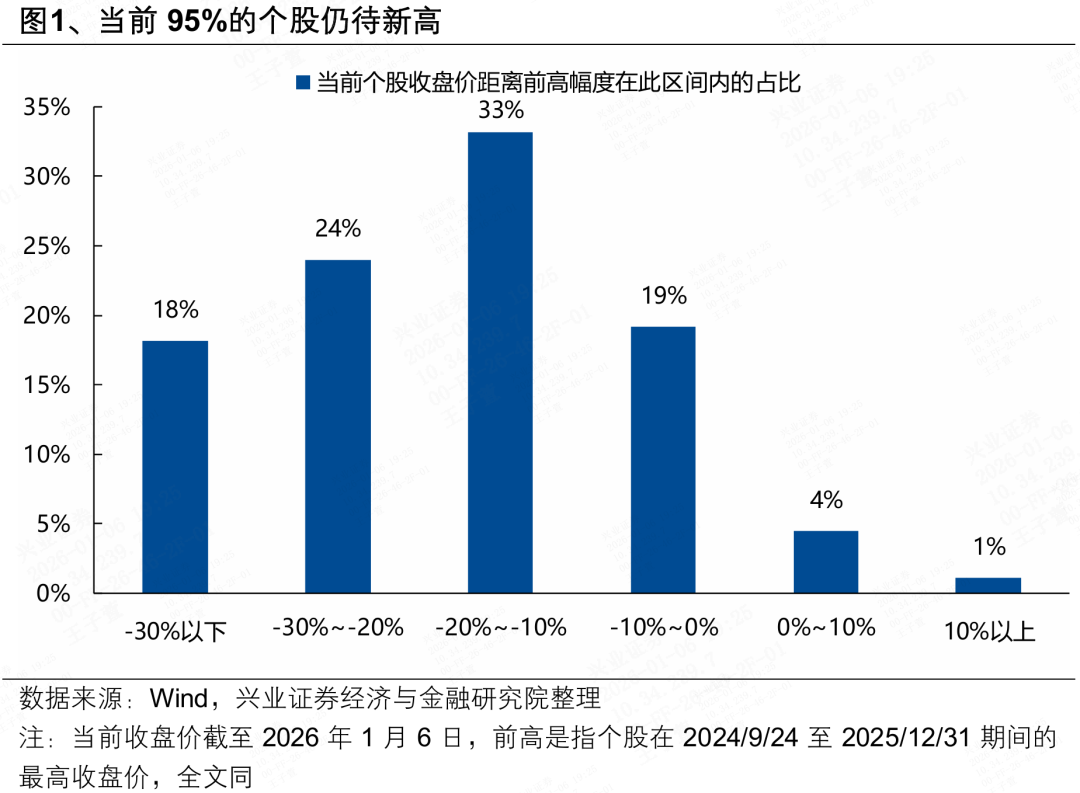
Core Viewpoint - As of January 6, 95% of individual stocks have not broken their previous highs, despite major indices reaching new highs, indicating potential structural opportunities in the market [1][2]. Group 1: Market Overview - Major indices such as the Shanghai Composite Index, All A-shares, CSI 300, and CSI 800 have all reached new highs, but only 5% of individual stocks have surpassed their previous highs [2]. - The previous high for individual stocks is defined as the highest closing price from September 24, 2024, to December 31, 2025, with most stocks still down by over 10% from these highs [2]. Group 2: Sector Performance - The sectors that have broken through previous highs are concentrated in a few segments, particularly in large financials represented by insurance, and sectors benefiting from price increases such as non-ferrous metals, chemicals, petrochemicals, and construction materials [1][5]. - Other sectors that have seen new highs include military, machinery, and home appliance components driven by commercial aerospace and robotics [1][5]. Group 3: Sectors Near Previous Highs - Sectors that have not yet broken their previous highs but are close include technology growth (commercial vehicles, semiconductors, communication equipment), cyclical industries (steel raw materials, renovation materials), and consumer sectors (animal health, textiles, agriculture) [10]. - Industries with significant gaps to their previous highs include technology growth (motors, software, batteries, photovoltaics), dividend sectors (electricity, white goods, banks), and consumer sectors (food and beverage, social services, retail) [13].

兴证策略张启尧团队:95%个股仍待新高
Xin Lang Cai Jing· 2026-01-06 12:26
Core Viewpoint - As of January 6, major indices such as the Shanghai Composite Index, All A, CSI 300, and CSI 800 have reached new highs, but 95% of individual stocks have not surpassed their previous highs, indicating a concentrated market rally driven by a few sectors [1][16]. Group 1: Market Performance - The overall market has shown a "continuous rise" since mid-December, primarily driven by a few sectors, with significant contributions from large financial stocks like insurance [4][17]. - The current market dynamics reveal that only 5% of stocks have broken through their previous highs, with most stocks still down by over 10% from their peaks [1][16]. Group 2: Sector Analysis - Industries that have surpassed previous highs are mainly concentrated in specific segments such as large financials (insurance), certain materials (non-ferrous metals, chemicals, oil and gas), and sectors related to commercial aerospace and robotics [6][20]. - Sectors that are close to their previous highs but have not yet surpassed them include technology growth (commercial vehicles, semiconductors), cyclical industries (steel raw materials, building materials), and consumer sectors (animal health, textiles) [9][25]. - Industries that remain significantly below their previous highs include technology growth (electric motors, software, batteries), dividend sectors (electricity, banking), and consumer sectors (food and beverage, retail) [13][27].
对话周其仁:AI替代不了“你真正的喜欢”
虎嗅APP· 2026-01-06 09:13
以下文章来源于中国企业家杂志 ,作者梁宵 中国企业家杂志 . 讲好企业家故事,弘扬企业家精神 本文来自微信公众号: 中国企业家杂志 ,编辑:米娜,作者:梁宵 企业家问路在哪里?他只会给出三个字——"看着办"。 即便没有亲身感受过北京大学国家发展研究院教授(以下简称"北大国发院")周其仁的课堂,在两个 小时的采访中也不难发现,这位以犀利、敢言风格著称的经济学家,在研究、治学中特有的敏锐,以 及风趣: 从他的口中,不会听到艰深晦涩的概念和理论,都是具体而微的企业实践;对于"泛泛的宏观"、貌似 普遍的提法,他总是很警惕,"人云亦云一番,毫无意义";他还经常"反客为主",从受访者转变为提 问者,一个追问接着一个,直到答案已在来来回回间跃然而出;最好,对方意见相左,比起自说自 话,他显然更喜欢在"观点的自由市场"中辩出一个所以然——"来,斗。"他甚至鼓励争论继续。 据说很多学生毕业后还很怀念"周老师的午餐"——每周六中午课后,周其仁会邀请一些善于提问的学 生边吃边聊,可以想象得到,那是怎样一场高能的"头脑风暴"。 同是北大国发院经济学教授的汪丁丁对其尤为赞佩,"他的洞察力跟别人很不一样,他能够把细节抓 住,而且他抓住细 ...