品牌转型

Search documents
西贝改名!贾国龙一夜翻盘!
Xin Lang Cai Jing· 2025-10-14 11:26
Core Viewpoint - The company West B is facing a public relations crisis due to negative perceptions surrounding its use of pre-prepared dishes, prompting a series of remedial actions including price reductions and rebranding efforts [1][2][13]. Group 1: Crisis Management - After a prolonged public backlash, the founder of West B, Jia Guolong, retreated from social media and initiated damage control measures [2][3]. - The company launched a promotional campaign offering 100 yuan vouchers to customers, leading to increased foot traffic in stores [3][6]. - Despite the initial success of the voucher campaign, the company recognized that a price war would only provide temporary relief and that a brand image overhaul was necessary [6][29]. Group 2: Brand Image and Public Perception - West B attempted to refresh its brand image by changing its logo and slogan to emphasize natural and healthy food, but this move was met with skepticism and ridicule from consumers [6][8][11]. - The founder clarified that the rebranding was a limited trial and would not be implemented nationwide, likening it to Starbucks' specialty stores [11][27]. - The company's previous marketing strategies, which included emotional storytelling, have backfired, leading to further public criticism [19][22]. Group 3: Underlying Issues - The backlash originated from a viral criticism by a public figure, which highlighted the company's reliance on pre-prepared dishes, contradicting its marketed image of fresh, homemade food [13][14]. - The company's response to the criticism, including a defensive stance and emotional appeals, failed to resonate with consumers, leading to further backlash [15][36]. - Key issues identified include high prices, low perceived value, and a lack of transparency regarding food preparation methods [31][34][35]. Group 4: Future Strategies - To regain consumer trust, West B must address its pricing strategy, ensuring that prices reflect the value offered [33][34]. - Transparency in food sourcing and preparation is crucial; the company should consider openly sharing information about its ingredients and production processes [35][38]. - The company has potential advantages, such as investments in organic ingredients, which could be leveraged to enhance its brand narrative and consumer trust [38].

宗馥莉请辞这个月,娃哈哈经历了什么
Xin Lang Cai Jing· 2025-10-12 09:55
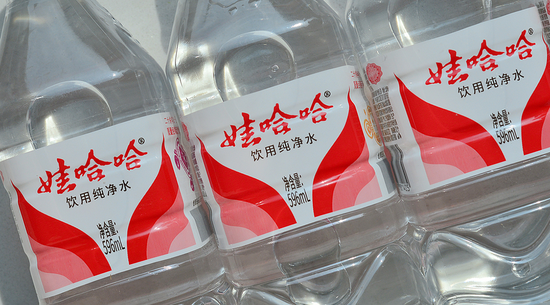
Core Viewpoint - The recent leadership changes and brand strategy shifts at Wahaha Group, following the death of founder Zong Qinghou, indicate a significant transformation in the company's direction and operations, particularly under the leadership of his daughter, Zong Fuli [1][6]. Group 1: Leadership Changes - Zong Fuli resigned from her positions as legal representative, director, and chairman of Wahaha Group on September 12, 2023, marking her second resignation, which was approved by the shareholders' meeting and board of directors [1][2]. - Following Zong Fuli's resignation, Xu Simin was appointed as the new general manager of Wahaha Group, leaving the chairman position vacant [1][2]. Group 2: Brand and Trademark Issues - The ownership structure of Wahaha Group complicates the use of the "Wahaha" trademark, requiring unanimous consent from all shareholders for its use, which could hinder Zong Fuli's new company, Hongsheng, from utilizing the trademark [5][6]. - Wahaha Group plans to transition to a new brand, "Wawa Xiaozong," starting from the 2026 sales year, as part of its strategy to resolve historical trademark issues [6][9]. Group 3: Business Operations and Strategy - The distribution network of Wahaha is undergoing significant changes, with reports indicating that the company is terminating relationships with distributors generating less than 3 million yuan in annual sales [9]. - Zong Fuli has implemented a series of reforms aimed at standardizing and digitizing operations, including transferring employee contracts to Hongsheng Group and discontinuing profit-sharing arrangements [9][11]. Group 4: Company Name Changes and Restructuring - Several companies previously associated with Wahaha have been renamed to include "Hongsheng," indicating a shift in branding and operational focus [11][13]. - The Shanghai and Zhejiang Wahaha factories have experienced operational changes, including the potential closure of the Shanghai factory and the transfer of sales rights to companies controlled by Zong Fuli [11][13]. Group 5: Internal Dynamics and Challenges - Internal dynamics within Wahaha Group have been affected by the leadership transition, with reports of key personnel changes and investigations into associates of Zong Fuli [15][16]. - Employees express concerns about the rapid changes and the potential impact on the company's legacy and brand value, highlighting the challenges of establishing a new brand in the fast-moving consumer goods sector [9][16].
娃哈哈大消息:宗馥莉已辞职,或将独立运营“娃小宗”
Zheng Quan Shi Bao· 2025-10-11 04:20
Core Viewpoint - Zong Fuli has resigned from her positions at Wahaha Group, including legal representative, director, and chairman, effective September 12, 2023, to focus on her own brand "Wawa Xiaozong" due to trademark compliance issues [1][2][3]. Group 1: Resignation Details - Zong Fuli's resignation has been confirmed by Wahaha Group, and she remains the second-largest shareholder of the company [1]. - Zong Fuli's career at Wahaha includes roles such as head of brand public relations, vice general manager of the sales company, and eventually vice chairman and general manager [1]. Group 2: Brand Development - The brand "Wawa Xiaozong" was launched by Hongsheng Group in 2025 as a sugar-free tea beverage, with the trademark registered under Hongsheng Group, separate from Wahaha [3]. - Following the death of the founder, Wahaha Group has been working to resolve historical issues and plans to transition to the new brand "Wawa Xiaozong" starting from the 2026 sales year [3]. Group 3: Corporate Changes - Several Wahaha-related companies have undergone name changes to incorporate "Hongsheng," indicating a shift in branding strategy [5]. - Over ten Wahaha subsidiaries have changed their names to include "Hongsheng" this year, reflecting a broader rebranding effort [5]. Group 4: Trademark Registration - Hongsheng Beverage Group has applied for multiple trademarks related to "Wawa Xiaozong," "Zong Xiaohai," and "Wawa Xiaohai," covering various categories including food and beverages [6].
宗馥莉,危险
创业邦· 2025-10-11 03:19
Core Viewpoint - The article discusses the transition of Wahaha from its long-standing brand to a new brand "Wah Xiaozong" under the leadership of Zong Fuli, highlighting the internal family conflicts and the challenges faced by the company in maintaining its brand value and market position [4][9][10]. Brand Transition - Zong Fuli plans to replace the nearly 40-year-old "Wahaha" brand with "Wah Xiaozong" starting in 2026, indicating a significant shift in branding strategy [4][12]. - Multiple trademarks such as "Wah Xiaohar" and "Zong Xiaohar" have been registered under the wholly-owned Hongsheng Beverage Group, suggesting a strategic rebranding effort [4][6]. Internal Conflicts - The recent investigation of key executive Yan Xuefeng for disciplinary violations has raised concerns about the stability of Wahaha's leadership and its implications for the company's future [7][9]. - The internal document reveals that unresolved historical issues have exposed the company to legal risks, prompting the need for a brand change [21][23]. Financial Implications - The brand value of Wahaha is estimated at approximately 90 billion yuan, making the decision to rebrand a significant financial risk [12][13]. - Zong Fuli has set an ambitious sales target of 30 billion yuan for "Wah Xiaozong," which is about 80% of Wahaha's current annual sales [15][19]. Market Challenges - In a saturated market, "Wah Xiaozong" will face tough competition from established brands like Nongfu Spring and Master Kong, requiring significant investment in consumer engagement and distributor relationships [17][18]. - Current distributors are hesitant to engage with the new brand due to perceived risks, complicating the transition process [17][18]. Historical Context - The article outlines the complex ownership structure of Wahaha, where the largest shareholder is a state-owned enterprise holding 46%, while Zong Fuli holds 29.4% [27][28][29]. - The historical "Dawa War" with Danone significantly shaped Wahaha's ownership and brand strategy, leading to a unique governance structure that complicates decision-making [25][26][32]. Future Outlook - The ongoing family disputes and the potential dilution of Zong Fuli's shares could further complicate Wahaha's governance and operational stability [40][41]. - The transition to "Wah Xiaozong" may lead to brand fragmentation and asset depreciation in the short term, impacting employees and their families [43][44].

营收暴增 67%,后赴港 IPO,若羽臣的“绽家依赖症”能打动资本吗?
3 6 Ke· 2025-10-09 09:45
Core Viewpoint - Guangzhou Ruoyuchen Technology Co., Ltd. has transformed from an e-commerce service provider to a brand company, showcasing its commercial adaptability through impressive half-year financial results [1] Financial Performance - The company's revenue for the reporting period reached 1.319 billion yuan, a year-on-year increase of 67.55% [2] - Net profit attributable to shareholders was 72.26 million yuan, up 85.60% from the previous year [2] - The net profit after deducting non-recurring gains and losses was 69.76 million yuan, reflecting an 83.52% increase [2] - Basic earnings per share rose to 0.3261 yuan, a 75.80% increase [2] - Total assets at the end of the reporting period were 1.719 billion yuan, a 10.81% increase from the previous year [2] Business Transformation - The self-owned brand business contributed 603 million yuan in revenue, a staggering 242% increase, accounting for over 45% of total revenue [3] - The brand "Zhanjia" (LYCOCELLE), launched in 2020, generated 440 million yuan in revenue during the first half of the year, marking a 157% year-on-year growth [3] - Zhanjia achieved a gross margin of 66.5%, significantly higher than the margins of brand management and agency services [3] Market Position and Strategy - The shift towards high-end products is evident as Zhanjia positions itself in the emotional fragrance segment, targeting young women and discerning mothers [10] - The company is exploring international markets, planning to issue H-shares and list on the Hong Kong Stock Exchange to enhance capital strength and brand image [5][17] - The Chinese household cleaning market is valued at over 100 billion yuan, with a compound annual growth rate leading globally [9] Competitive Landscape - Increased competition in the high-end household cleaning segment poses challenges, with major brands like Unilever and Procter & Gamble entering the market [13] - The reliance on social media for traffic generation raises concerns about future profitability, as sales expenses surged by 124.23% to 599 million yuan [15] Future Outlook - The company is attempting to diversify its brand portfolio beyond Zhanjia, including entering the health supplement market with the "Ficui" series [15] - The recent share reductions by the second-largest shareholder, Langzi Co., raise questions about investor confidence [18][19] - The ability to maintain growth and profitability amidst rising competition and operational costs will be crucial for the company's long-term success [19]

40多万车主惨遭断网!又一国产车企凉凉?
商业洞察· 2025-10-03 09:24
Core Viewpoint - The article discusses the financial crisis faced by Nezha Automobile, highlighting the company's inability to maintain its promised services and the severe implications of its financial mismanagement [3][5][10]. Financial Situation - Nezha Automobile's parent company, Hozon New Energy, revealed at a creditors' meeting that it has only 15 million yuan in available funds while facing confirmed debts of 5.1 billion yuan and additional claims totaling approximately 26 billion yuan [7][9]. - Over 5,000 employees are owed a total of 460 million yuan in unpaid wages and compensation, leading to significant talent loss [8]. - The company has 9.3 billion yuan in accounts receivable, but recovery is challenging due to many partners being on the brink of bankruptcy [9][12]. Service Disruption - Starting September 10, 460,000 Nezha car owners experienced service disruptions, including offline navigation and malfunctioning Bluetooth, due to a service cut by Lenovo Communications over unpaid bills [4][5]. - The promise of "lifetime free data" has turned into a monthly fee of 5.9 yuan, which many owners now feel is a "ransom" [5]. Market Position and Sales Decline - Nezha's sales peaked in 2022 with 152,000 units sold, but the company has since faced a drastic decline, with sales plummeting by 97.76% to just 110 units in January 2025 [10][11]. - The company's strategy of focusing on low-end markets has eroded its brand value, making it difficult to compete in higher-end segments [11]. Potential for Recovery - Despite the challenges, there is a possibility for recovery through bankruptcy restructuring, with management indicating that they have resumed full salaries for remaining employees and are negotiating with suppliers to restore services [12]. - The existing customer base of 460,000 domestic and 25,000 overseas users is viewed as a potential asset for future investment opportunities [12].
娃哈哈改名,宗馥莉太想进步了
36氪· 2025-09-28 13:00
Core Viewpoint - Wahaha is facing significant challenges in maintaining its market position and growth, with declining sales in key products and markets, particularly in the beverage sector, indicating a need for strategic transformation and innovation [4][5][6]. Group 1: Sales Performance and Market Position - Wahaha's sales growth has slowed, with a notable decline in key products like AD calcium milk and bottled water, particularly in the East China region, where sales dropped by 37% and market share fell from 18% to 12% [5][6]. - The company's revenue has remained relatively stagnant over the past eight years, fluctuating around 50 billion, with a brief spike to 70 billion in 2024 attributed to emotional consumer spending following the founder's passing [11][12]. - In comparison to competitors like Nongfu Spring, Wahaha's growth has been lackluster, with Nongfu Spring showing faster revenue growth and innovation in product offerings [15][16]. Group 2: Market Dynamics and Competition - The bottled water market is highly competitive, with Wahaha losing market share to brands like Nongfu Spring and Master Kong, which have adopted aggressive pricing and marketing strategies [17][27]. - The overall bottled water market in China is projected to grow significantly, with a market size expected to exceed 310 billion by 2025, indicating a lucrative opportunity for brands that can effectively capture market share [25][26]. - Wahaha's market share in bottled water remains stagnant at around 9.9%, with major competitors holding a combined market share of over 80% [29]. Group 3: Strategic Initiatives and Future Outlook - Under the leadership of Zong Fuli, Wahaha is focusing on expanding its bottled water and tea product lines, with a goal to revitalize the brand and achieve a revenue target of 100 billion [20][21]. - The introduction of new products, such as sugar-free tea, has not yet gained significant traction in the market, highlighting the challenges Wahaha faces in innovating and adapting to consumer preferences [34][39]. - The launch of the new brand "Wah Xiaozong" aims to streamline decision-making and enhance market responsiveness, potentially positioning Wahaha for a more agile transformation in the beverage industry [41][42].

娃哈哈遗产案迎来最新进展 杭州法院依旧是关键 宗馥莉战斗还没结束
Hua Xia Shi Bao· 2025-09-28 00:41
Core Points - The recent judgment in the Wahaha family inheritance dispute has been made public, rejecting the appeal application from Zong Fuli, allowing her to temporarily avoid disclosing the latest balance and asset movements of the HSBC account [1][2][3] Legal Developments - The Hong Kong High Court ruled on September 26, 2024, to dismiss the appeal application from Zong Fuli, the defendant, in the inheritance dispute case [2][3] - The plaintiffs, Zong Jichang, Zong Jieli, and Zong Jisheng, are Zong Fuli's half-siblings, claiming rights to the trust assets established by their late father, Zong Qinghou, who passed away on February 25, 2024 [2][3] - The court previously issued an asset preservation order on August 1, 2024, preventing Zong Fuli from withdrawing or transferring any assets from the HSBC account, which holds approximately $1.8 billion [3][4] Company Challenges - Zong Fuli faces significant challenges within Wahaha Group, including ongoing shareholder disputes and trademark issues [7][8] - The current ownership structure of Wahaha Group includes three major shareholders: a state-owned investment group, Zong Fuli, and an employee stockholding committee, with the latter's 24.6% stake being a variable in control [7] - Zong Fuli's recent decision to launch a new brand, "Wah Xiaozong," is seen as a response to the uncertainties surrounding the company's trademark and brand identity [8][9]

娃哈哈遗产案迎来最新进展,杭州法院依旧是关键,宗馥莉战斗还没结束
Hua Xia Shi Bao· 2025-09-27 13:41
Core Points - The recent developments in the Wahaha Group's $1.8 billion trust dispute have raised significant uncertainties for the company and its leadership [2][3] - The Hong Kong High Court has rejected the appeal by Zong Fuli, allowing her to temporarily avoid disclosing the latest balance and asset movements of the HSBC account [5][6] - Zong Fuli is facing dual pressures from both internal company disputes and external legal challenges, prompting her to consider launching a new brand "Wah Xiaozong" [2][9] Legal Developments - On September 26, the Hong Kong judiciary announced the dismissal of Zong Fuli's application for appeal regarding the trust dispute [3][4] - The original plaintiffs, Zong Jichang, Zong Jieli, and Zong Jisheng, claim rights to the trust assets established by their late father, Zong Qinghou, which are currently frozen [6][7] - The court's decision maintains the asset preservation order, preventing Zong Fuli from withdrawing or transferring any assets from the HSBC account until the mainland court's final ruling [4][6] Company Internal Issues - Zong Fuli has been navigating significant challenges since taking over as the head of Wahaha Group in August 2024, including shareholder disputes [7] - The current ownership structure includes three major shareholders, with the employee stockholding committee holding a significant 24.6% stake, complicating governance [7] - Legal disputes have arisen regarding the employee stockholding committee's buyback agreement, which has not been finalized due to ongoing litigation [7] Brand Strategy - Amidst the ongoing legal and internal challenges, Zong Fuli's potential launch of the new brand "Wah Xiaozong" has sparked discussions about its impact on the company's market position [9] - Analysts suggest that while this move may create short-term disruptions, it could also represent a necessary step towards modernizing the company's governance and operations in the long run [9]
这个浙江小县城,老板都在卖椅子,全球每3把转椅就有1把是他们造的
创业邦· 2025-09-24 13:37
Core Viewpoint - Anji, known as the "Chair Capital of China," is a major hub for chair manufacturing, producing one-third of China's chairs and over 50% of its exports, with a complete industrial chain established over 30 years [2][4]. Industry Overview - Anji's chair industry began in 1982 with the production of the first five-wheel chair, and now has over 1,200 companies, with 52.08% being large-scale enterprises. The total industrial output value reached 26.17 billion yuan last year, with 46 companies generating over 100 million yuan [4][5]. - The industry is currently focusing on serving the consumer market (C-end) and building brands, with many companies undergoing transformation to adapt to new market demands [4][5]. Company Transformations - Companies like Ling Sheng Home, founded by a young entrepreneur, have shifted focus to e-commerce, particularly cross-border sales, to find growth opportunities [5][7]. - Traditional manufacturers are also transitioning to "integrated trade" models, expanding from B-end to C-end markets to seek long-term value [10][12]. - Wanbao Technology, established in 2013, has evolved from B-end exports to developing its own brands on platforms like Amazon, achieving overseas sales of 1.5 billion yuan last year [12][22]. Market Strategies - Companies are employing various strategies to penetrate different markets, such as focusing on product differentiation and understanding local consumer preferences [24][25]. - For example, Jie Anxin has tailored its products for the Japanese market, emphasizing detailed packaging and design to meet local consumer expectations [24][25]. Challenges and Adaptations - The transition from B-end to C-end is complex, requiring new skills in design, consumer insights, and supply chain management [15][21]. - Companies like Wanbao Technology faced significant challenges during the pandemic, leading to strategic shifts and a focus on popular product lines to recover from losses [22][36]. Future Outlook - The global furniture market is projected to exceed $925.4 billion by 2029, with an annual growth rate of over 12%, indicating significant potential for companies that can adapt and innovate [37]. - Companies are aiming to establish themselves as long-term brands rather than just channel brands, focusing on unique product offerings that are difficult to replicate [37].