
技术迭代

Search documents
南山智尚:公司超高分子量聚乙烯纤维业务聚焦技术迭代与市场趋势
Zheng Quan Ri Bao Zhi Sheng· 2025-08-28 09:07
Core Viewpoint - Nanshan Zhishang focuses on technological iteration and market trends in its ultra-high molecular weight polyethylene fiber business, actively developing new products to meet the demands of emerging fields [1] Group 1: Business Strategy - The company is responding to the demand for high-performance tendons in the robotics sector by strategically developing related products [1] - Nanshan Zhishang is committed to continuous research and development to adapt to industry dynamics and enhance its core competitiveness [1] Group 2: Market Response - The company aims to provide tailored solutions that meet the material upgrade requirements of downstream industries, thereby promoting innovation and development [1]
浙江鼎力:2025年上半年净利增长27.6%,新能源转型与海外扩张双轮驱动增长
Zheng Quan Shi Bao· 2025-08-28 06:23
Core Viewpoint - Zhejiang Dingli has demonstrated strong operational resilience and growth in revenue and profit despite global macroeconomic uncertainties, showcasing effective management and competitive advantages [1][2]. Financial Performance - In the first half of 2025, Zhejiang Dingli achieved revenue of 4.336 billion yuan, a year-on-year increase of 12.35% - The net profit attributable to shareholders reached 1.052 billion yuan, up 27.63%, with a net profit margin of 24.27% [1]. Global Market Expansion - The company's overseas market revenue reached 3.374 billion yuan, growing by 21.25% and accounting for over 70% of total revenue - Notable performance in Europe and countries along the Belt and Road has effectively mitigated uncertainties in the North American market [2]. - The impact of previous U.S. tariffs has been largely absorbed, and the marginal improvement in the global macro environment is expected to further alleviate uncertainties [2]. Technological Innovation - Zhejiang Dingli has focused on product electrification, intelligence, and differentiation, with R&D expenses reaching 144 million yuan, a 21.82% increase year-on-year - The company has achieved full electrification of its product line and introduced the industry's first batch of oil-free electric scissor lifts, enhancing product performance and supporting industrial upgrades [3][4]. Product Diversification - In addition to over 200 conventional products, Zhejiang Dingli has launched differentiated products such as ship spray rust removal robots and tunnel drilling robots, expanding into new application scenarios [4]. ESG and Long-term Value - The company emphasizes sustainable development and long-term value creation, actively implementing carbon emission calculations and reduction measures - Zhejiang Dingli has maintained a cash dividend policy for 10 consecutive years, with a total dividend of over 500 million yuan for the 2024 fiscal year and a payout ratio of 31.09% [5]. Recognition and Future Outlook - The company received nominations for "Technological Innovation" and "Proactive Progress" at the Sedex Supply Chain Awards, highlighting its responsibility and innovation in the global supply chain - With a dual-driven strategy of "new energy transformation + overseas expansion," Zhejiang Dingli is expected to maintain its industry leadership in the high-altitude work platform sector and explore new growth opportunities [6].

光伏半年报密集出炉,六大主链企业亏损超180亿元,逆变器企业业绩大爆发
Hua Xia Shi Bao· 2025-08-28 05:20
Core Insights - The performance of photovoltaic companies in the first half of 2025 shows significant divergence, with 35 out of 57 listed companies reporting profits while 22 incurred losses [1] - Major factors affecting performance include overcapacity, overall industry losses, policy governance, technological iteration, financial strength, and market demand [1] Group 1: Inverter and Equipment Companies - Inverter companies reported substantial profits, with Sunshine Power leading at a net profit of 77.35 billion yuan, a year-on-year increase of 55.97% [2] - Sunshine Power's revenue from energy storage systems surged by 127.78% to 178.03 billion yuan, with 58.30% of revenue coming from overseas [2] - Other inverter companies like Jinlang Technology and Hewei Electric also reported significant profit increases, with Jinlang's net profit growing by 70.96% to 6.02 billion yuan [2] Group 2: Photovoltaic Equipment Companies - Equipment companies, except for Dier Laser, experienced declines in both revenue and net profit, with Jing Sheng Machinery's revenue dropping by 42.85% to 57.99 billion yuan and net profit down 69.52% [3] - Maiwei's revenue decreased by 13.48% to 42.13 billion yuan, while net profit fell by 14.59% [3] - The decline in performance is attributed to cyclical adjustments in the photovoltaic industry and a slowdown in customer expansion [3] Group 3: Auxiliary Material Companies - Auxiliary material companies faced significant challenges, with Mingguan New Materials reporting a net loss of 0.53 billion yuan, a drop of 713.54% [5] - Other companies like Zhonglai and Foster also reported losses or declines in net profit, indicating a tough market environment [5] - The price of auxiliary materials continues to be under pressure, with significant declines in sales revenue for products like encapsulation films [6] Group 4: Main Chain Companies - Major companies in the photovoltaic supply chain reported substantial losses, with six leading firms collectively losing over 180 billion yuan [8] - Trina Solar experienced the largest loss, with a net loss of 29.18 billion yuan, marking a decline of 654.47% [8] - Some companies, like Hongyuan Green Energy, showed signs of improvement, significantly reducing their losses compared to the previous year [9]


人才告急下的新能源汽车发展隐忧
Zhong Guo Chan Ye Jing Ji Xin Xi Wang· 2025-08-25 23:43
Core Viewpoint - The rapid development of China's new energy vehicle (NEV) industry is facing a severe challenge due to a talent shortage, with a projected gap of 1.03 million professionals by 2025 [1][2] Group 1: Talent Shortage - The Ministry of Industry and Information Technology predicts a talent gap of 1.03 million in the NEV sector by 2025, while only 12% of the 4 million automotive maintenance workers have received training in new energy skills [1] - 60% of automotive maintenance workers are unable to service new energy vehicles, and there is an 85% shortage of dual-certified talent in high-voltage electricity and intelligent networking [1] - The current educational system is lagging behind technological advancements, with 78% of school-enterprise collaborations merely superficial, leading to graduates facing outdated skills [1] Group 2: Structural Crisis - The industry's focus on the shortage of skilled workers overlooks a more significant issue: the lack of high-end research and development talent [2] - Traditional automotive talent is being attracted to higher-paying positions in sectors like artificial intelligence and big data, exacerbating the talent drain [2] - Companies with insufficient innovation capabilities or management issues struggle to provide career development opportunities, leading to further talent loss [2] Group 3: Solutions and Recommendations - A "dynamic capability regeneration system" is needed to address the talent crisis, moving beyond traditional models of policy support and school-enterprise partnerships [2] - The establishment of a "living textbook" mechanism, led by automotive companies, vocational schools, and industry associations, is recommended to ensure course content is updated quarterly [2] - Implementing a "technical shortage index" for targeted tax incentives and training funding for critical positions is suggested, along with regional training centers to retain talent in less developed areas [3] Group 4: Sustainable Competitive Advantage - Building a closed-loop ecosystem of "talent cultivation-capability regeneration-value transformation" is essential for sustainable competitive advantage in the NEV sector [4] - The industry must prioritize talent ecosystem development over technological metrics like battery density and chip computing power [4] - Advanced smart factories require skilled personnel to operate effectively, highlighting the importance of talent development [4]
安图生物上半年营收下滑6.65%至20.6亿元,研发投入3.5亿
Cai Jing Wang· 2025-08-22 01:40
Core Insights - Antu Bio reported a 6.65% decline in revenue to 2.06 billion yuan and a 7.83% decrease in net profit to 571 million yuan for the first half of 2025 [1] - The company increased its R&D investment to 350 million yuan, representing 16.99% of its revenue, as it seeks to explore new fields and develop new products [1] Industry Analysis - The global in vitro diagnostics (IVD) market is experiencing a "polarization" trend driven by technological iterations, with top IVD companies dominating the market [1] - Major players like Roche, Abbott, Danaher, and Siemens collectively hold 57.3% of the market share, with projected revenues for 2024 being $17 billion, $9.9 billion, $16 billion, and $4.5 billion respectively [1] - Emerging companies are leveraging disruptive technologies such as microfluidic chips and CRISPR gene editing, with the molecular diagnostics segment leading the industry at a growth rate of 13.4% [2] - In China, the IVD market shows a coexistence of domestic and international companies, with foreign giants dominating the high-end market while domestic firms are gaining ground in the mid-to-low end [2] - In the immunodiagnostics segment, foreign companies hold over half of the market share, with Roche at 25.4% and Abbott at 13.5%, indicating significant room for domestic alternatives [2]

海外收入占比突破40%,科沃斯上半年营收86.76亿元,技术迭代驱动增长加速度
Zheng Quan Zhi Xing· 2025-08-20 03:15
Core Insights - The consumer electronics industry is facing challenges of demand differentiation and intensified competition, yet the company achieved remarkable results with revenue of 8.676 billion yuan, a year-on-year increase of 24.37%, and a net profit of 979 million yuan, surging 60.84% [1][2] - The company's performance is attributed to its deepened dual-brand strategy, enhanced efficiency across the supply chain, and accelerated global expansion, establishing a unique core advantage in the technology-driven and global competitive landscape [1][7] Revenue and Profit Growth - In the first half of 2025, the company reported revenue of 8.676 billion yuan, a 24.37% increase year-on-year, and a net profit of 979 million yuan, reflecting a 60.84% growth [2][3] - The second quarter net profit reached 505 million yuan, continuing the growth momentum from the first quarter [2] Market Position and Brand Strategy - The dual-brand strategy has established a near-monopoly position in the home service robot and high-end smart appliance sectors, with the company's brands contributing 97.58% of total revenue [2][3] - The company holds a dominant market share in the floor washing robot segment, with a domestic online retail market share of 73.1% [2][3] Product Innovation and Development - The company focuses on addressing real user needs and industry bottlenecks through innovative product development, leading to successful market launches [4][5] - The introduction of the MINI series targets small households and young users, while the T80 series employs a "high configuration at the same price" strategy to capture mid-range market demand [3][4] Global Expansion and Market Penetration - The company's channel strategy has evolved into a "full-domain integration" network, with significant online and offline presence, including 8,100 retail outlets and 170 dual-brand flagship stores [6] - In the first half of 2025, overseas revenue accounted for 40.8%, with the brand's overseas revenue share rising to 42.2%, indicating a transition from a "Chinese brand" to a "global brand" [6][7] Long-term Strategy and Future Outlook - The company's performance in the first half of 2025 reflects the results of its "long-termism" strategy, integrating technological barriers, market insights, operational efficiency, and global expansion [7][8] - The growth in new product categories' overseas revenue by 120.6% signifies enhanced resilience against risks and a shift towards multi-category collaboration in global markets [7]

蓝海华腾: 关于全资子公司取得发明专利证书的公告
Zheng Quan Zhi Xing· 2025-08-14 08:19
Core Viewpoint - Shenzhen Blue Ocean Huateng Technology Co., Ltd. has recently received two invention patents from the National Intellectual Property Administration of the People's Republic of China, which will enhance the company's intellectual property protection and strengthen its technological leadership in the industry [1][2]. Group 1: Patent Details - The first patent is titled "Current Zero Position Determination Method, Device and Storage Medium," with patent number ZL202011336146.5, applied on November 25, 2020. This invention relates to motor control technology and provides a method to accurately determine the zero position of three-phase motor currents [1]. - The second patent is titled "Permanent Magnet Synchronous Motor Control Method and Device," with patent number ZL202011375799.4, applied on November 30, 2020. This method allows for the determination of rotor position and speed without the need for physical rotor position sensors, enabling stable and reliable operation of permanent magnet synchronous motors across their full speed range [2]. Group 2: Impact on Company - The acquisition of these patents is not expected to have a significant immediate impact on the company's production and operations. However, it is beneficial for the company to further enhance its intellectual property protection system and consolidate its leading technological advantages [2]. - The continuous innovation mechanism driven by these patents is anticipated to improve the company's core competitiveness in the market [2].

三年贬值65%以上,新能源二手车陷流通困局
36氪· 2025-08-14 00:00
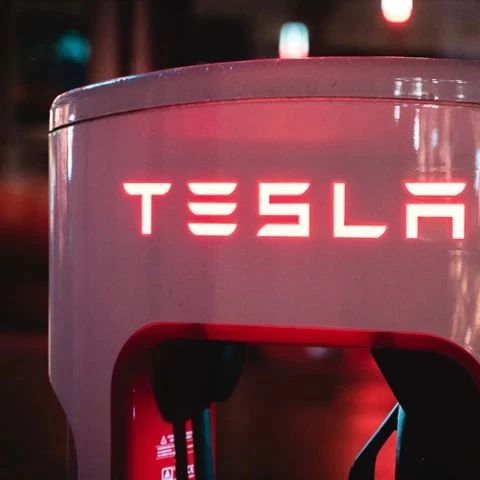
Core Viewpoint - The article highlights the significant depreciation of electric vehicles (EVs) in the second-hand market, leading to financial losses for both car owners and dealers, exacerbated by rapid technological advancements and aggressive pricing strategies in the new car market [6][12][28]. Group 1: Depreciation and Market Dynamics - Tesla Model 3 and Model Y owners are experiencing substantial losses, with depreciation rates reaching 65% over three years for some models, and in extreme cases, vehicles losing up to 70% of their value within a year [7][12]. - The average inventory cycle for second-hand car dealers is reported to be 43 days, with a significant portion of dealers facing longer cycles, indicating a challenging operating environment [9][10]. - The second-hand EV market is characterized by a lack of trust and transparency, with many consumers feeling their rights are not adequately protected due to the rapid depreciation and unclear valuation models [10][28]. Group 2: Technological Impact and Consumer Behavior - Rapid technological advancements in EVs, particularly in battery technology, are causing older models to lose value quickly, with some vehicles depreciating by 40% shortly after new models are released [20][23]. - A survey indicated that 87% of respondents believe the depreciation rate of EVs exceeds their tolerance, leading to 23% of potential buyers abandoning their purchase plans [15][16]. - The introduction of "zero-kilometer second-hand cars" is disrupting the market, as these vehicles are often priced lower than used cars, further driving down the value of traditional second-hand vehicles [30][31]. Group 3: Recommendations for Stakeholders - To address the depreciation crisis, stakeholders suggest implementing equal subsidies for new and second-hand vehicles and eliminating the practice of zero-kilometer second-hand cars, which distort market pricing [30][31]. - Innovations such as AI-based residual value assessment systems and battery rental models are being explored to mitigate depreciation risks and enhance consumer confidence [34]. - Consumers are advised to choose brands that offer official value retention guarantees and to avoid brands with aggressive technological iterations that could lead to rapid depreciation [36][37].

康鹏科技:一场被资本催熟的国产化泡沫破裂实录?丨大A避雷针
Quan Jing Wang· 2025-08-13 05:51
Core Viewpoint - Kangpeng Technology, once a model of policy benefits in China's hard technology localization narrative, is now facing significant operational challenges, including declining profit margins and increased inventory impairment, leading to a potential capital exodus from the company [1][16]. Company Overview - Kangpeng Technology specializes in fine chemicals, focusing on the research, production, and sales of new materials, pharmaceuticals, and agricultural chemicals, with a strong emphasis on fluorinated fine chemicals [2]. - The company was recognized as a "specialized, refined, distinctive, and innovative" enterprise in Shanghai in 2021 and officially listed on the Sci-Tech Innovation Board in July 2023 [2]. Financial Performance - The company has experienced a dramatic reversal in performance post-IPO, with revenues declining for three consecutive years: 1.238 billion in 2022, 980 million in 2023, and 675 million in 2024, marking a 20.89% year-on-year decline in 2023 and a further 31.11% drop in 2024 [3]. - Gross margin has been on a downward trend since 2020, with an overall gross margin of only 12.65% in 2024, down nearly 30 percentage points from 2020, and significantly lower than 2023 [5]. - The new materials segment faced a gross margin of 2.7% in 2024, a decrease of 7.9 percentage points year-on-year, while the CDMO segment saw a gross margin of 23.17%, down 16.06 percentage points [5]. Expense Trends - Sales, management, and R&D expense ratios have all increased from 2022 to 2024, leading to a net profit decline of 37.58% in 2023 to 113 million, followed by a loss of 49.53 million in 2024, marking a 143.95% year-on-year decline [7]. - The net cash flow from operating activities also decreased sharply from 213 million in 2023 to 60.8 million in 2024 [9]. Business Risks - The Shanghai Stock Exchange has inquired about the significant changes in Kangpeng's new materials and CDMO business, as well as the increased inventory impairment provisions [11]. - The new materials business reported a gross margin of only 1.19% in Q1 2025, continuing a downward trend, with potential risks from market supply-demand changes and price declines [11]. - The CDMO business revenue fell by 48.29% in 2024 to 295 million, with a slight recovery in Q1 2025, but remains vulnerable to pricing pressures and market dynamics [12]. Market Position and Competition - Kangpeng's market share in the global LiFSI market was only 6% in 2023, significantly lower than competitors like Tianqi Materials (55%) and CATL's Times Technology (16%) [13]. - The company faces intense competition and pricing pressures, particularly from larger players who have integrated supply chains, leaving Kangpeng in a precarious position [13][14]. Future Outlook - The reliance on policy support and capital influx for growth may lead to value destruction, especially as the market environment evolves and competition intensifies [16].


宁德时代锂矿停产扰动短期情绪,资源安全与技术迭代孕育投资主线
Haitong Securities International· 2025-08-12 14:44
Investment Rating - The report suggests a focus on "price up + valuation repair" as the dual investment theme, indicating a positive outlook for companies with resource advantages and low compliance risks [5][12]. Core Insights - The suspension of CATL's lithium mine highlights the importance of resource security and technological innovation in the industry, creating potential investment opportunities [1][5]. - The short-term impact of the mine suspension is expected to increase lithium prices, which will sequentially pressure costs and margins across the supply chain, affecting cathode manufacturers, battery producers, and automakers [2][9]. - Despite the short-term disruptions, the overall supply-demand balance remains favorable, with a projected surplus in lithium carbonate supply through 2025 [3][10]. - Technological advancements in lithium extraction and battery recycling are seen as key strategies to mitigate cost pressures and enhance recovery rates [4][11]. Summary by Sections Mine Suspension Impact - CATL's Jianxiawo lithium-mica mine in Jiangxi ceased operations due to the expiration of its mining license, which is the largest single lithium-mica operation globally, holding approximately 6.57 million tons of lithium carbonate equivalent (LCE) [1][8]. - The suspension is expected to reduce monthly lithium supply by about 8%, leading to increased prices and potential profit compression for downstream manufacturers [2][9]. Supply-Demand Dynamics - As of mid-2025, the lithium carbonate market is projected to have a supply of 553,000 tons, with demand at approximately 522,000 tons, indicating a surplus of around 30,000 tons [3][10]. - Social inventory levels remain above 140,000 tons, sufficient to cover short-term supply gaps [3][10]. Technological Innovations - The industry is focusing on process upgrades and recycling to reduce costs and improve recovery rates, with new methods achieving significant reductions in cash costs for lithium extraction [4][11]. - The anticipated growth of the battery recycling market is projected to exceed 100 billion yuan by 2030, driven by increasing volumes of retired batteries [4][11]. Investment Recommendations - The report recommends focusing on industry leaders like CATL, which possess both resource advantages and pricing power, as they are expected to outperform amid rising lithium prices [5][12].
