
能源转型

Search documents
摩洛哥-西班牙战略伙伴关系深化
Shang Wu Bu Wang Zhan· 2025-12-03 05:31
Group 1: Economic Relations - The 13th Morocco-Spain High-Level Meeting is scheduled for December 4, indicating a deepening strategic partnership between the two countries [1] - Bilateral trade is projected to reach a record high of €22.7 billion in 2024, with Morocco exporting €9.83 billion primarily in agricultural products, textiles, and automotive products, while Spain's exports to Morocco are valued at €12.87 billion, focusing on machinery, industrial equipment, chemicals, and electronic components [1] - Morocco has become Spain's main trading partner in Africa, as highlighted by EU statistics [1] Group 2: Foreign Investment - Morocco attracted a total of $69.3 billion in foreign direct investment stock by 2023, with Spain consistently ranking among the top five foreign investors [1] - Approved investment projects in Morocco for 2024 amount to nearly €18.5 billion, with significant contributions from European companies, particularly from Spain, France, and Germany [1] - Spanish investments are primarily concentrated in the industrial sector, aligning with Morocco's industrial acceleration plan, green strategy, and decarbonization initiatives [1] Group 3: Future Investment Goals - Over 1,300 Spanish companies operate in Morocco across various sectors, including construction, finance, agriculture, higher education, engineering, and emerging technologies [2] - The Moroccan Business Confederation (CGEM) and the Spanish Employers' Organization (CEOE) aim to achieve €5 billion in cross-investment by 2028, focusing on energy transition, logistics, sports infrastructure, and cultural industries [2] - The upcoming high-level meeting in Madrid is expected to explore new growth areas such as green hydrogen, cybersecurity, and industrial innovation to enhance bilateral cooperation [2]
上银基金:资源品的三重阿尔法 长期价值值得关注
Jing Ji Guan Cha Wang· 2025-12-03 03:36
Group 1 - The core viewpoint of the articles highlights the increasing concentration of AI-related investments, particularly in the "Big Seven" tech companies, which now account for 47% of the S&P 500 index, indicating a historical high in investment concentration in AI themes [1] - The demand for computing power in the AI sector is expected to significantly increase electricity consumption, with global data center electricity demand projected to exceed 945 TWh by 2030, and China's compound annual growth rate reaching 18% [1] - The surge in electricity demand is driving the need for grid upgrades, which in turn stimulates demand for industrial metals such as copper and aluminum, suggesting that the valuations of related sectors in the A-share market remain relatively low compared to historical levels, indicating potential for recovery [1] Group 2 - The investment logic for resource products is characterized by a "triple alpha" appeal: firstly, benefiting from the AI technology cycle through increased demand for electricity, cooling, and hardware; secondly, providing a hedge against currency depreciation in a stagflation environment; and thirdly, the impact of monetary expansion and energy transition driving up the value of resource products [1] - The focus on resource sectors has shown long-term value potential, as exemplified by the Above Silver Resource Selected Mixed Fund, which has achieved a cumulative return of 58.67% since its inception, outperforming its benchmark [2] - The fund is optimistic about the long-term value of resource products, highlighting opportunities in various sectors such as industrial metals driven by U.S. manufacturing reshoring and China's production reforms, as well as increased demand for gold amid rising recession risks and global conflicts [2]
全球能源转型分化 坤元资产FOF伙伴以“智慧”答卷回应绿色发展
Cai Fu Zai Xian· 2025-12-03 02:11
Core Viewpoint - The global energy landscape is undergoing significant transformation, with developing countries leading the clean energy trend, particularly China, which is set to surpass coal as the largest source of electricity by mid-2025 [1] Group 1: Strategic Divergence between the US and China - The US is restructuring its energy strategy by focusing on traditional fossil fuels and nuclear energy in response to the AI-driven electricity demand, which has strained its aging power grid [2] - The US Department of Energy plans to procure up to 10 new large nuclear reactors to ensure stable power supply, despite previously supporting a $2 trillion clean energy market [2] - In contrast, China is proactively developing a new energy system with a target of over 180 million kilowatts of new energy storage capacity by the end of 2027, aiming to address the stability issues of high renewable energy integration [3] Group 2: Investment Strategies of Kun Yuan Asset FOF Ecosystem Partners - Kun Yuan Asset's partners are employing a "layered response strategy" to adapt to the changing energy landscape, focusing on immediate certainty, mid-term competitive advantages, and long-term visionary investments [4] - Canadian Solar (Artes) is optimizing its global supply chain and expanding from solar module manufacturing to integrated solar + storage solutions, achieving a 120.9% year-on-year increase in operating cash flow to approximately 5.5 billion yuan [6] - Zhongxin Innovation is transitioning from a follower to a market leader by building a dual-driven model of "power + storage," with total assets projected to exceed 130 billion yuan by mid-2025 [7] Group 3: Technological Innovations and Future Outlook - Star Ring Fusion is pioneering controlled nuclear fusion technology with a cost-effective approach, aiming to achieve commercial viability by the early 2030s while maintaining strong self-sustaining capabilities through intermediate technology sales [8] - The energy revolution and technological advancements are converging, with Kun Yuan Asset focusing on long-term investments in companies that can navigate through cycles and define future energy landscapes [9] - The company aims to activate dual engines of green and digital transformation, collaborating with global partners to create a sustainable future while supporting China's carbon neutrality goals [10][11]
五年规划建议为何首提能源强国(观象台)
Ren Min Ri Bao· 2025-12-02 22:33
Core Viewpoint - The construction of an energy powerhouse is essential for balancing domestic and international needs, development and security, and advancing Chinese-style modernization [1][2]. Group 1: Energy Supply and Demand - The global energy supply and demand landscape is undergoing significant adjustments due to geopolitical factors, climate change, and energy transition, making energy a priority for national security [1]. - During the "14th Five-Year Plan" period, China maintained its position as the world's largest energy producer with an energy self-sufficiency rate above 80% [2]. - Energy consumption in China is expected to continue its rigid growth, with an estimated annual increase of approximately 600 billion kilowatt-hours [1]. Group 2: Energy Transition Strategy - The construction of an energy powerhouse involves building a robust energy industry chain and innovation system, emphasizing a mix of energy sources including wind, solar, hydro, and nuclear [1][2]. - The transition to green and low-carbon development is crucial, requiring a gradual and orderly phase-out of traditional energy while promoting the rapid establishment of renewable energy sources [2]. - The relationship between energy development and energy conservation must be balanced, focusing on both supply-side green energy development and demand-side energy efficiency improvements [2]. Group 3: Market and Government Relations - The deepening of market-oriented reforms in competitive energy sectors and the improvement of energy pricing mechanisms are necessary to stimulate internal motivation and innovation [3]. - The construction of a clean, low-carbon, safe, and efficient new energy system will accelerate, with a focus on converting more renewable energy sources into green energy [3].
Intercontinental Exchange (NYSE:ICE) 2025 Conference Transcript
2025-12-02 20:57
Summary of Intercontinental Exchange (ICE) Conference Call Company Overview - Intercontinental Exchange (ICE) has evolved into a diversified company with three segments, influenced by various macro drivers such as volatility, commodity prices, interest rates, and AI [1][2][3] Core Business Segments Energy Trading - Energy trading has seen strong growth of over 20% in the last three years, despite concerns about potential slowdown [6][7] - Major growth drivers include: - Transition to cleaner energy sources, allowing clients to manage risks associated with this shift [7][8] - Increased energy demand, particularly from data centers supporting AI models [9] - Liberalization of natural gas markets, with U.S. LNG exports expected to double in three years [10] - Key metrics indicating market health include open interest, which has grown significantly across various contracts: - Open interest in energy futures is up over 10% - Oil markets up nearly 20% year-over-year - Brent contract up almost 30% year-over-year - TTF contract (global natural gas benchmark) up 40% year-over-year [11] Other Business Segments - The rates business, particularly in the UK and Europe, has shown strong growth: - Open interest in the UK benchmark (Sonia) is up 75% year-over-year - Euribor has seen a 20% year-over-year increase in open interest [18] Pricing Strategy - ICE has been active in adjusting pricing based on value added across its business segments, with plans to continue this approach into 2026 [19][21][22] Fixed Income and Data Services - This segment comprises 80% recurring revenues, with recent acceleration in growth driven by comprehensive offerings for asset managers and traders [24][28] - The pricing and reference data business is crucial for accurate fixed income pricing, leveraging complex algorithms and historical data [28][40] - The data network technology business has seen growth driven by demand for data centers and increased capacity for trading [32][33] Mortgage Technology Business - The mortgage technology segment has faced cyclical challenges, but there are signs of improvement as interest rates decline [43][45] - The company is focused on integrating acquired businesses and cross-selling solutions to enhance growth [48][49] Investment in Polymarket - ICE made a minority investment in Polymarket to explore innovative technologies and non-intermediated transaction settlements [56][58] - The investment aims to leverage sentiment indicators from event contract data for capital markets applications [60] Conclusion - ICE is well-positioned for growth across its diversified segments, with a strong focus on leveraging technology and adapting to market changes. The company continues to explore new opportunities while maintaining a solid foundation in its core businesses.

古巴能源转型蓝图亮相哈博会
Shang Wu Bu Wang Zhan· 2025-12-02 17:14
Core Insights - Cuba's energy transition strategy aims to significantly increase renewable energy capacity, with projections showing an increase from 330 MW at the end of 2024 to 1,174 MW by September 2025, representing a growth of over 350% [1] - The current share of clean energy in the national electricity structure is 9%, driven by 33 operational solar power plants [1] - The strategy includes three main plans: residential electrification, municipal self-sufficiency, and electric transportation [1] Renewable Energy Capacity - By the end of 2025, renewable energy generation capacity is expected to reach 1,480 MW [1] - The government is advancing the construction of 24 fast-charging stations to enhance intercity and tourist area electric mobility [1] Future Projections - The roadmap outlines that by 2030, renewable energy's share is projected to reach 24% [1] - The ultimate goal is to achieve 100% clean electricity supply by 2050 [1]
Air Products and Chemicals (NYSE:APD) 2025 Conference Transcript
2025-12-02 14:42
Summary of Air Products and Chemicals Conference Call Company Overview - **Company**: Air Products and Chemicals (NYSE: APD) - **Industry**: Industrial gases - **History**: 85 years of operation, active in approximately 50 countries - **Core Business**: Supplies industrial gases, equipment, and expertise to various sectors including refining, chemicals, metals, electronics, manufacturing, medical, and food - **Leadership**: CEO Eduardo Menezes and CFO Melissa Schaeffer, with Menezes having over 30 years of industry experience since joining in February 2025 [1][2] Key Projects Louisiana Project - **Scale**: Producing 750 million cubic feet of hydrogen daily, with 80% intended for ammonia production and 20% for hydrogen pipeline [4] - **Status**: Seeking agreements with ammonia producers to manage the ammonia facility; project is larger than similar projects in the Gulf Coast [5] - **Timeline**: Expecting to provide updates within two weeks regarding project direction [5] Neom Project - **Construction Progress**: On track for completion by 2027; plans to sell ammonia as an interim product until green hydrogen offtake begins later in the decade [8] - **Market Strategy**: Focus on arbitrage between power and capital costs between Saudi Arabia and Europe; potential to produce competitive green hydrogen in Europe [9][10] - **Regulatory Environment**: EU regulations on renewable fuel usage are evolving, with expectations for implementation by 2030 [11] Financial Outlook - **CapEx**: Projected at $4 billion for 2026, including investments in Louisiana and Neom; cash flow neutrality expected by 2026 [15][16] - **Deconsolidation**: Neom's debt will be removed from financials in 2027, improving balance sheet metrics [17] - **Cost Savings**: Aiming for $100 million in additional cost savings through efficiency measures [38] Market Conditions - **U.S. Market**: Low growth environment; challenges include tariffs and labor issues affecting new investments [31][32] - **Asia Market**: Strong growth in Korea and Taiwan driven by electronics; China remains competitive but with limited growth [33] - **Europe Market**: Affected by product influx from China; local manufacturers facing challenges due to regulatory complexities [34] Helium Market - **Current Status**: Helium market is long, affecting pricing; Air Products has a significant exposure due to its historical position as a leading supplier [37] Operational Efficiency - **AI Integration**: Air Products is exploring AI applications for operational efficiency, with initiatives in power management and vendor engagement [43][44][45] Conclusion - **Strategic Focus**: Air Products is refocusing on core industrial gas strengths while managing large-scale projects like Neom and Louisiana; the company aims to balance growth with operational efficiency amidst challenging market conditions [29][30]

德国制造预冷,集体“卖身”中国!
Jin Tou Wang· 2025-12-02 10:20
德国的制造业企业现在要么等着被中国企业收购,要么就在把生产线往中国搬的路上。这个说法虽然略 显夸张,但也让我们可以更加坚定的看好中国制造的未来。 现在能看到的最新数据是今年前四个月,德国对华投资增长了12.3%,而且有非常多非常亮眼的大项 目。比如,巴斯夫砸 100 亿欧元在湛江建一体化基地,宝马豪掷 150 亿在沈阳建首个数字化工厂,大众 在安徽投168亿建MEB工厂,年产能直奔35万辆。就连被吹成 "不可替代" 的蔡司光学,也乖乖跑到苏 州安家落户。今年前两个月,德国来华投资企业数量飙升 54.7%,远超外国来华投资整体 5.8% 的增 速。 为什么这么说呢? 德国可是公认制造业强国,技术家底非常厚,但2025年上半年,德国制造业企业破产的数量同比飙升了 17.5%,特别是德国的经济支柱和国家名片的汽车制造业,在8月份的出口同比暴跌24%。今年德国车企 的业绩更是一落千丈,豪车保时捷的利润都跌没了,对一部分德国企业来说,能被中国企业收购已经成 了他们最大的盼头,否则可能就要破产了。 今年5月,那个曾经是德意志民族骄傲,生产克虏伯大炮的克虏伯钢铁厂在向绿色转型压力和不断飙升 的能源成本双重夹击下,终于撑不住 ...
山西有望反超内蒙古,再夺“煤老大”!十余年轮回背后的真相
Xin Lang Cai Jing· 2025-12-02 06:25
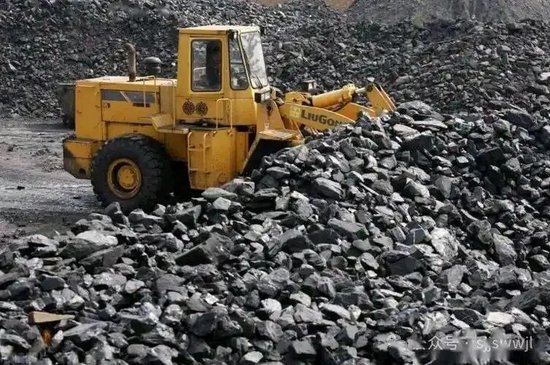
Core Viewpoint - Shanxi province is expected to regain its title as the largest coal-producing province in China by 2025, following a temporary loss to Inner Mongolia in 2024, with Shanxi's coal output reaching 108,485.8 million tons compared to Inner Mongolia's 104,996.7 million tons in the first ten months of this year [1][12][14]. Group 1: Production Competition - The competition for coal production between Shanxi and Inner Mongolia has seen frequent changes over the past decade, with both provinces alternating in the top position [1][12][14]. - In 2024, Inner Mongolia surpassed Shanxi with a coal output of 129,686.9 million tons compared to Shanxi's 126,873.8 million tons [14]. - Shanxi's coal production was impacted by safety regulations and a decrease in coal prices, leading to a reduction of approximately 10 million tons from the previous year [3][16]. Group 2: Development Path Differences - Shanxi's coal industry is characterized by deep mining operations, while Inner Mongolia benefits from open-pit mining, resulting in lower extraction costs for Inner Mongolia by 30%-40% [18][20]. - The coal quality differs significantly, with Shanxi focusing on coking coal and thermal coal, while Inner Mongolia primarily produces thermal coal, which has lower price elasticity [20]. - Shanxi's coal industry has a higher profitability, with a net profit margin of 26.52% for Shanxi Jinkong Coal Industry, compared to less than 15% for Inner Mongolia's coal enterprises [20]. Group 3: Economic Role of Coal - Coal remains a critical component of the economies in both Shanxi and Inner Mongolia, contributing significantly to industrial growth [21][22]. - In Shanxi, coal industry growth contributed 70% to the overall industrial growth, with a 5.1% increase in coal production [21]. - Inner Mongolia's industrial value added increased by 5.9%, with mining and energy sectors also showing positive growth [21][22]. Group 4: Transformation Paths - Shanxi is focusing on extending its coal industry chain and developing coal chemical products, with its chemical segment accounting for 23% of revenue and a higher gross margin compared to raw coal [24]. - The province is also investing in smart mining technologies, with 60.48% of coal production coming from intelligent mines [24]. - Inner Mongolia is emphasizing breakthroughs in renewable energy, with significant growth in new energy sectors and manufacturing [24][27]. Group 5: Future Challenges and Prospects - The China Coal Industry Association predicts that coal consumption will peak around 2028, necessitating a transformation for traditional energy provinces like Shanxi [25]. - Shanxi has recognized the challenges of relying heavily on coal, with plans to diversify into strategic emerging industries [25]. - Inner Mongolia is advancing integrated development of coal, wind, and solar energy, leveraging its natural advantages in renewable energy production [27].

股市面面观|金银铜走势共振 有色金属板块开启跨年行情?
Xin Hua Cai Jing· 2025-12-02 06:17
Group 1: Precious Metals Market Overview - The precious metals sector, represented by gold and silver, has shown strong performance in the A-share and Hong Kong markets, with silver prices reaching historical highs and a year-to-date increase exceeding 100% [2][6] - The expectation of a Federal Reserve interest rate cut in December has contributed to the bullish sentiment in the precious metals market, with silver leading the gains [6][7] - Structural supply shortages in the silver market are anticipated to continue, with a projected supply gap of approximately 95 million ounces in 2025, marking the fifth consecutive year of supply-demand imbalance [6][7] Group 2: Industrial Metals Market Dynamics - The industrial metals sector, particularly copper, has experienced significant price resilience, with LME copper prices reaching historical highs due to supply constraints and macroeconomic optimism [3][4] - Analysts predict a potential super cycle for copper driven by supply disruptions from major mines and increasing demand from sectors such as AI and renewable energy [3][4][5] - The global refined copper supply is expected to face shortages starting in 2024, with projected shortfalls of 270,000 tons, 460,000 tons, and 580,000 tons from 2025 to 2027, respectively [4] Group 3: Aluminum Market Outlook - The aluminum market is also expected to enter a bullish phase, with supply constraints becoming more pronounced as domestic production reaches capacity limits [5] - The global average annual supply growth for electrolytic aluminum is projected at 1.4%, while demand growth is expected to be 1.8%, leading to an expanding supply-demand gap [5] Group 4: Long-term Trends in Gold Prices - The long-term bullish trend for gold prices remains intact, supported by ongoing monetary easing and central bank gold purchases, which are expected to provide a strong safety net for gold prices [7][8] - The urgency for physical gold demand is anticipated to increase due to significant liquidity in the market, potentially leading to unpredictable price movements [8]
