
即时零售

Search documents
前置仓将进入“寡头时代”,中小玩家难有机会
3 6 Ke· 2025-09-28 02:33
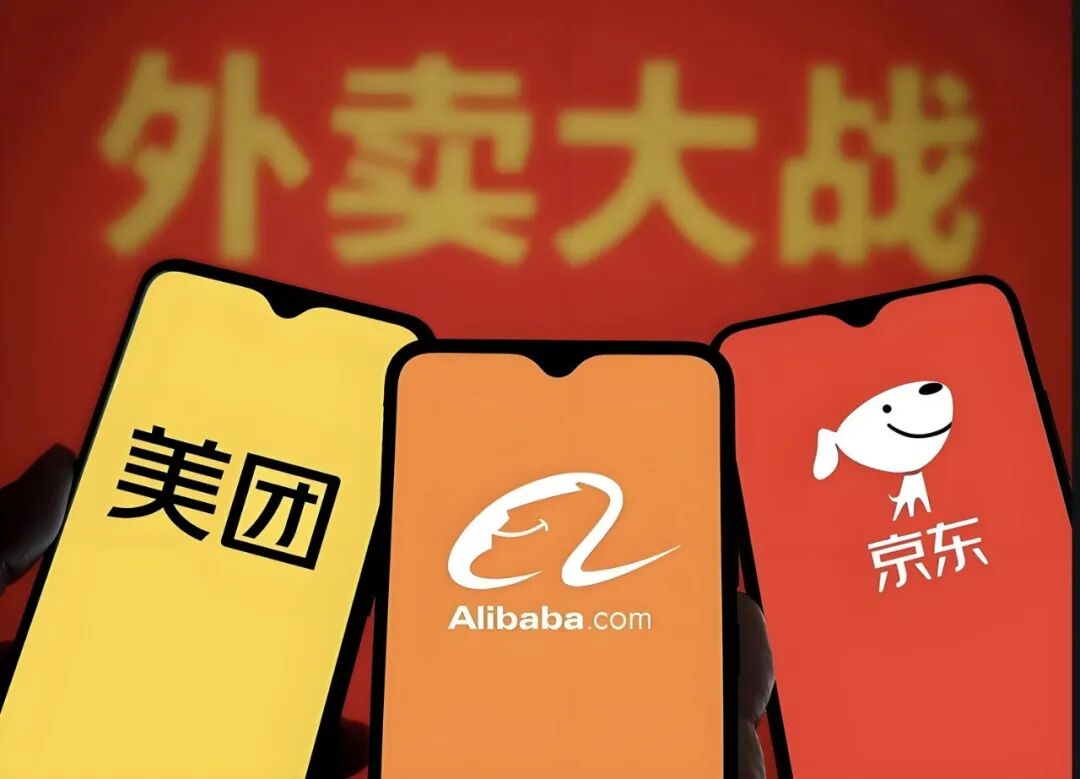
Core Insights - The article discusses the intense competition in the "instant retail" sector, primarily driven by major platforms like Meituan, Taobao, and JD, marking a shift from mere food delivery to a broader battle for market entry points [1][3] - The emergence of a "duopoly era" in the front warehouse model is highlighted, where the competition has evolved from small players to major corporations, indicating a significant transformation in the industry landscape [3][5] Industry Evolution - The front warehouse model, initially popularized by companies like Daily Fresh, faced challenges due to low margins and high operational costs, leading to significant losses and eventual market exits for some players [5][7] - The industry has bifurcated into two paths: platform-based models like Meituan and JD, which connect retailers without holding inventory, and self-operated models like Dingdong Maicai, which manage their own supply chains [9][11] Financial Performance - Dingdong Maicai reported a GMV of 25.56 billion yuan in 2024, with a 16.3% year-on-year growth, and achieved a net profit of 420 million yuan, marking a significant turnaround [11][13] - Pupu Supermarket also achieved profitability in 2024, with annual revenue around 30 billion yuan, showcasing a successful operational model focused on high-margin daily goods [13][15] Competitive Landscape - The entry of major players into the instant retail space has intensified competition, with significant financial backing allowing them to engage in aggressive pricing strategies that smaller players cannot match [20][22] - The article emphasizes that smaller players are increasingly forced to align with larger platforms to survive, as the competitive landscape shifts towards a model dominated by a few large corporations [22][24] Future Outlook - The retail industry is expected to continue evolving, with the potential for technological advancements, such as automated delivery and smart warehouses, to significantly reduce operational costs and drive growth in instant retail [26] - Trust and efficiency are identified as critical factors for success in the evolving market, with the ultimate winner being the entity that can secure long-term consumer trust [26]




啤酒板块,跌到头了吗
Ge Long Hui· 2025-09-27 08:05
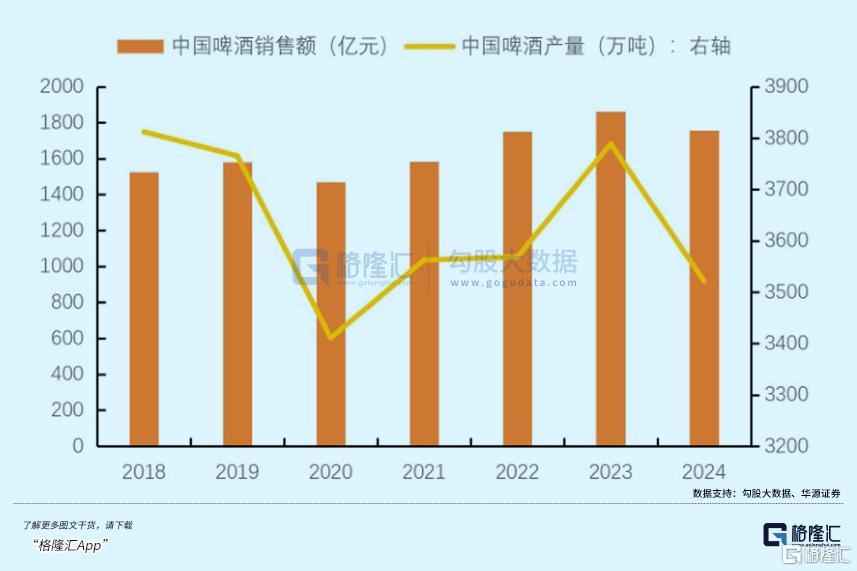
Group 1: Industry Overview - The demand for liquor, particularly white liquor, has shown slight improvement as the Mid-Autumn Festival and National Day approach, indicating a potential seasonal boost in sales [1] - The beer industry, however, has not yet shown signs of recovery after a prolonged downturn since early 2020, with production in 2024 expected to decline by 0.6% year-on-year [2][4] - The beer sector's revenue for the first half of 2025 is projected at 41.534 billion yuan, a year-on-year increase of 2.75%, while net profit is expected to rise by 11.81% to 6.512 billion yuan [4] Group 2: Company Performance - Major beer companies are experiencing varied performance, with Qingdao Beer reporting a revenue of 20.491 billion yuan, a year-on-year increase of 2.11%, while Chongqing Beer saw a slight decline in revenue [6] - Budweiser APAC, once a leader in the domestic beer market, reported a 6.1% decline in total beer sales and a 5.6% drop in revenue for the first half of 2025, with net profit down 24.4% [7][8] - The competitive landscape is shifting, with Budweiser APAC's market share falling to around 40%, indicating a significant change in the rankings among domestic beer companies [8][9] Group 3: Market Trends - The beer market has transitioned from a phase of rapid growth to one of saturation, with a notable shift towards high-end products, which now account for 72.7% of Qingdao Beer's sales [12][14] - The average price of beer in China remains relatively low compared to global standards, suggesting potential for future price increases [19] - The rise of the Z generation as a key consumer group is driving demand for craft and low-alcohol beers, with expected consumption growth rates of 17% for craft beer by 2025 [20] Group 4: Strategic Developments - Beer companies are diversifying their product lines, with some entering the yellow wine market and others focusing on beverage innovations to capture new consumer segments [22][23] - The rise of instant retail channels has become a significant sales avenue for beer, with sales penetration reaching 6.5% and expected to grow rapidly [23][24] - The beer industry is expected to recover from its current low point through new product categories and channel expansions, with a projected market size in instant retail expected to exceed 1.2 trillion yuan by 2026 [26]




Keeta上线阿联酋!40天连开3国,美团国际化全速推进
Zhong Jin Zai Xian· 2025-09-27 08:01
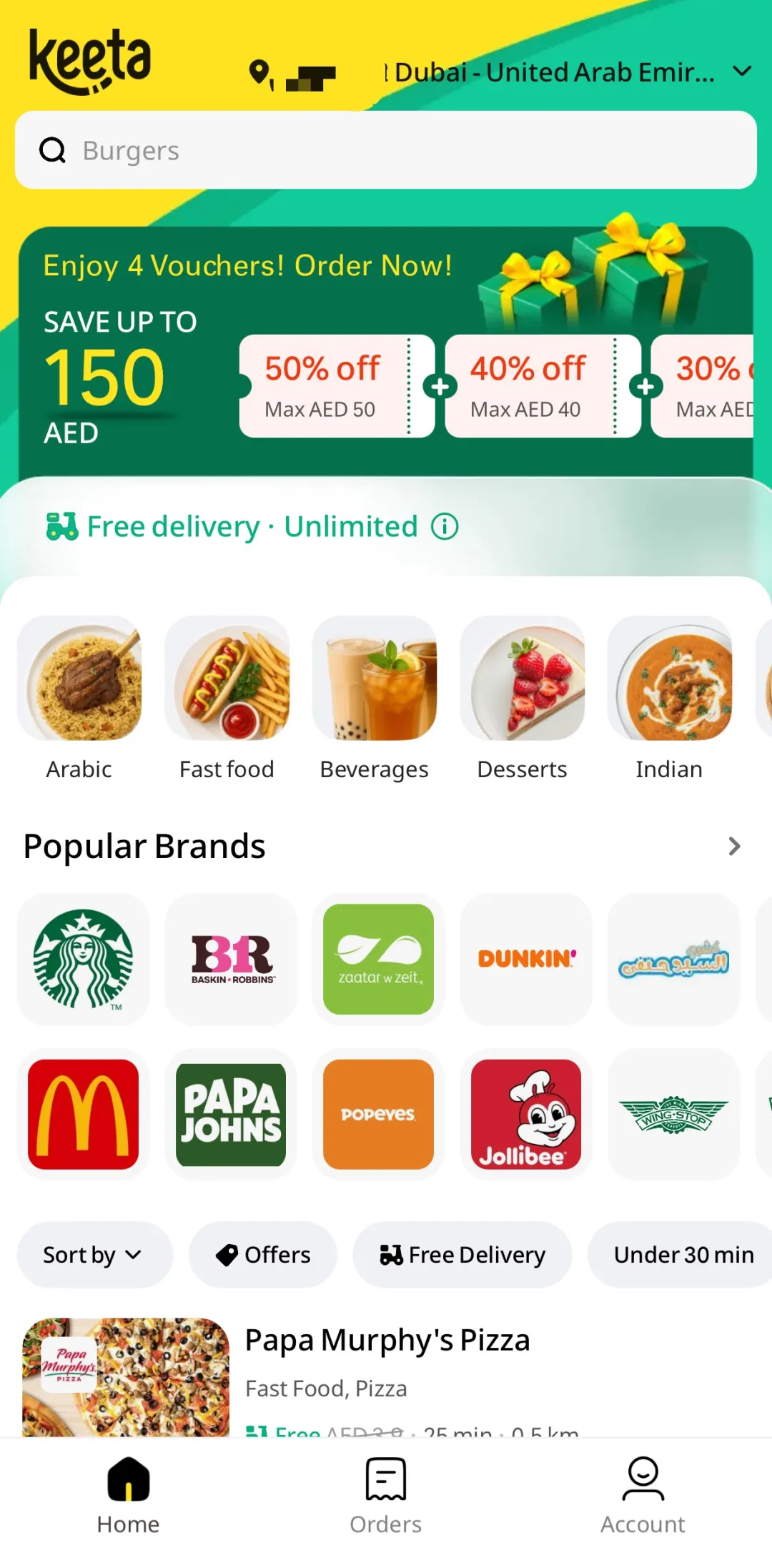
Core Insights - Meituan's international delivery brand Keeta has officially launched operations in Dubai, marking its third entry into the Middle Eastern market within 40 days after launching in Qatar and Kuwait [1][3] - Dubai is identified as a high-value market due to its high population, strong demand for quality delivery services, and well-established market infrastructure [3] Expansion Strategy - Keeta plans to use Dubai as a starting point to expand its services throughout the UAE, with preparations already underway for a launch in the capital, Abu Dhabi [3] - The company aims to leverage its domestic technological capabilities and operational experience to enhance its international expansion efforts [3][5] Market Positioning - After nearly a year of operations in Saudi Arabia, Keeta has established itself as a popular delivery platform, providing affordable and reliable services while supporting local merchants and delivery partners [3] - The entry into the UAE signifies an acceleration phase for Meituan's international business in the Middle Eastern delivery market [3] Technological Integration - Dubai will also serve as the first overseas site for Meituan's drone delivery service, Keeta Drone, which has received commercial operation certification from the Dubai Civil Aviation Authority [5][7] - The integration of ground and aerial delivery networks aims to enhance the efficiency of instant retail services in the region [7] Future Outlook - Meituan is committed to increasing investment in new technology development and exploring more potential overseas markets while showcasing the technological advancements and operational models developed in China [7]

实探中百集团硬折扣店:51家同步开业 自有品牌占比近40%
Zheng Quan Shi Bao Wang· 2025-09-26 14:16
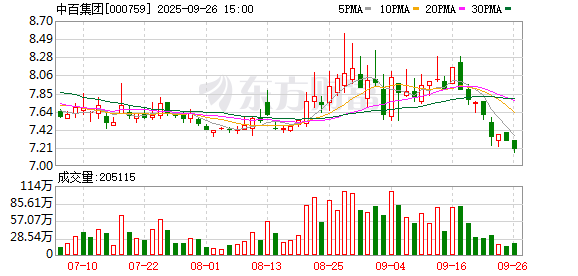
Core Viewpoint - Zhongbai Group is actively transforming its retail strategy by launching 51 hard discount stores, focusing on essential consumer goods with significant price reductions, aiming to enhance competitiveness in a rapidly evolving retail landscape [2][3][4]. Group 1: Store Launch and Strategy - Zhongbai Group opened 51 hard discount stores, covering key areas in Wuhan and Huangshi, with an overall price reduction of 20% and some items reduced by over 35% [2]. - The number of SKUs in the stores was reduced from over 3,000 to 1,400, focusing on high-turnover fast-moving consumer goods such as fresh produce and frozen foods [2][3]. - The introduction of private label products accounts for nearly 40% of the offerings, with significant price advantages compared to branded products [2][3]. Group 2: Private Label Development - The private label brands include "Zhongbai Supermarket Selection" and "Baiyu Sen," targeting different market segments with a focus on quality and affordability [3]. - Nearly 60 new private label manufacturing partners have been added, with about 80% being first-tier brand factories, ensuring quality control alongside competitive pricing [3]. Group 3: Competitive Landscape - The hard discount sector is highly competitive, with major players like JD, Alibaba, and Meituan entering the market, which currently has a penetration rate of only 8% in China compared to 42% in Germany and 31% in Japan [3][4]. - Zhongbai Group's strategy includes a "store update plan" to enhance community retail through small-format stores, precise product offerings, and improved customer experiences [3][4]. Group 4: Future Plans and Innovations - Zhongbai Group plans to open an additional 49 hard discount stores and 30 soft discount stores by the end of the year, aiming for a total of 130 discount stores [3][4]. - The company is also launching new store formats, including discount stores and 24-hour instant retail services, to cater to diverse consumer needs [4][5]. - The chairman emphasized the importance of closing unprofitable stores and expanding small formats to achieve profitability by 2027 [4][5].

山姆、 朴朴们盯上的前置仓,是巨头的游戏
Tai Mei Ti A P P· 2025-09-26 07:57
Core Insights - The article discusses the intense competition in the instant retail market in China, driven by major platforms like Meituan, Taobao Flash Purchase, and JD.com, which are engaged in a subsidy war to capture market share and consumer habits [1][14]. Instant Retail Market Overview - Instant retail has evolved significantly, with a peak of 220 million orders in a single day, indicating a robust market potential for home delivery services [1]. - The market is transitioning from traditional retail to online platforms, with instant retail projected to reach a market size of 3 trillion yuan by 2030, growing at a compound annual growth rate (CAGR) of 25% [8]. Historical Context - The origins of instant retail can be traced back to Webvan in the U.S., which failed due to aggressive expansion without sufficient order density [2][3]. - In China, companies like Meituan and JD.com began exploring instant retail around 2015, with various business models emerging, including platform-based and self-operated front warehouses [3]. Business Models and Performance - Companies like Dingdong Maicai and Pupu Supermarket have shown significant growth, with Dingdong achieving a GMV of 25.56 billion yuan in 2024, a 16.3% increase year-on-year [5]. - Walmart China reported a net sales figure of $5.8 billion (approximately 41.6 billion yuan) for Q2 2025, reflecting a 30.1% year-on-year growth, driven by e-commerce and digital sales [6][7]. Competitive Landscape - Major players are investing heavily in front warehouse models, which have become crucial for efficient logistics and inventory management [4][7]. - The competition is intensifying as new entrants like Pinduoduo and Douyin are expected to join the instant retail battle, further challenging smaller players [14]. Strategic Responses - Companies are adopting various strategies to enhance their market positions, such as establishing brand-specific near-field flagship stores and integrating services across platforms [11][12]. - Meituan has a significant advantage with approximately 15,000 comprehensive flash warehouses, while Taobao Flash Purchase has over 20,000, indicating a strong logistical network [12]. Future Outlook - The article suggests that while instant retail currently addresses urgent consumer needs, it will increasingly compete with traditional retail and long-distance e-commerce for market share [10]. - Smaller players may need to focus on niche markets and operational efficiencies to survive against the dominant platforms [16].
直播实录 | 对话陈太中:从宴请到自饮,白酒消费变了吗?
中泰证券资管· 2025-09-26 07:02
Core Viewpoint - The white liquor market is experiencing a shift from being a social tool to becoming a "lifestyle companion," with mid-to-high-end liquor consumption increasingly focused on self-enjoyment rather than social occasions [3][4]. Group 1: Market Dynamics - The consumption structure of white liquor is changing, with traditional dining and self-drinking scenarios gaining share, aligning with the "self-enjoyment" trend [4]. - High-end liquor prices have recently decreased due to a decline in social demand and increased supply, allowing brands to cater to a broader customer base [5]. - The core social function of high-end liquor remains intact, but the proportion of self-enjoyment is expected to gradually increase from 10-20% [5][6]. Group 2: Brand and Consumer Behavior - White liquor's competitive edge lies in brand recognition and consumer loyalty rather than product iteration, as emotional value in social settings is paramount [6][7]. - High-end liquor brands maintain a significant portion of their sales from business banquets (60-70%), with gifting and collection also contributing [8][9]. - Regional brand strength influences consumption patterns, with local brands often having higher gifting ratios in their core markets [9][10]. Group 3: Pricing and Economic Factors - The pricing of white liquor is cyclical, influenced by economic conditions and supply strategies, with premium brands likely to maintain scarcity to enhance brand value [11][12]. - The trend of lower alcohol content in liquor is unlikely to transform it into a mass-market beverage like cola, as the consumer experience and value proposition differ significantly [11][12]. Group 4: Sales Channels and Trends - Instant retail services are impacting the distribution of mid-to-low-end liquor, while high-end liquor remains less affected due to authenticity concerns [15][16]. - The importance of the Mid-Autumn Festival and National Day as peak seasons for liquor sales is declining, with a shift towards experiences over gatherings [18][19].

国泰海通:即时零售或为白酒变革期新尝试 预计将持续扩容
智通财经网· 2025-09-26 05:52
Core Viewpoint - The rapid expansion of instant retail in China's liquor market is expected to maintain double-digit growth in the coming years, driven by the competitive landscape of food delivery services by 2025 [1][3] Group 1: Instant Retail Growth - China's retail industry has evolved through traditional retail, e-commerce, and new retail, with instant retail significantly shortening delivery times and enhancing consumer choices [1][2] - The liquor instant retail market has seen a surge since its inception on platforms like 1919 and Jiuxiaoer, with four main channel models emerging: vertical, platform-based, warehouse-store integrated, and front warehouse models [1][2] Group 2: Drivers of Instant Retail - The rise of instant retail in liquor is attributed to changing consumer habits, with a growing demand for convenience and quick fulfillment of spontaneous needs [2] - Cost efficiency is achieved by reducing distribution layers and operational costs, coupled with subsidies from some platforms, leading to significant price advantages [2] - Supply-side drivers include channel partners seeking to capture new growth and brand owners willing to collaborate with channels for new product launches and promotions [2] Group 3: Impact on the Liquor Industry - Instant retail presents both opportunities and challenges for the liquor industry, offering efficient fulfillment and better reach to younger consumers, while potentially impacting brand image and pricing structures [3] - Historical trends indicate that changes in the liquor cycle often coincide with channel transformations, and the current deep adjustment in the industry necessitates adaptation to instant retail [3] - The instant retail market for liquor in China is projected to reach 100 billion yuan by 2027, with a compound annual growth rate approaching the mid-double digits, benefiting core categories like baijiu and beer [3] Group 4: Investment Recommendations - The liquor retail channel is undergoing structural growth, with instant retail emerging as a highlight; recommended stocks include leading national brands and regional players with strong channel development capabilities [4] - Specific recommendations for baijiu include Guizhou Moutai, Shanxi Fenjiu, Wuliangye, Luzhou Laojiao, Yingjia Gongjiu, Jiansiyuan, and Guqingongjiu, while short-term elastic stocks include Zhenjiu Lidu and Shede Liquor [4] - For beer, which is the second-largest category in liquor, recommended stocks include Qingdao Beer, Zhujiang Beer, and China Resources Beer, reflecting high participation in instant retail [4]



研报掘金丨浙商证券:维持华致酒行“增持”评级,未来利润率有望改善
Ge Long Hui A P P· 2025-09-26 05:52
Core Viewpoint - The report from Zheshang Securities indicates that Huazhi Wine's net profit attributable to the parent company for the first half of the year was 0.56 million yuan, a year-on-year decrease of 63.75% [1] Group 1: Financial Performance - In Q2 2025, the net profit attributable to the parent company was -0.29 million yuan, compared to 0.25 million yuan in Q2 2024 [1] - Due to the impact of the "prohibition order" on liquor sales in 2025, the profit forecast has been revised downwards [1] Group 2: Business Strategy - The company focuses on a customer-centric operational philosophy and is advancing a marketing network centered on chain stores [1] - The three business formats of "Huazhi Wine," "Huazhi Famous Wine Warehouse," and "Huazhi Preferred" create strong synergy to drive market expansion [1] Group 3: Retail Innovation - The company is actively developing an instant retail business by integrating existing store resources and supply chain advantages [1] - The instant retail service model includes "online ordering, store delivery, and rapid distribution," enhancing shopping efficiency and customer satisfaction [1] Group 4: Future Projections - Revenue growth rates for 2025-2027 are projected to be -28.07%, 18.23%, and 8.30% respectively, while net profit growth rates are expected to be -37.17%, 348.49%, and 21.48% [1] - Earnings per share (EPS) are forecasted at 0.07, 0.30, and 0.37 yuan for the years 2025, 2026, and 2027, with price-to-earnings (PE) ratios of 348, 78, and 64 times [1] - The rating is maintained at "Accumulate" [1]

阿里巴巴20250924
2025-09-26 02:29
Summary of Alibaba's Conference Call Company Overview - **Company**: Alibaba - **Date**: September 24, 2025 Key Points Strategic Shift - Alibaba is transitioning from a decentralized to a centralized structure to focus on core business and improve overall performance, which is significant for the company's strategic adjustments [2][3] Instant Retail Market Potential - The instant retail market is projected to reach a size of 2 trillion to 3 trillion yuan, with Alibaba's Taobao Flash Purchase achieving peak orders of over 120 million and user numbers increasing to 300 million, nearing Meituan's market share [2][4] Investment in Instant Retail - Alibaba has invested 50 billion yuan in subsidies to support growth in the instant retail sector, optimizing its business by adjusting product categories and increasing non-food supply to enhance high-ticket and gross margin orders [2][5][6] Risk Management - To mitigate risks associated with subsidy reductions, Alibaba is focusing on developing non-food instant retail categories and improving order structure and fulfillment efficiency to achieve long-term stable growth [2][7] User Experience Enhancements - Investments in order allocation, route planning, and flash warehouses are expected to enhance user experience, improve delivery speed, and increase the number of merchants, potentially reaching Meituan's level [2][8] Impact of Taobao Flash Purchase - Taobao Flash Purchase is expected to drive low-frequency consumption habits and attract new users, with plans to integrate it into the Taobao app to boost main site traffic and cross-selling opportunities, ultimately enhancing advertising revenue and customer relationship management [2][9] Cloud Business Growth - Alibaba Cloud's revenue growth accelerated, reaching a 26% increase in Q2, driven by overseas market demand and a shift in revenue structure towards higher-margin PaaS, SaaS, and AI services [2][10] AI Capabilities - Alibaba Cloud has established a robust AI stack, providing various GPU elastic computing services and AI capabilities, which enhances its competitive edge in the AI application field [2][11][12] Future Trends in Cloud Business - The growth of Alibaba Cloud is fueled by the migration of traditional IT customers to cloud services, with significant demand from state-owned enterprises and the automotive sector, indicating a large future scale and growth potential [2][13] Chip Development Advantages - Alibaba's self-developed chips enhance its product structure and profitability, with a focus on AI model capabilities across its cloud products, and expansion into overseas markets with new data centers [2][14] Collaboration with Software Vendors - Partnerships with major software vendors like SAP are expected to generate incremental revenue and enhance customer acquisition for both parties [2][15] Application of Large Models - The Tongyi Qianwen large model has been implemented in various scenarios, with a focus on multi-modal development and specialized model releases in the future [2][16] Impact of AI Technology - The integration of AI technology is expected to reshape cloud demand and highlight Alibaba's technological differentiation, ensuring high profitability and attracting more customers to AI services [2][17]
又一酒企加码即时零售 国台与酒小二携手合作
Nan Fang Du Shi Bao· 2025-09-25 23:12
Core Insights - A leading liquor company, Guotai, has partnered with the instant retail platform Jiu Xiaoyi to enhance its new retail strategy, aiming to explore new e-commerce models and drive innovation in the liquor industry [1] - Guotai has launched a customized product, "Guotai Qingyun," as part of this strategic collaboration [1] - The partnership allows Guotai to leverage Jiu Xiaoyi's extensive sales network, which covers over 500 cities and counties across 18 provinces, potentially expanding its consumer reach [1] Industry Trends - The collaboration reflects a broader trend in the liquor industry, where companies are increasingly adopting new channels to boost sales and better understand consumer preferences [1] - Guotai's sales manager emphasized the need for liquor companies to shift from a "channel-driven" approach to a "consumer-driven" strategy due to the current transformative period in the liquor industry [1] - Other liquor companies, including Kweichow Moutai and Xijiu, have also embraced instant retail this year, indicating a growing trend among liquor brands to utilize instant retail platforms for enhanced consumer access [1] Instant Retail Dynamics - Instant retail is becoming a significant force in liquor distribution, providing consumers with the convenience of "buying and drinking immediately," which aligns with changing consumption habits [2] - These platforms are stimulating consumer demand by offering substantial discounts, thereby increasing product turnover at the retail level [2] - The rise of instant retail is seen as a critical development in the liquor market, highlighting its potential impact on consumer behavior and sales dynamics [2]