
关税政策

Search documents
21专访|布兰查德谈美国经济:AI繁荣与关税阴影下的十字路口
Sou Hu Cai Jing· 2025-11-05 10:53
Group 1: Economic Overview - The U.S. economy is experiencing a complex scenario characterized by strong consumer spending, rising AI investments, and a softening labor market [2][6] - Current economic growth is primarily driven by productivity gains from AI investments, suggesting a potentially higher long-term growth rate for the U.S. [2][6] - The direct effects of AI investment include stimulating demand and boosting consumer confidence, while indirect effects are seen in rising productivity [2][6] Group 2: Tariff and Trade Impact - Tariff costs are currently borne by importers and have not significantly impacted consumer prices, limiting their overall economic effect [3][11] - The uncertainty caused by tariffs has led some businesses to delay investments, which could gradually increase inflation if import prices rise [3][11] - Overall, the impact of tariffs on the U.S. economy is considered limited at this stage, with the primary concern being the uncertainty they create [12][13] Group 3: Monetary Policy and Inflation - Current inflation is around 3%, which is above the Federal Reserve's target of 2%, potentially constraining the space for interest rate cuts [3][10] - The Federal Reserve is expected to focus more on inflation rather than employment, especially if inflation remains above 3% [3][10] - The Fed's approach is described as "data-driven," which is deemed appropriate given the current economic complexities [3][9] Group 4: AI and Employment - While productivity growth is notable, there are concerns that AI may lead to the displacement of certain skilled jobs, resulting in structural unemployment [3][19] - Individuals are advised to develop transferable skills to avoid over-specialization, and there is a call for government and societal initiatives to promote retraining programs [3][19] - The interaction between AI investments and employment is complex, with significant productivity improvements expected, but the exact impact on job markets remains uncertain [15][19] Group 5: Debt and Political Environment - The U.S. debt issue is technically manageable, but political will to address it is lacking, which could raise investor concerns in the medium to long term [4][24] - The outcome of the 2026 midterm elections could lead to either the continuation of current policies or increased uncertainty, impacting U.S.-China-EU economic relations [4][28] - There is a belief that the Federal Reserve's independence is strong, despite some attempts to influence it, and it is expected to make sound decisions [21][22]

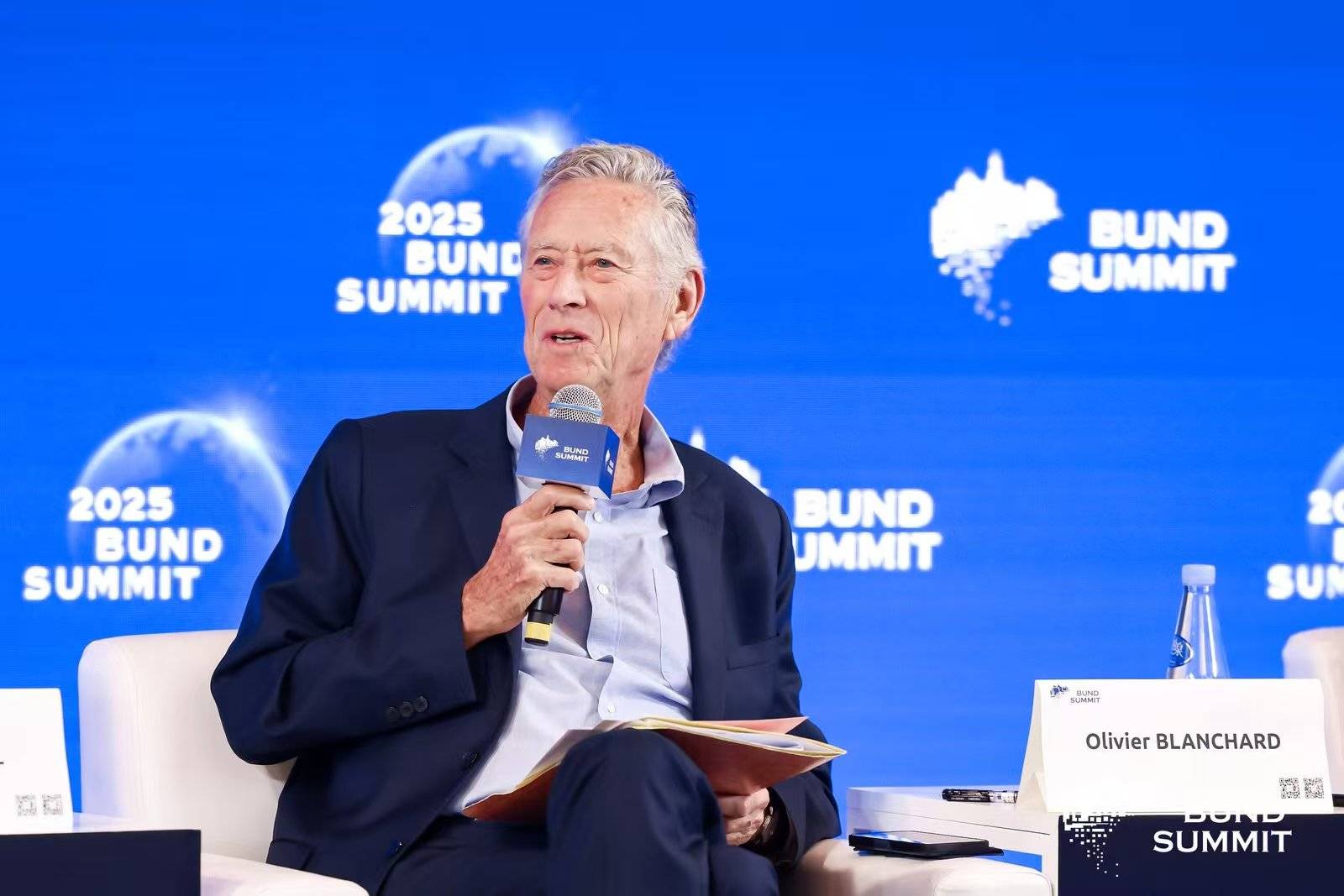
布兰查德谈美国经济:AI繁荣与关税阴影下的十字路口
2 1 Shi Ji Jing Ji Bao Dao· 2025-11-05 10:48
Economic Overview - The U.S. economy is experiencing a complex scenario characterized by strong consumer spending, rising AI investments, and a softening labor market [1][4] - The growth is primarily driven by productivity improvements from AI investments, suggesting a potential increase in the U.S. economy's long-term growth rate [1][4] AI Investment Impact - AI investments are stimulating demand and boosting confidence, with significant direct and indirect effects on productivity [1][14] - Current productivity growth is notable, but it remains uncertain how much of it is structural versus cyclical [4][14] Tariff Policy Effects - Tariff costs are mainly borne by importers, with limited immediate impact on consumer prices, thus having a gradual effect on inflation [1][10] - The uncertainty surrounding tariffs has led some businesses to delay investments, which could affect overall investment levels [10][11] Monetary Policy Outlook - Current inflation is around 3%, above the Federal Reserve's target of 2%, which may limit the scope for further interest rate cuts [2][9] - The Federal Reserve is expected to adopt a "data-driven" approach in its monetary policy decisions amid the current economic complexities [2][8] Labor Market and Employment - Despite strong productivity growth, there are concerns that AI may lead to structural unemployment, particularly affecting skilled jobs [2][14] - The labor market is showing mixed signals, with productivity growth not translating into significant job creation [4][5] Debt and Political Environment - The U.S. debt issue is technically manageable, but political will to address it is lacking, which could raise investor concerns in the long term [2][19] - The outcome of the 2026 midterm elections could influence policy continuity, with potential implications for U.S.-China-EU economic relations [2][22] Global Economic Relations - There is a call for enhanced dialogue among countries to address structural adjustments in global trade and growth models [2][22] - The U.S. dollar's status is not expected to weaken significantly, but irresponsible fiscal policies could lead to investor concerns [2][18]
特朗普关税忙一年才收1950亿?美联储两句话就省950亿,谁更狠?
Sou Hu Cai Jing· 2025-11-05 05:51
Group 1 - The Federal Reserve's recent interest rate cuts have proven to be more beneficial than the tariffs imposed by the Trump administration, highlighting the challenges of tariff collection and the burden of national debt interest payments [1][12][29] - Tariff revenues for the fiscal year 2025 reached $195 billion, nearly tripling from the previous year, but the collection process is complicated and often ineffective due to various loopholes and corruption risks [3][5][10] - The interest payments on the national debt are projected to exceed $1.1 trillion in 2024, representing 3.93% of GDP, marking the highest level since 1998, while the recent interest rate cuts could save approximately $95 billion annually [13][15][20] Group 2 - The aging population in the U.S. poses significant economic challenges, with over 56 million people aged 65 and older by 2024, which could lead to labor shortages and increased reliance on imports [25][27] - The current economic strategy of lowering interest rates may provide short-term relief but risks leading to long-term issues similar to those faced by Japan, such as low consumer spending and economic stagnation [22][29] - The combination of tariffs and immigration restrictions under the Trump administration could exacerbate inflation and economic inefficiencies, necessitating a reevaluation of fiscal policies to address these deep-rooted issues [24][29]
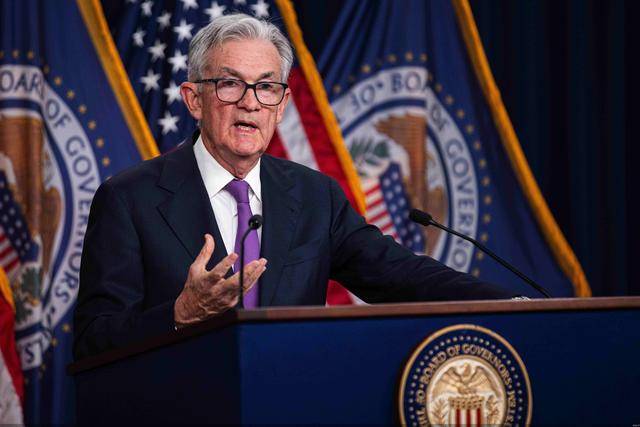
国务院税委会:停止实施对美芬太尼关税的反制关税措施
Sou Hu Cai Jing· 2025-11-05 04:19
财政部网站11月5日消息,国务院关税税则委员会发布关于停止实施对原产于美国的部分进口商品加征 关税措施的公告,全文如下。 为落实中美经贸磋商达成的成果共识,根据《中华人民共和国关税法》、《中华人民共和国海关法》、 《中华人民共和国对外贸易法》等法律法规和国际法基本原则,经国务院批准,自2025年11月10日13时 01分起,停止实施《国务院关税税则委员会关于对原产于美国的部分进口商品加征关税的公告》(税委 会公告2025年第2号)规定的加征关税措施。 财政部网站 附件:1.加征15%关税商品清单 2.加征10%关税商品清单 国务院关税税则委员会 2025年3月3日,美国政府宣布以芬太尼为由对所有中国输美商品进一步加征10%关税。美方单边加征关 税的做法损害多边贸易体制,加剧美国企业和消费者负担,破坏中美两国经贸合作基础。 根据《中华人民共和国关税法》、《中华人民共和国海关法》、《中华人民共和国对外贸易法》等法律 法规和国际法基本原则,经国务院批准,自2025年3月10日起,对原产于美国的部分进口商品加征关 税。有关事项如下: 一、对鸡肉、小麦、玉米、棉花加征15%关税,具体商品范围见附件1。 二、对高粱、大豆 ...
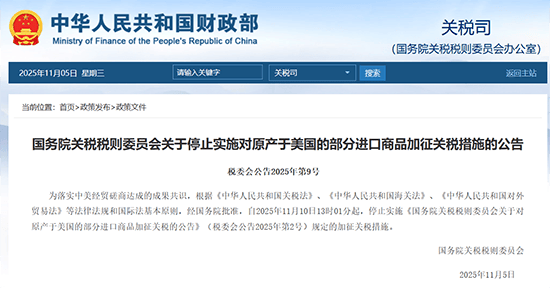
最新民调:超半数美国民众认为关税加剧家庭财务压力
Yang Shi Xin Wen· 2025-11-04 17:30
Core Viewpoint - A recent poll indicates that a majority of Americans believe the high tariff policy implemented by the Trump administration has negatively impacted household finances and contributed to rising inflation [1] Group 1: Financial Impact on Households - Approximately 70% of Americans reported an increase in grocery spending compared to last year [1] - 60% of respondents stated that their utility expenses have risen [1] - 40% indicated higher costs for healthcare, housing, and gasoline [1] - Overall, 55% of participants believe that the tariff policy has worsened their household financial situation [1] Group 2: Political and Economic Sentiment - Among political affiliations, 96% of Democrats, 72% of independents, and 29% of Republicans disapprove of the Trump administration's handling of tariff issues [1] - More than 60% of respondents think that tariffs have driven up inflation in the U.S. and harmed both the domestic and affected countries' economies [1]
特朗普关税突闯最高法院:9:0还是0:9?全球钢铝税命运今冬悬决
Sou Hu Cai Jing· 2025-11-04 13:26
Core Argument - The U.S. Supreme Court will hold oral arguments regarding the legality of tariffs imposed by President Trump, focusing on whether he has the authority to set import tariffs under the International Emergency Economic Powers Act [1][3]. Group 1: Legal Authority and Historical Context - The central issue is whether the Constitution's grant of exclusive tax and trade powers to Congress still holds, and if the executive branch can set tariffs without public oversight [1]. - The case arises from lower court rulings that deemed Trump's tariff policies illegal, prompting the government to appeal [1]. - Historical precedents show that U.S. courts, including the Supreme Court, have allowed tariffs under similar laws in specific circumstances, such as during the Nixon administration [4]. Group 2: Financial Implications and Arguments - The Trump administration argues that revoking the legal authority for tariffs could lead to significant costs and a larger federal revenue gap than previously disclosed [3]. - However, proponents of a liberal stance dispute this claim, noting that U.S. tariff revenue is relatively limited [3]. Group 3: Legal Text and Interpretation - The International Emergency Economic Powers Act of 1977 does not explicitly mention "tariffs," raising questions about whether "regulating" imports includes the authority to impose tariffs [6]. - The Trump administration contends that regulating imports inherently includes taxation, while the opposing side argues that Congress would have specified "tariffs" if that were the intent [6]. Group 4: Potential Outcomes and Future Implications - Even if the Supreme Court rules against Trump's use of the International Emergency Economic Powers Act for tariffs, it may not dismantle the protectionist framework established by his administration [6]. - Existing legal frameworks, such as the 1974 Trade Act and provisions from the 1930 Tariff Act, could still support tariff policies regardless of the court's decision [6]. - The oral arguments on November 5 will be a significant event in the intersection of U.S. law and politics [6].
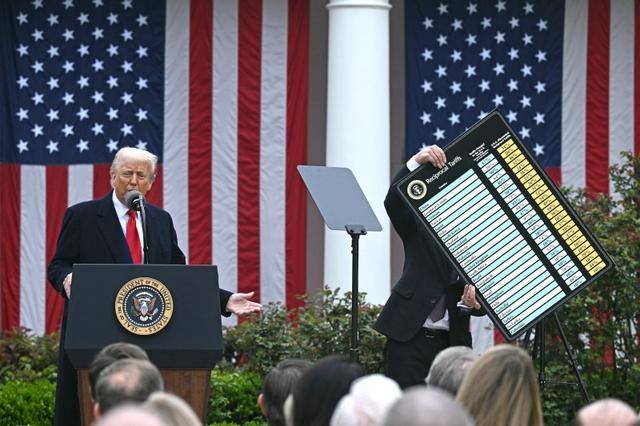
关键裁决前,美国商界、政客敦促最高法院推翻特朗普政府多项关税
Di Yi Cai Jing· 2025-11-04 10:05
Core Viewpoint - The U.S. Supreme Court is set to hear arguments regarding the legality of the Trump administration's "reciprocal tariffs" policy, with significant opposition from businesses, lawmakers, and former officials, who argue that the use of the International Emergency Economic Powers Act (IEEPA) to impose broad tariffs is illegal [1][2]. Group 1: Legal and Political Context - Approximately 40 lawsuits have been filed challenging the Trump administration's tariff policy ahead of the Supreme Court hearing [1]. - The U.S. Senate passed a resolution to terminate the comprehensive tariff policy with a vote of 51-47, indicating a division within the Republican Party regarding tariff policies [1]. - Legal experts highlight that the case raises fundamental constitutional questions about the division of powers between Congress and the President regarding tariff imposition [2][3]. Group 2: Economic Implications - The U.S. Chamber of Commerce argues that the tariff policy has caused significant economic damage to businesses, leading to delayed capital investments and affecting consumer spending [2]. - The potential ruling could impact over $50 billion in additional tariffs expected to be collected by the government in 2025, which had previously alleviated concerns about U.S. debt levels [3][4]. Group 3: Future Legal Strategies - Even if the Supreme Court limits the use of IEEPA for imposing tariffs, the Trump administration may resort to other legal avenues, such as Section 301 and Section 232 investigations, to impose tariffs [4][5]. - Legal experts express concern that if the Supreme Court restricts the use of IEEPA, the administration might increase the frequency of targeted investigations, potentially leading to broader economic impacts [4][5].
ATFX汇评:美元指数四连阳,今日触及100关口,金价再失守4000大关
Sou Hu Cai Jing· 2025-11-04 09:51
Core Viewpoint - There is a significant internal division within the Federal Reserve regarding the potential interest rate cut in December, leading to a sharp rebound in the US dollar index [1] Group 1: Federal Reserve's Internal Disagreement - Federal Reserve Chairman Jerome Powell indicated strong differing opinions on discussions for December's rate decision during the October meeting [1] - Fed Governor Michelle Bowman, appointed by Trump, firmly supports a 50 basis point cut, arguing that the current 25 basis point cut is too conservative [1] - Fed's Daly believes inflation remains above target levels and suggests that the federal funds rate cannot decrease rapidly [1] Group 2: Economic Indicators and Their Impact - The divergence in the Fed's stance is attributed to conflicting labor market and inflation data [3] - The US labor market shows signs of weakness, with non-farm payroll additions consistently below the 100,000 mark, while inflation remains significantly above the 2% target, with September's core CPI and nominal CPI both at 3% [3] - The inflation rate has plateaued, making further declines challenging, and excessive rate cuts could lead to a rapid rebound in inflation [3] Group 3: External Influences on Monetary Policy - Trump's tariff policies and strong intervention in the Fed have increased uncertainty in monetary policy [3] - Trump advocates for rapid and substantial rate cuts, while Powell maintains a cautious approach, leading to speculation about the next Fed chair [3] - Tariff policies may elevate import prices, posing a potential inflationary risk, which is a primary concern for Powell [3] Group 4: Technical Analysis of the US Dollar Index - From a technical perspective, the US dollar index is in a bottoming phase under a bearish trend, with a smooth upward movement since September 17 [5] - The dollar index reached a high of 99.96, nearing the 100 mark, indicating a potential completion of the bottoming structure [5] - If the resistance level at 100.23 is breached, it could confirm the completion of the bottoming phase, suggesting a gradual strengthening of the dollar index [5]

瑞达期货贵金属产业日报-20251104
Rui Da Qi Huo· 2025-11-04 09:10
Report Summary 1. Report Industry Investment Rating - Not provided in the report 2. Core View of the Report - The precious metals market may continue to experience wide - range fluctuations. The tariff policy narrative is uncertain, and the ongoing US government shutdown and central bank gold - buying expectations provide bottom support for gold prices. However, the strengthening of the US dollar and long - term yields pose potential pressure on gold prices. The weakening of the interest - rate cut expectation and the strengthening of the US dollar may hinder the upward movement of gold prices. If the narrative of the end of the US government shutdown heats up, it may also suppress the upward expectation of gold prices. It is recommended to adopt an interval - band trading strategy. The recommended trading range for the Shanghai Gold 2512 contract is 890 - 950 yuan/gram, and for the Shanghai Silver 2512 contract is 11000 - 11600 yuan/kilogram [3] 3. Summary by Relevant Catalogs 3.1 Futures Market - The closing price of the Shanghai Gold main contract is 915.58 yuan/gram, down 7 yuan; the closing price of the Shanghai Silver main contract is 11238 yuan/kilogram, down 217 yuan. The main - contract positions of Shanghai Gold are 144602 hands, down 6771 hands; those of Shanghai Silver are 257090 hands, down 4377 hands. The net positions of the top 20 in the Shanghai Gold main contract are 101888 hands, down 2567 hands; those of Shanghai Silver are 93370 hands, down 192 hands [3] 3.2现货市场 - The warehouse - receipt quantity of gold is 87816 kilograms, unchanged; that of silver is 665610 kilograms, up 6759 kilograms. The spot price of gold on the Shanghai Non - ferrous Metals Network is 916 yuan/gram, down 1.5 yuan; the spot price of silver is 11343 yuan/kilogram, down 7 yuan. The basis of the Shanghai Gold main contract is 0.42 yuan/gram, up 5.5 yuan; the basis of the Shanghai Silver main contract is 105 yuan/kilogram, up 210 yuan [3] 3.3 Supply - Demand Situation - Gold ETF holdings are 1041.78 tons, up 2.58 tons; silver ETF holdings are 15189.82 tons, unchanged. The non - commercial net positions of gold in CFTC are 266749 contracts, up 339 contracts; those of silver are 52276 contracts, up 738 contracts. The total supply of gold in the quarter is 1313.01 tons, up 54.84 tons; the total supply of silver in the year is 987.8 million troy ounces, down 21.4 million troy ounces. The total demand for gold in the quarter is 1313.01 tons, up 54.83 tons; the global total demand for silver in the year is 1195 million ounces, down 47.4 million ounces [3] 3.4 Option Market - The 20 - day historical volatility of gold is 35.96%, up 0.01%; the 40 - day historical volatility is 26.96%, up 0.01%. The implied volatility of at - the - money call options for gold is 25.83%, down 0.59%; the implied volatility of at - the - money put options for gold is 25.83%, down 0.59% [3] 3.5 Industry News - The US Treasury Secretary said that if China continues to block rare - earth exports, the US may impose additional tariffs on China. The Chinese Foreign Ministry responded that dialogue and cooperation are the right ways. A Fed governor called for more aggressive interest - rate cuts, saying that the Fed's policy is too tight. Another Fed governor said that each Fed meeting is real - time for monetary policy, and the Fed's dual - mandate risks have increased. The US October ISM manufacturing index was 48.7, remaining below the boom - bust line, and the tariff policy still suppresses the manufacturing outlook [3]

美联储最新发声!关税或令通胀高位持续
Guo Ji Jin Rong Bao· 2025-11-04 06:57
Core Viewpoint - Federal Reserve Governor Lisa Cook supports the recent interest rate cuts, emphasizing that the risks in the job market outweigh the persistent inflation pressures [1][4]. Group 1: Interest Rate Policy - Cook echoed Fed Chair Powell's statement that the current policy interest rate remains in a "slightly restrictive" range after the recent rate cuts [1][4]. - The decision to cut rates was made after weighing the risks of rising inflation against the risks of a weakening job market [4]. - Cook highlighted the importance of maintaining policy flexibility, indicating that every meeting, including the upcoming one on December 9-10, is a potential opportunity for action [4]. Group 2: Inflation Outlook - Cook warned that inflation in the U.S. may remain elevated over the next year due to the gradual impact of tariffs [2][5]. - She noted that communication with business leaders indicates that the full effect of tariffs on consumer prices has not yet been realized, with some companies adopting strategies to manage inventory costs before adjusting retail prices [5]. - Cook expects inflation to remain high in the coming year but believes that the impact of tariffs is a "one-time shock" that could eventually allow inflation to return to the Fed's long-term target of around 2% [5]. Group 3: Government Shutdown Impact - Cook mentioned that the current government shutdown could dampen economic activity in the current quarter and may have spillover effects on the private sector, but she views the overall impact as likely to be temporary [5]. Group 4: Legal Challenges - Cook's recent speech was her first public appearance since August, following a legal challenge against President Trump's attempt to remove her from the Fed [7]. - The Supreme Court has temporarily halted the president's request to remove Cook, with a hearing scheduled for January 2026, allowing her to remain in her position for the time being [7]. - Analysts believe that the outcome of this case could have significant implications for the independence of the Federal Reserve [8].