情绪经济

Search documents
“人生K线”爆火,命运轨迹真的可预测?
Xin Lang Cai Jing· 2026-01-02 11:14
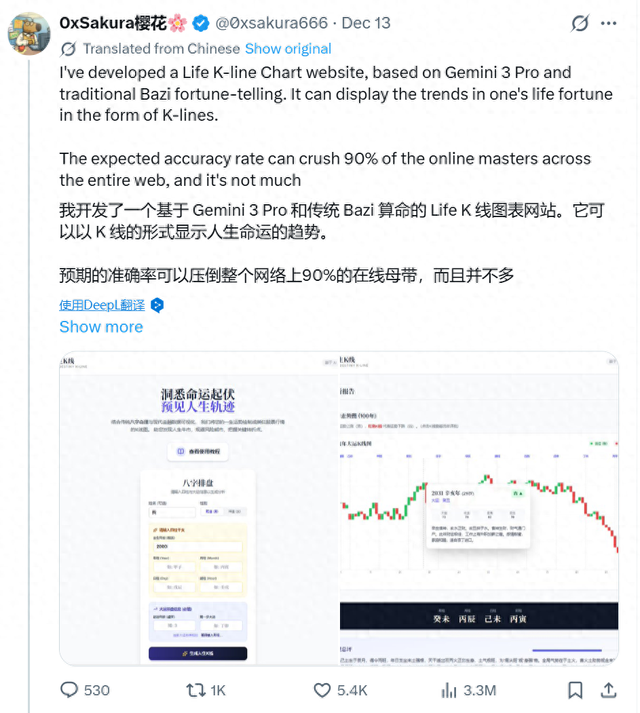
Core Viewpoint - The "Life K-Line" phenomenon combines traditional fortune-telling with stock market K-line charts, utilizing AI to create a visual representation of an individual's life trajectory, sparking widespread interest and discussion on social media platforms [1][5]. Group 1: Concept and Functionality - The "Life K-Line" project merges traditional BaZi fortune-telling with stock market K-line analysis, generating a visual chart based on user-provided birth information [3]. - The AI-generated report uses K-line visuals to depict life events, where green indicates good fortune and red indicates bad fortune, providing annual ratings and brief insights [4]. Group 2: Popularity Factors - Low entry barriers and high efficiency allow users to easily understand their fortunes without needing to grasp complex BaZi terminology, making the product accessible [5]. - The social aspect of sharing personal "K-line" charts fosters connections among users, as they compare life trajectories in a visually engaging manner [5]. - Continuous updates and improvements based on user feedback indicate a commitment to evolving the product into a comprehensive ecosystem that bridges Web2 and Web3 [5]. Group 3: Psychological Insights - The "Barnum Effect" suggests that vague and general personality descriptions resonate with users, leading them to perceive the AI-generated insights as personalized and accurate [6]. - The product addresses the anxieties of young individuals in a rapidly changing society, providing emotional support and a sense of control over their futures [6]. Group 4: Market Trends - According to a report by iiMedia Consulting, "mysticism and luck economy" accounts for 18.29% of consumer sentiment preferences in China, indicating a growing market for such products [7]. - The commercialization of these products has established clear monetization pathways, including standardized data offerings and the sale of related merchandise [7].

携程报告解码2025旅行经济新趋势:“回旋镖”航线走红,“沉浸走廊”崛起
Sou Hu Cai Jing· 2026-01-01 15:23
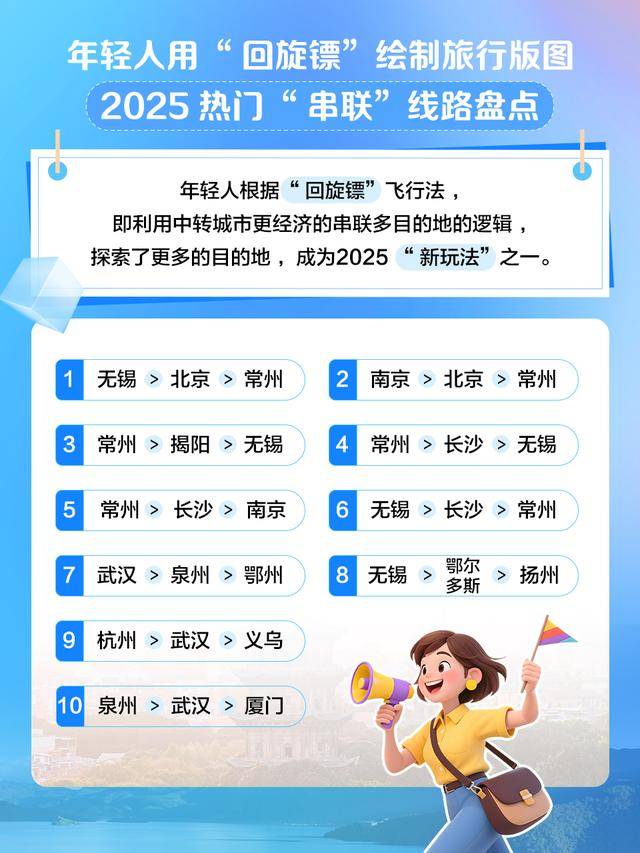
Core Insights - The travel market is evolving into a "sentiment economy," characterized by diversified demand, deeper experiences, and integrated scenarios, driven by younger demographics and new travel trends like "boomerang routes" and nature therapy [1][6] Group 1: Travel Trends - The report highlights the emergence of "immersive geographical corridors" in Southwest and Northeast China, with destinations like Tibet's Shannan having the longest average stay of 11 days, reflecting a strong demand for tranquil nature and deep experiences [2] - Young travelers are increasingly favoring "boomerang" travel patterns, using transit cities to connect multiple destinations at lower costs, leading to a surge in orders from smaller cities, with growth rates exceeding 200% in non-traditional tourist areas [3] Group 2: Cross-Industry Integration - The trend of "travel +" is evident, with orders for "festival-performance-exhibition + tourism" increasing by 161%, and pet-friendly hotel bookings rising by 30%, indicating a broadening of travel scenarios [5] - The integration of cultural experiences into travel is becoming a structural and sustainable new tourism category, with global orders for festival-related activities growing by 156% [13][20] Group 3: Emotional Economy - The concept of "emotional economy" is becoming a core driver, with searches related to relaxation and healing increasing sevenfold, indicating a shift from mere consumption to emotional value in travel [6][7] - Seasonal travel trends reflect emotional needs, with specific activities tied to holidays, such as seeking traditional experiences during the Spring Festival and nature-focused trips during the May Day holiday [7] Group 4: Inbound Tourism Growth - Inbound tourism in China is experiencing a significant rebound, with a 100% increase in bookings in the first three quarters of 2025, particularly from visa-exempt countries, where orders have surged by an average of 153% [8][10] - The report emphasizes the potential for growth in inbound tourism, noting that current revenue from this sector accounts for less than 0.5% of GDP, compared to over 10% in Thailand, suggesting a potential market increase of 1 to 2 trillion RMB if it reaches comparable international levels [12] Group 5: Audience Engagement - The boundary between travel and performance is blurring, with 83% of performance-related activities occurring in different locations, and younger audiences (under 34) contributing nearly 80% of orders [15] - The trend of combining ticket purchases with travel services is gaining popularity, with composite products showing a year-on-year order growth of 161%, indicating a shift towards more competitive pricing and integrated travel experiences [17][18]

2025年中国消费市场观察:多元升级与生态创新激活增长新引擎
Xin Hua She· 2025-12-31 06:46
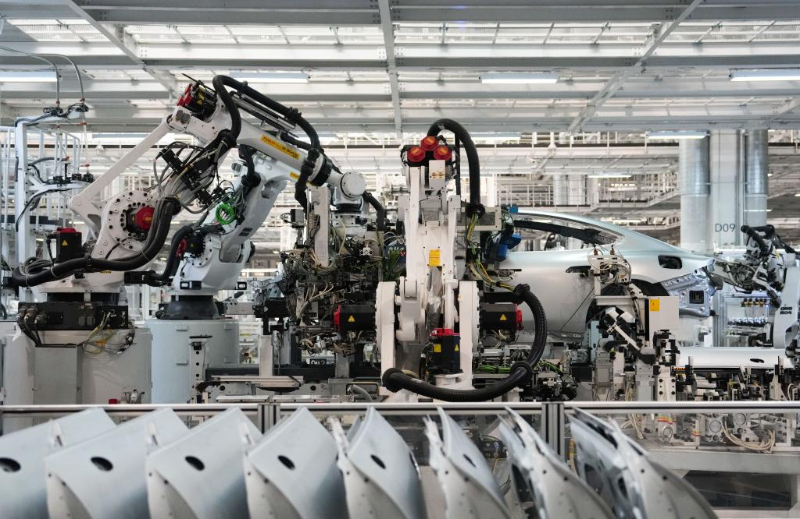
Group 1 - The core viewpoint of the articles highlights the robust growth and transformation of China's consumer market since 2025, driven by consumption policies and technological innovations, emphasizing the shift towards high-quality, intelligent, and emotional consumption [1][2][6] - The retail sales of consumer goods in China increased by 4% year-on-year from January to November 2025, indicating a shift from scale expansion to value growth centered on quality upgrades [2] - Key technological breakthroughs, such as Xiaomi's launch of its 3nm flagship processor and the Xiaomi 17 Ultra smartphone, have significantly contributed to the high-end consumer electronics market, showcasing the role of innovation in stimulating consumption [2] Group 2 - The emotional economy is emerging as a new growth area in consumption, with the market size expected to reach 2.3 trillion yuan in 2024 and surpass 4.5 trillion yuan by 2029, reflecting a shift in consumer motivations from functional satisfaction to emotional resonance [4] - New consumption formats, including digital, green, and health consumption, are becoming increasingly active, with the new energy vehicle market showing significant growth, where new energy vehicles accounted for 53.2% of total new car sales by November 2025 [5] - The integration of ecosystems, such as Xiaomi's smart factories and automotive strategies, is reshaping consumer experiences, moving from single product purchases to integrated, scenario-based services [5][8]

轻工制造行业2026年投资策略:适应新变局
GF SECURITIES· 2025-12-30 23:30
Group 1: Core Insights - The light industry manufacturing sector is expected to experience a recovery in 2026, driven by external macroeconomic stabilization and internal demand adjustments, although the recovery will show differentiation among companies [5][6] - Investment strategies should focus on growth-oriented companies that are expanding overseas, as well as on the supply-side changes in the paper packaging sector and new consumer brands showing marginal improvements [5][6] Group 2: Home Furnishing Sector - The home furnishing industry is currently facing a downturn, with ongoing pressures from consumption and housing handovers, and limited benefits from national subsidies [13][19] - The market environment is expected to remain stable in 2026, with a focus on individual company performance, as the sector is significantly influenced by consumer sentiment and real estate policies [34][40] - The expected decline in new housing completions in 2026 is projected at 21%, which will continue to impact demand for home furnishings [34][40] Group 3: Essential Consumer Goods - The essential consumer goods market is adapting to new dynamics, with established brands facing challenges from evolving channels and increased competition [52] - The growth potential in mature markets remains stable, but the overall consumption environment has weakened, leading to increased competition among leading brands [52][53] - New consumption trends are emerging from changes in consumer sentiment and technological innovations, which are reshaping market dynamics [52][53] Group 4: Light Industry Exports - The light industry export sector has shown strong growth among leading companies, despite fluctuations due to economic cycles and inventory levels [5][6] - The outlook for 2026 suggests continued growth for top companies, supported by stable macroeconomic conditions and ongoing trends such as capacity relocation and cost reduction [5][6] - The overall recovery in the light industry export sector is anticipated to stabilize, with a focus on expanding product categories and niche markets [5][6] Group 5: Paper Packaging Sector - The paper packaging sector is expected to see a gradual recovery, with stable pricing anticipated for cultural paper and improved profitability driven by demand from the consumer electronics and AI sectors [5][6] - The profitability of the paper industry is projected to stabilize, with key factors including supply-demand dynamics and cost efficiencies playing a crucial role [5][6] - Leading companies in the metal packaging sector are expected to benefit from increased market concentration and enhanced pricing power [5][6]


【海报】年度盘点|2025年消费市场六大看点,你参与了几个?
Zhong Guo Jing Ji Wang· 2025-12-30 08:09
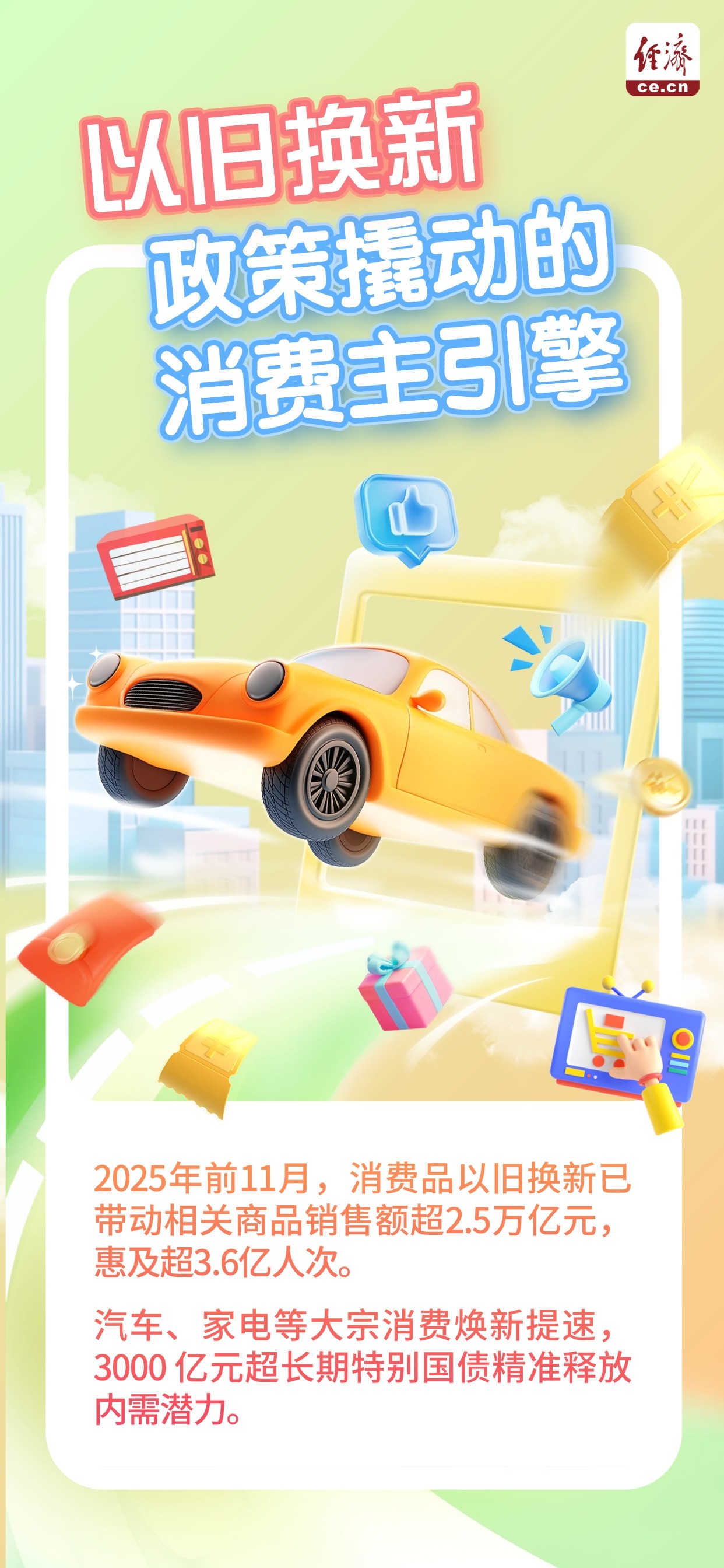
Group 1 - The core viewpoint of the article highlights the significant growth in consumer spending driven by various sectors, including automotive and home appliances, with a total sales amount exceeding 2.5 trillion yuan by November 2025, benefiting over 360 million people [2] - Online retail sales in the country increased by 9.1% year-on-year, while online service consumption surged by 21.7%, indicating that digital consumption and online services are becoming crucial drivers of domestic demand [6] - The silver economy market is projected to reach 15.8 trillion yuan this year, encompassing diverse areas such as elderly care services, health and wellness, and cultural tourism, with the new elderly demographic leading the upgrade in quality consumption [10] Group 2 - Domestic travel participation reached 4.998 billion trips in the first three quarters of 2025, marking an 18.0% year-on-year increase, with spending amounting to 4.85 trillion yuan, reflecting tourism consumption as a key area for boosting overall consumption [13] - The "emotional economy" in China is expected to exceed 2 trillion yuan this year, driven by trends such as the popularity of collectible toys and cross-province concert attendance, showcasing strong growth momentum in emotional consumption [17] - The event economy is anticipated to become a significant engine for economic growth in 2025, with major monitored events, such as the "Suo Super," generating over 38 billion yuan in consumption across various scenarios, demonstrating robust consumer driving capacity [20]
2025营销大共识:裸泳者离场,专业主义复利兑现
Sou Hu Cai Jing· 2025-12-30 07:49
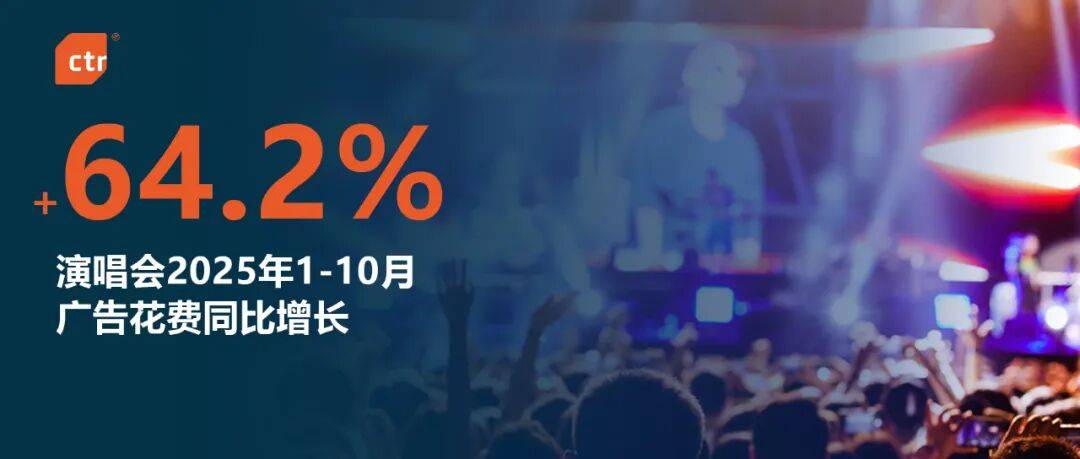
Core Insights - The market in 2025 is characterized by a balancing act between contradictions, with a focus on long-term value in advertising and a search for high-quality emotional satisfaction in consumer markets [1] - Consumers exhibit a dual demand, being both rational and emotional, leading to a K-shaped differentiation in consumption patterns [2][5] Group 1: Consumer Behavior - Consumers are increasingly rational yet emotional, leading to a phenomenon of "dual demand" where basic needs are prioritized alongside emotional investments in products [2][4] - The rise of private labels and white brands reflects a shift towards value-driven consumption, while premium products that evoke emotional connections continue to thrive [1][2] - The demand for experiences, whether through live events or instant retail, highlights the importance of emotional satisfaction in consumer choices [15][17] Group 2: Marketing Strategies - The year 2025 marks a turning point for traditional marketing approaches, with a shift away from "old-school" marketing tactics [5][6] - Brands are redefining their narratives, focusing on sustainability and technology to resonate with consumers, moving away from arrogance in marketing [8][11] - Centralized advertising strategies are gaining traction as brands seek to establish a strong presence amidst market uncertainties, with significant increases in advertising spend on brand image [18][20] Group 3: Value Perception - The concept of value-for-money (quality-price ratio) is becoming increasingly nuanced, varying significantly across different consumer segments [12][13] - The focus on quality-price ratio is shifting, with consumers prioritizing convenience and efficiency in their purchasing decisions [13][14] Group 4: Experience Economy - The consumer market is witnessing a resurgence in out-of-home spending, with a reported 8.7% increase in foot traffic in the first half of 2025 [14] - Instant retail is also experiencing explosive growth, driven by the convenience of integrated shopping experiences [15][16] Group 5: AI Integration - The integration of AI in retail and fast-moving consumer goods is becoming prevalent, with 89% of companies actively using or evaluating AI projects [21][22] - AI is transforming marketing practices, with a significant shift towards AI-driven advertising and consumer engagement strategies [22]
游戏ETF(159869)近七个交易日累计“吸金”达13.32亿元,游戏景气度或持续上行
Mei Ri Jing Ji Xin Wen· 2025-12-30 03:37
Group 1 - The gaming sector is experiencing strong momentum, with the gaming ETF (159869) rising over 1% and recording a net inflow of 1.332 billion yuan over the past seven trading days, bringing its total scale to 12.529 billion yuan as of December 29 [1] - Kullo Games' flagship mobile game "Mingchao" has launched a nationwide collaboration with the retail brand Lawson, featuring 27 themed stores in major cities and exclusive products that have generated significant consumer interest [1] - The collaboration exemplifies a successful model of "game IP + physical consumption," enhancing user loyalty and driving more cross-industry partnerships in the anime and gaming sector [1] Group 2 - The emotional economy market in China is projected to reach 23,077.67 billion yuan in 2024, reflecting an 18.5% growth from 2023, with expectations to exceed 45 trillion yuan by 2029 [2] - The actual sales revenue of China's gaming market is expected to reach 325.783 billion yuan in 2024, marking a year-on-year increase of 7.53%, while overseas sales of domestically developed games are projected to hit 18.557 billion USD, up 13.4% [2] - Game companies are advised to focus on high-value users and efficient operations, leveraging high-quality content and global expansion to seek excess returns beyond the saturated domestic market [2]
情绪经济引爆潮玩新赛道 国产IP用“共鸣”打开全球市场
Shang Hai Zheng Quan Bao· 2025-12-29 19:06
Core Insights - The article discusses the rise of the emotional economy in China, with a market size projected to reach 2.3 trillion yuan in 2024 and expected to exceed 4.5 trillion yuan by 2029 [2] - The trend of emotional consumption is reflected in the popularity of trendy toys, particularly those associated with emotional expression, such as Crybaby and LABUBU [3][4] - The toy industry is on the verge of surpassing 100 billion yuan, with companies like Pop Mart experiencing significant revenue growth [4][6] Company Performance - Pop Mart reported a revenue of 13.88 billion yuan for the first half of 2025, a year-on-year increase of 204.4%, and an adjusted net profit of 4.71 billion yuan, up 362.8% [4] - The company aims to achieve a revenue target of 30 billion yuan for the year [4] - Other companies in the sector, such as TOP TOY, are also experiencing rapid growth, with a compound annual growth rate of 67.7% from 2022 to 2024 [6] Market Trends - The global trendy toy market is projected to grow from $20.3 billion in 2020 to $52 billion in 2025, with a compound annual growth rate of 19.8% [6] - The number of registered trendy toy companies in China has surged, with 9,787 new registrations in 2025 alone, surpassing the total for 2024 [6] - The emotional economy is becoming a shared consumer preference among young people globally, influencing the design and marketing of products [8] International Expansion - Pop Mart is actively expanding its presence in international markets, as evidenced by its participation in the Macy's Thanksgiving Day Parade in New York, marking a significant milestone for the brand [10] - The company is focusing on establishing stores in iconic global shopping centers and enhancing product quality and store design to accelerate growth [10] - The emotional connection consumers seek through trendy toys is driving the company's strategy to create a diverse range of consumption scenarios [10]
云南“十五五”规划建议:打造“旅居云南”大IP、大生态、大产业
Cai Jing Wang· 2025-12-29 03:09
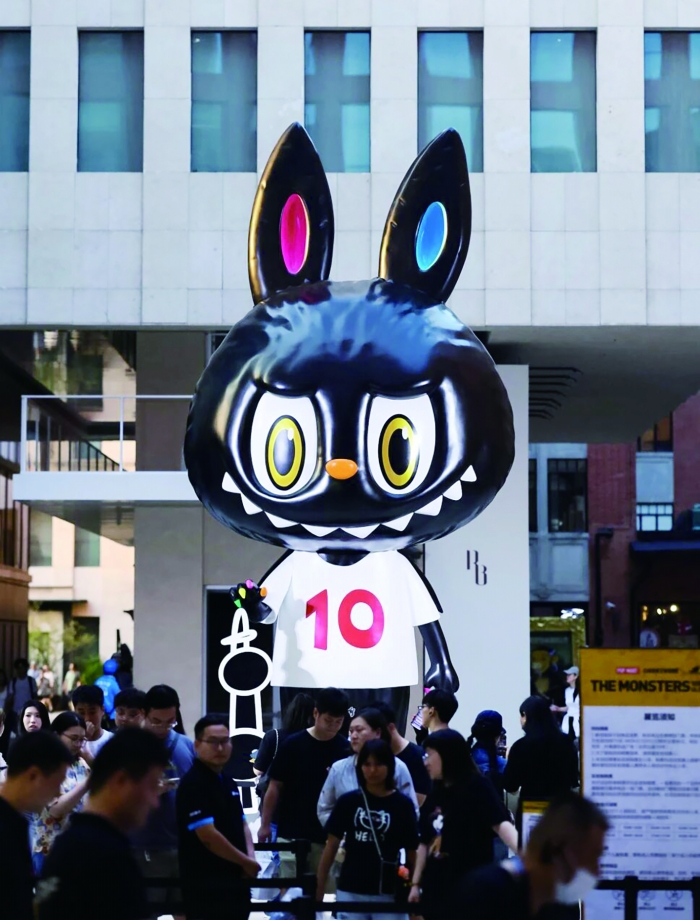
Group 1 - The core viewpoint of the article emphasizes the need to enhance cultural tourism consumption and develop various initiatives such as "Travel in Yunnan," "Colorful Clouds" series, and "Yunnan Night" to stimulate economic growth [1][3] Group 2 - The proposal aims to consolidate and elevate the特色优势产业 (characteristic advantageous industries) by focusing on highland特色农业 (highland characteristic agriculture) and promoting deep processing of agricultural products [2] - The plan includes the development of a world-class fresh-cut flower industry and the modernization and international branding of the coffee industry [2] - It seeks to strengthen the entire industry chain of traditional Chinese medicine and establish a "second tobacco industry" while enhancing the natural rubber industry [2] - The initiative promotes the deep integration of culture and tourism, aiming to enhance the appeal of Yunnan as a travel destination and build a trustworthy tourism service brand [2] Group 3 - The proposal outlines actions to unleash consumer potential by optimizing consumption structure and promoting the construction of a strong commercial province [3] - It emphasizes the importance of utilizing consumption promotion policies to release potential in sectors such as home appliances, travel, and housing [3] - The plan includes expanding cultural tourism consumption and developing new consumption growth points, such as emotional economy and new retail models [3] - Support for the integration of online and offline shopping, as well as the development of new business models like "smart retail" and social e-commerce, is also highlighted [3]
时隔32个月再闯IPO,Soul的“情绪价值”生意能走多远?
Sou Hu Cai Jing· 2025-12-28 11:51
Core Viewpoint - Soul, a leading AI-driven immersive social platform, is rebranding its narrative from "social metaverse" to "AI + immersive social" as it embarks on its IPO journey in Hong Kong after 32 months. The platform has a strong user base, with nearly 80% of its users being Gen Z, and an average daily usage time exceeding 50 minutes, indicating high user engagement and stickiness [2][11]. Financial Performance - Soul's revenue is projected to grow from 1.667 billion RMB in 2022 to 2.211 billion RMB in 2024, with a 17.8% year-on-year increase in the first eight months of 2025, reaching 1.683 billion RMB [5]. - The company achieved its first positive adjusted net profit in 2023, amounting to 361 million RMB, and is expected to maintain profitability in 2024 and 2025 [5][7]. - The sales and marketing expenses as a percentage of total revenue have significantly decreased from 124.8% in 2020 to 38.3% in the first eight months of 2025, while maintaining a gross margin above 80% [7]. User Engagement and Market Potential - As of August 31, 2025, Soul has approximately 390 million registered users, with 11 million daily active users, 78.7% of whom are Gen Z. These users exhibit high engagement, with an average of 75 point-to-point private messages sent daily [11][14]. - The emotional economy market in China is projected to grow from 7.1 billion RMB in 2024 to 90 billion RMB by 2030, with a compound annual growth rate of 52.8% [8]. Global Expansion Strategy - Soul aims to expand globally, targeting markets in North America, Japan, and Southeast Asia, leveraging the universal need for emotional connection across cultures [14][15]. - The IPO proceeds will be used to establish overseas operations and marketing teams, as well as to develop monetization structures for international markets [15]. Challenges and Risks - Soul faces significant compliance and ethical risks, particularly concerning content safety, data compliance, and the protection of minors, which have previously led to platform suspensions [16]. - The company has a substantial financial liability of 12.4 billion RMB related to redeemable shares, which poses a risk to its financial health and necessitates successful IPO financing [17][18].