
绿色转型

Search documents
四中全会精神在基层丨百年鞍钢厚积“绿色家底”汇聚“绿色动能”
Xin Hua She· 2025-11-09 06:26
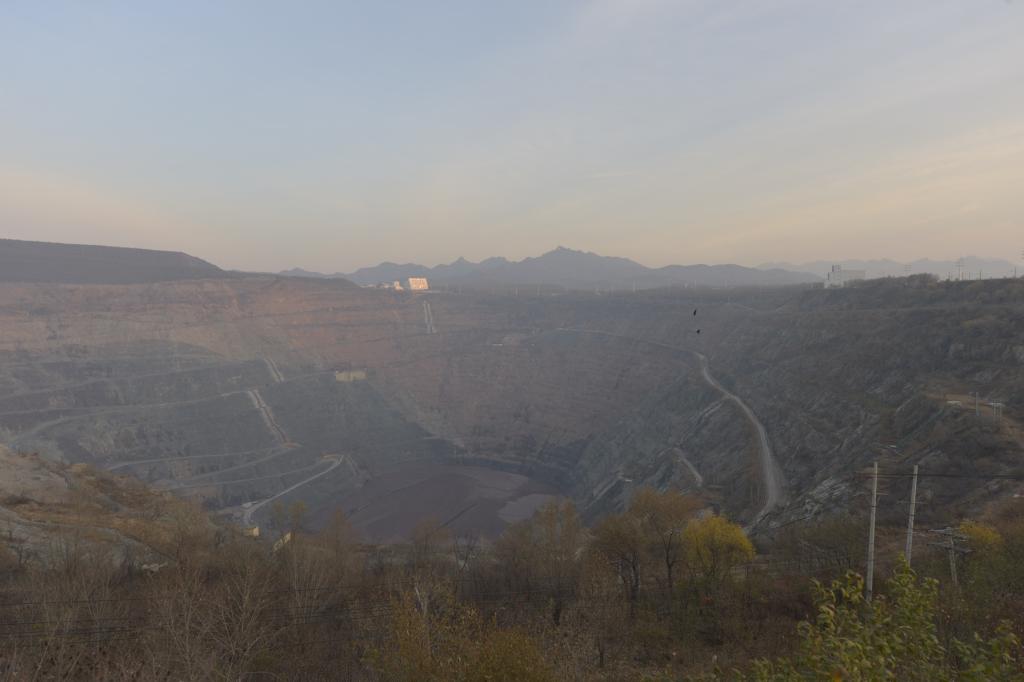
Core Viewpoint - Ansteel Group is actively pursuing green transformation and ecological restoration initiatives, particularly at the Dagu Mountain Iron Mine, to align with national carbon reduction goals and enhance sustainable development [1][4]. Group 1: Ecological Restoration Efforts - The Dagu Mountain Iron Mine, which has been operational since 1916, has produced over 300 million tons of iron ore and 800 million tons of waste rock, and is now undergoing ecological restoration after its closure [1]. - Ansteel is utilizing tailings for ecological restoration, planning to fill the mine over the next 13 years, which will consume 440 million tons of iron ore tailings, thus preventing land occupation and ecological damage from open-air storage [1]. - The transformation of the former mining site into an ecological park has been ongoing since 2004, turning a barren landscape into a popular ecological destination [2]. Group 2: Green Production Initiatives - Ansteel is implementing advanced technologies and processes to minimize environmental impacts in steel production, including the upgrade of coking facilities to reduce emissions and enhance energy recovery [4]. - The company has developed a green hydrogen metallurgy pilot production line, replacing traditional carbon reduction methods with green hydrogen, aiming for near-zero carbon emissions in the iron-making process [4]. - Ansteel has invested over 1 billion yuan in a new silicon steel project, enabling mass production of low-loss silicon steel for electric vehicle motors, supporting the green transition of various industries [6].


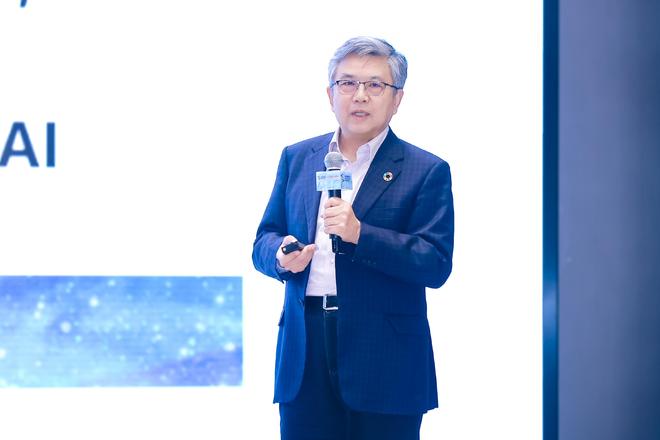
专访龚克:AI时代对人的科学素养和价值判断力提出更高要求
Nan Fang Du Shi Bao· 2025-11-09 04:42
Core Viewpoint - The rapid proliferation of artificial intelligence (AI) applications necessitates higher levels of scientific literacy, questioning ability, and value judgment among individuals [1][4]. Group 1: AI Development and Trends - AI agents have become a significant focus for technology companies, seen as a new entry point for future traffic and services [3]. - The concept of "intelligent agents" has gained popularity due to the accelerated iteration of large models and the emergence of various functional models, serving as an interface between humans and AI [3][4]. - Despite initial excitement around AI agents, many have faced criticism for being "unusable" and "unreliable," often only capable of performing standardized tasks in specific scenarios [3][4]. Group 2: Human-AI Interaction - The effectiveness of AI tools depends on individuals' ability to communicate clearly and set boundaries for tasks and questions directed at AI [4][5]. - The ability to ask the right questions is emphasized as being more critical than solving problems in the era of large models, highlighting the importance of scientific and ethical literacy [5][6]. Group 3: Future Directions in AI - The evolution of AI is expected to transition from single-modal to multi-modal capabilities, expanding from text to images, audio, video, and code [6]. - The rise of embodied intelligence, which involves interaction with physical entities, is identified as a key trend in AI development [6]. - Open-source models are anticipated to play a crucial role in the future of large model development, promoting faster iteration and greater transparency [6]. - The necessity for green transformation in AI is highlighted, focusing on the sustainable use of resources and the integration of renewable energy in AI applications [6][7].
第八届进博会丨联合国儿基会代表:中国为全球南方青年创新注入动能
Xin Hua Wang· 2025-11-09 01:30
Core Viewpoint - The UNICEF representative highlights China's role in empowering youth innovation in the Global South through South-South cooperation, particularly during the China International Import Expo, which serves as a platform for trade and youth entrepreneurship [1][2]. Group 1: Youth Innovation and Development - The China International Import Expo facilitates communication, skill training, and market expansion for young entrepreneurs from developing countries, allowing them to share in China's innovation opportunities [1]. - Despite the potential, two-thirds of youth globally lack the skills needed for future economic development, with nearly 90% of girls and young women in low-income countries unable to access the internet [2]. Group 2: Digital Empowerment and Education - China is recognized as a leader in emerging technologies like artificial intelligence, and promoting its digital achievements can help bridge the digital divide in Global South countries [4]. - UNICEF is collaborating with the Chinese government to implement digital education solutions and green skills training, enhancing youth entrepreneurship in sustainable agriculture and climate technology [4][5]. Group 3: Global Cooperation and Impact - Since 1979, UNICEF has worked closely with the Chinese government on various initiatives, achieving significant results in education, health, nutrition, child protection, and youth empowerment across over 20 countries in Africa and Asia [5]. - The UNICEF representative emphasizes the importance of investing in youth and human capital to foster inclusive growth and innovation, calling for greater attention to children's and youth's development [5].

夸张!19100家企业破产,德国制造成“破落户”,向中国发出求救
Sou Hu Cai Jing· 2025-11-08 09:10
Economic Challenges in Germany - The number of bankruptcies among German companies reached 11,900 in the first half of 2025, marking a ten-year high, indicating unprecedented challenges for German manufacturing [1] - Germany's economy has been in recession for two consecutive years, with GDP declining by 0.3% in 2023 and an additional 0.2% in 2024, showcasing rare economic weakness since World War II [1] - The energy crisis, exacerbated by the Russia-Ukraine conflict, has led to electricity prices soaring to three to four times their previous levels, significantly impacting many businesses [1] Manufacturing Sector Struggles - The number of bankruptcies in the German automotive sector increased by 60% in 2024 compared to the previous year, highlighting severe pressures on this key industry [4] - Major companies like Bosch and ZF are implementing large-scale layoffs, with tens of thousands of job cuts announced [4] - The transition to electric vehicles is disrupting traditional manufacturing rhythms, with the current electric vehicle penetration rate in Germany at only 13%, far below the EU's target of 20% by 2025 [4] Structural Issues and Infrastructure Bottlenecks - Germany's reliance on traditional internal combustion engine technologies has hindered investment in new disruptive technologies like AI and semiconductors [6] - The country faces significant infrastructure challenges, with railway punctuality dropping to 62.5% and fiber optic coverage at only 17.7%, well below the EU average [6] - Administrative hurdles, such as the average 120 days required to register a new company, further complicate business operations [6] Government and Corporate Responses - The German government is expanding the coverage of bankruptcy prevention funds and has introduced loans to support digital transformation [8] - Local governments and universities are collaborating to create "Industry 4.0 Competence Centers" to assist SMEs in advancing technology applications [8] - Companies like Siemens are investing more resources into digital solutions, while SMEs are forming alliances for joint procurement and R&D, showing initial progress [9] International Cooperation and Future Outlook - In 2023, German investments in China increased to €11.9 billion, indicating that China remains a crucial market and technology partner for Germany [9] - The ongoing changes reflect the need for traditional industrial powers to dismantle path dependencies and embrace new challenges [9] - The potential for cooperation between Germany and China in areas like new energy and smart manufacturing could help Germany find breakthroughs and contribute to global growth [9]

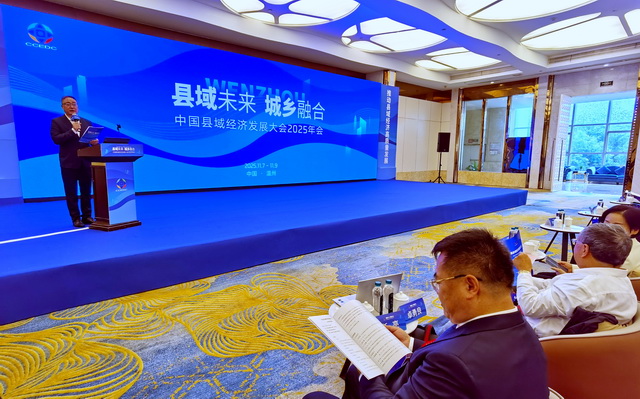
“十五五”县域经济发展如何迈步?多方专家学者支招
Di Yi Cai Jing· 2025-11-08 04:29
Core Viewpoint - The development of county economies during the 14th Five-Year Plan should focus on four key areas: artificial intelligence, urban-rural integration, green transformation, and county governance, emphasizing tailored policies over a one-size-fits-all approach [1][2][4] Group 1: Urban-Rural Integration - County economies are crucial for urban-rural integration, serving as a key engine for consumption and domestic demand [2] - The core of urban-rural integration is the integration of people, promoting the free movement of populations between urban and rural areas [2] - A modern industrial system should be established through deep integration of various industries in rural areas, moving beyond the traditional role of providing raw materials and labor [2][4] Group 2: Economic and Industrial Development - Counties should leverage their resource endowments and comparative advantages to develop suitable industries, including traditional and new sectors [3][5] - The integration of secondary and tertiary industries is essential for creating competitive and recognizable county industrial brands [4][5] - Counties should focus on attracting urban industries, capital, and talent while also connecting with rural industries to promote comprehensive development [5][8] Group 3: Infrastructure and Public Services - Enhancing public service attributes in counties is vital for economic development, requiring policies that facilitate the flow of resources such as land, capital, and talent [4][8] - The establishment of a conducive living and working environment is crucial, with improvements in rural infrastructure and public service accessibility [8] Group 4: Future Opportunities - The county economy faces new challenges and opportunities, including digital economy growth and rural revitalization [2][7] - The focus should be on cultivating specialized and innovative industrial clusters, extending agricultural processing chains, and developing new business models that integrate agriculture, e-commerce, and tourism [8]
华电能源拟120.43亿元投资煤电项目
Bei Jing Shang Bao· 2025-11-07 12:49
Core Viewpoint - Huadian Energy plans to invest in a new integrated project combining thermal power generation and renewable energy in Heilongjiang, with a total investment of 12.043 billion yuan, aligning with the company's strategic goals of structural adjustment, green transformation, and high-quality development [1] Investment Details - The project involves the construction of two 660,000-kilowatt thermal power generation units [1] - Total investment for the project is stated as 12.043 billion yuan, with the actual investment amount to be determined [1] Strategic Alignment - The implementation of this project is expected to enhance the company's profitability and support regional economic development and energy supply security [1] - The project aligns with industry trends and the company's development strategy, focusing on green transformation and high-quality growth [1]

构建煤炭行业央企ESG评价体系:聚焦绿色转型与安全治理:A股央企ESG评价体系白皮书系列报告之十一
Shenwan Hongyuan Securities· 2025-11-07 12:44
Investment Rating - The report indicates a positive outlook for the coal industry, emphasizing the importance of ESG (Environmental, Social, and Governance) practices in the sector [3][6]. Core Insights - The coal industry is under dual pressure to ensure energy security while transitioning to a low-carbon economy, with ESG practices being a key solution to balance these demands [3][6]. - A new ESG evaluation system tailored for coal enterprises has been developed, incorporating indicators such as "green mining," "safety production," and "intelligent management" to better reflect industry characteristics [3][11]. - The report highlights the necessity for coal enterprises to enhance their ESG management and information disclosure quality in response to evolving regulatory requirements [10][11]. Summary by Sections 1. Coal Central Enterprises ESG Policies: Green Transition in a Critical Phase - The coal industry is a pillar of national energy security and economic development, facing increasing policy guidance towards green transformation [7][9]. - Recent policies have detailed ESG management requirements, particularly in energy conservation, emissions reduction, and low-carbon transition [7][9]. 2. Constructing the ESG Evaluation System for Coal Central Enterprises: Balancing Green and Safety - The ESG evaluation system includes four categories of positive indicators and one category of negative indicators, with a total of 23 primary indicators and 59 secondary indicators [11][20]. - The system emphasizes the importance of environmental, social, and governance aspects, with specific indicators for green mining and safety management [11][16]. - The evaluation framework aims to ensure objective, comparable, and actionable results, with a total score of 100 points [11][20]. 3. Key Assumptions of Risks - The report does not provide specific details on risks but acknowledges the potential challenges in the implementation of ESG-related policies and the uncertainties surrounding global climate risks [3][21].
山东:清洁能源“护航”绿色暖冬
Xin Hua She· 2025-11-07 12:37
Group 1 - The core viewpoint of the articles highlights the transition from coal to electric heating in Shandong, emphasizing the use of clean energy sources like solar and nuclear power for winter heating [1][2] - In Duku Village, the implementation of a microgrid system and solar power generation has enabled residents to achieve a comfortable indoor temperature of 24 degrees Celsius using air-source heat pumps instead of coal [1] - Shandong has actively promoted clean energy heating solutions, with over 22,000 households in Yinan County adopting electric heating, significantly increasing winter heating loads [1] Group 2 - The "Warm Nuclear No. 1" project in Haiyang represents China's first commercial zero-carbon nuclear heating initiative, providing winter heating for approximately 400,000 residents across Haiyang and Weihai, covering an area of 13 million square meters [2] - The State Grid Yantai Power Supply Company has conducted comprehensive inspections of nuclear heating lines to ensure the safety and reliability of power supply during the winter season [2]
华电能源拟120.43亿元投建2×66万千瓦“上大压小”热电联产机组与新能源一体化联营项目
Zhi Tong Cai Jing· 2025-11-07 11:31
Core Viewpoint - The company plans to invest in a new integrated project at the Heilongjiang Huaneng Fularji Power Plant, which aligns with national industrial policies and aims to enhance its transformation and upgrade [1] Group 1: Investment Details - The total investment for the project is 12.043 billion yuan, with the specific amount subject to actual expenditure [1] - The project involves the construction of two 660,000-kilowatt cogeneration units, integrating traditional energy with new energy sources [1] Group 2: Strategic Alignment - The implementation of this project is in line with the company's structural adjustment, green transformation, and high-quality development requirements [1] - The project is expected to contribute to regional economic development and energy supply security, thereby enhancing the company's profitability [1] - This initiative aligns with future industry development trends and the company's strategic goals, laying a solid foundation for sustained business growth [1]
“四环发力”赋能绿色转型
Zhong Guo Hua Gong Bao· 2025-11-07 11:27
Core Viewpoint - The energy and chemical industry plays a crucial role in promoting green and low-carbon development, with the refining engineering sector acting as a "builder" and "deliverer" that must integrate energy-saving and carbon-reduction concepts throughout all project phases [1][2]. Group 1: Technological Innovations - Implementing technological upgrades to achieve energy savings and carbon reduction is essential. Companies like Huagong are accelerating the development of high-efficiency energy-saving technologies for ethylene cracking furnaces, significantly reducing energy consumption per unit product [1]. - Innovative engineering design is vital for lowering construction emissions. Huagong employs a prefabricated construction model, transferring many on-site construction activities to specialized factories, which enhances project quality and significantly reduces energy consumption and emissions during construction [1]. Group 2: Digital Transformation - Advancing digital transformation can enhance carbon reduction efficiency. By utilizing big data, artificial intelligence, and digital twin technologies, companies can simulate and optimize production processes, ensuring stable and efficient operations while continuously lowering product energy consumption. Huagong's application of digital twin platforms at LNG receiving stations has resulted in an annual carbon reduction of approximately 13,600 tons, demonstrating significant economic benefits [2]. Group 3: Focus on Emerging Technologies - Companies should prioritize the development of emerging technologies such as green hydrogen production, green hydrogen synthesis of ammonia and methanol, and green aviation fuel to provide low-carbon raw materials and fuels for chemical processes. Additionally, there is a need to enhance efforts in carbon capture, utilization, and storage (CCUS) technologies to explore large-scale capture and resource utilization of carbon dioxide emissions from chemical plants [2].