自动驾驶

Search documents
Optimus首个供应商“定点”名单,来了!
Robot猎场备忘录· 2026-01-13 04:06
温馨提示 : 点击下方图片,查看运营团队最新原创报告(共260页) 说明: 欢迎约稿、刊例合作、行业交流 , 行业交流记得先加入 "机器人头条"知识星球 ,后添加( 微信号:lietou100w )微 信; 若有侵权、改稿请联系编辑运营(微信:li_sir_2020); 正文: Optimus定型在即, 特斯拉发包中,2026年,首个 T链 定点资讯(名单)来了 ! 周一(1月12日),在大盘一路上行并持续突破记录下,T链们走势没有延续上周五上行行情,再次进入盘整阶 段。 针对年后T链们 ,在大盘走势大幅上行背景下, 没有 承接去年12月底的主升行情,走势更没有迎来反转的原 因,小编往期文章有提到过" 利好催化不足,缺乏官方"爆点"利好催化,所以仅是核心利好标的行情 "。 从商业航天到自动驾驶再到脑机接口,尤其是商业航天,行情和热度从去年12月延续至今,最热门板块且没有之 一,马年炒"马"的目前逻辑毋庸置疑;唯一的区别,相较于这三者,人形机器人Optimus项目目前还没有阶段性 进展(Optimus V3样机亮相)。 小编去年12月下旬就在星球中提到,对于T链们而言,12月份炒的审厂和"定点"(订单), 1月 ...



北汽新能源的“破壁”时刻
Hua Er Jie Jian Wen· 2026-01-13 03:23
Core Insights - Beijing Automotive Group's New Energy Vehicle (BAIC BJEV) is accelerating its transformation from a traditional car manufacturer to an "ecosystem builder," focusing on the Robotaxi market [2][3] - The partnership with Pony.ai aims to leverage BAIC's Alpha T5 Robotaxi platform to expand into the Middle East and Europe, utilizing China's advantages in the new energy supply chain and autonomous driving algorithms [3][4] Group 1 - BAIC BJEV signed a strategic agreement with Pony.ai on January 10, marking a significant step in its transition towards becoming a system integrator capable of industrializing Level 4 autonomous driving technology [2] - The company has already produced 600 Alpha T5 Robotaxis, which are operational in Beijing and Shenzhen, indicating a successful data loop closure [2] - The collaboration with Pony.ai not only enhances Robotaxi capabilities but also has the potential to improve BAIC's passenger vehicle autonomous driving technology [3] Group 2 - BAIC BJEV plans to focus on its "Xiangjie" brand in collaboration with Huawei, aiming to replicate the success of the AITO brand by expanding its product matrix [4] - The Xiangjie S9 has begun penetrating the executive sedan market, with plans to introduce new SUV and MPV models [5] - The company is set to gradually open Level 3 autonomous driving features to individual users by 2026, which will serve as a key differentiator in the competitive 200,000 to 300,000 yuan market [6] Group 3 - BAIC BJEV is undergoing a deep transformation, balancing its high-end luxury offerings through the "Xiangjie" brand while capturing future mobility opportunities with the Robotaxi initiative [6] - The company aims to enhance its mainstream market presence with the Arcfox brand by upgrading existing models and introducing competitive pricing and features [6]
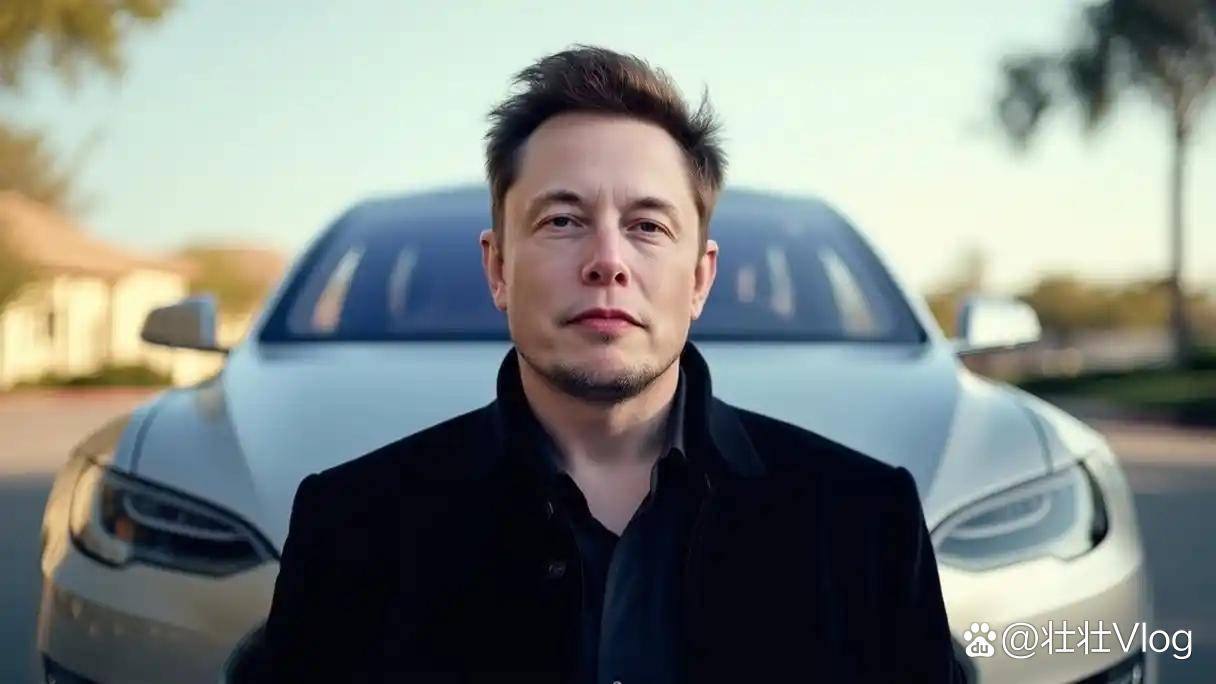
中国的特斯拉工厂救马斯克于水火之中,马斯克的星链计划却置中国于水火之中,未来数年,马斯克是中国最大的敌人,不论是星链还是在AI领域。中国多次救马斯克,马斯克却把中国往火坑里推!有些人注定只能共患难,不能同富贵。当你凝视深渊的时候,深渊也在凝视你;当你把马斯克从破产边缘拉回来的时候,...
Sou Hu Cai Jing· 2026-01-13 02:31
Core Viewpoint - The article discusses the complex relationship between Elon Musk and China, highlighting how China supported Tesla during its struggles, while Musk's Starlink project poses significant challenges to China in the fields of technology and AI. Group 1: Tesla's Rescue by China - In 2018, Tesla was on the brink of collapse, with production issues and a failing financial situation, prompting Musk to rely on China for support [1][2] - China provided substantial assistance, including a large industrial site in Shanghai at a low cost and a low-interest loan of 40 billion yuan, which was crucial for Tesla's survival [2][3] - The rapid construction of the Shanghai Gigafactory exemplified "Chinese speed," with the factory built in just 10 months, a process that would take years in the U.S. [3] Group 2: Impact of the Shanghai Factory - The Shanghai factory became highly productive, projected to produce 4 million vehicles by the end of 2025, significantly contributing to Tesla's financial turnaround and market valuation [4] - The Model Y's production in China allowed Tesla to reduce costs by 65%, leading to substantial profits for the company [4] Group 3: Starlink's Threat to China - Musk's profits from the Chinese market are being reinvested into the Starlink project, which is seen as a threat to China's security and technological sovereignty [4][5] - Starlink's satellites are not just for internet access; they have been used in military applications, raising concerns about their implications for national security [5][6] - The planned reduction of Starlink satellites' operational altitude to 480 kilometers is viewed as a strategic move to dominate low Earth orbit, potentially obstructing China's own satellite initiatives [5][6] Group 4: Data and AI Concerns - Tesla's operations in China allow it to collect vast amounts of driving data, which is crucial for AI development, but this data is primarily utilized in the U.S., limiting China's technological advancements [6][7] - Musk's strategy includes establishing manufacturing in the U.S. to reduce reliance on Chinese supply chains while simultaneously benefiting from Chinese market data [7] Group 5: Broader Implications - The article suggests that Musk's actions reflect a duality in his business approach, benefiting from Chinese support while simultaneously undermining China's technological independence [6][7] - The ongoing competition in space, data, and technology between Musk and China is framed as a significant geopolitical issue that is just beginning to unfold [7]
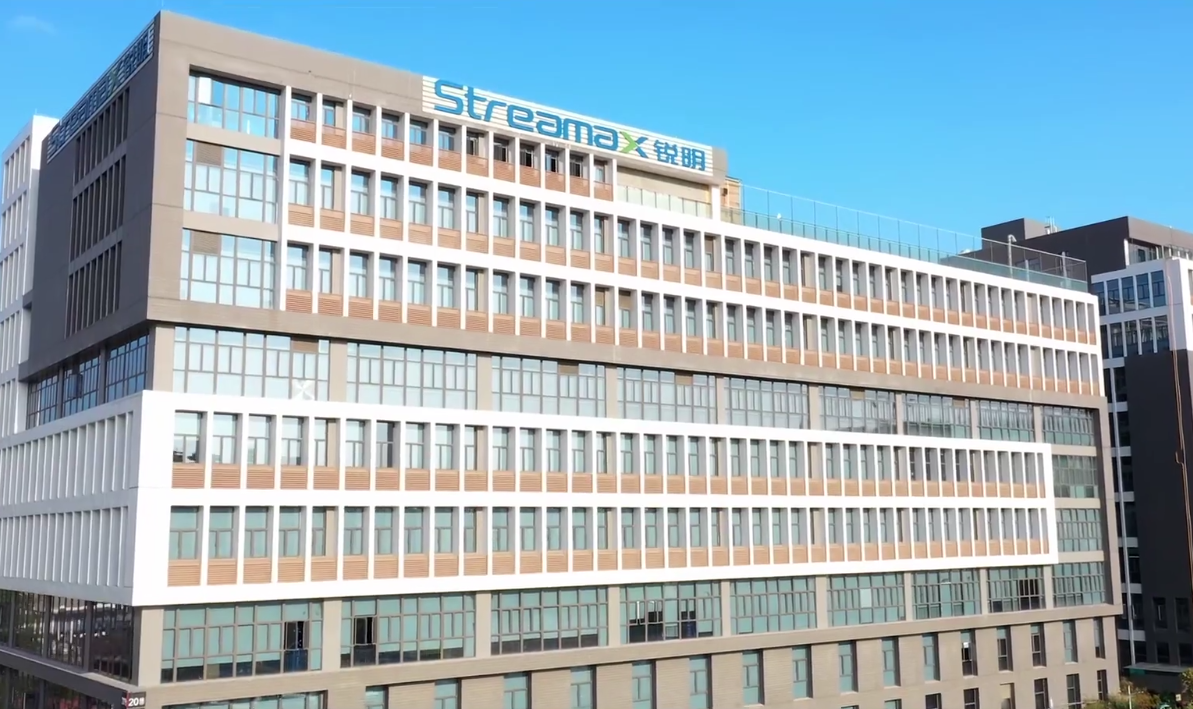
锐明技术:未来重点推动Robobus解决方案在全球落地
Ju Chao Zi Xun· 2026-01-13 02:10
Core Viewpoint - Rui Ming Technology aims to leverage its strengths and understanding of customer needs to promote the global application of its Robobus solutions in various scenarios, including urban public transport, scenic area shuttles, and airport connections [2] Group 1: Business Focus - The company is committed to providing AI solutions that enhance safety and efficiency for commercial vehicles, following a path from assisted driving to advanced intelligent driving [2] - Rui Ming Technology has established automated driving as a key innovation and growth direction, with mass-produced AI-assisted driving products such as AEBS, ADAS, and BSD laying a solid technical foundation for future automated driving business [2] Group 2: Market Opportunities - The company is actively expanding market opportunities in freight and mining scenarios, in addition to its existing applications [2] Group 3: Competitive Advantages - The company operates in over 100 countries and regions, with a broad customer base and industry brand recognition across freight, public transport, school buses, taxis, and mining scenarios [2] - Rui Ming Technology has a deep understanding of the real needs of different industry clients, enabling it to provide integrated solutions [2] - The company has accumulated over 80 mature AI algorithms and has formed a data closed loop through a "cloud-edge-end" system [2] - Based on its existing product technology, the company can offer full-stack services from single vehicle intelligence to fleet management, aligning with commercial fleet clients' core demands for safety and efficiency improvements [2]
汽车生产 谁在领跑?
Ren Min Ri Bao Hai Wai Ban· 2026-01-13 01:46
Core Insights - The automotive production landscape in China is experiencing significant growth, with several cities surpassing one million vehicles produced in 2025 [3][7] - Hefei leads the nation in new energy vehicle (NEV) production, with over 1.24 million units manufactured in the first 11 months of 2025 [4] - The shift in statistical methods for measuring production has altered the rankings of cities, impacting how production data is reported [7] Group 1: Automotive Production Statistics - Chongqing's automotive production reached 2.4981 million units in the first 11 months of 2025, marking a 12.1% year-on-year increase [3] - Beijing produced 1.335 million vehicles, a 27.6% increase compared to the previous year, while Shanghai's production was 1.6011 million units, with 1.042 million being NEVs [3] - Cities like Zhengzhou and Qingdao are approaching the one million vehicle production mark, with Zhengzhou at 956,300 units and Qingdao at 911,700 units [3] Group 2: New Energy Vehicle Leadership - Hefei's NEV production is the highest in the country, with 1.246 million units produced in the first 11 months of 2025, supported by a strong industrial layout [4] - The rapid growth of NEVs in Hefei is attributed to the presence of major manufacturers such as Jianghuai, NIO, and BYD [4] - In Hunan province, NEV production increased by 41.8% year-on-year, indicating a robust growth trend in the sector [6] Group 3: Industry Support and Innovation - The automotive industry in cities like Liuzhou and Qingdao benefits from a complete industrial chain, including raw materials and core components [5] - Chongqing is advancing in autonomous driving and vehicle networking technologies, with plans to establish itself as a hub for smart connected NEVs [6] - Policy support is crucial, with cities like Chongqing and Anhui focusing on developing their NEV industries as part of their strategic plans [6] Group 4: Statistical Changes and Future Outlook - The change in statistical methodology from "enterprise location" to "production location" has significantly impacted the reported production figures for various cities [7] - Guangzhou aims to accelerate its automotive industry transformation, focusing on smart and connected vehicles to regain competitive advantage [7] - Overall, China's automotive industry shows resilience and vitality, with production and sales figures reaching new highs in 2025 [8]


早报 | 携程全员收到离职通知?知情人士回应;中国金龙指数大涨4.26%;苹果押注Gemini;被质疑“擦边营销”,金帝巧克力致歉
虎嗅APP· 2026-01-13 00:49
Group 1 - Apple announced a major upgrade for Siri in collaboration with Google, utilizing Google's Gemini model and cloud technology for future Apple Intelligence features [2] - Nvidia and Eli Lilly are investing $1 billion to establish an AI drug development lab in San Francisco, focusing on accelerating drug research through AI [7] - OpenAI agreed to acquire the AI health application Torch for approximately $100 million, which will enhance its ChatGPT with personalized health assistant features [12] Group 2 - The U.S. stock market saw a collective rise, with the Nasdaq China Golden Dragon Index increasing by 4.26%, driven by strong performances from major Chinese stocks [10] - Meta Platforms CEO Mark Zuckerberg announced the "Meta Compute" project, aiming to build tens of gigawatts of AI infrastructure by the end of the decade [13][14] - Tesla's CEO Elon Musk responded to Nvidia's advancements in autonomous driving, asserting that Tesla's data advantage keeps it ahead in the industry for the next few years [8]





汽车生产,谁在领跑?(锐财经)
Ren Min Ri Bao· 2026-01-12 20:23
Core Insights - The automotive production landscape in China is evolving, with cities like Chongqing, Beijing, and Shanghai showing significant output figures, particularly in the electric vehicle (EV) sector [2][3][4] - Technological innovation and resilient supply chains are key competitive factors driving the growth of automotive production in various cities [3][5] Production Highlights - Chongqing produced approximately 2.5 million vehicles in the first 11 months of 2025, marking a 12.1% year-on-year increase, with a notable rise in EV production reaching 950,000 units, over six times that of 2021 [3] - Shanghai's vehicle production reached 1.6 million units, with 1.04 million being EVs, while Beijing's output was 1.34 million units, reflecting a 27.6% increase year-on-year [3] - Other cities like Zhengzhou and Qingdao are approaching the million-unit mark, with Zhengzhou's production at 956,300 units, a 16.52% increase [3] Electric Vehicle Leadership - Hefei leads the nation in EV production with 1.25 million units produced in the first 11 months of 2025, supported by a strong industrial base including major brands like NIO and BYD [4] - Hefei's rapid growth in the EV sector is attributed to strategic industry planning and the establishment of production bases for various automotive brands [4] Industry Support and Innovation - The automotive industry in cities like Liuzhou and Qingdao benefits from comprehensive supply chains, with Liuzhou being home to five major vehicle manufacturers [5] - Innovations in autonomous driving and vehicle networking are being spearheaded in Chongqing, with the first L3-level autonomous driving license plate expected by the end of 2025 [5] Policy and Strategic Initiatives - Local governments are implementing supportive policies, such as Chongqing's strategy to develop a world-class smart connected EV industry cluster [6] - Anhui province is also backing Hefei's ambition to become a globally influential EV hub [6] Statistical Changes Impacting Rankings - Changes in statistical methods for vehicle production reporting are reshaping the rankings of leading automotive cities, with a shift from "enterprise location" to "production location" affecting how output is measured [7] - In 2023, Guangzhou maintained the highest production at 3.18 million units, but projections for 2025 indicate shifts in rankings due to these new reporting standards [7] Overall Industry Performance - The Chinese automotive industry demonstrates strong resilience and vitality, with total production and sales reaching 31.23 million and 31.13 million units respectively in the first 11 months of 2025, both showing over 11% year-on-year growth [8] - Factors such as over 50% penetration of new energy passenger vehicles and advancements in L3 autonomous driving are propelling the industry into a new phase of high-quality development [8]
全面打造“公园城市、安逸家园”
Xin Lang Cai Jing· 2026-01-12 18:00
Core Viewpoint - Sichuan Province has released an implementation opinion aimed at promoting high-quality urban development, focusing on building modern cities characterized by innovation, livability, beauty, resilience, civilization, and intelligence, with a target to achieve significant progress by 2030 and establish a modern urban framework by 2035 [1][2]. Group 1: Urban Development Strategy - The opinion outlines a comprehensive urban spatial layout, emphasizing the development of the Chengdu-Chongqing urban axis and other key urban development belts, while adhering to principles like "one city, one policy" [2]. - Support for Chengdu includes establishing it as a model park city and enhancing its core functions, while also promoting the integration of the Chengdu metropolitan area [2][3]. - Regional cities like Mianyang and Yibin are encouraged to attract major productivity layouts, enhancing their economic growth potential [2]. Group 2: Technological Innovation and Industry Integration - The opinion emphasizes the importance of technological innovation and industry-city integration, proposing the establishment of key innovation zones and collaborative innovation frameworks [3]. - It advocates for the application of advanced technologies such as AI and clean energy in urban development, fostering new economic models and consumption scenarios [3]. Group 3: Quality of Life and Infrastructure - The opinion addresses housing security by promoting a new real estate development model and a tiered housing supply system [4]. - It outlines plans for enhancing public services, including education and healthcare, and improving community infrastructure [4][5]. - The focus on green transformation includes initiatives for pollution reduction, green building development, and waste classification [5]. Group 4: Safety and Governance - The opinion stresses the establishment of safety management systems for buildings and infrastructure, alongside measures to enhance urban resilience against extreme weather [5]. - It proposes the creation of a unified digital urban governance framework to improve service delivery and operational efficiency [5].
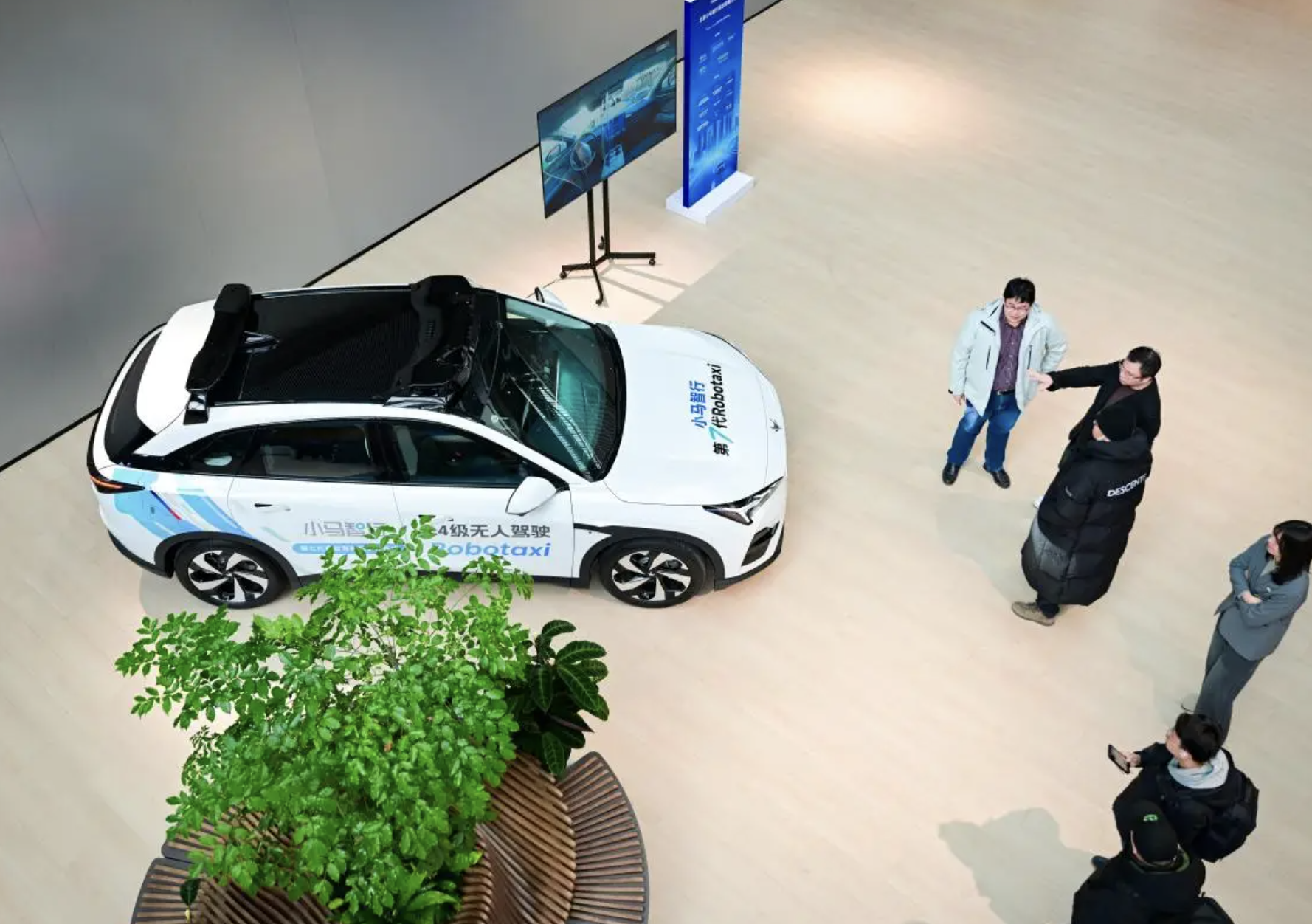
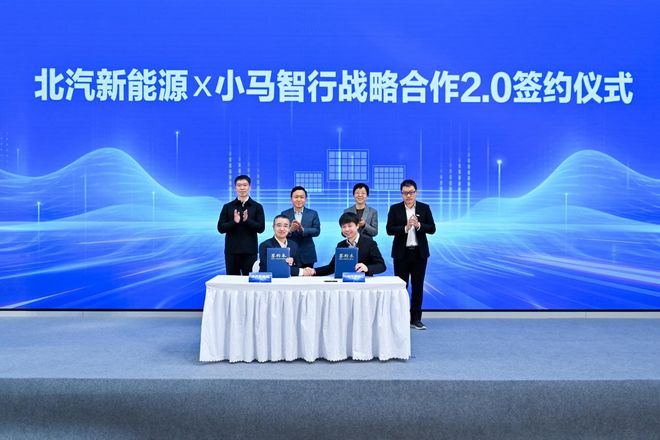
北汽新能源与小马智行达成全面深化战略合作
Guan Cha Zhe Wang· 2026-01-12 14:27
Core Viewpoint - BAIC New Energy and Pony.ai have officially entered a comprehensive strategic cooperation, aiming to create a benchmark for collaborative innovation in China's intelligent driving industry through a "five-in-one" approach [1][4]. Group 1: Strategic Cooperation Details - The cooperation will focus on five key dimensions: product co-creation, market expansion, industry chain integration, ecosystem building, and capital collaboration [4]. - The product co-creation will leverage the successful mass production experience of the Arcfox Alpha T5 Robotaxi to develop a diverse L4 product matrix and extend into high-end intelligent vehicles [4]. - Market expansion efforts will include deepening domestic presence while promoting the "Chinese solution" abroad, particularly in the Middle East and Europe [4]. Group 2: Operational and Financial Aspects - The initiative aims to optimize the entire lifecycle cost of L4 vehicles by integrating supply chains and fostering a local intelligent mobility supply chain cluster [4]. - The ecosystem building will involve integrating resources across the entire value chain, including R&D, production, customer acquisition, operation, maintenance, and finance, to create a sustainable Robotaxi business ecosystem [4]. - The capital collaboration will focus on long-term strategic binding around technology, supply chain, and global market expansion, driven by mutual trust [4][6]. Group 3: Milestones and Achievements - The first mass-produced Arcfox Alpha T5 Robotaxi was officially launched in July 2025, with the first 100 units delivered within a month and 300 units produced within three months [6]. - As of now, over 600 units of the Arcfox Alpha T5 Robotaxi have been produced, capable of operating in various complex driving scenarios, including urban roads and highways [6]. - Commercial operations for the Arcfox Alpha T5 Robotaxi began in November 2025, covering key areas in Beijing and Shenzhen, including airports and business districts during peak hours [9].

高盛展望2026大中华区科技趋势:ASIC成AI服务器增量核心,光模块迈向1.6T,果链领跑智能手机.......
美股IPO· 2026-01-12 12:56
Core Viewpoint - Goldman Sachs report highlights that AI infrastructure, innovation in consumer electronics, and localization of semiconductors will be the core themes driving growth in the technology sector by 2026 [3][4]. Group 1: AI Infrastructure and Semiconductor Trends - AI servers are transitioning from a GPU-dominated landscape to a dual-GPU and ASIC development phase, with ASIC's penetration expected to significantly increase by 2026 [4]. - The demand for high-speed optical interconnects is set to grow, with a transition from 400G to 800G and eventually to 1.6T, driven by the need for enhanced bandwidth and reduced latency in AI clusters [5]. - Liquid cooling solutions are anticipated to gain traction in ASIC AI servers, with a notable increase in adoption rates, enhancing thermal efficiency and creating new technical barriers [6]. Group 2: Consumer Electronics and Smartphone Market - The iPhone's continuous innovation cycle, particularly with the introduction of foldable models, is expected to significantly influence consumer demand and reshape upgrade logic [9]. - The smartphone market is experiencing a moderate recovery, with high-end models and AI functionalities driving growth, despite overall shipment volumes not returning to previous high-growth levels [10]. Group 3: PCB and Semiconductor Localization - The high-end PCB and CCL markets are facing supply constraints due to increasing demand from AI servers and high-end consumer electronics, leading to improved pricing power and profitability [11]. - The domestic semiconductor industry is entering an accelerated phase, driven by AI computing needs and increasing acceptance of local chips and materials, transitioning from policy-driven to commercially driven growth [12][13]. Group 4: Emerging Technologies - Long-term growth opportunities are identified in L4 autonomous driving and low Earth orbit satellites, which are expected to drive demand for chips, sensors, and system integration [14][15].