即时零售

Search documents
美团:中小商户实际收入减少不止15%
Xin Hua She· 2025-09-15 12:28
Core Insights - The article discusses the impact of the "takeout war" on small and medium-sized merchants, highlighting a significant reduction in their actual income by over 15% due to price wars and subsidies [3]. Group 1: Market Dynamics - The instant retail market has seen a surge in daily orders from 100 million at the beginning of the year to nearly 300 million by August, but most of this growth is considered a bubble driven by subsidy wars [2]. - The order structure indicates that most new orders are concentrated in beverages from major chain brands, leaving small merchants with reduced dine-in orders and no subsidies [2]. Group 2: Impact on Small Merchants - Small and medium-sized merchants are experiencing a decline in actual income exceeding 15%, which is expected to weaken their operational capabilities and business viability in the long term [3]. - The summer's "takeout war" has drained consumer enthusiasm, leading to a year-on-year decline in order volumes for many shops as of September [3]. - The disparity in order growth between small merchants and large chain stores is widening, exacerbated by aggressive subsidies that favor larger brands [3]. Group 3: Company Initiatives - In response to calls for stopping "involutionary" competition, the company launched a "dine-in boost" plan to encourage customers to eat in-store or pick up orders, aiming to retain customers and orders for local shops [4]. - The company initiated a support plan for small merchants, aiming to assist over 100,000 small dining establishments by the end of the year, with individual support reaching up to 50,000 yuan [4]. - The company is enhancing rider rights protection, including nationwide coverage for rider pension insurance and expanded coverage for work-related injuries, benefiting over a million riders [4].

中新网评:多平台竞争激活外卖生态,百万新就业“蓄水池”效应凸显
Zhong Guo Xin Wen Wang· 2025-09-15 10:52
中新网评:多平台竞争激活外卖生态,百万新就业"蓄水池"效应凸显 近日,全国总工会平台算法和劳动规则协商工作现场交流会在上海召开。当天,调研组走访调研饿了么 等企业,深入了解新就业形态劳动者权益保障、平台算法应用和劳动规则向善透明举措、平台骑士就业 及发展等情况,对平台在进一步加强骑士保障、新增百万就业和促进收入增长等方面取得的成效,调研 组表示肯定。 最近几个月,多平台参与了外卖市场竞争,一定程度上促进了就业。平台数据显示,淘宝闪购的日均活 跃骑手已经超过200万人的规模,对比四月增长3倍。这意味着,淘宝闪购创造了超百万个新就业。 就业增加、从业者收入提升,前提是市场蛋糕做大、行业健康可持续发展。 外卖市场近期的迅速增长有目共睹,相比5月,日订单数翻倍增长至2亿单以上。早前,中国新就业形态 研究中心主任、首都经贸大学劳动经济学院副教授张成刚测算,在主要外卖平台日订单突破1亿单时, 估算活跃骑手数量预计翻一倍,如果放到整个外卖市场上,预计拉动骑手人数约为150万人。 数据分析机构QuestMobile的调研数据显示,今年7月外卖员的数量同比去年增加了74.8%。 这再次证明了服务消费吸纳就业的巨大潜力。 数据还 ...
美团-W(03690):25Q2业绩点评:短期即时零售竞争压制利润,观察后续竞争节奏和新业务进展
Huachuang Securities· 2025-09-15 10:44
Investment Rating - The report maintains a "Recommendation" rating for Meituan-W (03690.HK) [1] Core Views - The company reported Q2 2025 earnings with revenue of 91.84 billion yuan, a year-on-year increase of 11.7% and a quarter-on-quarter increase of 6.1%. However, the gross margin decreased to 33.1% from 41.2% in the same period last year, and the adjusted net profit was 1.49 billion yuan, down 89.0% year-on-year [1][4] - The intense competition in instant retail is suppressing profits, and the recovery of profitability in the short term needs to be observed in terms of competitive dynamics and new business developments [1][4] - The core local business revenue reached 65.35 billion yuan, up 7.7% year-on-year, while new business revenue grew by 22.8% to 26.49 billion yuan, driven by grocery retail and overseas expansion [1][4] Financial Summary - Total revenue projections for 2024A, 2025E, 2026E, and 2027E are 337.59 billion yuan, 373.99 billion yuan, 427.68 billion yuan, and 489.47 billion yuan respectively, with year-on-year growth rates of 22.0%, 10.8%, 14.4%, and 14.4% [3] - Adjusted net profit forecasts for the same years are 43.77 billion yuan, -10.21 billion yuan, 15.78 billion yuan, and 38.55 billion yuan, with year-on-year growth rates of 88.2%, -123.3%, 254.6%, and 144.3% [3] - The target price for the stock is set at 127.93 HKD, with the current price at 96.55 HKD, indicating a potential upside [4]
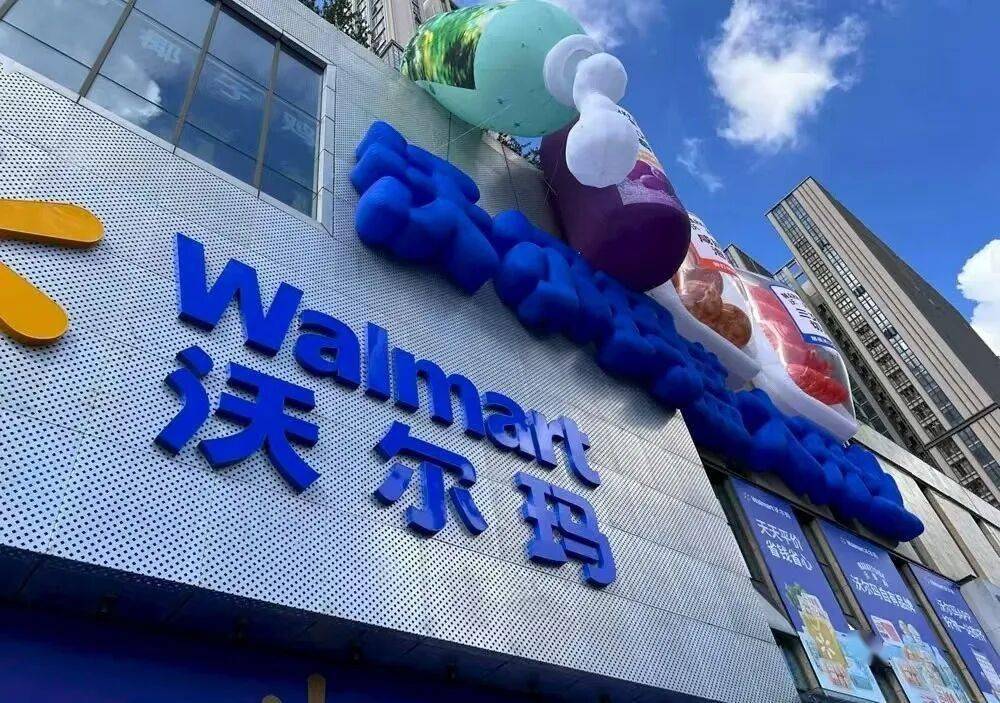
零售巨头激战社区店:沃尔玛、奥乐齐、盒马争夺600-800平米新战场!
Sou Hu Cai Jing· 2025-09-15 07:55
Group 1: Core Insights - The community retail sector is experiencing significant growth, with major players like Walmart, Hema, and Aldi expanding their community store formats to meet consumer demand for convenience and immediacy [2][3][22] - Walmart's community store model emphasizes a "10-minute walking radius" and features around 2,000 selected products in a compact space of approximately 500 square meters, marking a shift from traditional large-format stores [2][4] - The community retail market is projected to reach a scale of 2.8 trillion yuan in 2024, with a compound annual growth rate of 15.3% from 2023 to 2025 [13] Group 2: Competitive Landscape - Hema's community store "Super Box" has nearly 300 locations, focusing on a streamlined SKU strategy with a maximum of 1,500 products and store sizes between 600-800 square meters [6] - Aldi has begun expanding beyond Shanghai, with its first store in Wuxi achieving sales of over 1 million yuan on its opening day, utilizing aggressive pricing strategies [8] - Meituan's discount supermarket "Happy Monkey" plans to open 10 stores by 2025, with a long-term goal of 1,000 locations [10] Group 3: Business Model and Strategy - The hard discount model is characterized by a focus on supply chain efficiency, with a significant reduction in SKU counts to enhance purchasing power and maintain quality at lower prices [11] - The integration of instant retail with hard discounting allows for a new operational model where stores serve as both sales points and local warehouses, enabling rapid delivery services [12] - The average gross margin in the hard discount sector is only 10-15%, necessitating a careful balance between scale expansion and cost control to maintain profitability [11] Group 4: Consumer Trends - Over 60% of consumers in Shanghai prioritize "low price without compromising quality," indicating a shift in perception towards hard discounting [16] - Fresh produce remains a key driver of sales in discount stores, highlighting the importance of quality alongside competitive pricing [16] - The consumer expectation for "good quality at a reasonable price" is becoming increasingly prevalent, with over 70% of consumers expressing this sentiment [15] Group 5: Market Potential - The community retail market in China is still in its early stages, with a projected market size of 3.5 trillion yuan by 2025 [13] - The penetration rate of hard discount retail in China is currently only 8%, compared to 42% in Germany and 31% in Japan, indicating substantial growth potential [20][21] - The hard discount market in China is expected to grow at a compound annual growth rate of 5.6% over the next decade, outpacing traditional hypermarkets [21]


8月快手酒水销售,价格下探趋势持续扩散
Xin Lang Cai Jing· 2025-09-15 03:22
Core Insights - The article discusses the ongoing price war in the liquor industry, particularly in the e-commerce sector, leading to a significant drop in the average prices of various alcoholic beverages [1][2] - The data indicates a shift in consumer purchasing behavior towards lower-priced products across different categories, including baijiu, beer, and wine [4][6] Baijiu Market - In August, the sales distribution of baijiu on Kuaishou showed a decline in the 100-800 yuan price range, with the 100-300 yuan, 300-500 yuan, and 500-800 yuan segments dropping by 5%, 7%, and 1% respectively [2] - Conversely, the share of sales for baijiu priced below 100 yuan increased from 20.92% to 26.52%, while those above 800 yuan rose from 8.76% to 16.96% [2] - The top-selling baijiu brands in the 800 yuan and above category included Jinhuijiu and Wuliangye, indicating a growing demand for premium brands, although the majority of sales still came from private label or smaller brands [3] Beer Market - The proportion of beer sales priced below 100 yuan surged from 63.11% to 81.16%, while the 100-300 yuan segment fell from 36.67% to 17.42% [4][5] - The price sensitivity of consumers in the beer category has increased due to the ongoing price wars, leading to significant price reductions [5] - Major brands like Qingdao Beer and Heineken remain popular, alongside a growing interest in craft beers [5] Wine and Huangjiu Market - The sales of wine on Kuaishou remained stable, with 41.49% of sales occurring in the under 100 yuan category, slightly up from 39.27% [6] - Lafite continues to dominate the wine market, particularly in the 800 yuan and above segment, where it holds four out of the top five positions [6] - Huangjiu sales also reflected a downward price trend, with the under 100 yuan category rising from 15.73% to 21.13% [7] Overall Market Trends - The overall trend in the liquor market is a downward shift in consumer prices, influenced by the rise of new sales channels and e-commerce platforms [8] - Major brands are increasingly focusing on instant retail channels to attract younger consumers, indicating a significant shift in industry dynamics [8]

听听CEO如何理解菜鸟
Hu Xiu· 2025-09-15 02:33
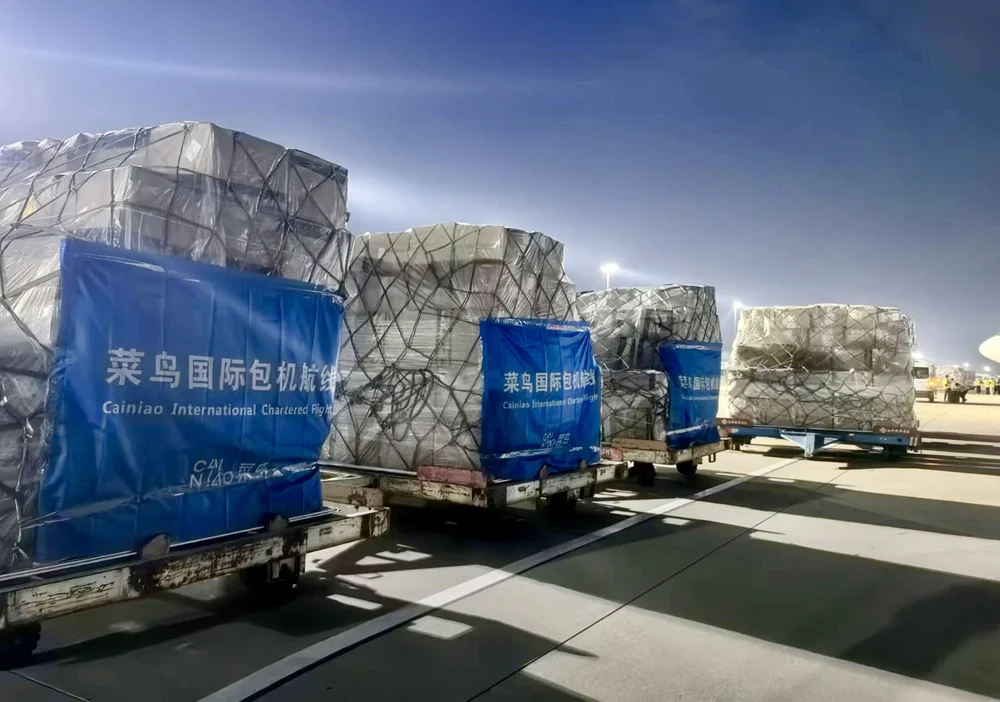
Core Insights - The CEO of Cainiao, Wan Lin, shared insights on the logistics industry and e-commerce trends, highlighting the challenges and transformations faced by the sector [2][3][15] Industry Overview - The e-commerce penetration rate in China is nearing 50%, with an annual increase of 2% in retail sector penetration, while emerging markets like Southeast Asia and Latin America are growing at approximately 15% annually [5] - Global average growth has slowed from double digits to around 8% after two decades of rapid development [5] - Recent changes in U.S. tariff policies have led to adjustments in other countries, impacting cross-border logistics costs and standards [6] Supply Chain Transformation - The integration of B2B and B2C supply chains is becoming mainstream as e-commerce penetration increases, necessitating a more efficient supply chain model [7] - The rise of instant retail in China is driving the need for a sustainable supply chain that balances cost, efficiency, and customer experience [7] Logistics Model Evolution - The logistics model is shifting from single market reliance to a "multi-center + combination model" to mitigate tariff risks, with a focus on diversified logistics strategies [9] - There is an increasing demand for stability in logistics networks, prompting businesses to expand into emerging markets and globalize their logistics coverage [9] Technological Advancements - The logistics transformation is supported by technological upgrades, particularly in AI and automation, enhancing efficiency and service capabilities [11] - Cainiao has invested in logistics autonomous vehicles since 2016, indicating a long-term commitment to this technology [12] Cainiao's Strategic Focus - Cainiao currently offers seven products with a sales scale exceeding 100 million, emphasizing its integrated capabilities and strong R&D team [16] - The company aims to be more open and serve a wider range of clients beyond Alibaba, focusing on building a public logistics network [17] - Cainiao's strategy includes global supply chain optimization, cross-border logistics, and local delivery solutions [19][21] Global Expansion and Local Delivery - Cainiao has expanded its local logistics network to nine countries, with plans to deepen its presence rather than rapidly expand to new markets [24] - The local network supports same-day and next-day delivery demands, creating synergies with cross-border and overseas warehouse networks [25]
新华每日电讯整版聚焦“外卖大战”
Bei Jing Ri Bao Ke Hu Duan· 2025-09-15 01:52
Core Viewpoint - The ongoing "subsidy war" among food delivery platforms has created a vicious cycle for many restaurants, leading to a situation where not participating results in a loss of traffic, while participation leads to price cuts and losses [1][2][3] Group 1: Impact on Restaurants - Many small and medium-sized restaurants are caught in a dilemma of whether to engage in the delivery business and how to handle the aggressive subsidies [2][3] - A restaurant owner reported that a dish priced at 21.8 yuan only yields 11.33 yuan after subsidies, with the majority of the subsidy burden falling on the restaurant rather than the platform [2][3] - The increase in order volume does not translate to increased revenue, as many restaurants experience a rise in orders but stagnant income [6][11] Group 2: Market Dynamics - The "subsidy war" has led to a phenomenon where order volumes increase while revenue remains stagnant, indicating a misalignment in the market [11][12] - The competition has intensified, with platforms focusing on large chain brands, leading to a situation where small businesses struggle to survive [12][23] - The market is witnessing a shift where platforms prioritize their own efficiency and profits, often at the expense of smaller merchants [12][22] Group 3: Regulatory Response - The National Development and Reform Commission has proposed rules to curb irrational competition and protect the pricing rights of operators [13][14] - Recommendations include improving platform algorithm governance, reducing the burden on businesses, and fostering a more balanced market environment [14][15] Group 4: Future Outlook - Experts suggest that the competition may eventually lead to a focus on quality rather than price, which could benefit the industry in the long run [5][14] - Platforms like Meituan and JD are taking steps to support small merchants and improve their operational conditions amidst the ongoing competition [18][23]
阿里巴巴-W(09988):FY2026Q1点评:大消费和AI+云两大战略持续投入,业绩表现超出预期
Changjiang Securities· 2025-09-14 14:12
Investment Rating - The investment rating for Alibaba is "Buy" and is maintained [6]. Core Views - The recent financial report highlights operational strengths, including significant contributions from Taobao Flash Sales and cloud business growth exceeding expectations. The ongoing capital expenditure is expected to drive user engagement and open a second growth curve for the cloud business, indicating a positive investment outlook for the company [2][7]. Financial Performance Summary - For FY2026 Q1, Alibaba reported revenue of 247.7 billion RMB, a year-on-year increase of 2%. Excluding disposed businesses, revenue growth was 10%. Non-GAAP net profit reached 33.5 billion RMB, down 18% year-on-year [4][7]. - The e-commerce segment saw customer management revenue grow by 10%, driven by an increase in take rate. Instant retail revenue, including Taobao Flash Sales and Ele.me, reached 14.8 billion RMB, up 12% year-on-year. The number of 88VIP members grew by double digits, exceeding 53 million [7]. - The international digital commerce segment reported a 19% revenue increase, with international retail and wholesale businesses growing by 20% and 13%, respectively. EBITA losses were significantly reduced by 3.6 billion RMB, attributed to improved logistics and operational efficiency [7]. - The cloud computing business achieved revenue of 33.4 billion RMB, a 26% year-on-year increase, driven by public cloud services and AI-related product adoption. EBITA for the cloud segment was 2.95 billion RMB, also up 26% year-on-year [7]. - Capital expenditures for FY2026 Q1 were 38.7 billion RMB, a 220% increase year-on-year, leading to a net cash outflow of 18.8 billion RMB [7]. Financial Forecast - The forecast for Non-GAAP net profit for FY2026-2028 is projected at 125.6 billion RMB, 172.9 billion RMB, and 204.5 billion RMB, respectively [7].
休闲零食两极分化加剧:量贩冲击传统巨头,即时零售入局增加变量
Sou Hu Cai Jing· 2025-09-13 13:45
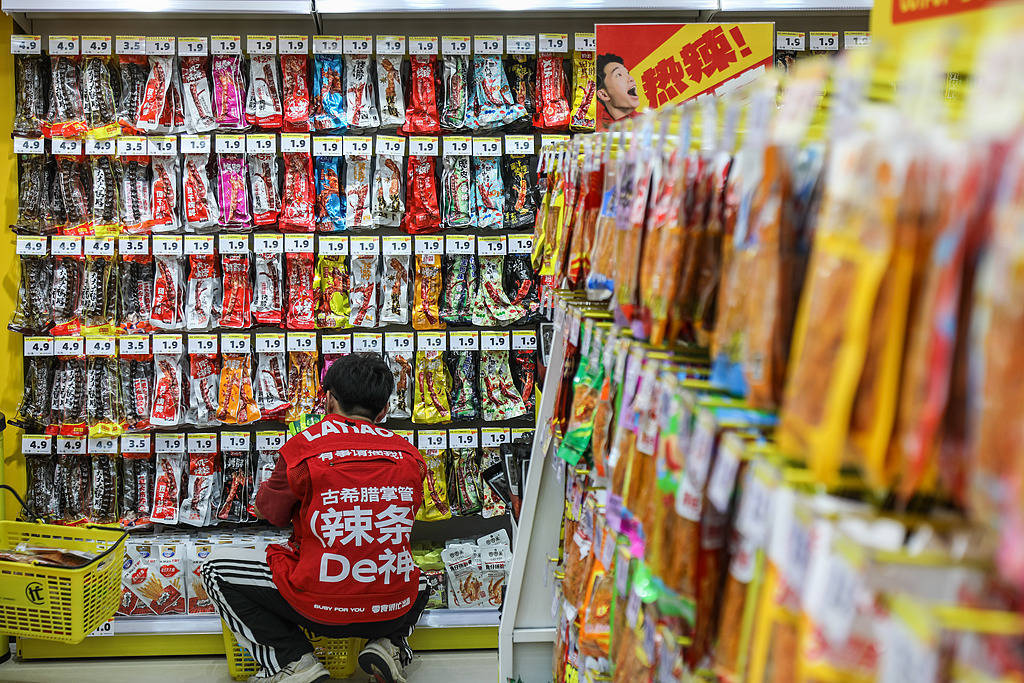
Core Insights - The rise of discount snack stores is reshaping the snack retail landscape in China, with significant growth in the volume and profitability of leading companies in this sector [4][5][6]. Industry Overview - Traditional snack giants are facing pressure, while discount snack leaders like Wancheng Group and Mingming Hen Mang are experiencing explosive growth, with Wancheng's net profit increasing over 500 times year-on-year [3][5]. - The market share of discount stores is projected to exceed 40% in 2024, surpassing supermarkets and e-commerce channels [5]. Company Performance - Wancheng Group reported a revenue of 323.3 billion yuan in 2024, a year-on-year increase of 247%, with a net profit of 2.93 billion yuan, up 453% [6]. - Mingming Hen Mang has also shown rapid growth, with over 20,000 stores nationwide and a significant increase in revenue from 42.86 billion yuan in 2022 to 393.43 billion yuan in 2024 [6][7]. Business Model - Discount snack stores operate on a low-margin model, with average gross margins around 10%, allowing them to offer lower prices compared to traditional retail channels [9][10]. - The focus on private label products and high turnover rates supports their business model, enabling them to attract price-sensitive consumers [11][12]. Market Dynamics - The integration of instant retail platforms is enhancing the growth of discount snack stores, with significant order increases reported through partnerships with platforms like Meituan [13][14]. - The overall snack market in China is expected to reach 1.2378 trillion yuan by 2027, indicating a shift from rapid growth to a more stable market [15]. Competitive Landscape - The competition among discount snack retailers is intensifying, with many companies collaborating with discount platforms to boost sales [7][13]. - The future of the market will depend on balancing brand value with cost efficiency, as well as innovation in supply chain management and customer loyalty [15][16].
酒业消费之变,悦己是最核心的演变?
Sou Hu Cai Jing· 2025-09-13 08:11
Core Insights - The alcohol industry is facing pressures from policy fluctuations and environmental changes, necessitating adaptation to evolving consumer preferences and logic [1] Group 1: Changing Consumer Demographics - Young consumers are increasingly becoming the dominant force in the alcohol market, with a shift from older generations to younger ones like the 90s and 00s [2][4] - Current data shows that 45.45% of alcohol consumers are aged 31-40, while 35.23% are aged 26-30, indicating a generational shift in consumption patterns [2] - The proportion of first-tier city consumers is declining, with second-tier cities accounting for 34.78% of users, particularly strong in the Southwest region [2] Group 2: Evolving Consumption Preferences - The new generation of consumers prefers "less drinking, better drinking," leading to a rise in demand for lower-alcohol and healthier products [4][5] - Health considerations are significant, with 21.15% of consumers refusing to drink white liquor for health reasons, and mid-range priced alcohol being the most popular choice at 37.22% [5] - Social drinking scenarios are changing, with gatherings among friends (43.75%) and self-drinking (39.2%) becoming more common, while business banquets have decreased to 38.21% [5] Group 3: Transformation of Consumption Scenarios - New consumption scenarios are emerging, with instant retail and other modern settings replacing traditional social and business drinking occasions [6] - The instant retail market for alcohol is projected to reach nearly 20 billion yuan in 2023, reflecting a shift towards convenience and immediacy in consumer behavior [6] - Young consumers favor online shopping and are less interested in traditional purchasing methods, with leisure activities like camping and home viewing driving the growth of low-alcohol products [8] Group 4: Future Trends and Innovations - The alcohol industry is expected to evolve towards more functional products, such as health drinks with added probiotics and collagen, driven by consumer demand [10] - Digital penetration is anticipated to significantly impact the market, with projections suggesting that the instant retail scale could reach 100 billion yuan by 2030 [12] - The industry is transitioning from being a "social tool" to a "lifestyle companion," focusing on capturing the needs for health, emotion, and efficiency [13]