
供应链管理

Search documents
以武汉为中枢迈向全球标杆
Sou Hu Cai Jing· 2025-11-26 00:49
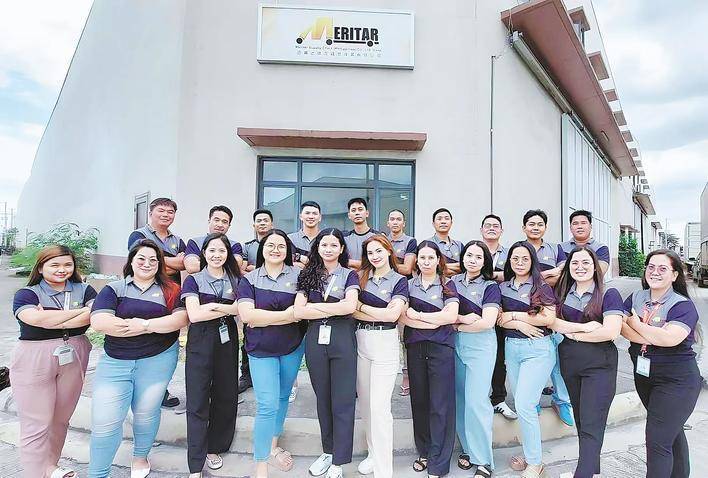
Core Insights - The overseas business revenue of Mairida Supply Chain Co., Ltd. has surged 16 times over the past five years, indicating significant growth and expansion in international markets [1][4] - The company aims to establish itself as a global benchmark in the supply chain sector, leveraging its headquarters in Wuhan for research and innovation [5] Company Overview - Mairida was founded in 2012 and operates under a unique model combining supply chain management software with intelligent logistics equipment [4] - The company has established 21 branches across China, covering major automotive production bases, and has subsidiaries in countries such as the Philippines, Malaysia, Mexico, South Korea, and Indonesia [4] Business Growth - Mairida's overseas revenue has increased from 3 million yuan in 2020 to nearly 50 million yuan, showcasing rapid growth in international operations [4] - The introduction of the APEC Business Travel Card has significantly streamlined the process for overseas business trips, reducing visa waiting times by an average of 1 to 2 weeks [5] Government Support - The Wuhan government has actively supported Mairida by facilitating the application process for APEC cards and organizing collective overseas activities, which lowers the trial-and-error costs for companies venturing abroad [5] - The efficient processing of APEC card applications has enhanced the company's ability to respond quickly to urgent client meetings, thereby increasing customer trust and satisfaction [5]

国投证券:联想业绩超预期 从容应对供应链价格上涨
Ge Long Hui· 2025-11-25 09:11
Core Insights - Lenovo Group reported record-high revenue and profit, exceeding market expectations, with AI business emerging as the core growth engine in Q2 FY26 [1][2] - The company achieved double-digit growth across its three business groups and global markets, indicating strong long-term growth potential under its AI strategy [1] Business Segment Summaries Intelligent Devices Group (IDG) - IDG revenue in Q2 FY26 increased by 11.8% year-on-year to $15.11 billion, with an operating profit margin of 7.3% [1] - The company achieved a historic high of 25.6% market share in the global PC market, up by 1.8 percentage points year-on-year [1] - Smartphone activations reached a record high, particularly strong performance in the Asia-Pacific region, with significant growth in high-end models in India [1] Infrastructure Solutions Group (ISG) - ISG revenue surged by 23.7% year-on-year to $4.09 billion, although the segment reported an operating loss of $120 million, with an improved loss margin of 0.8% [1] - AI infrastructure became the core growth driver, supported by cloud and enterprise infrastructure [1] - Despite increased investments for AI capabilities and business transformation, local product advantages and ODM+ model optimization led to steady improvement in profit margins in the Chinese market [1] Solutions and Services Group (SSG) - SSG revenue grew by 18.1% year-on-year to $2.56 billion, achieving a historic high with an operating profit margin of 22.3% [2] - The revenue from operations and project solutions accounted for 58.9%, with TruScale subscription service orders experiencing triple-digit year-on-year growth [2] - The company is focusing on AI development centered around individuals and enterprises, aiming to create growth opportunities in various AI terminal devices and hybrid infrastructures [2] Supply Chain Management - Lenovo is prepared to address ongoing storage supply shortages and price increases, which may persist into next year [3] - The company has secured long-term agreements with key component suppliers to ensure supply for the upcoming quarters [3] - As a major buyer in the industry, Lenovo plans to manage cost pressures through product launches and pricing adjustments for B2B and government clients, aiming to maintain market share despite supply chain fluctuations [3]

顺络电子:公司通过与供应链长期合作可以相对实现平抑由于原材料价格高波动带来的影响
Zheng Quan Ri Bao Zhi Sheng· 2025-11-24 09:35
Core Viewpoint - The company emphasizes that precious metals constitute a small portion of raw material costs, and as electronic components trend towards being "light, thin, short, and small," the consumption of raw materials per product is decreasing, leading to a limited impact on production costs and gross margin [1] Group 1: Raw Material Costs - Precious metals have a minor share in the overall raw material costs [1] - The trend towards smaller electronic components results in reduced raw material consumption per unit [1] - The impact of raw material costs on gross margin is becoming increasingly negligible [1] Group 2: Supply Chain Management - The company has established long-term partnerships with suppliers, particularly within the domestic supply chain, which helps mitigate the effects of raw material price volatility [1] - Strong supply chain management capabilities are highlighted as a competitive advantage [1] Group 3: Innovation and Efficiency - Continuous technological, process, and equipment innovations are being pursued to enhance production efficiency [1] - The company engages in early-stage research and design with key clients, ensuring high automation levels and ongoing improvements in technology and processes [1] - These innovations significantly contribute to maintaining the company's gross margin levels [1]

当外卖带不动电商,茶饮行业开始入冬
雷峰网· 2025-11-21 09:31
Core Viewpoint - The takeaway from the article is that the current food delivery war mirrors the e-commerce subsidy wars of the past, characterized by aggressive price cuts and subsidies that disrupt industry norms and create unsustainable business models for tea beverage brands [4][40]. Group 1: Industry Dynamics - The tea beverage industry is experiencing a significant downturn as seasonal demand declines and platform subsidies wane, leading many businesses to express concerns about survival through the winter [4][6]. - The delivery war has resulted in a drastic increase in the number of tea beverage outlets, with a net addition of 26,000 stores in the third quarter alone, nearly doubling year-on-year [6]. - The high return rates and pressures faced by downstream e-commerce businesses, such as the 90% return rate in women's apparel, reflect the broader challenges within the industry [4]. Group 2: Financial Implications - Luckin Coffee reported delivery expenses of 2.89 billion RMB in Q3, significantly higher than the previous year, consuming all incremental profits for the season [5][16]. - The financial performance of brands like Mixue Ice City has also suffered, with stock prices dropping from 600 HKD to 376 HKD, indicating diminishing returns from delivery subsidies [5]. - The article highlights that during the peak of the subsidy war, brands like Nai Xue's Tea saw a 50% increase in delivery orders, but the profitability per order was severely compromised, averaging only 4-5 RMB after costs [11][30]. Group 3: Market Behavior and Consumer Trends - The article notes a shift in consumer behavior, with over half of the increased order volume during the delivery war coming from tea and coffee, compared to only 20% the previous year [10]. - The delivery war has altered the business model for tea brands, with the ratio of dine-in to delivery orders shifting dramatically from 3:1 to 1:7 for many businesses [21][22]. - There is a growing concern among tea beverage entrepreneurs that consumers may become accustomed to lower prices due to subsidies, making it difficult to revert to higher price points post-subsidy [16]. Group 4: Strategic Responses - To adapt to the changing landscape, tea brands are focusing on building membership systems and enhancing private domain operations to retain existing customers and attract new ones [32][34]. - The article suggests that effective supply chain management is crucial for brands to survive and thrive, emphasizing the need for higher cost-performance ratios rather than just low prices [33][36]. - Brands like Gu Ming have successfully leveraged their supply chain capabilities to handle sudden spikes in order volume, showcasing the importance of operational efficiency in a competitive market [36].



The Gap, Inc.(GAP) - 2026 Q3 - Earnings Call Transcript
2025-11-20 23:00
Financial Data and Key Metrics Changes - Gap Inc. reported Q3 net sales of $3.9 billion, up 3% year-over-year, with comparable sales increasing by 5%, marking the highest quarterly comp in over four years [21][19] - Operating margin for Q3 was 8.5%, down 80 basis points from last year, impacted by tariffs, but underlying margin expansion was approximately 110 basis points [23][20] - Earnings per share decreased by 14% to $0.62 compared to $0.72 last year, primarily due to tariff impacts [23][22] Business Line Data and Key Metrics Changes - Old Navy's net sales reached $2.3 billion, up 5% year-over-year, with comparable sales increasing by 6% [21] - Gap brand net sales were $951 million, up 6%, with comparable sales up 7%, marking the eighth consecutive quarter of positive comps [21] - Banana Republic's net sales were $464 million, down 1% year-over-year, but comparable sales increased by 4% [21] - Athleta's net sales decreased by 11% to $257 million, with comparable sales also down 11% [22] Market Data and Key Metrics Changes - Old Navy gained market share consistently over the last two years, becoming the number one specialty apparel brand in the U.S. [38] - Gap is now the number six adult denim brand in the U.S., up from eight last year, reflecting strong performance in the denim category [34][35] Company Strategy and Development Direction - The company is focused on brand reinvigoration, with a playbook that has resulted in seven consecutive quarters of comp growth [5][6] - Strategic partnerships, such as collaborations with Disney and Anna Sui, are being leveraged to enhance brand relevance and attract new customers [9][39] - The company plans to expand into the beauty category, starting with Old Navy, as part of its growth strategy [9] Management's Comments on Operating Environment and Future Outlook - Management expressed confidence in the company's momentum heading into Q4 and beyond, with an updated full-year outlook for net sales growth at the high end of the prior range [18][26] - The company is taking a balanced view of the macroeconomic environment, acknowledging potential uncertainties related to consumer behavior [26] - Management emphasized the importance of maintaining a strong value proposition for consumers while managing pricing and inventory effectively [51] Other Important Information - The company ended Q3 with cash and short-term investments of approximately $2.5 billion, an increase of 13% year-over-year [24] - The company is committed to achieving $150 million in cost savings in core operations, with plans to reinvest a portion into future growth projects [28] Q&A Session Summary Question: What drove the strong comp acceleration at the Gap banner? - Management attributed the strong comp acceleration to effective strategy execution, compelling product assortments, and successful marketing campaigns [32][33] Question: What surprised the upside versus initial expectations on gross margin? - The outperformance in gross margin was driven by better-than-expected average unit retail (AUR) and lower discounting [36] Question: How is the store fleet performing and what investments are needed? - The company is optimizing its retail footprint by closing underperforming stores and testing new formats, with plans for selective investments [42][43] Question: How is the consumer behavior across different income cohorts? - Management noted consistent strength in customer behavior across all income cohorts, with strong performance from both low and high-income consumers [50] Question: What is the outlook for Athleta's sales stabilization? - Athleta is undergoing a reset year, focusing on long-term success and aligning inventory with lower sales trends [55]
以史为鉴,内存涨价对手机行业影响有多大?
Hua Er Jie Jian Wen· 2025-11-20 13:19
Core Insights - The memory supply chain is experiencing a surge driven by strong AI demand, leading to a price increase cycle for memory chips, with mobile DRAM contract prices expected to rise by 30%-40% in Q4 2025 and NAND prices increasing by a high single-digit percentage, potentially continuing into mid-2026 [1][2] Group 1: Impact on Different Smartphone Segments - The impact of rising memory prices varies significantly across smartphone segments, with mid-range and low-end models like the Redmi series being the most affected, where memory costs account for over 10% of ASP, potentially leading to a 2-3 percentage point decline in gross margins for Xiaomi [1][3][4] - High-end models, such as the iPhone, are less affected as memory costs constitute only 4% of ASP, indicating a stronger resilience against price hikes [3][4] Group 2: Market Dynamics and Manufacturer Strategies - The surge in AI demand is fundamentally different from past price fluctuations driven solely by supply-demand cycles, with AI servers requiring eight times the DRAM and three times the NAND compared to regular servers, prompting major chip manufacturers like Samsung and SK Hynix to shift production focus from low-margin LPDDR chips to high-margin HBM products [2][6] - The ongoing supply tightness is exacerbated by chip manufacturers pausing quotes, creating a dilemma for smartphone manufacturers caught between the risks of purchasing at inflated prices or facing shortages [2][6] Group 3: Historical Context and Future Trends - Historical trends indicate that memory price increases often lead to market consolidation, with smaller brands struggling to adapt and potentially exiting the market, while leading companies gain market share [7] - The current environment is prompting manufacturers to adopt new survival strategies, including high-end product line expansions, improved supply chain management, and technological innovations to mitigate cost pressures [6][7]
前博世中国总裁陈玉东加盟小鹏 何小鹏的供应链“革命”还未结束
Jing Ji Guan Cha Wang· 2025-11-20 07:28
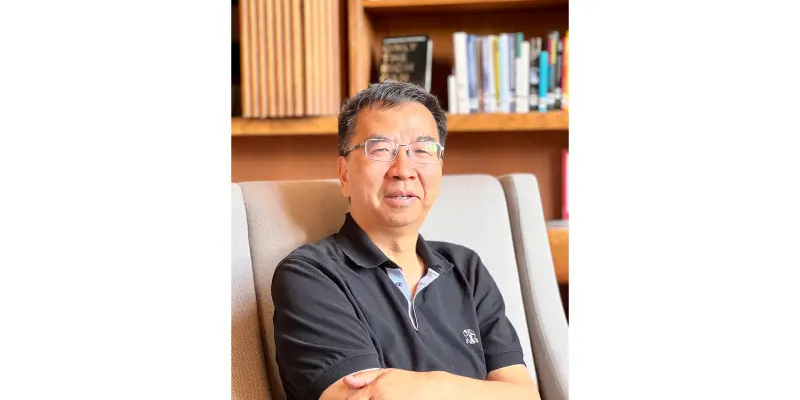
Core Insights - Xiaopeng Motors appointed Chen Yudong, former president of Bosch China, as an independent non-executive director, effective January 1, 2026, for a three-year term with an annual salary of $80,000, indicating ongoing transformation in its supply chain [2][4] Group 1: Appointment and Background - Chen Yudong, aged 64, is recognized as a key figure in the automotive supply chain, holding degrees from Chongqing University, the University of Michigan, and Michigan State University [2] - He has extensive experience in the automotive sector, having worked at Delphi Automotive and Bosch, where he served as president for 13 years until his retirement in January 2024 [2][3] - Under Chen's leadership, Bosch China saw sales grow from 37.3 billion RMB in 2010 to 132.1 billion RMB in 2022, with a compound annual growth rate of 11% [2] Group 2: Industry Transformation and Strategy - Chen Yudong has been proactive in adapting to the automotive industry's shift towards software-defined vehicles, restructuring Bosch China to focus on smart driving and cost reduction strategies [3] - Following his retirement, Bosch restructured its automotive business into "Bosch Intelligent Transportation," enhancing decision-making capabilities in China [3] Group 3: Impact on Xiaopeng Motors - Xiaopeng Motors has shown signs of recovery, with a gross margin of 13.1% and a reduced loss of 380 million RMB in its latest quarterly report, aiming for breakeven in Q4 [4] - Chen's appointment is expected to improve Xiaopeng's supply chain management and procurement efficiency, addressing previous issues highlighted by partners like Volkswagen and former executives [4][5] - The board of Xiaopeng Motors now includes experienced figures from the automotive industry, indicating a strategic move to enhance management and operational effectiveness [5]

联想集团:对下半财年PC及ISG实现“双位数增长”保持信心
Zheng Quan Shi Bao Wang· 2025-11-20 00:17
人民财讯11月20日电,近期,存储等核心元器件成本出现温和上涨,市场对终端厂商盈利能力保持担 忧。11月20日,联想集团表示,成本端变化增强了客户"前置采购"意愿,带动下游渠道积极补库;同 时,相较于行业平均水平,联想在供应链的灵活度与风险吸收能力具备显著优势,能够在需求变化和成 本波动中保持更高的响应效率与供给韧性。因此,联想对下半财年PC及ISG的"双位数增长"保持信心, 并将继续推动市占率提升。 ...
新茶饮“造富”神话,仍在持续
3 6 Ke· 2025-11-19 12:48
Core Insights - The article highlights the booming IPO activity of Chinese new tea brands in 2025, marking it as the "Year of New Tea Drink IPOs" with multiple brands going public in quick succession [1][2] - The competitive landscape of the new tea drink industry is largely determined by the number of stores, with leading brands like Mixue Ice Cream and Tea, and Gu Ming having significant store counts [2][3] - The article emphasizes the importance of supply chain management and differentiation in driving the success of tea brands in the capital market [8][11] Group 1: IPO Activity - The IPO of Hu Shang A Yi on May 8, 2025, saw its opening price rise by 68% compared to the issue price, continuing the trend of successful listings in the new tea drink sector [1] - Other notable IPOs include Gu Ming in February, Mi Xue Ice City in March with a subscription rate of 1145 times, and Ba Wang Tea Ji in April, which became the first Chinese tea brand listed on NASDAQ [1] - The article mentions the previous listings of Nayuki and Cha Bai Dao, bringing together the "Six Little Dragons" of the new tea drink industry [1] Group 2: Store Count as a Key Indicator - Store count is identified as a critical metric for determining brand positioning in the new tea drink market, with Mixue leading with 44,000 stores [2] - As of September 2025, Gu Ming had increased its store count by 507 since June, while Hu Shang A Yi joined the "10,000 store club" with 10,739 stores [2] - Sweet Lala is preparing for an IPO in 2025, currently operating 6,382 stores, with plans to expand further into rural areas [3] Group 3: Supply Chain Management - The article discusses the significance of supply chain efficiency in the new tea drink sector, with brands like Cha Yan Yue Se investing heavily in self-built supply chains to control quality and costs [8][10] - Sweet Lala employs a mixed model of self-production and large-scale procurement, while also establishing production bases to enhance supply chain capabilities [10] - The competitive advantage in the new tea drink market is increasingly tied to the ability to manage supply chains effectively, as brands seek to differentiate themselves [8][11] Group 4: Differentiation Strategies - The new tea drink market is experiencing a shift towards differentiation, with brands like Jasmine Milk White focusing on unique flavor profiles and product offerings [11][13] - Tea Yan Yue Se has diversified its business by developing sub-brands, enhancing consumer trust and engagement [11][14] - The article notes that successful brands are leveraging unique product offerings and strong supply chain management to attract both consumers and investors [11][15]
百思特供应链管理咨询公司:破解企业痛点,构建高效低成本供应链体系
Sou Hu Wang· 2025-11-19 06:10
Core Insights - The article emphasizes the transformation of supply chains from backend support to a key competitive advantage in the context of digital transformation and global competition [1] - It highlights the structural challenges faced by domestic companies, such as low efficiency, high costs, and slow response times, which hinder their ability to adapt to rapidly changing market demands [1] Group 1: Supply Chain Management Challenges - Six core pain points restrict the sustainable development of supply chains: strategic disconnection, fragmented processes, data silos, slow response times, uncontrolled costs, and vulnerability to risks [2] - Strategic disconnection occurs when supply chain planning does not align with corporate strategy, leading to a gap between strategy and operations [2] - Fragmented processes result in delays in information transfer and a disconnect between production plans and market demands, causing both inventory surplus and shortages [2] - Data silos hinder precise forecasting and real-time management due to the lack of a unified platform [2] - Slow response times to personalized demands and rapid product iterations can lead to missed market opportunities [2] - Uncontrolled costs arise from inadequate cost management mechanisms across procurement, warehousing, and logistics, resulting in high total supply chain costs [2] - Vulnerability to risks is exacerbated by the absence of a business continuity management system, making companies susceptible to disruptions [2] Group 2: Integrated Supply Chain (ISC) Solution - The ISC solution by Best Management Consulting focuses on a framework that integrates strategy, processes, organization, IT, and data to enhance supply chain competitiveness [3] - It aims to create an end-to-end, replicable, and upgradeable supply chain system by connecting all processes from order to reverse logistics [3] Group 3: Strategic Planning Layer - The solution involves developing a comprehensive supply chain strategy aligned with long-term corporate goals [4] - It includes designing specialized strategies for procurement, logistics, and inventory management [5] - Risk and resilience assessments are conducted to establish a business continuity management system [6] - Collaboration with R&D and marketing systems is emphasized for effective integration [7] Group 4: Process Design Layer - The solution optimizes the order management system to cover the entire order lifecycle [8] - It establishes a sales and operations planning (S&OP) system to enhance monthly production and sales coordination [9] - The manufacturing process is re-engineered to shift from push to pull production, increasing flexibility [10] - Logistics systems are planned to optimize transportation routes and implement multi-modal transport [11] - Reverse logistics processes are standardized for efficient returns and remanufacturing [12] Group 5: Business Operations Layer - The solution upgrades forecasting and planning modules using AI-driven models to improve accuracy [13] - It enhances procurement systems through supplier classification and digital platforms for transparency [14] - Manufacturing flexibility is improved with a one-flow production layout [15] - Smart warehousing systems are deployed to optimize inventory management [16] - Logistics costs and efficiency are improved through strategic planning [17] Group 6: Support and Sustainability Layer - The solution ensures alignment of supply chain organization and human resources with clear responsibilities [18] - A performance and incentive system is designed to link KPIs with employee performance [19] - IT system integration is prioritized for real-time data sharing and training [20] - Data governance mechanisms are established to ensure efficient data management [21] Group 7: Case Studies - The case of Mindray Medical highlights the restructuring of its forecasting system and S&OP mechanism, leading to improved operational efficiency and inventory management [22][23][24][25] - The case of Feihe Dairy illustrates the establishment of a supply chain system that supports rapid expansion and aligns with its fresh strategy, resulting in enhanced planning efficiency and inventory turnover [26][27][28][29][30][31][32][33][34][35][36] Conclusion - Supply chain optimization is a long-term strategic practice rather than a simple fix, and choosing the right partners is crucial for overcoming bottlenecks and achieving breakthroughs [37] - Best Management Consulting leverages over 20 years of industry experience to provide integrated supply chain solutions that enhance efficiency, cost advantages, and resilience [38]