稳定币监管

Search documents
稳定币潮 涌头部公募谨慎试水新蓝海
Shang Hai Zheng Quan Bao· 2025-07-13 14:45
Group 1 - The core viewpoint is that the implementation of the Hong Kong Stablecoin Regulation on August 1 marks the beginning of a trillion-dollar market, prompting major public fund institutions to cautiously explore this new financial ecosystem while actively advancing their business layouts [2][4][9] - Major public fund institutions are adopting a dual approach, focusing on both business development and maintaining a prudent attitude towards the emerging investment landscape [2][11] - Compliance is emphasized as a critical factor in navigating the new investment environment, with institutions acknowledging the need to find their positioning and establish differentiated competitive advantages [2][4][11] Group 2 - The heat surrounding stablecoins is increasing as the regulation's effective date approaches, with significant stock price movements observed in related companies, such as Guotai Junan International, which saw a 198% increase [3] - The rise of stablecoins is expected to lead to a transformation in trading methods and financial infrastructure, with predictions of a 24/7 trading environment enabled by blockchain technology [6][9] - The potential for tokenization of real-world assets (RWA) is highlighted, with ongoing explorations into how stablecoins can facilitate transactions and improve efficiency in both virtual and traditional asset markets [4][6][9] Group 3 - The regulatory framework established by Hong Kong is seen as a significant step towards providing the necessary regulatory certainty for the stablecoin industry, which is crucial for fostering innovation in the financial sector [4][10] - Institutions are actively participating in sandbox initiatives to test new digital currency models and tokenized asset transactions, indicating a collaborative effort to explore the future of finance [9][10] - The introduction of virtual asset ETFs by major public funds in Hong Kong represents an initial attempt to engage with virtual currency assets, showcasing the growing interest and involvement of Chinese asset management firms in this space [10]


稳定币:锚定未来?
Hu Xiu· 2025-07-12 13:14
Group 1: Core Insights - The U.S. Senate passed the "GENIUS Act" establishing the first federal regulatory framework for stablecoins, reflecting a global consensus on recognizing stablecoins' legitimacy [1][2] - Major companies like Mastercard and Morgan Stanley are actively exploring stablecoin integration into their payment systems, indicating a growing recognition of stablecoins' commercial value [2][3] - Stablecoins are categorized into three main types: fiat-collateralized, crypto-collateralized, and algorithmic stablecoins, each with distinct mechanisms and risks [3][4][5] Group 2: Market Dynamics - Fiat-collateralized stablecoins dominate the market, accounting for approximately 90% of the total stablecoin market capitalization, with USDT and USDC being the most prominent [8][9] - The use of stablecoins has expanded beyond the crypto industry, finding applications in cross-border payments, daily transactions, and as a hedge against inflation in emerging markets [10][11][15] Group 3: Regulatory Landscape - Various countries are implementing regulations to address the risks associated with stablecoins, including limitations on non-local stablecoins to protect monetary sovereignty [30][31] - The European Union's MiCA regulation categorizes stablecoins and imposes strict requirements on their issuance and operation, aiming to mitigate financial risks and enhance compliance [31][36] Group 4: Strategic Recommendations for China - China should adopt a cautious approach towards stablecoins, focusing on research and regulatory frameworks while considering the unique national context and the existing digital yuan [38][39] - Promoting offshore RMB stablecoins could enhance the internationalization of the yuan and expand its use in emerging digital scenarios [41] - Strengthening the collaboration between stablecoins and the digital yuan can leverage their complementary advantages in cross-border payments and digital asset exchanges [42]
王永利:中国要借鉴稳定币的技术和模式,加快数字人民币进程
2 1 Shi Ji Jing Ji Bao Dao· 2025-07-12 10:20
Group 1 - The development of stablecoins faces challenges but has a profound impact on the monetary financial system, necessitating China to learn from stablecoin technologies and accelerate the digital RMB process to enhance its internationalization [1][3] - Global trends indicate that stablecoins are being regulated, with regions like the US and Hong Kong beginning legislative measures, prompting China to expedite its own regulatory framework for stablecoins, particularly for the RMB stablecoin [3][4] - Post-regulation, stablecoin issuance will require licensing and compliance with anti-money laundering, anti-terrorism financing, and consumer protection regulations, leading to a shift from decentralization to increased centralization [3][4] Group 2 - Regulatory measures will impose strict limits on the issuance of stablecoins, mandating full reserves and independent audits, while prohibiting their use for lending or paying interest, thus reinforcing their role as payment tools [3][4] - The regulation of stablecoins will necessitate enhanced oversight of cryptocurrency trading platforms, particularly in the exchange of crypto assets with fiat currencies, leading to a more standardized development phase in the crypto asset sector [4] - The development of stablecoins provides significant insights for the advancement of China's digital RMB, which should be expedited and designed in both domestic and overseas versions to facilitate internationalization [4]

学者:稳定币创新急需监管,但面临匿名身份识别、资金流向追踪等难点
Guan Cha Zhe Wang· 2025-07-12 00:10
Core Insights - The roundtable at Fudan University focused on the issue of stablecoins from an interdisciplinary perspective, highlighting their role as digital assets that combine the cross-border efficiency of cryptocurrencies with the value stability of fiat currencies [1][4] - Stablecoins are categorized into three main models: fiat-collateralized (e.g., USDT, USDC), crypto-collateralized (e.g., MakerDAO's DAI), and algorithmic [1][5][6] - Regulatory frameworks for stablecoins are emerging globally, with significant legislation such as the EU's MiCA, the US's GENIUS Act, and Hong Kong's Stablecoin Regulation, marking a shift from unregulated to regulated environments [2][4][9] Summary by Category Stablecoin Characteristics - Stablecoins are digital representations of fiat currencies, managed through blockchain technology, allowing for unlimited issuance unlike Bitcoin's capped supply [1][3] - They serve as mediums of exchange, payment methods, and stores of value, often offering higher interest rates than traditional savings [3] Types of Stablecoins - **Fiat-Collateralized**: Examples include USDT and USDC, which are pegged 1:1 to fiat currencies, with USDT facing transparency issues while USDC adheres to US regulatory frameworks [5] - **Crypto-Collateralized**: Such as MakerDAO's DAI, which uses cryptocurrencies like ETH as collateral, typically requiring a collateralization ratio above 150% [6][7] - **Algorithmic**: These stablecoins adjust supply dynamically through smart contracts, but the 2022 UST de-pegging incident revealed vulnerabilities in purely algorithmic mechanisms [6][8] Regulatory Landscape - The introduction of regulations signifies a transition to a more structured environment for stablecoins, with the MiCA law in the EU set to take effect on December 31, 2024, alongside the US and Hong Kong regulations [2][4][9] - Regulatory challenges include identity verification on blockchain, tracking fund flows, ensuring transaction compliance, and coordinating across different jurisdictions [10][11] Future Trends - The future of stablecoins is expected to see a synergy between regulation and innovation, deeper technological integration, and a reshaping of market dynamics, with leading institutions leveraging their technological and capital advantages [2][13]
香港交易所(0388.HK):市场交投活跃延续 看好业绩维持正增
Ge Long Hui· 2025-07-11 02:54
Core Viewpoints - Hong Kong Stock Exchange (HKEX) reported a significant increase in market activity, with the average daily turnover (ADT) reaching HKD 2,376.77 billion in Q2 2025, a year-on-year increase of 95.46% [1][2][3] - The influx of southbound capital has contributed to high trading volumes, with a total net purchase of HKD 2,728.63 billion from April to June 2025, marking a 24.77% increase year-on-year [3][4] - The number of new IPOs in Q2 2025 rose to 27, up by 9 from the same period last year, with total IPO fundraising amounting to HKD 880.43 billion, a year-on-year increase of 906.67% [1][3][5] Market Performance - As of June 2025, the market capitalization of the Hong Kong securities market stood at HKD 42.68 trillion, reflecting a 6.84% increase quarter-on-quarter and a 32.82% increase year-on-year [2] - The Hang Seng Index increased by 4.12% in Q2 2025, while the Hang Seng Tech Index experienced a slight decline of 1.70% [2] IPO and Trading Activity - The surge in IPO activity was driven by major A-share companies listing in Hong Kong, including notable firms like CATL and Hengrui Medicine, which collectively raised HKD 737.72 billion, accounting for 83.79% of the total IPO fundraising in Q2 [3][5] - Derivatives and commodity contracts saw increased trading volumes due to heightened demand for risk hedging, with average daily trading volumes for futures and options reaching 1.54 million contracts in Q2, a 15.34% increase year-on-year [3][4] Investment and Future Outlook - Despite a decline in investment returns due to lower HIBOR rates, the overall yield remains high, with expectations of continued growth in Q2 performance [4][5] - The company maintains a "buy" rating, projecting a target price of HKD 480.08 per share based on a 40x PE ratio for 2025, indicating a favorable outlook for future market activity and valuation recovery [7]

山西证券研究早观点-20250711
Shanxi Securities· 2025-07-11 00:34
Core Insights - The report highlights the implementation of the Stablecoin Regulation in Hong Kong, which aims to create a robust regulatory framework for stablecoins and digital assets, enhancing financial stability [6][7] - The report discusses the advancements in the AI computing sector, particularly the deployment of CoreWeave's GB300 systems, which are expected to significantly enhance AI processing capabilities [9][10] - The report emphasizes the progress in the biopharmaceutical sector, particularly the promising results from clinical trials of PD-1/VEGF dual antibodies for various cancers, indicating a strong potential for market growth [12][14] - The report notes the financial turnaround of Aisuke Co., which achieved profitability in Q2 2025, driven by strong sales of its ABC components and improved operational efficiency [16][17] - The report tracks the pricing trends in the photovoltaic industry, indicating structural price declines in battery cells and modules, while highlighting the competitive advantages of Aisuke's ABC technology [19][20][21] Industry Commentary - The banking sector is undergoing regulatory changes with the introduction of stablecoin regulations in Hong Kong, which is expected to foster a healthier digital asset ecosystem [6] - The communication industry is witnessing significant developments with CoreWeave's deployment of AI computing systems, which is anticipated to drive capital expenditure and investment opportunities [9][10] - The biopharmaceutical industry is experiencing advancements in cancer treatment, particularly with the PD-1/VEGF dual antibodies showing promising clinical trial results [12][14] - The renewable energy sector, particularly solar energy, is facing pricing pressures, but companies like Aisuke are leveraging innovative technologies to maintain competitive advantages [19][20][21] Company Analysis - Aisuke Co. has reported a significant turnaround in its financial performance, achieving profitability in Q2 2025, attributed to strong demand for its ABC components and improved operational efficiencies [16][17] - The report indicates that Aisuke's ABC technology is recognized as a leading solution in the photovoltaic industry, with continuous improvements in efficiency and market share [20][21] - The report suggests that Aisuke's strategic focus on high-value markets and operational efficiency will position it favorably for future growth in a competitive landscape [16][17]
复旦大学许多奇:稳定币的法律本质、全球监管实践及趋势
Sou Hu Cai Jing· 2025-07-10 23:55
Core Viewpoint - The discussion on stablecoins highlights the need for a comprehensive regulatory framework to address their unique legal attributes and risks, as well as the ongoing global efforts to establish such regulations [1][2][4]. Regulatory Landscape - Stablecoins are defined as digital assets that maintain value stability by being pegged to fiat currencies, yet their legal classification remains ambiguous, leading to regulatory gaps and risks [1][3]. - Major jurisdictions are accelerating legislation on stablecoins, with the U.S. pushing the GEIUS Act to bring stablecoin issuance under Federal Reserve oversight, while the EU has enacted the MiCA regulation for unified licensing and cross-border oversight [1][6][7]. - China is testing stablecoin regulations in Hong Kong, with a draft law set to be implemented in May 2025, while the mainland has yet to establish a systematic response to stablecoin regulation [4][7]. Trends in Global Regulation - Three key trends in global stablecoin regulation are emerging: 1. Homogeneity in regulation based on function rather than entity to prevent regulatory arbitrage [8]. 2. Emphasis on technology neutrality and functional penetration in regulatory frameworks [8]. 3. Recognition of the cross-border nature of stablecoins, necessitating international cooperation and coordination [9]. Risks and Challenges - Stablecoins face various risks, including credit, liquidity, and market manipulation risks, as well as significant de-pegging risks, as evidenced by the USDC incident during the Silicon Valley Bank crisis [3][4]. - The current market for stablecoins is characterized by a speculative mentality among participants, with a notable portion of the virtual currency market being driven by the pursuit of high returns [3].
美国“国债圈精英”如何看稳定币
一瑜中的· 2025-07-09 14:31
Core Viewpoint - The TBAC committee has submitted materials to the Treasury Department regarding stablecoins, addressing their impact on Treasury demand, dollar hegemony, the expansion of dollar-backed payment stablecoins, and potential effects on deposit-holding institutions [2][10]. Group 1: Development of the Stablecoin Market - Stablecoins are digital assets designed to maintain price stability by anchoring their value to reserve assets like fiat currencies [3][12]. - The stablecoin market has evolved rapidly, driven by institutional interest, regulatory frameworks, and broader on-chain applications, experiencing significant events over the past four years, including the collapse of Terra (UST) in May 2022 and the regional bank crisis in March 2023 [3][20]. - The market is projected to reach a valuation of approximately $2 trillion by 2028, influenced by evolving market dynamics and incentive mechanisms [28]. Group 2: Legislative Framework for Stablecoins - The GENIUS Act, passed by the U.S. Senate in 2025, aims to establish the first federal regulatory framework for payment stablecoins, significantly impacting the future of dollar-pegged stablecoins [4][31]. - Key provisions of the GENIUS Act include defining stablecoins, reserve requirements, disclosure and auditing mandates, and consumer protection measures [35]. Group 3: Impact on Bank Deposits - The design of stablecoins will determine their potential impact on bank deposit flows, with non-interest-bearing stablecoins likely leading to a shift towards tokenized money market funds for yield capture [5][37]. - If stablecoins offer interest, they may attract funds from traditional deposits, enhancing their global appeal, especially among existing on-chain holders [5][37]. Group 4: Impact on U.S. Treasury Market - Stablecoin issuers currently hold over $120 billion in short-term U.S. Treasury bills, with projected incremental demand for U.S. Treasuries reaching approximately $900 billion by 2028 due to stablecoin growth [6][43]. - The transition of funds from bank deposits to stablecoins may lead to increased demand for U.S. Treasuries, potentially exacerbated by trust crises or de-pegging events [6][43]. Group 5: Impact on Money Supply - The growth of stablecoins may catalyze a shift of funds from traditional bank deposits to stablecoins, influencing the movement of money from M1/M2 to stablecoins without significantly altering the total money supply [7][49]. Group 6: Market Structure Implications - Historical de-pegging events have highlighted the need for more robust market access mechanisms for stablecoin issuers, akin to banking regulations [8][52]. - The GENIUS Act's stringent reserve requirements aim to prevent "breaking the buck" scenarios, drawing lessons from past money market fund reforms [8][53].

建立自有金库!稳定币巨头Tether“秘密”持有80吨黄金储备
Hua Er Jie Jian Wen· 2025-07-09 03:33
Group 1 - Tether Holdings SA, the largest stablecoin issuer globally, has a dedicated vault in Switzerland storing approximately $8 billion in gold reserves, making it one of the largest holders of gold outside of banks and sovereign institutions [1][2] - The company currently holds nearly 80 tons of gold, with most of it directly owned by Tether, and the gold reserves account for nearly 5% of the total assets backing its stablecoin USDT, which has a circulation of $159 billion [1][2] - Tether's CEO, Paolo Ardoino, stated that the company opted for its own vault to reduce storage costs, especially if the circulation of its gold-backed token XAUT grows to $100 billion [2] Group 2 - The new regulatory framework for stablecoins poses a potential threat to Tether's gold reserves, as recent regulations in the EU and proposed legislation in the US only allow cash and cash equivalents as backing assets for stablecoins [3] - If Tether seeks authorization in relevant markets, it may be required to sell its gold reserves to comply with these regulations, reflecting concerns from regulators about large fund transfers bypassing the traditional banking system [3] Group 3 - Ardoino expressed optimism about the long-term value of gold, suggesting it is a safer asset than any national currency, especially amid concerns over rising US debt [4] - Gold prices have increased by approximately 25% this year, as investors view it as a hedge against geopolitical tensions and expanding trade wars [4] - Strong demand from global central banks and sovereign institutions, particularly from BRICS nations, is also supporting the rise in gold prices [5]
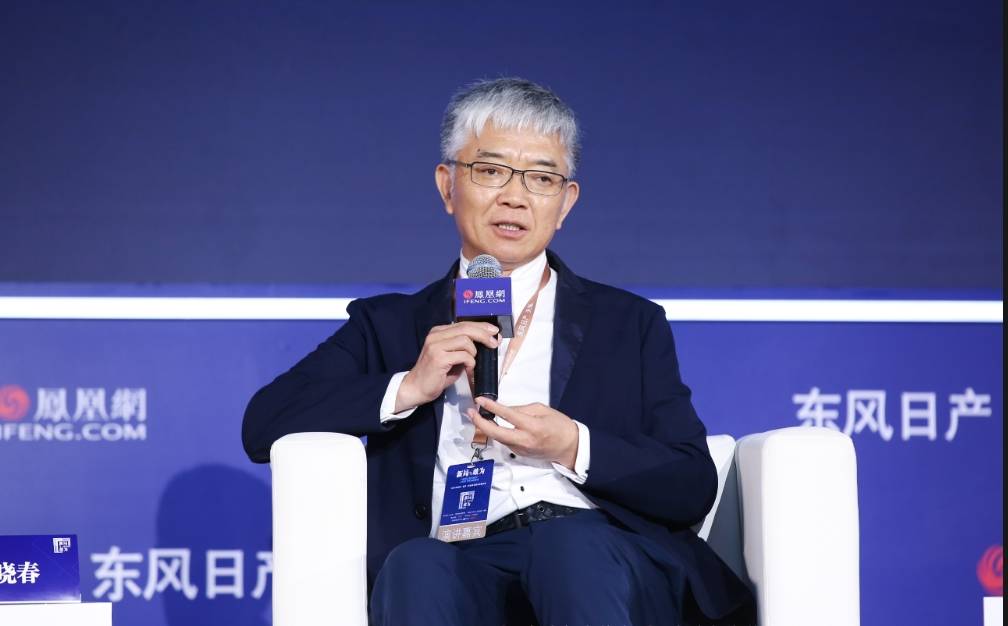
刘晓春:在稳定币浪潮中推动人民币国际化|稳定币监管
Sou Hu Cai Jing· 2025-07-08 10:14
Group 1 - The core viewpoint emphasizes the dual nature of stablecoins, highlighting their necessity in modern payment systems while also acknowledging the associated risks, particularly in illegal activities [3][4] - Stablecoins serve as a bridge in payment settlements, ultimately requiring conversion to fiat currency for true value transfer, necessitating regulatory oversight to ensure safety and compliance [4][5] - The impact of foreign stablecoins on national currency sovereignty is significant, with the need for regulations to mitigate potential risks while leveraging stablecoins for enhancing the international influence of sovereign currencies [5][6] Group 2 - The relationship between stablecoins and the internationalization of the Renminbi (RMB) is crucial, with the dominance of USD stablecoins indicating a need for RMB stablecoins to support emerging economic development rather than direct competition [6][8] - The interplay between stablecoins and central bank digital currencies (CBDCs) is highlighted, with stablecoins excelling in cross-border transactions while CBDCs are more suited for domestic applications, suggesting a complementary relationship [7] - Recommendations for the development of RMB stablecoins include a gradual approach, starting with offshore issuance in Hong Kong and expanding to free trade zones, to enhance the use of offshore RMB and facilitate its internationalization [8][9]