电力市场化改革

Search documents
江西电力现货市场转入连续结算试运行首月,出清均价同比下降14.51%
Xin Hua Cai Jing· 2025-11-04 08:14
Core Insights - The average clearing price of the Jiangxi electricity spot market for October 2025 is projected to be 0.37 yuan per kilowatt-hour, reflecting a year-on-year decrease of 14.51% [1] - The transition to continuous settlement trial operation marks a significant step in the market-oriented reform of Jiangxi's electricity sector, establishing a complete electricity market structure of "mid-to-long term + spot + ancillary services" [1] - The implementation of the 4.0 version of the Jiangxi Electricity Market Rules allows for all regulated coal-fired units, renewable energy stations, and market users to participate in direct market transactions, enhancing grid flexibility and adapting to a new electricity system [1] Market Mechanism and User Behavior - The electricity spot market under the 4.0 rules accurately reflects the time value of electricity commodities, enabling users to optimize their electricity consumption based on time-based pricing [2] - Users are encouraged to engage in peak shaving and valley filling by consuming less during high-price periods and more during low-price periods, thereby reducing energy costs [2]
媒体报道︱全国多地为何出现负电价?国家能源局作出回应→
国家能源局· 2025-11-02 05:32
Core Viewpoint - The article discusses the phenomenon of negative electricity prices in China's power market, highlighting its increasing frequency and implications for both consumers and power producers [2][5][11]. Group 1: Understanding Negative Electricity Prices - Negative electricity prices occur when the market clearing price for electricity falls below zero, indicating an oversupply of electricity [2]. - Recent instances of negative prices have been observed in regions such as Sichuan, Shandong, and Inner Mongolia, with Sichuan experiencing a peak negative price of -34.8787 yuan per megawatt-hour [2][5]. - The rise in negative prices is attributed to the rapid growth of renewable energy sources like wind and solar, which have low operational costs, leading to aggressive bidding in the market [4][5]. Group 2: Market Dynamics and Impacts - The current electricity market in China is characterized by a significant increase in supply from renewable sources, with hydropower in Sichuan seeing a 34.7% year-on-year increase in output [4]. - In contrast, electricity demand has decreased, with a reported 18.1% year-on-year drop in net electricity supply in September, leading to the emergence of negative prices [4]. - Experts indicate that negative prices reflect a temporary imbalance in supply and demand, and while they may seem alarming, they serve as a signal for market adjustments and investments in energy storage and demand response [8][11]. Group 3: Implications for Consumers and Producers - Despite negative prices, consumers, particularly industrial users, will not receive free electricity, as their costs include additional charges beyond the market price [7]. - Power producers are not necessarily losing money due to negative prices, as long-term contracts and government subsidies help stabilize their revenues [7][11]. - The article emphasizes that negative prices should be viewed as a market signal that can drive improvements in energy system efficiency and renewable energy integration [8][11].

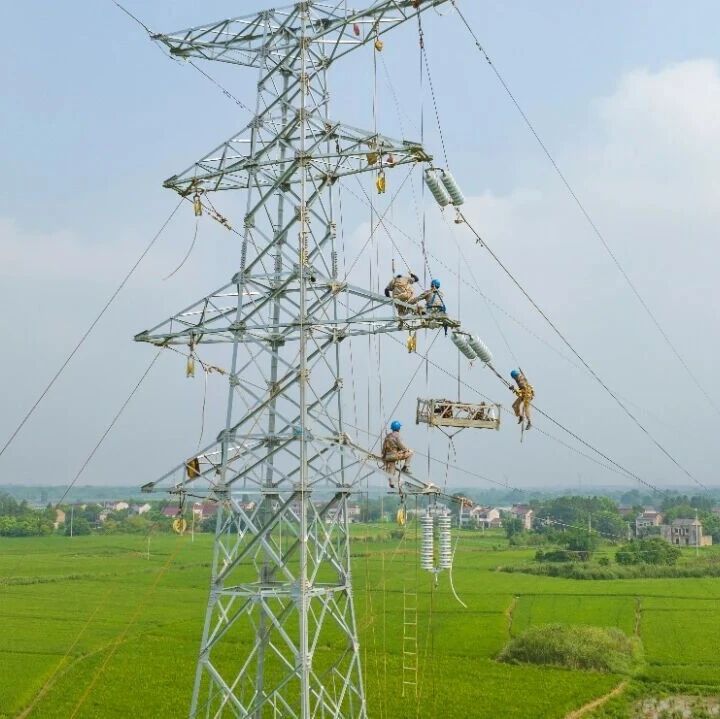
10年6倍的长江电力:为什么缺席了本轮牛市?
Ge Long Hui A P P· 2025-11-01 09:51
Core Viewpoint - The performance of Changjiang Electric Power has been underwhelming in the current bull market, despite the overall A-share market rising nearly 20% this year, indicating a shift in market dynamics and investor sentiment towards growth sectors over traditional dividend stocks [1][10]. Group 1: Company Performance and Historical Context - From July 2014 to July 2024, Changjiang Electric Power's stock price increased approximately 650%, with a market capitalization ranking it 11th in A-shares [3]. - The company operates six major hydropower stations, including the Three Gorges and Gezhouba, benefiting from a high barrier to entry and a stable revenue model due to the renewable nature of water resources [3][4]. - Revenue grew from 24.2 billion yuan to 84.5 billion yuan from 2015 to 2024, with a compound annual growth rate (CAGR) of about 13%, while net profit increased from 11.5 billion yuan to 32.5 billion yuan, with a CAGR of approximately 11% [4]. Group 2: Recent Performance and Market Dynamics - In the first half of this year, the company reported a 5% increase in revenue and nearly 15% growth in net profit, primarily due to favorable upstream water conditions [7]. - The valuation of Changjiang Electric Power rose from around 10 times earnings in 2014 to nearly 30 times in 2024, reflecting a significant increase in market preference for defensive stocks during periods of economic uncertainty [8][9]. Group 3: Challenges and Future Outlook - Since July 2024, the stock price has stagnated, with only a 2% increase despite a broader market rally, indicating a shift in the underlying growth expectations and valuation sustainability [10][11]. - The anticipated growth in earnings has weakened, as there are no new power stations to be integrated into the company, leading to a potential valuation bubble that may require correction [11]. - The ongoing market reforms in the electricity sector pose risks of downward pressure on electricity prices, which have historically shown cyclical behavior [12]. - The market sentiment has shifted from dividend-paying stocks to growth-oriented sectors, which may continue to influence investor behavior and stock performance in the near future [16][20].

10年6倍的长江电力:为什么缺席了本轮牛市?
格隆汇APP· 2025-11-01 09:37
Core Viewpoint - The article discusses the underperformance of Changjiang Electric Power in the context of a bullish A-share market, highlighting the reasons behind its stagnant stock price despite a strong historical performance [2][4][16]. Group 1: Company Performance - Changjiang Electric Power has seen a cumulative increase of approximately 650% from July 2014 to July 2024, with minimal volatility during this period [5]. - The company's revenue grew from 24.2 billion to 84.5 billion yuan, with a compound annual growth rate (CAGR) of about 13%, while net profit increased from 11.5 billion to 32.5 billion yuan, with a CAGR of around 11% [7]. - In the first half of this year, the company reported a 5% increase in revenue and nearly 15% growth in net profit, primarily due to favorable upstream water conditions [10]. Group 2: Market Position and Valuation - The business model of Changjiang Electric Power is considered superior due to its ownership of six large hydropower stations, which are less affected by commodity price fluctuations compared to thermal power [6]. - The valuation of Changjiang Electric Power has increased significantly, from around 10 times earnings in 2014 to nearly 30 times at its peak, reflecting its status as a defensive dividend stock during market downturns [12][14]. - The company has maintained a high dividend payout ratio of over 70%, making it attractive to institutional investors [14]. Group 3: Changing Market Dynamics - Since July 2024, the stock price of Changjiang Electric Power has stagnated, with only a 2% increase despite a broader market rally [16]. - The expectations for continuous earnings growth have weakened, as there are no new power stations to be injected into the company, leading to a potential valuation bubble [18]. - The ongoing market reforms in the electricity sector pose a risk of declining electricity prices, which could impact the company's profitability [19]. Group 4: Shift in Market Style - The market style has shifted from dividend-focused stocks to growth-oriented sectors, driven by macroeconomic policies aimed at stimulating the economy [20][23]. - The recent economic policies have led to a transition in market leadership from defensive sectors like electricity to technology and growth stocks, which may continue in the current bull market [24][30]. - The article suggests that the previous strong performance of dividend stocks may not be sustainable, and investors should consider viewing Changjiang Electric Power as a long-term low-risk investment with stable dividends rather than expecting significant capital appreciation [30].

机构:电力板块有望迎来盈利改善和价值重估
Zheng Quan Shi Bao Wang· 2025-10-30 00:32
Core Insights - The cumulative electricity market transaction volume in China reached 49,239 billion kilowatt-hours from January to September, representing a year-on-year growth of 7.2% and accounting for 63.4% of the total electricity consumption, an increase of 1.4 percentage points year-on-year [1] Group 1: Industry Outlook - The electricity sector is expected to see profit improvement and value reassessment following multiple rounds of electricity supply-demand tensions [1] - The rapid growth of new energy installations and ongoing emphasis on energy security policies suggest that the peak value of coal power will continue to be highlighted [1] - The construction of a new power system under the dual carbon goals will likely continue to rely on the enrichment and investment in system regulation methods [1] Group 2: Market Mechanisms - The formal introduction of a capacity pricing mechanism clarifies the foundational role of coal power, and the promotion of electricity spot markets and ancillary service market mechanisms is expected to continue [1] - The ongoing market reform in the electricity sector is anticipated to lead to a stable increase in electricity prices [1] Group 3: Coal Power Sector - The National Development and Reform Commission's increased efforts to ensure long-term coal supply contracts are expected to marginally improve the actual performance rate of these contracts [1] - Coal power companies are likely to maintain controllable costs, benefiting from self-owned coal or a high proportion of long-term coal contracts [1] - The performance of electricity operators is expected to significantly improve in the future [1] Group 4: Short-term Performance Expectations - In 2025, annual long-term contract electricity prices are expected to decrease in various regions, while capacity prices for thermal power will rise comprehensively next year [2] - The third-quarter performance of thermal power is showing an upward trend, with the rebound in coal prices enhancing expectations for stable electricity prices [2] - The improvement in water supply during the autumn flood season for hydropower, combined with a shift in investment focus, suggests a need for careful asset allocation [2] - Frequent issuance of energy storage policies indicates that there is still room for improvement in the capacity compensation mechanism, highlighting the value of regulatory power sources [2]
从电网弃子到绿电先锋:蒙西电网的二十年电网破壁战
3 6 Ke· 2025-10-28 23:52
Core Viewpoint - The article highlights the transformative journey of the Inner Mongolia power grid, which has evolved from being marginalized to becoming a significant player in China's electricity market through innovative reforms and green energy initiatives [1][8]. Group 1: Historical Context - The independent development of the Inner Mongolia power grid began in 2002 after the national power reform, which left it outside the national grid system due to its smaller scale and high debt [1][2]. - In 2009, a strategic plan divided Inner Mongolia's power grid, creating a unique structure where the eastern part fell under the national grid while the western part remained independent [2][3]. Group 2: Market Innovations - In 2010, the Inner Mongolia power grid established China's first electricity trading market, laying the groundwork for future market reforms [3]. - By 2015, it introduced a bundled trading model for renewable and thermal power, addressing renewable energy consumption challenges and providing a replicable success model for the nation [3][4]. - As of January 2025, renewable energy capacity in the Inner Mongolia power grid exceeded 61 million kilowatts, accounting for over 50% of its energy mix, marking a historic shift from coal-dominated to renewable energy [3][4]. Group 3: Green Electricity Transactions - In September 2023, the Inner Mongolia power grid successfully executed a green electricity transaction of 2.33 million kilowatt-hours with Hubei, achieving comprehensive coverage across four major regions in China [1][5]. - The participation of Huaneng New Energy in this transaction underscores the recognition of new trading mechanisms by power generation companies [5][6]. - The Inner Mongolia power grid has developed a mature mechanism for green electricity transactions, with a total of 757 billion kilowatt-hours transacted in 2024, leading the nation in both scale and growth [5][6]. Group 4: Future Challenges and Strategies - The Inner Mongolia power grid faces challenges such as price volatility, with the average clearing price in the spot market dropping from 0.344 yuan/kWh to 0.153 yuan/kWh between January and April 2025, a decrease of 56% [6][7]. - To address these challenges, the grid is implementing differentiated pricing strategies for renewable energy projects based on their commissioning dates [7]. - Ongoing infrastructure improvements, including new transmission projects, are enhancing the grid's capacity to deliver renewable energy, with a 96,000-kilowatt increase in transmission capability [7][8]. Group 5: Economic Impact - By the end of 2024, the Inner Mongolia power grid reported total assets of 148 billion yuan, with operating revenue of 121.8 billion yuan and a profit of 4.517 billion yuan [6][8]. - In 2024, the grid's electricity delivery reached 337.7 billion kilowatt-hours, accounting for one-sixth of the national cross-provincial electricity delivery, with green electricity exports exceeding 60 billion kilowatt-hours [6][8].
电力出海价值挖掘、美国的电力体制
傅里叶的猫· 2025-10-27 11:07
Core Viewpoint - The article discusses the market potential of Solid Oxide Fuel Cells (SOFC) in the context of the evolving electricity market in the United States, highlighting the challenges faced by data centers and the advantages of adopting new technologies like SOFC and Solid State Transformers (SST) [1][2]. Group 1: Background of U.S. Electricity Market Reform - The U.S. electricity market reform began in the 1970s due to the global energy crisis, leading to the establishment of the Department of Energy (DOE) and the Federal Energy Regulatory Commission (FERC) [3]. - The Public Utility Regulatory Policies Act (PURPA) of 1978 marked the start of market reform by encouraging non-utility companies to participate in electricity generation, breaking the monopoly of traditional utility companies [3][4]. Group 2: Key Milestones in Reform - The Energy Policy Act of 1992 allowed non-utility companies to access the grid and sell electricity in the wholesale market, establishing the initial framework for competition [4]. - FERC's orders in 1996 mandated the separation of generation and transmission businesses, introducing Independent System Operators (ISO) to ensure fair competition [4][5]. - The Energy Policy Act of 2005 further strengthened FERC's regulatory role, leading to the establishment of a wholesale market system centered around ISOs and Regional Transmission Organizations (RTOs) [5]. Group 3: Retail Market Opening - The retail side of the U.S. electricity market reform focused on breaking the monopoly of traditional utility companies, allowing competitive electricity service providers to enter the market [6]. Group 4: SST and SOFC Technologies - SST simplifies the power architecture and enhances construction efficiency by directly converting high-voltage electricity to the required output for data centers, reducing equipment and wiring complexity [8][9]. - SOFC is an efficient technology that converts fuel into electricity through electrochemical reactions, offering high efficiency and low emissions, making it suitable for data centers [10]. Group 5: Economic Viability and Reliability - SST and SOFC can significantly shorten construction cycles and reduce capital costs for data centers, which face challenges in power supply stability and grid connection [11]. - The reliability of SST and SOFC addresses the high demand for continuous power supply in data centers, mitigating risks associated with grid instability [11]. Group 6: Market Space and Valuation Outlook - The North American data center construction is projected to grow significantly from 20GW in 2026 to 53GW in 2030, indicating a substantial market opportunity for SST and SOFC [12]. - The estimated market size for SST in North America is expected to grow from 16 billion RMB in 2026 to 265 billion RMB by 2030, while SOFC's market size is projected to increase from 25 billion RMB to 198.7 billion RMB in the same period [12][13]. Group 7: Company Insights - Companies like Sifang Co. and Siyuan Electric are positioned to benefit from the growing demand for SST, with projected net profits exceeding 1.2 billion RMB and 4 billion RMB by 2027, respectively [13][14]. - Sifang Co. is estimated to achieve a market value increase of over 34 billion RMB from SST by 2027, while Siyuan Electric could see an increase of over 45.5 billion RMB [14].
郴电国际前三季度扣非净利润同比大增303.86%
Zheng Quan Ri Bao Zhi Sheng· 2025-10-26 11:36
Core Viewpoint - Hunan Chendian International Development Co., Ltd. reported a revenue decline of 7.16% year-on-year to approximately 1.122 billion yuan for the first three quarters of 2025, while net profit attributable to shareholders, excluding non-recurring gains and losses, surged by 303.86% to about 55.31 million yuan [1][2]. Group 1: Financial Performance - The company achieved an operating revenue of approximately 1.122 billion yuan, reflecting a year-on-year decrease of 7.16% [1]. - The net profit attributable to shareholders, after excluding non-recurring items, reached about 55.31 million yuan, marking a significant year-on-year increase of 303.86% [1]. Group 2: Business Strategy - The company is focusing on internal potential exploration and comprehensive cost control, which contributed to the notable increase in net profit [1]. - Hunan Chendian is actively cultivating emerging businesses to enhance future operational performance [1]. - The company has a diversified product matrix in the electricity sector, including photovoltaic power generation, new energy storage, and virtual grids, which improves its risk resistance [2]. Group 3: Investment Initiatives - The company plans to establish a joint venture with Kafue Gorge Investment Ltd. to invest approximately 43.43 million yuan in a 10 MW photovoltaic power project in Zambia's Southern Province [2].

广东明确26年电价区间,9月我国天然气产量同比增长9.4%
Xinda Securities· 2025-10-25 12:05
1. Report Industry Investment Rating - The investment rating for the utility industry is "Bullish" [2] 2. Core View of the Report - After multiple rounds of electricity supply - demand contradictions in China, the power sector is expected to see profit improvement and value re - evaluation. With the advancement of power market reform, the electricity price trend is expected to rise slightly and steadily. The cost of coal - fired power enterprises is relatively controllable, and the performance of power operators is expected to improve significantly. For the natural gas sector, with the decline of upstream gas prices and the recovery of domestic natural gas consumption, the city - gas business is expected to achieve stable gross margins and high growth in gas sales volume [92][93] 3. Summary by Relevant Catalogs 3.1 This Week's Market Performance - As of the close on October 24, the utility sector rose 1.1% this week, underperforming the broader market. The power sector rose 1.01%, and the gas sector rose 1.82%. Among the sub - industries, the thermal power generation sector rose 2.00%, the hydropower generation sector rose 0.23%, etc. [12][13] - In the power sector, the top three gainers were Shanghai Electric Power (10.06%), Shenzhen Energy (8.05%), and Guiguan Electric Power (3.21%); the bottom three were Southern Grid Energy Storage (-2.52%), Longyuan Power (-2.36%), and Inner Mongolia Huadian (-1.18%). In the gas sector, the top three gainers were Dashang Public Utilities (15.38%), Baichuan Energy (10.36%), and Jiufeng Energy (2.25%); the bottom three were Guoxin Energy (-7.50%), Chengdu Gas (-4.56%), and Tianhao Energy (-4.27%) [15] 3.2 Power Industry Data Tracking 3.2.1 Thermal Coal Prices - The annual long - term agreement price of Qinhuangdao Port thermal coal (Q5500) in October was 676 yuan/ton, up 2 yuan/ton month - on - month. The market price of Shanxi - produced thermal coal (Q5500) at Qinhuangdao Port was 768 yuan/ton as of October 24, up 28 yuan/ton week - on - week. Overseas, the Newcastle NEWC5500 large - calorie thermal coal FOB spot price was 74.05 US dollars/ton as of October 23, up 1.30 US dollars/ton week - on - week [21][24] 3.2.2 Thermal Coal Inventory and Power Plant Daily Consumption - As of October 24, the coal inventory at Qinhuangdao Port was 5.5 million tons, up 50,000 tons week - on - week. As of October 23, the coal inventory of 17 inland provinces was 94.582 million tons, up 0.54% week - on - week, and the daily consumption was 352,700 tons, up 13.52% week - on - week. The coal inventory of 8 coastal provinces was 33.597 million tons, up 0.85% week - on - week, and the daily consumption was 180,800 tons, down 13.12% week - on - week [28][30] 3.2.3 Hydropower Inflow - As of October 24, the Three Gorges outflow was 11,900 cubic meters per second, up 70.24% year - on - year and down 18.49% week - on - week [42] 3.2.4 Key Power Market Transaction Electricity Prices - In the Guangdong power market, as of October 18, the weekly average price of the day - ahead spot market was 445.91 yuan/MWh, down 4.33% week - on - week and up 31.8% year - on - year; the weekly average price of the real - time spot market was 484.12 yuan/MWh, up 40.28% week - on - week and up 40.0% year - on - year. Similar data were provided for the Shanxi and Shandong power markets [50][57][58] 3.3 Natural Gas Industry Data Tracking 3.3.1 Domestic and International Natural Gas Prices - As of October 24, the national index of the ex - factory price of LNG at the Shanghai Petroleum and Natural Gas Trading Center was 4,274 yuan/ton, down 13.41% year - on - year and up 6.50% month - on - month. International gas prices rose week - on - week. For example, the European TTF spot price was 11.34 US dollars/million British thermal units as of October 23, up 1.3% week - on - week [56][60] 3.3.2 EU Natural Gas Supply, Demand, and Inventory - In the 41st week of 2025, the EU's natural gas supply was 6.07 billion cubic meters, up 8.8% year - on - year and up 3.5% week - on - week. The consumption was estimated to be 5.71 billion cubic meters, up 9.7% week - on - week and up 13.0% year - on - year. The inventory was 91.872 billion cubic meters, down 13.02% year - on - year and up 0.39% week - on - week [64][73][75] 3.3.3 Domestic Natural Gas Supply and Demand - In August 2025, the apparent domestic natural gas consumption was 36.41 billion cubic meters, up 2.5% year - on - year. In September 2025, the domestic natural gas production was 21.17 billion cubic meters, up 9.7% year - on - year, while the LNG import volume was 5.75 million tons, down 15.9% year - on - year [78][79] 3.4 This Week's Industry News - In September, the national total social electricity consumption was 888.6 billion kilowatt - hours, up 4.5% year - on - year. The Guangdong Power Exchange Center released the "Key Mechanisms and Parameters for the Guangdong Power Market Transactions in 2026", clarifying the trading mechanisms and price limits for 2026. In September, the natural gas production of above - scale industrial enterprises was 21.2 billion cubic meters, up 9.4% year - on - year [87][88] 3.5 This Week's Important Announcements - Xinjiang Xintai Natural Gas Co., Ltd. received a government subsidy of 109.27 million yuan. Other companies such as Guodian Power, Inner Mongolia Huadian, and others also announced their power generation, electricity sales, and financial data for different periods [89] 3.6 Investment Recommendations and Valuation Tables - For the power sector, it is recommended to focus on national coal - fired power leaders, regional leaders in power - supply - tight areas, hydropower operators, coal - fired power equipment manufacturers, and flexibility - transformation technology companies. For the natural gas sector, it is recommended to focus on companies such as XinAo Group Co., Ltd. and Guanghui Energy Co., Ltd. A valuation table of major companies in the utility industry was also provided [92][93][94]
【招银研究|行业深度】储能行业之抽水蓄能——抽蓄步入战略发展期,关注下游中长期融资需求
招商银行研究· 2025-10-23 09:56
Core Viewpoint - Pumped storage will continue to be in a strategic development period, with an expected average annual compound growth rate of over 14% for new installations during the 14th Five-Year Plan period. The rapid increase in renewable energy penetration is driving the demand for flexible resources in the power grid, which can be met by pumped storage due to its technological maturity and cost-effectiveness [3][6][21]. Group 1: Market Demand and Growth - The demand for pumped storage installations is primarily influenced by the penetration rate of renewable energy, project planning, and electricity pricing policies. The current pricing policy has clarified the profitability model for pumped storage, making long-term development planning crucial for its growth [3][4][21]. - The cumulative installed capacity of pumped storage is expected to reach 120 GW by 2030, doubling from 62 GW at the end of 2025, indicating significant growth potential in the next five years [3][21]. Group 2: Economic Factors - The two-part electricity pricing policy underpins the revenue expectations for pumped storage, with initial investment costs, financing costs, operational expenses, and electricity price income being the core variables affecting profitability [4][32]. - The actual yield of pumped storage projects is closely related to initial investment costs, financing costs, operational expenses, and electricity price income. Lower financing and operational costs lead to better yield outcomes [4][32]. Group 3: Industry Structure and Financing - The pumped storage industry chain is mature, with the downstream investment sector expected to have a financing demand exceeding 270 billion during the 14th Five-Year Plan period, making it a significant target for bank funding [5]. - The State Grid maintains a leading position in the pumped storage sector, with its pumped storage division upgraded to a directly subordinate unit, enhancing its capacity to mobilize substantial investment in future projects [5]. Group 4: Technological Maturity and Cost Efficiency - Pumped storage is currently the most mature and cost-effective technology for large-capacity, long-duration energy storage, with a lifecycle cost per kilowatt-hour that is the lowest among various storage technologies [14][19]. - The lifecycle cost advantages of pumped storage stem from moderate initial investment, low operational maintenance costs, and high energy conversion efficiency, typically reaching 75%-80% [19]. Group 5: Future Development and Policy Support - The medium- to long-term development plan for pumped storage ensures sustainable growth, with an expected average annual compound growth rate of around 14% for new installations during the 14th Five-Year Plan [21][28]. - The two-part pricing policy is expected to stabilize revenue, while the initial investment costs are projected to remain stable, with regional variations in costs due to differing construction conditions [32][48].