
数字化

Search documents
中国邮政不一样了
Jing Ji Guan Cha Bao· 2025-05-09 05:55
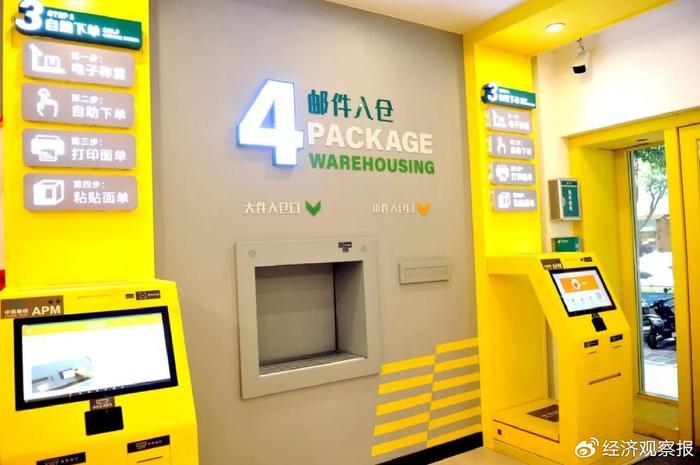
Core Insights - China Post EMS has completed the private deployment of the DeepSeek-R1 large model, significantly enhancing service capabilities across multiple scenarios, with efficiency improvements of approximately 33% in certain areas [1][2] - The company has been actively exploring suitable applications for large models since 2024, focusing on digital transformation to address specific key issues and cultivate new productive forces [2][3] Digital Transformation and New Productive Forces - The digitalization, greening, and intelligence have become the core of China Post's new productive forces, reshaping the company and enhancing its ability to serve the economy and society [2][3] - The establishment of smart post offices and self-service experiences has improved operational efficiency, allowing a single staff member to manage high customer traffic effectively [4][6] - The introduction of cloud cabinet services by Postal Savings Bank has streamlined banking operations, allowing for an average of over 330 transactions per day from January to September 2024 [6] Technological Innovations - The launch of the upgraded dispatch system 2.0 in 2024 has improved operational efficiency and predictive capabilities, achieving an average accuracy rate of 92.98% for inter-provincial bag volume predictions [7] - The digital human "Xiao Post" 2.0 has been instrumental in e-commerce, generating significant sales and enhancing the company's ability to support rural revitalization [7][12] Investment in Technology - Postal Savings Bank has committed approximately 3% of its annual revenue to information technology, with a reported investment of 11.278 billion yuan in 2023, marking a year-on-year increase of 5.88% [9] - The "Postal Brain" platform has been developed to support various AI applications, enhancing operational efficiency across hundreds of scenarios [9] Green Initiatives - China Post has made strides in green transformation, with a focus on sustainable packaging and the promotion of new energy vehicles, achieving a fleet of 16,908 new energy vehicles by the end of 2024 [16] - The balance of green loans from Postal Savings Bank reached 781.732 billion yuan by the end of 2024, reflecting a year-on-year growth of 22.55% [16] Societal Impact - The new productive forces cultivated by China Post not only enhance its service capabilities but also contribute to high-quality development and the release of green new momentum [18] - The company's extensive network and public service role position it as a key player in applying and popularizing technological innovations that improve overall societal efficiency, known as the "Postal Effect" [18]


2025年工程机械行业分析
Lian He Zi Xin· 2025-05-09 04:45
2025 年工程机械行业分析 联合资信 工商评级三部 |王煜彤 在 2023 年中国工程机械行业下行的背景下,2024 年工程机械行业筑 底企稳,工程机械企业盈利水平有所提升。各类挖掘机和装载机产品销量 均呈增长态势;工程机械产品出口金额保持增长但增速放缓,其中"一带 一路"沿线国家出口景气度维持较高水平,同时新增对外承包工程将有效 拉动工程机械产品出口。2024 年,我国工程机械企业盈利水平有所提升。 未来,海外市场将继续成为国内工程机械企业的重要支撑。 2024 年以来,工程机械行业向数字化、智能化、绿色化加速转型。随 着国家大规模设备更新、超长期特别国债等举措加快落地,相关产业政策 的有效实施,重大工程项目建设全力推进,工程机械行业有望进入复苏阶 段,加之市场上存量机械自然更新淘汰、环保政策趋严、机械取代人工趋 势加深以及出口"情绪"高涨等众多因素的影响下,中国工程机械刚性需 求将持续释放。总体看,预计工程机械行业在 2025 年将整体维持稳定发 展态势。 一、行业现状 2024 年全年国民经济运行稳中有进,房地产开发投资依然不振,但受益于固定 资产投资(不含农户)同比增长,各类挖掘机和装载机产品销量均 ...
今世缘回应2024年业绩增速放缓等问题;古越龙山:力争酒类销售今年增长超6%丨酒业早参
Mei Ri Jing Ji Xin Wen· 2025-05-09 00:43
Group 1 - The core viewpoint is that the liquor industry is entering a phase of stock competition, leading to overall growth pressure and a slowdown in performance for companies like Jinshiyuan [1] - Jinshiyuan's revenue target for 2025 is a year-on-year growth of 5% to 12%, adapting to market changes and maintaining competitive advantages [1] - The adjustment of targets by Jinshiyuan may affect investor confidence in the liquor sector, indicating a need for innovation and differentiation strategies [1] Group 2 - Guyue Longshan aims for over 6% growth in liquor sales and over 3% profit growth in 2025, focusing on high-end, youth-oriented, global, and digital strategies [2] - The company's strategic goals reflect an effort to inject new vitality into the yellow wine industry, despite facing intensified competition and fluctuating consumer demand [2] - Market evaluations of the yellow wine sector may shift, with a focus on the company's execution and market feedback [2] Group 3 - Chongqing Beer expresses cautious optimism for the beer industry in 2025, anticipating a more favorable development environment due to improving external conditions and steady growth policies [3] - However, the company acknowledges challenges such as intensified competition, cost fluctuations, and potential underperformance in consumer recovery [3] - The statements from company executives highlight the uncertainties in the beer industry's recovery, prompting market attention to policy implementation and consumer trend changes [3]


用数字化赋能均等化(暖闻热评)
Ren Min Ri Bao· 2025-05-08 21:50
Core Viewpoint - The "Walking Hospital" project in Fangshan County, Shanxi, enhances rural healthcare by equipping village doctors with comprehensive diagnostic tools and enabling remote consultations with experts, significantly improving disease screening and emergency response [1][2]. Group 1: Project Implementation and Impact - The project has conducted over 16,000 remote consultations, serving more than 370,000 people, covering 53% of the resident population, and saving nearly 100 million yuan in medical costs since its inception in 2018 [2]. - The initiative has expanded to multiple provinces, impacting over 20 million people, demonstrating its scalability and effectiveness in improving healthcare access [2]. Group 2: Mechanisms and Innovations - A scheduling platform allows patients to scan a code to request services, ensuring that village doctors can respond quickly and efficiently, thus enhancing service coverage [2]. - The project provides free access to remote consultation slots from renowned hospitals in Beijing and Shanghai, significantly reducing patients' time and financial burdens [2]. Group 3: Challenges and Future Directions - While the project has made strides, challenges remain in transforming short-term support into sustainable healthcare solutions, particularly in remote areas where healthcare resources are limited [3]. - The integration of digital technologies and data-driven approaches is suggested as a means to improve the efficiency and effectiveness of healthcare delivery in rural settings [3][4].
百威亚太再陷裁员风波,新CEO能否力挽狂澜?
凤凰网财经· 2025-05-08 13:04
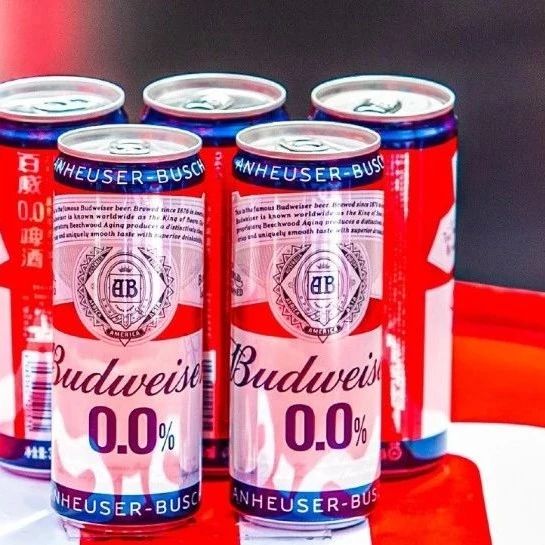
Core Viewpoint - Budweiser Asia Pacific is reportedly planning to cut approximately 15% of its operating costs, including thousands of layoffs, particularly affecting its Chinese operations, which account for over 80% of its total workforce. Despite the company's denial of these claims, market skepticism remains due to its declining performance in the region [2][3][4]. Group 1: Performance Pressure and Layoff Rumors - Budweiser Asia Pacific's 2024 financial report shows a revenue of $6.246 billion, a decrease of 8.9% year-on-year, with gross profit down 8.86% to $3.147 billion and net profit down 14.79% to $726 million [4]. - In the Chinese market, Budweiser's sales plummeted by 11.8%, with revenue and revenue per hectoliter declining by 13% and 1.4%, respectively, leading to a market share drop of 1.49 percentage points [4][5]. - The company employed over 21,000 staff in 2024, down from approximately 25,000 in 2023, indicating a reduction of about 4,000 employees, or 16% [5]. Group 2: Industry Context and Competitive Landscape - The beer industry is entering a phase of stock competition, making cost control a crucial strategy for companies [8]. - The trend towards premiumization in the domestic beer market has intensified competition, with brands like China Resources Beer and Qingdao Beer accelerating their high-end strategies, posing a direct threat to Budweiser's market share [10][11]. - Emerging craft beer brands are also challenging Budweiser by focusing on differentiation and consumer experience, appealing to younger consumers [12]. Group 3: Leadership Change and Strategic Direction - Following a disappointing financial report, Budweiser Asia Pacific announced a leadership change, with Jan Craps stepping down and Cheng Yanjun taking over as CEO [15][16]. - The new CEO aims to refocus on Budweiser and Harbin Beer brands, leveraging the potential of non-immediate consumption channels in China, where only one-third of stores sell Budweiser products [17]. - The success of this strategic shift will depend on balancing global resources with local market insights, particularly in optimizing supply chains and addressing the challenges of a competitive high-end market [17][19].

史上首次!千亿级家电巨头,官宣合作
21世纪经济报道· 2025-05-08 12:25
Core Viewpoint - Hisense Group and Midea Group have signed a strategic cooperation agreement to collaborate in areas such as AI applications, advanced manufacturing, and smart logistics, marking a significant partnership between two major players in the Chinese home appliance market [1][2][3]. Group 1: Strategic Cooperation Details - The cooperation will focus on digitalization and AI application platform development, green factories, industrial internet, and global capacity layout [1][2]. - Both companies aim to enhance supply chain collaboration and operational efficiency through this partnership, addressing the challenges of a saturated home appliance market [8][9]. Group 2: Leadership and Management - Key executives from both companies, including the chairmen and vice presidents, have extensive experience in market management and financial operations, indicating a strong focus on operational efficiency and supply chain optimization [4][5][6]. - The financial leaders of both companies have successfully implemented significant cost control measures and supply chain improvements in their respective organizations [5][6]. Group 3: Market Context and Competition - This strategic partnership is notable as it occurs amidst direct market competition between Hisense and Midea in various product categories, reflecting a complex competitive landscape in the home appliance industry [2][12]. - The collaboration is seen as a response to the need for both companies to adapt to changing market dynamics and to leverage each other's strengths in supply chain and logistics [8][15]. Group 4: Globalization and Future Prospects - The partnership will also explore global capacity layout and technological innovation, aiming to enhance international competitiveness and address global economic challenges [13][14]. - Future collaboration may include capital cooperation and deeper global strategies, particularly in response to trade risks and supply chain uncertainties [14][15].



史上首次千亿级家电巨头战略合作,海信美的如何“各取所需”?
2 1 Shi Ji Jing Ji Bao Dao· 2025-05-08 11:20
Core Viewpoint - Hisense Group and Midea Group have signed a strategic cooperation agreement to collaborate in areas such as AI applications, advanced global manufacturing, and smart logistics, marking a significant partnership in the Chinese home appliance market [1][2] Group 1: Strategic Cooperation Details - The cooperation will focus on the development of digital and AI application platforms, green factories, industrial internet, and global capacity layout [1][8] - Both companies aim to enhance supply chain efficiency and user satisfaction through collaborative logistics and inventory optimization [6][11] - The partnership reflects a complex competitive relationship in the home appliance sector, where both companies are seeking to leverage each other's strengths while still competing in certain product categories [2][11] Group 2: Leadership and Management - The signing was attended by top executives from both companies, including Hisense's Chairman Jia Shaoqian and Midea's Chairman and CEO Fang Hongbo, indicating strong leadership commitment to the partnership [2][3] - The executives responsible for the signing, including Hisense's Vice President Gao Yuling and Midea's CFO Zhong Zheng, have significant experience in financial management and operational efficiency [3][4] Group 3: Market Context and Implications - The partnership is seen as a response to the saturated home appliance market in China, where both companies face challenges from increasing competition and changing consumer preferences [5][11] - By collaborating, Hisense and Midea aim to reduce operational costs and enhance innovation, moving away from traditional price wars and channel competition [11] - The cooperation is expected to strengthen their global presence and improve their competitive edge against international brands amid rising trade barriers and geopolitical challenges [10][11]
祥鑫科技(002965) - 2025年05月08日投资者关系活动记录表
2025-05-08 09:44
Industry Outlook - The automotive industry is undergoing transformation driven by electrification, intelligence, connectivity, and digitalization, presenting vast development opportunities [1] - The penetration rate of new energy vehicles is expected to increase significantly, with the market for household energy storage systems growing rapidly due to policy support and technological advancements [1] - The industrial and service robot markets are expanding, with service robots gaining traction in healthcare and home cleaning sectors [1][2] - The AI demand is driving growth in high-performance servers, with a gradual improvement in the domestic chip ecosystem [2] - The low-altitude economy is emerging, with eVTOL logistics and urban transportation applications increasing [2] Company Performance - In 2024, the Chinese automotive industry produced and sold 31.28 million and 31.44 million vehicles, respectively, marking a year-on-year growth of 3.7% and 4.5% [3] - The penetration rate of new energy vehicles exceeded 40%, indicating a new phase of large-scale development [3] - The company's revenue from automotive parts reached 5.002 billion CNY, accounting for 74.18% of total revenue, with a year-on-year growth of 12.86% [3] - The company achieved a revenue of 1.217 billion CNY from energy storage equipment, representing 18.04% of total revenue and a year-on-year growth of 123% [3] Financial Highlights - The company reported a total revenue of 6.744 billion CNY in 2024, reflecting a year-on-year increase of 18.25% [5] - The net profit attributable to shareholders was 359 million CNY, with a net profit margin of 5.34% [5] - In Q1 2025, the company generated revenue of 1.636 billion CNY, with a net profit margin of 5.06% [5] Growth Strategies - The company aims to enhance its competitive edge through innovation and strategic partnerships in the smart robotics and low-altitude economy sectors [4][5] - It plans to leverage its capabilities in lightweight structural components and key parts manufacturing to drive growth in the new energy sector [4][5] - The company is focused on optimizing its operational structure and maintaining stable growth in its core business areas [5]
从“找布神器”出发 看人工智能如何助力传统纺织业
Yang Shi Xin Wen Ke Hu Duan· 2025-05-08 08:01
Core Viewpoint - The integration of AI technology in the textile industry is revolutionizing the fabric sourcing and garment design processes, significantly reducing time and improving efficiency in the fast fashion sector [1]. Group 1: AI in Fabric Sourcing - The Guangzhou fabric market features nearly 3,000 suppliers and around 1 million fabric products, making it a major hub for domestic and international buyers [2]. - The introduction of AI fabric-finding machines has transformed the sourcing process, reducing the time needed to find matching fabrics from an average of 2 days to just 2 minutes [3][4]. - Currently, 90% of fabrics in the domestic market are integrated into the AI fabric-finding system, enhancing business opportunities for suppliers [4]. Group 2: AI in Garment Design - AI technology enables designers to generate over 100 clothing styles in a single session, a significant increase from the previous maximum of 2-3 styles per day [6]. - The use of AI and big data allows for real-time monitoring of production across 700,000 weaving machines, facilitating a seamless connection between design and production [6][7]. - Future trends indicate that with AI and digitalization, custom clothing can be produced with a minimum order of one piece and delivered within 7 days, reducing design costs by over 90% compared to traditional methods [7]. Group 3: Challenges and Innovations in Textile Production - Traditional textile manufacturers face challenges in adapting to the fast fashion era, necessitating the development of innovative materials and production techniques [8]. - The establishment of a human factors engineering laboratory in Nanhai Xiqiao aims to support textile companies in developing new materials through comprehensive testing and optimization [8][9]. - Local government initiatives are promoting digital transformation in the textile industry by organizing numerous specialized matchmaking events to foster innovation and development [9].
百威亚太(01876) - 2025 Q1 - 业绩电话会
2025-05-08 04:32
Financial Data and Key Metrics Changes - In the first quarter, total volumes and revenue decreased by 6.1% and 7.5% respectively, with revenue per hectoliter declining by 1.5% due to negative geographic and channel mix [8] - Normalized EBITDA decreased by 11.2%, and the normalized EBITDA margin contracted by 140 basis points [8] - In APAC West, volumes and revenue decreased by 8.6% and 11.7% respectively, with normalized EBITDA decreasing by 17.6% [8] - In China, volumes declined by 9.2%, and revenue declined by 12.7%, with revenue per hectoliter declining by 3.9% [9] Business Line Data and Key Metrics Changes - The in-home channel saw increased volume and revenue contributions, indicating a shift in consumer behavior towards in-home consumption [9] - Marketing investments for Budweiser and Harbin were increased to connect with consumers and drive market share [10] - In APAC East, volumes and revenues increased by 11.9% and 11.7% respectively, with normalized EBITDA increasing by 24.4% [11] Market Data and Key Metrics Changes - In South Korea, volume increased by double digits, supported by shipment phasing ahead of a price increase announced in April [12] - The company reported a decrease in cost of sales by 1.5% on a per hectoliter basis, driven by commodity tailwinds and cost management initiatives [13] Company Strategy and Development Direction - The company aims to adapt to evolving market conditions and focus on a winning brand portfolio, premium route to market, and a resilient team to drive sustainable growth [6] - The strategy remains focused on premiumization and digitalization, with an emphasis on market share and in-home channel growth [19][20] - The company is committed to expanding its route to market and enhancing distribution capabilities, particularly in the in-home channel [29] Management's Comments on Operating Environment and Future Outlook - Management noted that consumer confidence in China remains low, particularly in key regions, but there are positive indicators from upcoming holidays [17][18] - The company is closely monitoring the impact of tariffs in Guangdong but has not yet seen a significant shift in consumer behavior [44][45] - Future focus will be on executing the strategy effectively and adapting to market conditions as needed [46] Other Important Information - The company is leveraging technology to enhance commercial capabilities and drive value creation for stakeholders [10] - The partnership with Swire Coca-Cola is seen as a significant opportunity for growth in the in-home channel [85] Q&A Session All Questions and Answers Question: Update on Q2 performance in China - Management indicated that consumer confidence remains low, but there are positive signs from upcoming holidays, and pricing strategies will be considered based on market conditions [17][18] Question: Competition in Guangdong province - Management acknowledged the competitive landscape in Guangdong and emphasized the importance of expanding the Harbin brand and enhancing distribution in the in-home channel [25][26] Question: Core plus plus strategy and trade-up volume - Management explained that the core plus plus segment serves as an accessible upgrade for consumers, with a focus on product superiority and brand differentiation [36][38] Question: Impact of tariffs on consumer behavior in Guangdong - Management stated that it is too early to quantify the impact of tariffs, but they are monitoring the situation closely [44][45] Question: On-trade recovery in China - Management remains conservative about on-trade recovery, noting that consumer occasions are still growing in the in-home channel [53][54] Question: Cooperation with Swire Coca-Cola - Management reported positive outcomes from the partnership and expressed optimism for future collaboration in the in-home channel [85][86] Question: Competitive edge of Harbin Beer - Management highlighted Harbin's national brand status and cultural significance, along with ongoing premiumization efforts [91][92]