
资产配置

Search documents
国际金价缘何再创历史新高?暴涨后向上还是向下?
Huan Qiu Wang· 2025-10-10 09:27
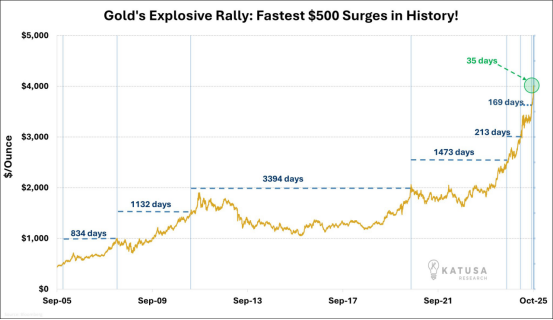
【环球网财经报道 记者 陈超】国 庆中秋长假期间,国际黄金市场迎来历史性时刻。纽约期金首次突破 每盎司4000美元整数大关,年内涨幅超50%。10月8日,伦敦现货黄金价格也站上这一里程碑关口。与 此同时,国内黄金消费市场热度攀升,多数品牌金饰价格突破每克1160元,有消费者表示"后悔",自己 一直抱着观望心态,但没想到金价再度迅速走高。"一个长假过去,一克黄金就涨了38元。" 金价"史上最快"暴涨,底层逻辑生变? 此次金价上涨堪称"史上最快价值增长"。历史数据显示,国际现货黄金从每盎司1500美元攀升至2000美 元耗时3394天,突破3000美元用了213天,而从3500美元到4000美元仅用35天,今年以来累计涨幅已达 53%。这一涨势背后,是黄金市场定价逻辑的根本性转变——其核心价值已从普通商品升级为"货币体 系稳定器"与"跨周期风险对冲工具",主权储备配置、去美元化需求、资产组合分散化等制度性因素成 为定价关键。 一直以来,一部分人将黄金视为缺乏"生产能力"的资产。"股神"巴菲特对黄金便是持否定态度。有报道 称,他曾认为黄金"没有任何用途",并形象地比喻说"有一只会不停下蛋的鸡比一只会坐在那消耗保险 ...

鹏华基本面投教系列|金价节节攀升,还能涨多久?
Sou Hu Cai Jing· 2025-10-10 08:22
来源:鹏华基金 其次,切勿越涨越买,盲目追高。作为普通投资者,可以关注其长期配置价值,通过定投等方式分散投 资,平滑短期波动风险。同时,要控制整体仓位,黄金从来不是短期套利的工具,而是资产配置的压舱 石。 总之,黄金作为避险资产和长期保值工具,具有稳定配置意义。但要理性看待涨势,避免盲目跟风,根 据自身风险偏好合理配置。 还能涨多久? 西部证券策略研究团队认为,重启降息意味着美联储独立性受损,未来美联储独立性会持续受到损害, 黄金的储备价值将进一步彰显,目前处于第3波主升浪行情早期。 国信证券指出,综合长期逻辑与短期因素,当前黄金市场的支撑体系依然稳固。长期而言,全球货币信 用体系重构、去美元化趋势、各国央行持续购金以及供需结构性失衡等因素构成了黄金上涨的核心支 撑,这一支撑体系在未来2-3年内难以发生根本性改变,因此黄金的长期牛市趋势仍将延续。短期来 看,9月份以来的上涨动能虽有所释放,但美联储宽松周期的延续、地缘政治风险的常态化以及市场投 资需求的持续流入,仍将推动金价维持高位震荡偏强的格局。 普通投资者要注意什么? 首先,必须明确的是,首饰金≠投资。 双节期间,金价一路冲高,COMEX黄金(10月1日至 ...
金价飙升点燃黄金理财热 专家提醒:理性“上车”方为上策
Huan Qiu Wang· 2025-10-10 06:29
Core Insights - International gold prices have surged, breaking the $4000 per ounce mark, leading to increased interest in gold-related financial products [1][2] - The strong performance of gold has resulted in impressive returns for various gold investment products, with some achieving annualized yields as high as 8.41% [2] - The market for gold financial products is expanding rapidly, with 48 products currently available and five new products launched since September [2] Group 1: Market Dynamics - Gold prices have increased over 16% since September, driven by factors such as Federal Reserve interest rate cuts, central bank purchases in emerging markets, and geopolitical risk aversion [2] - The performance of gold-related financial products has attracted more institutions to enter the market, indicating a growing interest among investors [2] Group 2: Product Innovation - Financial institutions are innovating gold investment products to meet diverse investor needs, introducing various models such as range returns, composite structures, and automatic profit-taking [4] - Investment options have expanded beyond traditional gold spot to include gold ETFs, gold stock ETFs, and actively managed gold-themed funds, allowing for diversified risk management [4] Group 3: Investment Considerations - Despite the recognized long-term value of gold, its price volatility poses risks, especially as current prices are at historical highs [5] - Experts emphasize the importance of understanding product characteristics and assessing personal risk tolerance before investing in gold financial products [5]
黄金白银价格均冲高回落后反弹,还能继续涨吗
第一财经· 2025-10-10 05:18
Core Viewpoint - The article discusses the recent volatility in gold and silver prices, highlighting the impact of geopolitical tensions, U.S. government shutdown, and inflation expectations on precious metals markets. It emphasizes the long-term bullish outlook for gold and silver despite short-term fluctuations [3][5][6]. Gold Market Analysis - On October 9, gold prices experienced a dramatic reversal, with COMEX December gold futures reaching nearly $4,078 before dropping to below $3,958, reflecting a daily decline of approximately 2.8% [5]. - The recent surge in gold prices is attributed to the U.S. government entering a technical shutdown and delayed economic data releases, which heightened market anxiety and increased demand for safe-haven assets like gold and Bitcoin [5][6]. - The World Gold Council reported that central banks purchased a total of 415 tons of gold in the first half of 2025, contributing to the upward pressure on gold prices [6][7]. - UBS forecasts that gold prices could rise to $4,200 per ounce in the coming months, driven by fundamental and momentum factors [7]. Silver Market Analysis - Silver prices followed a similar trajectory to gold, with COMEX December silver futures reaching $49.965 before falling to $46.89, marking a daily decline of 4.3% [10]. - The dual logic behind silver's price increase includes its financial attributes benefiting from U.S. monetary policy and its industrial applications, particularly in electronics and renewable energy [10][11]. - Silver has seen a cumulative increase of over 67% since the beginning of the year, the largest gain for the metal since 1979, outpacing gold's approximately 54% increase during the same period [11]. - Analysts caution that silver's smaller market size makes it more susceptible to volatility compared to gold, suggesting that while silver may offer speculative opportunities, gold is better suited for portfolio diversification [11][12].

金价创新高背后的危险信号:量化基金已准备好应对暴跌
Jin Shi Shu Ju· 2025-10-10 02:30
Core Insights - The value of gold as a diversification tool has gained attention as it surpassed the $4000 per ounce milestone, driven by factors such as dollar depreciation, geopolitical tensions, and expectations of interest rate cuts [1][2] - Christopher Cruden, a fund manager, warns that investors buying gold to reduce portfolio risk may face unpleasant surprises, citing historical price declines after previous peaks [1] - The Kintore fund employs a dynamic hedging strategy that allows for profits from both rising and falling gold prices, although it may struggle during periods of price stagnation [2] Market Dynamics - Current gold price surges may not be sustainable, as investors weigh high valuations against AI-driven stock market enthusiasm, with gold maintaining demand as a low-correlation asset class [2] - The correlation between gold and other asset classes may increase, potentially diminishing its attractiveness to investors [2] - Central banks are projected to purchase over 1000 tons of gold annually from 2022 to 2024, doubling the average pace of the previous decade, with China emerging as the largest buyer [2][3] Investment Strategies - Gold's zero default risk, high liquidity, and neutral status in reserve assets make it attractive for official asset portfolios, especially after the vulnerabilities of the dollar-centric reserve system were exposed by sanctions against Russia [3] - Ray Dalio, founder of Bridgewater Associates, recommends allocating approximately 15% of assets to gold, emphasizing its performance during downturns in other asset classes [3]
中金:预期9-10月中美流动性环境延续共振 继续超配A股、港股、黄金
智通财经网· 2025-10-10 00:33
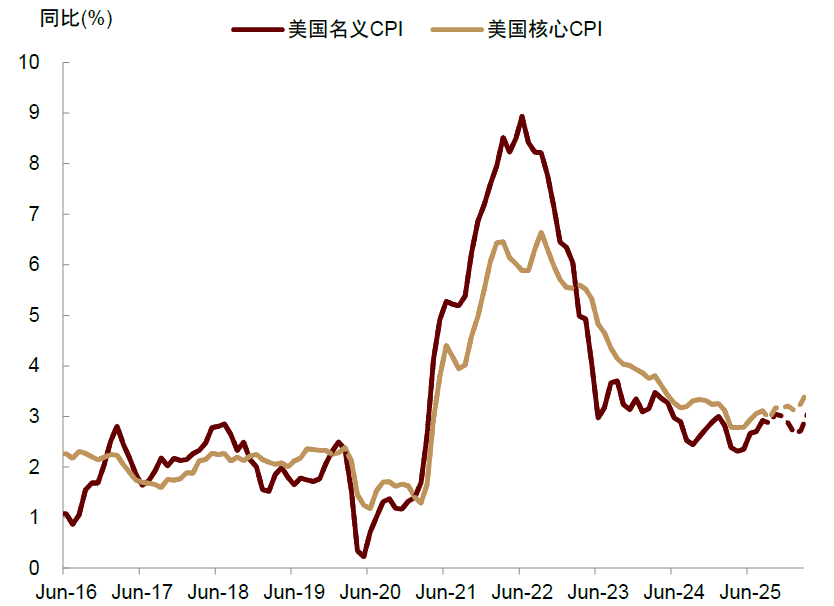
Core Viewpoint - The report from CICC anticipates that the liquidity environment between China and the U.S. will continue to resonate from September to October, with the dollar in a downward cycle, benefiting various asset classes including stocks, bonds, gold, and commodities [1][28]. Group 1: Market Outlook - October is expected to remain a favorable macroeconomic period, similar to September, suggesting a high risk appetite and an overweight position in Chinese stocks [1][28]. - The dynamic price-to-earnings ratio of the CSI 300 index is close to historical averages, indicating potential for further expansion compared to previous bull market peaks [1][28]. - A-shares and Hong Kong stocks offer better relative value compared to U.S. stocks due to the easing macro liquidity environment and the diminished independence and credibility of the U.S. dollar [1][35]. Group 2: Federal Reserve's Interest Rate Outlook - The Federal Reserve's interest rate cut cycle is expected to switch between "fast-slow-fast" phases, with the first phase starting in Q4 2025 characterized by rapid rate cuts due to rising inflation and employment risks [4][28]. - The second phase in H1 2026 will see a slowdown in rate cuts as inflation continues to rise, requiring a balance between growth and inflation risks [4][28]. - The third phase in H2 2026 may see accelerated rate cuts again, particularly if a more dovish Fed chair is appointed, and tariff impacts on inflation diminish [4][28]. Group 3: Economic Indicators and Asset Allocation - The U.S. economy is currently trending towards stagflation or recession, with stagflation being more likely, but the Fed's reintroduction of easing measures may eventually lead to growth recovery [8][28]. - Key economic indicators should be monitored to predict turning points in the economy, with a focus on consumption and employment data as leading indicators [16][21]. - The report suggests maintaining a focus on A-shares and Hong Kong stocks, while also being cautious of potential volatility in the market due to previous significant price increases [28][30]. Group 4: Gold and Other Assets - Despite a rapid increase in gold prices since the beginning of the year, the report advises to downplay short-term trading value and focus on long-term allocation opportunities, suggesting to accumulate on dips [1][35]. - The report highlights that during the dollar's down cycle, gold, commodities, and non-U.S. stocks tend to outperform U.S. stocks [5][35]. - The recommendation is to maintain an overweight position in gold due to the ongoing macro liquidity easing, despite short-term risks of price corrections [1][35].
金价上涨助推黄金理财热 还能“上车”吗
Zhong Guo Zheng Quan Bao· 2025-10-09 23:46
Core Viewpoint - Recent factors have driven international gold prices to rise continuously, leading to impressive performance in various gold-related financial products, with some products significantly outperforming others of similar risk levels [1][2]. Group 1: Gold Price Trends - As of October 9, 2023, the spot gold price reached $4024.1 per ounce, maintaining above $4000 despite a slight pullback, with a cumulative increase of over 16% since September [2]. - The demand for gold-related financial products has surged, with 48 such products currently in existence, including 14 newly established this year, and five launched in September alone [2]. Group 2: Product Performance - Notable financial products include a gold multi-strategy product from Xingyin Wealth with an annualized return of 8.41% over the past month, and a gold shark fin series product from China Merchants Wealth with a 6.27% monthly return and a 4.07% annualized return since inception [2]. - Financial institutions are diversifying their product designs beyond traditional gold price-linked models to include range returns, composite structures, and automatic profit-taking features, enhancing flexibility and risk mitigation [2][4]. Group 3: Investment Strategies - Two main categories of gold-related financial products are highlighted: 'fixed income+' products that combine high-grade credit bonds with gold and quantitative neutral strategies, and structured products that invest in gold-related derivatives [4]. - The exploration of more diverse gold investment strategies is expected to increase as demand for gold's hedging properties rises, with more financial companies likely to enter this sector [6]. Group 4: Market Influences - Key factors supporting the recent rise in gold prices include market expectations of a Federal Reserve interest rate cut, increased gold reserves by emerging market central banks, and heightened geopolitical risks that elevate gold's value as a safe-haven asset [6].

今日视点:丰富A股市场指数体系意义深远
Zheng Quan Ri Bao· 2025-10-09 22:59
Core Viewpoint - The recent meeting held by the China Securities Regulatory Commission (CSRC) emphasized the need to enrich the A-share market index, ETF, and derivative product service system to better serve residents' wealth preservation and appreciation needs, indicating a deeper layout of capital market infrastructure [1]. Group 1: Investment Ecosystem Optimization - Enriching the A-share index system will optimize the investment ecosystem and broaden asset allocation tools, responding to the increasing demand for enhanced investment portfolio yield elasticity as market interest rates trend downward [2]. - Diverse index products, such as ETFs, can help investors efficiently allocate to high-growth sectors and implement specific strategies at lower costs, catering to various risk preferences and investment goals [2]. Group 2: Pricing Efficiency and Company Quality - A robust index system promotes index-based investment development, enhancing pricing efficiency in the capital market through professional management of index funds, which leads to better value discovery in related industries and stocks [3]. - Companies are incentivized to improve market capitalization management and corporate governance to be included in influential indices, fostering a virtuous cycle that enhances information disclosure quality and financial standards [3]. Group 3: National Strategy and Capital-Industry Coordination - A comprehensive index system acts as a "navigation system" for the capital market, guiding funds towards national strategic priorities and quality enterprises, thereby improving capital allocation efficiency [4]. - The introduction of thematic indices, such as those related to "hard technology," effectively conveys policy direction and fosters a positive cycle among policy, capital, and industry [4]. Group 4: Market Maturity and International Influence - A mature capital market is often characterized by a well-developed index system, which is crucial for enhancing the international influence of A-shares [5]. - By developing indices with Chinese characteristics and related derivatives, the A-share market can improve its pricing capability and global attractiveness, providing effective asset allocation and risk management tools for domestic long-term capital [4].
中泰国际首席经济学家李迅雷: A股整体估值处于合理区间 长期行情需业绩支撑
Zheng Quan Shi Bao· 2025-10-09 22:00
Group 1 - The overall valuation of A-shares is currently within a reasonable range, with long-term bull markets relying on continuous growth in listed company performance [1] - The core driving force behind the A-share market's rise since the beginning of the year is attributed to declining interest rates and the influx of external funds [1][2] - The current market heat is at a moderate level, with no significant bubbles observed, as the price-to-earnings ratios of major indices are near historical averages [2] Group 2 - The growth potential of listed companies is crucial for the long-term market trend, with China's manufacturing sector holding nearly one-third of the global market share [2] - There is a structural disparity in the A-share market, with the Sci-Tech Innovation 50 Index's price-to-earnings ratio exceeding 170, indicating potential valuation risks [2] - The current economic environment necessitates increased fiscal and monetary policy efforts to stimulate demand, particularly in light of ongoing real estate downturns and demographic challenges [3] Group 3 - The call for balanced IPO advancement and investor interests is essential for enhancing market inclusivity and attractiveness [3] - The policy toolbox remains sufficiently equipped to maintain cautious optimism in the market, focusing on sectors with genuine growth potential [3]
“凭空多出一大笔开销”与“没想到成了投资收益最好的部分” 金价狂飙下的市场众生相
Zhong Guo Zheng Quan Bao· 2025-10-09 21:48
Core Insights - The rising gold prices have created a divide among consumers, with some feeling pressured by the increased costs of gold jewelry while others have benefited from their investments in gold [1][2][3] Consumer Behavior - Many consumers, like Mr. Wang, are postponing their purchases of gold jewelry due to high prices, which have exceeded 900 RMB per gram earlier this year and are now around 1160 RMB per gram [2][3] - Consumers are increasingly considering alternatives, such as purchasing gold bars from banks, which are cheaper than retail jewelry prices, leading to significant savings [3][4] Investment Trends - Investors who bought gold earlier, like Ms. Jia, have seen substantial returns, with some reporting profits exceeding 13,000 RMB from their investments in gold accumulation products [1][3] - The demand for gold-related financial products, such as gold accumulation and structured deposits, has surged as consumers seek to capitalize on rising gold prices [5][6] Market Dynamics - The gold market is characterized by two main participant types: financial investors who drive price movements and non-financial investors who provide market support [6][7] - Analysts suggest that while gold prices may experience short-term fluctuations, the long-term outlook remains positive due to ongoing geopolitical risks and sustained investment demand [6][7]