即时零售

Search documents
发展考验未止 | 2025年8月商业地产零售业态发展报告
Sou Hu Cai Jing· 2025-08-27 12:25
Group 1 - The government is actively creating diverse consumption scenarios to stimulate spending, while short-term rental demand in the commercial market is under pressure in some core cities [5][7] - High-end commercial performance continues to be tested, with many companies reporting a year-on-year decline in retail property income for the first half of 2025 [11][18] - Shopping centers are adapting to popular consumption demands, with a high proportion of new stores being flagship locations and diverse types, including international and niche brands [19][21] Group 2 - The retail market shows uneven performance, with dining brands benefiting from delivery and store expansion, while high-end retail brands face significant challenges [23][24] - E-commerce platforms like JD and Taobao are intensifying competition in instant retail, enhancing their logistics capabilities to create a comprehensive retail ecosystem [31][32] - REITs performance continues to diverge, with Tianhong planning to apply for a REIT based on its Suzhou project, reflecting ongoing trends in the commercial real estate sector [34][40] Group 3 - The commercial market in core cities is experiencing differentiated supply rhythms, with cities like Beijing and Shenzhen seeing significant new supply, while others like Hangzhou show no new supply [8][9] - Vacancy rates vary significantly between cities, with Shenzhen having the lowest at 4.1%, while Shanghai and Chengdu are higher at 8.6% and 9% respectively [9] - In terms of rental levels, Shanghai has the highest average rent at 31.9 yuan/day/sqm, while Shenzhen has the lowest at 18.1 yuan/day/sqm [9] Group 4 - In the context of declining overall consumption growth, Ingka is planning to sell ten shopping centers in China, with the first three projects involving 16 billion yuan [10] - The privatization of Joy City is aimed at addressing market challenges and improving governance, with a buyback plan of 2.932 billion Hong Kong dollars [18] - The performance of high-end retail brands is mixed, with Hermes showing growth while Kering and LVMH face significant declines [27]


美团Q2营收增长,利润因补贴大幅缩水
Guan Cha Zhe Wang· 2025-08-27 11:45
Core Insights - Meituan reported a revenue growth of 11.7% year-on-year to 91.8 billion yuan in Q2 2025, despite a significant decline in operating and net profits [1] - The decline in profits is attributed to intense market competition, with operating profit dropping by 98% to 226 million yuan and adjusted net profit decreasing by 89% to 1.493 billion yuan [1] - Sales costs increased by 27% to 61.4 billion yuan, rising from 58.8% to 66.9% of total revenue, driven by increased delivery volumes, rider subsidies, retail business expansion, and overseas investments [1] - Sales and marketing expenses surged by 51.8% to 22.5 billion yuan, accounting for 24.5% of revenue, due to business expansion and heightened competition in food delivery and instant retail [1] Business Performance - The core local commerce segment achieved a revenue of 65.3 billion yuan, reflecting a 7.7% year-on-year growth, indicating strong user engagement and transaction frequency [1] - The number of monthly active users on the Meituan app surpassed 500 million, with annual transaction frequency reaching a historical high [1] Market Expansion - During the "618" shopping festival, Meituan supported nearly one million physical stores, serving over 100 million users, with high-ticket items seeing a twofold increase in transaction value [2] - Instant retail orders peaked at over 150 million in July, and in-store business orders grew by over 40% year-on-year, with active merchant numbers hitting a new high [2] - Meituan's international expansion saw Keeta's order volume and GTV continue to grow, solidifying its leading position in Hong Kong and expanding into 20 cities in Saudi Arabia and launching services in Qatar [2] Strategic Outlook - CEO Wang Xing emphasized the importance of balancing market share and profitability amid fierce competition, while focusing on technological innovation and ecosystem development to create value for partners and promote sustainable industry growth [2]


盒马NB上半年营业额达80亿,目前总门店数近300家|36氪独家
36氪· 2025-08-27 11:28
Core Viewpoint - Hema NB has achieved significant growth in revenue and store expansion, indicating a successful strategy in the competitive retail market [6][9]. Group 1: Financial Performance - In the first half of the year, Hema NB's revenue reached approximately 8 billion yuan, showing a double-digit growth compared to the same period last year [6]. - The total number of stores has nearly doubled to around 300 within just six months, primarily concentrated in core urban and suburban areas of East China [6]. Group 2: Brand Strategy and Market Positioning - Hema NB is undergoing a rebranding process, with plans to change its name to "Super Box Calculation NB," reflecting its maturity and market readiness [7]. - The brand aims to differentiate itself from Hema Fresh, targeting a different consumer segment that prefers lower-priced, community-oriented shopping experiences [7][9]. Group 3: Product Offering and Pricing Strategy - Hema NB focuses on a simplified supply chain and a high proportion of private label products, which helps maintain low prices [8]. - For example, Hema NB offers a 450g grain-fed beef roll for 19.9 yuan, significantly lower than competitors [8]. Group 4: Operational Strategy - Hema NB has opened online delivery services, with an expected online sales contribution of around 30% [7]. - The company is actively recruiting sorting staff in multiple cities to enhance its delivery capabilities [7]. Group 5: Future Growth and Expansion Plans - Hema aims to achieve a GMV of 100 billion yuan by the end of 2024, with an annual GMV of 75 billion yuan reported as of March this year [9]. - The company plans to continue expanding both Hema Fresh and Hema NB stores while ensuring a balance between the two formats to avoid competition for customer traffic [9].


新华都(002264):线上酒水市场维持较高景气 AI赋能打造长期护城河
Xin Lang Cai Jing· 2025-08-27 10:38
Core Viewpoint - The company reported a decline in revenue and GMV in the first half of 2025, but showed resilience in the second quarter with a year-on-year increase in revenue despite industry pressures [1][2]. Financial Performance - In H1 2025, the company achieved revenue of 1.858 billion yuan, a year-on-year decrease of 11.0%, and a net profit attributable to shareholders of 147 million yuan, an increase of 1.2% [1]. - The company's gross merchandise volume (GMV) for H1 2025 was 3.2 billion yuan, down 26% year-on-year [1]. - In Q2 2025, the company recorded revenue of 752 million yuan, a year-on-year increase of 9.6%, and a net profit of 54 million yuan, up 4.5% [1]. Margin and Cost Management - The gross margin for H1 2025 was 23.4%, a decrease of 0.94 percentage points year-on-year, with Q2 gross margin at 23.0%, down 2.40 percentage points [2]. - The company’s expense ratio in Q2 2025 was 14.9%, a decrease of 5.04 percentage points year-on-year, with sales, management, R&D, and financial expense ratios showing varied changes [2]. Strategic Initiatives - The company is leveraging AI and RPA technologies to optimize costs and improve operational efficiency, while also implementing employee stock ownership and incentive plans to retain key personnel [2]. - The company is focusing on the rapid expansion of online liquor sales and has established a robust supply chain and operational capabilities, positioning itself as a leader in the e-commerce liquor sector [3]. Growth Outlook - The company is expected to achieve revenues of 4.484 billion yuan and 5.506 billion yuan in 2025 and 2026, respectively, with net profits projected at 322 million yuan and 409 million yuan [3]. - The current stock price corresponds to a P/E ratio of 16X for 2025, indicating strong long-term growth potential [3].

美团发布二季度财报:营收918亿元,销售营销开支增长51.8%
Feng Huang Wang· 2025-08-27 08:59
Core Insights - Meituan reported a total revenue of 91.8 billion RMB for Q2, reflecting a year-on-year growth of 11.7% [1] - The core local commerce segment generated revenue of 65.3 billion RMB, up 7.7% year-on-year, but faced increased competition leading to higher marketing expenses [1] - New business segment revenue grew by 22.8% to 26.5 billion RMB, but operating losses expanded by 43.1% to 1.9 billion RMB due to overseas expansion costs [1] Financial Performance - Sales and marketing expenses surged by 51.8% year-on-year to 22.5 billion RMB, significantly impacting profit margins [1] - The company maintained a strong cash position with cash and cash equivalents of 101.7 billion RMB and short-term investments of 69.4 billion RMB as of June 30, 2025 [2] User Engagement - The Meituan app reached over 500 million monthly active users, with annual transaction frequency hitting a record high [2] - The "Meituan Flash Purchase" service saw strong growth in order volume and transaction value, with daily order peaks exceeding 150 million in July [2] - Average delivery time for all orders was 34 minutes, indicating improved user engagement and retention [2]
美团2025年Q2财报:营收918亿元,同比增长11.7%
Xin Lang Ke Ji· 2025-08-27 08:42
Core Insights - Meituan reported Q2 2025 revenue of 91.8 billion RMB, a year-on-year increase of 11.7% [1] - The Meituan app surpassed 500 million monthly active users, with annual transaction frequency reaching a historical high [1] - CEO Wang Xing emphasized the importance of technology innovation and ecosystem development to enhance value for partners and promote sustainable industry growth [1] Financial Performance - The core local commerce segment generated revenue of 65.3 billion RMB, reflecting a 7.7% year-on-year growth [1] - New business segment revenue reached 26.5 billion RMB, up 22.8%, with losses narrowing to 1.9 billion RMB [3] Market Position and Competition - Meituan maintained its market leadership in the instant delivery sector, achieving a peak daily order volume of over 150 million in July [1] - The company has partnered with over 800 leading restaurant brands to open more than 5,500 satellite stores, aiming to exceed 10,000 by year-end [2] User Engagement and Service Expansion - The "flash purchase" service has seen strong growth, with a significant extension of consumer scenarios beyond food to include electronics and beauty products [2] - The number of orders for in-store services grew by over 40% year-on-year, with active merchant numbers reaching new highs [2] Social Responsibility and Support Initiatives - Meituan has implemented full coverage of work injury insurance for riders in 17 provinces and cities since July 1 [4] - The company plans to expand its rider pension insurance subsidy nationwide by the end of the year, benefiting over one million riders [4] Safety and Quality Initiatives - Meituan is advancing the "Internet + Bright Kitchen" model, with 117,000 merchants adopting live streaming for transparency in food safety [5] - The company plans to invest in building 1,200 "Raccoon Canteens" over the next three years to enhance food delivery quality [5] Research and Development - Meituan's R&D investment reached 6.3 billion RMB, a 17.2% increase year-on-year [6] - The company has launched 64 drone delivery routes in major cities, completing over 600,000 orders [6]
加快培育生鲜产品赛道2025年青岛啤酒半年报里的创新答卷
Xin Lang Cai Jing· 2025-08-27 04:33
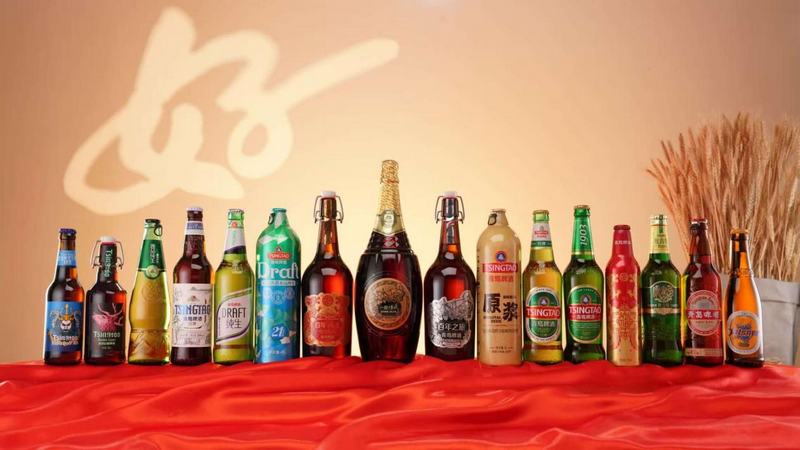
Core Viewpoint - The beer industry is transitioning from industrialization to digitalization, with leading companies innovating in production processes to enhance product uniqueness and premium quality [1] Financial Performance - Qingdao Beer reported a product sales volume of 4.732 million kiloliters in the first half of 2025, representing a year-on-year increase of 2.3% [3] - The company achieved operating revenue of RMB 20.49 billion, up 2.1% year-on-year [3] - Net profit attributable to shareholders reached RMB 3.9 billion [3] Product Innovation - The demand for fresh beer is rising, with consumers favoring products that are fresher and richer in flavor [3] - Qingdao Beer has introduced high-end fresh beer in 1L aluminum bottles, which has contributed to the trend of fresh beer in the Chinese market [3] - The company is focusing on product innovation, including the development of 1L premium raw beer and 1L crystal pure beer, to meet the growing demand for high-quality fresh products [6][8] Technological Advancements - Qingdao Beer has upgraded traditional brewing processes to a quantifiable and replicable smart manufacturing model, utilizing IoT technology for full-process data monitoring [6] - The company has implemented a cold chain logistics model that includes IoT sensors for precise temperature control and dynamic transportation planning [6] Market Strategy - The company is expanding its retail channels by collaborating with platforms like Meituan, Ele.me, and Douyin to create a "30-minute fresh delivery circle" [8] - Qingdao Beer is focusing on new consumer demographics and needs, driving product innovation across various dimensions such as personalization, health, and premium quality [8] - The brand strategy includes promoting the Qingdao Beer main brand alongside the Laoshan Beer as a national second brand, enhancing brand visibility through sports and music marketing [8] Brand Value - Qingdao Beer was recognized with a brand value of RMB 280.355 billion, placing it among the world's top 500 brands [8]

加快培育生鲜产品赛道 2025年青岛啤酒半年报里的创新答卷
Zhong Guo Jing Ying Bao· 2025-08-27 03:44
Core Insights - The beer industry is transitioning from industrialization to digitalization, with leading companies innovating in production to enhance product differentiation and premiumization [1] Financial Performance - Qingdao Beer reported a product sales volume of 4.732 million kiloliters in the first half of 2025, a year-on-year increase of 2.3% [3] - The company achieved operating revenue of RMB 20.49 billion, up 2.1% year-on-year [3] - Net profit attributable to shareholders reached RMB 3.9 billion, reflecting a 7.2% year-on-year growth [3] Product Innovation - The demand for fresh beer is rising in China, with consumers favoring fresher and richer-tasting products [4] - Qingdao Beer’s high-end fresh 1L aluminum bottle has shown steady growth and is leading the fresh beer trend in the industry [4] - The company has established a group standard for fresh beer, emphasizing the "three no principles" (unfiltered, undiluted, and unpasteurized), which sets a technical benchmark for the industry [6] Technological Advancements - Qingdao Beer has upgraded traditional brewing processes into a quantifiable and replicable smart manufacturing model, utilizing IoT technology for full-process data monitoring [6] - The company has implemented innovative packaging technology to preserve yeast activity and ensure product freshness [7] Channel Innovation - Qingdao Beer is expanding its "30-minute fresh delivery" service through partnerships with platforms like Meituan and Douyin, catering to consumer demand for immediate consumption [11] - The company is focusing on new consumer demographics and trends, driving product innovation and enhancing consumer experience through various marketing strategies [11][12] Brand Strategy - Qingdao Beer continues to implement its brand strategy, promoting both its main brand and the secondary brand, Laoshan Beer, while engaging in sports and music marketing to enhance brand visibility [11] - The company ranked among the world's top 500 brands with a brand value of RMB 280.355 billion [11]
专访美团闪电仓“闪电帮帮”迭代背后是3个即时零售生意的新机会
Sou Hu Cai Jing· 2025-08-26 19:05
Core Insights - Meituan's instant retail platform, Meituan Flash Purchase, is undergoing a significant upgrade with the launch of its new service platform "Flash Help" to enhance its product and service system [1][3] - The upgrade aims to support the growth of flash warehouse merchants and improve the overall supply chain efficiency, moving away from price competition to a focus on operational excellence and differentiated product offerings [3][4] Group 1: Supply Chain and Merchant Support - The competitive landscape for flash warehouse merchants has intensified, requiring them to focus on operational efficiency and supply chain capabilities rather than just acquiring traffic [4][6] - Meituan Flash Purchase's research indicates that convenience store-type warehouses may need to connect with thousands of suppliers, highlighting the complexity of daily operations [4][5] - The "Flash Help" platform aims to provide systematic solutions to support the ecosystem's health and sustainability by enhancing the capabilities of service providers [6][9] Group 2: Business Opportunities in Instant Retail - The rise of instant retail creates three new business opportunities: 1. Service providers (or pallet merchants) can establish themselves by offering multidimensional services to flash warehouse merchants, including product selection and after-sales support [12][13] 2. Brand owners can leverage instant retail to expand their market presence, utilizing high-quality service providers to efficiently distribute products and gather consumer data [16][17] 3. Small and medium-sized flash warehouse merchants can benefit from the operational support provided by "Flash Help," allowing them to focus on business management rather than logistics [18][19] Group 3: Platform Evolution and Market Dynamics - The core competitive advantage in the instant retail sector is shifting from rapid market entry to the ability to organize a responsive and low-loss supply chain network [20] - The evolution of service providers from simple suppliers to integral operational partners is crucial for enhancing the resilience of flash warehouse merchants in a competitive environment [22][23] - The launch of "Flash Help" represents a significant step in Meituan Flash Purchase's efforts to streamline supply chain management and improve the overall retail ecosystem [23]

当“喜茶们”开始“用脚投票”:淘宝闪购走向持久战 即时零售下一程或剑指“高客单价”
Mei Ri Jing Ji Xin Wen· 2025-08-26 13:21
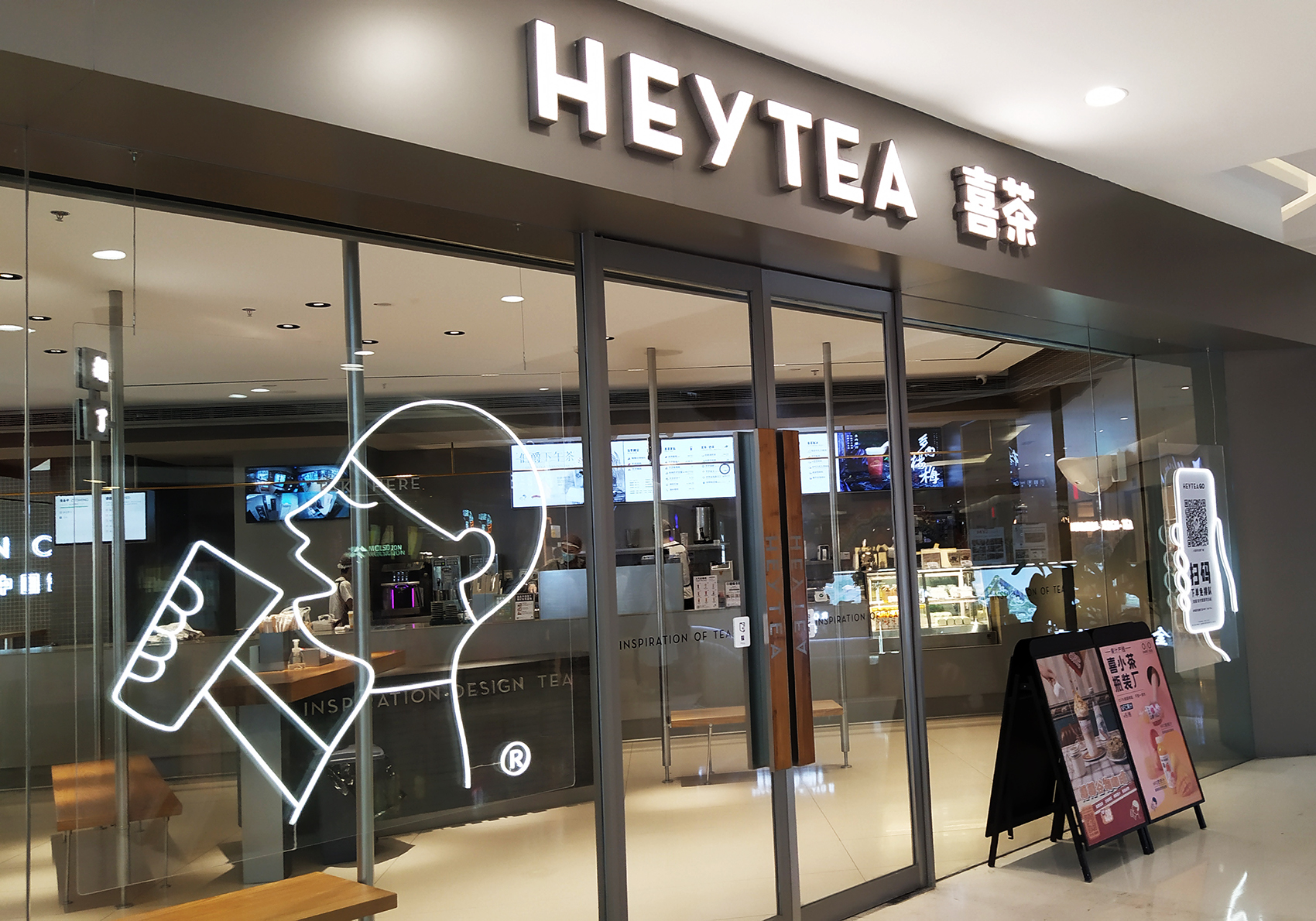
每经记者|陈婷 每经编辑|董兴生 外卖补贴潮的辐射效应,正渗透至诸多行业。 8月22日,喜茶全国超4000家门店全量上线淘宝闪购(饿了么),一度被视为行业标志性事件。要知道,作为一个曾对低价表现过抵触态度的茶饮品牌,在 外卖补贴潮初期,喜茶的参与感并不强。此前多年,喜茶只在喜茶小程序和美团平台做外卖。 另有消息称,喜茶还上线了美团"拼好饭",更多集中在低线城市。《每日经济新闻》记者在美团外卖App(应用程序)更改定位后发现,山西大同的消费者 的确可以在"拼好饭"找到6.9元一杯的"喜茶椰椰芒芒"。 图片来源:每日经济新闻 资料图 喜茶的躬身入局或许可以说明,外卖补贴潮正在潜移默化地改写大小茶饮品牌的生存逻辑。与此同时,稳定多年的即时零售市场格局也已经出现明显的松动 迹象。 有中小茶饮品牌商家向记者反映,在本次外卖补贴潮开始前,外卖订单中美团渠道占比六成,饿了么渠道占比四成,"现在反过来了"。 当前,淘宝闪购已经展现出进入"持久战"的迹象。有商家向记者反映,截至8月16日,淘宝闪购的补贴力度出现了小幅缩减。也有茶饮品牌商家称,8月,补 贴在继续,不过,平台发的券已经开始"变少"。 《每日经济新闻》记者从接近阿里 ...