即时零售

Search documents
即时零售:产业互联网浪潮中的先锋力量
Sou Hu Cai Jing· 2025-08-24 16:37
Core Insights - The internet industry is undergoing unprecedented changes driven by technological advancements and innovative business models, with instant retail emerging as a significant force [1] - Instant retail represents an evolution of business models, moving beyond simple cash subsidies to rely on new models, technologies, and strategies [1][3] Group 1: Impact on B-end Industries - Instant retail is shifting focus from C-end user transformation to profound changes in B-end industries, affecting internal elements, production methods, and business models [3] - The integration of instant retail is leading to a reconstruction of the entire supply chain and ecosystem, laying a solid foundation for the implementation of industrial internet [3] Group 2: Integration of Virtual and Physical Economies - Instant retail facilitates deep integration between virtual and physical economies, addressing inefficiencies in resource allocation that existed in the consumer internet era [3] - By connecting online and offline resources, instant retail enhances efficiency and promotes collaborative development between virtual and physical economies [3] Group 3: New Supply-Demand Dynamics - Instant retail establishes a new balance in supply-demand relationships, overcoming challenges faced in the latter part of the consumer internet era as traffic dividends diminish [3][4] - This new balance not only meets consumers' immediate needs but also drives upgrades and transformations on the supply side [3][4] Group 4: Technological Advancements and Future Trends - The rise of AI technology and decentralized business models in the supply side is evident due to the influence of instant retail, enhancing overall industry efficiency [4] - The ongoing development of instant retail is expected to bring new opportunities and challenges to the industrial internet, with future advancements likely to introduce more phenomena and trends [4]

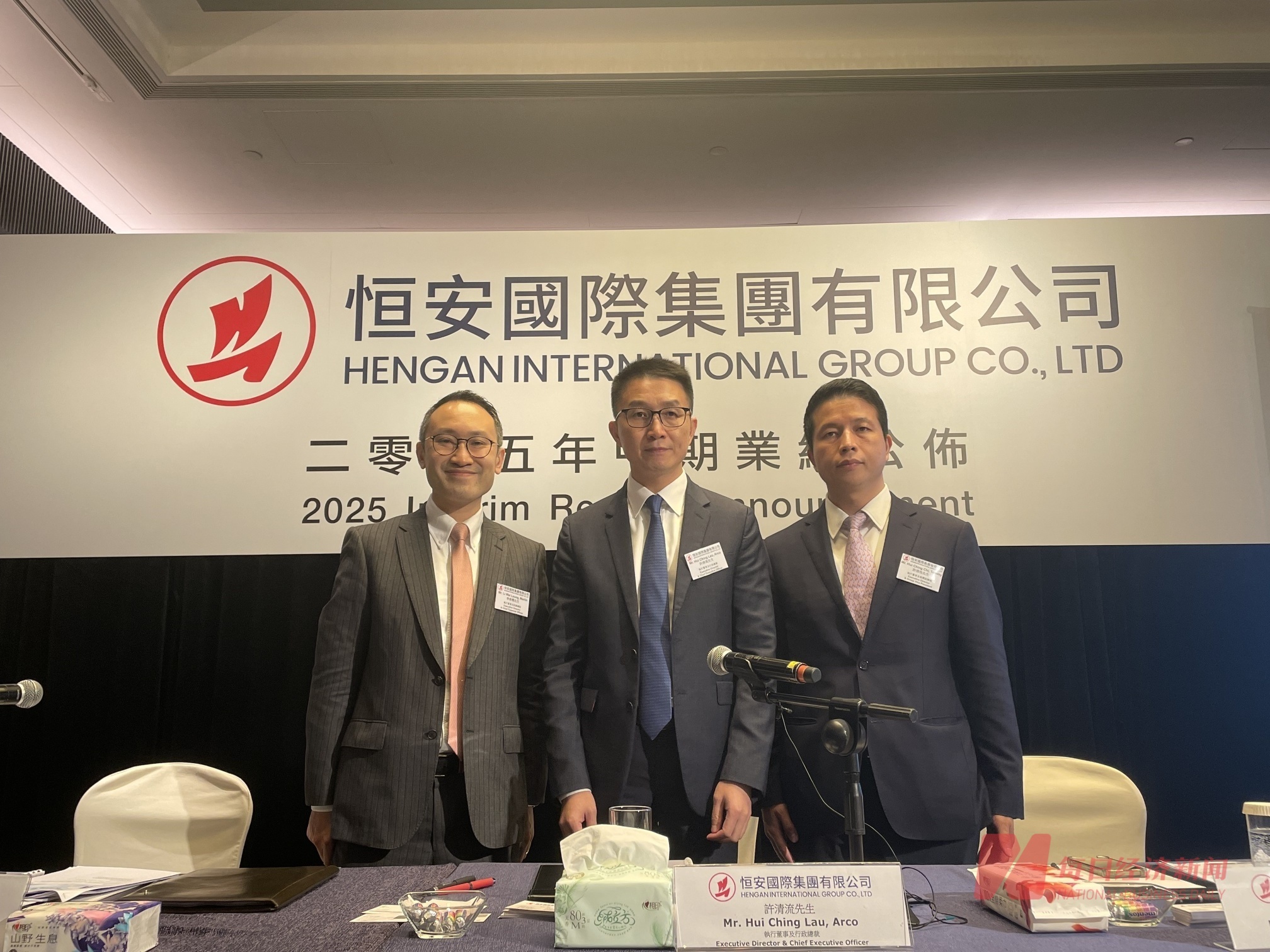
恒安国际上半年收入微降0.2% 管理层:纸巾行业价格战趋稳,尤其看好“即时零售”销售渠道
Mei Ri Jing Ji Xin Wen· 2025-08-23 12:28
Core Viewpoint - The company reported a slight decline in revenue and profit for the first half of 2025, indicating challenges in the personal hygiene products market, particularly in the sanitary products segment [1][2]. Financial Performance - For the first half of 2025, the company achieved revenue of 11.808 billion yuan, a slight decrease of 0.2% year-on-year; profit attributable to equity holders was approximately 1.373 billion yuan, down 2.6% year-on-year; gross margin fell from 33.3% to 32.3% [1]. - The paper towel business generated revenue of 7.174 billion yuan, up 3.2% year-on-year, accounting for 60.8% of total revenue; the sanitary products segment saw revenue decline by 14.4% to 3.304 billion yuan, dropping to 28.0% of total revenue; other businesses, including raw material trading and international operations, increased revenue by 29.6% to 1.331 billion yuan [1]. Business Segment Analysis - The paper towel segment's growth was primarily driven by slight price increases and stable sales volume, with wet wipes showing a significant sales increase of 23.5%, now representing over 11% of the paper towel segment's total revenue [2]. - The sanitary products segment faced challenges due to new brand entries, reduced foot traffic in traditional channels, and competitive promotions on e-commerce platforms, although it showed a 7.3% recovery compared to the second half of 2024 [2][3]. Market Trends and Innovations - The company is focusing on innovation in traditional products like paper towels and sanitary napkins, with plans to develop new products to ensure healthy business growth [2]. - The adult incontinence product market is expanding, contributing to a 1% growth in the adult diaper segment, while high-end sanitary napkin series saw a 26.4% increase in sales [3]. Financial Health - As of June 2025, the company maintained a strong financial position with cash reserves of 23 billion yuan, an increase of nearly 4.1 billion yuan from the end of 2024; net cash reached 6.43 billion yuan, up over 600 million yuan year-on-year [3]. - The company declared an interim dividend of 0.70 yuan per share, totaling approximately 813 million yuan, consistent with the previous year [3]. E-commerce and New Retail - E-commerce and new retail channels accounted for 34.4% of total sales, with a year-on-year growth of 7.9%; the company anticipates continued growth in these channels, particularly in "instant retail" [4]. Gross Margin and Cost Management - The gross margin for the paper towel segment improved from 19.6% to 21.9%, while the gross margin for sanitary napkins decreased from 59.5% to 57.3%, leading to an overall decline in the group's gross margin by 1 percentage point [4]. - The company emphasized that the safety of sanitary napkins is a priority, with increased industry standards and internal standards exceeding national requirements [5].
中报现场丨恒安国际上半年收入微降0.2% 管理层:纸巾行业价格战趋稳,尤其看好“即时零售”销售渠道
Mei Ri Jing Ji Xin Wen· 2025-08-23 12:21
Core Viewpoint - The financial report of Hengan International shows a slight decline in revenue and profit for the first half of 2025, indicating challenges in the personal hygiene products market, particularly in the sanitary products segment. Financial Performance - For the first half of 2025, Hengan International reported revenue of 11.808 billion yuan, a slight decrease of 0.2% year-on-year [1] - The profit attributable to equity holders was approximately 1.373 billion yuan, down 2.6% year-on-year [1] - The gross profit margin decreased from 33.3% in the same period last year to 32.3% [1] Business Segment Performance - The tissue paper segment generated revenue of 7.174 billion yuan, an increase of 3.2% year-on-year, accounting for 60.8% of total revenue [1] - The sanitary products segment, including sanitary napkins and diapers, saw revenue decline to 3.304 billion yuan, down 14.4% year-on-year, with its share dropping to 28.0% [1] - Other businesses, including raw material trading and home products, achieved revenue of 1.331 billion yuan, a significant increase of 29.6% [1] Market Trends and Innovations - The company is focusing on innovative products such as wet toilet paper and facial wipes to adapt to changing consumer habits [1][2] - Hengan International plans to track market trends for emerging and star products separately [1] Competitive Landscape - The sanitary products segment faced challenges due to new brand entries, reduced foot traffic in traditional channels, and competitive promotions on e-commerce platforms [5] - The adult incontinence products market is growing, with a 1% increase in adult diaper sales [6] E-commerce and New Retail - E-commerce and new retail channels accounted for 34.4% of total sales, with a year-on-year growth of 7.9% [7] - The company anticipates continued growth in these channels, particularly in "instant retail" [7] Cost and Margin Analysis - The gross margin for the tissue paper segment improved from 19.6% to 21.9%, while the gross margin for sanitary napkins decreased from 59.5% to 57.3% [7] - Overall gross margin declined by 1 percentage point due to rising raw material costs [7] Safety and Standards - Hengan International emphasizes the importance of sanitary napkin safety, stating that high gross margins support marketing expenses rather than compromising product safety [8] - The company adheres to strict internal standards that exceed national regulations for sanitary napkin safety [8]
京东健康(06618.HK)25H1业绩点评:收入与盈利实现双增 经营效率持续优化
Ge Long Hui· 2025-08-23 11:11
Core Viewpoint - JD Health reported strong revenue growth and improved profitability in the first half of 2025, driven by increased sales of pharmaceutical and health products, as well as digital marketing services [1][2][3] Group 1: Financial Performance - In the first half of 2025, JD Health achieved revenue of 35.3 billion yuan, a year-on-year increase of 24.5% from 28.3 billion yuan [1] - The company's operating profit reached 2.127 billion yuan, up 105.5% year-on-year, while Non-IFRS operating profit was 2.483 billion yuan, a 56.7% increase [1][2] - Non-IFRS net profit grew by 35% to 3.57 billion yuan, with a net profit margin of 10.1%, reflecting a 0.8 percentage point increase year-on-year [2] Group 2: Revenue Breakdown - Product revenue from the sale of pharmaceuticals and health products amounted to 29.3 billion yuan, a 22.7% increase year-on-year, accounting for 83% of total revenue [1] - Digital marketing services revenue reached 6 billion yuan, a 34.4% increase, driven by a rise in the number of advertisers [1][2] Group 3: Strategic Developments - JD Health has established over 200,000 links to offline pharmacies for instant delivery and expanded online medical insurance payments to nearly 200 million people [2] - The company has partnered with Beijing Children's Hospital to create a dedicated pediatric pharmacy, enhancing prescription flow and insurance payment processes [2] - The introduction of AI technologies, including AI doctors and pharmacists, has served over 50 million users, indicating a significant advancement in service capabilities [3] Group 4: Future Outlook - The company is expected to benefit from the deepening application of medical AI and the "Healthy China" strategy, which is likely to release health demand [3] - Revenue forecasts for 2025-2027 have been adjusted to 70 billion, 80.5 billion, and 92.6 billion yuan, respectively, with net profit estimates revised to 5.5 billion, 6.5 billion, and 7.6 billion yuan [3]

巨亏147亿!刘强东天塌了
商业洞察· 2025-08-23 09:28
Core Viewpoint - JD.com reported its Q2 2025 earnings, showcasing strong revenue growth but significant losses in new business segments, particularly in food delivery, raising concerns about its long-term profitability strategy [4][7][19]. Group 1: Financial Performance - JD.com achieved a record revenue of 356.7 billion RMB in Q2 2025, marking a 22.4% year-on-year increase [4]. - The core retail business generated 310.1 billion RMB, with a growth rate of 20.6% and an operating profit margin of 4.5%, the highest in the company's history for any promotional quarter [4][10]. - However, the new business segment, including food delivery, incurred a loss of 14.777 billion RMB, leading to an overall operating loss of 900 million RMB compared to a profit of 10.5 billion RMB in the same quarter last year [7][19]. Group 2: Business Segments - The retail and logistics segments remained robust, with retail revenue growing by 20.6% and logistics revenue increasing by 16.6% to 51.564 billion RMB [10][15]. - The food delivery service, despite generating 13.852 billion RMB in revenue (up nearly 200% year-on-year), faced substantial losses, with an operating profit margin plummeting to -106.7% [17][19]. - The average loss per food delivery order was reported to be around 5 to 6 RMB, indicating a significant financial burden on the company [17]. Group 3: Strategic Insights - JD.com's entry into the food delivery market is seen as a long-term strategic move to enhance user engagement and drive traffic to its core e-commerce platform [22][30]. - The company aims to leverage high-frequency food delivery transactions to convert users into long-term customers across its retail ecosystem [26][30]. - JD.com is committed to investing heavily in this segment, with management indicating a willingness to sacrifice short-term profits for long-term growth [32][34]. Group 4: Competitive Positioning - JD.com maintains a competitive edge through its supply chain advantages and self-operated model, which have contributed to a consistent increase in gross margins over 13 consecutive quarters [34][38]. - The company has focused on differentiated product offerings and enhanced service experiences to avoid price wars with competitors [38][42]. - JD.com is also expanding its logistics network globally, aiming to replicate its domestic success in international markets [42].

家电家具手机持续热销、文体旅游“热”力十足 7月份消费市场保持平稳增长
Sou Hu Cai Jing· 2025-08-23 00:33
Group 1 - In July, China's consumer market showed strong performance with a retail sales total of 3.88 trillion yuan, a year-on-year increase of 3.7%, which is 1 percentage point higher than the same period last year [1] - The retail sales of home appliances, furniture, and communication equipment all saw year-on-year growth exceeding 10% in July, highlighting a robust demand for these categories [1] - The "old-for-new" consumption policy has effectively supported the sales of upgraded products, encouraging consumers to replace old items with more energy-efficient and intelligent options [1][2] Group 2 - The service consumption market has also experienced rapid growth, with significant increases in retail sales for cultural, sports, leisure services, and travel consulting services, all maintaining double-digit growth [2] - The summer box office surpassed 10 billion yuan, indicating a strong interest in domestic films, while the tourism market has introduced diverse and innovative products to attract consumers [2] - Online retail sales from January to July increased by 9.2% year-on-year, with the growth rate accelerating compared to the first half of the year, showcasing the shift towards online consumption [2][3] Group 3 - Instant retail, represented by food delivery services, has rapidly developed, providing new opportunities for businesses to reach diverse consumer needs and create new customer bases [3]
阿里巴巴,大调整
Zhong Guo Ji Jin Bao· 2025-08-22 12:50
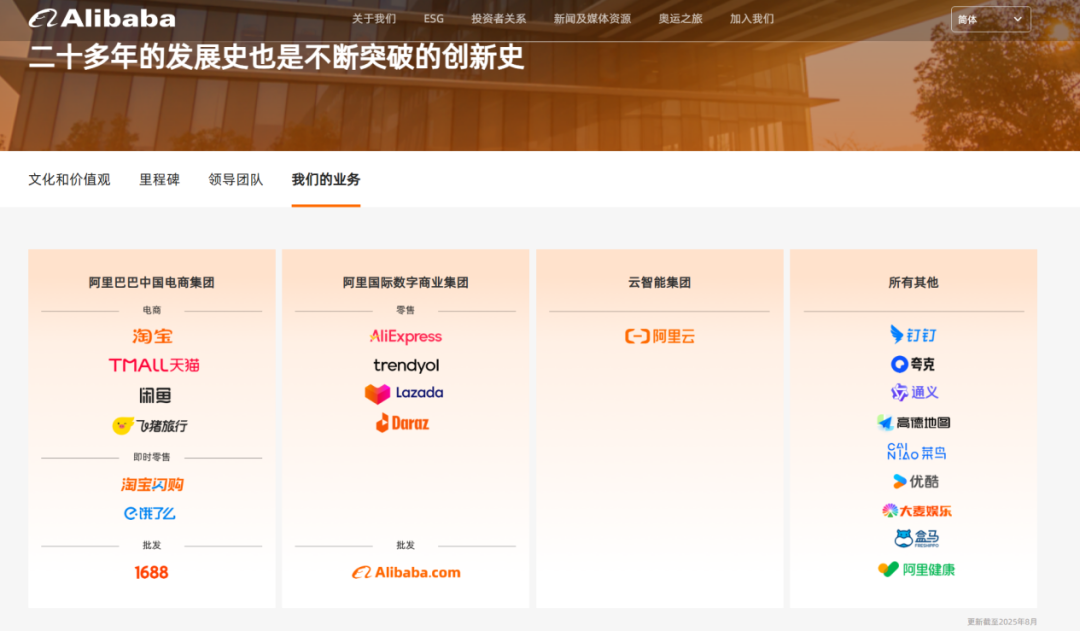
Core Viewpoint - Alibaba has restructured its business into four main groups to enhance operational efficiency and respond to market competition, particularly in the e-commerce and local services sectors [1][5]. Group Summaries Alibaba China E-commerce Group - This group includes platforms such as Taobao, Tmall, Xianyu, Fliggy, Taobao Flash Sale, Ele.me, and 1688 [3][5]. - The integration of Ele.me and Taobao Flash Sale into the new China E-commerce Group is aimed at strengthening core e-commerce capabilities [5][7]. Alibaba International Digital Commerce Group - This group encompasses international platforms like AliExpress, Trendyol, Lazada, Daraz, and Alibaba.com [3][5]. Cloud Intelligence Group - The Cloud Intelligence Group is primarily represented by Alibaba Cloud [5]. Other Businesses - The "Other" category includes DingTalk, Quark, Tongyi, Gaode Map, Cainiao, Youku, Damai Entertainment, Hema, and Alibaba Health [5][6]. - The previously independent Cainiao and Big Entertainment groups are now categorized under "Other," indicating a strategic shift towards supporting core business rather than independent expansion [5][6]. Strategic Context - The restructuring follows the "1+6+N" framework proposed by former CEO Daniel Zhang in March 2023, which aimed to create six independent operational entities while retaining various smaller business units [5][6]. - The focus has shifted towards core e-commerce and AI capabilities, especially after the suspension of IPO plans for Cainiao and Hema [6]. - In November 2024, Alibaba's CEO announced the formation of the Alibaba E-commerce Business Group, consolidating various e-commerce operations to create a comprehensive domestic and international business cluster [6][7]. Market Insights - The local services market in China is projected to grow from CNY 19.5 trillion in 2020 to CNY 35.3 trillion by 2025, with online penetration increasing from 24.3% to 30.8% during the same period [7].

阿里巴巴,大调整
中国基金报· 2025-08-22 12:46
Core Viewpoint - Alibaba has restructured its business into four major groups: Alibaba China E-commerce Group, Alibaba International Digital Commerce Group, Cloud Intelligence Group, and "All Other" businesses, aiming to enhance operational efficiency and respond to market competition [2][4]. Group Summaries Alibaba China E-commerce Group - This group includes platforms such as Taobao, Tmall, Xianyu, Fliggy, Taobao Flash Sale, Ele.me, and 1688, consolidating resources to strengthen core e-commerce capabilities [2][4]. Alibaba International Digital Commerce Group - Comprises international platforms like AliExpress, Trendyol, Lazada, Daraz, and Alibaba.com, focusing on expanding global reach [2][4]. Cloud Intelligence Group - This group is primarily represented by Alibaba Cloud, which continues to be a significant part of Alibaba's business strategy [4]. All Other Businesses - This category includes DingTalk, Quark, Tongyi, Gaode Map, Cainiao, Youku, Damai Entertainment, Hema, and Alibaba Health, indicating a shift in strategic priority towards supporting core operations rather than independent expansion [4][5]. Organizational Structure Changes - The previous "1+6+N" structure proposed by former CEO Daniel Zhang has been phased out, with a focus now on core e-commerce and AI initiatives. The new e-commerce business group integrates various e-commerce operations under a unified leadership [6][7]. Market Context - The local lifestyle service market in China is projected to grow from CNY 19.5 trillion in 2020 to CNY 35.3 trillion by 2025, with online penetration increasing from 24.3% to 30.8% during the same period, highlighting the competitive landscape Alibaba is navigating [7].

华致酒行归母净利润同比骤降六成,存货压力犹在
Xin Jing Bao· 2025-08-22 12:12
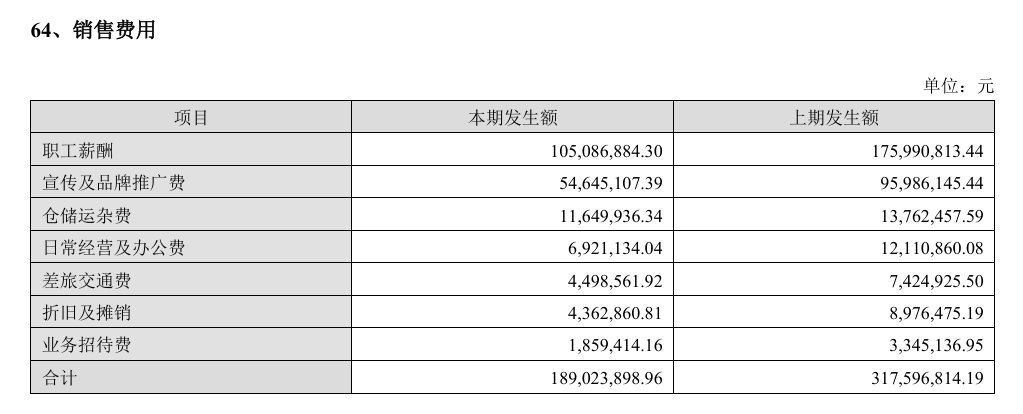
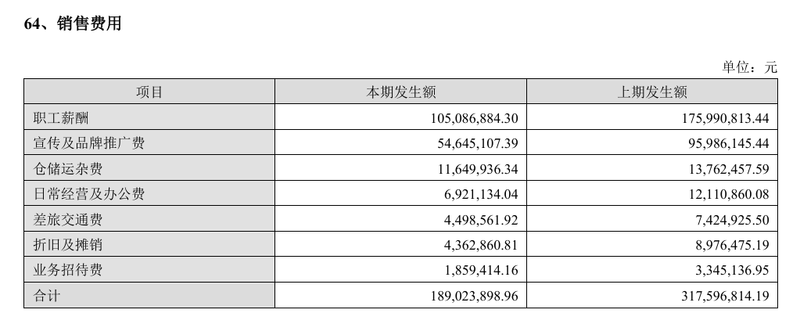
Core Viewpoint - The financial performance of Huazhi Wine Trading (华致酒行) in the first half of 2025 is disappointing, with significant declines in revenue and net profit due to adverse market conditions and changing consumer demand [1][3]. Financial Performance - Revenue for the first half of 2025 is approximately 3.949 billion yuan, a year-on-year decrease of 33.55% [2][3]. - Net profit attributable to shareholders is about 56.21 million yuan, down 63.75% year-on-year [2][3]. - The net profit after deducting non-recurring gains and losses is approximately 32.98 million yuan, a decline of 76.03% compared to the previous year [2][3]. Market Challenges - The decline in revenue is attributed to the economic situation and policy changes, leading to decreased market demand for alcoholic beverages [3]. - The company has established long-term partnerships with well-known brewing companies and large liquor distributors, but the overall market for liquor is undergoing significant adjustments [3][4]. Inventory and Cost Management - The company has implemented a strategy to reduce inventory, with total assets decreasing by 20.98% to approximately 5.621 billion yuan [7]. - Inventory has decreased from 3.259 billion yuan to 2.822 billion yuan, but the proportion of inventory to total assets has increased from 45.81% to 50.21% [7]. - Sales expenses have decreased by 40.48% due to a reduction in the number of sales personnel and lower promotional costs [6][4]. Strategic Initiatives - The company has adopted an "eighteen-character strategy" focusing on inventory reduction, sales promotion, price stabilization, structural adjustment, team strengthening, and model optimization [1][7]. - Huazhi Wine Trading is actively developing instant retail business models to enhance sales and meet consumer demand [8]. Future Outlook - Despite current challenges, the company retains advantages in brand agency rights and national channel layout, suggesting potential for performance rebound when the market recovers [4].

透视半年报|华致酒行归母净利润同比骤降六成,存货压力犹在
Bei Ke Cai Jing· 2025-08-22 12:02
Financial Performance - In the first half of 2025, the company reported revenue of approximately 3.949 billion yuan, a year-on-year decline of 33.55% [4] - The net profit attributable to shareholders was approximately 56.21 million yuan, down 63.75% year-on-year [4] - The net profit after deducting non-recurring gains and losses was approximately 32.98 million yuan, a decrease of 76.03% year-on-year [4] Market Challenges - The decline in revenue is attributed to the impact of the economic situation and changes in policies, leading to decreased market consumption demand [5] - The liquor industry is undergoing a deep adjustment, with market demand declining and product prices falling, which has compressed the profit margins for some liquor products [8] Inventory and Asset Management - The company has implemented a strategy to reduce inventory, with total assets decreasing by 20.98% to approximately 5.621 billion yuan [14] - Inventory decreased from 3.259 billion yuan to 2.822 billion yuan, but the proportion of inventory to total assets increased from 45.81% to 50.21% [14] - The company reported a significant improvement in operating cash flow, with a year-on-year increase of 293.7% [14] Strategic Initiatives - The company has adopted an "eighteen-character strategy" focusing on inventory reduction, sales promotion, price stabilization, structural adjustment, team strengthening, and model optimization [2][13] - To enhance sales, the company is actively developing instant retail business through various platforms, transforming its stores into front warehouses for quick delivery [15] Sales and Cost Management - Sales expenses decreased by 40.48% year-on-year, primarily due to a reduction in the number of sales personnel and associated costs [10] - The company has effectively controlled various costs, including human resources, warehousing, logistics, and office expenses [11]