
人民币国际化

Search documents
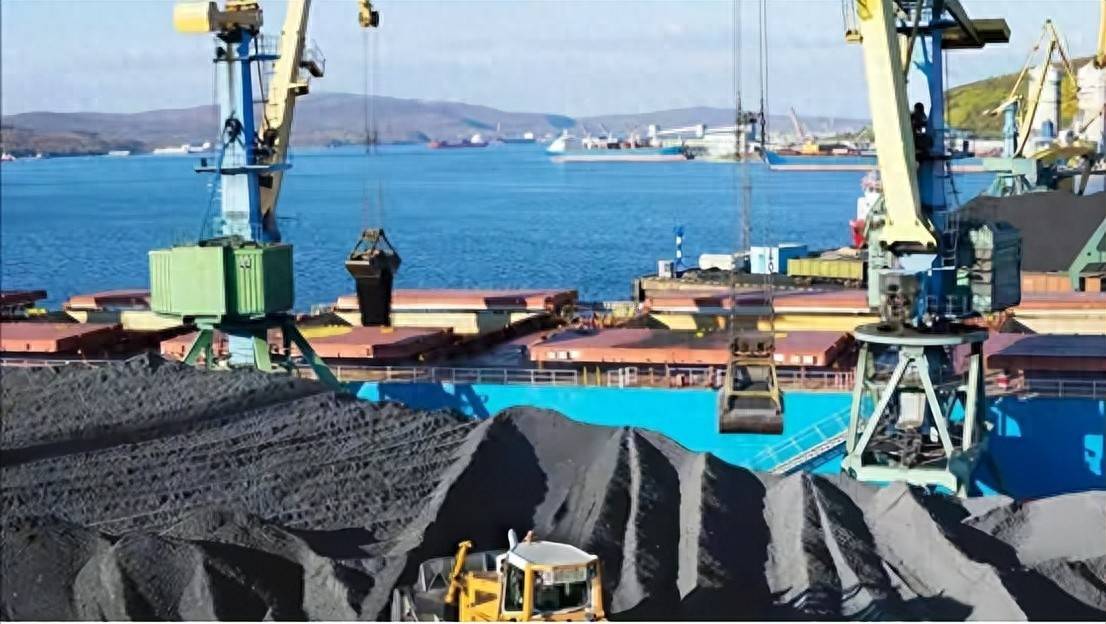
中方用一周时间,就拿到铁矿石定价权,澳铁矿巨头同意人民币结算
Sou Hu Cai Jing· 2025-10-14 15:17
Core Insights - China's recent strategy to pause iron ore purchases from BHP has led to significant outcomes, including the agreement to settle transactions in RMB, marking a pivotal step in the internationalization of the currency and a shift in pricing power in iron ore trade [1][3]. Group 1: Pricing Power Shift - China, as the largest buyer, historically lacked bargaining power in iron ore pricing, but recent actions have enabled it to gain pricing authority [3]. - The Chinese Mineral Resources Group's decision to halt purchases of BHP's iron ore priced in USD, including goods already at port, forced BHP to reconsider its stance on RMB settlement [3][5]. - BHP's previous firm position included rejecting RMB transactions and demanding price increases based on current market rates, but China's strategic moves led to a breakthrough [3]. Group 2: Strategic Moves and Market Dynamics - China's diversification of supply sources, such as the upcoming production from Guinea's Mandi iron ore mine, which is expected to yield 120 million tons annually by 2025, is crucial in reducing reliance on Australian iron ore [3][5]. - The introduction of the RMB-denominated "North Iron Index" by China, leveraging domestic futures trading, aims to diminish the influence of the Platts index and enhance local pricing mechanisms [3][7]. - The consolidation of purchasing power through the establishment of the Chinese Mineral Resources Group, which integrates procurement from 600 steel companies, has effectively countered suppliers' pricing advantages [5]. Group 3: Implications for Currency and Future Strategies - The acceptance of RMB for settlements not only facilitates trade but also challenges the dominance of the USD in commodity transactions [7]. - Since 2020, major mining companies have been experimenting with RMB cross-border settlements, indicating a broader trend towards currency diversification in trade [7]. - China's future plans include expanding the RMB settlement framework to other commodities like oil and agricultural products, drawing on experiences from partnerships with Saudi Arabia and ASEAN [9].


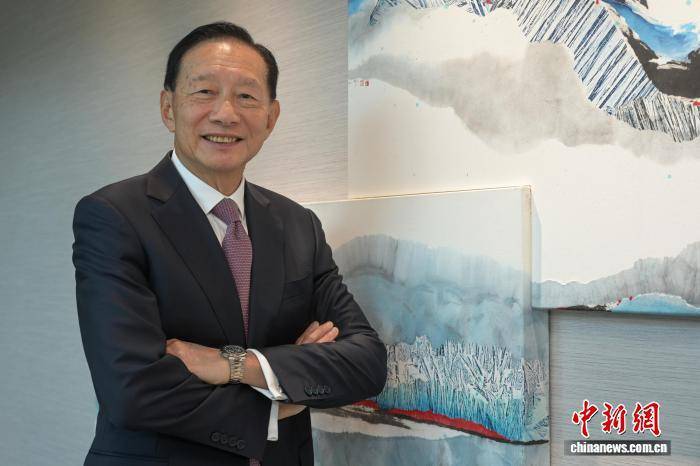
汇丰银行主席王冬胜:香港可从三方面贡献共建“一带一路”倡议
Sou Hu Cai Jing· 2025-10-14 14:18
Core Viewpoint - HSBC, as one of the largest financial institutions globally, is committed to supporting the Belt and Road Initiative (BRI) through business expansion, trade, and investment [1][3]. Group 1: HSBC's Role in the Belt and Road Initiative - HSBC aims to leverage its global presence to support enterprises involved in the BRI, emphasizing its cross-border service advantages for financing related projects [3][4]. - The bank operates "Overseas Service Departments for Chinese Enterprises" in 26 markets, covering regions such as ASEAN, the Middle East, and Europe, viewing the BRI as a significant opportunity [3][4]. Group 2: Hong Kong's Financial Position - Hong Kong is positioned as the world's largest offshore RMB center, playing a crucial role in the internationalization of the RMB as trade and investment with BRI countries increase [4]. - Currently, 76.21% of global RMB-denominated transactions occur in Hong Kong, highlighting its importance in facilitating trade financing [4]. Group 3: Green Finance Initiatives - In 2022, Hong Kong issued over $43.1 billion in green, social, and sustainable bonds, marking a 43% year-on-year increase and accounting for 45% of the international bond market in Asia [6]. - The Hong Kong government issued approximately HKD 27 billion in green and infrastructure bonds in June 2023, receiving strong support from international investors, showcasing Hong Kong's potential as a green financing platform for the BRI [6].

首日成交58亿!头部券商银行落地首批跨境债券回购交易
2 1 Shi Ji Jing Ji Bao Dao· 2025-10-14 13:17
21世纪经济报道记者 孙永乐 跨境债券回购扩大开放,头部券商火速响应。 近日,跨境债券回购业务正式启动,中金公司(601995.SH)、中信证券(600030.SH)以及部分银行,入选首批跨境回购做市商,并纷纷落 地首批回购交易,首日成交规模即达58亿元。 为深化金融市场对外开放,进一步便利境外机构投资者流动性管理,9月26日,中国人民银行、中国证监会和国家外汇局联合发布《关于进一 步支持境外机构投资者开展债券回购业务的公告》(以下简称《公告》),支持可在中国债券市场开展债券现券交易的境外机构投资者开展债 券回购业务。 (资料图) 《公告》所称境外机构投资者具体包括:境外中央银行或货币当局、国际金融组织、主权财富基金;在中华人民共和国境外依法注册成立的商 业银行、保险公司、证券公司、基金管理公司、期货公司、信托公司及其他资产管理机构等各类金融机构,以及养老基金、慈善基金、捐赠基 金等中长期机构投资者。 据了解,该措施是继香港金管局于今年2月推出离岸人民币债券回购业务之后的又一项重要政策,将为香港离岸人民币市场提供更稳定的流动 性,有效降低人民币融资成本。 头部券商落地首批交易 跨境回购是指境外机构在中国债券市 ...


连印度也说服了,俄成人民币国际化关键推手,中俄去美元另辟蹊径
Sou Hu Cai Jing· 2025-10-14 11:59
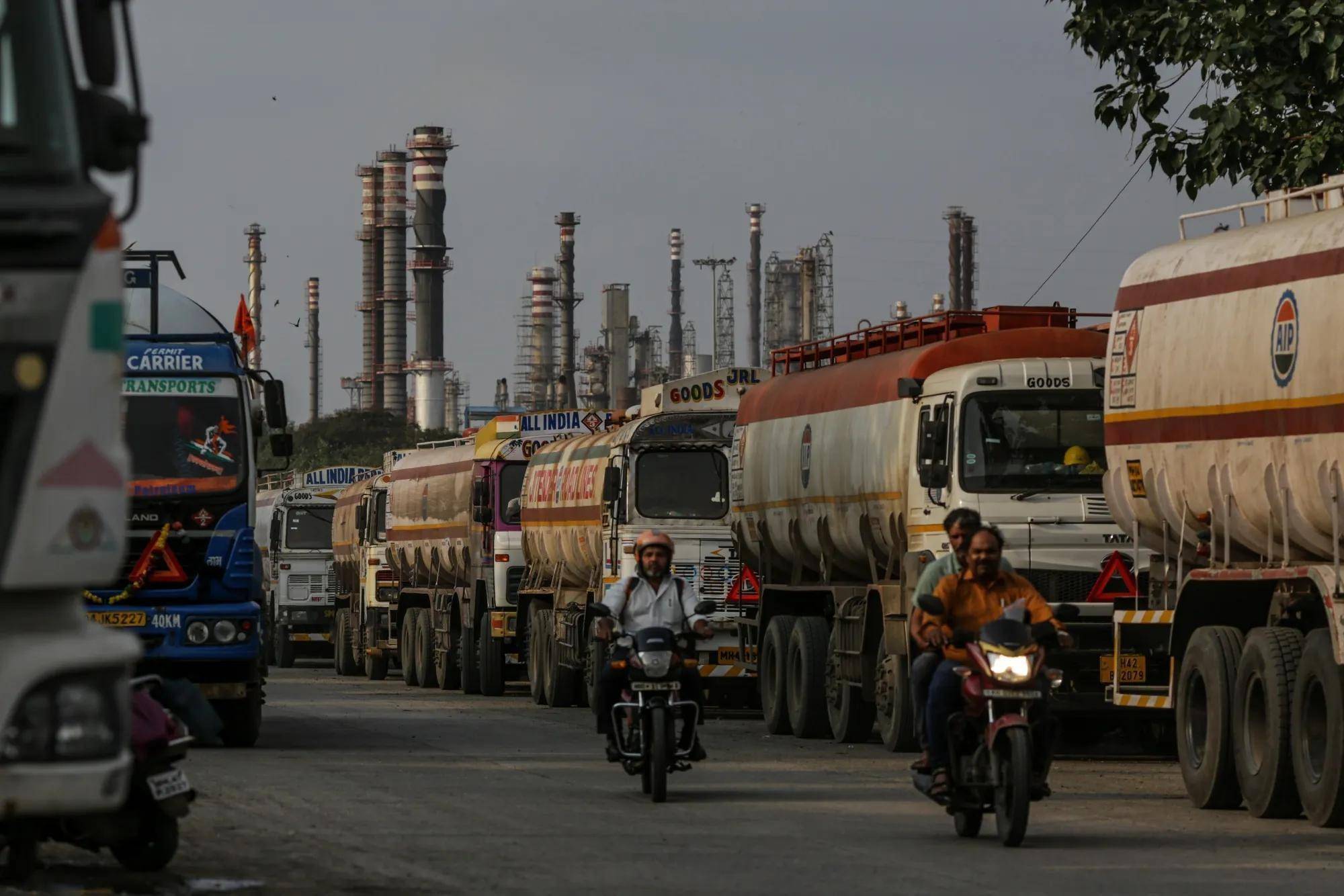
之前俄罗斯允许买家使用人民币、迪拉姆和美元支付,但后面俄罗斯还是需要把迪拉姆、美元兑换成人民币,因为只有人民币能直接兑换成卢布。为了简化 流程和手续费,俄能源贸易商开始大力度推动人民币结算。而且俄罗斯与我们有很大的一个货币互换协议,存在巨大的采购需求,拿到人民币是可以流通 的,拿到卢比可没有啥用。 这是俄罗斯的战略选择,俄罗斯通过要求人民币结算,主动削弱美元在能源贸易中的主导地位,同时规避西方金融体系限制。俄罗斯以美元定价石油但要求 人民币支付,既遵守欧盟价格上限规则,又推动人民币实际流通。而且在去年,俄罗斯央行第一副主席奇斯秋欣还表示,将尽一切努力确保人民币在俄继续 被用于结算和投资。俄罗斯通过能源贸易杠杆,客观上成为人民币国际化的重要推动者,事实上扩大了人民币地盘。 联想到不久前,中国停止澳大利亚铁矿石巨头订单,要求人民币结算。现在很多人肯定看出来了,人民币并非走替代美元那条路,也不急于追求眼下美元的 地位,但是在实打实的货贸结算里面真正运转起来,尤其是大宗贸易结算,不能再让白条美元控制我们的大宗商品交易结算。俄罗斯能以实际行动支持,对 自己也是利大于弊,同样也算掐中了美国人的命门,让美元空转去吧,这才是 ...
人民币逼退美元!中国停购必和必拓后,全球矿业规矩要变了?
Sou Hu Cai Jing· 2025-10-14 11:58
Core Viewpoint - China's decision to stop purchasing BHP's iron ore priced in USD and switch to RMB has significant implications for the global mining industry, marking a shift in the balance of power in iron ore trade and signaling a move towards de-dollarization in commodity transactions [1][7][29]. Market Reaction - Following the announcement, BHP's stock fell by 1.8%, and iron ore futures experienced fluctuations exceeding 3%, highlighting the immediate impact of China's procurement policy change on the market [4][27]. China's Position in Iron Ore Trade - China, as the world's largest iron ore importer, consumes approximately 75% of globally shipped iron ore, making its purchasing decisions critical for the profitability of mining companies [4][6]. - Historically, China has been viewed as a "big spender" in iron ore trade, often at the mercy of international miners due to its reliance on imported high-grade iron ore [9][11]. Historical Context - China's steel industry has faced three main challenges: high demand for steel due to urbanization, internal competition among numerous small steel producers, and the oligopolistic control of iron ore supply by a few major companies [9][14][16]. - The average profit margin for Chinese steel companies from 2005 to 2020 was below 5%, while BHP and its peers maintained profit margins around 60%, illustrating the unfavorable pricing dynamics for Chinese steelmakers [14]. Strategic Moves by China - China has adopted a three-step strategy to break the monopoly of international miners: consolidating its domestic steel industry, securing alternative iron ore sources, and strategically engaging with individual mining companies [16][19][21]. - The establishment of the China Mineral Resources Group in 2022 allowed for unified negotiations with foreign suppliers, enhancing China's bargaining power [18]. Recent Developments - The commencement of production at the Simandou iron ore project in Guinea, which has significant reserves, provides China with a stable iron ore supply and strengthens its negotiating position [21]. - China's recent negotiations with BHP culminated in a decision to accept RMB for iron ore transactions, marking a pivotal moment in the shift away from USD dominance in commodity pricing [27][29]. Future Implications - The increasing use of RMB in commodity settlements is expected to lead to a more diversified and competitive global iron ore market, moving away from the previous USD-centric model [31]. - China's approach in the iron ore market serves as a potential template for other developing countries seeking to enhance their negotiating power and secure fairer trade terms [29][31].
蚂蚁集团28亿港元收购获批
2 1 Shi Ji Jing Ji Bao Dao· 2025-10-14 02:33
Group 1 - Ant Group is advancing its acquisition of financial licenses through a deal with Yao Cai Securities, which has received approval from the Hong Kong Securities and Futures Commission [2] - The acquisition involves Ant Group's wholly-owned subsidiary Shanghai Yunjin planning to buy 50.55% of Yao Cai Securities at a price of HKD 3.28 per share, totaling approximately HKD 28.14 billion [3] - Following the announcement, Yao Cai Securities' stock price surged by 34.52% to HKD 11.73, with an intraday high increase of 37.84% [2] Group 2 - The acquisition is seen as a crucial step for Ant Group to expand its international business, leveraging Yao Cai's licenses to enhance its global wealth management services for over 3 million users in Hong Kong [5] - Other mainland companies are also pursuing financial licenses in Hong Kong, such as Yuexiu Group, which recently gained full control of Hong Kong Life Insurance, completing a strategic acquisition after multiple attempts since 2016 [5] - Dongguan Bank's Hong Kong subsidiary received a banking license in October 2024, marking another instance of mainland institutions expanding their international presence [6] Group 3 - There is a growing trend of mainland institutions seeking financial licenses in Hong Kong, driven by the internationalization of the RMB and the financial development of the Guangdong-Hong Kong-Macao Greater Bay Area [6]
蚂蚁集团28亿港元收购获批
21世纪经济报道· 2025-10-14 02:24
Core Viewpoint - Ant Group is making significant progress in acquiring financial licenses through its subsidiary, which will enhance its capabilities in the Hong Kong financial market and support its global wealth management business expansion [1][5]. Group 1: Ant Group's Acquisition - On October 10, 2023, Yao Cai Securities announced that the Hong Kong Securities and Futures Commission approved the acquisition of major shareholders, pending approval from the National Development and Reform Commission of China [1]. - Ant Group's subsidiary plans to acquire 50.55% of Yao Cai Securities at a price of HKD 3.28 per share, totaling approximately HKD 28.14 billion [1]. - Following the acquisition, Ant Group will hold a controlling stake in Yao Cai Securities and gain access to multiple financial licenses, including those for securities trading, futures consulting, and asset management [1]. Group 2: Industry Trends - The acquisition by Ant Group is seen as a crucial step in its international business strategy, particularly in expanding its services to over 3 million users in Hong Kong [5]. - Other mainland companies are also pursuing financial licenses in Hong Kong, such as Yuexiu Group, which recently acquired full control of Hong Kong Life Insurance [5]. - Dongguan Bank's Hong Kong subsidiary received a banking license and is set to enhance its international strategy, indicating a trend of mainland institutions seeking to establish a presence in Hong Kong [6]. Group 3: Future Implications - The trend of mainland institutions acquiring licenses in Hong Kong is expected to accelerate, driven by the internationalization of the Renminbi and the financial development of the Guangdong-Hong Kong-Macao Greater Bay Area [6].

渣打集团行政总裁温拓思: 看好中国新经济 做好中国与世界“超级连接器”
Zheng Quan Shi Bao· 2025-10-13 18:58
Group 1 - The CEO of Standard Chartered, Bill Winters, emphasizes the importance of the Chinese market and expresses confidence in deepening the bank's engagement in China following his recent visits to various cities and tech companies [2][3] - China's new economy demonstrates strong innovation and rapid development, with the government implementing effective measures to boost market confidence and promote consumption growth, aiming for a GDP growth target of around 5% this year [3][4] - China is transitioning towards high-quality development through innovation-driven models, becoming a global leader in clean technology and a major trading partner for over 150 countries [3][4] Group 2 - Winters highlights significant opportunities in areas such as RMB internationalization, wealth growth, cross-border expansion, and trade cooperation, particularly in the context of China's low-carbon economy transition [3][4] - The rapid advancements in sectors like advanced chips, quantum computing, robotics, and artificial intelligence in China have impressed Winters, showcasing the country's competitive edge in global innovation [5] - Standard Chartered is actively investing in cutting-edge technologies, including AI, and has formed strategic partnerships to enhance cross-border financial services, exemplified by its collaboration with Alibaba [6][7]

中美贸易战美国仅剩一张牌,而中国至少有“土豆药债”四个王炸
Sou Hu Cai Jing· 2025-10-13 18:33
Core Viewpoint - The announcement of a 100% tariff on Chinese goods by Trump marks a significant escalation in the US-China trade war, potentially leading to severe impacts on high-end manufacturing in China, particularly in the semiconductor sector [1] Group 1: Trade Tariffs and Responses - The US's proposed tariffs could increase the total tariffs on Chinese goods to 130%, which may severely affect China's high-end manufacturing capabilities [1] - China is prepared to respond with equivalent tariffs on US goods, particularly targeting the service trade where the US has a significant surplus [3] - The US has delayed previous negotiations due to concerns over inflation, unemployment, and supply chain issues, indicating a reluctance to engage in a full-scale trade confrontation [3] Group 2: Rare Earth Elements - China controls 70% of global rare earth mining and 90% of processing, making it a critical player in high-tech manufacturing [5] - Recent upgrades to China's rare earth export controls include restrictions on any foreign production using Chinese technology and a comprehensive control over the entire supply chain [5] - The US military heavily relies on Chinese rare earths, with a report indicating that 87% of its supply chain has critical vulnerabilities [5][6] Group 3: Agricultural Impact - China, as the largest consumer of soybeans, has ceased purchasing US soybeans since May 2025, leading to significant financial distress for US farmers [9] - The halt in soybean purchases has resulted in 7 million tons of unsold soybeans and the bankruptcy of 12,000 farmers in the Midwest [9] - The urgency for Trump to persuade China to resume soybean purchases is heightened by the upcoming midterm elections, as farmers threaten to withdraw support for the Republican Party [9] Group 4: Pharmaceutical Industry - China dominates the production of active pharmaceutical ingredients (APIs), supplying 23% of the US's API imports [11] - A 100% tariff on Chinese APIs could lead to increased drug costs and exacerbate shortages in the US market, prompting pharmaceutical companies to consider relocating production [11][12] - The potential rise in drug prices could significantly impact low-income families' access to healthcare, raising concerns among US lawmakers [12] Group 5: US Debt and Financial Stability - The US national debt has surpassed $37 trillion, with China reducing its holdings of US Treasury bonds to $730.7 billion, the lowest since 2008 [14] - This reduction in US debt holdings by China signals a potential financial risk for the US and has contributed to market instability [14] - The shift towards de-dollarization is evident as China seeks to establish alternative currency arrangements with countries like Brazil, Saudi Arabia, and Russia [14] Group 6: Global Financial Dynamics - The ongoing trends indicate a significant shift in global financial power, with the renminbi gaining acceptance as an international currency [14] - The erosion of the US's financial dominance is highlighted by the increasing use of the renminbi in global transactions, particularly in energy markets [14][15] - The combination of these factors suggests a profound transformation in the global monetary system, moving towards a multi-currency framework [14][15]
摩根大通顾玮:跨境电商点燃外贸增长引擎,跨境人民币结算成业务亮点
Guo Ji Jin Rong Bao· 2025-10-13 15:21
Core Insights - China's foreign trade shows strong resilience with a year-on-year growth of 4% in the first three quarters of 2023, despite a complex external environment [1] - Exports reached 19.95 trillion yuan, growing by 7.1%, while imports slightly decreased by 0.2% to 13.66 trillion yuan [1] Trade Characteristics - ASEAN remains China's largest trading partner, with significant growth in trade with emerging markets such as Latin America and the Middle East, showing increases of 9.6%, 3.9%, 19.5%, and 16.7% respectively [1] - Cross-border e-commerce has emerged as a new engine for foreign trade growth, contributing approximately 2.06 trillion yuan in imports and exports, a 6.4% increase year-on-year [1][2] Export Product Structure - The structure of export products is optimizing, with a shift from low-value processing products to a focus on brand building and technological investment, enhancing brand influence and technical content [2] Cross-Border E-commerce Challenges - The rise of cross-border e-commerce presents challenges for cross-border payments, including high transaction frequency and reliance on third-party payment institutions, leading to complex processes and high fees [2] - There is a growing demand for quick and secure payment collection among small and medium-sized sellers in the cross-border e-commerce space [2] RMB Internationalization - The internationalization of the RMB has progressed significantly since the pilot program for cross-border RMB settlement began in 2009, with RMB now accounting for over half of cross-border transaction volumes in Shanghai [3] - Increased bargaining power of Chinese enterprises has led to a higher demand for RMB settlements in cross-border transactions [3] Trade Financing - The low interest rates of the RMB make it an attractive option for companies seeking to reduce overall financial costs, promoting the use of RMB for financing [4] - The growing use of RMB for financing is expected to create more RMB-denominated assets, enhancing the currency's international flow and supporting its further internationalization [4]
