产业融合

Search documents
曾经火遍全网的曹县,现在怎样了?
Zhong Guo Xin Wen Wang· 2025-12-10 08:49
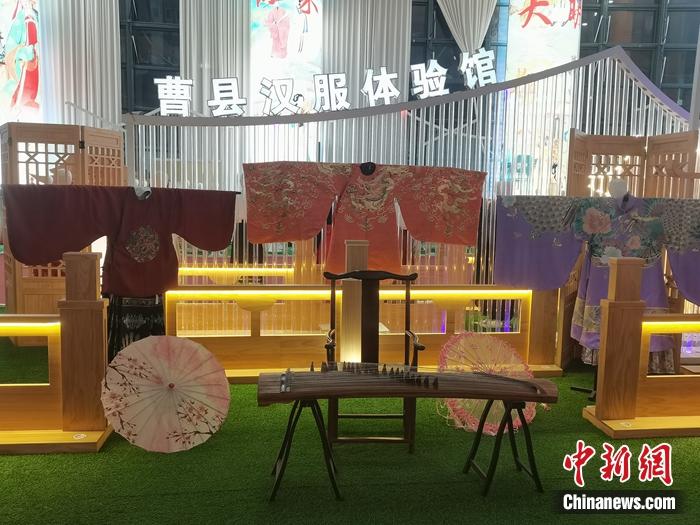
曾经火遍全网的曹县,现在怎样了? 中新网菏泽12月10日电(记者 上官云)几年前,一个网络热梗带火了曹县,这个中国北方的小城迅速在社 交平台走红,曾被网友戏称为"宇宙中心"。 如今,曹县是什么样子?从被调侃为"宇宙中心",到凭借马面裙出圈,它为何能持续吸引关注度?近 日,记者跟随"沿着水网看山东"采访团,来到山东曹县,探访城市背后的故事。 "互联网+电商",弯道超车 曹县隶属于山东省菏泽市,位于山东省西南部,鲁豫两省八县交界处,地处黄河冲积平原,古时又 称"曹州"。 现场展示的一些服饰。中新网记者 上官云 摄 "我们孙庄村以前也是靠传统的农业种植为生,后来尝试过产业转型升级,也曾去山东寿光考察,尝试 过盖大棚、种蔬菜,2013年瞅准时机,做起了电商。"孙学平说道。 据孙学平介绍,目前,村里拥有网店2600多个、表演服饰企业160余家,去年整体的电商销售额突破了5 亿元,已经形成了比较完备的产业链条。 资金投入助力产业发展 值得注意的是,水库移民后期扶持资金在孙庄村的发展中发挥了重要作用。 有资料显示,这些年来,曹县水利移民服务中心投入资金,在孙庄村建设标准化厂房、移民活动中心等 基础设施。这为电商产业的发展提 ...

河南淅川:奏响产业发展奋进曲
Zhong Guo Jing Ji Wang· 2025-12-10 04:28
Core Insights - The article highlights the vibrant development of characteristic industries in Xichuan County, showcasing successful agricultural practices and the impact of rural revitalization efforts [1][2][3] Group 1: Industry Development - Xichuan County has implemented a systematic approach to rural revitalization, focusing on creating a new industrial development pattern of "one town, one specialty" and "one village, one product" [1] - The county has successfully cultivated leading industries such as mulberry, sweet potatoes, and ginger, enhancing local economic growth and farmer income [1][3] Group 2: Integration and Branding - The county promotes deep integration of primary, secondary, and tertiary industries, establishing modern agricultural industrial parks and integrating agricultural products with tourism [2] - Over 5,700 acres of "three products and one standard" demonstration bases have been established, with 49 certified organic and green products, laying a solid foundation for brand development [2] Group 3: Economic Empowerment - Xichuan County has introduced various benefit-sharing models, such as "guaranteed purchase + secondary dividends" and "land equity + priority employment," ensuring stable income for farmers [3] - The county has nurtured 24 leading agricultural enterprises and over 1,900 professional cooperatives, fostering a collaborative development environment among diverse business entities [3]
“链”上发力“融”出动能,泗水杨柳镇绘就镇域高质量发展新画卷
Qi Lu Wan Bao· 2025-12-09 04:36
党建引领,筑牢发展"主心骨" 镇域发展,关键在党。杨柳镇创新实施"红色杨柳魅力领航"党建品牌提升工程,构建起"党委、服务 区、村"三级责任体系,通过"五红五带"推动党员、支部、阵地、服务、联建整体提升。 针对乡村发展资源分散问题,该镇打破村域界限,按照"1+12+2+N"架构成立联合党委,并在甘薯产业 融合示范区建设指挥部设立临时党支部,将组织力直接贯穿于产业链上。 截至目前,已打造党建示范带2条、示范点13处,培育"共富工坊"13个、致富带头人22名。强有力的党 建引领,转化为集体经济发展的强大动能。2024年,全镇31个行政村集体收入全部突破10万元,经营性 收入占比达65.94%,其中1个村超过50万元。 产业"融"链,激活发展"新引擎" 乡村振兴,产业先行。杨柳镇立足传统甘薯产业优势,做足"融"字文章,按照"前、中、后"三端协同思 路,构建起从"一粒种苗"到"一桌美食"再到"一片风景"的全产业链。 前端强基,科技赋能"芯"动力。通过土地统筹、科技加持,全镇甘薯规模化种植率提升至75%。建成智 慧育苗大棚500余座,年供苗能力达9亿株,种苗销售收入超亿元。依托龙头企业利丰公司与科研院所合 作,成功选育推 ...
山西万荣:创新果园经营模式 产业融合激活乡村新业态
Ren Min Wang· 2025-12-09 02:42
万荣县高村镇乌停村党支部书记闫永生介绍说,2020年5名乡镇人大代表联名提出解决苹果"三 老"问题的议案,村里组织果农七赴陕西洛川、白水等地学习先进经验。"2021年起,我们建设了联硕果 园,推行'以株定亩、以地入股、统分结合、联产联营、多元增收'的模式。"闫永生说,果园由村集体 经济组织领办,农民土地入股参与建立合作社,并从合作社内部选拔爱农业、懂技术、善经营的农民统 一进行培训学习后从事生产经营活动,合作社内的其他农民则进行职业分流。经营收入除去各个生产环 节的投资、从事生产经营人员的工资以及合作社的公共积累外,其余按照入股土地的多少进行分红,确 保土地入股的农户经济收入逐年提高。村民既可以拿土地入股分红,也可以就近打工,或者加入托管组 织挣工资。"现在入股合作社,收益比过去强多了。"一位村民满意地说。 乡邻中心 闲置宅基变身乡村"CBD" 在乌停村内,一座由老宅基改造而成的乡邻中心格外引人注目。这里曾是闲置宅基地,如今成为集 多种服务功能于一体的"乡村会客厅"。 深秋的晋南,果香弥漫。走进山西省运城市万荣县高村镇乌停村,连片的"三新"果园里,红彤彤的 苹果压弯枝头;乡邻中心内,老人下棋、孩子读书、妇女们 ...
做好“景区+”大文章
Jing Ji Ri Bao· 2025-12-09 00:28
Core Viewpoint - The integration of tourism and other industries, particularly through innovative approaches like "railway + cultural tourism," is enhancing the attractiveness of local attractions and driving economic growth in the tourism sector [1][2][3][4] Group 1: Industry Development - The China Railway Qinghai-Tibet Group has launched night tourism trains to enhance the night experience at scenic spots, responding to market demand [1] - The rapid development of the cultural tourism industry in China is creating significant consumption platforms, with a focus on integrating "scenic spots +" with the real economy to drive high-quality development [1][2] Group 2: Industry Integration - The trend of industry integration is crucial, with "scenic spots +" promoting mutual integration among related industries, extending the industrial chain, and potentially creating multiplier effects [2] - By leveraging local agricultural products in scenic areas, Qinghai is enhancing the platform's aggregation effect and achieving a synergistic relationship among various industries [2] Group 3: Implementation Strategies - Effective methods are needed for successful industry integration, emphasizing the importance of careful selection and execution rather than mere accumulation of resources [3] - Qinghai's strategy of connecting scenic spots through railways has effectively linked dispersed cultural tourism resources, creating a scale effect and increasing consumption [3] Group 4: Digital and Network Thinking - The rise of "internet celebrity" effects is becoming a significant method for attracting tourists, although the sustainability of this approach depends on the operational capabilities of the scenic spots [4] - Traditional scenic spots must adapt to the preferences of younger consumers by integrating local cultural elements with modern internet thinking to enhance their appeal [4]
打造对外贸易更强劲新引擎
Jing Ji Ri Bao· 2025-12-09 00:28
Core Insights - China's service trade is experiencing robust growth, with a significant increase in both scale and structural optimization, contributing positively to global economic development [1][2] - The service trade sector is projected to grow from $661.72 billion in 2020 to $1,056.46 billion by 2024, reflecting an annual growth rate of 12.4%, outpacing goods trade [1] - Key urban clusters such as the Yangtze River Delta, Beijing-Tianjin-Hebei, and Guangdong-Hong Kong-Macao Greater Bay Area are playing a pivotal role in driving service trade development [1] Group 1 - In October, China's international balance of payments for goods and services trade reached 42,858 billion yuan [1] - The total service trade import and export volume exceeded $737 billion in the first eight months of the year [1] - The narrowing of the service trade deficit and enhanced coordination in imports and exports indicate a healthier trade balance [1] Group 2 - Challenges facing China's service trade include the need for improved overall competitiveness, structural optimization, and reduced regional disparities [2] - There is a call for increased participation in global digital service trade standards, as decision-making power is largely held by Western countries [2] - Future strategies should focus on institutional openness, digital innovation, and industry integration to foster service trade growth [2] Group 3 - Accelerating the construction of new infrastructure is essential for enhancing the digital transformation of service trade [3] - Collaboration among enterprises, universities, and research institutions is necessary to overcome core technology challenges [3] - Active engagement in international negotiations on high-standard economic and trade rules is crucial for improving international competitiveness [3]
市工信局争创服务先锋岗助力新型工业化 实干担当,为“镇江制造”注入服务温度
Zhen Jiang Ri Bao· 2025-12-08 00:36
Group 1 - The city’s industrial department is actively enhancing brand development and industrial integration, focusing on the "Zhenjiang Vinegar" brand to boost local economic growth [2][3] - The "Zhenjiang Vinegar" brand has been recognized as a key consumer product by the Ministry of Industry and Information Technology, marking a significant achievement for the city [2] - The annual production capacity of vinegar in Zhenjiang has reached 700,000 tons, with exports accounting for 60% of the national total, and the brand value is estimated at 45.892 billion [3] Group 2 - Zhenjiang has been awarded the title of "Service-Oriented Manufacturing Demonstration City," indicating progress in integrating advanced manufacturing with modern services [4] - The city is fostering a new industrialization approach that emphasizes service enhancement, manufacturing strength, and value creation [4] - The industrial design innovation system has been established, resulting in the cultivation of 2 national-level and 27 provincial-level industrial design centers [5] Group 3 - The industrial department has played a crucial role in ensuring the supply of essential materials during critical periods, demonstrating strong support for local enterprises [7] - In response to supply chain disruptions, the department successfully coordinated the delivery of key components to medical equipment manufacturers, aiding in national pandemic response efforts [7] - The team has resolved thousands of enterprise requests, ensuring the production and supply of important epidemic prevention materials [7]
又一巨头暴雷!收割2400亿元,百万人资金打水漂,创始人主动投案
Xin Lang Cai Jing· 2025-12-06 13:25
Core Insights - The article discusses the downfall of a once-prominent Chinese B2B platform, Mengda Group, which has trapped millions of business owners and raised 240 billion yuan, revealing it as a "financial black hole" [1] Group 1: Company Background - Mengda Group was established in 2010 and became a giant in the plastic chemical industry, claiming to serve over 1 million clients and facilitating online trade worth over 240 billion yuan [5][4] - The company was recognized as a "national high-tech enterprise" and ranked among the top 10 B2B platforms in China, showcasing its strong market position [5][4] - Mengda's business model expanded from B2B to B2C, including e-commerce live streaming, which was marketed as a response to government calls for boosting consumption [9][11] Group 2: Crisis Development - The crisis began on September 4, 2025, when a judicial procedure led to the freezing of Mengda's accounts, triggering panic among clients and a subsequent run on withdrawals [16][18] - By October 24, 2025, Mengda's founder publicly acknowledged the liquidity crisis, stating that the company had to mobilize cash resources from all subsidiaries to address the withdrawal surge [21][18] - Within 37 days, the company's reputation collapsed, leading to a significant loss of trust among clients and investors [26] Group 3: Business Model Analysis - Mengda's platforms, "Liuke Yunbang" and "Xiaogu Shoufu," were found to operate under a model that blurred the lines between service and investment, effectively creating a "funding pool" [27][31] - The reliance on continuous inflow of new funds to sustain operations and meet withdrawal demands exposed the vulnerabilities of their business model [31] - The company's shift from serving the real economy to financial speculation ultimately led to its downfall, as it failed to maintain the integrity of its operations [35][36]

冰雪经济成“双循环”新引擎:携程入境冰雪游订单翻倍增长 东南亚游客占七成
Yang Zi Wan Bao Wang· 2025-12-04 12:59
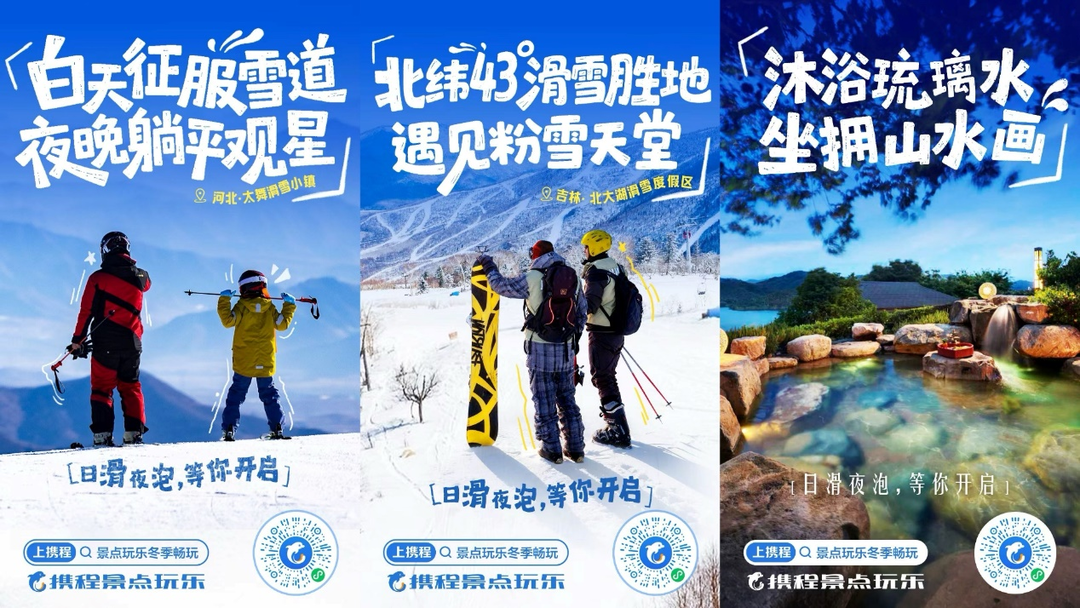
Core Insights - The ice and snow tourism sector in China is transforming from a seasonal niche to a year-round economic driver, supported by policy guidance and market innovation [1] - The industry is entering a new phase characterized by structural optimization, model innovation, and internal-external circulation [1] Market Expansion - The market scale of ice and snow tourism is experiencing a qualitative leap, with the number of ski resorts reaching 748 and winter ski visits exceeding 26.05 million, a year-on-year increase of 12.9% [2] - Booking data from Ctrip shows a 70% year-on-year increase in domestic ski and ice attraction ticket reservations, with overseas bookings rising by 50% [2] - Ski resort ticket bookings have surged nearly 2.2 times since November, indicating a growing demand for comprehensive experiences [2] Changing Consumer Behavior - There is a shift from one-day visits to longer stays, with hotel bookings for two nights increasing by 5% and three to four nights by 3% in key ice and snow regions [3] - Tourists are seeking integrated vacation experiences that combine leisure, entertainment, and wellness, leading to the introduction of new offerings such as children's camps and themed activities [3] - The demand for diverse skiing experiences has led to the launch of specialized products, including private lessons from retired national team athletes and cultural experiences [3] Emerging Trends - The learning barrier for skiing is being lowered through cost-effective strategies, with bookings for mid-sized ski resorts increasing by 2.6 times [4] - Smaller cities like Heihe and Yichun are leveraging unique geographical advantages to develop international winter tourism destinations [4] - The integration of ice and snow tourism with local culture and wellness services is enhancing customer value and experience [5] Marketing and Technology Integration - Ctrip's marketing initiatives, such as the "day ski, night soak" campaign, are gaining popularity, effectively attracting customers [5][7] - The platform's technological enhancements, including real-time information on snow conditions, are improving decision-making for travelers [7] - Ctrip's promotional activities have significantly increased inbound tourist numbers, showcasing its role as a connector in the industry [7] International and Domestic Circulation - Inbound ice and snow tourism is experiencing explosive growth, with orders nearly doubling year-on-year, particularly from regions like Hebei and Xinjiang [10] - The trend of outbound ice and snow tourism is also emerging, with a notable increase in bookings for Russian ski resorts due to favorable visa policies [10] - The ice and snow tourism wave is becoming a long-term trend driven by substantial market demand, ongoing policy support, and innovation across the industry [10]

冬日经济|冰雪游成“双循环”新引擎:入境订单翻倍增长、小雪场订单增2.6倍
Di Yi Cai Jing· 2025-12-04 09:27
Core Insights - The "ice and snow economy" is transforming China's tourism narrative, becoming a significant driver of consumption upgrades and industry integration [1] - The ice and snow tourism sector is transitioning from initial scale expansion to a new cycle characterized by structural optimization and innovative models [1] Group 1: Policy and Market Trends - Jilin Province has established an "ice and snow holiday" from December 3 to 7, 2025, to promote ice sports and boost the local market [3] - During the "ice holiday," local travel bookings in Jilin surged, with a week-on-week increase of over 6.5 times for local day tours [3] - Hotel bookings in Changchun increased by nearly 20% year-on-year, while major scenic spots in Yanbian saw a more than 240% increase in bookings [3] Group 2: Market Growth and Consumer Behavior - The number of ski resorts in China has reached 748, with winter ski visits exceeding 26.05 million, a year-on-year increase of 12.9% [4] - Domestic ski and ice attraction ticket bookings have surged by approximately 70% year-on-year, with overseas bookings increasing by 50% [4] - The trend of longer stays is emerging, with hotel bookings for two nights increasing by 5% and three to four nights by 3% in key ice regions [6] Group 3: Evolving Consumer Preferences - The demand for diverse experiences beyond skiing is growing, with tourists seeking comprehensive vacation experiences that include leisure and entertainment [6] - The market is seeing a shift towards more affordable and accessible skiing options, with bookings for mid-sized ski resorts increasing by 2.6 times [7] - Southern users represent nearly 70% of ice tourism bookings, indicating a strong interest in traveling north for snow experiences [5] Group 4: International and Domestic Circulation - The inbound ice tourism market is experiencing explosive growth, with orders nearly doubling year-on-year, particularly from regions like Hebei and Xinjiang [7] - Outbound ice tourism is also gaining traction, with bookings for Russian hotels increasing by over 20% year-on-year, driven by visa-free policies [8]