
智能网联

Search documents
兴民智通与北汽集团达成战略合作,将在智能网联等方面展开研发
Ju Chao Zi Xun· 2025-11-13 02:42
Core Viewpoint - The strategic cooperation agreement between Xingmin Zhitong and BAIC Group aims to enhance collaboration in the fields of new energy vehicle technology research and vehicle sales, leveraging each party's expertise for comprehensive and multi-level strategic cooperation [2] Group 1: Technical Collaboration - The partnership will focus on innovation and optimization of wheel products, establishing a joint technical mechanism to enhance core competitiveness and ensure stable production and supply chain for BAIC's steel wheels [2] - Joint development of intelligent connected technology will be pursued, focusing on next-generation in-vehicle intelligent systems, including 5G and future 6G communication terminals, and enhancing the reliability of Beidou positioning technology [3] Group 2: Platform and Business Model Innovation - The companies will collaborate to build a "computing power + data + model" system to support BAIC's rapid implementation of intelligent driving, smart cockpits, and other areas, while integrating security solutions and digital twin technology [3] - Business model innovation will involve leveraging experience from subsidiaries to explore new service scenarios for vehicle owners, enhancing user experience and product differentiation [3] Group 3: Sales and Standardization - The companies will promote each other's brands and products, with a plan to purchase no less than 200 vehicles from BAIC's brands over the next three years [3] - They will collaborate on industry standards, utilizing expertise in standard formulation and joint research projects to drive innovation and industrialization [4] Group 4: Capital Cooperation - The partnership will focus on strategic emerging fields such as vehicle networking security and low-altitude economy, with plans to establish an industrial fund and participate in project investments to accelerate technology development and ecosystem building [5]


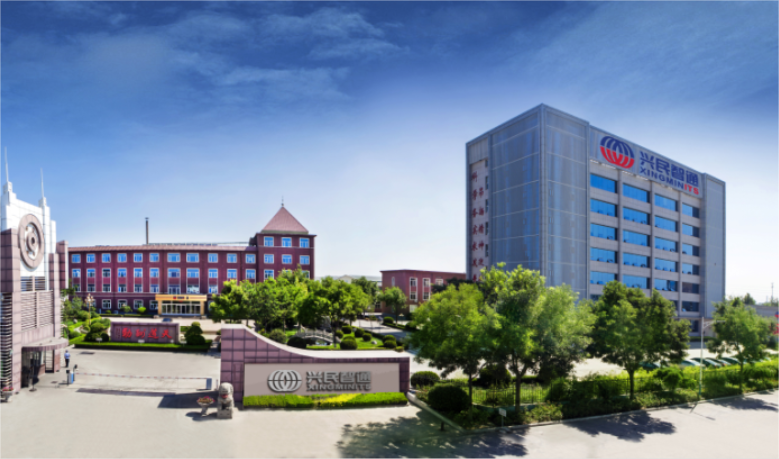
兴民智通:拟与北汽集团就新能源车研发等领域开展合作
Zhong Guo Zheng Quan Bao· 2025-11-13 01:43
Group 1 - The company signed a strategic cooperation agreement with Beijing Automotive Group on November 10, focusing on comprehensive collaboration in the fields of new energy vehicle technology research and development, vehicle sales, and more [2] - The agreement includes establishing a joint technology tackling mechanism to promote the technological upgrade and iteration of wheel products, and a focus on next-generation in-vehicle intelligent systems [2] - The company plans to purchase no less than 200 vehicles from Beijing Automotive Group's brands over the next three years, including models such as Xiangjie, Jihu, Beijing Off-road, and Foton [2] Group 2 - The company primarily operates in the steel wheel business and intelligent network operation services, achieving a total operating revenue of 717 million yuan in the first three quarters, representing a year-on-year growth of 19.06% [3]
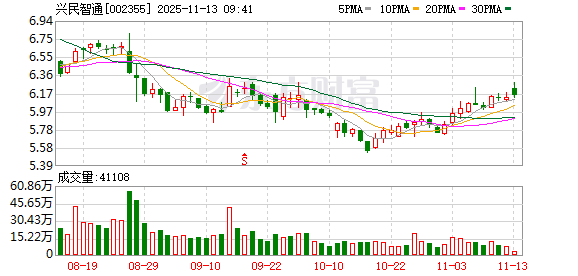
兴民智通与北汽集团 签署战略合作协议
Zheng Quan Shi Bao· 2025-11-12 18:36
Core Viewpoint - The strategic cooperation agreement between Xingmin Zhitong and BAIC Group focuses on resource sharing and professional collaboration in the fields of new energy vehicle technology research and development, vehicle sales, and more [1][2][3] Group 1: Technical Collaboration - The partnership will establish a joint technical attack mechanism for wheel product innovation, enhancing raw material systems, optimizing product structures, and refining key manufacturing processes to ensure BAIC's leading position in steel wheels [1] - Both companies aim to develop next-generation in-vehicle intelligent systems, focusing on vehicle communication evolution and creating hardware and software for 5G and future 6G applications [1][2] - The collaboration will enhance the reliability and compliance of Beidou positioning technology, increasing its application depth and breadth in mass-produced vehicles [1] Group 2: Platform and Operational Development - A collaborative "computing power + data + model" system will be established to support BAIC's rapid implementation of intelligent driving, smart cockpits, and intelligent manufacturing [2] - The partnership will integrate chip-level security solutions and digital twin technology to innovate data elements, reduce operational costs, and improve operational efficiency [2] Group 3: Business Model and Sales - Xingmin Zhitong will leverage its subsidiaries' expertise to explore new service scenarios for vehicle owners, including a unique "land-air-space" emergency rescue model and proactive service capabilities using big data and AI [2] - The companies will promote each other's brands and products, with plans for Xingmin Zhitong to purchase no less than 200 vehicles from BAIC's brands over the next three years [2] Group 4: Standardization and Capital Cooperation - The partnership will focus on co-developing industry standards, leveraging Xingmin Zhitong's experience in national and local standard formulation [3] - Both companies will deepen strategic cooperation in emerging fields like vehicle networking security and low-altitude economy, including the establishment of an industrial fund and joint project investments [3]
兴民智通:公司与北京汽车集团有限公司签订战略合作协议
Xin Lang Cai Jing· 2025-11-12 11:26
Core Viewpoint - The company has signed a strategic cooperation agreement with Beijing Automotive Group Co., Ltd. to collaborate in the field of new energy vehicle technology development and vehicle sales [1] Group 1: Cooperation Areas - The cooperation will involve resource sharing and professional collaboration in various areas including wheel product innovation and optimization [1] - Joint development of intelligent connected technology is a key focus of the partnership [1] - The agreement includes platform co-construction and operation, business model innovation, vehicle sales and procurement, and the establishment of industry standards [1] - Capital cooperation is also part of the strategic framework agreement [1] Group 2: Implementation Details - The specific cooperation content and implementation details are yet to be further defined and clarified [1]
新能源重卡联盟在汉成立 ,聚力破解产业发展共性难题
Chang Jiang Ri Bao· 2025-11-11 13:12
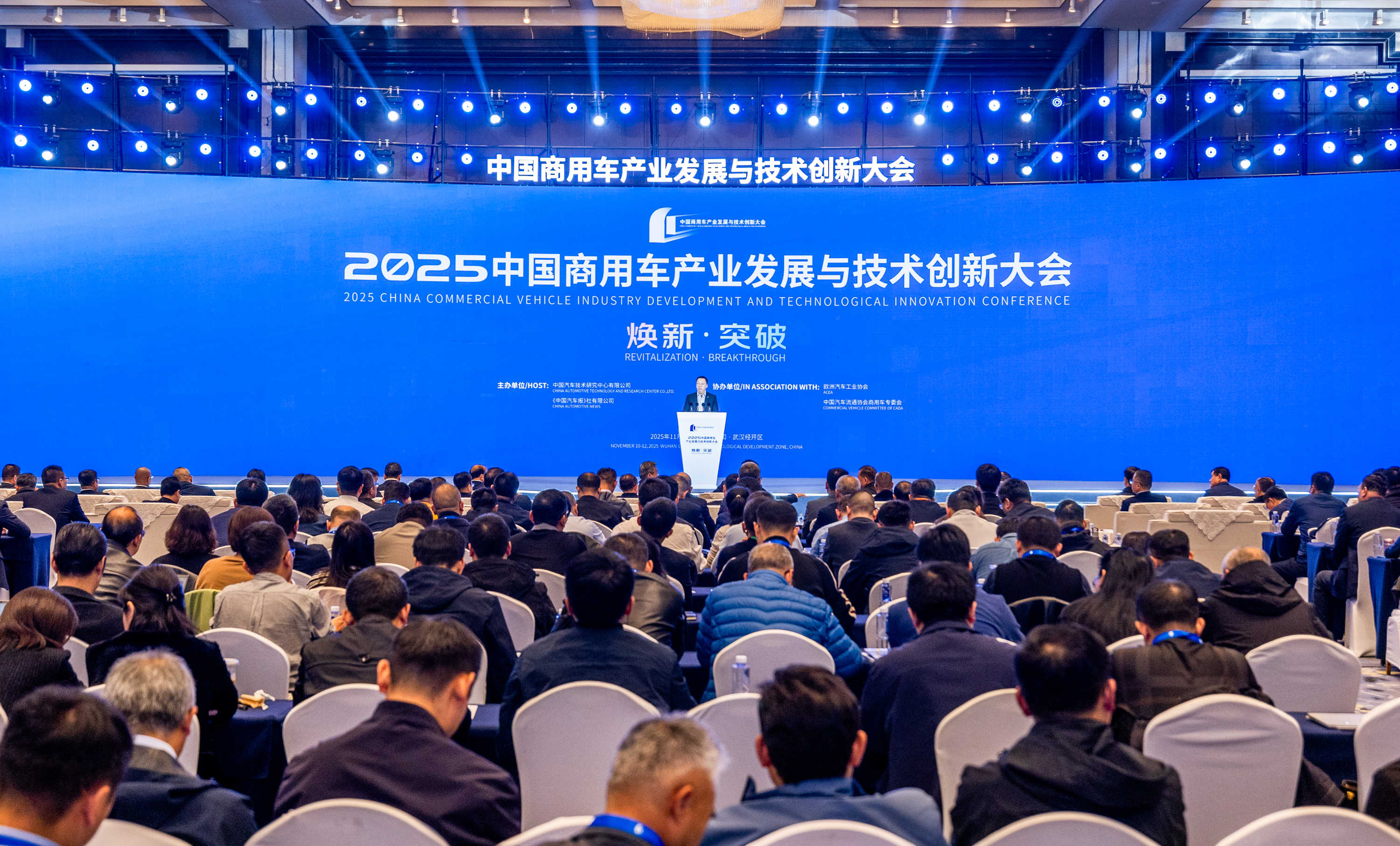
Core Insights - The "New Energy Heavy Truck Alliance" was officially established at the 2025 China Commercial Vehicle Industry Development and Technology Innovation Conference, aimed at addressing common challenges in the new energy heavy truck industry and promoting collaborative innovation and green transformation [1][8]. Industry Overview - The transition to new energy in China's commercial vehicle sector has accelerated, with September 2023 witnessing a monthly sales volume of 83,000 new energy commercial vehicles, representing a month-on-month increase of 26.2% and a year-on-year surge of 71.9%. The market penetration rate has surpassed 30% for the first time, marking a significant step in the electrification of commercial vehicles [6]. Alliance Objectives - The newly formed alliance will focus on five key areas: common technology breakthroughs, co-construction of policies and regulations, integration of energy and connectivity, innovation in business models, and deepening international cooperation. It will establish special working groups for specific projects to create a new ecosystem of "co-construction, sharing, and mutual benefit" [8]. Regional Impact - The alliance's operationalization and the permanent establishment of the conference in Wuhan will strengthen the region's advantages in the new energy vehicle sector, injecting new momentum into the green and low-carbon transformation of China's commercial vehicle industry [8]. Conference Structure - The conference included closed-door meetings, keynote sessions, thematic forums, and multiple concurrent activities, aiming to foster discussions on industry frontiers and facilitate the implementation of innovative outcomes [8].
从“代步工具”到“智能空间” 电动化智能化驱动汽车产业转型升级
Zhong Guo Chan Ye Jing Ji Xin Xi Wang· 2025-11-11 00:10
Core Viewpoint - The article highlights the rapid growth and transformation of the Chinese electric vehicle (EV) market, emphasizing the shift from traditional fuel vehicles to smart, connected, and electric vehicles, which are redefining consumer expectations and the automotive industry as a whole [1][3][5]. Group 1: Market Dynamics - As of June 2025, the total number of motor vehicles in China reached 460 million, with 36.89 million being electric vehicles, showcasing significant growth in the EV sector [1]. - Chinese domestic EVs have achieved a breakthrough in the market, maintaining the highest global production and sales for several consecutive years, indicating strong industry vitality [1][5]. - The integration of smart features in EVs is changing consumer perceptions, with buyers now prioritizing intelligent driving assistance and interactive experiences over traditional metrics like battery range [3][5]. Group 2: Industrialization and Innovation - The prevalence of automobiles is seen as a marker of a country's industrialization, with the shift to EVs representing a new phase in this evolution, where smart technology and user experience are key indicators of industrial strength [2][3]. - The Chinese government has actively supported the EV industry through policies and infrastructure development, leading to a tenfold increase in charging stations to 16.696 million by July 2025, ensuring a robust support system for EV adoption [5]. - The convergence of electrification and intelligent systems is identified as the core development direction for the automotive industry, aligning with global carbon neutrality goals [5][6]. Group 3: Competitive Landscape - The entry of major tech companies like Xiaomi, Huawei, and JD.com into the EV market is intensifying competition, as traditional automakers leverage their manufacturing expertise while new entrants focus on smart technology and user experience [5][6]. - The article notes that the current testing and verification systems for electric vehicles are not fully mature, and the market will ultimately determine the survival of both traditional and new automotive players based on their ability to balance innovation and safety [6].
青岛即墨:一座制造业强区的升级之路
Zhong Guo Jin Rong Xin Xi Wang· 2025-11-10 11:53
Group 1: Economic Development in Jimo District - Jimo District aims to enhance its real economy and achieve high-quality development through technological innovation and industry transformation during the 14th Five-Year Plan period [1][2] - The automotive industry has become a pillar industry in Jimo, with a target of producing 450,000 vehicles in 2024, of which over 20% will be new energy vehicles [2][3] - The textile and apparel industry in Jimo has transformed significantly, with over 2,800 enterprises producing around 800 million garments annually, making it the largest quality manufacturing base for knitted garments in China [6][8] Group 2: Automotive Industry Growth - The Chery Qingdao base, operational since 2022, is expected to produce 160,000 vehicles in 2024, with 92,700 of them being new energy vehicles, marking a significant increase in production capacity [2][3] - FAW Jiefang is also experiencing growth in new energy vehicle production, with an expected output of 12,000 units in 2024, doubling by 2025-2026 [3][4] Group 3: Textile and Apparel Industry Transformation - Jimo is focusing on upgrading its textile and apparel industry by implementing smart manufacturing technologies, resulting in a 75% reduction in labor for certain processes [5][6] - The region has registered the "Jimo Children's Clothing" geographical brand, with over 2,000 children's clothing enterprises producing nearly 300 million garments annually, establishing Jimo as a major production base [6][7] Group 4: E-commerce and Logistics Integration - The rise of e-commerce has led to the development of new business models in Jimo, such as the Ant Market, which attracts over 30,000 visitors daily and integrates shopping, entertainment, and socializing [8][9] - The district is developing a comprehensive trade and logistics ecosystem that combines online and offline channels, enhancing the local economy and supporting small businesses [9]
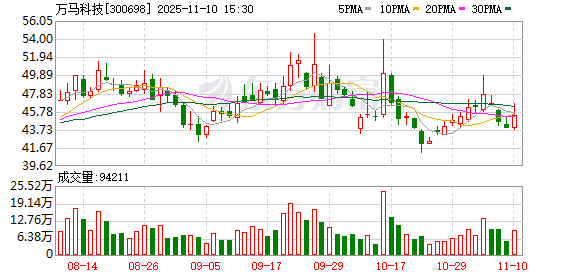
万马科技:公司的智能网联技术可用于需要实现网联的智能化场景
Zheng Quan Ri Bao· 2025-11-10 08:41
Core Viewpoint - Wanma Technology's data closed-loop toolchain platform integrates capabilities in data management, model training, and data compliance, which can be extended to scenarios involving embodied intelligence [2] Group 1: Company Capabilities - The company's data management capabilities are part of its toolchain platform, which includes model training and data compliance [2] - Wanma Technology's intelligent connected technology, such as eSIM and 5G dual-card technology, is applicable in intelligent scenarios requiring connectivity, particularly in the Internet of Things (IoT) sector [2]

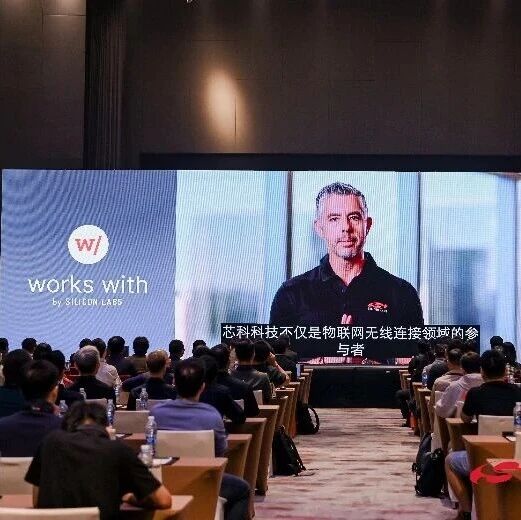
All in IoT,芯科科技全力以赴
半导体芯闻· 2025-11-07 10:24
Core Viewpoint - The article emphasizes the significant growth potential of the AIoT market, driven by the introduction of the Matter standard and advancements in edge AI technology, with projections indicating that the system-on-chip (SoC) market could reach $80 billion to $100 billion by 2030 [2]. Company Overview - Silicon Labs, also known as "芯科科技," is recognized as a leading player in the wireless chip industry, with a comprehensive product portfolio that supports the AIoT market [4]. - Under the leadership of CEO Matt Johnson, the company has established itself as a wireless connectivity giant, with expertise across various wireless technologies including Bluetooth, Zigbee, Matter, Thread, Wi-Fi, Z-Wave, and Wi-SUN [4][5]. Technological Innovations - Silicon Labs has made significant advancements in SoC technology, particularly in multi-core architecture, allowing for efficient handling of IoT applications, security, and wireless connectivity [4][5]. - The company is the first to introduce dynamic multi-protocol (DMP) solutions and has integrated matrix-vector processors (MVP) into its SoCs, enhancing its competitive edge [5]. - The third-generation wireless SoC platform, featuring the SixG301 and SixG302 products, utilizes a 22nm process and offers improved processing power, integration, security, and energy efficiency [12][13]. Market Strategy - Silicon Labs is committed to identifying and developing competitive products for emerging markets, focusing on innovative applications rather than engaging in price competition [11]. - The company has targeted the interconnected health and automotive keyless entry markets as areas of growth, positioning itself ahead of competitors [11]. Security Leadership - The company has achieved PSA Level 4 certification, making it the first IoT chip manufacturer to reach this level, reinforcing its leadership in IoT security [5][12]. Collaboration and Ecosystem - Silicon Labs emphasizes collaboration with ecosystem partners to enhance its product offerings and solutions, focusing on core hardware, protocol stacks, and software development [16]. - The "Works With" developer conference aims to bridge global technology with local needs, highlighting Shenzhen's role as a hub for IoT innovation [16].

中机认检(301508) - 301508中机认检投资者关系管理信息20251105
2025-11-05 11:08
Group 1: Financial Performance - In Q3 2025, the company achieved revenue of 221.35 million CNY, a year-on-year increase of 20.61% [3] - For the first three quarters of 2025, total revenue reached 609.40 million CNY, reflecting a year-on-year growth of 7.67% [3] - The gross profit margin for Q3 2025 was 47.12%, showing an increase compared to the same period last year [3] Group 2: Business Strategy and Growth - The revenue growth is primarily driven by the continuous market expansion in the testing business, particularly in passenger vehicle testing [3] - The company plans to maintain gross profit levels by enhancing market development and high-value-added services, as well as improving operational efficiency and cost control [3] - The core growth areas for future business expansion are focused on three main directions: deepening core business advantages, releasing capacity from key bases, and addressing emerging testing demands in strategic industries [3] Group 3: Strategic Initiatives - The company has established a "3+1+3" strategic layout to align with the development needs of strategic emerging industries [3] - Key production bases, such as the Shandong New Energy Testing Base, will support the scale expansion of the testing business [3] - New testing fields, including new energy vehicle testing and smart connectivity, are expected to drive future business growth [3]