AI硬件

Search documents
前字节核心产品骨干做了款AI项链,他想分析老外的每一餐丨产品观察
36氪· 2026-01-12 13:35
Core Viewpoint - The article discusses the innovative approach of OdyssLife in the health monitoring sector, particularly focusing on the launch of their AI necklace, Odyss N1, which aims to provide comprehensive dietary and exercise tracking through advanced technology [4][5][15]. Group 1: Product Overview - Odyss N1 is the world's first Always-On smart necklace that integrates multi-modal perception capabilities, including image, audio, and motion sensing, to continuously monitor users' dietary and exercise behaviors [5][6]. - The necklace weighs less than 30 grams and features a discreet design that allows for comfortable all-day wear, providing a wide-angle view of the user's dining area [8]. - The device employs a unique "frame capture" technique to efficiently gather data on food intake and physical activity without the need for continuous video recording, thus conserving battery life [9][10]. Group 2: Market Potential - The global wearable device market is projected to exceed 560 million units by 2024, with the core health monitoring segment expected to reach a market size of approximately $65 billion to $80 billion [14]. - OdyssLife targets a specific demographic of 25 to 50-year-old North American users, capitalizing on the structured nature of their meal preparation and shopping habits, which facilitates accurate data collection [12][15]. Group 3: User Experience and Data Privacy - Odyss N1 aims to provide a seamless user experience by eliminating the need for manual input, as traditional dietary tracking apps often lead to user frustration due to their cumbersome processes [9][11]. - The product is designed with privacy in mind, ensuring that no raw images or audio recordings are stored, and only structured data related to food intake and activity levels is retained for user insights [17][18]. Group 4: Competitive Landscape - The article highlights the existing competition in the health monitoring space, including successful products like the Oura ring and Whoop bands, which focus on sleep and exercise monitoring, respectively [14]. - OdyssLife's entry into the market is seen as a response to the growing demand for innovative health monitoring solutions, particularly in the dietary tracking segment, which remains relatively untapped [15][16].


对话光帆科技董红光:当耳机长出眼睛, “说一下”开始取代“点十下”
乱翻书· 2026-01-12 13:11
Core Viewpoint - The article discusses the innovative approach of Guangfan Technology in developing AI headphones instead of smart glasses, emphasizing the practicality and user acceptance of the former [1][4][6]. Group 1: Why Headphones Instead of Glasses - Guangfan Technology's founder, Dong Hongguang, argues that while smart glasses are popular, they face significant challenges such as weight, display technology, and user acceptance costs, which headphones do not [4][6]. - Headphones are already a mature wearable category, and adding AI capabilities to them reduces the cost of user adoption, similar to how the iPhone built on existing mobile phone functionality [4][6]. - The choice of headphones allows for a more intuitive interaction model, as they are positioned close to the mouth and ears, facilitating voice commands and audio feedback [6][10]. Group 2: Multi-Device Interaction - The AI system is designed to operate with a combination of headphones and a smartwatch, which helps to mitigate the limitations of glasses while enhancing functionality through additional sensors and interaction methods [10][12]. - This multi-device approach allows for a more practical solution, distributing tasks across devices to improve user experience and reduce technical challenges associated with integrating all functions into a single device [12][18]. Group 3: AI Interaction Evolution - The article highlights a shift from traditional graphical interfaces to intention-based interactions, where users can express their needs directly, and the AI manages the execution [30][34]. - This proactive interaction model contrasts with the passive, tool-like nature of smartphone interactions, aiming to create a seamless experience where users do not have to think about the technology [30][34]. Group 4: User Understanding and Memory - Guangfan Technology emphasizes the importance of building a user profile through accumulated interactions, which allows the AI to provide personalized experiences [41][43]. - The memory system is cloud-based, enabling users to retain their preferences and experiences across devices, enhancing the continuity of service [44][46]. Group 5: Value of General-Purpose Hardware - The article distinguishes between specialized and general-purpose AI hardware, arguing that the latter is essential for creating a comprehensive AI assistant capable of integrating various applications and services [53][54]. - Guangfan's operating system is designed to support a wide range of AI functionalities, making it adaptable for future applications beyond just headphones [54][55]. Group 6: Addressing Hardware Longevity - Guangfan's strategy to prevent hardware from becoming obsolete involves integrating AI capabilities into already popular devices like headphones and smartwatches, ensuring they remain useful even without AI features [57][59]. - The company aims to balance between high-frequency and low-frequency use cases, ensuring that users find value in the devices regularly, which keeps them engaged with the AI functionalities [59][60].
沸腾了 | 谈股论金
水皮More· 2026-01-12 10:18
Market Performance - The A-share market continues to show strong performance, with the Shanghai Composite Index achieving a 17-day winning streak, closing at 4165.29 points, up 1.09% [2] - The Shenzhen Component Index rose by 1.75% to 14366.91 points, while the ChiNext Index increased by 1.82% to 3388.34 points [2] - The total trading volume in the Shanghai, Shenzhen, and Beijing markets reached 36.45 trillion, a significant increase of nearly 500 billion compared to the previous trading day, marking the highest trading volume in A-share history [2] Market Sentiment - The strong performance of the A-share market has exceeded market expectations, with a focus on trading volume rather than the number of consecutive gains [3] - The market is experiencing a "heating up" phase, with retail investors showing high enthusiasm, making it difficult for the market trend to reverse easily [3] - Despite some intraday sell-off signals, buying interest surged whenever there was selling pressure, indicating strong support from bullish investors [3] Sector Performance - The market's focus has shifted to small and mid-cap stocks, with the AI application sector showing the most significant gains, with top sectors rising over 7% [4] - The AI application sector's rally was sparked by the listing of companies like Zhizhu and MINI MAX, which saw substantial price increases, further fueling investor interest [4] - The commercial aerospace sector also saw a notable increase of nearly 6%, driven by positive news regarding satellite planning and development [5] Capital Flow - The market exhibited a broad upward trend, with 3900 stocks rising and only 1200 declining, although there was a net outflow of 34.4 billion from major funds and 29.4 billion from northbound trading [5] - The AI hardware sector, in contrast, experienced a corrective phase, with major blue-chip stocks in finance and petrochemicals also showing signs of adjustment [6] Overall Market Outlook - The current environment for small and mid-cap stocks is characterized by self-reinforcing speculation, reflecting a short-term risk accumulation despite the ongoing strong market performance [6]

三大“碰一下”龙头股价齐创新高 NFC热潮助推A股科技股
Zhong Guo Ji Jin Bao· 2026-01-12 08:30
Core Viewpoint - The A-share market experienced a significant surge on January 12, 2026, driven by the NFC (Near Field Communication) industry chain, particularly highlighted by Alipay's "Tap" feature, which has transformed a dormant mobile function into a vital connection between the physical and digital worlds, reshaping the value of the entire NFC industry chain [1] Group 1: Company Performance - Lens Technology (300433.SZ) saw its stock price rise by 10% to 42.66 yuan, with a trading volume of 12 billion yuan, indicating high market activity [2] - Lens Technology is a key supplier for Alipay's "Tap" feature, with its stock increasing by 147% since the feature's announcement on July 8, 2024 [2] - The expansion of the "Tap" feature into various high-frequency applications has opened a "second growth curve" for Lens Technology beyond consumer electronics [3] Group 2: Chip Industry Insights - Fudan Microelectronics (688385.SH) is positioned as a leading domestic chip design company, providing essential NFC and security chips for the "Tap" feature, which contributed to its stock price increasing by 9.84% to 98 yuan [4] - Since the announcement of Alipay's "Tap," Fudan Microelectronics has seen its stock rise by over 220%, highlighting the critical role of NFC chips in the user experience [5] - Institutional investors are actively investing in Fudan Microelectronics, reflecting confidence in the company's value within the NFC ecosystem amid a focus on technological self-sufficiency and supply chain security [5] Group 3: 3D Vision Technology - Orbbec (688322.SH) represents the 3D vision sector, with its long-term stock performance reflecting market optimism about future interaction methods [6] - The "Tap" feature signifies a near-field interaction solution, while 3D vision technology is seen as central to spatial interaction, suggesting a convergence of various interaction modalities in future smart devices [6] - The market is positioning companies like Orbbec as integral to the upcoming AI hardware ecosystem, with applications in robotics, the metaverse, and AIoT [7]


20cm速递|科创人工智能ETF国泰(589110)涨超6%,AI硬件需求强劲
Mei Ri Jing Ji Xin Wen· 2026-01-12 06:59
Group 1 - The core viewpoint of the news highlights the strong demand for AI hardware, which has led to a significant increase in the performance of the Cathay Innovation AI ETF (589110), rising over 6% on January 12 [1] - The electronic and semiconductor industries are currently experiencing a global technology cycle, with AI hardware demand being driven by factors such as the expansion of AI computing power, data center growth, and the electronic upgrade of smart vehicles [1] - The semiconductor industry has been in an upward cycle for over 9 quarters since Q1 2023, driven by GPUs and generative AI, with this cycle's duration and intensity surpassing previous cycles driven by consumer electronics [1] Group 2 - Despite potential deceleration in growth due to high base effects, the industry has not yet shown signs of a turning point, and the marginal change in profit growth (ΔG) remains robust [1] - AI hardware is expected to maintain its strength in a valuation bull market, supported by a favorable environment of liquidity, policy support, and high industry prosperity [1] - The commercialization of AI applications is accelerating due to a fourfold resonance of policy, demand, ecosystem, and capital, transitioning from computing infrastructure to practical scenarios, demonstrating resilience independent of overseas markets [1] Group 3 - The Cathay Innovation AI ETF (589110) tracks the Innovation AI Index (950180), which has a daily price fluctuation limit of 20% and includes 30 listed companies from the Sci-Tech Innovation Board that cover AI foundational resources, core technology R&D, and industry application [2]
为什么深圳硬件圈都在谈论千问?
雷峰网· 2026-01-12 03:34
Core Viewpoint - The article emphasizes that AI has transitioned from being a mere functional plugin to a fundamental system capability, marking a significant shift in the hardware innovation landscape as large models become the default capability in smart devices [2][9]. Group 1: AI Hardware Landscape - The AI hardware landscape is witnessing a resurgence, with over 200 mainstream hardware manufacturers participating in events like the Alibaba Cloud Tongyi Intelligent Hardware Expo and CES, showcasing a variety of AI applications [3][4]. - The integration of large models, such as Qianwen, into over 1,000 smart devices across 76 categories indicates a strong industry signal that AI is moving beyond screens into the physical world [4][12]. Group 2: Historical Challenges - The AI hardware sector has faced significant challenges over the past decade, including uncontrollable model capabilities, difficult commercial logic, and high engineering complexity, which have hindered the successful implementation of AI in hardware [8][9]. Group 3: Turning Point in AI Hardware - Recent exhibitions signal a turning point for AI hardware, shifting the focus from showcasing model capabilities to system engineering, indicating that AI is now a reliable and efficient foundational capability [9][10]. - Alibaba Cloud's development of a multimodal interaction development kit allows manufacturers to integrate core model capabilities with various interaction technologies, significantly lowering the barriers for hardware selection and adaptation [10][11]. Group 4: Qianwen as a Universal Foundation - Qianwen has emerged as a universal foundation for AI hardware, with Alibaba Cloud collaborating with all AI hardware categories, indicating a shift from single-function AI to comprehensive system capabilities [14][15]. - The comprehensive AI capabilities provided by Qianwen address key pain points in AI hardware implementation, creating a complete ecosystem from models to tools and platforms [16][21]. Group 5: Market Impact and Future Outlook - The AI hardware market in China has surpassed 1.1 trillion yuan, marking a transition from conceptual exploration to large-scale implementation [12]. - The integration of over 1,000 smart devices with Qianwen signifies a clear signal that AI is deeply connecting with the physical world, transforming hardware into intelligent systems that continuously learn and evolve [23][24].
对话联想智能设备业务集团总裁Luca Rossi:可穿戴只是起点,联想正在构建更广泛的 AI 生态形态|直击CES
Xin Lang Cai Jing· 2026-01-12 02:30
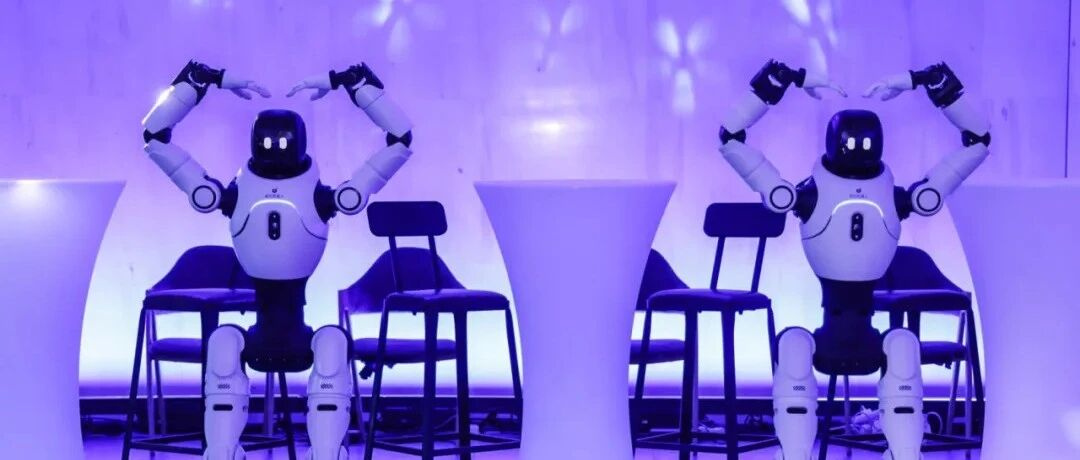
Core Insights - Lenovo's exploration in wearable devices and next-generation AI hardware is highlighted during CES 2026, with a focus on the potential of these technologies [1][3] - The company introduced a proof of concept product named Maxwell, developed by the Motorola team, which is designed to capture user experiences and operate in conjunction with cloud systems [1][3] - Luca Rossi emphasized that Maxwell is not the only direction for Lenovo in AI hardware, but rather one of many exploratory paths [1][3] Summary by Categories Wearable Devices - Lenovo sees significant potential in the wearable device category, with Maxwell being positioned to perform "perception" tasks by capturing what users see and hear [1][3] - The company plans to continue exploring various forms of smart devices, including both wearable and "environmental" AI systems deployed in everyday settings like rooms and kitchens [1][3] AI Hardware Development - The direction of AI hardware development is viewed as the next frontier in AI evolution, with Lenovo making long-term investments in relevant technologies and ecosystems [2][4] - System-level evolution in this area is acknowledged to require time, with Lenovo planning to announce further advancements when conditions are ripe [2][4] Data and User Experience - Future devices will generate a wealth of data points through continuous perception of video, audio, and various events, contributing to a more complete and seamless intelligent experience [4]

A股头条:证监会最新发声!推动中长期资金进一步提高入市规模比例;光伏、电池等取消出口退税“靴子落地”;天普股份被立案调查;我国新增超20万颗卫星申请
Sou Hu Cai Jing· 2026-01-11 23:57
Group 1: Government Policies and Initiatives - The State Council of China has implemented a package of fiscal and financial policies to promote domestic demand, emphasizing the importance of coordinating fiscal and financial policies to stimulate effective demand and macroeconomic regulation [1] - The policies aim to enhance consumer spending by optimizing loan interest subsidy policies for service industry operators and personal consumption loans, as well as supporting private investment through various financial mechanisms [1] Group 2: Market Developments - The China Securities Regulatory Commission (CSRC) is working to improve the institutional environment for long-term investments, encouraging various types of long-term funds to increase their market participation, with long-term funds holding approximately 23 trillion yuan in A-share market value, a 36% increase from the beginning of the year [2] - The CSRC has also raised the reward standards for whistleblowers reporting securities and futures violations, with the maximum reward now set at 1 million yuan [3] Group 3: Stock Market Activity - Three major stocks, including Jia Mei Packaging and Guosheng Technology, are set to resume trading after completing related investigations, with Jia Mei Packaging's stock price having surged over 230% in a short period [4] - Tianpu Co., which saw a 1600% increase in stock price, is under investigation by the CSRC for abnormal trading activities [4] Group 4: Industry Changes - China has applied for frequency resources for over 200,000 satellites, with more than 190,000 satellites coming from the Radio Innovation Institute [5] - The Ministry of Finance and the State Taxation Administration announced the cancellation of export tax rebates for photovoltaic products starting April 1, 2026, and for battery products starting January 1, 2027, marking a significant policy shift for the photovoltaic industry [6] Group 5: International Relations - The U.S. Department of Commerce has withdrawn a plan to place Chinese-manufactured drones on a restricted list, which was initially proposed due to national security concerns [7][8] Group 6: Economic Indicators - The U.S. labor statistics revealed a lower-than-expected increase in non-farm employment for December, leading analysts to believe that the Federal Reserve's interest rate cut expectations have diminished significantly [9] Group 7: Market Strategy - The A-share market has shown strong upward momentum, with the Shanghai Composite Index reaching a 10-year high, driven by sectors such as AI applications and commercial aerospace [10] - Investors are advised to focus on technology growth assets while being cautious of high-volatility stocks [10] Group 8: Technological Advancements - The successful first flight of the "Tianma-1000" unmanned transport aircraft, designed for logistics and emergency rescue, highlights advancements in domestic drone technology [11] - Major companies are entering the AI hardware space, indicating a competitive landscape for the next generation of smart technology [12]

在拉斯维加斯,我看到概念已死
虎嗅APP· 2026-01-10 09:16
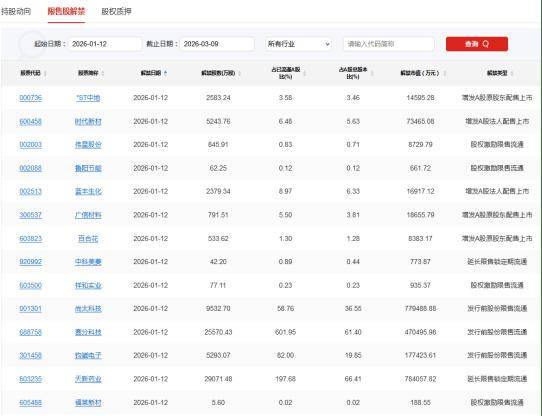
Core Viewpoint - The article discusses the shift in the AI hardware industry from a focus on disruptive innovation to a more pragmatic approach, emphasizing the importance of "scene value" in product development [4][7]. Group 1: AI Hardware Trends - At CES 2026, the atmosphere was notably different from previous years, with less emphasis on grand concepts and more on practical upgrades [5][6]. - The AI hardware industry is moving towards a focus on specific use cases and functionality, rather than broad, ambitious claims [7][15]. Group 2: Wearable Devices - The wearable device sector saw an increase in cross-industry players, particularly in the AI glasses market, with products designed for specific functionalities rather than flashy features [9][12]. - Notable products include the MemoMind AI glasses, which offer user-friendly design and practical applications, and the OpenGuide AI glasses aimed at assisting visually impaired users [11][12][15]. Group 3: Companion Robots - The companion robot market has expanded rapidly, with over 50 companies showcasing products at CES, but many face challenges related to product consistency [20][21]. - There is a trend towards customization in companion robots, allowing for personalized features and interactions, as seen in prototypes like the Fourier desktop companion robot [24][28]. Group 4: Cleaning Robots - The cleaning robot sector is experiencing significant technological advancements, with products like the Cyber X and G-Rover capable of navigating stairs and complex environments [36][38]. - Future developments may include robots with mechanical arms for more precise cleaning tasks, as demonstrated by the AI cleaning robot that can handle laundry processes [43][45].

发生在CES的六场对话:来自深圳的 AI 硬件“外卷”
3 6 Ke· 2026-01-10 06:25
Core Insights - The 2026 CES showcased a significant presence of Chinese hardware companies, highlighting China's role as a crucial player in the global hardware supply chain [1][4] - Despite geopolitical tensions and a decline in the number of Chinese exhibitors from over 1300 in 2025 to 935 in 2026, the global market remains enthusiastic about Chinese AI hardware [1][4] - New trends in AI hardware were evident, with previously overlooked "gadgets" being redefined as key components of the Physical AI ecosystem [5][8] Group 1: Industry Trends - AI hardware startups are focusing on data, scenarios, and interactions to carve out their niche in a competitive market [17][21] - Major companies are integrating smaller devices like smart rings and companion robots into their AI strategies, emphasizing their role in connecting users with data and services [8][9] - The CES highlighted a shift towards more practical applications of AI hardware, with companies like Ludens AI and Tuya Smart exploring emotional and functional aspects of their products [15][22] Group 2: Company Developments - Ludens AI, despite bringing only two prototypes to CES, received significant interest, indicating a strong market demand for AI-driven household robots [3][21] - Tuya Smart introduced its AI pet companion robot Aura, marking a shift towards consumer-facing AI hardware, aiming to create a cohesive smart home ecosystem [13][15] - LeXiang Technology launched its new brand "YuanDian Smart" at CES, focusing on consumer-grade robotics and establishing partnerships with local distributors in North America and Europe [2][28] Group 3: Market Dynamics - The presence of industrial giants like Caterpillar and Siemens at CES indicates a growing recognition of the importance of physical infrastructure in supporting AI technologies [29][30] - The market is increasingly valuing the integration of AI hardware into everyday life, with products designed to enhance user experience across various scenarios [11][19] - The CES event served as a platform for companies to explore collaborations and partnerships, reflecting a collective movement towards innovation in AI hardware [28][30]