即时零售

Search documents
营收利润双降,没赶上外卖“三国杀”的闪送更难了……
Guo Ji Jin Rong Bao· 2025-08-20 15:20
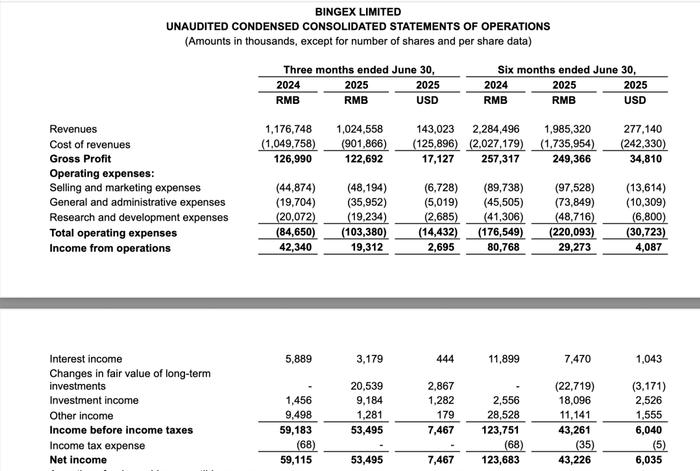
Core Viewpoint - The instant delivery industry is undergoing significant changes, with major players like Meituan, Alibaba, and JD.com gaining substantial market share, while companies that fail to adapt are struggling [1][6]. Financial Performance - In Q2 2025, the company Shansong reported revenues of 1.025 billion RMB, a decline of 12.91% compared to 1.178 billion RMB in Q2 2024 [2]. - Gross profit for Q2 2025 was 122.69 million RMB, down from 126.99 million RMB in Q2 2024, with a gross margin of 12% [2]. - Net profit for Q2 2025 was 53.50 million RMB, a decrease of 9.51% from the previous year [2]. - For the first half of 2025, total revenue was 1.985 billion RMB, a year-on-year decline of 13.1%, with net profit dropping 65.05% to 43.23 million RMB [3][4]. Market Position and Competition - Shansong, once a leader in the instant delivery sector, is now facing intense competition from other companies enhancing their one-to-one delivery services [6][7]. - The overall instant delivery market has seen a surge in order volume, with Meituan and Taobao reaching daily order peaks of 120 million and 80 million, respectively [6]. - Despite an increase in delivery personnel and city coverage, Shansong's order volume has shrunk, contributing to revenue decline [3][4]. Operational Challenges - Shansong's operational expenses rose by 22.15% year-on-year, totaling 103 million RMB, with significant increases in general and administrative expenses [7]. - The company has not effectively adjusted its operational strategies in response to market changes, leading to disappointing performance [6][7].

二季度单票收入净下降0.06元,中通快递董事长赖梅松直呼价格战“惨烈” 即时零售会成为行业新变量吗?
Mei Ri Jing Ji Xin Wen· 2025-08-20 13:09
Core Viewpoint - The express delivery industry is currently facing intense price competition, and companies must shift from price wars to value wars by enhancing service quality to achieve sustainable growth [1][2]. Financial Performance - In Q2 2025, ZTO Express reported a package volume of 9.85 billion, a year-on-year increase of 16.5%, and a revenue of 11.83 billion yuan, up 10.3% year-on-year [1]. - Adjusted net profit for the quarter was 2.05 billion yuan, a decrease of 26.8% compared to the previous year [1]. - The company has revised its annual package volume guidance to a range of 38.8 billion to 40.1 billion packages, corresponding to a growth rate of 14.0% to 18.0% [1]. Operational Insights - The average revenue per package in the core express business decreased by 0.06 yuan, influenced by increased incentives and a decline in average package weight, although prices for key accounts rose by 0.17 yuan [2]. - As of June 30, 2025, ZTO operates 94 sorting centers and over 31,000 pickup and delivery points, with approximately 6,000 direct network partners [2]. Strategic Focus - ZTO Express emphasizes a "quality first" strategy, aiming to create differentiated products and service experiences [2]. - The company is focusing on cost reduction and efficiency improvements in the last-mile delivery segment to enhance competitiveness and profitability [2]. Industry Challenges and Opportunities - The express delivery industry is experiencing challenges from aggressive pricing strategies and the rise of instant retail, which could impact traditional delivery volumes [4][5]. - Major internet companies are increasing investments in instant retail, with the market expected to exceed 2 trillion yuan by 2030 [4]. Technological Advancements - ZTO has begun commercializing the use of unmanned vehicles in over 700 locations, deploying more than 2,000 units across over 200 cities [6]. - The company is committed to deepening the application of artificial intelligence across all business segments to enhance efficiency and reduce costs [6][7].
华致酒行(300755):抢抓即时消费需求增长完善业态协同 提质增效推改革蓄力未来
Xin Lang Cai Jing· 2025-08-20 08:35
Core Viewpoint - The company reported a significant decline in revenue and net profit for the first half of 2025, reflecting ongoing industry adjustments and increased inventory pressure, while also taking steps to improve operational quality and cash flow recovery [1][2]. Financial Performance - In H1 2025, the company achieved revenue of 3.949 billion yuan, a year-on-year decrease of 33.6% - The net profit attributable to shareholders was 56.21 million yuan, down 63.8% year-on-year - The net profit after deducting non-recurring items was 32.98 million yuan, a decline of 76.0% year-on-year - In Q2 2025, revenue was 1.098 billion yuan, a decrease of 39.4% year-on-year, with a net profit of -29.19 million yuan and a net profit after non-recurring items of -42.04 million yuan [1]. Industry Context - The industry is experiencing weak demand, leading to increased inventory pressure and a decline in prices, particularly for premium liquor, which has resulted in significant asset impairment for the company [1]. - The company reported an asset impairment provision of 55.77 million yuan in H1 2025, a substantial increase from 3.95 million yuan in H1 2024 and 13.33 million yuan in Q1 2025 [1]. Cost Management - The company’s comprehensive gross margin for H1 2025 was 9.7%, a decrease of 0.78 percentage points year-on-year, with Q2 gross margin at 7.9%, down 2.57 percentage points quarter-on-quarter [2]. - The company successfully reduced its expense ratios, with sales, management, and financial expense rates at 4.79%, 1.66%, and 0.50% respectively, leading to a total expense ratio of 6.95%, down 0.18 percentage points year-on-year [2]. Strategic Initiatives - The company is actively adjusting its store layout strategy and developing lightweight new products to enhance brand appeal, focusing on high-end dining and entertainment environments [3]. - The establishment of three main store formats—"Huazhi Wine House," "Huazhi Famous Wine Warehouse," and "Huazhi Preferred"—aims to capture the growing demand for instant consumption [3]. - A strategic partnership with Treasury Wine Estates has been established to exclusively distribute the Penfolds Koonunga Hill series, contributing to sales of 247 million yuan in H1 2025, an increase of 11.0% year-on-year [3]. Future Outlook - The company forecasts revenues of 8.034 billion yuan and 8.471 billion yuan for 2025 and 2026, representing year-on-year changes of -15.1% and +5.4% respectively - Expected net profits for 2025 and 2026 are projected at 72 million yuan and 125 million yuan, with year-on-year growth rates of +62.1% and +73.1% respectively [4].

贵州茅台入驻淘宝闪购 计划全量上线全国6500家门店
Zheng Quan Shi Bao Wang· 2025-08-20 08:04
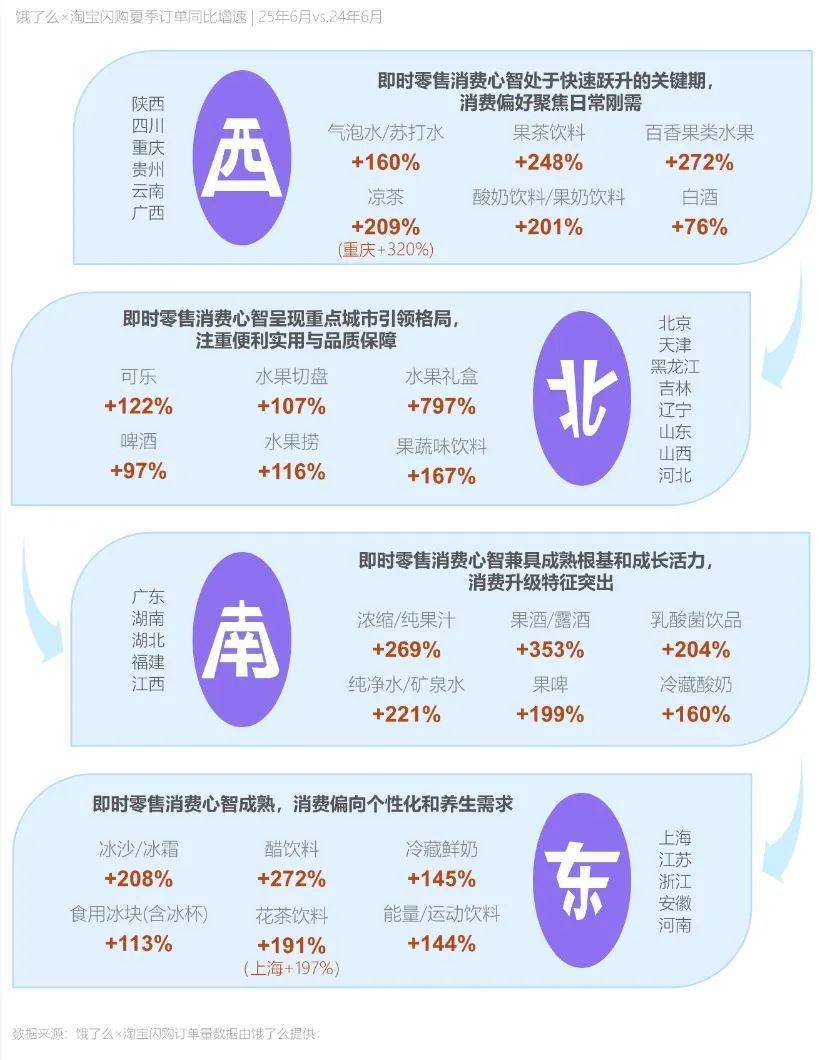
Group 1 - Guizhou Moutai has partnered with Taobao Flash Sale to launch over 1000 official stores, providing a "30-minute delivery" service for authentic Moutai products [1] - The product range includes Moutai 1935, Guizhou Daqu, Moutai Yingbin, Moutai Wangzi, and Hanjiang, covering all price segments from mass to premium [1] - The collaboration signifies a shift in the traditional liquor industry's channel strategy, with online channels becoming a key growth driver for brand expansion [1] Group 2 - A report indicates that 34.9% of liquor companies prioritize the expansion of instant retail channels, with a rapid rise in younger consumer demand [2] - Since the launch of Taobao Flash Sale, liquor categories have seen significant growth, with craft beer up 703%, cocktails up 237%, and white liquor up 172% [2] - The entry of Moutai into Taobao Flash Sale enhances the platform's appeal in the liquor sector, creating a comprehensive product matrix from mass to premium offerings [2]

京东开超市,淘宝成品牌“接口”,平台企业即时零售布局显“差异”
Sou Hu Cai Jing· 2025-08-20 07:00
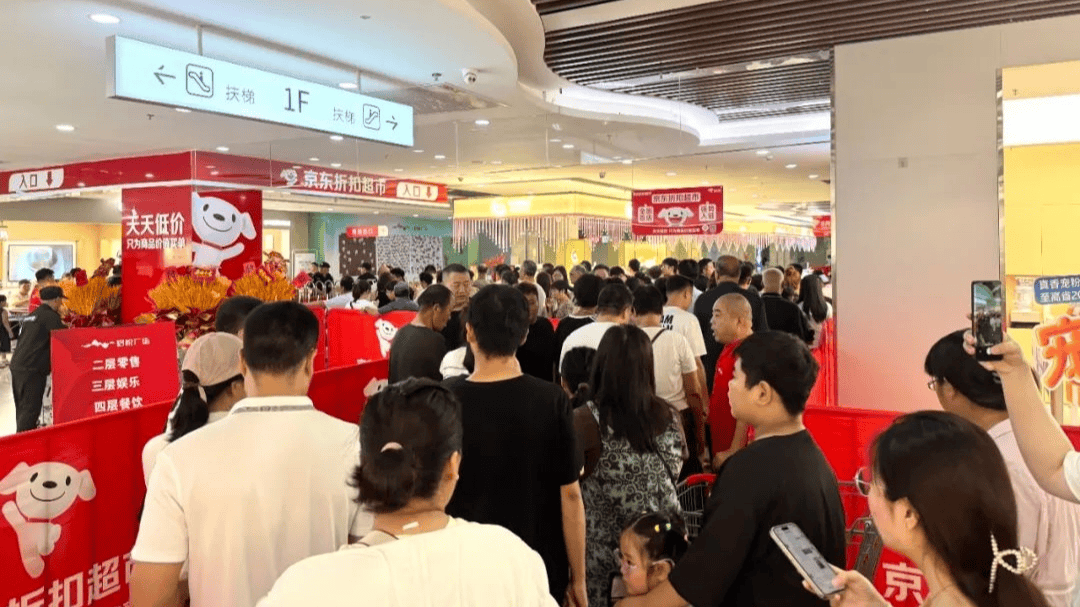
Core Viewpoint - The article discusses the strategic shifts of major platforms like Meituan, Ele.me, and JD.com in the instant retail sector, moving from price competition to value creation, emphasizing supply chain capabilities and channel expansion. Group 1: JD.com Initiatives - JD.com opened its first discount supermarket in Hebei, attracting over 100,000 customers in two days, which is about one-sixth of the city's population [2][4] - The company reported a threefold increase in foot traffic and a 100% increase in online orders for its Seven Fresh Food MALL since its opening [2][4] - JD.com is expanding its offline presence by collaborating with over ten cities and integrating its community dining service, Seven Fresh Kitchen [2][4] Group 2: Supply Chain Strategy - JD.com emphasizes its supply chain advantages, utilizing direct sourcing and self-owned brands to reduce costs and enhance product quality [5] - The acquisition of Hong Kong's Jia Bao Food Supermarket is a strategic move to strengthen its fresh supply chain in the Greater Bay Area and enhance local retail market presence [5] Group 3: Taobao's Approach - Taobao's Flash Purchase reported significant growth, with 66 brands achieving over 10 million in monthly sales in July, and a 110% increase in new brand entries [6][8] - The platform's collaboration with brands like Xiaomi and Miniso has led to a fourfold increase in daily orders since May, showcasing the effectiveness of near-field delivery [8] Group 4: Meituan and Douyin Strategies - Meituan's self-operated instant retail brand, Xiao Xiang Supermarket, has expanded its product range to over 10,000 SKUs, with a projected GMV of nearly 30 billion in 2024 [9] - Douyin is integrating "live streaming + instant delivery" to enhance its e-commerce capabilities, leveraging its content output for immediate consumer engagement [9] Group 5: Industry Trends - The shift from "price war" to "value creation" in instant retail is highlighted, with a focus on convenience, quality, and efficiency rather than capital-driven price competition [10]



华润啤酒上半年营收239.42亿元,赵春武出席业绩说明会
Bei Ke Cai Jing· 2025-08-20 03:45
Group 1: Financial Performance - In the first half of 2025, China Resources Beer (控股) Limited reported revenue of 23.942 billion yuan, a year-on-year increase of 0.8% [1] - The gross profit margin rose by 2 percentage points to 48.9% due to the high-end beer strategy and cost savings in raw material procurement [1] - Shareholder profit attributable to the company was 5.789 billion yuan, reflecting a year-on-year growth of 23% [1] Group 2: Beer Business - The beer segment achieved an unaudited revenue of 23.161 billion yuan, up 2.6% year-on-year, with sales volume reaching approximately 6.487 million kiloliters, an increase of 2.2% [1] - High-end beer products saw significant growth, with sales of premium and above beer increasing by over 10% year-on-year; "Heineken" sales grew by over 20%, while "Snow" beer sales surged by over 70% [1] Group 3: White Spirit Business - The white spirit segment reported an unaudited revenue of 0.781 billion yuan, down from 1.178 billion yuan in the same period last year, with the major product "Abstract" contributing nearly 80% of the revenue [2] - The white spirit industry is undergoing a deep adjustment, and future improvements depend on the performance during the peak seasons of Mid-Autumn and Spring Festival [2] Group 4: Management and Strategy - Following the departure of former chairman Hou Xiaohai, the current management led by Zhao Chunwu aims to continue the existing strategic direction without major changes [3] - The company is focusing on developing online business channels, which have seen significant growth, with overall GMV increasing by nearly 40% and instant retail business by nearly 50% year-on-year [3] - The company is exploring new business models, including customization and contract manufacturing, and sees instant retail as a crucial channel for future growth and consumer engagement [3] Group 5: Market Trends - Competitors like Yanjing Beer and Chongqing Beer are diversifying into beverage products to meet consumer demands across various consumption scenarios [4]

500亿做闪购,能解阿里的中年危机吗?
Hu Xiu· 2025-08-20 01:01
曾经不可一世的阿里,近6年来丢失了过半的电商江山,此刻它甩出500亿,押宝即时零售,这是绝地反 击还是回光返照?阿里的中年危机到底卡在哪? ...
夏日酒水新风尚:即时零售驱动情绪、健康与猎奇三重升级
Sou Hu Cai Jing· 2025-08-20 00:45
Core Insights - The report highlights the rising popularity of ice-cold alcoholic beverages in the fast-moving consumer goods market, driven by consumer demand for health and emotional value [1][3][5] Group 1: Consumer Trends - There is a significant increase in orders for zero-calorie/low-calorie beers, fruit beers, and low-alcohol pre-mixed drinks, with zero-calorie/low-calorie beer orders growing by 144% month-on-month in June [1][3] - The trend is particularly strong among urban women aged 25 to 35, who prefer to enjoy these beverages during leisure time or social gatherings [3][5] Group 2: Market Dynamics - The summer ice-cold beverage market is experiencing a diversified consumption upgrade, driven by emotional value, health attributes, and curiosity [3][5] - The innovative "ice cup + alcohol" combination saw a staggering year-on-year order growth of 321% in June, creating new consumption scenarios like "home bar" on weekday evenings and "balcony relaxation" on weekends [5] Group 3: Regional Opportunities - Regional specialty alcoholic beverages are breaking geographical barriers through instant retail platforms, with significant order increases for white spirits in western regions and fruit/liqueur wines in southern regions [7] - This trend presents unprecedented growth opportunities for regional alcohol enterprises, contributing to market diversification [7] Group 4: Operational Challenges - The high demands for delivery timeliness and freshness in water distribution pose challenges for platforms and merchants [9]
零售巨头“守门”,谁能撕开固化的德国电商体系?
Xin Lang Cai Jing· 2025-08-19 21:15
Core Insights - The German e-commerce market is experiencing a shift as Chinese platforms like Temu, SHEIN, and AliExpress penetrate the market with low prices and a wide range of products, challenging the dominance of local players like Amazon.de and Otto [11][12][13] Group 1: Market Dynamics - Kaufland.de has emerged as the third-largest e-commerce platform in Germany, with annual sales exceeding €1.5 billion and a continuous double-digit growth in GMV [3][6] - The integration of Kaufland's supermarket model with e-commerce has been recognized as a "German-style e-commerce template," showcasing a unique path for digital transformation in European retail [3][4] - The overall e-commerce growth in Germany is relatively slow, with local platforms experiencing only about 5.6% annual growth, while online retailers face a decline of approximately 1.2% [8][10] Group 2: Competitive Landscape - Chinese e-commerce players have gained significant traction in Germany, with Temu achieving a GMV of approximately $750 million in its first year, making it the 13th largest e-commerce platform [13] - The price sensitivity of German consumers has increased, with 35% preferring low-priced products and 68% comparing prices while shopping online, creating a favorable environment for Chinese platforms [13][14] - Kaufland has responded to the competitive pressure by launching the "Global Marketplace" initiative, allowing international sellers to join its platform, which now includes over 11,000 merchants [15][16] Group 3: Consumer Behavior - German consumers are increasingly open to using non-German sellers, with 15%-20% of young consumers trying cross-border e-commerce platforms, primarily valuing price and product variety [14] - The traditional shopping habits of German consumers, which emphasize quality assurance and after-sales service, are being challenged by the rapid growth of Chinese e-commerce platforms [12][17] - The shift in consumer preferences indicates a potential long-term change in the German e-commerce landscape, as exemplified by the experiences of consumers like Anna Müller, who appreciate the convenience and affordability of Chinese products [11][17]

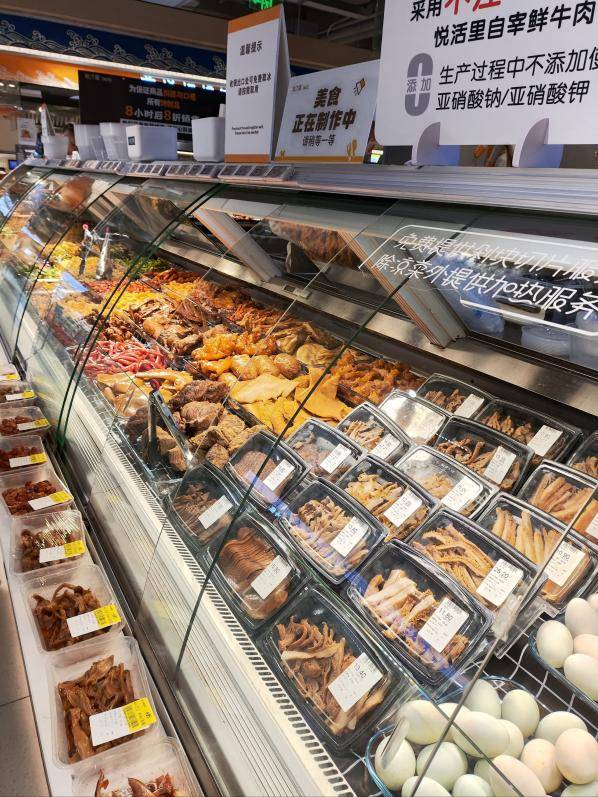
“餐超”悄然兴起,一场重塑日常消费图景的新变革。
Sou Hu Cai Jing· 2025-08-19 17:42
Group 1 - The core concept of the "restaurant-supermarket" model is a complete disruption of traditional retail logic, transforming supermarkets into integrated consumption scenarios that combine shopping, dining, socializing, and experiential elements [4][5] - This model successfully merges the efficiency of online instant retail with the immersive experience of offline spaces, creating a strong traffic loop and enabling rapid delivery services [4][5] - The "restaurant-supermarket" model has changed consumer shopping habits, making supermarkets a place for social interaction and healing rather than just a transactional space [2][4] Group 2 - The target demographic for the "restaurant-supermarket" model primarily consists of young professionals aged 25-35, who represent 53% of users at Hema, indicating a strong demand from this group [8][9] - Consumers are increasingly seeking a combination of efficiency, quality, convenience, and experience, with 26% of consumers prioritizing convenience alongside price [5][8] - The rise of the "restaurant-supermarket" model is a direct response to changing consumer demands and societal trends, such as urbanization and the increasing participation of women in the workforce [9][12] Group 3 - Successful examples of the "restaurant-supermarket" model include the transformation of Yonghui Supermarket's traditional stores into warehouse membership stores, resulting in a 136% increase in daily foot traffic and a 139% increase in sales [11] - Hema has achieved overall profitability in 2024, demonstrating that the "restaurant-supermarket" model can be commercially viable and providing a reference for future entrants [11][12] - The future of the "restaurant-supermarket" sector will likely see intense competition, with only a few dominant players surviving, necessitating a strong brand identity centered around freshness, quality, and convenience [11][12]