人民币国际化

Search documents
“看好中国新经济!” 渣打集团行政总裁温拓思最新发声
券商中国· 2025-10-12 23:21
Core Viewpoint - The CEO of Standard Chartered, Bill Winters, emphasizes the strong innovation and rapid development of China's new economy, reinforcing the bank's commitment to deepening its presence in the Chinese market [2][4]. Group 1: China's Economic Resilience and Opportunities - China's economy is expected to achieve a growth target of around 5% this year, showcasing strong resilience [4]. - The Chinese government is implementing effective measures to boost market confidence and promote consumption growth [4]. - The transition towards high-quality development is supported by innovation-driven models, releasing new productive forces [4]. Group 2: China's Global Trade Position - China is not only the world's second-largest economy but also a major trading partner for over 150 countries, leading in clean technology [4]. - The ongoing high-level opening-up policies in China present significant opportunities in areas such as RMB internationalization and cross-border trade [4][5]. Group 3: Innovation in New Economic Sectors - Bill Winters is impressed by China's advancements in sectors like advanced chips, quantum computing, robotics, and artificial intelligence, establishing a global competitive edge [6]. - The electric vehicle and clean energy sectors are highlighted as areas where China maintains a leading position globally [6]. Group 4: Strategic Partnerships and Technological Investment - Standard Chartered is actively participating in RMB internationalization and the opening of China's capital markets, positioning itself as a leading player in cross-border payment markets [5]. - The bank is investing heavily in cutting-edge technologies, including AI, and has formed strategic partnerships, such as with Alibaba, to enhance financial services [8][9]. Group 5: Trade Dynamics in Asia - ASEAN has surpassed Europe to become China's largest trading partner, indicating a rapid expansion of intra-Asian trade [7]. - Standard Chartered aims to leverage its global network as a "super connector" to facilitate trade, capital, and wealth flow amid global uncertainties [7][8].


中国果断停购澳矿,终结20年定价权之困,美元霸权再受冲击
Sou Hu Cai Jing· 2025-10-12 22:49
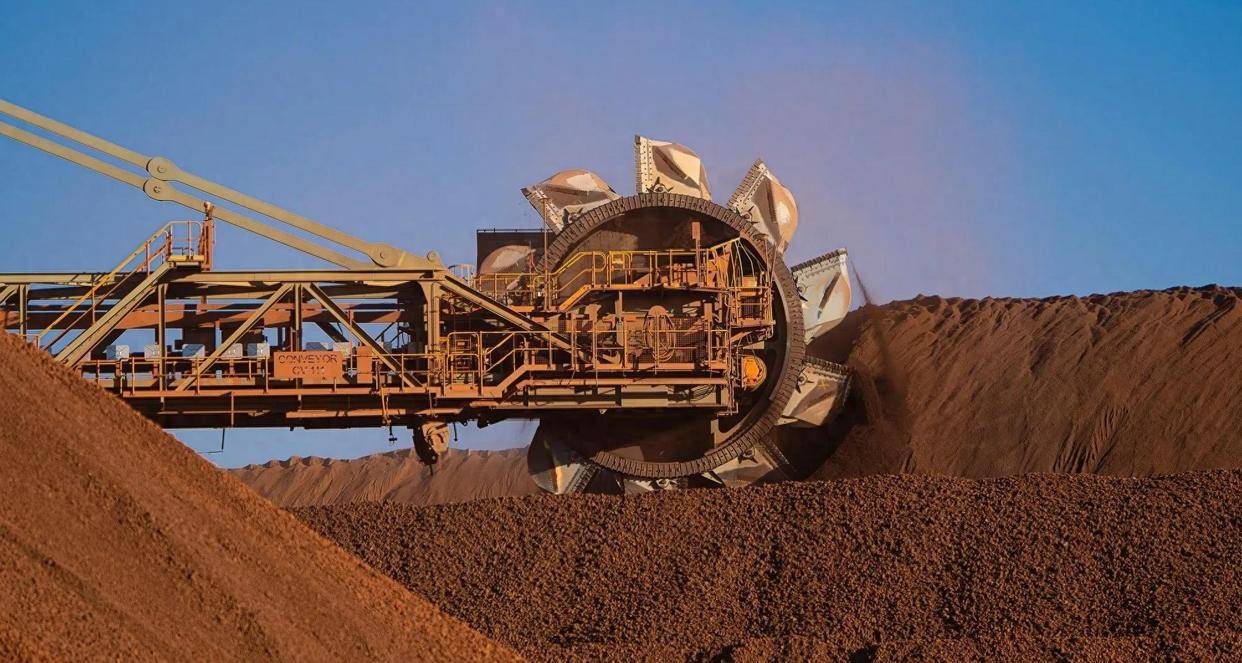
Core Viewpoint - China has suspended imports of iron ore from BHP, a major Australian mining company, priced in US dollars, signaling a significant shift in the global iron ore market dynamics [1][2]. Group 1: Background and Context - For the past two decades, China has faced challenges in the global iron ore market, often feeling exploited despite being the largest buyer, accounting for 70% of global iron ore imports [6][12]. - The pricing mechanism, dominated by the Platts index, has led to inflated prices that do not reflect actual market conditions, resulting in significant profits for mining companies at the expense of Chinese steel manufacturers [10][12][13]. - In 2022, Australian iron ore exports to China amounted to nearly 1 billion tons, generating approximately $20 billion in profits for Australia, while Chinese steel producers struggled with an average profit margin of only 0.71% [13][14]. Group 2: Negotiation Dynamics - In August 2023, China initiated negotiations for long-term pricing contracts with BHP, proposing a price reduction to $80 per ton, reflecting a decline in global market prices [17][18]. - BHP countered with a price increase of 15%, citing future demand due to post-conflict reconstruction needs, which led to a stalemate in negotiations [20][21]. Group 3: Strategic Moves - China has strategically positioned itself by diversifying its sources of iron ore, including investments in other mining companies and securing contracts that allow for pricing in RMB rather than USD [28][29]. - The development of the Simandou iron ore project in Guinea, which is largely controlled by Chinese interests, is expected to produce significant quantities of high-grade iron ore, potentially replacing Australian imports [28][29]. - China's "Cornerstone Plan" aims to increase domestic iron ore production and enhance scrap steel recycling, leveraging cheap renewable energy to support electric arc furnaces [31]. Group 4: Market Implications - The shift in demand dynamics, with a decrease in Chinese demand for iron ore due to changes in the real estate sector, is expected to pressure Australian mining companies, which may lead to a reevaluation of pricing strategies [32][34]. - The broader implications of this shift extend beyond iron ore, as China seeks to redefine its position in global trade and establish a new order in international commodity pricing [34][35].

机构研究周报:淡化外部扰动因素,债牛将回归
Wind万得· 2025-10-12 22:39
Core Views - The article emphasizes the importance of maintaining a delicate balance in China-US relations while encouraging companies to pursue overseas expansion despite external disturbances [1][5] - It highlights the potential investment opportunities in the Chinese bond market due to the global shift towards monetary easing [18] Section Summaries Government Policies - The Ministry of Transport announced a special port fee for American vessels starting October 14, 2023, as a countermeasure against US restrictions on Chinese shipbuilding [3] Equity Market - CITIC Securities suggests that resource security, overseas expansion, and technological competition are key structural trends, with a focus on mitigating external disturbances [5] - Hua'an Fund notes that the trend of de-dollarization and unresolved political risks in Europe and the US continue to support gold, recommending a long-term allocation of 5% to 15% in investment portfolios [6] - CITIC Jiantou Securities identifies four main macro trading themes for October, including US government shutdown and RMB internationalization, predicting an upward trend in gold prices and a weakening dollar index [7] Industry Research - Huaxia Fund anticipates that Hong Kong tech stocks will continue to rise, driven by AI catalysts and attractive valuations [12] - Morgan Stanley Fund expects a rebound in financial stock valuations due to improved profitability in the Chinese financial sector [13] - Huatai Securities predicts that copper prices may strengthen due to production cuts at the Grasberg copper mine [14] Bond Market - CICC's fixed income team believes that the global trend of declining interest rates will create favorable conditions for the Chinese bond market [18] - Xinda Securities suggests maintaining a moderate leverage strategy in high-grade credit bonds while focusing on opportunities in the bond market [19] - Huayuan Securities advises against overly aggressive credit allocation strategies in the current low-interest-rate environment [20] Asset Allocation - Guolian Minsheng Investment advises focusing on high-growth sectors like batteries and semiconductors while considering low-position opportunities in resource stocks [22]




本币互换对我国经济有何作用(政策解读·问答)
Ren Min Ri Bao· 2025-10-12 22:10
答:双边本币互换是指两国(地区)的中央银行(货币当局)在互信基础上建立的一种有抵押的融资安 排,一方以本币为质押,获取另一方等值货币。 为了方便理解,我们可以把本币互换想象成央行之间开立的一张"货币信用卡"。比如中欧双方签订本币 互换协议后,当欧洲的银行需要人民币给企业支付从中国进口的货款时,欧央行就可以动用这张"信用 卡",用即时汇率从中国人民银行换取人民币,到期之后,双方再按原汇率换回货币并支付少量利息。 9月,中国人民银行与欧央行、瑞士央行、匈牙利央行续签双边本币互换协议;8月18日,与泰国银行续 签双边本币互换协议;5月13日,与巴西央行续签双边本币互换协议……近年来,中国人民银行持续深 化对外货币金融合作,稳步推进双边本币互换。据统计,今年内中国人民银行已与8家外国央行签署 (含续签)了双边本币互换协议。 什么是本币互换?我国当前本币互换情况如何?越来越多的本币互换协议,将为经济发展带来哪些影 响?针对社会关注的问题,记者采访了上海金融与发展实验室副主任、招联首席研究员董希淼。 问:什么是本币互换?为什么要进行本币互换? 以中国人民银行与巴西央行的本币互换协议为例,2013年,两国首次签署双边本币互 ...
看好中国新经济 做好中国与世界“超级连接器”
Zheng Quan Shi Bao· 2025-10-12 22:07
Core Insights - The CEO of Standard Chartered, Bill Winters, expressed strong confidence in the Chinese market after his recent visit, highlighting the innovative vitality and rapid development of China's new economy [1][3] - Winters emphasized the significant opportunities arising from China's high-level opening-up policies and the transition to a high-quality development model [3][4] Group 1: Economic Outlook - Winters noted that the Chinese government is implementing effective measures to boost market confidence and promote consumption growth, projecting a GDP growth target of around 5% for the year [1][3] - The transition towards a low-carbon economy and the achievement of dual carbon goals present vast development opportunities [3] Group 2: Innovation and Technology - Winters was particularly impressed by China's advancements in sectors such as advanced chips, quantum computing, robotics, and artificial intelligence, indicating that Chinese companies have established a global competitive edge in AI applications [4] - The ongoing innovation in electric vehicles, battery technology, and clean energy positions China as a global leader in these new economic fields [4] Group 3: Trade and Investment - Standard Chartered is actively participating in the internationalization of the Renminbi and the opening of China's capital markets, positioning itself as a leading player in cross-border payment markets [3][5] - The bank is leveraging its global network to facilitate trade, capital, and wealth flows, emphasizing the importance of connectivity in an uncertain global environment [5][6] Group 4: Strategic Partnerships - Standard Chartered is investing in cutting-edge technologies, including artificial intelligence, and has formed strategic partnerships, such as the recent collaboration with Alibaba Group to enhance financial services through AI [6][7] - The bank has opened its third priority private banking center in China, indicating its commitment to expanding its presence in the region [7]

中国人民银行已与三十二个国家和地区签署协议 本币互换对我国经济有何作用(政策解读·问答)
Ren Min Ri Bao· 2025-10-12 21:57
Core Viewpoint - The People's Bank of China (PBOC) has been actively deepening foreign currency financial cooperation by signing bilateral currency swap agreements with various central banks, enhancing the international use of the Renminbi and promoting economic stability [1][3]. Group 1: Currency Swap Agreements - In 2023, the PBOC has signed or renewed bilateral currency swap agreements with eight foreign central banks, including the European Central Bank and the Bank of Thailand [1]. - As of September 30, 2023, the PBOC has established effective bilateral currency swap agreements with 32 countries and regions, covering major economies across Asia, Europe, Africa, the Americas, and Oceania [3]. Group 2: Benefits of Currency Swaps - Currency swaps facilitate cross-border trade and investment, significantly promoting international economic development [4]. - For instance, the renewed currency swap agreement between China and Brazil, which began in 2013 with a scale of 190 billion RMB, has strengthened trade relations and market confidence, maintaining Brazil as China's largest trading partner in Latin America [4]. Group 3: Impact on Enterprises - Companies engaged in overseas operations can apply for local currency funding under the swap agreements, allowing them to quote and settle transactions in Renminbi or the local currency, thus stabilizing costs and profits against USD exchange rate fluctuations [5]. - This mechanism enables enterprises to achieve more precise pricing and enhances their competitiveness in international markets [5]. Group 4: Implications for the Renminbi - The expanding scale and scope of currency swaps indicate a growing willingness among countries to hold and use the Renminbi, reflecting an increase in its international recognition [6]. - Currency swaps have become a crucial part of the global financial safety net, enhancing financial autonomy and stability for participating countries [6].
渣打集团行政总裁温拓思: 看好中国新经济做好中国与世界“超级连接器”
Zheng Quan Shi Bao· 2025-10-12 19:16
Core Insights - The CEO of Standard Chartered, Bill Winters, expressed strong confidence in the Chinese market after his recent visit, highlighting the innovative vitality and rapid development of China's new economy [1][2] - Winters noted that China's government is implementing effective measures to boost market confidence and promote consumption growth, with an expected GDP growth target of around 5% for the year [2] - The bank is actively participating in the internationalization of the Renminbi and the opening of China's capital markets, positioning itself as a leading player in cross-border payment markets [3] Group 1: China's Economic Development - China's new economy demonstrates strong innovation and is transitioning towards high-quality development through an innovation-driven model [2] - The country is recognized as the "world's factory" and is a major trading partner for over 150 countries, leading in clean technology and other sectors [2] - The ongoing transformation towards a low-carbon economy and achieving dual carbon goals presents vast development opportunities [2] Group 2: Innovation and Technology - Winters was particularly impressed by China's advancements in fields such as advanced chips, quantum computing, robotics, and artificial intelligence, noting that Chinese companies have established a global competitive advantage in AI applications [4] - The electric vehicle, battery technology, and clean energy sectors are areas where China maintains a leading position globally [4] - The vibrant development opportunities within China's private economy are encouraging, with Standard Chartered committed to supporting the growth of Chinese enterprises [4] Group 3: Trade and Investment Dynamics - The bank anticipates that global market uncertainties will continue to impact trade and investment, while intra-regional trade within Asia, the Middle East, and Africa is expanding rapidly [5][6] - ASEAN has surpassed Europe to become China's largest trading partner, indicating a significant shift in trade dynamics [6] - Standard Chartered emphasizes the importance of connectivity in promoting trade, capital, and wealth flow, leveraging its global network to navigate uncertainties [6] Group 4: Strategic Initiatives - Standard Chartered is investing heavily in cutting-edge technologies, including artificial intelligence, and collaborating with leading tech partners to enhance cross-border financial services [6][7] - The bank opened its third priority private banking center in China and plans to launch another in the Greater Bay Area by the end of the year [7]
中美关系其实并不复杂,要么是中国交出财富,要么是美国放弃霸权
Sou Hu Cai Jing· 2025-10-12 09:27
Group 1 - The core issue of US-China relations revolves around the struggle for economic dominance, with the US seeking to maintain its hegemony while China aims for greater autonomy and technological advancement [2][4] - The trade war initiated by the US in 2018, characterized by tariffs on Chinese goods, reflects a strategic competition where the US perceives China's economic success as a threat to its own interests [4][5] - The US has targeted Chinese tech companies like Huawei and ZTE, imposing restrictions on semiconductor access, indicating a fear of losing technological supremacy to China [5][7] Group 2 - The US has formed alliances, such as the AUKUS agreement, to counter China's influence, particularly in the South China Sea, highlighting the military dimension of the rivalry [7][8] - Human rights issues have been used by the US as a pretext to impose sanctions on China, which China argues is a cover for economic dominance [8][10] - China's long-term strategy involves leveraging the US dollar system for technological acquisition while simultaneously building self-sufficiency in key industries, indicating a dual approach to economic development [10]
人民币国际化加速:从中东到铁矿石,中国如何拆解美元霸权?
Sou Hu Cai Jing· 2025-10-12 04:26
现在,对以色列的反制,实际上是在削弱美国在中东的霸权根基。中东国家已经清楚地认识到,美国在犹太势力的深度影响下,内外政策越来越不顾及长远 利益。即便是有2万美军驻扎的国家,也能被以色列反复轰炸。沙特、阿联酋等"有钱无兵"的国家,单靠美国的安全承诺已经不再安全可靠。随着犹太势力 愈加肆无忌惮,伦理道德和国际法则都被忽视,寻找一个更可靠的新伙伴,成为了中东国家的明智之选。 对中国来说,这一切意味着,只要削弱美国的国际信用,就等于为人民币国际化铺平道路。将美国的影响力赶出中东,打破"美国无敌"的神话,中国就有机 会争取到全球货币的主导权。 这场博弈从来都不是单一领域的较量,而是军事、文化、外交等多方面的"组合拳"。特朗普对此选择沉默,而埃及部署红旗-9导弹后,以色列除了嘴上愤怒 外,实际上没有采取行动。像埃及、沙特这样的国家,不是以色列能够轻易对付的。而以色列对卡塔尔的打击,背后其实有着计算:卡塔尔与伊朗、什叶派 的关系较近,并非传统海合会成员,尽管有钱也是美国的盟友,但轰炸它不会引发过多的反弹。 然而,即便如此,美国依旧迫使以色列道歉,因为这次冲突让美国的国际信誉大跌,美元的信用也受到严重冲击,甚至连安全承诺都变 ...
中国拿到铁矿石定价权!中方“卡脖子”一周后,澳同意人民币结算
Sou Hu Cai Jing· 2025-10-12 04:13
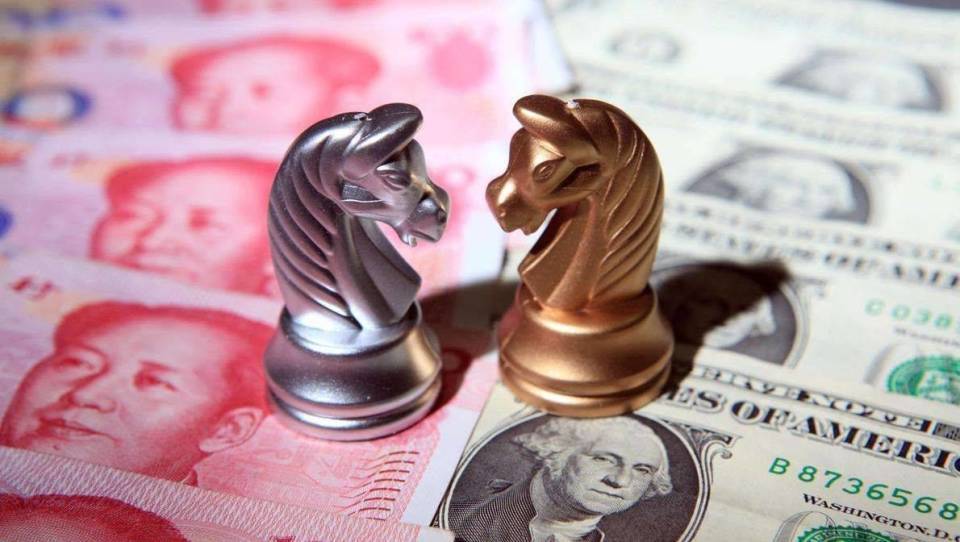
Core Insights - BHP and China Mineral Resources Group have reached an agreement to settle iron ore transactions in RMB starting Q4 2025, marking a significant shift in pricing power in the global iron ore market [1][4] - This agreement is a crucial step towards the internationalization of the RMB, particularly in commodity trading [1][6] Group 1: Market Dynamics - China accounts for approximately 75% of global iron ore demand, while 82% of Australia's iron ore exports are directed to China, which constitutes about 5% of Australia's GDP [3] - Historically, iron ore pricing has been dominated by sellers, with transactions conducted in USD, leading to higher costs for Chinese buyers [3][6] - BHP's production cost for iron ore is reported at $19 per ton, yet long-term contract prices were set at $109.5 per ton, highlighting the disparity in pricing [3] Group 2: Strategic Changes - The establishment of China Mineral Resources Group has consolidated major domestic steel and mineral companies, enhancing China's bargaining power in negotiations with global miners [3][4] - The Chinese government has implemented a ban on purchasing BHP iron ore priced in USD, marking a significant policy shift [4][6] Group 3: Implications for Future Transactions - The acceptance of RMB for iron ore transactions eliminates the need for currency conversion, reducing exchange rate risks and simplifying the transaction process [6][7] - This move not only lowers costs for Chinese steel companies but also signals a shift in China's role from a passive buyer to an active player in global pricing [6][7] - The decision is expected to enhance the RMB's status in the global financial system and reduce reliance on the USD [7]