价值投资

Search documents
【私募调研记录】景林资产调研天孚通信
Zheng Quan Zhi Xing· 2025-08-27 00:07
上海景林资产管理公司("上海景林")是一家以投资境内、外上市公司股票为主的资产管理公司,是在中国证券投资基金业协会登记注册的私募 基金管理公司,持有香港9号牌。上海景林从2006年开始管理专注于投资A股的景林稳健、景林丰收等A股信托投资计划,以优秀的业绩和专业的 管理赢得了来自大型机构投资者和高净值个人客户的信任,国内机构客户包括几大银行的总行在内的多家银行和知名企业。秉承"价值投资"的投 资理念,上海景林的投资常常采用PE股权基金的研究方法。基金经理的投资决定大多基于对公司的基本面分析和股票估值。对公司进行估值的时 候,上海景林注重的是其行业结构和公司在产业价值链中的地位,偏好进入门槛较高、与供应商和客户谈判能力强,并且管理层积极向上且富有能 力的公司。这些考虑是上海景林做投资决定和估值过程中的核心。xa0另外,上海景林还在不同行业都有研究专家,这些行业专家对于行业和公司 的理解很大程度上都要深于大多数金融机构的研究员,因此可以更清楚地了解各行业的最新变化。在中国经济高速增长的阶段,行业及监管政策 也在不断变化,企业运作环境变化的速度比发达国家快得多。为此上海景林相信自己有得天独厚的优势去深入了解不同行业的 ...


A股,新常态!多家上市公司首次中期分红
证券时报· 2025-08-26 23:59
中期分红乃至一年多次分红正逐渐成为新常态。 随着半年报高峰期来临,中期分红的队伍逐步扩大。近期,泰禾股份、中钢天源和炬芯科技在披露2025年半年报的同时,首次公布了中期分红方案。此前, 中国中车、恒力石化、长安汽车等多家龙头上市公司也公开了首次中期分红计划。 中期分红是上市公司向资本市场传递经营质量的重要信号。南开大学金融学教授田利辉表示,一批上市公司尤其行业龙头正在用真金白银对全年经营情况进 行注脚,也反映出对行业发展前景的积极预期。中期分红乃至一年多次分红正逐渐成为新常态,回馈投资者正在从"选择题"变为"必答题"。 另有宁德时代、牧原股份、中国联通等多家公司分红金额均超过30亿元,超六成上市公司的中期分红金额在千万元级别左右。 分行业看,银行股的中期分红比例较高,目前已有多家银行披露中期分红意向。常熟银行每股拟派发现金分红0.15元(含税),共计拟派发4.97亿元。平安 银行拟中期分红45.8亿元,杭州银行也召开股东大会审议通过中期利润分配方案的议案。 中期分红队伍扩围 超20家上市公司在近期公布了首次中期分红计划。8月24日,泰禾股份、中钢天源和炬芯科技披露的上半年利润分配方案显示,拟合计现金分红1.5 ...

中泰证券:利差不够股票来凑 险资权益投资迎“慢牛+政策”双红利
智通财经网· 2025-08-26 23:28
Group 1 - The core viewpoint is that since 2025, policies have been increasingly encouraging insurance funds to enter the market as long-term capital, with specific requirements for state-owned insurance companies to invest a significant portion of new premiums into A-shares [1][2] - The total asset scale of insurance companies reached 39.2 trillion yuan by the end of Q2 2025, with a compound annual growth rate (CAGR) of 12.99% over the past three years [3] - The new accounting standards (IFRS 9 and IFRS 17) are reshaping investment logic, leading to increased volatility in profit and loss statements and a pressing demand for high-dividend assets in traditional insurance accounts [2][3] Group 2 - The scale and structure of equity investments by insurance funds are being optimized, with a cumulative amount of 222 billion yuan in long-term stock investment pilot programs [3] - The investment strategy emphasizes a dynamic matching of asset allocation to liability costs, utilizing a "core (low volatility dividend) + satellite (technology growth)" approach to balance risk and return [4] - The effectiveness of dividend strategies is highlighted, with the CSI Dividend Total Return Index achieving an annualized return of 13.1% since 2014, outperforming mainstream indices [3]

COHR vs. AMPL: Which Stock Should Value Investors Buy Now?
ZACKS· 2025-08-26 16:41
Group 1 - Coherent (COHR) has a Zacks Rank of 2 (Buy), indicating a stronger earnings outlook compared to Amplitude, Inc. (AMPL), which has a Zacks Rank of 4 (Sell) [3] - Value investors utilize various valuation metrics to identify undervalued stocks, including P/E ratio, P/S ratio, earnings yield, and cash flow per share [4] - COHR has a forward P/E ratio of 19.84, significantly lower than AMPL's forward P/E of 171.38, suggesting COHR is more attractively priced [5] Group 2 - COHR's PEG ratio is 0.79, indicating a favorable valuation relative to its expected earnings growth, while AMPL's PEG ratio is 4.43, suggesting it may be overvalued [5] - COHR has a P/B ratio of 2.35, compared to AMPL's P/B of 3.94, further supporting COHR's stronger valuation metrics [6] - COHR's overall Value grade is B, while AMPL's Value grade is F, highlighting COHR as the better option for value investors [6]



两个月完成设立!昆山QFLP基金驶入“快车道”
2 1 Shi Ji Jing Ji Bao Dao· 2025-08-26 12:17
Core Insights - The establishment of the QFLP fund by Qiming Venture Partners in Kunshan highlights the city's efficient government services and rapid project execution, referred to as "Kunshan speed" [1][2] - The QFLP fund aims to support Kunshan's emerging industry system, which focuses on "core industries," "artificial intelligence," and "green and low-carbon" initiatives [1][2] - The successful launch of the QFLP fund is expected to enhance the integration of international capital with local industries, injecting more financial resources into Kunshan enterprises [1][2] Investment Details - The QFLP fund, named Qishun, has a subscribed capital of $200 million and will primarily invest in early and growth-stage companies in technology and medical innovation sectors [3][5] - The fund has already completed its first investment in a biotechnology company in Suzhou, with several other projects in the preparation stage [2][3] - QFLP is recognized for its advantages such as flexible currency exchange, investment convenience, and favorable tax treatment, making it a key pathway for foreign investors entering China's private equity and venture capital markets [2][4] Strategic Importance - The rapid establishment of the QFLP fund is attributed to the strong trust and efficient collaboration between Kunshan Chuangkong Group and Qiming Venture Partners, dating back to 2021 [2][3] - The QFLP project is seen as a significant step in promoting financial reform and opening up the financial sector in the context of China's new development pattern [1][5] - The collaboration aims to leverage Qiming's investment expertise and Kunshan's industrial resources to inject capital and innovation into the local economy [5][6] Financial Ecosystem - Kunshan has seen a surge in the establishment of new funds, with the Kunshan Chuangkong Group planning to set up five new funds in 2024, significantly increasing from the previous year [5][6] - The city has a robust ecosystem of technology-oriented SMEs, with 3,965 such companies and over 3,300 high-tech enterprises, leading the nation in similar cities [6][7] - Recent financial instruments issued by Kunshan Chuangkong Group, such as a technology innovation bond with a low interest rate of 1.70%, reflect the growing confidence in the local capital market [6][7]
市场走强,新基民入场的6条小建议
天天基金网· 2025-08-26 11:26
Core Viewpoint - The article emphasizes the importance of a rational and informed approach to investing in mutual funds, particularly for new investors who may lack experience and understanding of the market dynamics [2][3]. Group 1: Market Trends and Investor Behavior - In July 2023, A-shares saw 1.9636 million new accounts opened, marking a nearly 20% increase from June and over 70% year-on-year growth [2]. - New investors often rush into the market without adequate knowledge, leading to irrational investment decisions and potential pitfalls like "chasing highs and cutting losses" [2]. Group 2: Investment Approach - Investing in equity funds involves a long-term perspective, as returns are realized through the performance of underlying companies over time, rather than immediate gains [6][28]. - The notion of "trying out" funds, akin to purchasing consumer goods, is misleading; the complexities of fund performance and long-term returns do not align with this approach [9][11]. Group 3: Understanding Fund Performance - Different investors may acquire varying amounts of fund shares at different times, leading to diverse outcomes in returns, which diminishes the relevance of isolated performance data [11][12]. - Popular funds often gain attention due to past performance, but by the time they are recommended, the optimal investment opportunity may have already passed [12]. Group 4: Seriousness of Investment - The investment process should be treated with seriousness and professionalism, avoiding the entertainment-driven culture that can distract from sound investment principles [17][19]. - Trust in fund managers should be based on their investment style, past performance, and methodologies rather than celebrity-like status [17][19]. Group 5: Setting Investment Goals - Investors should clarify their reasons for choosing a particular fund and ensure alignment with their investment goals and risk tolerance [20][22]. - Understanding the logic behind potential earnings is crucial; relying on luck can lead to significant losses [25]. Group 6: Financial Planning and Risk Assessment - Before investing, individuals should assess their financial situation to ensure that funds allocated for investment will not be needed for short-term expenses [31][33]. - Investment in equities should be limited to amounts that one can afford to lose without impacting daily life, highlighting the importance of risk tolerance [33]. Group 7: Realistic Return Expectations - Historical data shows that U.S. equity assets have an annualized return of approximately 6.7%, while top investors like Warren Buffett achieve around 20% [34][37]. - The average annualized return for the CSI Fund Index in China from 2003 to 2024 is about 10.08%, indicating that many investors have unrealistic return expectations compared to historical performance [35][37]. Group 8: Impact of Expectations on Investment Decisions - Unrealistic expectations can lead to emotional distress and irrational behavior, negatively affecting investment outcomes [39][41].

指数创出十年新高 我也找到了投资路的归宿
Sou Hu Cai Jing· 2025-08-26 11:09
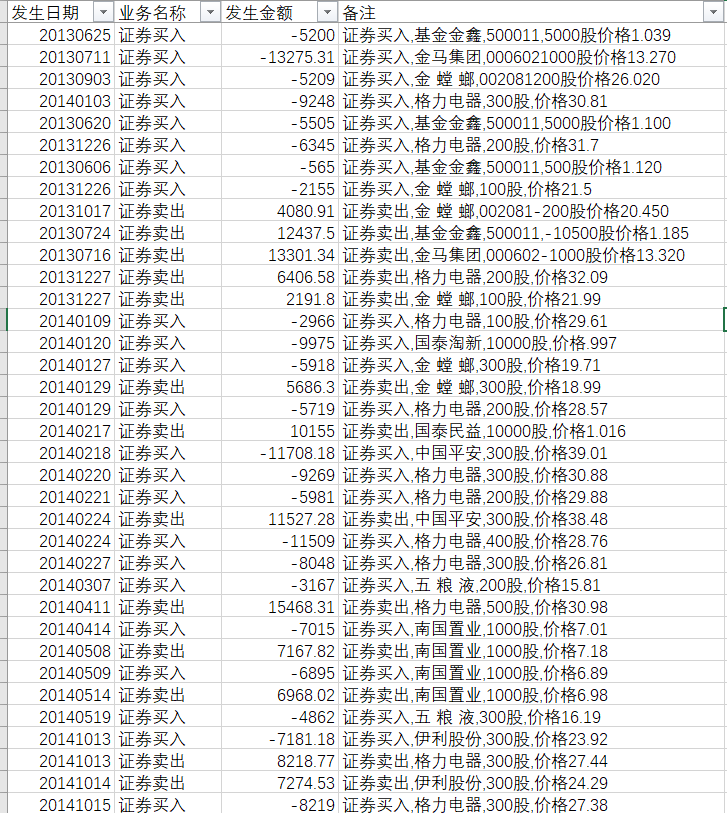
Core Insights - The article reflects on the author's investment journey over the past decade, highlighting various strategies and experiences in the stock and fund markets, including both successes and failures [1][2][3][6]. Investment Strategies - The author initially invested in mutual funds through bank channels due to concerns about online transactions, later diversifying into various funds and stocks, including well-known names like Gree Electric and Wuliangye [2][3]. - The author emphasizes a tendency to invest heavily during market downturns, demonstrating a contrarian approach to investing [2][3]. Performance Analysis - The author provides a detailed account of specific transactions, including both purchases and sales of stocks and funds, illustrating the volatility and unpredictability of the market [4][5]. - A summary of annual returns shows significant fluctuations, with a notable increase in performance after joining a community for investment learning, leading to a consistent annual profit since then [8][7]. Market Experiences - The author recounts early experiences with significant losses, particularly with stocks like Jintai and the impact of market rumors on investment decisions [3][6]. - The narrative includes reflections on the challenges of value investing, particularly the difficulty in accurately valuing companies and the high cost of errors in judgment [6][9]. Community Influence - The author credits a community platform for enhancing investment knowledge and strategies, leading to improved performance and a more systematic approach to investing [7][8].
包正钰:“善变”的易方达投资新锐的崛起与挑战
市值风云· 2025-08-26 10:09
Core Viewpoint - The article highlights the promising performance of Bao Zhengyu, a fund manager at E Fund Management, emphasizing his potential for future success despite facing challenges in the market [1][29]. Group 1: Background and Experience - Bao Zhengyu has been with E Fund Management since July 2017, starting as a researcher and gradually becoming the assistant general manager of the research department, currently managing several funds, with a focus on the E Fund Value Selection Mixed Fund, which has a scale of 3.74 billion [3][4]. - Unlike typical fund managers, Bao took over a large fund with nearly 4 billion in net assets right from the start, indicating E Fund's confidence in his abilities [4]. Group 2: Fund Performance - As of August 2025, Bao's total managed assets reached 3.85 billion, and he has developed a clear investment style and philosophy, gradually emerging in the value investment sector [6]. - The E Fund Value Selection Mixed Fund has achieved a cumulative return of 861.8% since its inception in June 2006, with an annualized return of 12.5% [7]. - In the past three years, the fund's returns were -2.6%, 3.5%, and 24.2%, outperforming the CSI 300 and benchmark in two of those years, with a mid-tier ranking among peers [9][10]. Group 3: Investment Strategy - Initially favoring liquor stocks, Bao's strategy led to lower returns in the first two years of managing the fund, as the liquor index entered a downtrend after three years of growth [15][16]. - By the end of 2024, Bao began to reduce liquor holdings and shifted focus towards new consumption and growth sectors, including AI [16][19]. - The fund's mid-2025 report indicates a continued focus on semiconductor and innovative pharmaceutical sectors, with a stock allocation nearing 95% [19][20]. Group 4: Management Style and Communication - Bao's investment approach shows flexibility without a strong personal bias towards specific stock types, maintaining a diversified industry distribution across finance, chemicals, and technology [23][24]. - Unlike many fund managers, Bao rarely promotes himself, with his insights primarily shared through official documents from E Fund, focusing on market analysis and investment strategies [25][27]. Group 5: Challenges and Future Outlook - Despite demonstrating solid investment capabilities, Bao faces challenges due to his limited experience of less than three years in fund management and a maximum drawdown exceeding 25% [29][30]. - As a representative of a new generation of fund managers at E Fund, Bao benefits from strong research support and a developing investment philosophy, making his future performance worth monitoring [31].

关注红利国企ETF(510720)投资机会,市场关注高质量标的表现
Sou Hu Cai Jing· 2025-08-26 08:45
Group 1 - The investment logic of the dividend sector is shifting from style-driven to stock-driven, indicating a change in market dynamics [1] - Despite a decline in overall attractiveness due to weakening relative economic advantages, high-quality stocks will continue to attract specific style funds [1] - Year-to-date, dividend stocks have seen significant inflows from insurance and AMC, highlighting the increasing allocation of long-term funds to high-dividend sectors [1] Group 2 - The high-dividend sector has shown notable differentiation this year, with the banking sector standing out, while some high-dividend industries face economic downturn risks [1] - The Everbright Securities Dividend State-Owned Enterprise ETF (510720) tracks the State-Owned Enterprise Dividend Index (000151), which selects stocks with high dividend characteristics and stable dividend performance [1] - Investors without stock accounts can consider the Guotai CSI State-Owned Enterprise Dividend ETF Initiation Link A (021701) and Link C (021702) [1]
来了,3800点,大调查
3 6 Ke· 2025-08-26 03:49
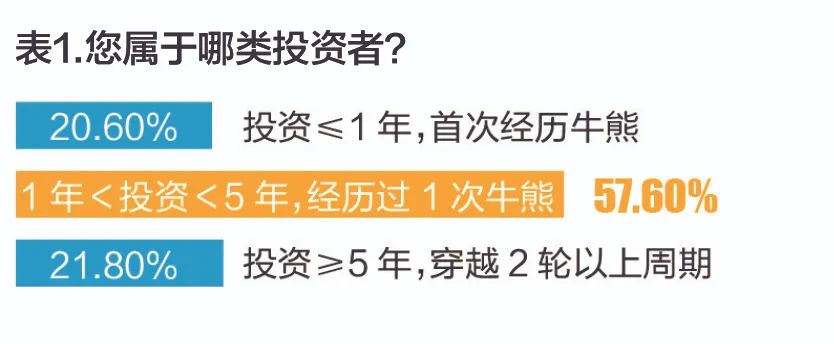
Core Insights - The Shanghai Composite Index has surpassed 3800 points, reaching its highest level in over a decade, leading to a shift in investor sentiment and strategies [1][15][20] - A survey of over 50,000 fund investors indicates that mutual funds remain the primary investment choice, with a significant portion of investors adopting a defensive stance amid market volatility [1][18] Investor Sentiment and Behavior - Approximately 70% of investors are optimistic about the market's potential to break through resistance levels, despite nearly 60% of them currently holding positions that are underwater [20][14] - The majority of investors (49.7%) are opting for risk reduction strategies, while a smaller percentage (24.6%) are looking to increase their positions [18][20] Investment Strategies - A notable preference for "swing trading" (45.8%) and "long-term holding" (39.9%) strategies indicates a flexible approach among investors, focusing on market timing and value investing [28] - The rise of index funds and ETFs is evident, with 51% of investors favoring these passive investment vehicles over actively managed funds [33][34] Portfolio Composition - Fund investments account for 62.5% of investor allocations, with stocks and bonds following closely behind [8][12] - A significant portion of investors (36.1%) are classified as "heavy" investors, holding 60% to 90% in equity assets, while only 12.9% are fully invested [12][14] Sector Preferences - Over half of the investors (50.1%) are optimistic about the technology sector, with consumer and financial sectors also receiving considerable attention [25][26] - A majority (90.3%) of investors are considering adjustments to their portfolio structures, with a strong inclination towards value stocks [25][26] Risk Awareness - Investors are primarily concerned about macroeconomic risks, with 46.9% citing economic downturns as their top worry [24] - The sentiment reflects a cautious optimism, with 48.2% of respondents expressing a careful outlook on market conditions [21] Information Sources and Decision-Making - Investors predominantly rely on financial media (62.0%) and social platforms (53.8%) for investment information, indicating a shift towards more accessible and interactive content [29] - Company financial reports (53.6%) and macroeconomic data (40.7%) are the key factors influencing investment decisions, highlighting a data-driven approach [30][36]