
消费升级

Search documents
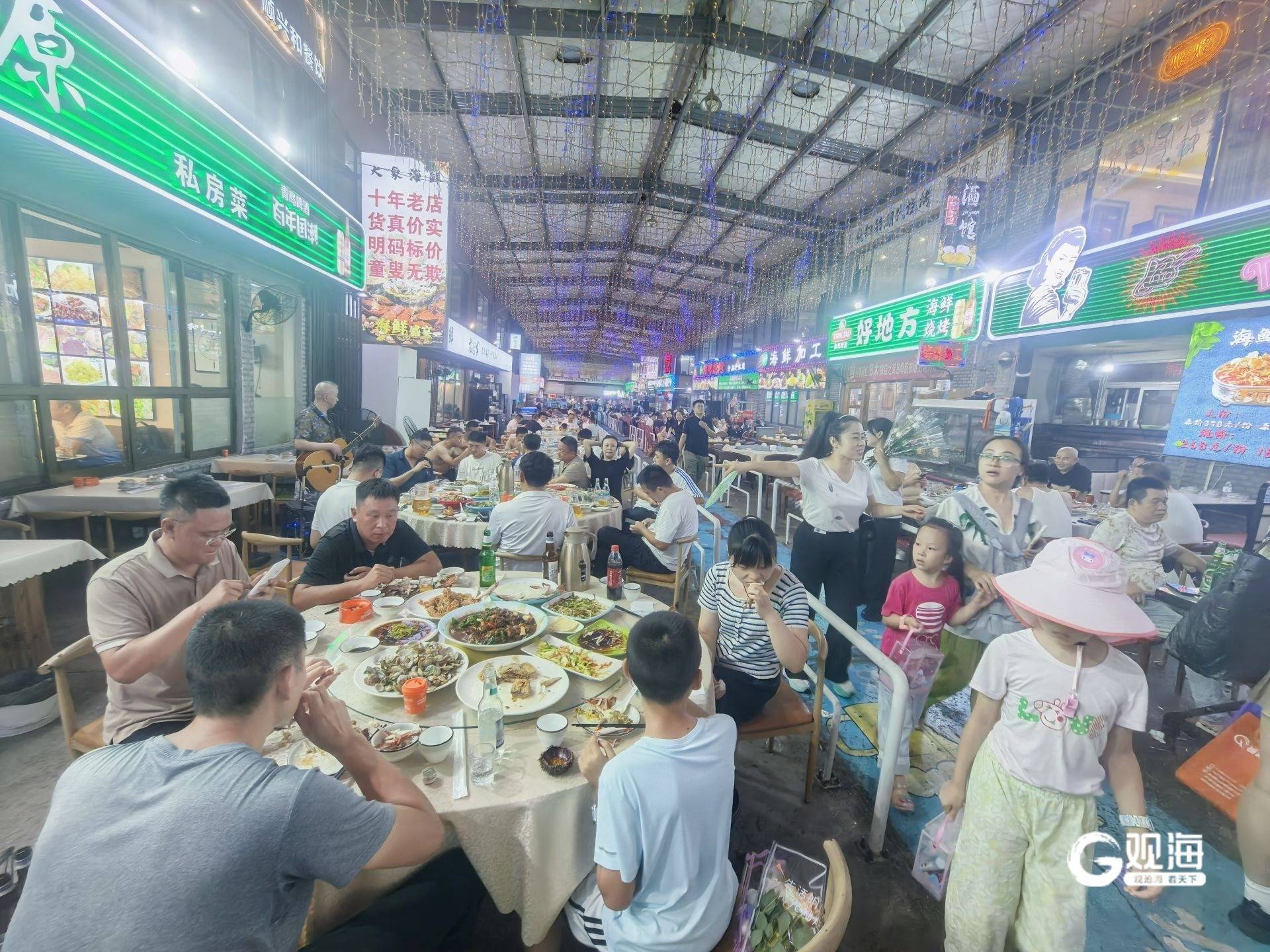
“逛吃”地道青岛,农贸市场进阶消费“宝藏地”
Sou Hu Cai Jing· 2025-09-03 07:19
Core Insights - Qingdao's traditional farmers' markets are undergoing a transformation into vibrant social and cultural hubs, attracting a significant influx of young consumers and tourists [1][2][3] - The integration of local dining, cultural experiences, and social interactions is redefining the role of farmers' markets, making them essential urban lifestyle destinations [2][5] Market Transformation - Farmers' markets in Qingdao are evolving from simple grocery shopping venues to complex spaces that offer dining, cultural experiences, and social engagement, catering to the diverse needs of younger generations [2][5] - The average daily foot traffic in these markets has stabilized at approximately 25,000 visitors, with peak periods like the May Day holiday seeing numbers soar to 40,000, predominantly consisting of young tourists [4][7] Consumer Behavior - The shift in consumer demographics is evident, with younger visitors increasingly frequenting farmers' markets, which were traditionally dominated by older generations [5][4] - The markets are now seen as ideal locations for experiencing local flavors, with many tourists prioritizing visits to these markets over other attractions [4][10] Government Support and Investment - The local government has invested over 50 million yuan in 2021 and 2022 to modernize and upgrade farmers' markets, resulting in a total market investment of 120 million yuan and the renovation of 23 markets [7] - Ongoing initiatives aim to create at least 40 standardized farmers' markets annually from 2022 to 2024, enhancing the appeal of these venues to younger consumers [7] New Consumption Models - The emergence of "self-purchase + immediate cooking" models in farmers' markets allows consumers to enjoy fresh seafood at lower prices, enhancing their overall experience [10][11] - The integration of dining options within the markets has led to a significant increase in customer engagement, with some markets reporting over 50,000 diners in just the first half of August [8][11] Cultural and Emotional Value - Farmers' markets are becoming spaces for emotional consumption, where visitors seek not just products but also experiences that evoke nostalgia and connection to local culture [21][22] - The introduction of local coffee shops and creative stores within these markets reflects a broader trend of blending traditional market functions with modern lifestyle elements, appealing to both locals and tourists [18][22] Future Outlook - Experts suggest that the future of farmers' markets will involve a multi-faceted approach, integrating various community services and leveraging digital innovations to sustain growth and attract diverse consumer groups [27]

曾经的批发市场爆改成这样?北京南中轴商业“原地重生”
3 6 Ke· 2025-09-03 03:41
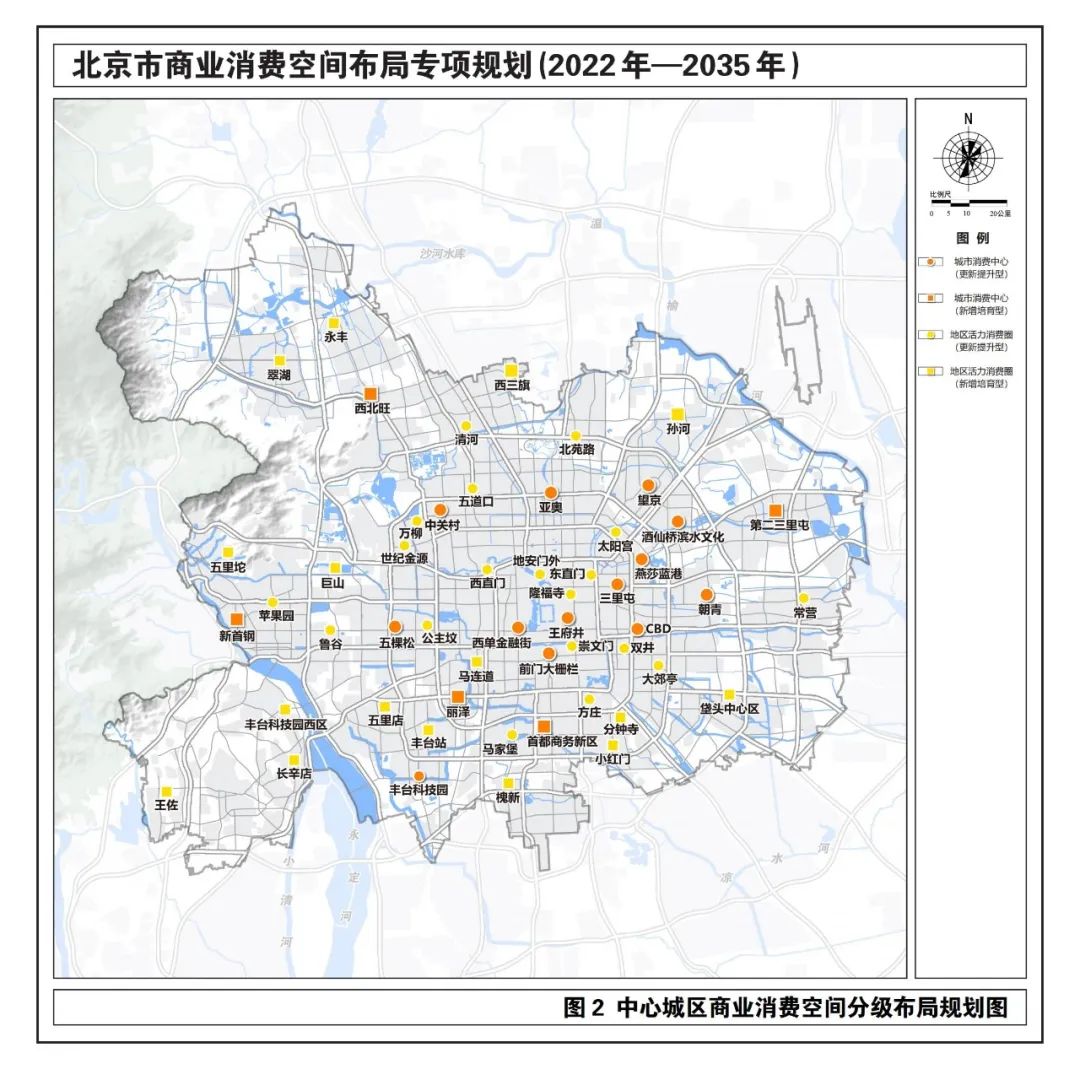
Core Insights - The South City area of Beijing, previously labeled as "low-end" and "backward," has seen significant investment in infrastructure and commercial development, leading to increased population inflow and consumption upgrades [1][16] - The transformation of the South Central Axis, particularly the Daguanyuan area, into a capital business district is highlighted by the successful implementation of key projects [1][16] Infrastructure and Development - Beijing has invested thousands of billions in the South City for infrastructure, industry introduction, and livelihood improvement, resulting in the emergence of new commercial hubs like Lize Business District and Fengtai Science Park [1] - The South Central Axis is being developed into a "Cultural and Technological Corridor," showcasing a shift from traditional markets to modern commercial spaces [16] New Commercial Projects - The Beijing JD Mall (South Third Ring Store) opened on May 31, 2023, covering 78,000 square meters and offering a diverse range of products and services, including electronics, home decor, and dining options [5][6] - Beijing Zhonghai Dajixiang, with a commercial area of 80,000 square meters, is set to open on May 25, 2025, featuring a blend of cultural preservation and modern commercial spaces [6][8] - Beijing Muxiyuan He Sheng Plaza, transformed from a clothing wholesale market, now offers a variety of retail, dining, and entertainment options within a 40,000 square meter space [10] - Beijing Yintai Department Store (Daguanyuan Store), opened in December 2011, has undergone renovations to enhance its offerings, now featuring over 200 brands and a focus on quality lifestyle experiences [11][13] - Beijing Bai Rong World Trade Mall, with a total area of 600,000 square meters, is transitioning from a traditional wholesale market to a modern retail center, housing over 3,000 brands [15][16] Market Trends - The South City area is experiencing a commercial renaissance, with new projects like Huilin Shopping Center and Longyue City contributing to its growth [16] - The integration of technology, culture, and commerce is becoming a new paradigm in the South Central Axis, reflecting a shift in consumer preferences and lifestyle [16]
全球科技浪潮席卷,新兴行业扛起港股增长大旗
3 6 Ke· 2025-09-03 02:27
Core Viewpoint - The Hong Kong stock market is characterized by "emerging-driven" features in the complex environment of the first half of 2025, with technology, consumption, and pharmaceuticals being the core engines of overall performance growth [1] Group 1: Market Performance - In the first half of 2025, major indices in the Hong Kong stock market performed strongly, with the Hang Seng Index rising by 20%, the Hang Seng Tech Index increasing by 18.68%, and the State-Owned Enterprises Index up by 19.05% [2] - The rise in indices was primarily driven by the "AI boom" leading to a revaluation of Chinese assets and a net inflow of southbound funds amounting to 731.93 billion HKD [2] Group 2: Sector Performance - The technology sector was the most explosive, with significant growth across various sub-sectors including AI, e-commerce, and hardware [2] - AI companies saw substantial revenue increases, with SenseTime reporting approximately 1.74 billion CNY in revenue, a 21% year-on-year increase, and a 256% increase in generative AI business revenue [3] - The hardware sector achieved high growth due to "core technology localization," with SMIC reporting revenue of 4.46 billion USD, a 23% year-on-year increase [3] Group 3: Consumer Sector - The "new consumption trio" of Pop Mart, Mixue Group, and Laopuhuangjin showed impressive performance, with Pop Mart's revenue reaching 13.88 billion CNY, a 204.4% year-on-year increase [4] - Mixue Group achieved revenue of 14.87 billion CNY, a 39.3% increase, while Laopuhuangjin reported a revenue of 12.354 billion CNY, a 251% increase [4] Group 4: Pharmaceutical Sector - The pharmaceutical industry benefited from "R&D transformation and overseas breakthroughs," with innovative drugs and medical devices being key growth pillars [5] - Mindray Medical's international business revenue reached 8.332 billion CNY, accounting for 50% of total revenue, with rapid growth in developing countries [5] Group 5: IPO Market - The IPO market in Hong Kong saw approximately 42 companies go public, raising about 107 billion HKD, with 75% of new listings from emerging industries [7] - Notably, the new listings are reshaping industry performance, with companies like Ningde Times driving growth in upstream lithium mining and downstream electric vehicle procurement costs [7] Group 6: Future Outlook - The emerging industries are expected to continue driving structural growth in the second half of 2025, with technology benefiting from accelerated AI commercialization and the consumer sector focusing on the "self-economy" [8] - The pharmaceutical sector is anticipated to see increased activity in BD transactions driven by breakthroughs in innovative drugs [8]
九月补涨行情:九大核心赛道(附名单)
Sou Hu Cai Jing· 2025-09-03 01:30
Group 1: Macro Economic Environment - The A-share market is showing a fluctuating upward trend driven by policy support and capital inflow as the global macroeconomic environment stabilizes [1] Group 2: Petrochemical Industry - The petrochemical industry is expected to see strong profit recovery due to the ongoing "anti-involution" policies, which include capacity elimination, technological upgrades, and collaborative innovation across the industry chain [3] - In August, the China Chemical Product Price Index (CCPI) decreased by 7.48% month-on-month, but the elimination of inefficient capacity is accelerating, leading to significant improvements in supply-demand structures in refining, ethylene, and fluorochemical sectors [3] Group 3: Related Companies in Petrochemical - Key companies in the petrochemical sector include Lingpai Technology, Xiangtan Electric, Putailai, Lushan New Materials, Xiamen Tungsten New Energy, New Agricultural Shares, Jinniu Chemical, Taihe Technology, China Baoan, Xiangfenghua, Tianci Materials, and Dinglong Technology [4] Group 4: Banking Sector - Large commercial banks are enhancing their intermediate income through wealth management in a low-interest-rate environment, while regional banks are flexibly adjusting asset structures based on local advantages [5] - In the first half of 2025, the total profit of the banking industry is expected to grow by 57.9% year-on-year, with an ongoing trend of asset expansion [5] Group 5: Insurance Market - The Hong Kong insurance market's premium income increased by 6.2% year-on-year, driven by strong demand for long-term savings and health insurance products [5] - Domestic insurance companies are expanding service boundaries through models like "insurance + health management" and "insurance + green energy," maintaining a stable dividend realization rate above 100% [5] Group 6: Related Companies in Insurance - Key players in the insurance sector include China Pacific Insurance, Ping An Insurance, China Life Insurance, China People’s Insurance, COFCO Capital, and New China Life Insurance [6] Group 7: Securities Industry - The concentration of leading securities firms is increasing, with new public fund regulations promoting a return to long-term investment strategies and heightened activity in mergers and acquisitions [7] - The industry is expected to see a 9% year-on-year increase in net profit by 2025, with a high probability of the securities index breaking upward [8] Group 8: Tourism and Hospitality Sector - The tourism consumption data from Sichuan shows impressive results, with visitor spending exceeding 912.5 billion yuan, indicating a release of consumption potential through the "tourism + various industries" model [9] - Online booking via mobile devices accounts for over 70%, with young users aged 20-30 becoming the main consumer force [9] Group 9: Renewable Energy Sector - The global energy transition is driving continuous growth in installed capacity for photovoltaics and wind power, with urgent demand for energy storage solutions [11] - The expansion of the green electricity trading market is supported by breakthroughs in ultra-high voltage transmission technology [11] Group 10: Related Companies in Renewable Energy - Key companies in the renewable energy sector include Yangtze Power, Luxin Technology, Jidian Co., Jingyun Tong, Shanghai Electric, Zhaoxin Shares, Huaguang Huaneng, Meiyan Jixiang, and Guotou Power [11] Group 11: Consumer Goods and High-End Products - The government is increasing support for sectors like food and beverage, home appliances, and pharmaceuticals, with a rising penetration of high-end and differentiated products [12] - Leading brands like Moutai and Wuliangye have strong pricing power, while smart home appliance companies like Ecovacs benefit from consumption upgrades [12] Group 12: Infrastructure Development - The "14th Five-Year Plan" emphasizes continued investment in traditional infrastructure such as transportation, energy, and water conservancy, alongside an increased focus on new infrastructure like 5G base stations and data centers [12] - Companies involved in engineering contracting and design consulting are expected to benefit from policies supporting regional development initiatives [12]

频推低度酒 白酒企业拥抱“消费驱动”
Bei Jing Shang Bao· 2025-09-02 16:30
Core Insights - The Chinese liquor industry is undergoing a deep adjustment, influenced by changing consumer habits and market competition, leading to a divergence in performance among companies [1][5] - Major companies like Kweichow Moutai and Wuliangye have shown steady growth in revenue and net profit, while many others are experiencing declines [3][5] - The shift towards consumer-driven strategies is crucial for companies to adapt to market demands, with a focus on low-alcohol products to attract younger consumers [1][6][7] Industry Performance - In the first half of the year, the number of large-scale liquor companies decreased to 887, indicating a contraction in the industry [5] - The liquor production volume was 1.9159 million kiloliters, down 5.8% year-on-year, while sales revenue slightly increased by 0.19% to 330.42 billion yuan [5] - Profit for the industry fell by 10.93% to 87.687 billion yuan, reflecting a challenging market environment [5] Market Trends - The average inventory turnover days for the industry increased by 10% to 900 days, with 60% of companies experiencing price inversions, particularly in the 800-1500 yuan price range [3] - The low-end and light bottle liquor segments are performing relatively well, with the main consumer price range being 50-200 yuan [3][4] - High-end liquor products in the 500-800 yuan range are facing significant price inversions due to oversupply and reduced demand for gift and business consumption [4][5] Consumer Behavior - There is a notable shift in consumer purchasing behavior towards online channels, with many consumers preferring to buy liquor online rather than in physical stores [6] - Companies are responding to changing consumer preferences by launching low-alcohol products, with several brands introducing new offerings aimed at younger demographics [6][7] - The trend towards health-conscious consumption is driving the demand for low-alcohol options, which helps companies expand their market reach and adapt to evolving consumer needs [7]




个人消费贷款贴息政策落地 三方面激活消费新动能
Zheng Quan Ri Bao· 2025-09-02 16:14
Core Viewpoint - The implementation of the personal consumption loan interest subsidy policy aims to reduce consumer credit costs, stimulate consumption potential, and promote domestic demand, thereby supporting sustained economic growth. Group 1: Policy Overview - The personal consumption loan interest subsidy policy is the first of its kind by the central government, effective from September 1, 2025, to August 31, 2026 [1] - The central government will cover 90% of the subsidy costs, while provincial governments will cover 10%, highlighting a collaborative approach to boost consumption and stabilize the economy [1] - A dynamic adjustment and supervision mechanism will be established to evaluate the policy's effectiveness and potentially extend its duration or expand its support scope [1] Group 2: Impact on Consumer Behavior - The policy is expected to lower consumer credit costs, thereby enhancing consumer willingness to spend [2] - For example, a 50,000 yuan loan at a 3% interest rate would see annual interest payments drop from 1,500 yuan to 1,000 yuan with a 1% subsidy, easing financial burdens for families with significant consumption needs [2] Group 3: Industry Stimulus - The policy is anticipated to stimulate consumer demand, positively impacting related industries such as automotive, home improvement, and cultural tourism [3] - In the automotive sector, reduced loan costs may lead to increased vehicle purchases, boosting production, sales, and related services [3] - The home improvement sector may see a rise in renovation projects, driving demand for home furnishings and appliances [3] - The tourism industry is likely to benefit from increased travel spending, enhancing revenue for hotels, restaurants, and attractions [3] Group 4: Economic Growth and Upgrading - From a macroeconomic perspective, the policy is a significant measure for fiscal and financial collaboration to enhance consumption, promoting consumption upgrades and economic growth [4] - With the subsidy, consumers are expected to shift towards higher-quality goods and services, prompting businesses to invest more in technology, product innovation, and service enhancement [4] - Overall, the policy is set to activate new consumption dynamics, providing fresh opportunities for the consumer market and injecting vitality into sustained economic growth [4]
低谷时刻 恰是酱酒文化深耕时
Sou Hu Cai Jing· 2025-09-02 08:28
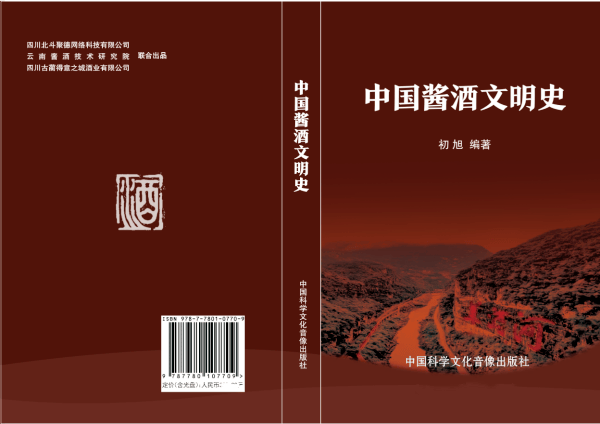
Core Viewpoint - The publication of "The History of Sauce Liquor Civilization in China" during the low point of the liquor industry is seen as a timely opportunity for the sauce liquor sector to deepen its cultural roots and enhance brand storytelling [2][5]. Industry Development - The liquor market experiences regular fluctuations, with the sauce liquor sector having undergone various phases of growth and decline, including a prosperous period from 2002 to 2012, followed by a downturn from 2013 to 2016, and a resurgence post-2017 led by Moutai [2][3]. - The current low point in the sauce liquor market is viewed as another cyclical fluctuation in the industry's development [2]. Market Competition - During the current low point, competition has intensified, leading to issues such as product homogenization and price wars, making it difficult for sauce liquor companies to stand out solely through pricing and marketing strategies [3][4]. - The emergence of "The History of Sauce Liquor Civilization in China" offers a strategic perspective for companies to navigate these challenges by emphasizing cultural heritage and unique brewing processes [3][4]. Cultural and Brand Development - The book details the historical evolution of sauce liquor, highlighting its unique brewing techniques and cultural significance, which can serve as a competitive advantage for companies [3][4]. - Companies are encouraged to leverage the cultural elements presented in the book to enhance brand identity and differentiate themselves in a crowded market [4][5]. Consumer Perspective - With the rise of rational consumption and a focus on cultural fulfillment, consumers are increasingly interested in the stories and heritage behind products, providing an opportunity for sauce liquor companies to engage with discerning customers [4][5]. - The book serves as a resource for companies to organize cultural events and tastings, thereby enhancing consumer appreciation and understanding of sauce liquor [5].
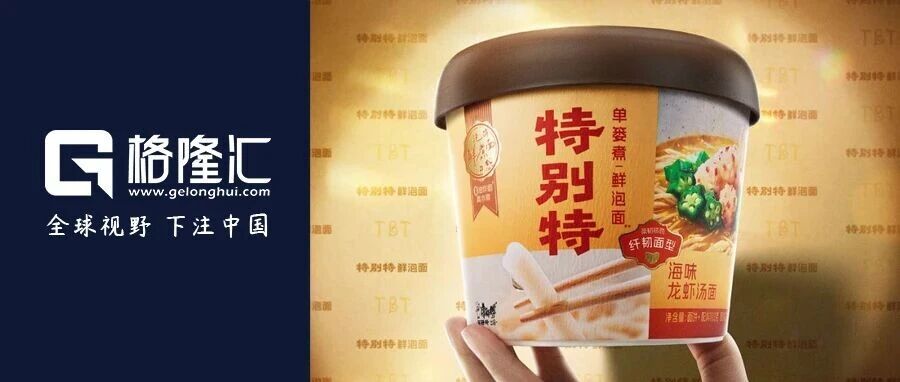
技术构筑护城河, 康师傅(00322.HK)以颠覆式创新重塑速食行业估值逻辑
Ge Long Hui· 2025-09-02 07:59
Core Viewpoint - The emergence of new consumption trends is reshaping market competition, driven by the generational shift in mainstream consumer groups, particularly urban middle-class and younger demographics who prioritize quality and experience over mere affordability [1][22]. Group 1: Industry Trends - The rapid rise of food delivery and instant retail is providing diverse fast-food solutions, prompting traditional fast-food industries to accelerate transformation and innovation [1]. - The Chinese instant noodle market, with a consumption of 42.2 billion servings in 2023, shows significant growth potential compared to Japan and South Korea, indicating a shift in consumer demands towards quality and convenience [22]. Group 2: Company Innovation - Kang Shifu has launched the "Special Fresh Boiled Noodles," a disruptive innovation that introduces a new category of instant noodles, utilizing a unique single-basket boiling process to enhance taste and redefine quality standards [2][8]. - The product achieved remarkable market performance, with over 100,000 orders within three days of launch and 140,000 orders within a week, becoming a top seller on Douyin [4][12]. Group 3: Competitive Advantages - The core competitive advantage of "Special Fresh Boiled Noodles" lies in its technological innovation, which addresses the common issue of taste in traditional instant noodles by simulating the cooking process of fresh noodles [8][10]. - Kang Shifu has established a new industry standard for fresh boiled noodles, moving away from traditional methods and creating a technical moat with the "5132 Fresh Boiling Standard" [10][20]. Group 4: Market Strategy - The product's market strategy effectively targets the dual consumption needs of modern young consumers who seek both convenience and high quality, thus reshaping their perception of instant noodles [12][23]. - The pricing strategy aligns with dine-in and delivery options, aiming to capture the mid-to-high-end instant noodle market, which could enhance overall profitability for Kang Shifu [16][18]. Group 5: Capital Market Implications - The successful launch of "Special Fresh Boiled Noodles" signals Kang Shifu's capability for disruptive innovation, potentially leading to a re-evaluation of its long-term investment value in the capital market [14][15]. - The rapid sell-out of the product serves as a catalyst for changing market perceptions regarding consumer demand for high-end instant food products and Kang Shifu's brand influence [18][20].


技术构筑护城河,康师傅以颠覆式创新重塑速食行业估值逻辑
格隆汇APP· 2025-09-02 07:45
Core Viewpoint - The article discusses the emergence of new consumption trends reshaping market competition, driven by generational changes in consumer behavior, particularly among urban middle-class and younger demographics who prioritize quality and experience over mere affordability [2]. Group 1: Market Trends and Consumer Behavior - The main driving force behind the transformation in consumption patterns is the generational shift, with younger consumers seeking quality and convenience in food choices, willing to pay more for better experiences [2]. - The rise of food delivery and instant retail is providing diverse quick meal solutions, prompting traditional fast food industries to innovate and adapt [2]. Group 2: Product Innovation by Kang Shifu - Kang Shifu has launched the "Special Fresh Instant Noodles," a groundbreaking product that utilizes a unique cooking method to deliver a fresh taste, addressing the industry's innovation challenges [3][5]. - The product quickly gained popularity, achieving over 100,000 orders within three days of its launch and topping sales charts on platforms like Douyin [5][8]. Group 3: Competitive Advantages - The "Special Fresh Instant Noodles" differentiates itself through technological innovation, employing a single-basket boiling method that mimics traditional noodle cooking, thus enhancing taste and quality [9]. - Kang Shifu has established a new industry standard for fresh noodles, moving away from traditional methods and creating a technical moat with its "5132 Fresh Cooking Standard" [11]. Group 4: Market Strategy and Capital Implications - The product targets the high-end instant noodle market, aiming to create new profit growth points by offering a premium dining experience [17]. - The successful launch and rapid sales of the product signal a shift in consumer demand for high-quality instant food, which could lead to a reevaluation of Kang Shifu's market position and valuation [20][21]. Group 5: Long-term Market Potential - The Chinese instant noodle market, with a consumption of 42.2 billion servings in 2023, shows significant growth potential compared to other countries, driven by changing consumer preferences for quality and convenience [25]. - Kang Shifu's approach exemplifies a new paradigm for instant noodle companies, focusing on technological innovation and product differentiation to escape the low-price competition trap [26].
山东宁津 金融“巧劲”撬动消费大市场
Jin Rong Shi Bao· 2025-09-02 05:34
Core Viewpoint - Consumption is a key driver of economic growth and high-quality development, with Shandong Ningjin Rural Commercial Bank actively promoting consumption through product innovation, scenario building, and service enhancement [1] Group 1: Financial Support and Innovation - Ningjin County is the largest commercial fitness equipment production base in China, with nearly 3,000 enterprises and a market share of 70% in the domestic commercial fitness equipment sector, generating an annual output value of nearly 14 billion [2] - Shandong Shuyoute Fitness Technology Co., Ltd. has achieved significant growth with the support of Ningjin Rural Commercial Bank, which provided a financing solution of 9.8 million for the company's digital production line upgrade [2][3] - The bank has issued 60 policy-related credit products, including "intellectual property pledge loans," totaling 181 million, to support local enterprises [3] Group 2: Credit Expansion and Diverse Consumption Scenarios - Ningjin Rural Commercial Bank provided a credit support of 9.8 million to KLT Composite Materials Co., Ltd., enabling the introduction of advanced carbon fiber bicycle production technology [4] - The bank has conducted extensive outreach to small and micro enterprises, increasing the number of credit accounts to 23,600, an increase of 3,583 since the beginning of the year, with a coverage improvement of 2.41 percentage points [6][5] Group 3: Industry Development and Market Demand - Shandong Antian New Materials Technology Co., Ltd. has increased its production capacity to 50,000 sets annually, with sales exceeding 80 million, thanks to the bank's financial support [7] - The bank has issued a total of 7.238 billion in entity loans, with a growth of 381 million and an increase of 5.55% since the beginning of the year, including 218 loans to private enterprises totaling 1.973 billion [8]