城市更新

Search documents
城市更新,走向新模式
3 6 Ke· 2025-10-22 02:44
前些天,关于深圳将实施住宅80米限高的消息,在网上传得沸沸扬扬。 很多人担心,如果这一政策落地,旧改彻底没法玩了。 尽管目前这一消息尚未被证实,但传统拆建式的旧改,确实已难以为继。 今年召开的中央城市工作会议,明确提出,"我国城镇化正从快速增长期转向稳定发展期, 城市发展正从大规模增量扩张阶段转向存量提质增效为主的阶段。" 城市更新被列为房地产高质量发展的重要抓手。但基于对城镇化和城市发展阶段的判断,大拆大建式的 城市更新注定不可持续。现阶段的城市更新正在走向新模式。 1 城市更新的地位不断提高 我国的城市更新,经历了从增量扩张,到存量提升优化的历程。 初期以大拆大建为主,曾是房地产快速发展的一大助推力。 转折点出现在2021年。 一份《关于在实施 城市更新行动中防止大拆大建问题的通知》扭转了城市更新的方向。通知要求严控大规模拆除、增建、 搬迁,坚持应留尽留,全力保留城市记忆,坚持量力而行,稳妥推进改造提升。 此后,中央发布了一系列的城市更新政策,城市更新正式被明确分为三种实施模式:拆除新建,整治提 升,拆整结合。 这几年,城市更新在城市发展中的战略地位其实一直在提高。今年更是首次被列为年度重点工作任务, 写 ...
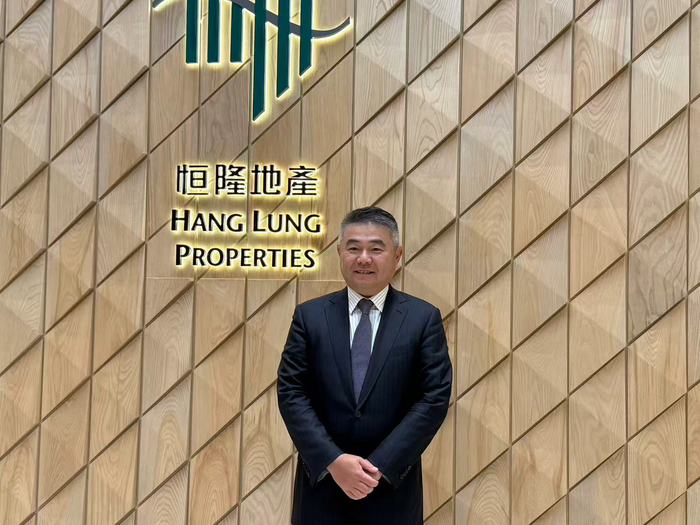
恒隆集团CEO卢韦柏:优质商业在二线城市潜力较大,对内地市场充满信心
Xin Lang Cai Jing· 2025-10-22 00:09
Core Insights - The commercial real estate sector is undergoing a structural change rather than a cyclical one, with a shift from a "buy-buy-buy" mentality to addressing unmet spiritual and social needs [1] - The upcoming peak in shopping center openings is expected around the National Day holiday in 2025, with over 60 projects set to launch nationwide [1] Industry Trends - The golden era of commercial real estate appears to be fading, with increasing homogenization and significant pressure on the sector due to slow recovery in employment and income expectations [2] - Developers are adapting to the new market dynamics by focusing on strategic adjustments while maintaining a stable operational approach [2] Developer Strategies - Developers are shifting from traditional land acquisition and rapid construction to urban renewal projects due to high land costs and intense competition [4][6] - Companies like 恒隆集团 (Hang Lung Group) are focusing on deep participation in urban renewal to maximize asset value rather than merely engaging in light asset output [4][6] Market Opportunities - Despite challenges, there are still significant opportunities in the commercial real estate sector, particularly in second-tier cities where consumer demand is expected to grow [8][10] - The focus on community development and strategic partnerships is seen as a way to enhance business resilience and expand market presence [7][10] Financial Considerations - The recovery of the real estate market is anticipated to be gradual, influenced by global interest rates and local economic conditions [13][14] - Companies are prioritizing debt reduction and maintaining liquidity to navigate the current market uncertainties [15]



中经评论:促进房地产止跌回稳仍需努力
Jing Ji Ri Bao· 2025-10-22 00:03
Core Viewpoint - The real estate market in China is showing signs of stabilization, with a narrowing decline in sales and prices, driven by policy adjustments and seasonal demand [1][2]. Group 1: Sales and Price Trends - In September, new residential property sales area reached 85.31 million square meters, a month-on-month increase of 48.5% [1]. - New residential property sales value in September was 802.5 billion yuan, a month-on-month increase of 47.3% [1]. - From January to September, the sales area of new residential properties decreased by 5.5% year-on-year, a reduction of 11.6 percentage points compared to the same period last year [1]. - The sales value of residential properties fell by 7.9% year-on-year, narrowing by 14.8 percentage points compared to last year [1]. - In September, the year-on-year decline in new residential property prices in first-tier cities was 0.7%, a reduction of 0.2 percentage points from the previous month [2]. - Second and third-tier cities saw year-on-year price declines of 2.1% and 3.4%, respectively, both narrowing by 0.3 percentage points [2]. Group 2: Inventory and Funding - The inventory of residential properties decreased by 2.41 million square meters at the end of September compared to the end of August, marking seven consecutive months of decline [2]. - From January to September, funding for real estate development enterprises fell by 8.4% year-on-year, but the decline was 11.6 percentage points less than the previous year [2]. Group 3: Future Development Strategies - A new model for real estate development is needed, focusing on a clear and complementary supply structure for basic and diverse housing needs [3]. - Establishing a mechanism for the interaction of "people, housing, land, and finance" is essential for balancing supply and demand in the real estate market [3]. - Reforming real estate development, financing, and sales systems is crucial to prevent risks and ensure project delivery [3]. - The goal is to develop safe, comfortable, green, and smart housing, improving standards and operational levels across the housing sector [4].
房地产十四五答卷:从房住不炒到止跌回稳
Sou Hu Cai Jing· 2025-10-21 16:01
Core Insights - The Chinese real estate market has undergone a significant restructuring during the "14th Five-Year Plan" period, with approximately 3000 optimization policies introduced nationwide since 2022 to stabilize the market and reduce speculation [1][2][5] Policy Shift - The policy focus has shifted from suppressing speculation to stabilizing the market, with the central government emphasizing "housing is for living, not for speculation" since 2016 [4] - A series of meetings, including the Central Political Bureau meeting, have reinforced the commitment to stabilize the real estate market [5] Measures to Lower Costs - Various measures have been implemented to reduce home purchasing costs and thresholds, including lowering the first home loan interest rate to a historical low of 3.5% and reducing the down payment ratio to 15% [2][6] - Financial policies have been adjusted, including multiple reductions in the Loan Prime Rate (LPR) and public housing loan rates, to support homebuyers [6][9] Relaxation of Purchase Restrictions - Many cities have relaxed or eliminated purchase restrictions, with second-tier cities like Nanjing and Hefei fully lifting such policies in 2023 [11][14] - As of now, only a few cities, including Beijing, Shanghai, and certain areas in Hainan, still have purchase restrictions in place [14] Positive Outcomes - The real estate market has seen positive results during the "14th Five-Year Plan," with approximately 5 billion square meters of new residential sales recorded [16] - Over 7 million units of previously sold but undelivered housing have been successfully delivered, protecting the rights of homebuyers [18] Urban Renewal and Construction Industry Transformation - Urban renewal efforts have improved living conditions for over 110 million people through the renovation of old neighborhoods and the addition of amenities like elevators and parking spaces [20][26] - The construction industry has experienced a transformation towards high-quality development, with a total output value reaching 32.7 trillion yuan in 2024 [24][26]

利好来了!刚刚,上海重磅发布!
券商中国· 2025-10-21 12:48
Core Viewpoint - The Shanghai government has released an action plan to promote high-quality development in the construction industry, focusing on enterprise integration, international expansion, and digital transformation [1][3][7]. Group 1: Enterprise Integration and Upgrading - The action plan encourages construction companies to integrate similar businesses, achieve differentiated competition, and complement each other in the supply chain [1][3]. - It aims to establish construction groups with full industry chain capabilities, targeting the consolidation of at least three groups comparable to the ENR Top 250 global contractors [3]. Group 2: Real Estate and Infrastructure Development - The plan emphasizes stabilizing real estate investment and promoting the construction of high-quality housing, including the development of high-performance components [3][4]. - It outlines the need to accelerate major engineering projects, focusing on those that can drive growth, investment, and improve living standards [3][4]. Group 3: Digital Transformation and Industrialization - The action plan promotes the digitalization and smart transformation of the construction industry, advocating for the extensive use of BIM technology throughout the project lifecycle [4]. - It encourages the industrialization of construction methods, particularly through prefabricated buildings and smart construction, with financial support for qualifying projects [4]. Group 4: Urban Renewal and Innovation - The plan accelerates urban renewal initiatives, enhancing the sustainability of urban development and optimizing project generation mechanisms [6]. - It supports innovative revenue models for construction companies, promoting collaborative platforms and shared risk models in urban renewal projects [6]. Group 5: International Expansion - The action plan aims to optimize services for foreign engineering contracts, providing comprehensive support for companies looking to expand internationally [7]. - It encourages state-owned enterprises to lead international market expansion in collaboration with small and private construction firms [7]. Group 6: Market Outlook - Analysts predict that the construction industry will see marginal improvements due to the commencement of key national projects and the implementation of debt policies [1][7]. - Investment opportunities are expected to arise in urban renewal, high-quality construction, and new infrastructure, particularly in western regions of China [7].

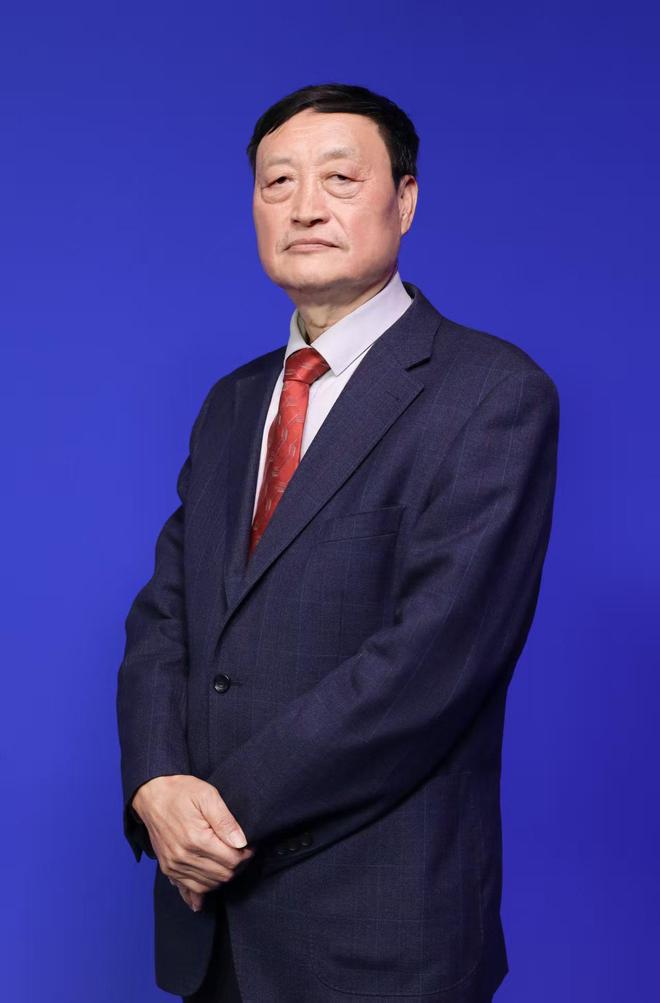
21专访|肖金成:都市圈、城市群的范围并非越大越好
2 1 Shi Ji Jing Ji Bao Dao· 2025-10-21 12:25
Core Viewpoint - The 20th Central Committee of the Communist Party of China is set to review the suggestions for the 15th Five-Year Plan, aiming to outline the blueprint for China's development over the next five years, with a focus on urbanization and regional development [1] Urbanization and Regional Development - During the 14th Five-Year Plan, significant achievements were made in urban construction and regional development, with the urbanization rate expected to reach 67% by the end of 2024, translating to approximately 940 million people living in urban areas [1] - The current phase of urbanization is shifting from rapid growth to stable development, emphasizing quality improvement over quantity expansion [1][3] Key Focus Areas for the 15th Five-Year Plan - The primary task of the new urbanization strategy is to promote the urbanization of the agricultural transfer population, focusing on equal access to public services rather than merely resolving household registration issues [3][7] - The development of metropolitan areas and urban clusters should be based on the connections between cities and their radiating capabilities, with an emphasis on implementing approved metropolitan area plans [3][9] Regional Coordination and Development Strategies - The core of regional coordination development remains consistent, focusing on reducing disparities in GDP per capita, living standards, and public services across regions [3][4] - The new urbanization strategy emphasizes improving the quality of urbanization and enhancing the living conditions of the agricultural transfer population, moving towards a more human-centered approach [4][5] Challenges in Urbanization - The agricultural transfer population faces significant barriers to full integration into urban life, particularly in accessing education, social security, and housing, leading to a situation where it is easier to move to cities than to fully integrate [5][7] - The misconception that household registration is the primary issue in urbanization has led to challenges in providing adequate public services to the agricultural transfer population [6][7] Urban Development Trends - The trend of increasing population movement from rural to urban areas is shifting towards inter-city migration, which should be addressed within the framework of the main functional area strategy rather than the new urbanization strategy [5][8] - The phenomenon of large cities growing larger creates pressure on urban management and exacerbates disparities with surrounding smaller cities, necessitating a shift from a siphoning effect to a radiating effect [8][9] Recommendations for Future Development - To promote coordinated development among large, medium, and small cities, it is essential to enhance transportation networks and establish regional cooperation mechanisms [9][10] - The government and market must collaborate to address the practical issues of metropolitan area planning, including funding and implementation [9][11] Land System Reform - The land system reform during the 14th Five-Year Plan has made progress, particularly in the area of rural land rights, but challenges remain in the pricing and transfer of land use rights [12][13] - Future reforms should focus on the integration of land use rights and the promotion of urban-rural integration, particularly in small towns [14][15] Urban Renewal Initiatives - The focus for urban development is shifting towards high-quality urban renewal, which includes improving living conditions and addressing infrastructure issues [16] - Key actions for urban renewal in the 15th Five-Year Plan should include developing specific urban renewal plans and addressing funding challenges [16]
深圳坂田物资工业园片区约8.3万平方米纳入拆除重建
Jing Ji Guan Cha Bao· 2025-10-21 10:11
Group 1 - The Shenzhen Longgang District Urban Renewal and Land Consolidation Bureau has officially included the Bantian Material Industrial Park area, approximately 83,000 square meters, in the demolition and reconstruction scope, with the application submitted by Shenzhen Material Group Co., Ltd. The plan is valid until October 10, 2027 [1] - The project will be implemented according to the "Residential Project Specifications" effective from May 1, 2025, making it the first old renovation project in Shenzhen to comply with the new "good housing" regulations [1] - The area is located at the intersection of Sakxuegang Avenue and Fada Road, with existing buildings primarily constructed in 1992. Despite facade renovations in 2017, the buildings still do not meet the demands of new industries [1] Group 2 - Public data indicates that from May to September 2025, Shenzhen will add 14 new old renovation projects involving residential demolition and reconstruction, all with a planned floor area ratio exceeding 3.1 [2]
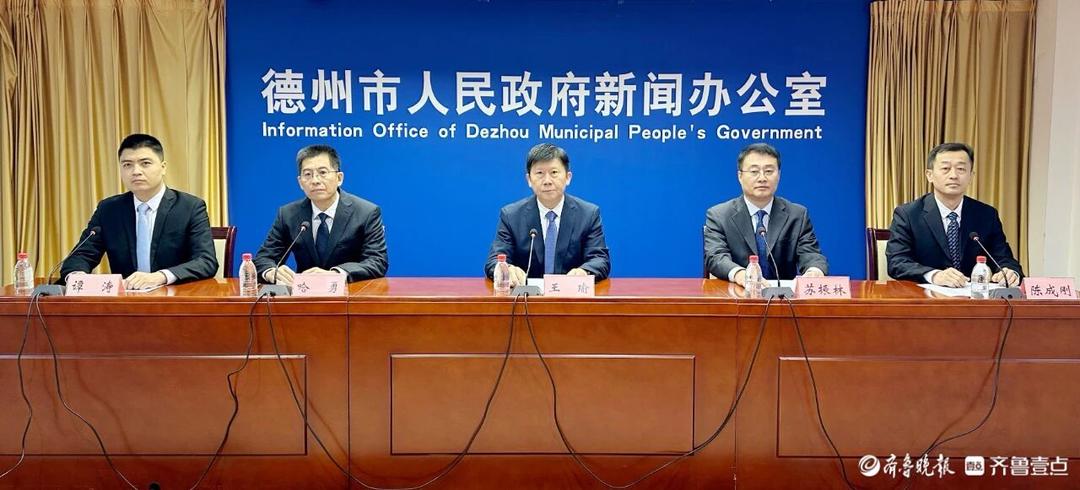
德州“十四五”期间投资870亿元实施中心城区城建项目526个
Qi Lu Wan Bao Wang· 2025-10-21 09:49
Core Viewpoint - The city of Dezhou has made significant progress in housing and urban construction during the "14th Five-Year Plan" period, focusing on high-quality development that prioritizes people's well-being and urban renewal [3][4][5]. Group 1: Focus on People's Livelihood - The city has emphasized improving living conditions, transitioning from "housing for all" to "quality housing for all," ensuring that development outcomes benefit all citizens [3][4]. - Housing security has been enhanced, with 88,000 units for relocation and 176,000 units of affordable housing constructed, benefiting 105,000 households [4]. - Initiatives such as the "micro-renovation" project have improved 845 old communities, adding 100,000 electric vehicle charging ports and installing 861 elevators in existing residential buildings [4]. Group 2: Urban Quality Enhancement - Urban renewal has been a key strategy, with 78 comprehensive area renovations and an investment of 87 billion yuan in 526 urban construction projects [5]. - Infrastructure improvements include the establishment of 238 square kilometers of sponge city, with water supply, gas, and sewage treatment rates exceeding 98% [5]. - The construction of 300 prefabricated rural houses and the renovation of 3,490 dangerous houses have been completed, enhancing rural living conditions [5]. Group 3: Industry Transformation and Innovation - The construction industry has seen a significant increase in output, growing from 34.41 billion yuan in 2020 to 46.08 billion yuan in 2024, with an average annual growth rate of 7% [6]. - The city has introduced policies to promote residential quality upgrades, with five projects recognized as national high-quality housing [6]. - A new model for real estate development has been explored, with the city approved as a pilot for nationwide pre-sale housing [6]. Group 4: Safety and Quality Assurance - Safety remains a top priority, with extensive actions taken to improve gas safety, including the renovation of 598.9 kilometers of gas pipelines [7]. - Quality control measures have been strengthened, leading to national awards for engineering quality and safety [7].
上海按下城市更新“加速键” 59个城中村改造项目集中推介
Zhong Guo Jing Ji Wang· 2025-10-21 07:57
近年来,上海各区基于自身发展定位与资源禀赋,在城中村改造的赛道上深耕特色,形成百花齐放的发 展格局。自2014年上海启动城中村改造以来,已累计启动改造项目118个,一批批项目从"施工图"加速 变为"实景画"。 以"高质量·可持续·新动能"为主题的2025年上海市城中村改造项目集中招商推介会日前在上海举办。现 场共计推介10个区域、59个城中村改造项目,占地面积近3万亩,前期改造投资规模达2100亿元,拉动 建安投资约1600亿元,为上海城中村改造按下"加速键"。 根据上海市委、市政府总体部署,到2026年底,全面启动整体改造项目;到2027年,基本完成城中村整 体改造项目的改造工作。现场,"上海市城中村改造项目招商推介平台"正式发布。该平台依托"上海市 城市更新信息系统"公众版设立,是专为城中村改造量身打造的一站式官方信息枢纽,提供政策法规、 项目推介、招商信息、投资指南、优秀案例等内容,助力打造"永不落幕的招商会"。 上海市人民政府副秘书长王为人表示:"今天的招商推介会是一个序章,更重要的在于后续的落实与推 进:一是持续加大招商力度,推动精准对接;二是持续优化营商环境,保障项目落地;三是持续巩固沟 通桥梁, ...
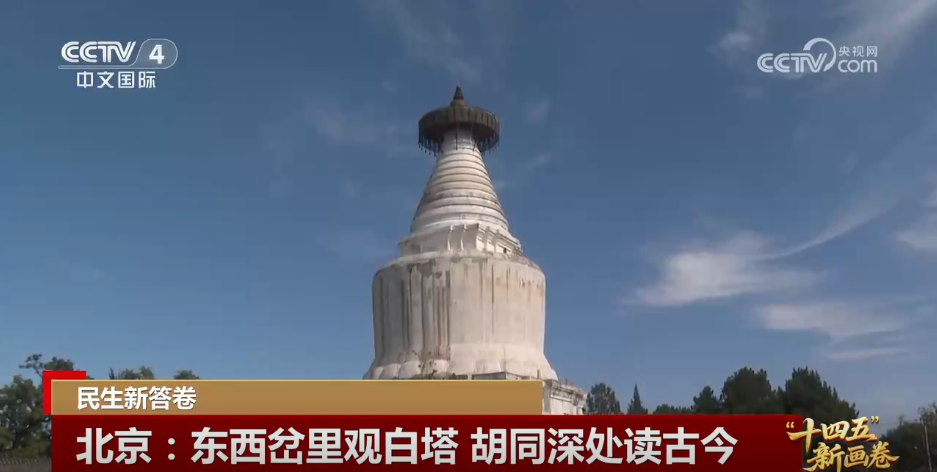
“小切口”改善“大民生” “关键小事”托起群众稳稳的幸福
Yang Shi Wang· 2025-10-21 07:57
Core Insights - The article highlights significant improvements in public welfare and infrastructure in China during the "14th Five-Year Plan" period, emphasizing advancements in education, social security, and healthcare systems, with over 95% coverage in basic insurance and education consolidation rates [1] Group 1: Public Welfare Improvements - China has established the world's largest education, social security, and healthcare systems, with over 4 billion medical visits benefiting from inter-provincial direct settlement [1] - The average life expectancy has increased to 79 years, and 1.8 million people are now covered by long-term care insurance [1] - The national comprehensive transportation network has expanded, adding 10,000 kilometers of high-speed rail, enhancing travel efficiency [1] Group 2: Urban Renewal in Beijing - In Beijing, 6.7 million square meters of old residential areas have been revitalized, and over 5,300 kilometers of aging pipelines have been updated [2][4] - The city has implemented a protective update in the White Pagoda Temple area, improving safety and aesthetics by burying 3,800 meters of power lines underground [4] - The urban renewal projects have led to the introduction of new businesses and cultural exhibitions, enhancing the local economy and tourism [6][8] Group 3: Healthcare Developments in Jiangsu - Jiangsu has achieved a coverage of 1.33 billion people under basic medical insurance, with a steady decrease in personal medical expenditure [9] - The province boasts nearly 5.66 general practitioners per 10,000 people, the highest in the country, facilitating accessible healthcare [9] - A digital health network has been established, allowing seamless sharing of medical resources across various levels of healthcare facilities [11] Group 4: Educational and Economic Growth in Hainan - Hainan has seen a significant increase in educational funding, with over 116.19 billion yuan allocated, particularly for rural school development [13] - The province's rural residents' average income reached 22,146 yuan in 2024, marking five consecutive years of growth [13] - Hainan has expanded its transportation network, adding 1,929 kilometers of roads, ensuring connectivity across the island [15]