消费升级

Search documents
食品饮料行业周报:板块受益市场轮动,基本面继续等待验证-20250824
Shenwan Hongyuan Securities· 2025-08-24 05:43
Investment Rating - The report maintains a "Positive" outlook on the food and beverage industry, indicating a favorable investment environment despite current challenges [4]. Core Insights - The recent increase in the sector is attributed to market rotation, with the industry fundamentals requiring patience for improvement. The liquor segment is expected to undergo a bottoming process, while food companies should seek structural opportunities from the bottom up. Absolute returns are more dependent on market conditions rather than fundamental drivers, and relative returns are not favorable [8][9]. - Traditional consumer leading companies have adjusted and now possess long-term investment value from a dividend and yield perspective. Companies with new consumption characteristics are expected to differentiate based on performance in the future [8][9]. - The liquor sector faces significant pressure due to slow macro demand recovery and limited consumption scenarios, with expectations of continued challenges in sales and financial reports [8][9]. Summary by Sections 1. Weekly Insights on Food and Beverage - The food and beverage sector rose by 3.29% last week, with liquor increasing by 3.62%. However, it underperformed the Shanghai Composite Index by 0.20 percentage points, ranking 11th among 31 sub-industries [7]. - The top three gainers included JiuGuiJiu (25.1%), BaiRun Co. (13.26%), and *ST YanShi (12.94%), while the largest decliners were GuiFaXiang (-8.72%), HuangShangHuang (-3.66%), and WanChen Group (-2.99%) [7]. 2. Liquor Sector - Moutai's price for loose bottles is 1820 RMB, down 30 RMB week-on-week, while the box price is 1845 RMB, down 20 RMB. Wuliangye's price remains stable at approximately 860 RMB, and Guojiao 1573 is around 840 RMB [9][33]. - The report suggests patience in waiting for changes in the industry's fundamentals, with a focus on the peak season in August and September. Companies with solid base markets and price bands below 200 RMB are expected to show stronger resilience [9]. 3. Consumer Goods Sector - The report is optimistic about the dairy industry's cost decline and supply-demand improvement, recommending companies like Yili and New Dairy. Beer is seen as a necessity, with recommendations for Yanjing Beer and Qingdao Beer [10]. - The snack, beverage, and low-alcohol segments are highlighted for their structural growth opportunities, with key recommendations including Unified Enterprises China, WeiLong, and YanJinPuZi [10]. 4. Key Company Updates - Salted Fish Co. reported a total revenue of 1.403 billion RMB for Q2 2025, a year-on-year increase of 13.54%, with a net profit of 195 million RMB, up 21.75% [10]. - The report also highlights the performance of various companies, including ZhenJiu LiDu and Kuaijishan, with significant revenue and profit changes noted [12][27].





赵崇甫:一个反常识的结论,线上“贪便宜”的消费者其实更喜欢品牌
Sou Hu Cai Jing· 2025-08-24 04:54
Core Insights - The article presents a counterintuitive conclusion that online consumers who seek bargains actually prefer branded products, highlighting the importance of brand as a decision-making simplifier in a complex market [1][4]. Group 1: Consumer Behavior - The Consumer Brand Index (CBI) developed by Peking University, Sun Yat-sen University, and Alibaba shows a steady increase from 59.42 in Q1 2023 to 65.17 in Q2 2025, indicating a 9.7% growth in consumer preference for higher quality and branded goods [3]. - Major promotional events, traditionally viewed as low-price battles, have transformed into opportunities for consumers to purchase high-quality brands at discounted prices, reflecting a shift in consumer perception [3][4]. Group 2: Market Dynamics - The rise of new domestic brands demonstrates the depth and diversity of the Chinese consumer market, as these brands leverage precise market positioning and product innovation to achieve significant growth during major sales events [4]. - The CBI fills a gap in measuring consumption quality, providing a solid basis for brand development, policy formulation, and investment decisions, indicating that the market is evolving towards a more rational and quality-focused direction [4].

高价进口水果“跌落凡尘”:国产平替崛起与市场格局重塑
Sou Hu Cai Jing· 2025-08-24 02:22
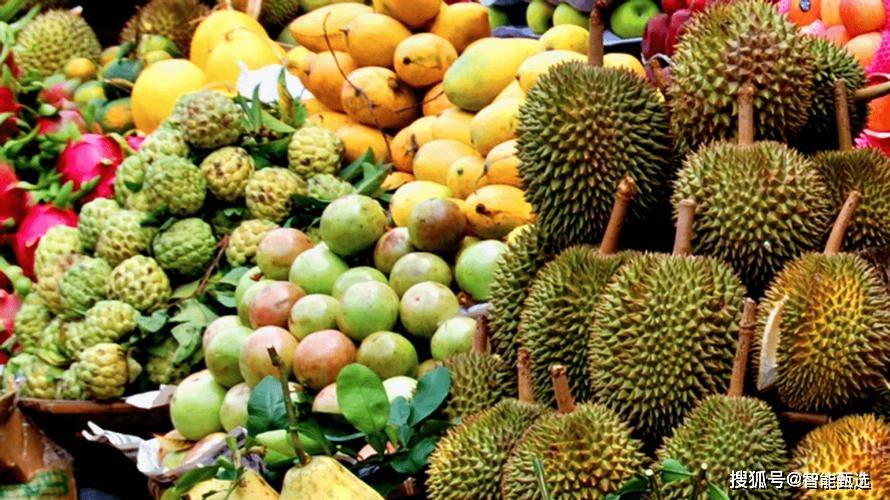
Core Insights - The article discusses the significant decline in the prices of imported fruits in China, which were once considered luxury items, due to advancements in domestic fruit cultivation, improved supply chain efficiency, and a more rational consumer mindset [1] Supply Side - The primary reason for the decline in imported fruit prices is the dramatic changes on the supply side, with countries like Chile and the USA expanding cherry cultivation, leading to a projected 30% increase in cherry exports to China by 2025 [3] - The transportation time for cherries has been reduced to 26 hours, resulting in a surge in market supply, where distributors now need to actively promote sales [3] - In the blueberry sector, countries like Peru and Chile have utilized frozen fruit technology to provide year-round supply, while China's Yunnan province has increased its blueberry planting area to 249,000 acres, accounting for one-third of the national output, with a projected 30% increase in total production by 2024 [3] Demand Side - Consumer preferences for imported fruits are becoming more rational, with a rise in low-sugar health demands, as evidenced by a 23% increase in online blueberry sales in 2024, while high-sugar fruits like lychee and mango see slowed growth [3] - Over-packaging has faced backlash, with a specific brand's grapes criticized for high packaging costs, leading to a 50% price drop due to poor sales [3] Technological Empowerment - The quality improvement of domestic fruits is attributed to technological innovations, such as precision cultivation techniques in Yunnan's blueberry industry, which enhance fruit size and sweetness [4] - An agricultural company in Shandong has utilized AI technology for strawberry cultivation, increasing prices by 50% and achieving annual sales exceeding 30 million yuan [4] - A modern industrial park in Xinjiang has established a standardized supply chain, allowing domestic plums to reach retail outlets within 48 hours at half the price of imported plums [4] Scale of Cultivation - The shift from smallholder farming to large-scale cultivation has significantly reduced costs, exemplified by the expansion of sunshine rose grape cultivation from 100,000 acres in 2016 to 1.2 million acres in 2023, resulting in a price drop from the "hundred yuan range" to the "ten yuan range" [5] - The Yunnan blueberry industry has also seen a clustering effect, with foreign and domestic companies collaborating on standardized cultivation, leading to a return on investment period of just 8 months [5] Channel Innovation - The rise of fresh e-commerce and community group buying has compressed the premium space for imported fruits, with platforms like Pinduoduo and Hema attracting middle-class consumers through competitive pricing and fresh offerings [6] - A company is set to launch bulk shipments of Hainan durians in 2025, leveraging direct supply from Malaysian plantations to reduce intermediary costs [6] High-End Market Shift - In response to competition from domestic alternatives, imported fruits are pivoting towards high-end niche markets, with products like Thai durians and Japanese grapes targeting premium consumers [7] - Imported fruits are also innovating with new products, such as frozen avocado pulp from Peru and off-season stone fruits from South Africa, to fill market gaps [7] Brand Development Challenges - Despite the advantages in production and pricing, domestic fruits face challenges in brand development, with inconsistent quality leading to price drops for certain products [8] - Brands like "Jiawo Blueberry" and "Yantai Apple" have successfully established premium images through geographic certification and quality control [8] Supply Chain Integration - The competition between imported and domestic fruits has evolved into a contest of supply chain efficiency, with Cambodian durians achieving 48-hour delivery and Yunnan blueberries utilizing logistics to cover the entire country [9] - Future competition in the fruit industry will focus on cost reduction through technology, channel efficiency, and quality enhancement, with successful companies needing to build strong brand identities [9] Overcapacity and Quality Risks - The expansion of domestic fruit production carries risks of overcapacity, with growers expressing concerns about potential price drops below cost due to oversupply [10] - The 30% production drop of Guangdong lychees in 2024 due to cold weather highlights the vulnerabilities of single production areas [10] Deep Processing Opportunities - In a highly competitive fresh fruit market, deep processing is emerging as a new growth area, with increasing demand for products like dried fruits and fruit wines [11] - An enterprise focusing on durian deep processing has reported a 40% increase in annual profits [11] Global and Local Balance - The Chinese fruit market is increasingly integrated into the global trade system, with new varieties from South Africa and Colombia entering the market, while domestic fruits are also being exported to Southeast Asia [12] - Companies need to balance local demands with global resource integration, such as adapting blueberry varieties to Chinese tastes while promoting Hainan durians internationally [12]
万达集团、中建新疆建工等企业代表团考察克拉玛依市
Zheng Quan Shi Bao Wang· 2025-08-23 12:32
Core Viewpoint - The visit of representatives from Wanda Group and other companies to Karamay City aims to explore investment opportunities and promote collaboration in various sectors such as tourism, consumption upgrade, and urban development [1] Group 1: Company Engagement - The delegation included prominent figures such as Wang Jianlin, Chairman of Wanda Group, and Yang Ming, Chairman of China Construction Xinjiang Group, indicating a strong interest from major corporations in Karamay [1] - Karamay's municipal leaders expressed their commitment to support these companies in leveraging their operational expertise and industry networks for mutual growth [1] Group 2: Development Focus - Wang Jianlin emphasized the intention to enhance cooperation with Karamay to attract more quality brands and drive urban consumption upgrades [1] - Wanda Group plans to utilize its extensive project operation experience to participate in the quality enhancement of the Wuerhe cultural tourism project, aiming to set a benchmark for high-quality development in the tourism industry [1]
中国老百姓的花钱逻辑,变了!
创业家· 2025-08-23 10:22
Core Insights - The article emphasizes that Chinese consumers are adapting to a new normal and are no longer fixated on returning to past economic growth levels [5][6][7] - It highlights the importance of understanding consumer segmentation, as different groups exhibit varying levels of confidence and spending behavior [8][15] - The report identifies three key trends in consumer spending, focusing on personal achievement and value-driven purchases [17][27] Group 1: Consumer Behavior Trends - Trend 1: Consumers are accepting the new normal and are more rational and proactive in planning their spending [5][6][7] - Trend 2: There is a noticeable segmentation in consumer confidence and behavior, with rural consumers showing increased confidence due to rural revitalization policies, while urban Z generation faces challenges [10][11][12][13][14] - Trend 3: Consumers are increasingly prioritizing spending on personal achievements, with significant growth in categories that provide clear value and satisfaction [17][27] Group 2: Spending Categories - Education has the highest expected spending increase at 5.7%, as consumers seek to invest in skills and knowledge for future security [18][19] - Health-related expenditures, particularly in health products and services, are also on the rise, with expected growth of 2.7% and 2.4% respectively [20][21][22] - Travel spending is expected to grow by 1.9%, reflecting a desire for cultural experiences and personal enrichment [23][24]

全国“喝酒王者省份”出炉!前三让人意外,东北竟然没上榜
Sou Hu Cai Jing· 2025-08-23 02:21
Core Insights - The article discusses the evolving landscape of China's liquor consumption, particularly focusing on the white liquor market and the ranking of provinces based on consumption levels [1][11] - It highlights the stability of the market structure, with Shandong and Henan leading in consumption, while also emphasizing the need for innovation and adaptation to changing consumer preferences [1][3] Market Overview - The white liquor market in China is experiencing a slight decline in consumption momentum for 2024, but 2025 is seen as a pivotal year for deep adjustments in the industry [1] - The current consumption landscape is relatively stable, with Shandong and Henan holding the top two positions, followed by Jiangsu and Guizhou [1][3] Consumption Trends - There is a clear trend of consumption upgrading across provinces, with an increase in price points and a growing demand for quality [3][4] - In 2023, Henan's white liquor market sales reached approximately 66.82 billion yuan, nearing the 70 billion yuan mark, with leading brands capturing significant market share [3][5] - Jiangsu's market performance is notable, with a consumption figure of around 56 billion yuan in 2022, indicating a strong consumer base focused on high-quality products [3][8] Digital Transformation - The digital transformation is reshaping the white liquor consumption landscape, with online sales surpassing 50% of total consumption in 2023 and showing a 72% year-on-year growth in the first quarter of 2024 [4][11] Provincial Insights - Shandong, with a population of over 100 million and a GDP of 9.21 trillion yuan, leads the market with a size of approximately 45 billion yuan in 2022, and is expected to grow at a CAGR of 8% from 2022 to 2025 [5][7] - Henan's sales have shown a consistent upward trend from 37.18 billion yuan in 2017 to 66.82 billion yuan in 2023, indicating strong growth potential [7][9] - Jiangsu, despite a smaller population of under 90 million, has a market size close to 60 billion yuan, reflecting high consumer spending power and a preference for premium products [8][9] Regional Challenges - The Northeast provinces have not made it to the top five due to significant population decline and slower economic growth compared to leading provinces [9][11] - The traditional industrial structure in the Northeast, with a heavy reliance on heavy industry and underdeveloped service sectors, has negatively impacted overall consumption activity [11]

走进内蒙古原产地现场选品,北京消费帮扶再创新
Xin Jing Bao· 2025-08-22 13:06
Core Insights - The "Taste Inner Mongolia" event aims to enhance the supply chain of high-quality agricultural products from Inner Mongolia to Beijing, facilitating direct procurement and establishing trust between producers and buyers [1][2][5] - The event showcased over 200 specialty agricultural products, resulting in 10 companies signing procurement agreements on-site [1][2] Group 1: Event Overview - The event was held from August 20 to 21, 2025, in Inner Mongolia's Xingan League, involving over 30 major supermarkets, e-commerce platforms, and food enterprises from Beijing [1] - The initiative is part of the 2025 Beijing consumption assistance series, focusing on direct engagement with agricultural producers [2] Group 2: Agricultural Products and Processing - The Beijing procurement team examined key agricultural sectors, including rice, beef, lamb, sweet corn, and specialty pickles, emphasizing the "Farm Fresh" brand [2] - The Xin Xuan fresh corn processing center can process 12,000 tons of sweet corn annually, benefiting over 2,000 local farmers with an average income increase of over 5,000 yuan [2] - The black garlic series from the purple garlic processing park has seen a value increase of over five times, becoming popular in high-end Beijing restaurants [2] Group 3: Collaboration and Economic Impact - Since the start of the Beijing-Inner Mongolia collaboration, over 150 billion yuan has been invested in various projects, with more than 3,200 industrial projects implemented [3][4] - The establishment of 12 Inner Mongolia consumption assistance pavilions in Beijing has facilitated a 23% year-on-year increase in sales of Inner Mongolia agricultural products, reaching 6.8 billion yuan in 2024 [4] - The collaboration has improved the commercialization rate of local agricultural products from 60% to 85%, benefiting 120,000 farmers [4][5] Group 4: Market Dynamics and Consumer Benefits - The event highlights the dual benefits of consumer assistance, allowing Beijing residents to access high-quality food at lower prices while providing stable income for Inner Mongolian farmers through order agriculture [5] - Approximately 30% of beef and 40% of grains in the Beijing market are sourced from Inner Mongolia, indicating a strong market presence [5]
朱民会见如新总裁兼首席执行长宁怀恩一行
Sou Hu Cai Jing· 2025-08-22 13:02
Group 1 - The meeting between Shanghai's Commerce Commission Director Zhu Min and Nu Skin Enterprises President and CEO Ritch N. was focused on the development of Shanghai as an international consumption center [1][3] - Zhu Min highlighted the broad consumer market in Shanghai, emphasizing recent initiatives like "First Launch Shanghai" to stimulate consumption and support both domestic and international brands [3] - The beauty and health industries in Shanghai are experiencing rapid growth, with expanding market size and emerging new growth points such as online sales and senior consumer segments [3] Group 2 - Nu Skin has been operating in Shanghai for 25 years and has established its Greater China headquarters and R&D center in the city, viewing it as a global strategic hub [3] - The company expressed optimism about the potential of the Shanghai consumer market and plans to increase investments in China, actively participating in consumption promotion activities [3] - Nu Skin aims to introduce more products that cater to the Shanghai market, contributing to the city's development as an international consumption center [3]

邮储银行“贷”我升级美好生活
Jin Rong Shi Bao· 2025-08-22 12:48
眼下,暑假进入尾声。回顾整个夏日经济,从文旅度假市场火热,到清凉商品焕新畅销,从夜市街头的烟火升腾到影院剧院的精神享受,多样化需求正在 带动各类暑期消费"热力全开"。大江南北呈现出一幅"热"力四射、生机勃勃的繁荣图景。 2025年,从《关于进一步培育新增长点繁荣文化和旅游消费的若干措施》发布,到《提振消费专项行动方案》出台,再到《关于金融支持提振和扩大消费 的指导意见》推出,一系列提振消费政策为我国消费市场向好发展注入强大动能,以金融活水灌溉内需。 邮储银行始终紧跟国家政策导向,通过推出多样化的消费补贴和优惠活动、持续提升支付服务水平、护航消费安全等,助力全面扩大内需,促进消费提质 升级。 "贷"我清凉一夏天 今年夏季格外炎热,"清凉家电"走俏消费市场。 "一台原价近5000元的立式空调,参加国补和邮储银行活动后优惠了700元,还能享受24期0息分期,每个月支付不到160元我就换了新空调,国家政策好, 银行的服务也好!"北京市民胡女士带着母亲在商场挑选了一台新空调,"家里空调用好多年了,趁着以旧换新,给妈妈换一台无风感空调,旧空调终于可 以'退休'了。" 某电器商城数据显示,6月下旬以来,全国新一级能效空调销 ...


消费升级催生个性化需求,数字化转型成食品企业把握机遇重要抓手
Di Yi Cai Jing· 2025-08-22 08:05
Core Viewpoint - The food industry is leveraging digital transformation to accelerate its upgrade and capture new market opportunities amid changing consumer demands in the digital economy era [1] Industry Overview - The food industry, as a pillar of the national economy, is undergoing rapid transformation driven by digitalization, enhancing production efficiency and product quality [3][7] - Key industrial enterprises in China's food sector have achieved a numerical control rate of 63.3% and a digital design tool penetration rate of 72.8% [3] Digital Transformation - Leading companies in the food industry are adopting digital technologies to improve production processes and meet consumer demands for safety and health [3][5] - Hai Tian Wei Ye, a representative in the condiment sector, is integrating smart manufacturing technologies while maintaining traditional brewing methods [4][5] - Anqi Yeast has also embraced digital control technologies to enhance product quality and reduce resource consumption [5][6] Consumer Trends - The rise of health-conscious consumers is creating new market opportunities, prompting companies to develop targeted products for various demographics [7][8] - Hai Tian Wei Ye has expanded its product matrix from 400 to 1400, focusing on nutrition and health [7] - Anqi Yeast is developing new products aimed at specific consumer groups, including the elderly and young people [8] Investment Opportunities - The food and beverage sector is seen as a promising investment area due to the ongoing consumer upgrade trend, with companies leveraging AI and digital technologies to enhance efficiency and product quality [6][8] - Analysts suggest that leading companies in the consumer sector are currently undervalued, with potential for valuation recovery as digital technologies are integrated [6][7]