价值竞争

Search documents
全新问界M7爆单,余承东紧急“辟谣”
第一财经· 2025-09-07 04:08
Core Viewpoint - The launch of the new AITO M7 has exceeded expectations, achieving significant pre-order numbers and showcasing a shift in the automotive industry towards high-value and high-experience products rather than low-cost competition [2][4][8]. Group 1: Product Launch and Market Impact - The AITO M7's pre-sale price is set at 288,000 yuan, with over 100,000 units pre-ordered within 43 minutes, indicating strong market demand [2][8]. - The M7 represents a complete overhaul of the previous model, moving away from minor updates to a comprehensive redesign that emphasizes technological innovation and user experience [4][14]. - The vehicle's launch is seen as a correction to the industry's trend of price-cutting strategies, encouraging competitors to focus on technology and user experience instead [8][18]. Group 2: Competitive Landscape - Traditional luxury car brands are facing declining sales and profits, leading to increased promotional efforts, with discounts reaching 27.2% in July [10]. - The market share of domestic brands has risen to 64.2%, reflecting a shift in consumer preferences away from traditional luxury vehicles [10]. - The AITO M7's high value proposition, including a 71.5% resale value, challenges the previously held belief that foreign luxury brands maintain superior resale values [12][18]. Group 3: Technological Innovations - The M7 features an industry-first cabin laser vision system, enhancing safety and driving experience by integrating laser radar with visual cameras [16]. - The vehicle is built on the iDVP electronic architecture, allowing for over-the-air updates and establishing it as a "software-defined car" [17]. - The introduction of advanced features such as the HUAWEI XMOTION system significantly improves driving safety and comfort, setting a new standard in the luxury vehicle segment [17]. Group 4: Industry Implications - The success of the AITO M7 is expected to stimulate technological investments across the industry, moving away from low-quality competition towards high-value innovation [18]. - The vehicle's performance is seen as a potential turning point for domestic brands, showcasing the possibility of technological breakthroughs in the automotive sector [18][19].


方便食品突围:深挖需求提价值,技术创新破“内卷”丨行业风向标
Tai Mei Ti A P P· 2025-09-05 14:05
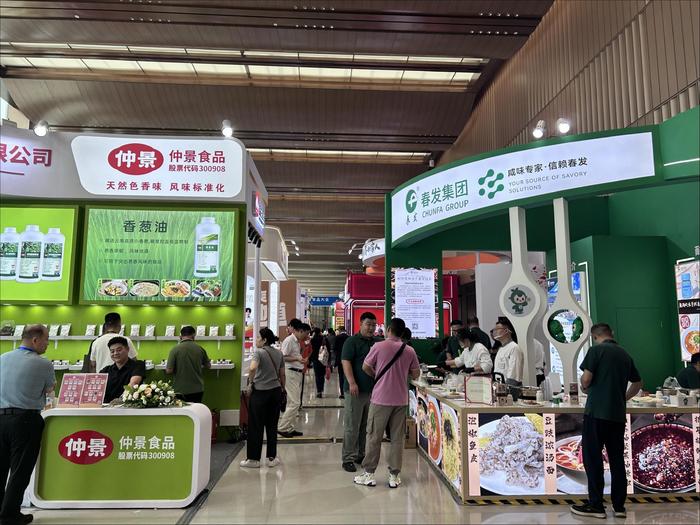
Core Viewpoint - The convenience food industry in China is transitioning from rapid growth to intense competition, facing challenges due to changing consumer preferences and market saturation, with a significant decline in instant noodle consumption observed from 2020 to 2023 [2][3]. Industry Trends - The convenience food sector is experiencing a shift from "incremental competition" to "value competition," with a focus on health and innovation as key drivers for growth [3][4]. - The overall consumption of instant noodles in China remains substantial, with 447.2 billion servings consumed in 2024, accounting for 37% of global consumption [4]. - The market is witnessing a K-shaped differentiation, where high-end products are upgrading while budget-friendly options maintain their market share [4][6]. Company Performance - Major companies like Anjuke and Kemin Foods are reporting declining revenues, with Anjuke's revenue increasing only slightly by 0.8% to 76.04 billion yuan, while net profit fell by 15.79% [5]. - Kemin Foods also experienced a revenue drop of 10.85% and a net profit decline of 2.34% [5]. Consumer Demographics - The new generation (born between 1995-2009) is becoming the main consumer force, contributing 40% to national consumption despite being only 20% of the population [6]. - The aging population is also creating diverse demands, with the silver economy expected to reach 12 trillion yuan by 2030 [6]. Strategic Directions - Companies are encouraged to adopt differentiation strategies to meet evolving consumer needs, focusing on health-oriented and unique products [7][8]. - The importance of innovation in product development is emphasized, with companies exploring new categories and consumer scenarios [10][11]. Technological Innovation - The industry is urged to embrace technological advancements to enhance product quality and meet consumer expectations [10][11]. - There is a call for collaboration between companies and research institutions to address technical challenges and drive industry growth [12].
全面换代,全新问界 M7 能否再成爆款?
晚点LatePost· 2025-09-05 11:54
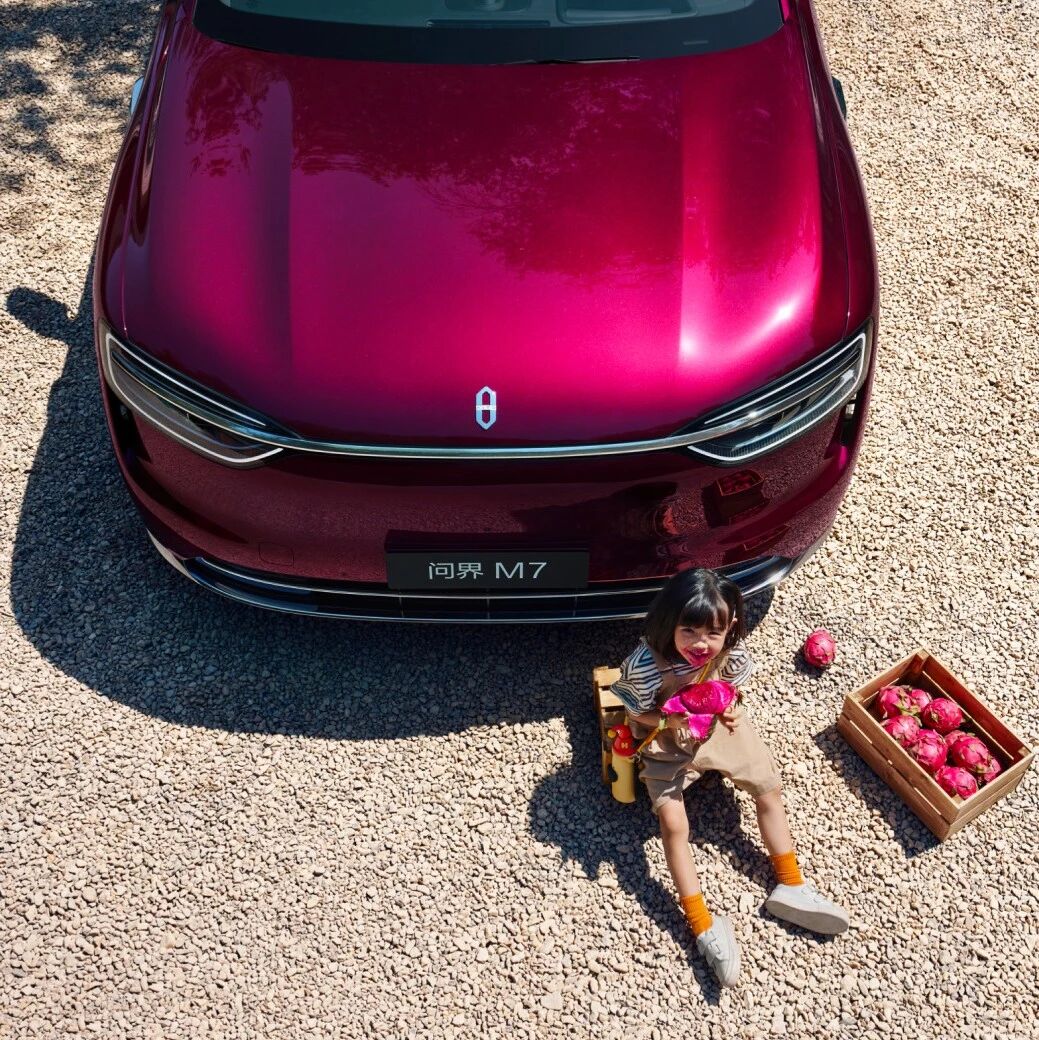
Core Viewpoint - The launch of the all-new AITO M7 marks a significant shift in the automotive market, emphasizing a comprehensive upgrade in technology, design, and user experience, which has led to strong market demand and sales performance [4][11][13]. Group 1: Product Launch and Market Response - The all-new AITO M7 achieved over 100,000 orders within the first hour of its pre-sale, indicating a strong market response and exceeding expectations [4]. - The vehicle is positioned as a significant competitor in the 300,000 RMB price range, enhancing the brand's competitiveness in this segment [11][12]. Group 2: Technological Advancements - The AITO M7 features the Huawei QianKun Intelligent Driving ADS 4 system, which includes both roof-mounted and cabin laser radar options, enhancing its active safety capabilities [5][7]. - The vehicle's cabin is designed to meet C-AHI five-star standards, utilizing innovative materials for air quality management and safety [9]. Group 3: User Demographics and Preferences - The primary user demographic for the AITO M7 consists of middle-aged males from first-tier cities, with a strong preference for intelligent features and safety [5]. - The vehicle's appeal lies in its focus on smart technology and safety, addressing the core needs of its target consumers [5][13]. Group 4: Competitive Landscape - The AITO brand has seen significant growth, with over 750,000 cumulative deliveries as of August, positioning itself as a leader in the luxury electric vehicle market [11]. - The competitive landscape is shifting, with domestic brands increasing their market share in the 300,000 RMB segment, while traditional luxury brands face declining market presence [12]. Group 5: Future Outlook - The AITO M7's success is part of a broader strategy to shift from parameter-based competition to value-based competition, focusing on core technology and user experience [13]. - The brand aims to continue leveraging its technological advancements and user insights to drive future growth and market penetration [13].
A股继续大涨,两大关键因素引爆市场!
Sou Hu Cai Jing· 2025-08-29 07:45
Group 1: A-Share Market Performance - The A-share market continues to rise strongly, with the Shanghai Composite Index up 0.37%, the Shenzhen Component Index up 0.99%, and the ChiNext Index up 2.23% [1] - The total market turnover was 2.7983 trillion yuan, a decrease of 172.5 billion yuan compared to the previous trading day [1] - Nearly 3,300 stocks in the market closed lower, indicating a mixed performance among individual stocks [1] Group 2: Key Drivers of Market Movement - The appreciation of the RMB is a significant factor, with the exchange rate reaching 7.13 yuan, driven by expectations of interest rate cuts by the US Federal Reserve and a decline in the US dollar index [1] - Sector rotation has also contributed to the index's rise, with consumer stocks and rare earths supporting the market despite a pullback in technology stocks [1] Group 3: Sector Performance - Lithium battery stocks have shown strong performance, with significant gains leading the market [1] - The liquor sector is experiencing a rebound, supported by the upcoming traditional consumption peak in autumn and improved liquidity in the A-share market [3] - The insurance sector is active, benefiting from policy support and a favorable market environment, leading to rapid growth in capital scale and improved investment returns [4] - The rare earth sector is also seeing renewed activity, with prices for praseodymium oxide and dysprosium oxide increasing significantly [6]
0.599元/Wh交个朋友价:工商储逆行者的底层逻辑
行家说储能· 2025-08-27 03:20
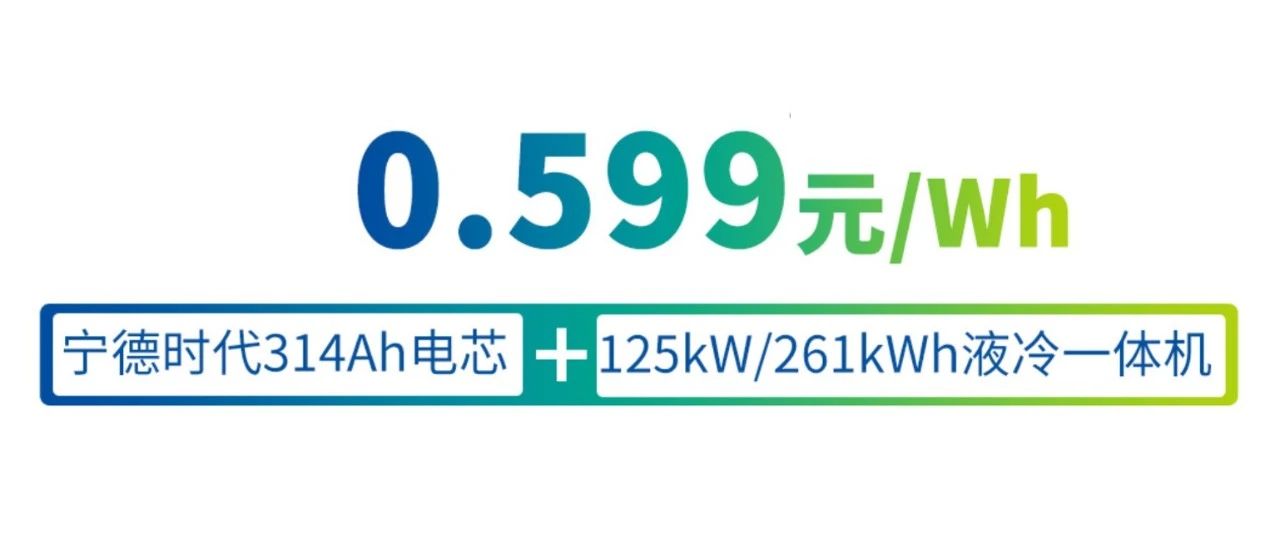
Core Viewpoint - The article discusses the strategic shift of Liangdao Energy towards the domestic market amidst a challenging environment for the energy storage industry, highlighting their innovative product offerings and pricing strategy aimed at gaining market trust and addressing local needs [2][5][35]. Group 1: Market Context and Strategic Shift - In 2025, the energy storage industry is experiencing a "death cycle," with many companies struggling in price wars or pursuing overseas expansion. However, Liangdao Energy is focusing on the domestic market, identifying structural opportunities that others may overlook [7][10]. - Liangdao Energy, a leading player in the European commercial energy storage market, has 90% of its revenue from overseas, primarily from Europe. This background provides them with strong product quality control and healthy cash flow [7][10]. - The release of Document No. 136 in 2025 marks a shift from price competition to value competition in the energy storage sector, which aligns with Liangdao's strengths in technology upgrades and business model innovation [11][12]. Group 2: Product Innovation and Market Fit - Liangdao's 3S integration architecture (PCS + BMS + EMS) is designed to meet the high volatility demands of the domestic electricity spot market, achieving significant performance improvements [17][20]. - Key performance metrics include a reduction in direct costs by over 10%, integration costs by 5%, and operational costs by 30%, along with a 50% reduction in volume and a 20% reduction in weight [20][23]. - The architecture allows for a response time of 50ms, which is crucial for the increasingly demanding real-time adjustment needs of the market [23][25]. Group 3: Pricing Strategy and Market Entry - Liangdao's initial marketing strategy, termed "friendship pricing," aims to offer high-performance products at competitive prices without compromising quality. This approach is designed to build market trust and validate product performance [28][30]. - The pricing details for their 261kWh liquid-cooled integrated machine include a promotional price of 0.599 yuan/Wh and 0.549 yuan/Wh for different battery configurations, with a warranty of 5 years and a cycle life of 6000 times [29][30]. - The company has established a robust after-sales service system based on experience from over 500 projects in Europe, which will be crucial for adapting to the domestic market's higher responsiveness requirements [30][33]. Group 4: Internal Transformation and Future Outlook - Liangdao Energy has undergone a significant internal transformation to adapt from serving the high-end European market to the fast-paced domestic environment, focusing on understanding local customer needs [33][35]. - The decision to enter the domestic market is based on a comprehensive assessment of favorable policies, growing demand, and the readiness of their team to meet local challenges [35].
拆解新能安4年争霸史,何以构建最年轻储能帝国|深度
24潮· 2025-08-24 23:03
Core Viewpoint - Xinneng'an, backed by industry giants CATL and ATL, is positioned as a leading player in the energy storage sector, leveraging its strong foundation and strategic investments to capture market share rapidly [2][4][10]. Group 1: Company Background and Development - Xinneng'an was established in 2021 through a joint investment by CATL and ATL, with CATL holding 70% and ATL 30% of the shares [4]. - The company has quickly emerged as a significant player in the small battery sector, achieving a revenue of 7.56 billion yuan in 2023, ranking 68th in the top 100 private enterprises in Fujian Province [2]. - Xinneng'an has established a lithium battery production base with a total investment of 70 billion yuan, aiming for an annual production capacity of 32 GWh [6]. Group 2: Market Position and Achievements - Within just over two years, Xinneng'an has become the global leader in drone battery shipments and holds the top market share in electric motorcycle lithium batteries, with a 30% share in the home energy storage market [7][11]. - The company has strategically focused on small and medium-sized energy storage solutions, capitalizing on the growing demand for home energy storage systems [12][15]. Group 3: Strategic Initiatives and Future Plans - Xinneng'an is expanding into the commercial energy storage market, which is projected to grow significantly, with a potential market space exceeding 500 GWh [20]. - The company has introduced the Kunlun series of batteries, which offer a lifespan of 15,000 cycles, significantly enhancing the value proposition for commercial energy storage users [21][22]. - Xinneng'an aims to provide a full lifecycle solution, integrating battery cells, systems, energy management, and asset operation [28][29]. Group 4: Competitive Landscape and Challenges - The energy storage market is highly competitive, with established players like EVE Energy and Ruipu Lanjun dominating the market, making it challenging for Xinneng'an to secure its position [32][33]. - Price competition is intensifying, with significant price reductions observed in the commercial energy storage sector, which may impact profitability [36][37].
银行代销基金抢夺战
Bei Jing Shang Bao· 2025-08-20 14:45
Core Viewpoint - The A-share bull market is driving a competition among banks for fund distribution, with significant fee reductions to attract customers as residents seek better wealth management options [1][2]. Group 1: Market Dynamics - The A-share market has seen a strong performance, with the Shanghai Composite Index reaching a 10-year high of 3700 points and the total market capitalization surpassing 100 trillion yuan [1]. - As of August 19, 2023, 19 funds have recorded over 100% gains this year, highlighting the lucrative opportunities in equity funds [1]. - The low interest rate environment and asset scarcity are prompting residents to move their deposits, with household deposits in China reaching 161 trillion yuan as of July 2025, down by 1.11 trillion yuan from the previous month [2]. Group 2: Competitive Strategies - Banks are adopting a "full-scale profit-sharing" model, with small and medium-sized banks offering significantly reduced fund subscription fees, such as Shenzhen Rural Commercial Bank's 0.1% fee for certain funds [2][3]. - Major banks are also participating in the fee reduction trend, with Postal Savings Bank and Minsheng Bank offering discounts on fund subscription fees [3]. - The intense competition is driven by the need for banks to attract customers amid shrinking net interest margins and the necessity to transform their profit models [3][4]. Group 3: Sustainability of Strategies - The sustainability of the low-fee strategy is questioned, as it may compress profit margins for fund distribution businesses, leading to potential profitability challenges for banks [5][6]. - Analysts suggest that while low fees can attract customers in the short term, banks must enhance their service and product capabilities to retain these customers in a volatile market [6][7]. - To succeed, small and medium-sized banks need to shift from price competition to value competition by improving service quality, digital capabilities, and personalized wealth management solutions [7].
哪些建筑标的受益于“反内卷”? | 投研报告
Zhong Guo Neng Yuan Wang· 2025-08-19 06:01
Core Insights - The central government has clarified its stance on addressing "involution" competition, transitioning from policy formulation to implementation since the second half of 2024 [1][2] - In July 2025, 33 construction-related central enterprises, state-owned enterprises, and private enterprises issued a "Proposal" advocating for the "Four No's" principle: no scale assembly, no blind expansion, no excessive debt, and no shell structures, aiming to resist "involution" competition and shift focus from price competition to value competition [1][2] Construction Industry Analysis - The report emphasizes the shift from price competition to value competition in the construction industry, driven by the "anti-involution" policy [2] - The analysis categorizes the construction industry into three major segments: central state-owned enterprise blue chips, international engineering, and steel structure [2] Central State-Owned Enterprises - For traditional undervalued central state-owned enterprise blue chips, the focus should be on three dimensions: dividend capability, price elasticity, and technological transformation [3] - In Q1 2025, the market share of nine major construction central enterprises increased to 59.89%, indicating strong order acquisition capabilities [3] - Companies with strong dividend capabilities, such as China State Construction and Sichuan Road and Bridge, are recommended [3] International Engineering Sector - The international engineering sector benefits from price elasticity, particularly with rising expectations for resource prices [4] - North China International, which has a significant coal sales volume, is highlighted for its potential profit contributions from coal business in 2026 [4] Steel and Cement Industries - The steel and cement industries are expected to improve profitability through the exit of outdated capacities and product structure upgrades [5] - Companies like China National Materials and China Steel International are recommended, with China Aluminum International suggested for attention [5] Steel Structure Sector - The steel structure sector is divided into manufacturing and installation segments, with rising steel prices benefiting manufacturing companies like Honglu Steel Structure [6] - The transition towards intelligent construction and green building is expected to enhance the competitive advantages of leading companies in the installation segment, such as Jinggong Steel Structure and Jianghe Group [6]



KOL运营:2024-2025广告主KOL营销市场盘点及展望
Sou Hu Cai Jing· 2025-08-15 01:16
Core Insights - The KOL industry is experiencing a multi-dimensional development trend in 2024, with significant user bases in short videos and live streaming reaching 1.04 billion and 833 million respectively, although growth rates are slowing down [1] - The number of KOLs with over 10,000 followers is nearly 15 million, with an annual growth rate of only 5%, indicating a shift towards a stock competition phase in the market [1] - Mid-tier creators (50,000 - 3 million followers) have become the main growth drivers, accounting for 66.2% of the market, while head KOLs (≥10 million followers) represent only 0.2% [1] - The content ecosystem is diversifying, with "lifestyle documentation" leading at 12.4% market share, reflecting user demand for practical and emotional value [1] - The KOL marketing landscape is shifting towards value competition, with brands focusing on practical value and emotional resonance in their campaigns [1] Market Overview - The KOL advertising market is projected to decline to 87.3 billion yuan in 2024, marking the first contraction in KOL investment [4][18] - Advertisers are increasingly diversifying their investments, with beauty and personal care sectors seeing a continuous decline, while home and decor sectors are experiencing growth [4][18] - The top five industries account for over 78% of KOL advertising spending, indicating concentrated investment in key sectors [4][18] Platform Characteristics - Major platforms are competing on decentralization and niche specialization, with Douyin focusing on head KOL conversion and maintaining balance with mid-tier creators [1] - Xiaohongshu is expanding beyond its female-centric image to include lifestyle services, while Bilibili is concentrating on mid-to-long videos and knowledge content [1] - KOLs are becoming essential in brand marketing, with a focus on driving user engagement and sales conversion through diverse content formats [1][18] Future Outlook - The KOL marketing landscape is expected to evolve into a more integrated model, combining short-term content activation with long-term brand building [18] - Advertisers are increasingly valuing KOLs for their ability to drive direct conversion and enhance brand visibility [18] - The demand for KOLs is shifting towards those who can provide multi-faceted value, including content creativity, operational capabilities, and audience engagement [19]
该给中国新手父母减负了
虎嗅APP· 2025-08-12 10:31
Core Viewpoint - The article discusses the financial pressures faced by new parents, particularly in light of rising costs associated with child-rearing, and highlights initiatives by companies like JD.com to alleviate these burdens through various subsidy programs and innovative marketing strategies [3][4][30]. Summary by Sections Consumer Behavior and Spending - New parents, like Xiao Lin, are adjusting their spending habits significantly in anticipation of child-rearing costs, prioritizing essential baby products over luxury items [2][4]. - The introduction of a government subsidy of 3,600 yuan per child per year starting from 2025 aims to ease some of the financial strain on families with children under three [3][4]. Company Initiatives - JD.com has launched a program to distribute one million free baby bottles to new parents, allowing them to focus on quality rather than price when selecting products for their children [10][13]. - The initiative has already seen significant engagement, with 50,000 bottles distributed by August 1, and a high repurchase rate of 80% among consumers who participated in the program [13]. Market Trends and Consumer Insights - There is a growing demand for high-quality baby products, with parents increasingly seeking safe and effective options that mimic natural feeding experiences [9][10]. - JD.com has observed that 60% of surveyed parents are unaware of the need to change baby bottles according to the child's age, indicating a gap in consumer education that the company aims to address [12]. Competitive Landscape - The competition among baby product brands is intensifying, with companies like Pigeon and Hegen collaborating with JD.com to offer exclusive products at lower prices, enhancing consumer access to quality items [9][10]. - JD.com is also focusing on maintaining competitive pricing and ensuring that consumers do not overpay for products, which is becoming a standard expectation among consumers [15][19]. Innovations in Product Offerings - JD.com has implemented a "28-day fresh delivery" standard for baby formula, aiming to restore consumer trust in domestic products following past food safety scandals [20]. - The company has also introduced a "90-day size exchange" policy for diapers, allowing parents to exchange unused products that no longer fit their growing children, thus reducing waste and financial loss [22]. Conclusion - The article emphasizes the importance of creating a supportive environment for new parents through collaborative efforts between society, businesses, and caregivers, ultimately leading to a more family-friendly society [30][31].