供应链韧性

Search documents
中国在全球供应链中为何不可或缺?全球货运大咖带你一探究竟
Sou Hu Cai Jing· 2025-07-21 13:29
Core Viewpoint - China is indispensable in the global supply chain, which is undergoing fundamental changes due to geopolitical tensions, shifts in trade policies, and rapid technological advancements [3][4]. Group 1: Importance of China in Global Supply Chain - The article emphasizes that Chinese enterprises must enhance adaptability and build resilient, efficient, and sustainable supply chains to maintain competitiveness on the international stage [3][4]. - China, as the world's largest manufacturing country, plays a crucial role in supporting supply chains vital to global trade, particularly in sectors like electric vehicles, life sciences, and renewable energy [3][4]. Group 2: Supply Chain Resilience - Enhancing supply chain resilience has become a strategic imperative, focusing not only on responding to disruptions but also on ensuring continuity, responsiveness, and long-term competitiveness in a changing environment [3][5]. - The logistics infrastructure in China must meet global standards for sustainability, transparency, and digital innovation to fulfill its dual role as a manufacturing engine and a leader in emerging industries [5]. Group 3: Challenges and Opportunities for SMEs - The rise of cross-border e-commerce presents new opportunities for Chinese SMEs to enter overseas markets, but it also brings complex challenges that require efficient, reliable, and transparent logistics networks [4]. - Services such as warehousing, order fulfillment, customs compliance, and last-mile delivery are critical for enhancing the competitiveness of SMEs on the international stage [4].


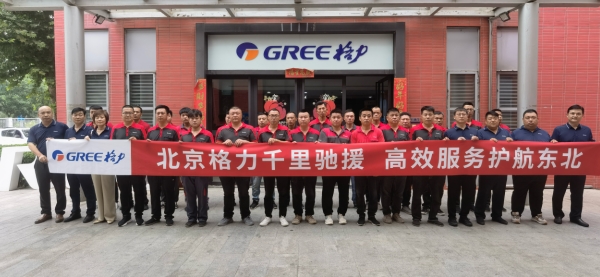
东北迎战高温,格力极速响应破解“安装大考”
Jing Ji Wang· 2025-07-21 07:01
Core Insights - An extreme heatwave has led to unprecedented demand for air conditioning in Northeast China, with Gree Electric Appliances achieving significant sales and installation milestones [1][5][6] Group 1: Market Demand and Sales Performance - Since June, the air conditioning market in Northeast China has experienced a surge in demand, with Gree's installation numbers approaching 100,000 units in just half a month [1] - Gree's sales on JD.com in the Northeast region saw a year-on-year increase of over 700%, with Heilongjiang, Jilin, and Liaoning provinces ranking among the top ten in national sales [1] - Gree's flagship product series "Wind Does Not Blow People" saw a 240% year-on-year increase in sales during the JD 618 shopping festival, indicating strong market momentum [5][6] Group 2: Supply Chain and Service Response - Gree demonstrated strong supply chain management by quickly reallocating production to meet the heightened demand in the Northeast, ensuring stable supply through efficient logistics [3][6] - To address installation challenges, Gree expanded its local service teams by collaborating with partners like Suning, adding 200 installation personnel, and mobilizing over 500 experienced engineers from other regions [3] - Gree's "delivery and installation integrated" service model has been crucial in ensuring timely installation and customer satisfaction during this peak demand period [5] Group 3: Consumer Preferences and Market Trends - The heatwave has reshaped consumer purchasing behavior in Northeast China, with over 90% of Gree's customers opting for new energy-efficient products, primarily priced between 2,000 to 3,000 yuan after subsidies [5] - Consumers are increasingly prioritizing cooling capacity and health features, such as fresh air and sterilization functions, reflecting a shift towards higher quality and more versatile air conditioning solutions [5]

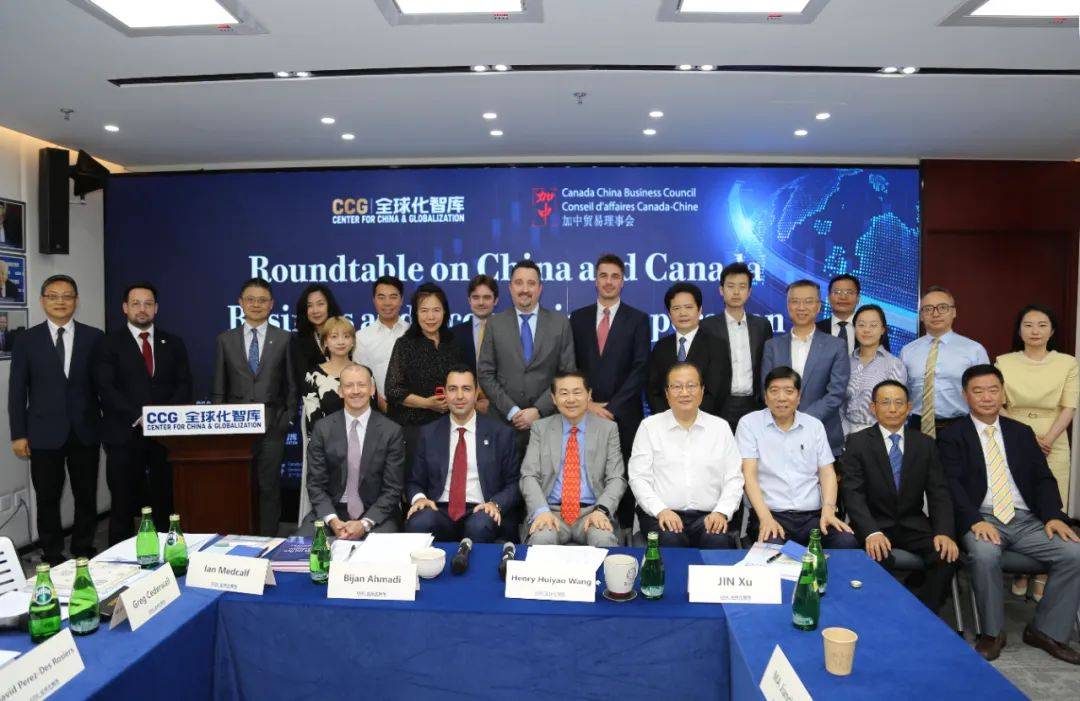
在国际贸易战背景下,CCG举办中加经贸合作研讨会
Sou Hu Cai Jing· 2025-07-21 06:01
Group 1 - The roundtable discussion titled "China-Canada Economic and Trade Development Cooperation" was held in Beijing, focusing on the challenges and opportunities in bilateral economic relations [3] - Keynote speakers included Wang Huiyao, Chairman of CCG, and Bijan Ahmadi, COO of CCBC, who emphasized the importance of dialogue and cooperation between China and Canada [4][5] - The meeting highlighted the resilience and strong economic complementarity of China-Canada relations, with significant cooperation potential in clean energy, agriculture, advanced manufacturing, and healthcare [5] Group 2 - The discussion underscored the current critical moment for China-Canada relations, acknowledging both challenges and opportunities, and the need for high-level communication to create a stable business environment [7] - Participants, including experts and business representatives, recognized the solid foundation of China-Canada economic ties and the broad cooperation space despite uncertainties in the international trade environment [13] - The meeting concluded with a positive atmosphere, aiming to enhance bilateral cooperation in areas such as climate change, green transition, and supply chain resilience [26]
链博会为全球贸易合作注入信心
Ke Ji Ri Bao· 2025-07-21 02:41
英伟达、施耐德等大批知名跨国公司首次亮相。苹果公司携3家中国供应商联合参展,展台前的一行字 格外醒目:"Apple全球的200家主要供应商有超过80%在中国。"中国美国商会、美国大豆出口协会、美 国谷物协会等机构表示,美国企业愿持续投资中国,参与中国经济增长和创新,与中国市场和发展共同 进步。 第三届中国国际供应链促进博览会(以下简称"链博会")再次成为全球经济关注焦点。750家参展商中, 超过65%是财富500强企业或行业龙头。在关税战阴云笼罩下,美国参展企业数量较上届增长15%,继 续位列境外参展商数量之首。种种数据,显现出全球企业对于中国供应链的信心与期待。 这种战略选择背后,是中国供应链难以替代的集聚效应。英伟达创始人黄仁勋在链博会期间发表的观 点,也代表着业界普遍看法:"中国供应链复杂又先进,串联起众多供应商、技术和能力,其基础设施 与生态系统的技术水平领先全球。"正如黄仁勋所洞察的,在全球供应链体系中,中国发挥了关键枢纽 和引领作用。中国也正以"链主"企业为核心,构建起具有全球竞争力的供应链网络。这张供应链网络不 仅全面、高效,还在发展新质生产力的过程中不断为全球供应链优化升级注入新动能。 百年变 ...

更智能、更韧性!全球携手加强产业链合作
Hua Xia Shi Bao· 2025-07-19 16:42
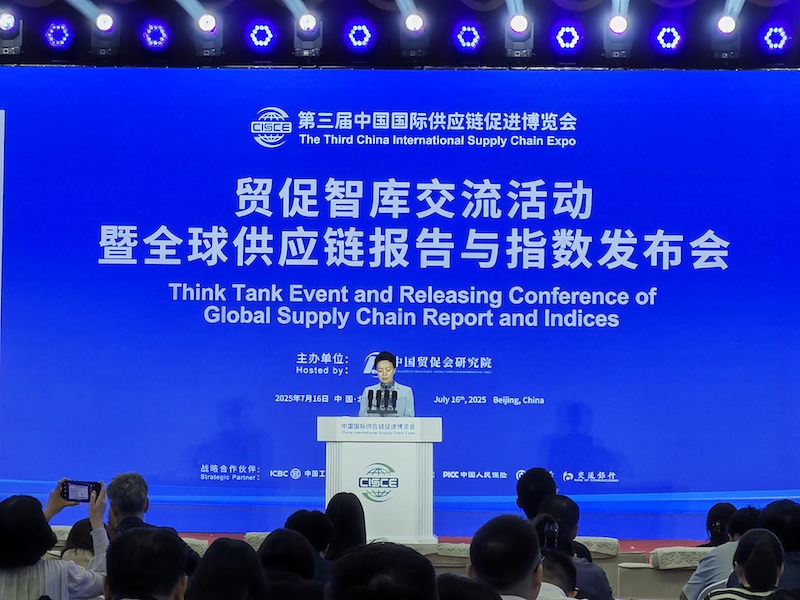
Core Viewpoint - The global supply chain is evolving towards greater efficiency, resilience, and international cooperation despite facing significant challenges from the pandemic, geopolitical changes, and rapid technological advancements [1][2]. Group 1: Global Supply Chain Trends - The "Global Supply Chain Promotion Report" indicates a focus on inclusive development of global supply chains, with developing countries accelerating their integration into these networks [1][2]. - Key indicators such as the promotion index, connection index, and innovation index are at historical highs for 2024, driven by innovation investments and activities across the supply chain [2][3]. - The resilience index has seen a decline over the past two years, although it has slightly increased in 2024, it remains below 2021 levels, indicating ongoing challenges in supply chain resilience [2][3]. Group 2: Supply Chain Resilience - The average annual compound growth rates from 2018 to 2024 for the promotion index, connection index, and innovation index are 18.1%, 7.7%, and 13.7% respectively, while the resilience index lags at 3.4% [3]. - The resilience index's fluctuations suggest that the quality of global supply chains is unstable and vulnerable to various adverse factors [3]. - Experts emphasize the need for collaborative efforts to enhance the development environment, connectivity, and innovation capabilities of global supply chains to improve resilience [3]. Group 3: Global Cooperation Efforts - Global discussions are ongoing to enhance supply chain resilience, with a focus on understanding and building resilience in response to disruptions caused by various crises [5]. - The importance of embedding resilience into upstream systems and policies rather than retrofitting it post-crisis is highlighted, suggesting a proactive approach to trade strategies and infrastructure [5]. - Asia is emerging as a vital supply chain ecosystem, with China and ASEAN playing complementary roles, reflecting a new regional framework that balances complexity and connectivity [6]. Group 4: Trade Relationships - In 2024, trade between China and the EU is projected to reach nearly €725 billion, with China becoming the EU's largest trading partner, indicating deep interdependence [6]. - The focus on advanced manufacturing, agricultural products, life sciences, and energy underscores the desire for deeper integration between Europe and China [6]. - The globalization of supply chains is seen as an opportunity to share experiences and plans, fostering collaboration in digital transformation, green logistics, and innovation [6].
全球创新聚力,链博会共绘供应链韧性新蓝图
Jing Ji Guan Cha Bao· 2025-07-19 14:07
Group 1: Event Overview - The third China International Supply Chain Promotion Expo was held in Beijing from July 16 to 20, attracting 651 enterprises from 75 countries and regions [1] - The expo focused on smart manufacturing, green transformation, and multinational collaboration, aiming to inject new momentum into the stability and development of global supply chains [1] Group 2: Company Highlights - Honeywell showcased over 95% of its physical exhibits developed by its local team in China, launching smart ship solutions and efficient operation modules for smart building management [1] - HP emphasized its deep integration into the Chinese industrial chain, showcasing AI-driven manufacturing solutions and a full lifecycle support model for various industries [2] - Maersk introduced integrated solutions for sea, air, and land transport, achieving over 90% on-time delivery rates in its shipping operations [3] - Corning presented its material science innovations and commitment to long-term investment in China, highlighting its contributions to the supply chain [4] - Panasonic displayed innovative solutions for urban living, emphasizing its commitment to supply chain innovation and collaboration [5] - Golden Agri-Resources launched a global electronic catalog and showcased sustainable packaging solutions, reinforcing its role in the green supply chain [6] - Siemens presented a comprehensive solution for enterprises going global, leveraging its extensive ecosystem and digital technologies [7] - Rio Tinto and China Baowu Steel Group focused on green supply chains and global industry cooperation, showcasing key materials for energy transition [8]


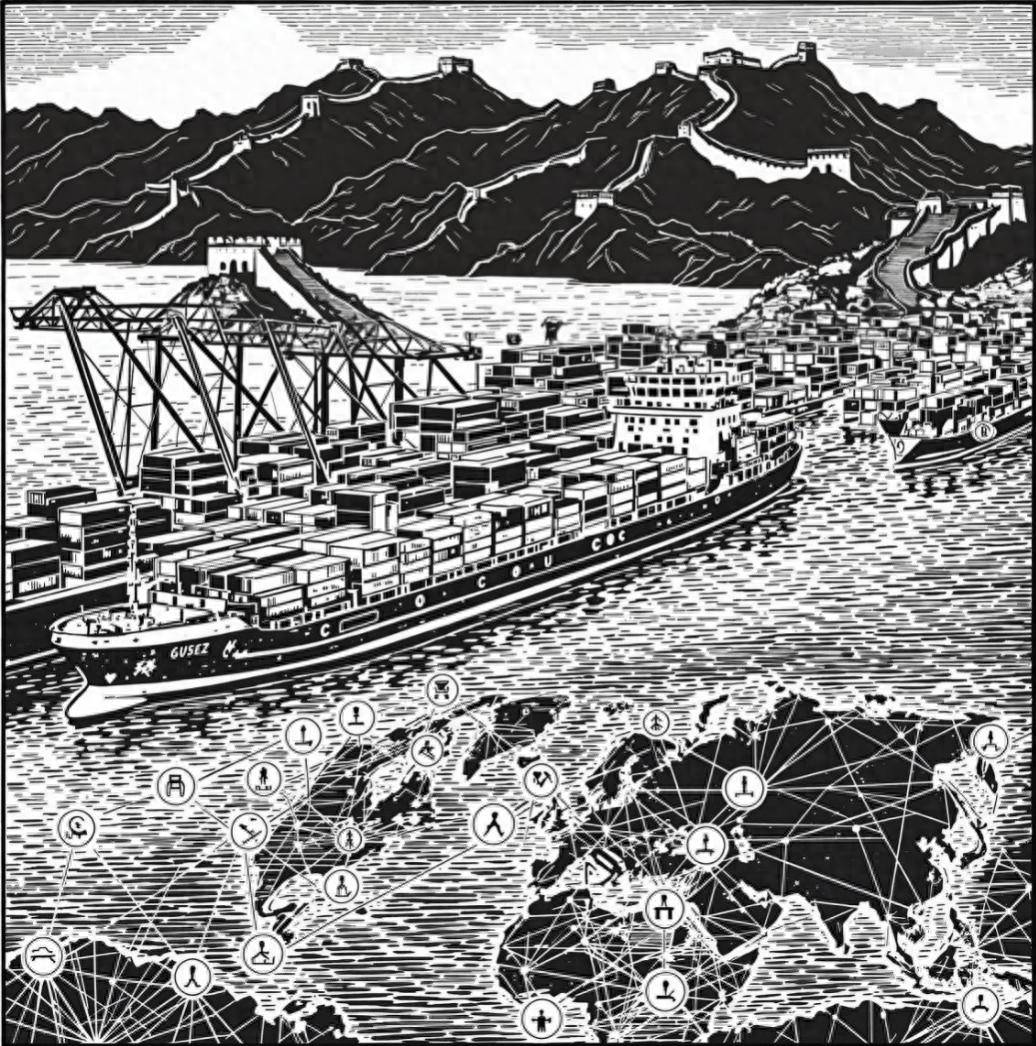
【环球热评局——链博系列之七】供应链服务:全球产业链的守护长城与韧性密码
Sou Hu Cai Jing· 2025-07-19 05:21
Group 1 - The blockage of the Suez Canal by the "Ever Given" ship highlighted the vulnerability of global supply chains, causing an estimated loss of $6 to $10 billion per week due to the disruption of 422 vessels carrying goods worldwide [1][3] - Supply chain services are essential for integrating logistics, finance, legal, and customs operations, utilizing data and algorithms to create a protective barrier for global trade [3][4] - Financial service coverage significantly enhances supply chain resilience, with a 10% increase in coverage correlating to a 30% rise in resilience index [4] Group 2 - The 2024 forecast indicates that China's export credit insurance will exceed $1 trillion for the first time, with record high export penetration rates and customer service numbers [4] - Innovative financial solutions, such as Standard Chartered's "SC Global Chain," are being introduced to support companies entering international markets [4] - The true competitive advantage for globally positioned companies lies in their ability to utilize data-driven warning systems rather than traditional physical assets [5]


【环时深度】四条供应链解锁中国市场“韧性密码”
Huan Qiu Wang· 2025-07-18 22:50
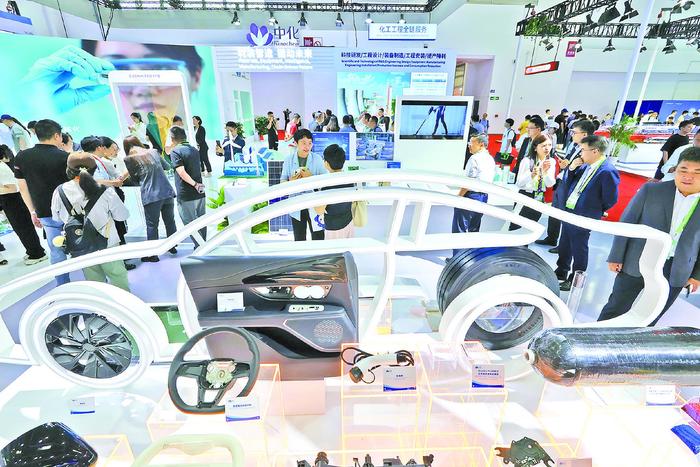
Core Viewpoint - The third China International Supply Chain Promotion Expo, themed "Linking the World, Creating the Future," showcases the depth and breadth of global industrial chains, with participation from 75 countries and regions, highlighting both established and new exhibitors [1]. Advanced Manufacturing Chain - Airbus China collaborates with 10 Chinese partners to demonstrate the tight integration of its supply chain with Chinese suppliers, emphasizing product quality, delivery efficiency, and innovation as key factors for success [2][5]. - Hubei Hangyu Jiatai Aircraft Equipment Co., Ltd. became the first domestic seat manufacturer in Airbus's supplier directory in 2018 and achieved 100% on-time delivery, earning the title of "Airbus Quality Supplier" in 2023 [2]. - Zhejiang Xizi Aviation Industry Group has expanded its product offerings within Airbus's supply chain since joining in 2013, receiving high evaluations for its quality and delivery capabilities [3][6]. - The establishment of a flexible production capacity mechanism has been crucial for timely deliveries in the aviation industry [3]. - Airbus plans to establish a second assembly line in China, recognizing the market's significance and the need for a resilient supply chain post-pandemic [5][6]. Smart Automotive Chain - The "Smart Automotive Chain" exhibition at the expo highlights the collaboration and competition among global automotive companies, showcasing the entire production process from raw materials to finished vehicles [6][7]. - Chinese companies are leading in various segments of the automotive supply chain, with significant advancements in electric and intelligent vehicle technologies [7][9]. - The automotive industry is characterized by a long and complex supply chain, with clear divisions of labor among upstream, midstream, and downstream enterprises [7][9]. - The collaboration between domestic and international companies is essential for innovation and development in the automotive sector [9]. Digital Technology Chain - Apple continues to strengthen its partnerships with Chinese suppliers, showcasing advancements in smart manufacturing and environmental protection at the expo [10][12]. - Xinwanda, a core battery supplier for Apple, has invested heavily in R&D, exceeding 3.3 billion USD last year, and has developed a magnetic levitation conveyor line to enhance production efficiency [10][12]. - The emphasis on localizing key components has been a focus for suppliers like Jieshida, which has developed its own robotic systems to reduce costs and energy consumption [11][12]. Green Agriculture Chain - The journey of potatoes from farm to table illustrates the modernization and efficiency of China's agricultural supply chain, with McDonald's showcasing its local potato cultivation practices [13][14]. - Advanced agricultural technologies, including IoT and big data, have significantly increased potato yields and streamlined the supply chain from planting to processing [14]. - The growing demand for high-quality protein in China is driving investment in agricultural supply chains, with companies like Louis Dreyfus expanding their operations to meet consumer needs [15][17].

“链”动未来 数智赋能——从链博会看数字科技发展新趋势
Xin Hua She· 2025-07-18 10:19
Group 1: Digital Technology Trends - The third China International Supply Chain Promotion Expo showcased innovations in digital technology and supply chain development, featuring smart robots and real-time supply chain analysis systems [1] - Artificial intelligence (AI) emerged as the core theme, with various companies demonstrating AI applications to enhance supply chain resilience and efficiency [3][4] - Companies like Lenovo and HP presented solutions that integrate AI and smart manufacturing to improve decision-making and operational transparency within supply chains [3][4] Group 2: Company Participation and Collaborations - Jiechuan Intelligent Technology Co., Ltd. highlighted its electromagnetic capture technology, emphasizing the importance of the expo for fostering industry collaborations and enhancing urban safety [2] - Apple Inc. showcased its commitment to smart and green manufacturing in China, having invested $20 billion over the past five years to upgrade local supply chains [4] - Shandong Innovation Group demonstrated its recycling technologies in collaboration with Apple, reflecting a focus on sustainable practices within the supply chain [4][5] Group 3: Global Supply Chain Integration - The expo facilitated deeper cooperation among domestic and foreign enterprises, enhancing connections within the global supply chain [4][5] - Companies expressed that the expo serves as a platform for trade promotion, investment cooperation, and innovation exchange, driving the transformation and sustainable development of global supply chains [5]

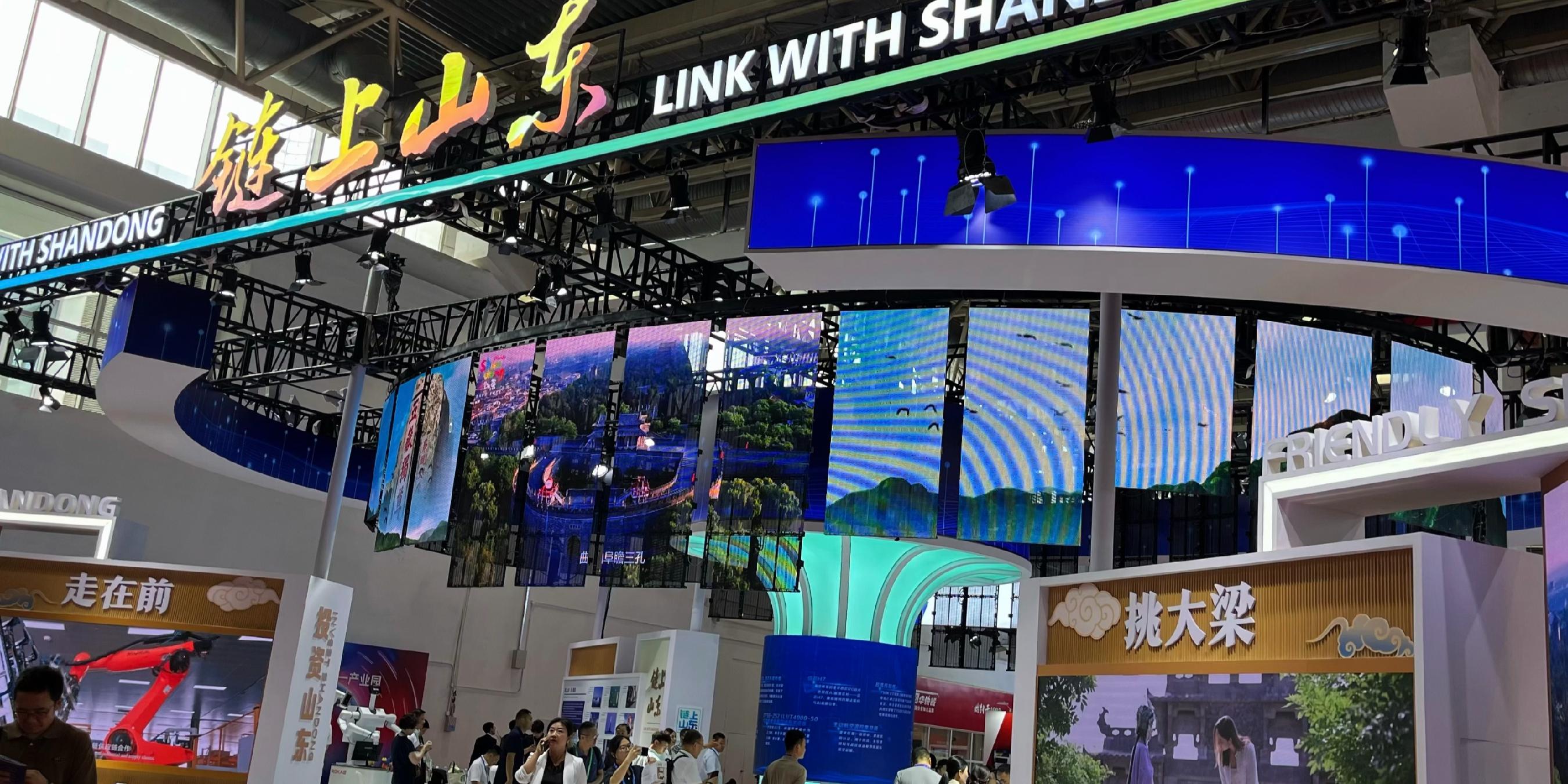
经济大省的供应链韧性|链博会观察
Jing Ji Guan Cha Wang· 2025-07-18 08:24
Core Viewpoint - The article discusses the importance of maintaining intelligent, green, and global supply chains, highlighting the recent China International Supply Chain Promotion Expo in Beijing, which showcased various innovations and collaborations among companies, particularly from Shandong province [2][12]. Group 1: Supply Chain Innovations - The expo featured 651 participating companies, with Shandong province showcasing 78 enterprises and over 1,000 exhibits, emphasizing the transition from traditional manufacturing to modern supply chains [2][12]. - Inspur Group presented four new products aimed at reducing energy consumption by 40% and enhancing operational efficiency through intelligent maintenance robots [3][4]. - The supply chain is undergoing a transformation from cost-based advantages to collaborative innovation and efficient global resource integration [4]. Group 2: Agricultural Advancements - Zhonghe Agricultural Innovation (Qingdao) introduced a fifth-generation intelligent modular mushroom cultivation chamber, achieving over 30% increase in yield and 46% energy savings compared to traditional greenhouses [6][7]. - The company aims to address the low industrialization rate of China's mushroom industry, which stands at only 7.5% compared to over 80% in Japan and South Korea [6][7]. Group 3: Port and Logistics Development - Shandong Port Group is central to a supply chain model that emphasizes collaboration and global connectivity, with a focus on green and digital transformation [9][10]. - The port has launched a "one order" iron-sea intermodal transport service, significantly reducing transit times by 50% compared to traditional methods [9][10]. - By 2024, Shandong Port is projected to handle 1.81 billion tons of cargo, solidifying its position as one of the largest port clusters globally [11]. Group 4: Shandong's Economic Position - Shandong's strategic location and robust industrial base make it a key player in China's supply chain, with a diverse industrial structure covering 41 major categories [12][13]. - The province is transitioning from a traditional industry reliance to a collaborative model that integrates emerging and future industries [13][14]. - Shandong's agricultural production value has consistently exceeded 1.2 trillion yuan, showcasing its strength in green and low-carbon agricultural development [8][12].