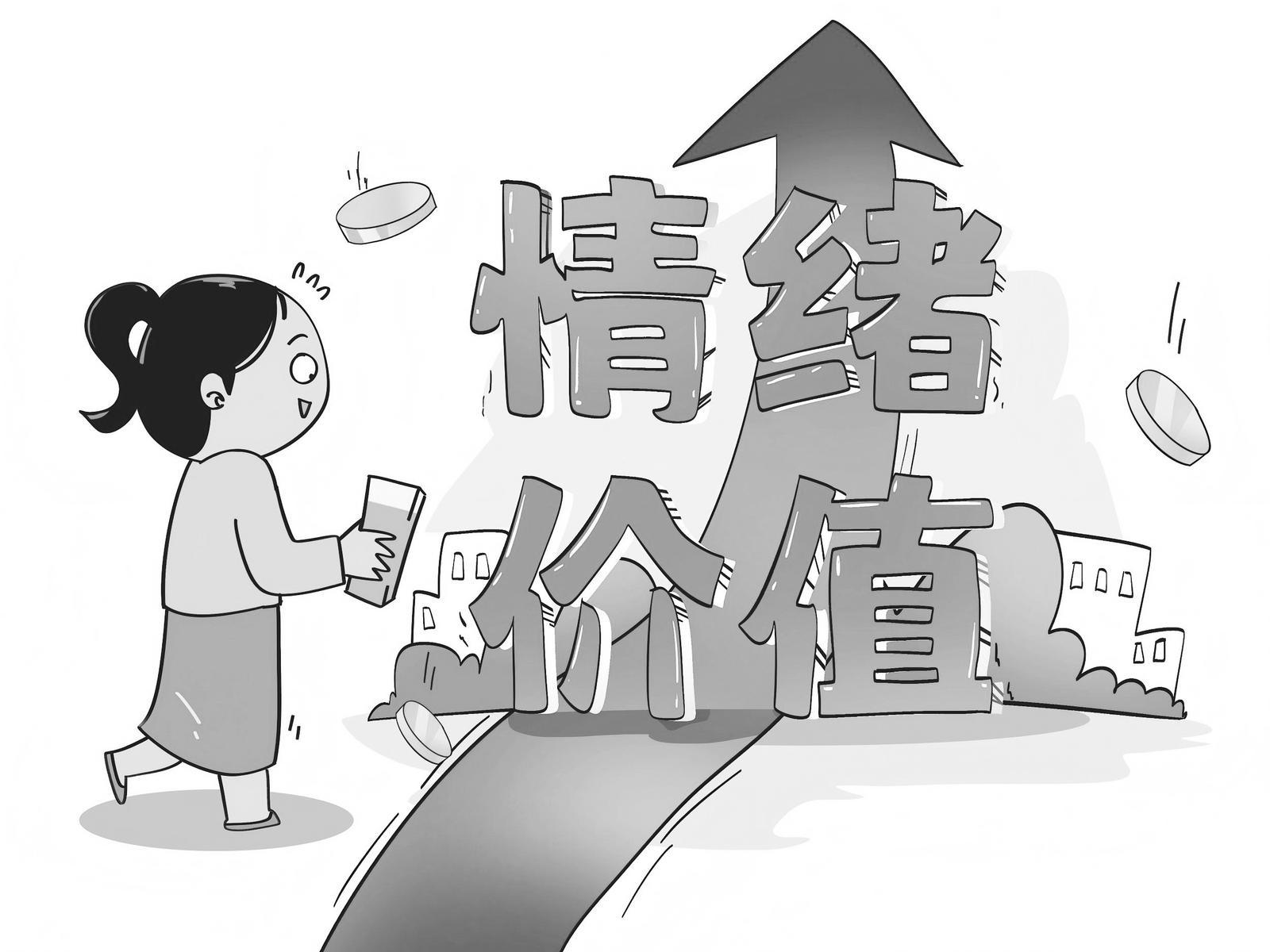
情绪消费

Search documents
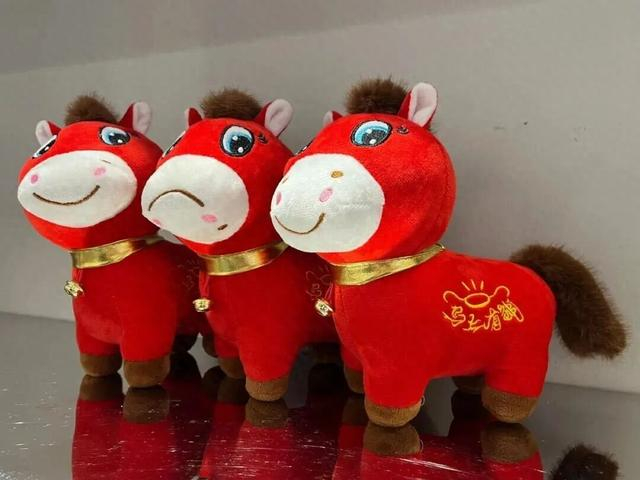
“哭哭马”为什么出现在义乌
Xin Hua Wang· 2026-01-14 03:03
Core Insights - The "Crying Horse" toy phenomenon in Yiwu highlights the ability to quickly transform a viral moment into tangible production, showcasing the agility of the local market in responding to consumer emotions and trends [5][7]. Group 1: Product and Market Dynamics - The "Crying Horse" originated from a production error where a toy's mouth was sewn incorrectly, leading to a unique and relatable design that resonated with consumers [4][5]. - The rapid rise in demand for the "Crying Horse" resulted in the owner of the production line quickly ramping up production, with orders extending to March and a commitment to maintain prices [5][6]. - The emotional appeal of the "Crying Horse" lies in its departure from traditional cheerful designs, instead offering a "human-like" quality that evokes empathy and connection among consumers [4][6]. Group 2: Yiwu's Competitive Advantage - Yiwu's strength is not merely in predicting trends but in its ability to continuously capture demand signals and convert them into successful products at a rapid pace [8][9]. - The region's manufacturing ecosystem allows for quick adjustments in production, enabling businesses to respond to emerging consumer sentiments effectively [9]. - The "Crying Horse" serves as a microcosm of a broader trend where imperfect products gain popularity, reflecting a shift in consumer preferences towards authenticity and relatability in a saturated market [6][9].

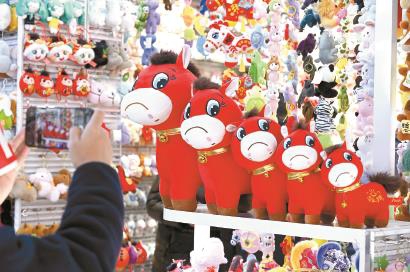
玩具新潮催生“包挂经济”
Xin Hua Wang· 2026-01-14 00:07
Core Insights - The rise of "bag-hanging economy" reflects a shift in consumer preferences towards portable, emotionally resonant products that serve as social symbols and personal expressions [3][4][5][6][7][8] Group 1: Consumer Trends - Bag-hanging products are increasingly popular among young consumers, characterized by small sizes and emotional value, fulfilling psychological needs beyond mere utility [5][6] - Consumers view bag-hanging items as "emotional companions" and social symbols, facilitating connections among individuals with similar values [7][8] - The trend is driven by a desire for personal expression and emotional connection, with products often reflecting local culture and personal experiences [8] Group 2: Industry Dynamics - Dongguan, known as the "capital of trendy toys," has become a manufacturing hub for bag-hanging products, housing over 4,000 toy manufacturers and 1,500 supporting companies [9][10] - The industry has shifted from mass production to flexible manufacturing, allowing for rapid design iterations and small-batch production to meet changing consumer demands [10][11] - The integration of smart manufacturing and digital workshops has enabled cost-effective production of small quantities, enhancing responsiveness to market trends [10] Group 3: Global Expansion - Chinese bag-hanging products are gaining international traction, with successful entries into markets in North America, Europe, and Southeast Asia, driven by unique cultural narratives and emotional resonance [12][13][14] - The rise of local brands and IP collaborations has enhanced the appeal of Chinese products abroad, showcasing a blend of traditional culture and modern design [14][15] - Future strategies include adapting products to local cultures while maintaining a connection to Chinese heritage, aiming to build emotional ties with global consumers [14][15]
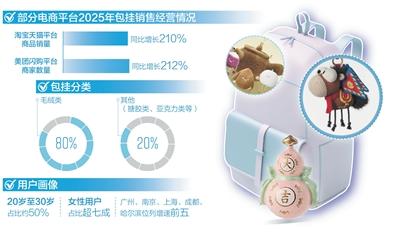
“哭哭马”背后的 “情绪消费”蓝海
Mei Ri Shang Bao· 2026-01-13 22:20
Group 1 - The "Crying Horse" toy from Yiwu has unexpectedly become a bestseller, with daily orders nearing 20,000 and production lines increased from 2 to 15 to meet demand [1][2] - The rise of "emotional consumption" is highlighted, with various products and trends reflecting consumers' willingness to pay for emotional value, such as the popularity of the "Crying Horse" and other emotional products [1][2] - The emotional economy in China is projected to reach a market size of 2.3 trillion yuan by 2024, with expectations to exceed 4.5 trillion yuan by 2029, indicating significant growth potential in this sector [3] Group 2 - The "Crying Horse" resonates with consumers, particularly in the workplace, as it reflects the pressures and emotional struggles faced by workers, thus becoming a favored item among them [2] - The shift in consumer behavior from material needs to emotional fulfillment is evident, with consumers increasingly valuing the emotional resonance and satisfaction derived from their purchases [2][3] - The emergence of the "Z Generation" as a key consumer group emphasizes the trend towards emotional spending, as they prioritize experiences and emotional value in their consumption choices [2][3]
“买心情”如何重塑假日消费
Jing Ji Ri Bao· 2026-01-13 22:12
Group 1 - The core viewpoint of the articles highlights the rising trend of emotional consumption in China's cultural and tourism market, driven by a shift from material satisfaction to emotional experiences [1][2] - The concept of "self-indulgent" consumption is gaining traction, with consumers increasingly willing to pay for emotional value, reflecting a societal need for emotional belonging and self-actualization [1][2] - The release of policy benefits and improvements in infrastructure are making "self-indulgent" consumption more accessible, as seen with the operational opening of the Xi'an to Yan'an high-speed railway, which has significantly increased tourist traffic to local attractions [1] Group 2 - The potential of emotional consumption can be further unlocked through personalized services tailored to different consumer groups, such as "healing" products for professionals and nostalgic experiences for older adults [2] - A more mature and comprehensive supply ecosystem is essential for enhancing the vitality of the emotional consumption market, as suggested by the "14th Five-Year Plan" which emphasizes the expansion of quality consumer goods and services [2] - Technological empowerment is seen as a key factor in expanding quality supply, with recommendations for strengthening smart consumption infrastructure and encouraging AI technology in health management and cultural entertainment [2]
北京商业论坛解码消费新赛道
Bei Jing Shang Bao· 2026-01-13 15:42
Core Insights - The emerging force centered around fashion consumption is significantly shaping the commercial competitiveness of cities and unlocking infinite possibilities for future development [1] - The 2025 Beijing Commercial Forum will focus on "Trendy Transformation: New Demand and New Supply," highlighting the dynamics of emerging consumption and its impact on Beijing's commercial landscape [1] Group 1: Emerging Consumption Trends - Emerging consumption is driving a transformation in Beijing's commercial landscape, moving from traditional transaction spaces to integrated environments [1] - Trends such as fashion consumption and emotional consumption are gaining traction, showcasing strong market potential and becoming key pathways for elevating Beijing's commercial quality [1][2] - The "14th Five-Year Plan" emphasizes the importance of new demand leading to new supply, creating a dynamic interaction that shapes the future commercial landscape [1] Group 2: Blue Book Insights - The annual report "2025 Beijing Commercial Development Blue Book" will present new consumption logic, scenarios, and dynamics, focusing on "Emotional Value," "Scenario Innovation," and "Cultural Cross-Border" [2] - The report highlights a shift in consumer behavior from "functional satisfaction" to "experience enhancement," with emotional value activating consumption momentum [2][3] - Unique local shops are creating distinctive Citywalk routes, becoming landmarks that integrate culture, commerce, and tourism in Beijing [2] Group 3: Forum Agenda and Collaborations - The forum will address market trends in fashion consumption, pet economy, and trendy toys, providing insights into business model iterations and user operations [3] - A strategic cooperation agreement will be signed between the "Top Ten Commercial Brand Activities" committee and Ningbo Bank Beijing Branch to explore how financial services can better meet consumer needs [3] - The forum aims to answer questions about the future direction of Beijing's commercial landscape and how fashion will reshape consumption [3]
春节消费回暖,品牌如何制胜?乐事以“产品+营销”撬动增长
Sou Hu Wang· 2026-01-13 11:53
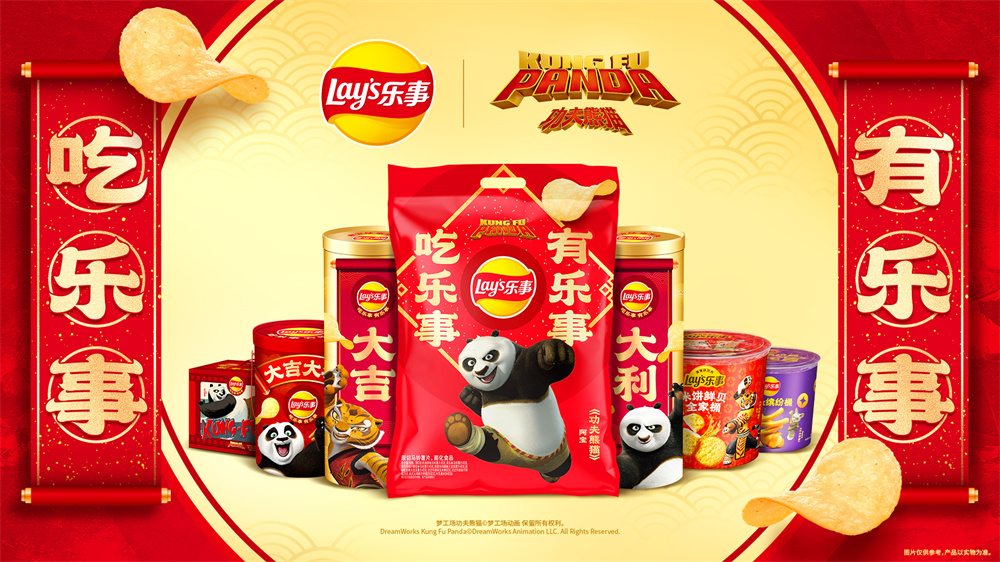
Core Insights - The upcoming 2026 Lunar New Year is expected to trigger a significant consumer spending surge, with a projected 11% increase in holiday spending intentions compared to the previous year, following an 8.7% growth in overall sales during the 2025 Spring Festival [1][2]. Group 1: Consumer Trends - The concept of "emotional consumption" is gaining prominence, with consumers increasingly valuing emotional benefits over cost-effectiveness in their purchasing decisions [2]. - Products featuring popular IP elements are attracting younger consumers and becoming viral on social media, while snack gift boxes are becoming essential for family gatherings and social visits during the holiday season [2]. - The average price of all product categories in offline retail increased by 13.8% during the 2025 Spring Festival, with snacks benefiting from both price increases and volume growth due to the "gift economy" [2]. Group 2: Product Strategy - Lays has launched over ten new Spring Festival limited edition products, including various gift boxes and snack combinations, catering to diverse consumer preferences for gifting and personal use [4]. - Some products are co-branded with the widely recognized IP "Kung Fu Panda," featuring auspicious messages, which are expected to resonate with consumers during the festive season [4]. - New single-pack flavors have been introduced, creatively combining taste with New Year blessings, enhancing their appeal as both gifts and snacks [4]. Group 3: Marketing and Brand Positioning - Lays is positioned as a "New Year happiness amplifier," engaging consumers during the festive season through a variety of new snack combinations that evoke emotional resonance [6]. - The brand has a history of integrating its products with traditional holiday customs and collaborating with celebrities to strengthen its brand identity [7]. - Recently, Lays announced new celebrity ambassadors, Shen Teng and Fan Chengcheng, to enhance its marketing efforts for the Spring Festival [9]. Group 4: Advertising Impact - The launch of the 2026 New Year TV commercial features humor and integrates the product into relatable Chinese New Year scenarios, effectively connecting with consumer sentiments [10]. - The marketing campaign has achieved significant engagement on social media, with over 16.4 million likes on related short videos and 150 million views on the associated Weibo topic [10]. - This marketing strategy not only enhances brand loyalty during peak seasons but also supports offline sales through effective consumer insights and emotional engagement [10]. Group 5: Channel Strategy - The evolving retail landscape shows increased e-commerce penetration and offline membership store coverage, prompting brands to accelerate their omnichannel strategies [11]. - Predictions indicate that omnichannel consumption will continue to recover during the 2026 Spring Festival, presenting growth opportunities for brands and their distribution partners [11]. - Lays is preparing for the terminal market by creating immersive in-store displays to attract consumers and enhance the shopping experience during the festive season [11]. Group 6: Future Outlook - As the 2026 New Year shopping season begins, Lays is poised to capitalize on the emotional high point of the holiday, leveraging limited edition products and innovative channel strategies to meet consumer expectations for a festive atmosphere [12].
到底是谁还在花钱?
虎嗅APP· 2026-01-13 10:11
Core Insights - The growth engine of China's consumer market is shifting from traditional first-tier cities to emerging cities, indicating a significant change in consumption patterns [4][17]. - Emerging cities like Changsha and Guiyang are leading new consumption trends, characterized by a willingness to spend and a focus on emotional value in purchases [9][19]. Group 1: Emerging Consumption Trends - Changsha has become a leader in new consumption trends, with unique entertainment options like comedy clubs and tea houses attracting consumers [11][12]. - Guiyang ranks second nationally in the willingness to spend on self-pleasure, with a thriving coffee culture despite not being a coffee-producing region [13]. - The 2025 Box District Consumption Power Report highlights surprising consumption behaviors in cities like Yibin and Bengbu, showcasing a desire for quality and novelty in food [14][15]. Group 2: Emotional and Health-Oriented Consumption - Emotional value is becoming a key driver of consumer behavior, with reports indicating that emotional experiences are now central to purchasing decisions [19][20]. - The emotional consumption market is projected to grow significantly, reaching 2.72 trillion yuan in 2025, reflecting a shift towards seeking self-value and emotional fulfillment [20]. - Health-conscious consumption is also on the rise, with 71% of consumers actively researching product ingredients before purchase, indicating a proactive approach to dietary health [23][25]. Group 3: Market Dynamics and Opportunities - The retail landscape is evolving, with brands adapting to the changing preferences of consumers in emerging cities, which are becoming the core growth engines for fast-moving consumer goods [36][38]. - Companies like Hema are expanding into emerging cities, focusing on high-end products to meet the growing demand for quality among local consumers [38][42]. - The success of innovative retail models and supply chain strategies is crucial for companies aiming to tap into the vast consumer base in these regions, highlighting the importance of addressing real consumer needs [43].

渤海证券研究所晨会纪要(2026.01.13)-20260113
BOHAI SECURITIES· 2026-01-13 04:05
Group 1: Fund Research - The equity market saw all major indices rise, with the highest increase being 9.80% for the Sci-Tech 50 index during the week of January 5 to January 9, 2026 [2] - The average return for equity funds was 4.66%, with a positive return ratio of 98.63%, while fixed income plus funds averaged a 0.90% increase with a positive return ratio of 93.57% [3] - The ETF market experienced a net outflow of 57.215 billion yuan, with bond ETFs seeing the largest outflow of 66.431 billion yuan [3] Group 2: Industry Research - The U.S. Supreme Court has not yet announced a ruling on the Trump tariff case, which is being closely monitored, while the U.S. has postponed the tariff increase on certain imported furniture products [5] - The light industry manufacturing sector outperformed the CSI 300 index by 0.19 percentage points, while the textile and apparel sector underperformed by 0.13 percentage points during the same period [6] - China's emotional consumption market is projected to grow from 1.63 trillion yuan in 2022 to over 4.5 trillion yuan by 2029, indicating strong growth potential in sectors like trendy toys, pet consumption, and domestic fashion [7]
“哭哭马”凭啥“马倒成功”
Xin Lang Cai Jing· 2026-01-13 01:29
Core Insights - The "crying horse" toy, initially a production error, has unexpectedly become a viral sensation, transforming from a "defective" item to a sought-after product due to its relatable expression of emotion [1][2][4] Group 1: Product Transformation - The "crying horse" gained popularity after a production mistake led to a sad expression, resonating with consumers who found it relatable to their daily struggles [1][2] - The factory quickly adapted to the rising demand by expanding production lines from two to over ten, indicating a strong market response to the emotional appeal of the product [4][10] Group 2: Market Demand and Consumer Behavior - Consumers have embraced the "flawed" toy, creating various nicknames and using it as a symbol of emotional expression, which highlights a shift in consumer preferences towards products that reflect deeper emotional connections [2][7] - The phenomenon illustrates a broader trend where traditional products fail to meet diverse emotional needs, and the "crying horse" fills this gap by offering a relatable and unique emotional representation [7][12] Group 3: Business Strategy and Adaptation - The success of the "crying horse" has prompted the manufacturer to consider expanding its product line to include a series of similar emotional toys, indicating a strategic pivot towards emotional branding [4][10] - The case exemplifies how businesses can capitalize on unexpected opportunities by quickly recognizing and responding to market signals, showcasing the agility of the Zhejiang economy [10][12] Group 4: Emotional Consumption Trends - The rise of the "crying horse" reflects a shift in consumer values, where emotional connection is becoming as important as practical utility in product selection [7][12] - This trend suggests that businesses must focus on understanding and addressing the emotional needs of consumers to remain competitive in the evolving market landscape [12][13]
情绪消费渐成趋势
Xin Lang Cai Jing· 2026-01-12 23:09
Group 1 - The core viewpoint of the article highlights the emerging trend of emotional consumption in the 2025 market, where products and experiences that provide joy and satisfaction are gaining popularity [2] - The article mentions specific examples such as the LABUBU toys and the collaboration with "Zootopia 2," indicating a strong market response to these emotionally engaging products [2] - Emotional consumption is seen as a significant driver of domestic demand, showcasing the robust potential of the domestic market [2]