
硬科技

Search documents
国资创投考核“松绑” 单项目可100%亏损
Jing Ji Guan Cha Wang· 2025-06-28 00:46
Core Viewpoint - The adjustment of government policies has transformed the investment atmosphere in state-owned venture capital, shifting from a cautious approach to a more proactive investment strategy, particularly in high-risk early-stage technology projects [2][4][14]. Policy Changes - Multiple regions, including Hubei and Sichuan, have introduced mechanisms allowing for 100% loss tolerance on individual investment projects, aimed at encouraging innovation and supporting early-stage investments [3][6][14]. - The Hubei government has established a seed fund to provide stronger financial support for startups, emphasizing a collaborative mechanism between government-guided funds and state-owned funds [5][6]. Investment Environment - The loosening of assessment criteria for state-owned capital has effectively addressed the "fear of loss" among investment managers, thereby activating the early-stage investment market [4][12]. - The introduction of "due diligence compliance responsibility exemptions" has alleviated concerns among investment personnel, promoting a more risk-tolerant investment culture [4][12]. Strategic Focus - The policies are designed to guide capital towards hard technology sectors, enhancing technological innovation and industrial upgrading, which are crucial for national competitiveness [4][7][14]. - The government aims to create a virtuous cycle of investment that allows for initial losses in exchange for long-term strategic gains, particularly in emerging industries and cutting-edge technologies [5][14]. Market Impact - The new policies signal a government commitment to fostering innovation and tolerance for failure, which is expected to boost market confidence and attract more private capital into early-stage investments [15]. - The changes are anticipated to stimulate investment activity, encouraging state-owned venture capital firms to explore new technologies and business models, thereby enhancing the overall investment environment [15].


重启亏损科技企业上市意义重大
Zheng Quan Shi Bao· 2025-06-27 18:00
Core Viewpoint - The China Securities Regulatory Commission (CSRC) has announced the resumption of the listing of loss-making technology companies, which is a significant move aimed at supporting the development of the capital market and high-tech industries [1][2]. Group 1: Market Context - Historically, the Chinese securities market required companies to be profitable for three consecutive years before listing, a rule that was in place until 2019 when the Sci-Tech Innovation Board (STAR Market) was established [1]. - The STAR Market allows unprofitable companies to list under certain conditions, leading to 54 loss-making companies successfully going public, with 22 of them achieving profitability afterward [1][2]. Group 2: Regulatory Adjustments - The resumption of listings for loss-making companies comes after a period of regulatory tightening due to market volatility and investor concerns over high IPO rates, particularly for unprofitable firms [2][3]. - New policies will include specific industries such as artificial intelligence, commercial aerospace, and low-altitude economy as eligible for listing under the unprofitable criteria, expanding the selection of "hard tech" companies [3]. Group 3: Support and Oversight - The introduction of a "growth layer" for the STAR Market will include loss-making companies, with tailored policies to enhance support and regulation, ensuring investor protection [3][4]. - Companies will now be encouraged to conduct financing through share issuance to existing shareholders during the IPO review process, which serves as a confidence indicator for potential investors [3]. Group 4: Future Outlook - The policy aims to allow loss-making companies that meet basic public company criteria and show potential for future profitability to list, aligning with national strategic goals and providing necessary funding support [4].

国产芯片迎来资本“及时雨”
Sou Hu Cai Jing· 2025-06-27 11:05
2025年6月18日,中国证券监督管理委员会(下称"证监会")主席吴清在陆家嘴论坛上宣布了进一步深 化科创板改革的"1+6"政策措施,"1"即是在科创板设置科创成长层,并且重启未盈利企业适用科创板第 五套标准上市。 近期,DeepSeek等大模型爆火催生海量算力需求,叠加英伟达等国际巨头高端芯片出口受 限,国内数据中心加速卡市场中,国产算力占比已达34.6%,国产芯片迎来替代窗口期。但 芯片产业毕竟是长周期、重投入,需求火热的同时,国产芯片企业仍面临产能瓶颈和大额亏 损,生存问题尚未解决。 在这个当口,证监会推出科创板"1+6"新政恰如"及时雨":设立"科创成长层"并重启未盈利 企业第五套上市标准,将AI芯片、商业航天等纳入支持范围,同步试点资深机构投资者制 度与IPO预先审阅机制。 这种制度创新正推动科创板向"中国版纳斯达克"加速迈进,不仅为企业搭建从技术研发到产 业化的"资本桥梁",解决生死存亡的燃眉之急,更通过市场筛选机制引导资源向核心技术领 域集聚,最终形成"政策赋能资本—资本反哺技术—技术驱动产业"的可持续发展闭环。 新政"拆墙":给未盈利芯片公司"递梯子" 吴清在2025陆家嘴论坛开幕式上发表主旨 ...

小米YU7一小时大定突破28.9万台,聚焦硬科技与新消费共振,恒生科技指数ETF(513180)、港股消费ETF(513230)持续攀升
Mei Ri Jing Ji Xin Wen· 2025-06-27 03:07
Group 1 - The Hang Seng Index opened up by 0.52%, and the Hang Seng Tech Index rose by 0.35%, with Xiaomi Group's stock surging by 8%, surpassing HKD 60 [1] - Xiaomi held a comprehensive ecosystem launch event on June 26, where CEO Lei Jun announced the launch of the Xiaomi AI glasses starting at RMB 1999 and the new car Xiaomi YU7 starting at RMB 253,500 [1] - The Xiaomi YU7 received over 289,000 pre-orders within one hour, indicating strong market demand [1] Group 2 - Citigroup reported that orders for the Xiaomi YU7 have exceeded most buyers' expectations and may surpass the expectations of southbound capital, which is positive for the stock price [1] - The orders for the YU7 support Citigroup's target of 400,000 electric vehicle deliveries for Xiaomi this year, and further expansion plans in electric vehicle production may boost investor confidence [1] - The next potential catalyst for Xiaomi's stock could be the earnings guidance for Q2 or Q3 of 2025 [1] Group 3 - The Hong Kong consumer sector is represented by the Hong Kong Consumer ETF (513230), which includes e-commerce and new consumption, covering a relatively scarce new consumption track compared to A-shares, with a "Xiaomi content" of 13.75% [1] - The Hong Kong Tech sector is represented by the Hang Seng Tech Index ETF (513180), which includes core AI assets in China and relatively scarce tech leaders compared to A-shares, with a "Xiaomi content" of 8.34% [1]
提升制度包容性 拥抱硬科技
Jing Ji Ri Bao· 2025-06-26 22:07
Core Points - The China Securities Regulatory Commission (CSRC) emphasizes the rapid growth of the Sci-Tech Innovation Board (STAR Market) and its role in supporting technological innovation, with the introduction of the "1+6" policy measures aimed at further reform [1][2] - The establishment of a Sci-Tech Growth Layer on the STAR Market is designed to better serve high-quality tech companies that are currently unprofitable but have significant technological breakthroughs and commercial potential [2][3] - The reforms aim to enhance the inclusivity and adaptability of the capital market for hard-tech enterprises, particularly in emerging fields such as artificial intelligence, commercial aerospace, and low-altitude economy [4][5] Group 1: Policy Measures - The "1" in the "1+6" policy measures refers to the creation of the Sci-Tech Growth Layer, which will include all existing and newly registered unprofitable tech companies [2][3] - The "6" includes six specific reform measures, such as introducing a pre-IPO review mechanism for quality tech companies and expanding the application scope of the fifth listing standard to more frontier technology sectors [4][5] - The reforms are expected to attract various innovative resources to key technology areas, thereby accelerating China's transition from a major tech power to a strong tech power [4][5] Group 2: Market Impact - The STAR Market has consistently supported the development of strategic emerging industries, with a significant portion of companies in new-generation information technology, biomedicine, and high-end equipment manufacturing [5][6] - In 2024, the total R&D investment of STAR Market companies reached 168.1 billion yuan, which is more than 2.5 times their net profit, indicating a strong focus on innovation [5][6] - The introduction of the Sci-Tech Growth Layer is seen as a breakthrough in differentiated management, guiding resources towards core technology and high-growth enterprises [3][4] Group 3: Investor Protection - The reforms include measures to enhance risk disclosure and investor protection, particularly for small and medium investors, who are crucial participants in the capital market [7][8] - Specific arrangements include a special identifier for stocks of companies in the Sci-Tech Growth Layer and requirements for regular disclosure of reasons for unprofitability [7][8] - The CSRC aims to maintain strict entry standards for listings to ensure the quality of companies on the STAR Market, focusing on supporting high-quality tech firms rather than merely increasing the number of listings [8]
给“硬科技”更多准入机会
Jing Ji Ri Bao· 2025-06-25 21:58
Core Viewpoint - The introduction of the "1+6" policy measures by the China Securities Regulatory Commission aims to break the barriers for high-quality, unprofitable technology companies to access the capital market, reflecting a shift from focusing solely on profitability to recognizing potential growth [1][2]. Group 1: Policy Changes - The new measures include the establishment of a growth tier for the Sci-Tech Innovation Board and the reintroduction of the fifth listing standard for unprofitable companies [1]. - The third listing standard will also be officially implemented on the Growth Enterprise Market to support high-quality, unprofitable innovative companies [1]. Group 2: Market Evolution - The shift from "looking at profits" to "looking at potential" is a significant innovation in capital market system construction, aligning with the evolving industrial landscape and the need for diverse listing standards [2]. - Emerging industries such as artificial intelligence, commercial aerospace, and low-altitude economy are rapidly developing, necessitating patient capital support for technology companies that require long investment cycles [2]. Group 3: Implications for Companies - Breaking down the barriers for unprofitable companies to list is crucial for technology firms to leverage capital market resources, accelerate the transformation of technological achievements, and convert "technological fantasies" into real productivity [3]. - The growth of companies in fields like artificial intelligence and quantum communication will drive the upgrade of industries towards higher-end, intelligent, and green development [3]. Group 4: Investor Protection Measures - To mitigate risks associated with unprofitable technology companies, regulatory measures include the introduction of experienced institutional investors to help assess company value and the implementation of special identifiers for newly registered unprofitable tech companies [3]. - These measures aim to ensure that investors are aware of the risks associated with investing in early-stage companies and to promote rational decision-making [3]. Group 5: Early Results - Since the implementation of the fifth listing standard, over 20 unprofitable companies on the Sci-Tech Innovation Board have achieved profitability and successfully removed their special identifiers [4]. - The focus is on maintaining quality control while balancing market vitality and risk management, fostering a healthy ecosystem for startups, growth companies, and mature enterprises [4].
荔枝林“长”出的科技城,何以吸引科创企业荟聚?
Zhong Guo Xin Wen Wang· 2025-06-25 12:02
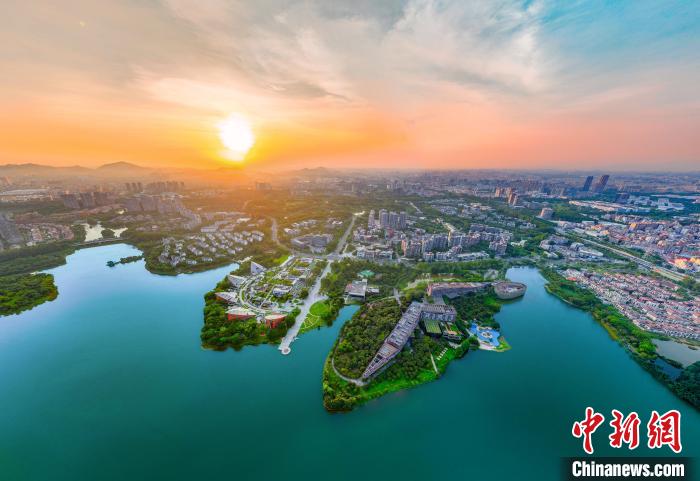
(活力中国调研行)荔枝林"长"出的科技城,何以吸引科创企业荟聚? 中新网东莞6月25日电题:荔枝林"长"出的科技城,何以吸引科创企业荟聚? 记者 臧赫 程景伟 "当时刚来差点以为被骗了,周围山上都是荔枝树,不开车都走不到能吃饭的地方,现如今的面貌完全 不一样了。"企业代表"逸动科技"创始人潘宗良在座谈上分享刚来东莞市松山湖科学城时的景象。虽是 一句玩笑,但也揭开了科创企业与松山湖科学城相互成就的故事。这是记者近日跟随"活力中国调研 行"采访团走进广东东莞松山湖区探访XbotPark机器人基地时了解到的。 "科技共山水一色"。松山湖畔,市场主体超过17000户,其中有7家国家级制造业单项冠军企业、770家 国家高新技术企业。这里为何能吸引科创企业荟聚? 松山湖鸟瞰图。东莞市委宣传部供图 "这么多年,政府的支持一直都在" 东西,只有你想不到的东西,想做什么都能在半小时之内找到供应商帮你实现。" 另外也得益于"有形之手"的推动。潘宗良坦言,公司的成长与松山湖区乃至东莞市的发展有着密切的关 联,可谓是伴随着后者的发展而成长。 "记得当时的松山湖管委会做出了一个大胆的决策——为我们提供了一个小小的测试码头,在湖里开展 ...
7家上市公司齐秀硬实力 北上协《股东来了》系列活动成功举办
Zheng Quan Ri Bao· 2025-06-25 11:42
Group 1: Investor Protection and Engagement - The Beijing Listed Companies Association (北上协) is actively promoting investor protection to enhance communication and cooperation between listed companies and investors, which is essential for the healthy development of the capital market [1][2] - The "Shareholders Come" series of activities, held from April 10 to June 24, involved over 400 industry analysts and institutional investors visiting seven listed companies, primarily focusing on private enterprises [1][2] Group 2: Company Highlights and Innovations - Beijing Yubang Electric Technology Co., Ltd. (煜邦电力) showcased its strong growth, achieving a revenue of 940 million yuan with a year-on-year increase of 67.35% and a net profit of 111 million yuan, reflecting a significant growth of 195.77% [3] - Innovent Biologics, Inc. (诺诚健华) is set to launch innovative treatments in the blood cancer field, with its new drug, Tanshizhuo Monoclonal Antibody, expected to be approved in May 2025 [3][4] - Sanwei Xinan Technology Co., Ltd. (三未信安) demonstrated its advancements in cryptography, showcasing a self-developed XS100 cryptographic chip and a series of quantum-resistant products [4] Group 3: Strategic Alignment and Future Prospects - Companies are aligning their strategies with national development goals, such as Beijing Zhongke Jincai Technology Co., Ltd. (中科金财), which is focusing on AI technology applications and data value extraction [6] - Beijing Jiexun Feihong Electric Co., Ltd. (佳讯飞鸿) is innovating in the ICT field, particularly in smart transportation and defense information systems [7] - Tianzhihang Medical Technology Co., Ltd. (天智航) introduced its orthopedic surgical robot, which is the first of its kind to cover major orthopedic procedures, showcasing its advanced capabilities [8] Group 4: Market Environment and Future Directions - The "14th Five-Year Plan" emphasizes the importance of investor protection, particularly for small and medium investors, as part of broader capital market reforms [9] - The North Association aims to enhance transparency and communication between listed companies and investors, fostering a more stable investment environment [10] - The initiative seeks to help investors understand the core competitiveness and industry prospects of companies, encouraging a long-term investment perspective [10]
“硬科技”高薪与高门槛并存,大佬支招如何选专业
Di Yi Cai Jing· 2025-06-25 11:25
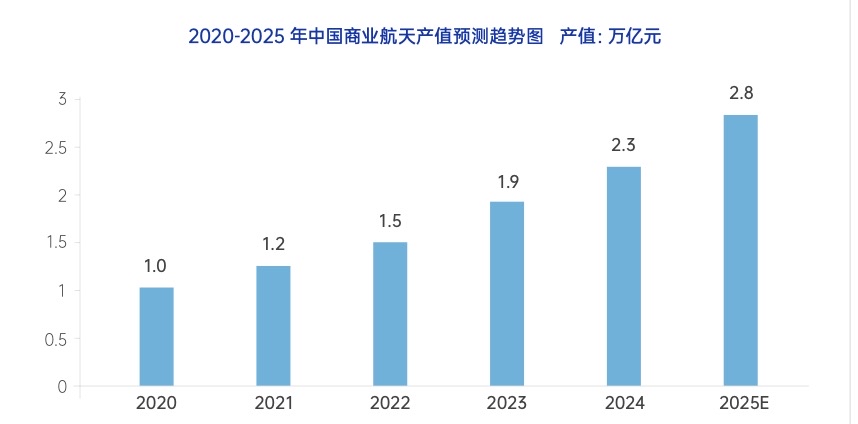
Group 1 - The "hard technology" industries, represented by low-altitude economy, commercial aerospace, and embodied intelligence, are rapidly emerging, attracting significant attention from students and parents regarding relevant majors and job opportunities [1][2] - The demand for high-level talent in these new industries is significantly increasing, with job recruitment growth rates in fields such as low-altitude economy, embodied intelligence, and smart manufacturing exceeding 30% year-on-year for positions like drone engineers and algorithm engineers [1][2] Group 2 - The low-altitude economy can be divided into upstream, midstream, and downstream sectors, each requiring different skill sets and educational backgrounds, with a focus on both technical and business-oriented talent [2][3] - The Ministry of Education has introduced new undergraduate programs, including Low Altitude Technology and Engineering, to meet the growing demand for skilled professionals in these emerging fields [2] Group 3 - In the commercial aerospace sector, companies have stringent hiring standards, often requiring master's degrees and favoring graduates from specific institutions known for their strength in aerospace and military engineering [3][4] - The commercial aerospace industry is projected to see over 110,000 new companies by 2024, with satellite design and manufacturing engineers earning an average annual salary of 287,000 yuan, and chief engineers in liquid rocket engines earning a median salary of 820,000 yuan [4][7] Group 4 - Different roles within the aerospace sector have varying preferences for educational backgrounds, with specific majors being favored for roles in rocket design, satellite navigation, and manufacturing processes [7][8] - Practical experience and comprehensive skills are emphasized as critical for success in the hard technology fields, with recommendations for students to engage in hands-on projects during their studies [7][8]
21专访|中科创星米磊:科学家创业仍是大势所趋,创投要有能力帮助补短板
2 1 Shi Ji Jing Ji Bao Dao· 2025-06-25 08:38
Group 1 - The investment focus of institutions is shifting towards technology innovation, particularly hard technology, with professors from universities and research institutes becoming targets for capital [1][2] - The challenges faced by scientists in entrepreneurship include a lack of business acumen and management experience, leading to increased uncertainty in investment outcomes [1][2] - The establishment of the "Hard Technology Champion Enterprise Entrepreneurship Camp" by Zhongke Chuangxing aims to help scientists transition into entrepreneurs by providing resources and training [2][3][6] Group 2 - The camp has successfully held nine sessions, serving 580 hard technology entrepreneurs and fostering a network of alumni and industry experts [2][3] - The demand for hard technology entrepreneurship training is significant, as traditional entrepreneurial training does not adequately address the unique needs of hard technology enterprises [4][6] - Zhongke Chuangxing has no plans for commercialization of the camp, focusing instead on filling the gaps in the hard technology entrepreneurial ecosystem [7][8] Group 3 - Zhongke Chuangxing has successfully issued 400 million yuan in science and technology bonds, becoming the first private equity investment institution to do so, reflecting strong government support for technological innovation [9][10] - The firm is expanding its operations internationally by establishing an office in Hong Kong to leverage local scientific resources and enhance its global presence [11] - Investment focus areas include photonics, quantum technology, controllable nuclear fusion, AI, aerospace, synthetic biology, and life sciences, with a particular emphasis on foundational AI projects [13][15] Group 4 - Younger entrepreneurs are increasingly entering the hard technology space, benefiting from lower trial and error costs, making them well-suited for disruptive innovation [16] - The competitive landscape in humanoid robotics is intense, leading Zhongke Chuangxing to adopt a cautious investment approach while still exploring upstream technology components [15][16]
