
人民币国际化

Search documents
听说中国要替他们保黄金,美西方急眼了,但没想到中国还有大计划
Sou Hu Cai Jing· 2025-10-01 03:44
Core Viewpoint - The article discusses China's strategic moves to position itself as a key player in the global gold market, potentially undermining Western dominance and promoting the internationalization of the Renminbi. Group 1: China's Gold Strategy - China is lobbying friendly countries' central banks to store their gold reserves at the Shanghai Gold Exchange, a move that has been ongoing for several months [3] - The global gold custody, liquidity, and pricing power are gradually shifting from the West to the East, indicating a potential decline in U.S. hegemony [5] - The Shanghai Gold Exchange is establishing a new gold trading ecosystem, which could disrupt the traditional dominance of London and New York in the gold market [6] Group 2: Operational Developments - The "Golden Road" project launched by Shanghai Customs in late 2024 allows domestically forged gold bars to be processed and exported directly to international warehouses, improving efficiency significantly [8] - By June 2025, the Shanghai Gold International version will have established its first overseas collection warehouse in Hong Kong, further enhancing its operational capabilities [10] - The introduction of the "Shanghai Gold" centralized pricing mechanism in March 2025 marks the first time a gold benchmark price is calculated in Renminbi, involving 12 domestic and foreign banks [11] Group 3: Market Impact - The daily trading volume of the Shanghai Gold International version reached 3.67 trillion yuan by October 2024, with bonded gold imports accounting for two-thirds of the national total [13] - Malaysia is emerging as a key player in this gold storage initiative, potentially leading other Southeast Asian countries to follow suit, which could create a gold reserve network centered around China [15][20] - The U.S. government's reaction to these developments has been one of concern, as evidenced by a sudden proposal to impose a 39% tariff on Swiss gold imports, which caused a spike in gold prices [22] Group 4: Broader Economic Implications - The shift towards gold storage in Shanghai is seen as a natural outcome of deepening economic ties between China and Malaysia, particularly as Malaysia seeks to mitigate risks associated with U.S. dollar fluctuations [18] - The increasing preference for "Shanghai Gold" among Asian clients is evident, with a 45% rise in trading volume for the Shanghai Gold International version compared to the previous year, while London gold trading volumes have decreased by 12% [24] - The credibility of the U.S. dollar is being undermined as more countries consider replacing dollar reserves with gold, especially following the freezing of Russian foreign reserves by the U.S. [26]

5年前美国资本正式进军人民币清算业务,传奇的百夫长黑金卡,你想拥有吗
Sou Hu Cai Jing· 2025-10-01 01:22
Core Viewpoint - The approval of the card clearing business license for LianTong Company by the People's Bank of China marks a significant entry of foreign card organizations into the Chinese financial market, potentially impacting local banks and the overall financial landscape [1][11]. Company Overview - LianTong Company was established in October 2017 with a registered capital of 1 billion RMB, with LianLian Digital Technology Co., Ltd. and American Express holding equal shares of 50% each [2]. - American Express, founded in 1850, is a well-known global credit card company with a rich history and significant market presence [4]. Market Entry Implications - The approval allows LianTong to conduct RMB clearing business in China, enabling the issuance of a new RMB card that operates independently of China UnionPay [10][11]. - This move is expected to increase the international use of the RMB, contributing to its global acceptance and internationalization [11]. Competitive Landscape - The entry of American Express into the Chinese market is anticipated to trigger a wave of competition among international financial giants, including Visa and MasterCard, as China continues to open its financial sector [11][12]. - The Chinese financial industry is poised for significant changes as it faces increased competition from foreign entities, which may lead to a more dynamic and competitive environment [12][13]. Historical Context - The historical investment by Warren Buffett in American Express during a crisis in the 1960s illustrates the potential for recovery and growth in the company, which remains a significant holding in Buffett's portfolio today [7][10]. - The experience of American Express highlights the importance of resilience and adaptability in the face of market challenges, a lesson that may be relevant for local Chinese companies as they navigate increased competition [14].
东盟黄金存中国?3800美元金价背后,人民币正在悄悄换道超车
Sou Hu Cai Jing· 2025-09-30 23:14
Core Insights - The article discusses the ongoing transformation of the global financial order, highlighted by the significant rise in gold prices from $1,800 to over $3,800, signaling a shift away from the dollar-centric financial system [1][6]. Group 1: China's Role in Gold Custody - China is emerging as a custodian for foreign sovereign gold, with several Southeast Asian countries opting to store their gold in China, challenging the traditional dollar-centered financial system and establishing new trust relationships [2]. - This strategy of gold custody is seen as a response to the diminishing influence of the U.S. dollar and aims to create a new settlement system, reminiscent of the impact of Alipay on consumer payment habits [2]. Group 2: CIPS and the Shift from SWIFT - The rise of the Cross-Border Interbank Payment System (CIPS) is a strategic move to bypass U.S. dollar dominance, as evidenced by a decrease in the use of the SWIFT system for RMB transactions [3]. - Despite a drop in payment amounts, the RMB has become the third-largest financing and payment currency globally, indicating a shift towards more independent transaction systems [3]. Group 3: Dual Strategy for Financial Stability - China is implementing a dual strategy to promote the internationalization of the RMB, combining gold custody to build a credit system based on tangible assets and the CIPS system to facilitate RMB transactions [4]. - This approach is considered more robust than the Bretton Woods system, as it ensures control over gold reserves and a self-sufficient payment system [4]. Group 4: Future of the Global Currency System - The dominance of the U.S. dollar is expected to decline, leading to a more diversified international currency system where currencies like the RMB, Euro, Yen, and Indian Rupee will play significant roles [5]. - The evolving currency landscape is likened to the competitive smartphone market, where multiple brands coexist, providing consumers with more choices and fostering a healthier market [5]. Group 5: Implications for Ordinary Investors - Ordinary investors are advised to diversify their asset allocations beyond the dollar, considering RMB, gold, and other quality assets as viable options [8]. - The ongoing monetary transformation may present unexpected opportunities, similar to the wealth creation seen after the collapse of the Bretton Woods system in 1971 [8].
【首席观察】CIPS十年一跃:在世界金融坐标中的落点
Jing Ji Guan Cha Wang· 2025-09-30 06:00
Core Viewpoint - The internationalization of the Renminbi (RMB) is gaining depth and resilience as it transitions from a wholesale currency for large-scale trade to a retail currency for everyday transactions [1] Group 1: RMB Cross-Border Payment System (CIPS) - The CIPS has evolved over ten years, transitioning from a technical launch to a mature institutional framework, facilitating cross-border RMB payments [2][6] - As of August 2025, CIPS has 176 direct participants and 1,552 indirect participants, marking an increase of nearly eight times since its initial launch in 2015 [4][11] - The CIPS system processed RMB cross-border payment transactions amounting to 175 trillion yuan in 2024, a 43% year-on-year increase, highlighting the growing use of RMB in cross-border transactions [12] Group 2: Global Expansion and Institutional Upgrades - The establishment of a RMB clearing bank in Turkey represents a significant breakthrough in the RMB clearing system, enhancing its presence in the Eurasian region [3][8] - The release of the draft rules for the RMB cross-border payment system signifies a major institutional upgrade, providing a standardized and compliant framework for CIPS operations [6][7] - CIPS is now aligned with international standards, aiming to enhance its global network and facilitate the use of RMB in international trade and finance [12][13] Group 3: Strategic Importance and Future Prospects - CIPS is positioned as a key financial infrastructure supporting China's "going out" strategy, facilitating the internationalization of the RMB [11][13] - The system's modular and internationalized design allows for greater flexibility and adaptability in the global financial landscape [7][10] - The ongoing development of CIPS is expected to further enhance its influence and market share in the international payment system [10]
黄金飙涨、美元走弱、人民币走强!全球资本大迁徙,中国成避风港?
Sou Hu Cai Jing· 2025-09-30 05:39
Core Viewpoint - The global financial market is experiencing a significant shift, with gold prices soaring, the US dollar weakening, and the Chinese yuan strengthening, indicating a historical change in international capital flows towards China as a new "safe haven" [3]. Group 1: Gold Surge - International gold prices reached a historic high of $3,795 per ounce on September 23, 2025, with an annual increase of over 40%, while domestic gold prices exceeded 1,100 yuan per gram [3][4]. - The surge in gold prices is driven by a combination of Federal Reserve interest rate cuts and inflation expectations, alongside geopolitical risks impacting global supply chains [4]. - Central banks globally purchased a net 166 tons of gold in Q2 2025, with China increasing its gold reserves for ten consecutive months [4]. Group 2: Weakening US Dollar - The US dollar index depreciated by 9.8% in 2025, marking its worst performance since 1973, driven by structural economic issues [4][5]. - The US budget deficit reached $1.147 trillion in the first five months of fiscal 2025, with a debt-to-GDP ratio exceeding 123%, leading to a consensus that US Treasury bonds may depreciate in the long term [4]. - Policy uncertainty, particularly regarding tariffs and Federal Reserve independence, has weakened the dollar's stability as a policy anchor [4][5]. Group 3: Strengthening Chinese Yuan - The Chinese yuan appreciated by 2.37% against the US dollar by September 30, 2025, with the offshore yuan exchange rate briefly surpassing 7.08 [6]. - China's GDP growth rate for the first half of 2025 was 5.3%, with significant growth in the equipment manufacturing sector and a 28% share of global exports in new energy vehicles [6]. - Financial reforms, including the optimization of the Shanghai-Hong Kong Stock Connect and the reduction of foreign investment restrictions, have contributed to the yuan's strength [6]. Group 4: Global Capital Migration - International capital flows are showing new characteristics, with a significant shift of risk-averse funds towards China, attracting $219 billion in net foreign investment in the Chinese bond market [7]. - The restructuring of supply chains due to US policies has led to long-term investments in China, particularly in sectors like new energy vehicles and AI chips [7]. - Investment firms are increasing their allocation to Chinese assets, particularly in high-tech sectors, reflecting a structural change in risk preferences [7]. Group 5: Challenges and Outlook - Despite the favorable conditions for capital inflow, there are concerns regarding potential corrections in high gold prices and geopolitical uncertainties that could impact market sentiment [8][9]. - Long-term competition from new trade barriers, such as the EU carbon tax and the US CHIPS Act, may challenge China's industrial advantages [9]. - To maintain its status as a "safe haven," China needs to deepen financial reforms and enhance its international monetary system through initiatives like the Belt and Road Initiative and digital currency settlements [10].

精彩回顾 | 澳门银行业研讨会:外汇、债市与跨境资产管理新机遇
彭博Bloomberg· 2025-09-30 02:07
Core Insights - The recent Bloomberg Macau Banking Seminar highlighted Macau's strategic importance in the national development and the Guangdong-Hong Kong-Macau Greater Bay Area, emphasizing its role in the internationalization of the Renminbi [1] Group 1: Offshore RMB Bonds and Market Dynamics - The issuance of offshore RMB bonds in Macau has been increasing, attracting more international investors and promoting further integration with global financial markets [3] - The recent 25 basis point interest rate cut by the Federal Reserve indicates a shift towards a more accommodative monetary policy, with "de-dollarization" becoming a focal point of market discussions [4] - Trump's trade policies are exacerbating the trend of "de-dollarization" by imposing high tariffs, which reduces the liquidity of the dollar in global trade [6] Group 2: Global Bond Market Outlook - The annual interest expenditure of the U.S. federal government is approximately $1.13 trillion and is on an upward trend, presenting a dilemma for the Federal Reserve between maintaining high rates or cutting rates to combat inflation [11] - As the dollar weakens, emerging market assets are expected to receive strong support, with central banks in these markets having ample room for rate cuts [13] Group 3: Cross-Border Investment and Infrastructure Upgrades - The direct connection between the Macau Central Securities Depository (MCSD) and the Hong Kong Monetary Authority's Central Moneymarkets Unit (CMU) is set to enhance the bond market in both regions by 2025 [14] - The integration of the Macau bond market with Hong Kong has led to increased issuance and subscription scales, improved investor structure, and clearer sustainable development paths for the market [16] Group 4: Bloomberg's Solutions and Market Support - Bloomberg's FXGO platform supports various trading activities, including spot, forward, swap, and precious metals trading, facilitating the entire trading process [8] - Bloomberg's sell-side solutions cater to banks at different development stages, focusing on real-time trading data, risk analysis, and asset-liability management [24] - The automation and digitization of processes are essential for banks to reduce costs and enhance competitiveness, with Bloomberg's data products offering extensive coverage and high-quality customer service [30]

中金缪延亮:国际货币体系新形势下人民币国际化的四条主线
中金点睛· 2025-09-29 23:35
Core Viewpoint - The article discusses the gradual internationalization of the Renminbi (RMB) since the 2015 exchange rate reform, emphasizing that the current level of RMB internationalization does not match China's economic and trade scale. It identifies four new trends in the international monetary system and proposes four main lines of action to accelerate RMB internationalization [2][48]. Group 1: New Trends in the International Monetary System - The article identifies four new trends: cracks in the credibility of the US dollar, the rise of Chinese manufacturing, the restructuring of global trade and monetary systems, and the emergence of digital and tokenized financial ecosystems [3][4][26]. - The credibility of the US dollar is weakening due to persistent fiscal deficits and high inflation, as well as the weaponization of its reserve currency status [9][10]. - Chinese manufacturing has maintained a leading position globally, with a significant share of global output and exports, and is moving up the value chain [16][17]. - The restructuring of global trade relationships is evident as the US imposes tariffs, leading to a decrease in its role as the final consumer and an increase in trade among non-US countries [27][28]. Group 2: Four Main Lines to Promote RMB Internationalization - The article suggests four main lines to promote RMB internationalization: expanding the supply of RMB-denominated safe assets, enhancing the settlement and pricing functions of RMB in commodity trade, coordinating onshore and offshore RMB markets, and utilizing digital RMB and tokenized RMB assets [5][48]. - Expanding the supply of RMB safe assets is crucial, as foreign holdings of Chinese government bonds are currently below 6%, and there is a need for more offshore RMB sovereign and quasi-sovereign debt [50][51]. - Enhancing the settlement and pricing functions of RMB in key commodities, such as lithium and LNG, is essential to increase the share of RMB in trade settlements [54][55]. - Coordinating onshore and offshore RMB markets can improve market stability and liquidity, while expanding the application scenarios for digital RMB can enhance its usage in cross-border transactions [6][63][71]. Group 3: Digital and Tokenized Financial Ecosystem - The rise of digital currencies, particularly central bank digital currencies (CBDCs), is reshaping the financial landscape, providing a bridge between traditional fiat currencies and digital assets [4][43]. - The digital RMB has seen significant adoption, with over 1.8 billion wallets opened and transactions exceeding 7.3 trillion RMB, indicating a growing acceptance of digital currencies [43][72]. - Tokenization of traditional financial assets is on the rise, with initiatives to issue tokenized government bonds and other assets, creating a comprehensive digital financial ecosystem [46][72].

【时代风口】 从AI项目融资棋局 看人民币国际化新机遇
Zheng Quan Shi Bao Wang· 2025-09-29 23:10
Core Insights - The article highlights a significant trend where major technology companies are increasingly engaging in high-intensity capital expenditure cycles, particularly in AI and cloud computing sectors [1][2] - There is a notable shift in the offshore financing strategies of Chinese tech firms, favoring long-term, RMB-denominated debt financing [1][2] Group 1: Financing Trends - Major tech companies like Oracle, Tencent, Alibaba, and Baidu have initiated large-scale bond issuances to fund AI and cloud computing investments [1] - Alibaba's issuance of 17 billion RMB offshore bonds last November marks a pivotal moment, with Baidu and Tencent also following suit, indicating a growing reliance on the offshore RMB bond market for long-term financing [1][2] - The trend towards RMB-denominated bonds is driven by the advantages of lower financing costs and reduced currency mismatch risks, as the RMB's exchange rate shows resilience [2] Group 2: Market Dynamics - The demand for offshore bonds is supported by the increasing allocation of domestic funds to offshore assets, facilitated by the expansion of the QDII quota and the "southbound bond connect" mechanism [2] - The dual dynamics of high-quality issuers entering the market and rising domestic investment demand are creating a robust foundation for the healthy development of the offshore RMB bond market [2] Group 3: Broader Implications - The convergence of technology and capital in the AI sector presents a new opportunity for the internationalization of the RMB, potentially enhancing the global appeal of RMB assets [3] - This trend aligns with the broader goal of strengthening financial support for the real economy and advancing the construction of a financial powerhouse [3]
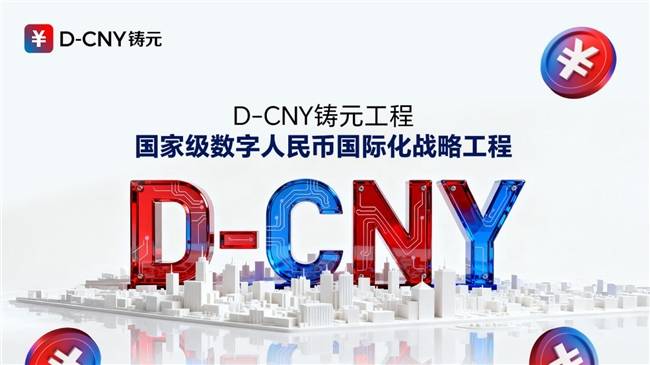
铸元工程正式启航 —— 国家战略部署,数字人民币国际化的战略新篇
Sou Hu Cai Jing· 2025-09-29 22:35
在中华民族伟大复兴的征程上,中国已经具备坚实的经济基础和科技硬实力。作为世界第二大经济体, 中国在制造业、基础设施、科技创新等方面不断取得突破,硬实力让东方巨轮屹立于世界舞台。 然而,要实现共同富裕的宏伟目标,单有硬实力并不足够。金融领域的软实力建设,尤其是国际货币体 系中的话语权,已成为实现民族复兴的重要一环。长期以来,美元不仅凭借传统金融体系确立霸权,更 在数字时代通过稳定币延伸影响力,几乎垄断数字市场。由此带来的依赖与风险,已成为全球金融秩序 中的不稳定因素。 面对这一现实,中国选择主动出击。以数字化为契机,开启人民币国际化的新路径,用国家战略工程回 应时代呼声——铸元工程由此启航。 国家顶层设计,万亿级战略资金护航 铸元工程是在国家顶层战略部署下,由国家发展和改革委员会、财政部、中国人民银行联合推动的前所 未有的国家级金融战略工程。工程由铸元科技集团有限公司作为实施主体,形成了从政策到执行、从监 管到技术的全链条合力。 国家为此提供了空前力度的财政保障:首批 2万亿元专项资金,以外汇储备为根基,由中央财政专项账 户统一管理,并在国家审计体系的全程监督下运作,确保资金使用安全、透明、规范、高效。 这不仅 ...

从AI项目融资棋局 看人民币国际化新机遇
Sou Hu Cai Jing· 2025-09-29 22:16
Core Insights - The article highlights a significant trend among major technology companies, both domestic and international, to engage in large-scale bond issuance aimed at funding advancements in AI and cloud computing [1][2] - There is a noticeable shift in the offshore financing strategies of Chinese tech firms, favoring long-term, RMB-denominated debt financing as a primary method [1][2] - The competition in AI is closely tied to capital markets, with companies preferring debt financing over equity to avoid dilution and secure long-term funding at lower costs [2][3] Group 1 - Major tech companies like Oracle, Tencent, Alibaba, and Baidu have initiated substantial bond issuances since mid-September, primarily to invest in AI and cloud technologies [1] - Alibaba's issuance of 17 billion RMB offshore bonds last November marks a significant entry into the offshore RMB bond market, with other firms like Baidu and Tencent following suit [1][2] - The offshore RMB bond market is becoming a crucial long-term financing channel for Chinese tech giants, alleviating funding pressures and expanding market depth [1][2] Group 2 - Debt financing is preferred due to its cost-effectiveness, allowing companies to lock in long-term funds during a low-interest-rate environment while avoiding equity dilution [2] - The advantages of RMB financing are highlighted by the persistent low financing costs and the stability of the RMB exchange rate, which mitigates currency mismatch risks [2] - The demand for offshore bonds is supported by increased domestic investment in offshore assets, driven by the expansion of QDII quotas and the "southbound" bond mechanism [2] Group 3 - The convergence of technology and capital in the AI sector presents a new opportunity for the internationalization of the RMB, potentially enhancing the global appeal of RMB assets [3] - There is an emphasis on the need for reforms in both onshore and offshore RMB markets to keep pace with technological advancements, which could significantly boost the attractiveness of RMB assets globally [3]


