
智能化

Search documents
行车“无人”、调度“有序”:一座钢铁热轧成品库的智能化重塑之路
Jing Ji Guan Cha Wang· 2025-10-17 05:57
Core Insights - The steel industry in China, while having a complete industrial chain, faces challenges such as overcapacity, low efficiency, energy conservation, and insufficient innovation [1][3] - Angang Group's Baicheng Steel Plant is a model for international competitiveness, focusing on high-end, intelligent, and green development, and has been recognized as a top steel enterprise in China for three consecutive years [1][3] Group 1: Intelligent Transformation - The Baicheng Steel Plant has implemented the "1580 Hot Rolled Coil Intelligent Warehouse and Unmanned Crane Transformation Project" to address traditional operational challenges, starting in February 2023 and expected to complete by August 2024 [3][12] - The project aims to achieve unmanned crane operations and intelligent warehouse management, reducing the need for over 30 crane operators and improving operational safety, product quality, and production efficiency by 23% [3][12] Group 2: Challenges in Traditional Operations - Traditional hot-rolled workshops face multiple challenges including low efficiency, quality issues, and safety risks due to outdated management systems and equipment [5][6] - The hot-rolled finished product warehouse is a critical hub for logistics and production control, but suffers from inefficiencies and high operational demands [5][6] Group 3: Advanced Technologies - Schneider Electric's Integrated Autonomous Crane System (IACS) provides a customized warehouse management system, crane automation, ground control, and monitoring systems to optimize operations [6][8] - The system employs advanced scheduling algorithms and automation technologies to enhance coordination among multiple cranes, reducing operational conflicts [8][10] Group 4: Full Process Automation - The transformed 1580 hot-rolled coil warehouse now features fully automated operations from storage to packaging, capable of handling a daily capacity of 13,000 tons [12][14] - The system intelligently allocates tasks and sets crane routes, ensuring continuous operation and minimizing downtime caused by human factors [12][14] Group 5: Safety and Quality Improvements - The automation has led to a 99% operational rate, eliminating quality issues and safety incidents associated with manual crane operations [16][19] - The management model has evolved to allow real-time monitoring of crane operations through a digital twin model, replacing traditional manual information management [16][19] Group 6: Future Prospects - The successful implementation of intelligent practices at the Baicheng Steel Plant serves as a replicable model for complex warehouse operations in the steel industry [19] - Angang Group plans to continue its collaboration with Schneider Electric to advance digital transformation and green development in the steel sector [19]



东吴证券:市场Q4会重新重视智能化投资机会 首选小鹏汽车-W(09868)等
智通财经网· 2025-10-17 05:38
Core Viewpoint - The report from Dongwu Securities indicates that the market will refocus on investment opportunities in intelligence during Q4, with a preference for Hong Kong stocks over A-shares, software over hardware, and B-end over C-end investments [1] Group 1: Market Trends - Since the AI market began in 2023, each subsequent phase has seen a spread towards intelligence applications, which are viewed as significant applications of AI in the physical world, with expectations for over-performance in the next 3-5 years [1] - The report highlights that Q4 will see continuous catalysts for intelligence, including the release of Tesla's V14 version, Xiaopeng's technology day in October, and the introduction of new autonomous vehicles by various companies [1] Group 2: Comparison of Q4 Trends - The similarities between this year's Q4 and last year's Q4 lie in the diffusion of AI, but the differences are notable: last year's focus was on the resonance between automotive logic and AI logic, while this year emphasizes the evolution of AI logic [2] - The report suggests that all players have improved their capabilities over the past year, particularly the first-tier players moving towards L4 capabilities, indicating stronger industry realization [2] - This year is expected to focus more on software opportunities and breakthroughs in the B-end market, contrasting with last year's emphasis on hardware opportunities and C-end sales [2]

东吴证券:市场Q4会重新重视智能化投资机会 首选小鹏汽车-W等
Zhi Tong Cai Jing· 2025-10-17 05:37
Group 1 - The core viewpoint of the report is that the market will refocus on intelligent investment opportunities in Q4, with a preference for Hong Kong stocks over A-shares, software over hardware, and B-end over C-end [1] - The report highlights that since the AI market began in 2023, each subsequent phase has seen a spread towards intelligence, which is viewed as a significant application of AI in the physical world, with expectations for over-performance in the next 3-5 years [1] - The report identifies key catalysts for intelligent development in Q4, including the release of Tesla's V14 version, Xiaopeng's technology day in October, and the introduction of new autonomous vehicles by various companies [1] Group 2 - The report notes similarities between Q4 this year and last year in terms of AI diffusion, but emphasizes a shift in focus from automotive and AI logic resonance to the evolution of AI logic this year [2] - It points out that all players have improved their capabilities over the past year, particularly the first-tier players moving towards L4, indicating stronger industry realization [2] - The report suggests a shift in focus from hardware opportunities and C-end sales last year to software opportunities and breakthroughs in the B-end this year [2]
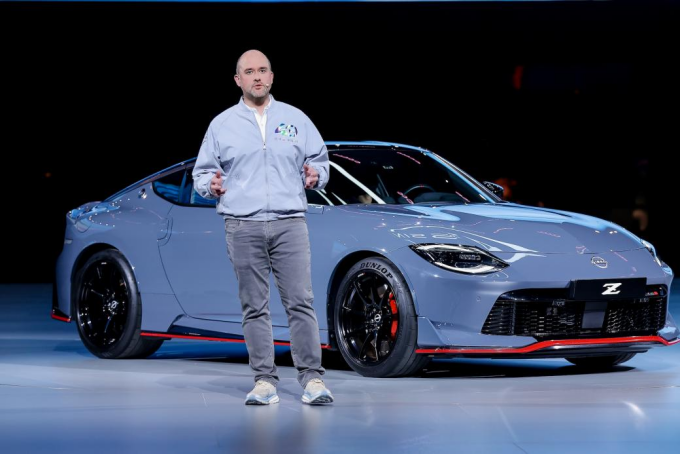
四十载伴NI行,日产中国40周年品牌之夜璀璨启幕
Qi Lu Wan Bao· 2025-10-17 04:05
Core Insights - Nissan celebrates its 40th anniversary in China, highlighting its commitment to the market and unveiling new products, including the N6 plug-in hybrid and the Tianlai Hongmeng cockpit [1][4][9] - The company emphasizes the importance of the Chinese market in its global strategy, aiming to redefine its value proposition through the "Re:Nissan" business plan [2][4] - Nissan's transformation in China is driven by local insights and innovation, with a focus on electric and intelligent vehicle development [2][4][17] Group 1: Product Launches and Innovations - The N6 is Nissan's first global plug-in hybrid sedan, featuring advanced hybrid technology and maintaining the brand's high standards of quality and reliability [7][9] - The Tianlai Hongmeng cockpit is the world's first fuel vehicle equipped with Huawei's HarmonyOS, aiming to set a new standard for intelligent fuel vehicles [7][9] - Nissan plans to introduce the Z NISMO model to the Chinese market next year, showcasing its commitment to performance and innovation [9] Group 2: Strategic Importance of the Chinese Market - Nissan's CEO highlights China's rapid development and technological leadership as a benchmark for the global automotive industry [2] - The partnership with Dongfeng Motor has been crucial for localizing products and accelerating innovation, contributing significantly to Nissan's growth in China [2][4] - The company aims to leverage its local team to enhance the development and export of new energy vehicles [2][4] Group 3: Brand Transformation and Youth Engagement - Nissan is undergoing a brand transformation towards being "young, innovative, and passionate," engaging with younger consumers through interactive experiences and fresh talent [13][15] - The company is focused on creating products that resonate with the lifestyle and aesthetic preferences of Chinese youth, integrating local insights into design [13][15] - Nissan's commitment to comfort, safety, and reliability will continue, with an emphasis on user participation in product development [15]

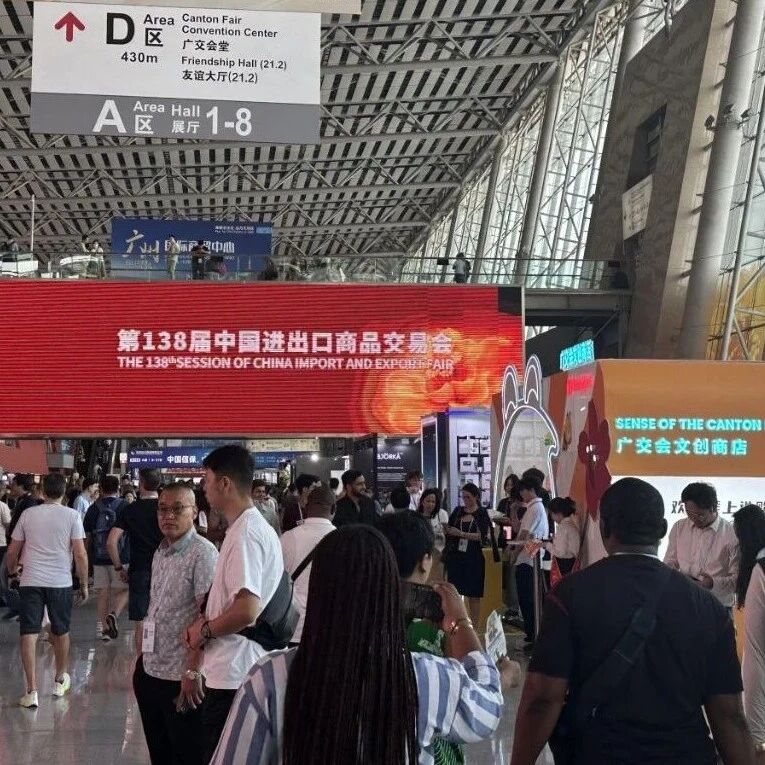
广交会智能化产品“井喷”,供应链铸就全球竞争力
Zheng Quan Shi Bao· 2025-10-17 01:07
Group 1: Industry Trends - The 138th China Import and Export Fair (Canton Fair) has seen a surge in intelligent products, indicating a widespread adoption of smart technology across various industries [1] - The growth of intelligent products is attributed to China's long-term development in software and hardware collaboration, as well as supply chain advantages [1][3] - Despite the rapid growth, the current level of intelligence in products is still in its early stages, with significant room for improvement [4] Group 2: Company Innovations - Liaoning Xingguang Electric Power Construction Development Co., Ltd. introduced a comprehensive energy management system that offers 24/7 remote monitoring and various intelligent functions [1] - Jierguge Intelligent Technology Co., Ltd. launched the Jebao Smart Control IoT platform, integrating digital twin, IoT, and AI for food processing management [2] - Pudute Robotics highlighted China's leading position in the global smart wave, emphasizing the integration of AI capabilities with infrastructure to solve specific customer problems [3] Group 3: Market Dynamics - Companies reported a significant increase in demand for smarter products, with some experiencing over 40% year-on-year growth in overseas markets [3] - The competitive edge of Chinese companies in the robotics sector is becoming increasingly apparent, driven by strong hardware manufacturing capabilities [3] - The market is calling for more intelligent and flexible production units as traditional robots face limitations in cross-scenario adaptability and multi-machine collaboration [4]
广交会智能化产品“井喷”,供应链铸就全球竞争力
证券时报· 2025-10-17 00:33
Core Viewpoint - The 138th China Import and Export Fair (Canton Fair) showcases a significant surge in intelligent products, indicating the widespread adoption of smart technology across various industries, although it is still in its early stages [1][2]. Group 1: Intelligent Product Development - The explosion of intelligent products is attributed to China's long-term accumulation of software and hardware development and supply chain advantages [2]. - Companies like Liaoning Xingguang Electric Power Construction Development Co., Ltd. are introducing advanced systems such as the SPD comprehensive energy intelligent monitoring service system, which offers 24/7 remote monitoring and energy optimization features [2]. - The Jebao Smart Control IoT platform developed by Jiergug Intelligent Technology Co., Ltd. integrates digital twin, IoT, and AI capabilities to enhance food processing management [2]. Group 2: Market Response and Growth - Many Chinese companies report a significant increase in demand for smarter products, with some experiencing over 40% year-on-year growth in performance [3]. - The competitive edge of Chinese products is bolstered by strong software and hardware collaboration, particularly in the robotics sector, where China is seen as a global leader [3]. - Companies are leveraging a robust talent pool and rapid supply chain responses to enhance product development and maintenance [3]. Group 3: Challenges and Future Directions - Despite advancements, the intelligent product market is still in its infancy, with many products requiring further development to enhance their smart capabilities [4]. - Companies are beginning to address existing technological limitations, particularly in the robotics sector, where there is a need for more intelligent and flexible production units [5].
回望“十四五” | 创新潮涌 多维进阶:数观上市公司“十四五”蝶变
Zhong Guo Zheng Quan Bao· 2025-10-16 23:59
Core Insights - Over 5,000 A-share listed companies have established a solid foundation for China's high-quality economic development with a market value exceeding 100 trillion yuan and over 1.8 trillion yuan in R&D investment [2] - The past five years have seen listed companies transition from quantity expansion to quality improvement, marking a significant leap in their development trajectory [2] Group 1: Innovation and R&D Investment - During the "14th Five-Year Plan" period, major technological achievements have accelerated, with significant milestones such as the operation of the "Tiangong" space station and the commercial flight of the C919 aircraft [3] - In 2024, China's total R&D investment is expected to exceed 3.6 trillion yuan, a 48% increase from 2020, with listed companies contributing 1.88 trillion yuan, accounting for 51.96% of the national total [3] - 26 companies, including BYD and CATL, have joined the "100 billion R&D club," showcasing substantial investments in key technologies [3] Group 2: Industry Transformation and Smart Manufacturing - The R&D intensity of the ChiNext, Sci-Tech Innovation Board, and Beijing Stock Exchange is 4.89%, 11.78%, and 4.63% respectively, highlighting the increasing technological attributes of these markets [4] - Companies like Raycus Fiber Laser Technologies have integrated AI into their production processes, significantly improving efficiency and output [7] - Over 30,000 smart factories have been established in China, reflecting the ongoing digital transformation in manufacturing [7] Group 3: Green Development and Sustainability - The renewable energy sector has seen a 20 percentage point increase in installed capacity, with A-share listed companies investing 1.3 trillion yuan in renewable projects [10] - Yanjing Beer has implemented a green philosophy throughout its product lifecycle, achieving a carbon footprint of 100.04 grams of CO2 equivalent per 500ml bottle [11] - The carbon emissions per unit of revenue for listed companies decreased by approximately 16.9% from 2020, significantly surpassing the national average [11] Group 4: Global Expansion and Market Integration - In 2024, A-share listed companies achieved overseas revenues of 9.52 trillion yuan, a 56.58% increase from 2020, indicating a qualitative shift in their global presence [12] - Companies are increasingly adopting localized manufacturing and supply chain collaboration to deepen their integration into local markets [13] - The global strategy of listed companies has evolved from simple exportation to a model of innovation-led and ecosystem-based collaboration [12][13]
21社论丨构建精准化监管体系,为汽车行业发展注入新动能
2 1 Shi Ji Jing Ji Bao Dao· 2025-10-16 22:33
Core Viewpoint - The Chinese automotive industry is undergoing a transformation with a focus on quality improvement and reasonable growth, supported by a series of government policies aimed at addressing challenges and enhancing competitiveness [1][2][3] Group 1: Industry Growth and Targets - The automotive industry is a pillar of the Chinese economy, contributing significantly to macroeconomic growth, but faces increasing competition and demand issues [1] - The "Automotive Industry Steady Growth Work Plan (2025-2026)" aims for annual vehicle sales of approximately 32.3 million units by 2025, a year-on-year increase of about 3%, with new energy vehicle sales targeted at around 15.5 million units, reflecting a 20% growth [1] - The plan emphasizes the need for a precise regulatory system to address new challenges in market access, capacity structure, and competition [1] Group 2: Regulatory Enhancements - The chaotic competition in the automotive sector has led some companies to compromise on R&D and quality, prompting the need for revised standards in vehicle production and product access [2] - The revised "Enterprise Access Requirements" and "Product Access Requirements" aim to raise the bar for production capabilities, focusing on cybersecurity, data security, and advanced driving assistance systems [2] - A comprehensive regulatory framework is being established to ensure quality and safety, including measures against substandard products and false advertising [2] Group 3: New Energy Vehicle Expansion - To achieve growth targets, the industry must accelerate the market expansion of new energy vehicles, with initiatives to electrify public transport and logistics in 25 pilot cities [3] - The "Three-Year Doubling Action Plan for Electric Vehicle Charging Infrastructure (2025-2027)" aims to establish 28 million charging facilities by the end of 2027, providing over 300 million kilowatts of public charging capacity [3] - The focus on expanding charging infrastructure, especially in rural areas, is expected to open new market opportunities and promote electric vehicle consumption [3]
构建精准化监管体系,为汽车行业发展注入新动能
2 1 Shi Ji Jing Ji Bao Dao· 2025-10-16 22:15
Group 1 - The core viewpoint of the articles emphasizes the need for effective policies to enhance the quality and reasonable growth of China's automotive industry, which is a pillar of the national economy and faces increasing internal and external challenges [1][2][3] - The recently released "Automotive Industry Stabilization Growth Work Plan (2025-2026)" aims for annual vehicle sales of approximately 32.3 million units by 2025, with a target of 15.5 million units for new energy vehicles, reflecting a 20% year-on-year growth [1] - The automotive industry is undergoing a transformation towards electrification, intelligence, and connectivity, necessitating new safety standards and regulatory frameworks to address emerging risks and challenges [1][2] Group 2 - The industry faces issues of disorderly competition, leading some companies to compromise on research and development and product quality, which could harm consumer rights [2] - Revised "Road Motor Vehicle Production Enterprise Access Review Requirements" and "Road Motor Vehicle Product Access Review Requirements" aim to raise the entry barriers for production enterprises and products, focusing on cybersecurity and data security [2] - The "Three-Year Doubling Action Plan for Electric Vehicle Charging Infrastructure Services (2025-2027)" targets the establishment of 28 million charging facilities by the end of 2027, significantly enhancing charging capacity to support over 80 million electric vehicles [3]
创新潮涌 多维进阶:数观上市公司“十四五”蝶变
Zhong Guo Zheng Quan Bao· 2025-10-16 20:11
Core Viewpoint - The article emphasizes the significant role of A-share listed companies in driving China's high-quality economic development through innovation, with substantial R&D investments and transformative achievements in various sectors [1][2]. Group 1: Innovation and R&D Investment - A-share listed companies have contributed over 1.88 trillion yuan in R&D, accounting for 51.96% of the national R&D expenditure, with a 48% increase in overall R&D investment since 2020 [2]. - The R&D intensity of A-share companies has risen to 2.61%, surpassing the average of EU countries, with notable contributions from companies like BYD and CATL [2]. - The emergence of innovative drugs, such as Zepzelca, showcases the global competitiveness of Chinese original research drugs, supported by significant R&D investments from companies like BeiGene [2][3]. Group 2: Technology and Industry Integration - Listed companies are pivotal in transforming scientific achievements into industrial applications, exemplified by advancements in tire technology and battery recycling [3]. - The integration of AI and digital technologies in manufacturing has led to significant efficiency improvements, with smart factories achieving notable reductions in production cycles and defect rates [5][6]. Group 3: High-end, Intelligent, and Green Transformation - Companies are focusing on high-end manufacturing to enhance brand value, as seen with LONGi Green Energy's advancements in solar technology [5]. - The shift towards intelligent manufacturing is evident, with significant investments in digital transformation across various industries, including agriculture and logistics [6][7]. - The green transformation is highlighted by the establishment of a comprehensive renewable energy industry chain, with A-share companies investing 1.3 trillion yuan in renewable projects [7]. Group 4: Global Expansion and Collaboration - A-share companies have significantly increased their overseas revenue, reaching 9.52 trillion yuan, marking a 56.58% growth since 2020 [8]. - The export of innovative products, particularly in pharmaceuticals, has seen substantial growth, indicating a shift towards higher value-added exports [9]. - Companies are adopting a collaborative approach in global markets, integrating local manufacturing and supply chain partnerships to enhance their international presence [10].


