
自动驾驶

Search documents
人才缺口超百万!智能网联汽车被明确列为“万亿消费领域”,产教融合破解人才困局
Hua Xia Shi Bao· 2025-11-29 10:37
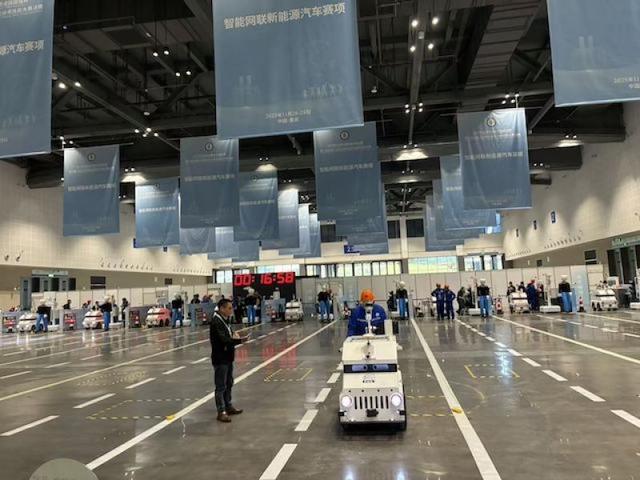
Group 1 - The core focus of the articles is the rapid development and potential of the intelligent connected vehicle (ICV) sector, which is expected to reach a trillion-level consumption market by 2027, alongside other sectors like elderly products and consumer electronics [2][4]. - The Ministry of Industry and Information Technology has set a target to form three trillion-level consumption areas and ten billion-level consumption hotspots by 2027, with ICV being one of the key areas [2][4]. - In the first seven months of this year, the sales of new passenger cars with Level 2 driving assistance features reached 7.76 million units, with a penetration rate of 62.58% [2]. Group 2 - There is a significant talent gap in the ICV sector, with an estimated shortage of 1.03 million professionals in manufacturing and service roles related to new energy and intelligent connected vehicles [3][5]. - Current educational institutions are only producing about 120,000 graduates annually in relevant fields, which is insufficient to meet the industry's demands [3][5]. - The job market for ICV is evolving rapidly, with over 260 distinct job roles identified, each requiring hundreds to thousands of professionals [7][8]. Group 3 - The integration of traditional automotive skills with new technologies such as AI and electronic systems is essential, as the industry shifts towards a more complex skill set [8][9]. - The recent national skills competition introduced new categories focused on ICV, emphasizing the need for practical skills in hardware assembly, fault detection, and system integration [9][10]. - Educational programs are adapting to include a mix of foundational and specialized courses to better prepare students for the evolving job market in ICV [10].

语言或许不是自驾的「终极答案」,但它无疑是当下最可行的路径...
自动驾驶之心· 2025-11-29 02:06
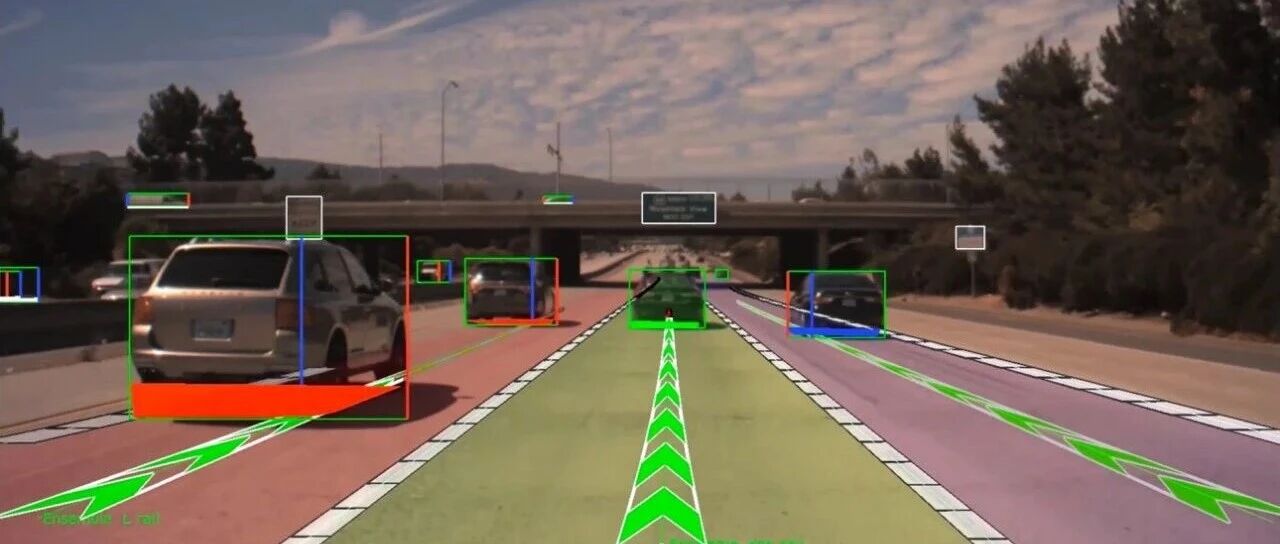
Core Insights - The article emphasizes that the current development of autonomous driving systems relies heavily on data-driven models, but the next breakthrough must focus on enhancing reasoning capabilities [2][4][7]. Group 1: Current State of Autonomous Driving - The industry predominantly uses a classic data flywheel model for production models, which includes deployment, effect verification, data mining, retraining, and redeployment [4]. - As data scales have increased to tens of millions, the performance gains from merely increasing data size have diminished, leading to higher costs and more complex challenges [4][7]. - Companies like Tesla, Li Auto, Xiaomi, and Xpeng have recognized this shift and are adapting their strategies accordingly [4]. Group 2: Insights from Other Fields - The article draws parallels between autonomous driving and robotics, noting that while autonomous driving has benefited from abundant data, robotics has faced data scarcity [7]. - Recent advancements in robotics, such as large datasets and new algorithms, have emerged from this scarcity, potentially paving the way for more robust capabilities in embodied intelligence [7]. Group 3: Future Directions in Autonomous Driving - The article identifies a critical flaw in current autonomous driving systems: the lack of deep reasoning capabilities [7]. - To transition to the next phase of autonomous driving (referred to as Autonomous Driving 3.0), four pillars are necessary: reasoning ability, common-sense cognition, long-term memory, and explanation and interaction [7][9]. - NVIDIA's upcoming Alpamayo-R1 model aims to integrate explicit causal reasoning with trajectory planning within a unified VLA architecture, highlighting a shift towards reasoning-driven approaches [7]. Group 4: Community and Learning Resources - The article promotes a community platform for knowledge sharing in autonomous driving, which includes resources for beginners and advanced learners, as well as opportunities for networking with industry experts [13][28]. - The community has compiled extensive resources, including over 40 technical directions and nearly 60 datasets related to autonomous driving, facilitating easier access to information for both newcomers and experienced professionals [28][50].
理想汽车(2015.HK):3季度受召回拖累转亏 供应链瓶颈限制短期反弹 静待2026年新品
Ge Long Hui· 2025-11-28 19:58
Group 1 - The core viewpoint of the articles indicates that Li Auto's Q3 2025 revenue and profit fell short of expectations due to recall costs, with total revenue declining by 36.2% year-on-year and 9.5% quarter-on-quarter [1] - The automotive gross margin was reported at 15.5%, down 3.9 percentage points from the previous quarter, which was below market expectations; excluding the Li MEGA recall impact, the gross margin would have been 19.8% [1] - The average selling price per vehicle increased by 6.7% quarter-on-quarter, attributed to reduced promotional efforts for the L series models and improved product mix, although the decline in sales volume negatively impacted overall revenue [1] Group 2 - For Q4 2025, the company guided vehicle deliveries to be between 100,000 and 110,000 units, corresponding to revenue of 26.5 billion to 29.2 billion yuan, with a projected sales increase of 7.3% to 18.0% quarter-on-quarter [2] - Despite strong market demand for new electric models i6 and i8, with cumulative orders exceeding 100,000 units, short-term deliveries are constrained by supply chain bottlenecks for key components like batteries [2] - Management expects supply shortages to gradually ease after implementing a dual-supplier model in November, with production capacity anticipated to rise to an average of 20,000 units per month by early next year [2] Group 3 - The company maintains a neutral rating, suggesting that the current stock price reflects most negative factors, with recovery dependent on the resolution of Q4 supply chain issues and actual sales realization from i6/i8 production ramp-up [3] - The management emphasized strategic investments in AI and embodied intelligence during a recent conference call, indicating potential positive impacts on stock price if tangible products emerge next year [3] - The stock price has corrected approximately 40% from previous highs, and the current valuation is believed to account for most of the negative factors [3]

美股异动丨特斯拉涨超1.3%,将在欧洲三国推出FSD体验试乘活动
Ge Long Hui· 2025-11-28 14:40
特斯拉(TSLA.US)涨超1.3%,报432.32美元。消息面上,特斯拉将于下月在德国、意大利和法国推出 FSD体验试乘活动。据特斯拉官网介绍,此次活动将让欧洲用户以乘客身份在试驾过程中亲身体验FSD 系统。特斯拉强调,该系统目前可在几乎全部驾驶场景中实现自主操作,但仍需人类驾驶员保持监督。 (格隆汇) ...

产学研融合助力科技自强,一批京企无人车进高校
Bei Jing Ri Bao Ke Hu Duan· 2025-11-28 12:52
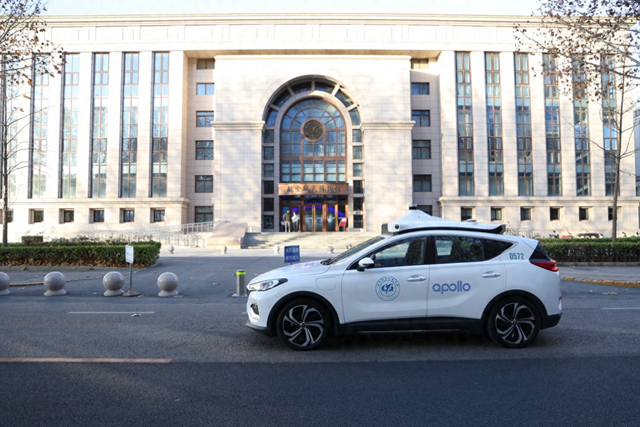
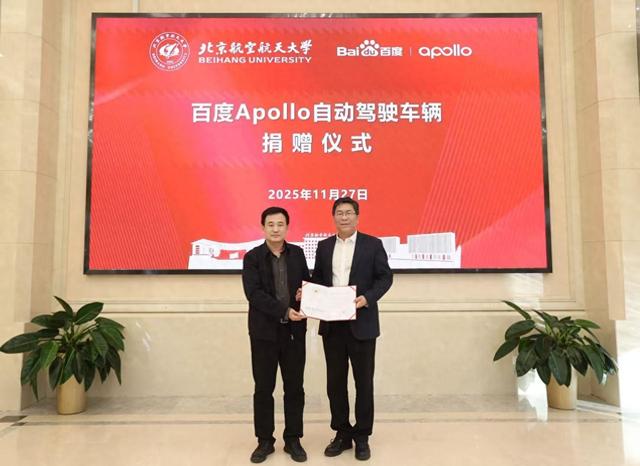
Core Insights - The collaboration between Baidu Apollo and Beihang University aims to enhance research, education, and talent development in the field of autonomous driving [1][3] - Baidu Apollo is recognized as a leader in the domestic autonomous driving sector, while Beihang University is one of the first institutions to offer a specialized program in this area [3] Group 1: Collaboration and Contributions - Baidu Apollo has donated autonomous vehicles to Beihang University to support research and education in autonomous driving [1] - The partnership has led to the establishment of China's first "autonomous driving" major and has been recognized as a typical project in the Ministry of Education's collaborative education initiative [3] Group 2: Future Plans and Initiatives - Baidu Apollo plans to launch the "Spark Program" in early 2025, which will involve donating autonomous vehicles and experimental platforms to multiple universities, including Wuhan University and Fudan University [3] - This initiative aims to foster the development of autonomous driving technology and cultivate more skilled professionals in the industry [3]

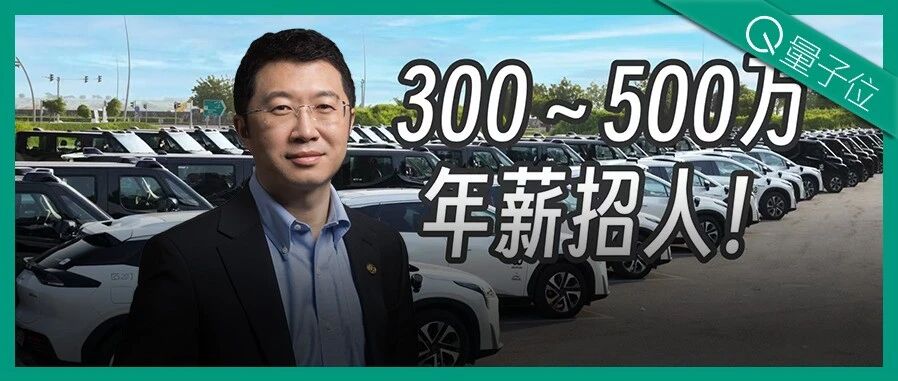
对话韩旭:双重上市后,英才校招300万起步
Sou Hu Cai Jing· 2025-11-28 09:09
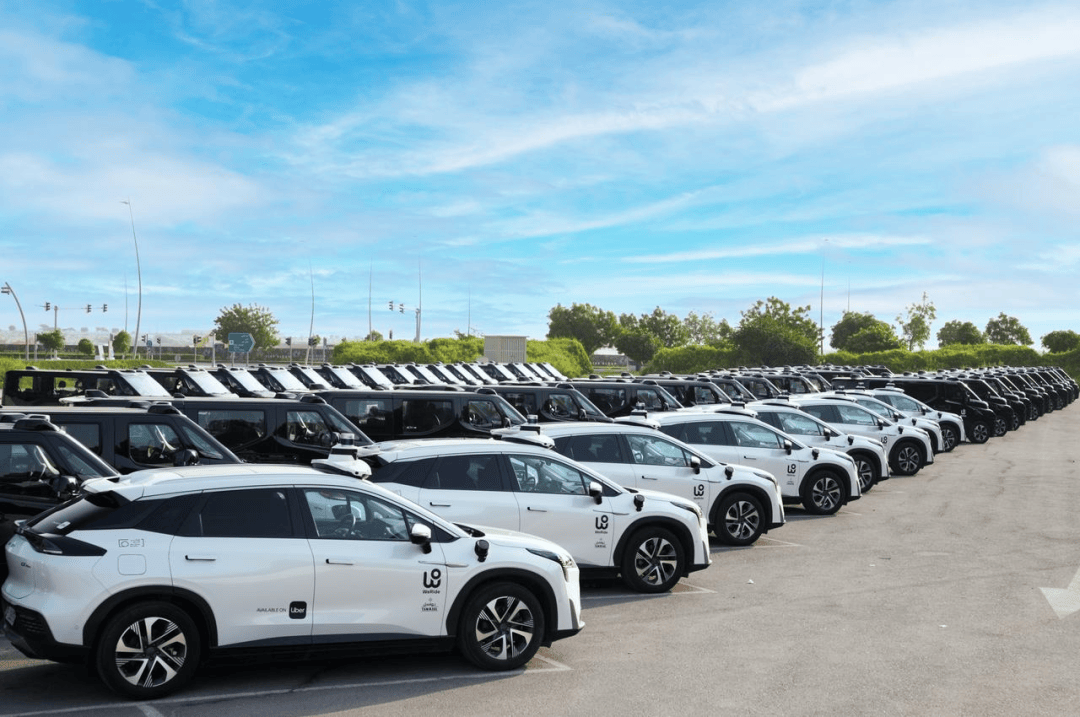
Core Insights - The CEO of WeRide, Han Xu, has undergone a significant transformation, focusing on attracting top talent after the company's dual listing on the Hong Kong Stock Exchange, marking a major milestone for the company [1][3][39] - WeRide is now recognized as a leading player in the global Robotaxi market, operating in eight countries, including China and several international cities [1][3] - The company has launched an ambitious talent recruitment plan, offering salaries ranging from 3 million to 5 million RMB, aiming to compete with Silicon Valley standards [4][6][18] Company Strategy - Han Xu emphasizes the importance of hiring the best talent as a critical strategy for WeRide's success, believing that top talent will drive the company to excellence [7][8] - The recruitment plan, dubbed the "Talent Plan," is designed to attract high-caliber individuals by offering competitive compensation and a supportive work environment [5][14] - The company aims to create a transparent and innovative culture that encourages creativity and allows top talent to thrive [14][18] Market Position - WeRide is positioned in the L4 Robotaxi sector, which has seen significant competition and consolidation, with only a few players capable of large-scale commercial operations [21][23] - The competitive landscape includes major players like Waymo and Baidu, as well as emerging companies like Xiaoma Zhixing and others entering the Robotaxi space [23][24] - Han Xu believes that the future of autonomous driving remains promising, despite shifting trends in technology, and that WeRide is well-equipped to tackle the challenges ahead [18][20] Leadership Philosophy - Han Xu's leadership style reflects a blend of academic rigor and practical experience, focusing on talent development and creating an environment conducive to innovation [29][38] - The CEO's past as a professor informs his approach to identifying and nurturing talent, which he considers essential for the company's growth [29][32] - The company culture is characterized by openness and transparency, as demonstrated by the integration of diverse talents, including those from non-traditional backgrounds [36][38]
对话韩旭:双重上市后,英才校招300万起步
量子位· 2025-11-28 08:30
Core Viewpoint - The article highlights the transformation of Han Xu, CEO of WeRide, who has shifted focus from competition to attracting top talent after the company's dual listing on the Hong Kong Stock Exchange, emphasizing the importance of recruiting the best individuals for future success [1][6][72]. Group 1: Company Overview - WeRide has achieved significant milestones, including being recognized as the "first global Robotaxi stock" and operating autonomous taxis in eight countries, making it one of the largest Robotaxi fleets globally [1]. - The company has undergone a challenging yet rewarding journey, with Han Xu's leadership marked by a focus on market feedback rather than competitive positioning [3][4]. Group 2: Talent Recruitment Strategy - Han Xu has initiated a talent recruitment plan called the "Talent Plan," offering salaries starting from 3 million to 5 million RMB, which aligns with Silicon Valley standards for AI PhD graduates [8][9]. - The emphasis on recruiting top talent is seen as crucial for WeRide's success, with Han Xu believing that hiring the best individuals will lead to the company becoming the best in the industry [10][11]. Group 3: Company Culture and Environment - WeRide is characterized by an open and transparent culture that encourages innovation, which Han Xu believes is essential for attracting and retaining top talent [23][24]. - The company aims to create an environment where talented individuals can thrive, emphasizing the importance of a fair evaluation system and minimal management for high-performing employees [12][21]. Group 4: Industry Context and Future Outlook - The article discusses the current state of the autonomous driving industry, indicating a competitive landscape where only a few players will succeed, likening it to a historical transition from the Spring and Autumn period to the Warring States period in ancient China [39][42]. - Han Xu asserts that autonomous driving remains a cutting-edge field with immense potential for societal impact, countering the notion that it has lost its appeal [31][32].
“无人物流车”第一股即将诞生,但依然难过上路关
3 6 Ke· 2025-11-28 08:03
Core Insights - The article discusses the rapid growth and challenges in the unmanned logistics vehicle sector, highlighting significant investments exceeding 8 billion yuan and the industry's response to public sentiment amid controversies surrounding technology and safety [2][6][18]. Investment and Market Growth - The unmanned logistics vehicle sector has seen unprecedented funding, with over 8 billion yuan disclosed in investments as of now [2][6]. - Major funding rounds include 1 billion USD for Jiusi Intelligent and over 600 million USD for New Stone Technology, marking significant transactions in China's private equity landscape [2][6]. - The market is projected to reach 263.4 billion yuan by 2030, a 5.4-fold increase from 2025 [8][11]. Technological Advancements and Cost Reduction - The cost of unmanned logistics vehicles has drastically decreased from over 1 million yuan in 2018 to as low as 20,000 yuan in 2023, driven by domestic production of key components [10][11]. - The industry is transitioning from a "sell vehicles" model to a "software subscription" model, enhancing revenue potential through ongoing service fees [12][13]. Industry Dynamics and Competition - A price war has emerged among companies, with aggressive pricing strategies being employed to capture market share [12][13]. - Companies like Jiusi Intelligent and New Stone Technology are competing on price and financing options, with Jiusi offering vehicles at 1.98 million yuan and New Stone providing zero down payment plans [12][13]. Regulatory and Safety Concerns - Despite the rapid growth, there are significant concerns regarding the safety and reliability of unmanned logistics vehicles, highlighted by several accidents and public skepticism [14][15][18]. - The lack of uniform road rights across cities poses a challenge for widespread deployment, with companies like New Stone Technology actively working to secure necessary permits [16][18]. Future Outlook - The industry is expected to evolve, with projections indicating that unmanned logistics vehicles could replace traditional delivery vehicles, achieving a penetration rate of nearly 15% by 2030 [17][18]. - The ongoing competition and regulatory hurdles will shape the future landscape of the unmanned logistics vehicle market, as companies strive to balance innovation with public trust [18][20].

百度Apollo向北航捐赠自动驾驶车辆 深化产学研融合助力科技自强
Huan Qiu Wang· 2025-11-28 06:50
Core Viewpoint - Baidu Apollo donated a batch of autonomous driving vehicles to Beihang University to support research, education, and talent cultivation in the field of autonomous driving, enhancing the integration of industry and academia in China [1][3]. Group 1: Donation and Collaboration - The donation aims to deepen the collaboration between Baidu Apollo and Beihang University, promoting the development of the autonomous driving ecosystem and talent cultivation in China [1][3]. - Beihang University is recognized for its prestigious programs in transportation engineering and computer science, making it a key partner for Baidu Apollo in advancing autonomous driving technology [1][3]. Group 2: Statements from Representatives - Professor Tian Daxin from Beihang University expressed gratitude for the donation, highlighting the importance of the autonomous driving industry in building a strong transportation nation and the historical opportunity it presents for technological revolution and industrial transformation [3][5]. - Baidu Group Vice President Wang Yunpeng emphasized the university's role in nurturing high-level innovative talents and the significance of the "Spark Program" initiated by Baidu Apollo to support educational and research initiatives [3][5]. Group 3: Historical Context and Future Plans - The collaboration between Beihang University and Baidu Apollo has a long history, including joint publications and the establishment of the first "autonomous driving" major in China [5]. - Baidu Apollo's "Spark Program" aims to donate autonomous driving vehicles and experimental platforms to multiple universities, symbolizing the mission of passing on autonomous driving technology and continuously cultivating talent for the industry [5].
新股前瞻|手握10亿L4订单,天瞳威视能否成为自动驾驶赛道破局者?
智通财经网· 2025-11-28 03:17
Core Viewpoint - The company, Suzhou Tiantong Weishi Electronic Technology Co., Ltd., has submitted its listing application to the Hong Kong Stock Exchange, marking its entry into the public market amid a rapidly evolving autonomous driving industry. The company has experienced significant revenue growth but continues to face challenges in achieving profitability [1][12]. Financial Performance - The company's revenue for 2022, 2023, and 2024 was 172 million, 204 million, and 483 million RMB respectively, with a notable increase in 2024 driven by L4 solution sales [2][3]. - In the first half of 2025, the company reported revenue of 157 million RMB, a 182.1% increase compared to 56 million RMB in the same period of 2024, indicating accelerated growth [2][3]. - Despite revenue growth, the company has faced continuous losses, with net losses of 325 million, 231 million, 463 million, and 193 million RMB for the years 2022, 2023, 2024, and the first half of 2025 respectively, totaling over 1.2 billion RMB in cumulative losses [2][3]. Business Structure - The company primarily offers three types of solutions: L2 solutions (including parking and driving solutions), L4 solutions (including Robotruck, Robobus, and Robotaxi), and engineering services [3][4]. - The L4 solutions accounted for over 50% of total revenue in 2024, with revenue from L4 solutions reaching 243 million RMB, a more than threefold increase from previous years [4][5]. Market Position and Strategy - Tiantong Weishi is recognized as the second-largest provider of L2-L2+ solutions in China by installed volume and is also the largest overseas supplier of such solutions [4][6]. - The company has established partnerships with over 24 automotive manufacturers, including nine of the top ten in China, and has secured 1 billion RMB in intention orders for L4 solutions [6][12]. - The strategic shift towards L4 solutions is a response to increasing competition in the L2 market, with L4 solutions expected to drive future growth [4][12]. Industry Trends - The year 2025 is viewed as a critical point for the commercialization of L3 autonomous driving, with policies being implemented to support this transition [1][11]. - The global automotive industry is rapidly moving towards intelligent driving technologies, with significant growth expected in the penetration rates of L1-L4 vehicles [7][10]. - The competitive landscape is intensifying, with a potential consolidation of players in the market, highlighting the need for companies like Tiantong Weishi to establish a sustainable competitive advantage [11][12].
