绿色低碳转型

Search documents
2025年中国有机硅产业供给及格局概况,产能粗放式扩产周期步入尾声[图]
Chan Ye Xin Xi Wang· 2025-05-23 01:42
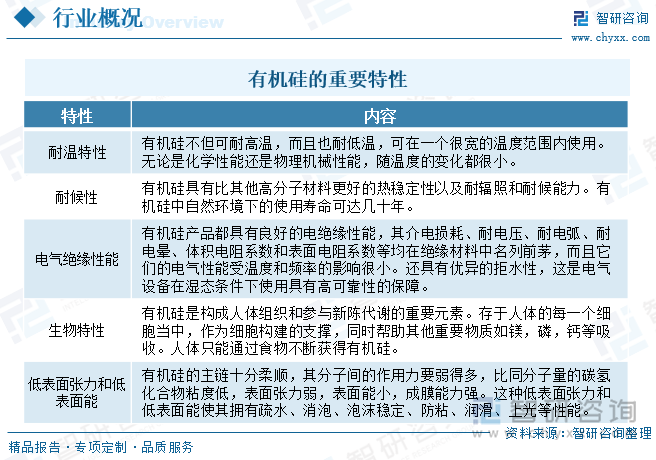
Industry Overview - The organic silicon industry in China is currently in a rapid expansion phase, driven by demand from strategic emerging industries such as renewable energy, 5G communication, and smart vehicles, with production capacity expected to reach 3.44 million tons and output to grow to 2.253 million tons by 2024, although capacity utilization has slightly decreased to a new low since 2018 due to concentrated expansion [1][10] - The industry is undergoing significant structural adjustments, with expansion concentrated among leading companies like Hoshine Silicon Industry and Dongyue Silicone Materials, forming a coal-electricity-silicon integrated industrial cluster in regions with energy cost advantages such as Xinjiang and Inner Mongolia [1][10] Policy Background - China's organic silicon industry policies focus on technological iteration, green transformation, and industrial chain collaboration, promoting upgrades towards high-end, refined, and low-carbon directions [4] - The policy framework emphasizes technological breakthroughs, particularly in the development of specialty materials such as phenyl monomers and fluorosilicone polymers, and encourages the application of innovations in cutting-edge fields like aerospace and semiconductor packaging [4] Industry Chain - The upstream of the organic silicon industry relies on metallic silicon and methyl chloride as core raw materials, with metallic silicon forming a large-scale supply system in energy-rich areas, while methyl chloride's self-sufficiency is enhanced through recycling processes [6] - The midstream focuses on the synthesis and deep processing of organic silicon monomers, with a product matrix dominated by silicone rubber, silicone oil, and silicone resin, catering to various industrial needs [6] Competitive Landscape - The organic silicon industry in China exhibits a highly concentrated competitive landscape, with leading companies leveraging technological advantages and scale effects to dominate the market, resulting in a tiered structure [14] - As of 2024, there are 13 major organic silicon monomer production companies, with Hoshine Silicon Industry, Dongyue Silicone Materials, and Jiangxi Xinghuo being the largest in terms of production capacity [14] Development Trends - The organic silicon industry is accelerating its transition towards green and low-carbon practices, with companies innovating production processes to reduce energy consumption and pollution [16] - The focus is shifting from traditional sectors like construction and textiles to high-end fields such as renewable energy, electronic communication, and healthcare, with increasing demand for high-performance organic silicon materials in applications like photovoltaic module encapsulation and thermal management for electric vehicle batteries [16]


探迹科技:2025年钢材行业发展趋势报告
Sou Hu Cai Jing· 2025-05-23 01:35
Industry Development Background and Transformation Direction - The global industrial system is undergoing three major trends: "decarbonization, intelligence, and localization," placing the Chinese steel industry at a critical turning point of capacity restructuring and value reassessment. The industry faces overcapacity issues and stricter environmental policies, pushing companies towards green production while new demands from renewable energy infrastructure and high-end equipment manufacturing create structural opportunities. The report suggests three strategic paths: "green transformation, high-end transition, and scenario-based deepening" to help companies find incremental space in a competitive environment [1]. Five Core Perspectives - **Policy-Driven Capacity Clearance and Green Transition**: Environmental policies accelerate the exit of outdated capacities, with leading companies enhancing industry concentration through integration. The scrap steel VAT policy promotes short-process steelmaking, and low-carbon processes like hydrogen metallurgy are key technological breakthroughs. Green transition is not only a compliance requirement but also creates new value through carbon trading [2]. - **Explosive Demand for High-End Steel and Accelerated Domestic Substitution**: The low-end steel market is highly competitive, while sectors like new energy vehicles and aerospace see significant growth in demand for high-end steel (e.g., high-strength steel, silicon steel). The high-end steel market share is expected to rise from 24% in 2024 to 25.5% in 2025, with domestic companies innovating to reduce import reliance [3]. - **AI Technology Restructuring Production and Marketing Systems**: AI has evolved from an "auxiliary tool" to a "core productivity," optimizing production processes (e.g., AI visual inspection, digital twins), supply chain management (e.g., intelligent forecasting models), and precision marketing (e.g., customer acquisition tools). Companies using AI technology have seen significant improvements in customer acquisition efficiency [4]. - **Digital Intelligence Empowering Cost Reduction and Efficiency Improvement**: In the context of overcapacity and demand differentiation, traditional sales models face challenges. Digital intelligence tools help accurately target customers, reduce acquisition costs, and enhance productivity. For instance, companies using intelligent sales tools have reduced customer acquisition time from 4 hours to 30 minutes and cut acquisition costs by 90% [5]. - **Structural Growth Strategies under Dual Circulation**: The domestic market shows regional differentiation, with eastern regions focusing on high-end products while central and western regions rely on infrastructure and industrial transfer to release demand. Overseas markets need to overcome technical certification barriers, with coastal companies launching marine climate-resistant stainless steel to expand internationally [6]. Incremental Customer Groups and Scenario Opportunities - The downstream customer demand is undergoing structural changes: the construction industry's demand is shifting westward, while the east focuses on high-end steel; the machinery manufacturing and home appliance sectors primarily consist of small and medium customers who prioritize price and customization; the photovoltaic industry exhibits a "dumbbell-shaped" demand structure, with leading companies requiring high-end customized steel and small installers relying on standardized products [7]. Typical Cases and Technology Applications - The report showcases multiple cases demonstrating the effectiveness of technology implementation: a stainless steel company using customer acquisition tools increased its potential customer count from 13 to 40 per month, achieving a fivefold improvement in order efficiency. Another steel company in Foshan enhanced customer follow-up efficiency eightfold, increasing monthly customer acquisition from 500 to 3,000. These practices indicate that AI and big data technologies have become core means for companies to overcome growth bottlenecks [8]. Future Trend Outlook - The core competitiveness of the steel industry will focus on "incremental market exploration" and "scenario service reconstruction." Companies need to respond to changes through technological innovation (e.g., superconducting magnet steelmaking), ecological collaboration (binding downstream leaders), and regional precision cultivation (market proximity), transitioning the industry from "scale-driven" to "value-driven" and securing a more advantageous position in global high-end materials competition [9].

北京将推进能源科技创新和绿色低碳深度转型
Zhong Guo Xin Wen Wang· 2025-05-22 12:26
Group 1 - The 29th World Gas Conference is being held in Beijing, focusing on energy technology innovation and green low-carbon transformation [1] - Beijing aims to enhance energy efficiency and has achieved a historical optimization of its energy structure, with coal consumption accounting for less than 1% of total energy consumption [1][2] - The city plans to increase the proportion of green electricity to 29.3% by 2024, with a total electricity consumption of 138.9 billion kilowatt-hours [1] Group 2 - Beijing is the second-largest natural gas consumer globally, with a projected supply of 19.5 billion cubic meters in 2024, accounting for about one-third of the city's total energy consumption [2] - The average annual PM2.5 concentration in Beijing has decreased from 89.5 micrograms per cubic meter in 2013 to 30.5 micrograms per cubic meter in 2024, a reduction of 65.9% [2] - The city is focusing on digital and technological innovation to drive high-quality development in the energy sector, with several key technological breakthroughs and rapid growth of energy tech companies [2] Group 3 - Beijing will strengthen the dual development of digital industries and energy, creating a comprehensive digital energy system and promoting the "Artificial Intelligence+" action plan [3] - The city plans to enhance energy technology innovation and green low-carbon transformation, focusing on energy-saving, hydrogen energy, and energy storage industries [3] - Beijing aims to optimize the business environment and expand high-level opening-up, actively constructing a more open and inclusive development environment [3] Group 4 - The Beijing Development and Reform Commission and the Beijing Energy Conservation and Environmental Protection Center held a policy promotion meeting for advanced energy industry development [4] - The "Green Beijing Guest Hall" platform is facilitating cooperation and investment opportunities, with foreign enterprises expressing interest in exploring the investment environment [4]
城发环境(000885) - 2025年5月22日投资者关系活动记录表
2025-05-22 11:34
Group 1: Financial Performance and Goals - The company aims to achieve a dual target of a market value of 100 billion and asset value of 100 billion [2] - As of Q1 2025, accounts receivable is approximately 4 billion, primarily from waste treatment fees and national subsidies [10] - The company plans to increase the dividend payout ratio to over 20% of net profit attributable to shareholders [13] Group 2: Project and Operational Updates - The company is involved in the integrated water supply and drainage pilot project in Xinyang, which has been successfully implemented [2] - The company has acquired 85% of the equity in Aolan Environmental Technology Co., Ltd. and 100% of Dunhua Zhongneng Environmental Power Co., Ltd. [9] - The company operates waste treatment projects in various districts of Zhengzhou, including the Central Plains District and the Economic Development Zone [1] Group 3: Subsidies and Financial Support - The company is actively applying for various subsidies, including green bond financial subsidies and high-tech enterprise policy subsidies [3] - National and provincial subsidies account for approximately 25% of the company's receivables [1] Group 4: Market Position and Strategy - The company maintains a leading position in the environmental protection industry, focusing on waste incineration and sewage treatment [13] - The company emphasizes compliance and risk management in overseas projects to ensure safety and sustainability [4] Group 5: Shareholder Engagement and Communication - The company has conducted multiple investor relations activities, including analyst meetings and performance briefings [1] - The company is committed to transparent communication with shareholders regarding acquisitions and financial performance [8]

中外媒体点赞“重庆实践” 解码长江经济带高质量发展成果
Yang Shi Wang· 2025-05-22 09:45
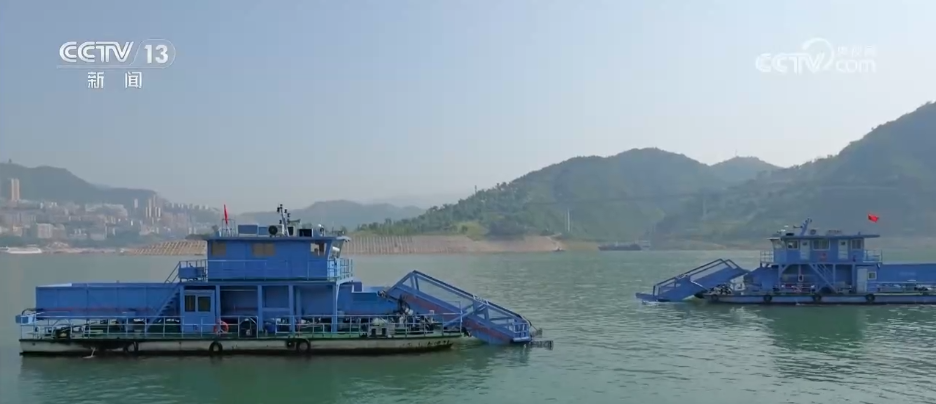
Core Insights - The article highlights the efforts of Chongqing in promoting green development and technological innovation, showcasing its achievements in building the Western Land-Sea New Corridor [1] Group 1: Technological Innovation and Industry Development - Chongqing is transitioning from traditional industries to smart manufacturing, particularly in the development of intelligent visual equipment [6] - The media delegation observed the transformation of waste into electricity at an environmental power generation company, emphasizing the city's commitment to sustainable development [6] - The automotive manufacturing sector is crucial to China's economy, with Chongqing being a significant hub for affordable and high-quality electric vehicles [6][8] Group 2: Green Development and Ecological Protection - The media team noted the ecological protection efforts along the Yangtze River, which remains a vital shipping route while maintaining good environmental standards [3] - The focus on green and intelligent development in the Yangtze Economic Belt was positively received by international journalists [6] Group 3: Trade and Export Opportunities - Chongqing is leveraging the Western Land-Sea New Corridor and the China-Europe Railway Express to enhance its trade connectivity with global markets [12] - Key exports from Chongqing to the Middle East include automobiles and electromechanical products, indicating a growing trade relationship [10]
《条例》印发,党政机关带头过紧日子的制度螺栓需紧而又紧
Zhong Guo Huan Jing Bao· 2025-05-21 23:28
Core Viewpoint - The revised "Regulations on Strict Economy and Opposition to Waste by Party and Government Agencies" emphasizes the importance of frugality and anti-waste measures as a political task, reinforcing institutional constraints to ensure adherence to these principles across all public activities [1][2]. Group 1: Implementation and Impact - The revision of the regulations serves as a reminder for party leaders to view waste issues with a higher political stance, linking waste to the party's image and the success of national endeavors [2]. - The regulations require integration into various aspects of financial management, procurement, investment, travel, and other activities, mandating strict adherence from all party leaders [2][3]. - The emphasis on accountability for wasteful practices, such as extravagant spending and "performance projects," aims to eliminate any leniency towards violations of the regulations [2]. Group 2: Economic Context and Resource Management - In the current economic environment, local departments are encouraged to implement the regulations to promote significant savings through optimized fiscal expenditure and resource allocation [3]. - The regulations advocate for the efficient use of resources like energy, water, and office supplies, promoting practices such as sharing and reallocating existing assets to enhance resource utilization [3]. - State-owned enterprises and institutions are urged to follow the regulations, contributing to sustainable development and overall resource efficiency, thereby supporting a green and low-carbon economic transition [3]. Group 3: Social Responsibility and Public Welfare - Party and government agencies are expected to lead by example in practicing frugality, which is intended to improve the living standards of the public [3]. - Strict enforcement of the regulations and effective supervision are seen as essential to prevent waste, thereby enhancing public welfare through every act of saving [3].
晨光电缆(834639) - 投资者关系活动记录表
2025-05-20 12:45
Group 1: Investor Relations Activity - The company held an earnings briefing on May 16, 2025, via the "Investor Relations Interactive Platform" [3] - Key attendees included the Chairman and General Manager, CFO, and other board members [3] Group 2: Financial Performance - Sales expenses increased by 18.99% due to enhanced market competitiveness and business expansion [6] - Management expenses rose by 9.09% primarily due to increased personnel costs and depreciation from completed projects [6] - R&D expenses grew by 2.15% as the company increased investment in new products and processes [6] - Financial expenses saw a slight increase of 0.81% due to higher financial service fees [6] Group 3: Accounts Receivable Management - Accounts receivable accounted for 276.58% of net profit, indicating significant capital tied up with customers [7] - The company plans to optimize accounts receivable management and enhance collection efficiency [8] Group 4: Profitability Challenges - The company faced a decline in profit margins due to rising raw material costs, particularly copper, which fluctuated between 62,000-89,000 RMB/ton in 2024 [9] - The gross margin decreased by 0.81 percentage points, prompting the company to implement cost control measures [11] Group 5: Market Strategy and Competition - The company aims to strengthen its core competitiveness through technology innovation and digital transformation [12] - Plans to expand into new markets, including rail transport and aerospace, to mitigate risks associated with high customer concentration [16] - The company successfully established partnerships with major enterprises like Sinopec and State Power Investment Corporation, enhancing its market presence [18] Group 6: Future Development and Strategic Focus - The company is focusing on high-end cable products and plans to invest in R&D for 500kV cables and other advanced technologies [10][21] - It aims to align with national strategies for green development and expand its international market presence, particularly along the "Belt and Road" initiative [21]
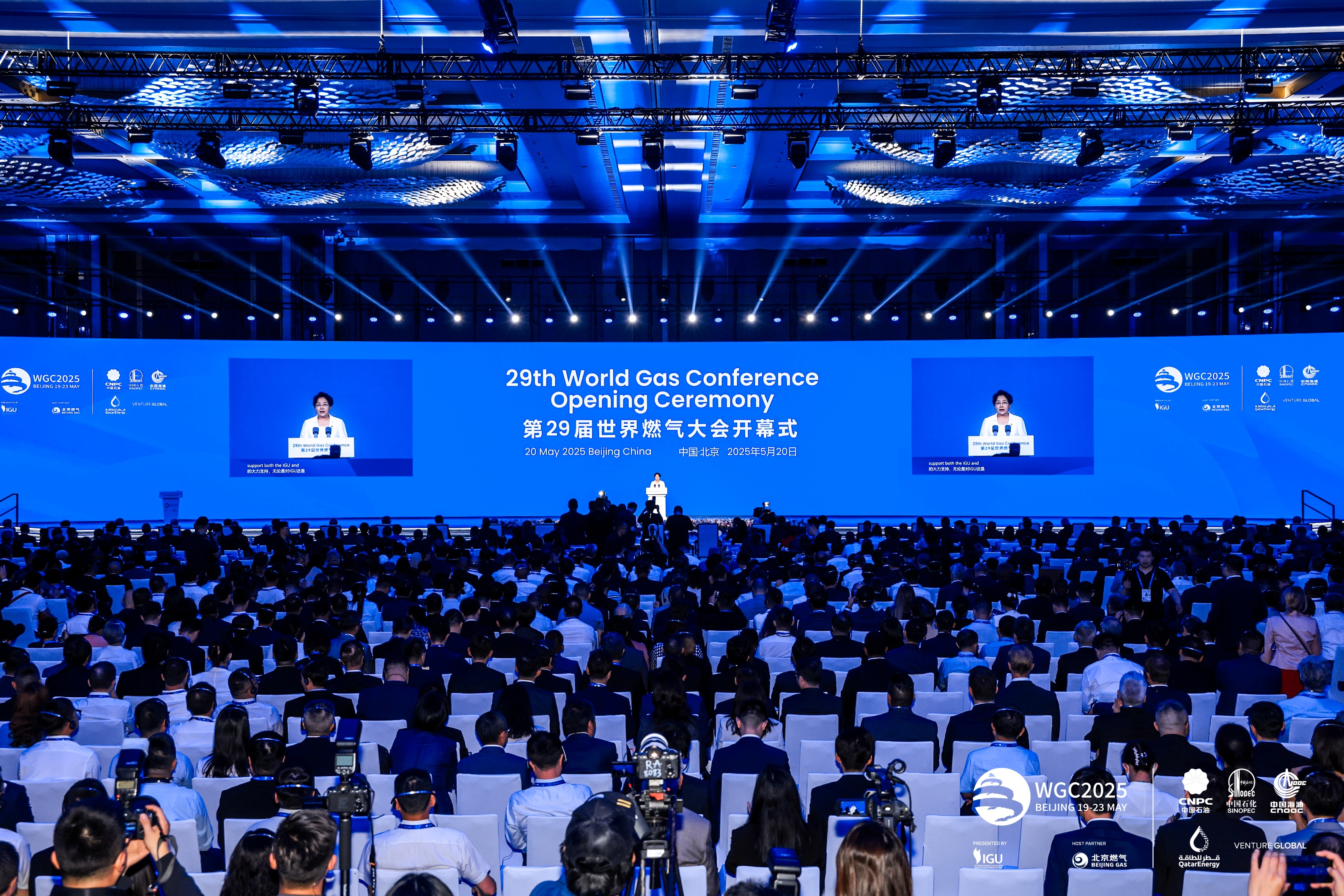
汇聚全球智慧 共谋绿色未来——第29届世界燃气大会在京开幕
Zhong Guo Neng Yuan Wang· 2025-05-20 09:08
万劲松在致辞中说,我国能源生产和消费持续增长,基础设施日益完善,"全国一张网"基本建成,天然气调配和应急能力显著增强。深地、深水、非常规资 源开发不断取得突破,有力带动天然气产量增长。当前,绿色低碳转型已成大势,他提出四点倡议:以国际民生为基础,提升保障能力;以生态优先推动绿 色发展;以数字化赋能能源体系;以多边合作完善治理机制。他说,要坚持开放合作、互利共赢,携手构建安全高效、清洁低碳的全球能源体系。 潘彦磊在致辞时表示,道达尔能源在保持传统油气市场优势的同时,积极参与全球能源转型,致力于2050年实现碳中和的目标。作为全球领先的综合能源企 业,道达尔将继续深化国际协作,推动构建多元清洁、安全可持续的能源未来。 FACTLII NUME III AN/ V 0 @ 7 C 49 qb e e ... 0 e WGC2025 BEIJING 19-23 MAY CNPC 中国石油 电脑思想 lilar IGU VENTURE GLOBAL PARTNER 9 北京燃气 d Allau Jack QatarEnergy T T 29th World Gas C support both the lGU and ...

媒体报道丨院士专家建议加快雅砻江流域水风光一体化基地开发运营 为全世界绿色低碳转型做示范
国家能源局· 2025-05-20 06:32
Core Viewpoint - The Yalong River Basin's integrated development of hydropower, wind, and solar energy is a key initiative in China's "14th Five-Year Plan," aiming to serve as a model for global green and low-carbon transformation [3][8]. Group 1: Project Overview - The Yalong River Basin is recognized as China's first integrated hydropower and renewable energy demonstration base, with a planned installed capacity of 78 million kilowatts [3][8]. - Currently, the base has completed 7 large hydropower stations and 3 major reservoirs, contributing nearly 21 million kilowatts of clean energy capacity and an annual power generation of approximately 100 billion kilowatt-hours [8][9]. Group 2: Economic Impact - The development of the Yalong River Basin is expected to generate static investments of about 350 billion yuan and drive a trillion-level industrial development, significantly benefiting the economy of Sichuan Province [8][9]. - The project is projected to create over 150,000 direct jobs and 160,000 indirect jobs during peak construction, with an annual tax contribution exceeding 10 billion yuan once operational [9]. Group 3: Technological Advancements - The Yalong River Basin has made significant strides in digitalization and intelligent applications, with projects like the Two Rivers Hydropower Station utilizing intelligent construction technologies [5][7]. - The integration of AI technology in the Kela Solar Power Station has led to innovative smart operation and maintenance practices [5]. Group 4: Strategic Importance - The Yalong River is noted for its excellent regulation capabilities, making it a crucial asset for large-scale development of wind and solar energy [11]. - The integrated development model is seen as vital for ensuring national energy security and promoting high-quality development of renewable energy [11][13]. Group 5: Recommendations for Development - Experts suggest a collaborative approach to accelerate the integrated development and operation of the Yalong River Basin, emphasizing the need for a "5+1" model that includes resource integration and national policy support [14][15]. - The focus on digitalization and smart technologies is recommended to enhance the efficiency and effectiveness of resource utilization in the basin [15][16].

空客加速探索可持续航空燃料应用
Huan Qiu Wang Zi Xun· 2025-05-20 04:00
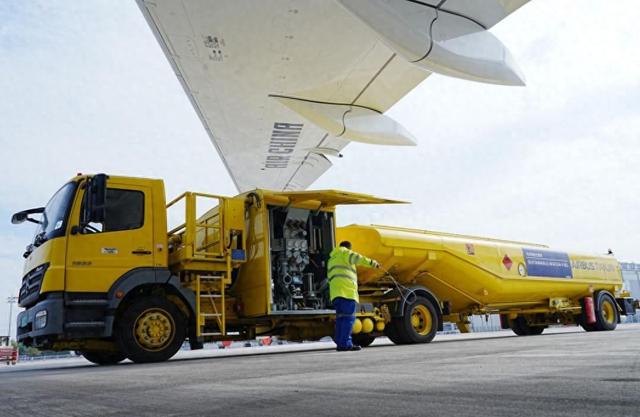
来源:光明网 光明网讯在全球低碳转型的大背景下,航空业在推动全球碳减排的过程中,扮演着重要角色。根据国际 能源署的数据显示,全球交通运输行业碳排放量占全球人均碳排放总量的22%,其中航空业碳排放量占 2.5%。记者了解到,可持续航空燃料(以下简称SAF)替代石油基航空煤油,全生命周期平均可减少 80%的二氧化碳排放,具有能量密度高、制备方式灵活、与现有航空动力系统兼容度高等优势。 5月19日,空客在北京举行可持续航空燃料媒体交流会,探讨可持续航空燃料的发展进程。空客可持续 航空燃料与碳移除生态系统负责人克莱尔·考夫曼(Claire Kauffmann)表示,中国原料资源种类丰富, 据预测,到2030年,中国可持续航空燃料每年可获得量将支撑起高达1200万吨的潜在产能,有巨大的发 展空间,中国强大的制造能力和工程执行力确保了可持续航空燃料产业的快速推进和高效建设。 可持续航空燃料及其生产过程必须遵循一系列国际可持续性标准。这些标准涉及的领域包括:有效减少 温室气体排放、保护碳储量、维护土壤、空气和水体的质量、合理使用废弃物和化学品、确保整个供应 链的可追溯性、保护自然生态、防止森林砍伐,以及保障人权、土地与劳动 ...