
投资于人

Search documents
锚定中国的世界新坐标
2 1 Shi Ji Jing Ji Bao Dao· 2025-12-31 00:28
Core Viewpoint - The articles highlight China's evolving role in the global landscape, emphasizing its transition from a technology follower to a leader in artificial intelligence and other sectors, while also addressing the need for internal economic reforms and the importance of enhancing domestic demand to sustain growth [1][2][3][4][5][6][7]. Group 1: China's Global Positioning - In 2025, China experienced a significant shift in its global standing, marked by advancements in technology, trade, governance, and security, leading to a re-evaluation of its position in the world [1][2]. - China's initiatives in global governance, including the announcement of not seeking special treatment in WTO negotiations, reflect its commitment to taking on greater international responsibilities [2][3]. - The restructuring of global economic and technological power dynamics supports China's more confident and proactive stance in international politics and governance [2][3]. Group 2: Economic Strategy and Reforms - The 20th Central Committee emphasized the need for structural reforms to address the complexities of the current development environment, focusing on consolidating advantages and overcoming bottlenecks [3][4]. - The central economic work conference highlighted the importance of stabilizing economic growth while pursuing deeper structural reforms to enhance resilience against external challenges [4][5]. - The transition from old to new economic drivers requires a balance between innovation and managing traditional capacities, necessitating market mechanisms to eliminate inefficiencies [4][5]. Group 3: Domestic Demand and Growth - Expanding domestic demand is identified as a strategic priority, with a focus on creating a robust domestic market to ensure economic stability and security [5][6]. - The potential of China's large middle-income population is recognized as a significant driver for investment and consumption, necessitating reforms in income distribution and social security systems [5][6]. - The shift in development philosophy towards prioritizing human well-being and income growth reflects a broader understanding of economic success beyond mere GDP growth [6][7]. Group 4: Government's Role - The government is positioned as a key player in creating an environment that aligns national strategies with individual welfare, emphasizing the need for effective governance and service provision [7]. - Continuous institutional innovation and cultural development are essential for enhancing China's competitive edge in the global arena [7].

投资于人,投资于韧
Sou Hu Cai Jing· 2025-12-30 23:14
Group 1 - International investor Jim Rogers identifies China as one of the most promising countries of the 21st century, emphasizing the unique resilience of Chinese civilization as the underlying logic for his judgment [1] - The recent Central Economic Work Conference highlights the importance of combining investment in material and human resources as a new understanding for economic work in the current context [1] - The annual word "韧" (resilience) and phrase "深度求索" (Deep Seek) from the "Chinese Word of the Year 2025" activity resonate with Rogers' views, indicating a focus on high-quality development in China [1] Group 2 - The concept of "investing in people" is a rediscovery of human value and a reaffirmation of development direction, aiming to awaken individual agency and creativity [2] - In Yangzhou, the rise of the Super Individual Economy (OPC) demonstrates how individuals can start businesses with minimal resources, leveraging AI technology to enhance productivity [2] - The launch of multiple OPC ecological communities in Yangzhou on the last day of 2025 aims to provide comprehensive support for individual entrepreneurs [2] Group 3 - Resilience is a distinctive trait of the Chinese nation, reflecting the enduring vitality of Chinese civilization despite historical challenges [3] - Jiangsu province's industrial resilience mirrors national resilience, supported by a solid industrial foundation and key core technologies [3] - Over 90% of large and medium-sized industrial enterprises in Jiangsu have established R&D institutions, contributing to the transformation and upgrading of the manufacturing sector [3] Group 4 - The phrase "爱你老己" (love yourself) resonates with many, symbolizing the warm expression of "investing in people" [4] - Emphasizing the importance of valuing and believing in individuals can inspire and uplift them, leading to collective progress and strength [4] - A nation that prioritizes human investment and embodies historical patience and resilience is likely to thrive and maintain its position amidst global challenges [4]
当“投资于人”崛起:年度十大经济热词背后的事情
Sou Hu Cai Jing· 2025-12-30 13:46
Core Insights - The article discusses the emergence of new economic terms that reflect significant transformations in China's economy, emphasizing the importance of understanding these terms to grasp future trends and policies [1][11] Group 1: New Economic Concepts - "New Quality Productivity" has become the central focus of China's economic policy for 2025, transitioning from a theoretical concept to a practical framework implemented across various regions [2] - Industries guided by "New Quality Productivity" have seen their total factor productivity growth reach 2.3 times that of traditional sectors, becoming a key driver of economic growth quality [3] Group 2: Policy and Legislative Developments - A comprehensive set of incremental policies for 2025 aims to precisely target new growth areas such as digital economy, green economy, and silver economy, enhancing microeconomic vitality through coordinated fiscal, monetary, and industrial policies [3] - The legislative progress of the "Private Economy Promotion Law" in 2025 is expected to provide a stable legal environment for over 55 million private enterprises, enhancing market expectations and property rights protection [3] Group 3: Innovation and Technology - The theme of "Deep Exploration" in 2025 signifies a shift in China's technological innovation focus from efficiency-driven commercial model innovation to foundational scientific research and original theories [4] - Companies are increasingly investing in foundational breakthroughs in cutting-edge fields like artificial intelligence and quantum computing, moving towards practical applications in manufacturing and logistics [5] Group 4: Consumer Behavior and Market Trends - The concept of "Ticket Root Economy" has evolved to emphasize cultural experiences and emotional resonance over mere physical products, reflecting a deeper consumer philosophy [6] - "Special Forces-style tourism" has transitioned into a widespread consumption philosophy, optimizing personal resource allocation for maximum experiential value [6] Group 5: Economic Philosophy and Human Investment - The shift towards "Investing in People" represents a fundamental change in resource allocation priorities, focusing on education, health, and skill enhancement rather than traditional infrastructure projects [9] - This economic logic highlights the need to enhance human capital quality and well-being to unlock sustainable consumption potential and innovation vitality [10] Group 6: Resilience and Societal Values - The concept of "Resilience" has emerged as a key societal value, emphasizing proactive strategies to build robustness in economic systems and individual psychological resilience [10] - The interplay of these new terms illustrates a broader narrative of China's economic transformation, moving from growth speed to quality and resilience [11]


央广时评·回眸2025丨坚持“投资于人” 惠民生和促消费双向奔赴
Yang Guang Wang· 2025-12-30 05:15
今年《政府工作报告》提出,要推动更多资金资源"投资于人"。党的二十届四中全会审议通过的"十五五"规划建 议和中央经济工作会议,均再次强调并向全社会释放了"投资于物和投资于人紧密结合"的政策信号。 中国式现代化,民生为大。"投资于人"是我们奋进新征程、实现人民对美好生活追求的应有之义。一年来,国家 层面"投资于人"的政策举措密集落地、精准发力。从《关于进一步保障和改善民生 着力解决群众急难愁盼的意 见》出台,到《关于进一步加大稳就业政策支持力度的通知》发布;从《育儿补贴制度实施方案》制定到落地, 再到《关于逐步推行免费学前教育的意见》实施……一系列务实政策措施发力稳就业、惠民生、促消费,让广大 人民群众的获得感、幸福感、安全感更加充实、更有保障、更可持续。今年上半年,在全国31个省区市财政支出 中,民生领域支出普遍占比超七成以上,"民生"底色更加温暖坚实。 "投资于人"是保障改善民生与提振消费动能的"双向奔赴"。一方面,我们将更多资金和公共资源投向教育、就 业、医疗、社会保障等领域,织牢织密"民生保障网",夯实群众生活质量的底气;另一方面,政策和资金引导市 场主体提供多层次、多样化、高品质的产品和服务,实现市场 ...
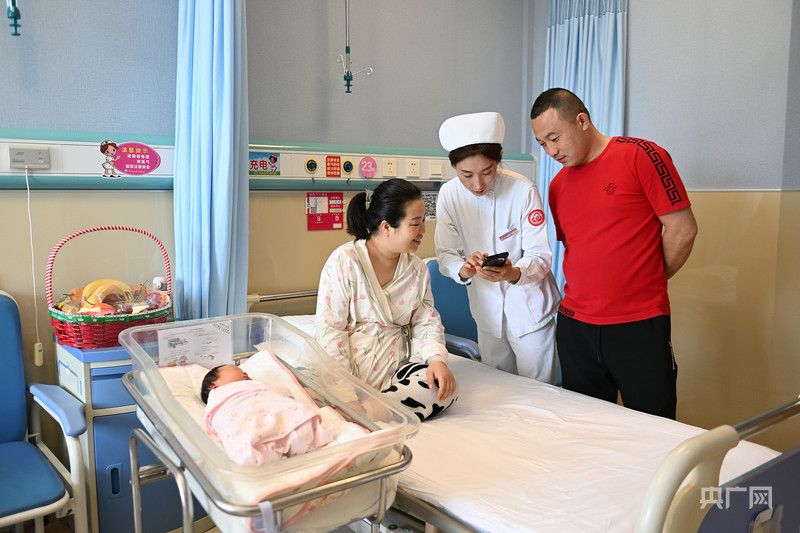
金观平:增强居民和企业的获得感
Jing Ji Ri Bao· 2025-12-30 01:51
Group 1 - The central economic work conference emphasizes the need for a pragmatic approach to enhance the sense of gain for residents and enterprises, focusing on solving existing difficulties and achieving breakthroughs in quality improvement [1] - During the "14th Five-Year Plan" period, significant achievements have been made in improving people's livelihoods, including the establishment of the world's largest education, social security, healthcare, and urban housing systems, as well as the formation of the largest middle-income group globally [1] - Employment support policies during the "14th Five-Year Plan" have resulted in over 470 billion yuan in employment subsidies and 138.9 billion yuan in stable job retention funds, contributing to the overall sense of happiness and gain among the population [1] Group 2 - To enhance the sense of gain for residents and enterprises, efforts are needed to address the issue of overdue payments to small and medium-sized enterprises (SMEs), which have seen an increase in accounts receivable and extended payment periods [2] - The revised "Regulations on Ensuring Payment to Small and Medium-sized Enterprises" clarifies payment deadlines, particularly requiring large enterprises to pay within 60 days of delivery, thus aiming to alleviate the "chain debt" phenomenon [2] - Local governments are encouraged to utilize new special bonds to promote state-owned enterprises in resolving overdue payments and establishing a long-term mechanism to prevent such issues [2] Group 3 - Investment in human capital is essential for promoting high-quality population development and comprehensive human development, which includes investments in childcare, elderly care, health, and skills training [3] - There is a need to improve the income distribution system and ensure that various factors are evaluated by the market, with remuneration based on contribution, while also promoting equal access to basic public services [3] - Policies across finance, monetary, industry, and pricing sectors should work in coordination to enhance both the quality and reasonable growth of employment, with a focus on key employment groups such as recent graduates and migrant workers [3] Group 4 - The realization of people's aspirations for a better life is the starting point and goal of Chinese-style modernization, with the enhancement of residents' and enterprises' sense of gain being an ongoing process [4] - The implementation of various benefit policies for the public and enterprises is not merely a one-way expenditure but contains new economic growth points and potential for expanding domestic demand and promoting consumption [4] - There is a promising outlook for high-quality population development and comprehensive human development in the new era [4]
迟福林支招大湾区:“十五五”推进粤港澳服务贸易一体化
Sou Hu Cai Jing· 2025-12-29 11:16
Core Insights - The core argument presented is that if China's consumption share in the global market approaches that of its manufacturing sector, it could create an additional consumption market of no less than $10 trillion [1][3]. Group 1: Economic Development Strategy - The focus on "domestic demand-led growth and consumption-driven development" is deemed crucial for enhancing economic resilience amid rising global uncertainties and adjustments in international trade [3][4]. - The current structural issue in China's economy is characterized by insufficient domestic demand, particularly weak consumption, leading to an imbalance of "strong supply and weak demand" [3][4]. - The "14th Five-Year Plan" period is identified as a critical time to stimulate consumption and unlock the potential of China's vast market [3][4]. Group 2: Consumption Trends - In 2023, China's manufacturing value added accounted for 28% of the global total, while final consumption expenditure represented only 13.2% of global consumption [3][4]. - There is a significant gap in the consumption rate between China and developed economies, with China's consumption rate projected at 39.9% in 2024, compared to around 54% in major developed economies, indicating a potential increase of at least 14 percentage points [4][5]. - A 1 percentage point increase in the consumption rate could release approximately 800 billion yuan in consumption growth, suggesting that a 14 percentage point increase by 2035 could generate over 11 trillion yuan in new consumption [5]. Group 3: Service Consumption - The shift from material consumption to service-oriented consumption is highlighted as a key trend, with sectors such as education, healthcare, culture, and tourism showing the fastest growth [6][7]. - From 2013 to 2024, the annual growth rate of service consumption in China is projected at 7.2%, with its share of total consumption rising from 39.7% to 46.1%, and further to 46.8% in the first three quarters of 2025 [6][7]. Group 4: Regional Development and Trade Integration - The integration of service trade in the Guangdong-Hong Kong-Macau Greater Bay Area is emphasized as a strategic move to enhance service-oriented consumption and high-level openness [9][10]. - The service trade's share in Guangdong's foreign trade is only 12.5% in 2024, which is significantly lower than the global average, indicating room for improvement [9][10]. Group 5: Investment in Human Capital - The strategy of "investing in people" is proposed as essential for driving domestic demand and consumption, with an estimated investment requirement of 80 trillion to 100 trillion yuan to improve public services and enhance consumer expectations [12][13]. - The suggestion includes reallocating 10% to 15% of state-owned assets for "investing in people," which could amount to 30 trillion to 50 trillion yuan based on the total assets of state-owned enterprises [13].
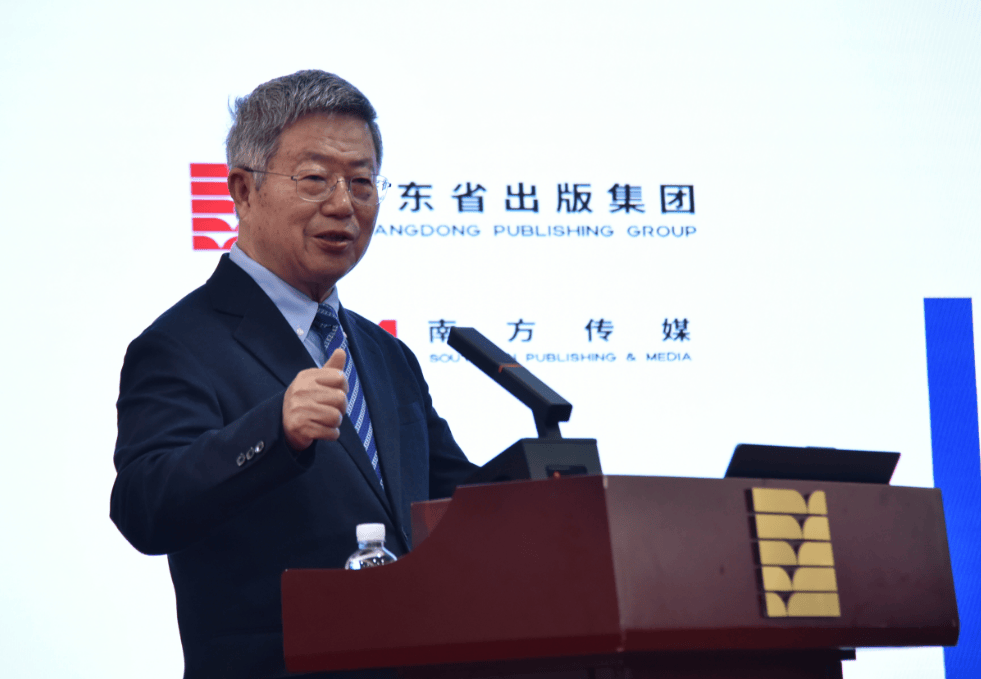
中央经济工作会议精神解读:以“投资于人”和“苦练内功”稳预期、强动能
Capital Securities· 2025-12-29 10:51
Group 1: Economic Policy Adjustments - The 2025 Central Economic Work Conference has shifted its focus from "nine tasks" in 2024 to "eight tasks," emphasizing the importance of domestic demand as the primary driver of economic growth[9] - The task of expanding domestic demand has been elevated to the top priority, with a focus on "building a strong domestic market" and implementing specific actions to boost consumption and income[10] - The urgency of risk prevention has decreased, with the task of "preventing and resolving key area risks" moving from fifth to eighth place, indicating progress in areas like debt replacement and real estate[9] Group 2: Investment and Consumption Strategies - The conference emphasizes the integration of investment in both physical assets and human capital, with a focus on enhancing income for all urban and rural residents through specific plans[10] - Service consumption is highlighted as a key area for expanding domestic demand, with the service sector showing higher multiplier effects and lower risks compared to traditional goods consumption[25] - The government aims to stabilize the real estate market by encouraging the purchase of existing homes for affordable housing, which is expected to alleviate liquidity pressures on real estate companies[38] Group 3: Financial and Monetary Policies - The fiscal policy will maintain necessary levels of fiscal deficit, total debt, and expenditure, focusing on optimizing the expenditure structure for greater policy effectiveness[15] - Monetary policy will continue to be moderately accommodative, with an emphasis on promoting stable economic growth and reasonable price recovery, while ensuring liquidity remains ample[21] - The total social financing (TSF) increased by 33.4 trillion yuan in the first eleven months of the year, reflecting a 13.6% year-on-year increase, indicating strong financial support for the real economy[27] Group 4: Long-term Economic Outlook and Risks - The macroeconomic outlook remains positive, with structural reforms expected to deepen, focusing on quality improvement and effective growth[60] - Risks include potential delays in policy implementation and effectiveness, external economic pressures, and market and credit risks that could impact domestic asset prices[61]
以有效产能出清解决行业内耗难题
Di Yi Cai Jing Zi Xun· 2025-12-29 02:21
本文字数:1755,阅读时长大约3分钟 作者 |第一财经 一财评论员 提高经济运行质量已到了亟须优化发力路径的关键阶段。 国家统计局数据显示,前11个月,全国规上工业企业实现利润总额66268.6亿元,同比增长0.1%,其中 11月份同比下降13.1%;前11个月,规上工业企业实现营业收入125.34万亿元,同比增长1.6%,发生营 业成本107.17万亿元,增长1.8%,营业收入利润率为5.29%,同比下降0.08个百分点。 在当前内外环境不确定性持续加剧的大背景下,规上工业企业顶住压力,迎难而上,取得如此成绩可谓 来之不易。尽管规上工业企业的营业收入同比小幅增长、营业收入利润率未能同步跟进,但亮点也相当 明显,如规上装备制造业利润同比增长7.7%,拉动全部规上工业企业利润增长2.8个百分点;规上高技 术制造业利润前11个月同比增长10.0%,较前10个月加快2.0个百分点,增速高于全部规上工业平均水平 9.9个百分点。这些数据凸显出当前经济正处于新旧动能转换、爬坡升级的尖峰时刻。 2025.12.29 此外,推动企业走出增产不增收的困局,关键是改革,在经济整体上打破垄断,基于需求端而非资产端 来展现国家战 ...

从经济热词看影响四川的“变量”
Xin Lang Cai Jing· 2025-12-28 20:28
Core Viewpoint - The article emphasizes the importance of expanding domestic demand and enhancing the role of the private economy in driving China's economic growth, particularly in the context of the upcoming "15th Five-Year Plan" and the challenges posed by external economic environments [2][11]. Group 1: Domestic Demand Growth - The current economic environment shows a significant contradiction between strong supply and weak demand, necessitating a focus on expanding effective domestic demand [2][3]. - The central economic work meeting has prioritized the construction of a strong domestic market, indicating a strategic shift towards internal circulation [2][3]. - In 2024, China's consumer rate was reported at 39.9%, which is significantly lower than that of developed countries by 10 to 30 percentage points, highlighting the potential for growth in domestic consumption [2]. Group 2: Investment in Human Capital - The concept of "investing in people" is highlighted as a crucial strategy for economic development, emphasizing the need to allocate more resources to education, healthcare, and social security [5][6]. - This approach aims to enhance human capital and improve living standards, which are essential for driving sustainable economic growth [6][7]. - The integration of "investment in people" with "investment in material" is seen as a necessary step to address supply-demand imbalances and promote high-quality development [7]. Group 3: Private Economy Development - The private economy is recognized as a vital force for modernization and high-quality development, with significant contributions to job creation and GDP [11][12]. - In 2024, the private economy in Sichuan achieved a value-added of 36,461.1 billion yuan, accounting for 56.4% of the province's GDP [11]. - There is a need for targeted policies to address the challenges faced by the private sector, including improving the business environment and supporting innovation [12][13]. Group 4: Regional Coordination - The article discusses the importance of regional coordination and urban-rural integration as key tasks for economic development in 2026 [14][15]. - Sichuan aims to enhance inter-provincial cooperation, particularly with Chongqing, to foster balanced development and optimize resource allocation [14][15]. - The focus on building a modern urban system and improving infrastructure is essential for supporting regional economic growth [15][16]. Group 5: Cultural and Tourism Integration - The integration of culture and tourism is identified as a strategic priority for Sichuan, aiming to leverage its rich cultural resources to enhance economic development [24][25]. - The shift from resource-driven to value-creation in the tourism sector is necessary to address existing challenges and improve the overall quality of tourism offerings [25][26]. - The article emphasizes the need for innovative approaches to enhance the cultural tourism experience and drive economic growth [26][27]. Group 6: Water Resource Management - The "Yin Da Ji Min" project is a significant cross-basin water diversion initiative aimed at addressing water resource distribution issues in Sichuan [28][29]. - This project is expected to provide essential water supply for industrial and agricultural needs, supporting sustainable development in the region [29][30]. - The initiative aligns with national strategies for water security and ecological protection, contributing to the overall resilience of the region's water management system [30][31]. Group 7: Public Service Mapping - The development of a public service "population map" is proposed to enhance the precision of service delivery in response to demographic changes [32][33]. - This innovative approach aims to improve the allocation of public resources and ensure that services are tailored to the needs of the population [33][34]. - The initiative represents a shift towards data-driven governance, enhancing the efficiency and effectiveness of public service provision [34].
8位经济学家眼中的2025年“关键词”
Xin Hua Wang· 2025-12-28 15:39
Core Viewpoint - The year 2025 is characterized by significant economic resilience and vitality in China, with a focus on investment in people, artificial intelligence, and a favorable capital market [1] Group 1: Economic Trends - Experts highlight that 2026 will see an increase in macroeconomic policy counter-cyclical adjustments to support domestic demand expansion [1] - There is an emphasis on further deepening reforms to fully unleash economic vitality and potential [1]