直播带货

Search documents
不止 “接流量” 更要 “造流量”,平台明星争夺战叒升级
3 6 Ke· 2025-08-18 23:48
Core Insights - The article discusses the ongoing competition among social media platforms for celebrity resources, highlighting the recent influx of stars like Zhao Lusi and Zhang Manyu into platforms like Douyin and Xiaohongshu, which has generated significant user engagement and discussions [1][3][18]. Group 1: Celebrity Influence on Social Media - The rise of celebrity live-streaming began in 2020, with major stars like Liu Dehua entering Douyin, leading to a continuous demand for celebrity presence on internet platforms [3][12]. - The entry of celebrities into social media platforms has evolved from direct sales to creating engaging content that resonates with users, showcasing their personalities and stories [7][19]. - Zhao Lusi's recent success on Xiaohongshu, where she gained over 3.8 million followers in two weeks, exemplifies the power of celebrity influence in driving platform engagement [21][23]. Group 2: Platform Strategies and User Engagement - Social media platforms are increasingly focused on not just driving sales but also generating engaging topics and discussions around celebrities, creating a cycle of attention and revenue [19][24]. - The competition among platforms has shifted from merely attracting celebrities to developing tailored strategies that align with the unique characteristics of each platform, such as Douyin's broader audience appeal versus Xiaohongshu's focus on lifestyle and personal branding [9][34]. - The phenomenon of celebrities becoming "hosts" on platforms indicates a strategic shift where platforms leverage celebrity status to create viral topics and enhance user interaction [18][30]. Group 3: Evolution of Celebrity Marketing - The initial phase of celebrity marketing was characterized by direct sales through live-streaming, but this has transitioned to a more nuanced approach where celebrities are seen as integral to the platform's identity and user engagement [5][12]. - The current landscape reflects a blend of traditional celebrity endorsement with modern social media strategies, where the focus is on creating a narrative that captivates users and encourages them to engage with the content [19][34]. - Platforms are now more selective in their partnerships with celebrities, seeking those who can provide both engagement and commercial value, indicating a maturation of the influencer marketing space [29][34].


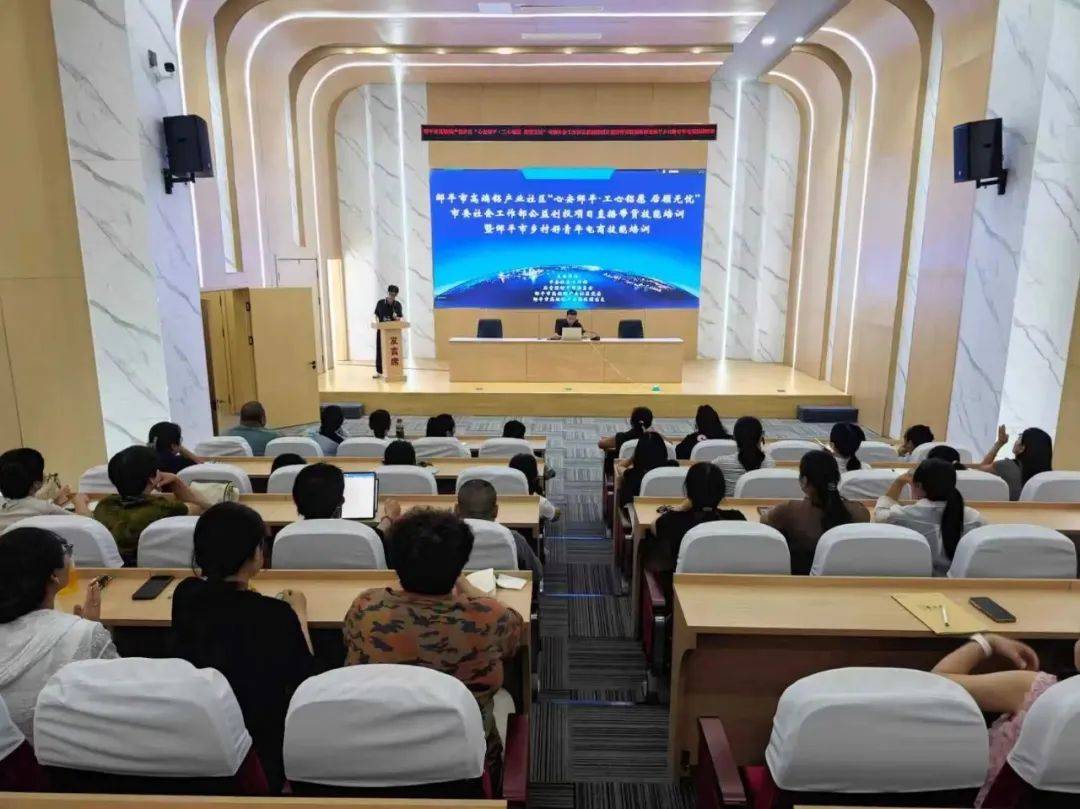
【青春强基】邹平市乡村好青年电商专题培训班成功举办
Sou Hu Cai Jing· 2025-08-18 14:06
Group 1 - The event aimed to enhance the skills of rural youth in e-commerce and live streaming, with over 80 participants from various towns and emerging fields [1][4] - Professional trainers provided detailed guidance on live streaming permissions, product selection, audience engagement, and prohibited terms, helping participants gain a foundational understanding of live commerce [4] - The initiative is part of a broader strategy by the Zou Ping Youth League Committee to integrate resources and create quality platforms for youth development, focusing on empowering rural and emerging field youth [4]
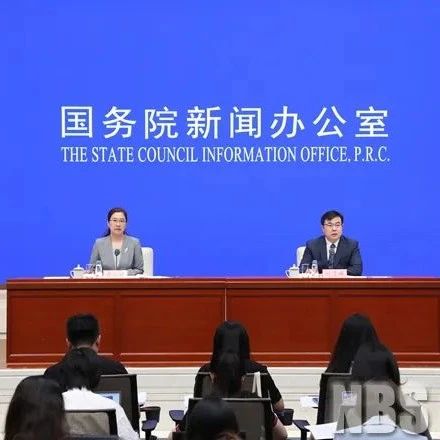
国家统计局新闻发言人就2025年7月份国民经济运行情况答记者问
中汽协会数据· 2025-08-18 08:02
Core Viewpoint - The economic performance in July 2025 demonstrates resilience and vitality despite external pressures and adverse weather conditions, with steady growth in production, consumption, and investment, alongside stable employment and prices [7][10][20]. Economic Performance Overview - The industrial output in July showed a year-on-year increase of 5.7%, with the equipment manufacturing sector growing by 8.4%, indicating strong industrial growth [7][51]. - The service sector also performed well, with a production index growth of 5.8% in July, driven by increased tourism and related services [7][15]. - Social retail sales increased by 3.7% year-on-year in July, with a notable 4% growth in goods retail [8][14]. - Fixed asset investment grew by 1.6% from January to July, with significant contributions from equipment updates and manufacturing investments [8][45]. Trade and Employment - The total import and export volume increased by 6.7% year-on-year in July, reflecting the resilience of foreign trade despite a complex international environment [8][31]. - The urban unemployment rate remained stable at 5.2%, indicating a steady employment situation [9][20]. New Growth Drivers - High-tech manufacturing saw a 9.3% increase in output, with significant growth in sectors like integrated circuits and new energy vehicles [10][38]. - The digital economy is rapidly developing, with a 8.4% increase in digital product manufacturing in July [10][38]. Consumer Trends - Consumer demand is being stimulated by policies such as the "old for new" consumption initiative, leading to increased sales in home appliances and cultural products [8][14]. - The service sector is experiencing growth, particularly in tourism and digital services, with a notable increase in transportation and cultural service indices [15][56]. Investment Landscape - Investment in manufacturing is growing, with a 6.2% increase in manufacturing investment from January to July, particularly in textiles and automotive sectors [45][46]. - Infrastructure investment is also on the rise, with water management and information transmission sectors seeing significant growth [46][47]. Policy Impact - The implementation of proactive macroeconomic policies is supporting production and investment growth, with a focus on stabilizing employment and market expectations [10][23]. - The government's commitment to deepening reform and opening up is enhancing the resilience and vitality of the economy [21][32].
东南亚电商大爆发,中企纷纷落子布局
Sou Hu Cai Jing· 2025-08-16 06:09
Group 1: Market Growth - Southeast Asia's e-commerce market is experiencing explosive growth, with annual sales projected to increase from $4 billion in 2012 to $184 billion by 2024 [1] - The region has a population of nearly 700 million, with a significant proportion of young consumers, and internet penetration rates exceeding 70% in most countries [4][5] Group 2: Chinese Companies' Involvement - Chinese e-commerce platforms like Lazada and TikTok Shop are expanding their presence in Southeast Asia, leveraging their ecosystems to enhance digital experiences [3][6] - Chinese businesses are transitioning from merely selling products to offering services, thereby reshaping the e-commerce landscape in Southeast Asia [3] Group 3: Consumer Behavior and Preferences - Southeast Asian consumers prefer visually appealing, low-decision, and high-repurchase products, such as beauty and personal care items, which are easily promoted through content e-commerce [5] - Approximately 75% of Southeast Asian consumers are more inclined to purchase products recommended by influencers, with TikTok being a primary channel for influencer marketing [7] Group 4: Infrastructure Development - Logistics and payment infrastructures are improving, with companies like Cainiao and SF Express establishing operations in Southeast Asia to enhance logistics efficiency [9][10] - The electronic payment penetration in Southeast Asia has surpassed 50%, with mobile payments in Thailand projected to account for 55% of e-commerce transactions by 2024 [10][11] Group 5: Challenges and Opportunities - Despite the growth in electronic payments, many consumers still prefer cash on delivery due to a lack of credit systems and low card issuance rates [11] - Chinese payment service providers are capitalizing on the opportunity to address payment challenges in Southeast Asia, offering localized services to facilitate cross-border transactions [12]


东南亚电商大爆发,中企纷纷落子布局
21世纪经济报道· 2025-08-16 03:56
Core Viewpoint - The Southeast Asian e-commerce market is experiencing explosive growth, with annual sales projected to increase from $4 billion in 2012 to $184 billion by 2024, attracting significant attention from Chinese companies [1][3]. Group 1: Market Growth and Opportunities - The e-commerce platforms in Southeast Asia, such as Lazada, are evolving with the support of Chinese companies like Alibaba, which provides funding and ecosystem integration [3]. - The demand for Chinese products in Southeast Asia is rising, driven by a young population and increasing internet penetration, with over 70% in most countries except Laos, Myanmar, and East Timor [6][7]. - Indonesia, Thailand, and Vietnam are noted for their significant e-commerce consumption growth, with a preference for visually appealing and high-repurchase products [6][7]. Group 2: E-commerce Strategies and Innovations - The rise of live streaming and short videos as new consumer entry points is reshaping shopping habits, with 75% of Southeast Asian consumers preferring products recommended by influencers [9][10]. - TikTok Shop is leveraging a dual model of "content + shelf," where personalized recommendations and real-time interactions drive sales [10][11]. - Chinese sellers, experienced in domestic e-commerce, are successfully applying their strategies in Southeast Asia, enhancing the content ecosystem on platforms like TikTok Shop [11]. Group 3: Infrastructure Development - The logistics and payment infrastructure in Southeast Asia is improving, with significant investments from Chinese logistics companies like Cainiao and SF Express [12][14]. - The electronic payment adoption rate has surpassed 50%, with mobile payments in Thailand projected to account for 55% of e-commerce transactions by 2024 [14][15]. - Despite advancements, challenges remain in payment adoption due to low credit card issuance and a preference for cash transactions among local consumers [15]. Group 4: Cross-Border Payment Solutions - Chinese payment service providers are capitalizing on the payment challenges in Southeast Asia, offering solutions that facilitate cross-border transactions and reduce costs [15]. - Successful collaborations, such as UnionPay's partnership with Laos' national payment network, highlight the potential for Chinese companies to enhance local payment ecosystems [15].

中企出海重塑东南亚电商
2 1 Shi Ji Jing Ji Bao Dao· 2025-08-15 23:10
Group 1: Market Growth and Trends - Southeast Asia's e-commerce market is experiencing explosive growth, with annual sales projected to rise from $4 billion in 2012 to $184 billion by 2024 [1] - The region has a population of nearly 700 million, with a significant proportion of young consumers, and internet penetration rates exceeding 70% in most countries [2] - Indonesia, Thailand, and Vietnam are leading in e-commerce consumption growth, with consumers favoring visually appealing and easily purchasable products [3] Group 2: Role of Chinese Companies - Chinese companies are increasingly collaborating with local e-commerce platforms to enhance shopping experiences and establish logistics and payment services [1][2] - The shift from "selling products" to "selling services" is evident as Chinese firms adapt to local market needs and preferences [1] - Chinese sellers leverage their supply chain advantages to become a dominant seller group on Southeast Asian e-commerce platforms [3] Group 3: Technological Advancements - Lazada is at the forefront of applying AI in Southeast Asia's e-commerce, enhancing user experience and operational efficiency through personalized recommendations [4] - The rise of live streaming and short videos as new consumer entry points is reshaping shopping behaviors in the region [5] - Approximately 75% of Southeast Asian consumers prefer products recommended by influencers, with TikTok being a primary channel for influencer marketing [6] Group 4: Infrastructure Development - The logistics landscape in Southeast Asia is evolving, with Chinese logistics companies establishing a presence to meet growing demand [8][9] - JD Logistics continues to focus on overseas warehouse services, significantly reducing shipping times for e-commerce [9] - Electronic payment adoption is increasing, with over 50% penetration in Southeast Asia, although cash transactions remain prevalent due to various barriers [10] Group 5: Payment Solutions - Companies like PingPong are addressing payment challenges in Southeast Asia by providing localized services and facilitating cross-border payments for e-commerce businesses [11] - The collaboration between Chinese payment service providers and local networks is enhancing payment infrastructure and efficiency in the region [11]
广告法如何回应新技术?
腾讯研究院· 2025-08-15 09:33
Core Viewpoint - The article reflects on the ten-year implementation of the new Advertising Law in China, highlighting the dual leap in scale and quality of the advertising industry under legal protection, and the ongoing evolution of regulatory frameworks to address emerging challenges in the digital advertising landscape [2][3]. Summary by Sections Introduction - The article marks the tenth anniversary of the new Advertising Law, emphasizing the establishment of a healthy and orderly market ecology in China's advertising industry [2]. Historical Context - The original Advertising Law, enacted in 1994, aimed to address public trust issues arising from the commercialization of media, which led to a crisis of confidence among the public [5][6]. Regulatory Evolution - Over the past decade, the regulatory framework has evolved to include specific guidelines for internet advertising, medical aesthetics, and celebrity endorsements, filling regulatory gaps [2][3][11]. Challenges of Internet Advertising - The rapid advancement of information technology and the internet has posed significant challenges to the existing Advertising Law, which was primarily designed for traditional media [9][10][14]. Legislative Process - The revision process for the Advertising Law began in 2003, primarily to address the challenges posed by internet media, but it took over a decade to finalize due to the complexity of the issues involved [10][11]. New Regulatory Frameworks - The new Advertising Law, enacted in 2015, introduced provisions for internet advertising but largely retained old regulatory approaches, indicating a need for ongoing adaptation [11][12]. Emerging Issues - The rise of live-streaming commerce and social media has created new advertising paradigms, complicating the regulatory landscape and raising questions about the applicability of traditional advertising laws [14][15][16]. Future Directions - The article suggests that while new technologies and market dynamics present challenges, they also offer opportunities for legal adaptation and innovation in regulatory practices [21][22].

“东北雨姐”账号10月解封,当地网信办:整改到位可继续带货
2 1 Shi Ji Jing Ji Bao Dao· 2025-08-12 14:24
8月9日,曾因虚假宣传被处罚的网红@东北雨姐沉寂近一年后在微博更新动态。 (文章来源:21世纪经济报道) 据湖北经视《经视直播》栏目8月11日报道,记者以消费者身份咨询了本溪满族自治县网信办。工作人 员表示,东北雨姐不属于被永久封杀的情况,其抖音账号封至今年10月,解封后可正常发布作品。对于 后续带货资格,工作人员称只要其整改到位,理论上可以继续从事直播带货,但必须遵守相关规定,包 括不得虚假宣传、涉黄、涉毒涉赌,不得出现血腥暴力场面等。网信办及市场监督部门也将对其进行持 续监管。 ...
从“扛着篮子叫卖”到“对着镜头促销”:农村电商消费红火 农村电商物流业务量加速回升
Yang Shi Wang· 2025-08-12 07:34
Core Insights - Rural e-commerce consumption surged in July, with logistics business volume accelerating, significantly contributing to the rise in the e-commerce logistics index [1][6] Group 1: E-commerce Growth - The development of e-commerce logistics has enabled traditional handicrafts and high-quality agricultural products to successfully reach the market, increasing villagers' income [3] - In July, the rural e-commerce logistics business volume index reached 131.5 points, an increase of 1.1 points from the previous month [6] - All regions in the country saw a rebound in rural business volume index, with the central region experiencing the largest increase of 1.7 points [6] Group 2: Logistics and Employment - The acceleration in rural e-commerce logistics business volume has led logistics companies to expand recruitment for rural couriers [8] - In July, the e-commerce logistics personnel index rose by 0.9 points, indicating a significant increase compared to the previous month [8] Group 3: Technological Integration - The integration of information technology and modern logistics systems has enhanced the service network at the logistics end, strengthening the supply capacity of rural e-commerce service facilities [6]

东北雨姐账号10月解封?当地网信办:不是被永久封杀,整改到位可继续直播带货
Mei Ri Jing Ji Xin Wen· 2025-08-12 06:22
Core Viewpoint - The influencer "Northeast Rain Sister" (real name Chang Xiaoyu) is attempting a comeback on social media after a year of silence following a penalty for false advertising, with indications of support from other influencers [1][3]. Group 1: Background and Growth - Northeast Rain Sister gained significant popularity by showcasing rural life in Northeast China, amassing over 5 million followers on Douyin within a short period [3]. - From late 2022 to early 2023, her follower count surged from approximately 1 million to over 5 million in about 50 days [3]. - In April 2023, she conducted her first live stream on Douyin, attracting over 20 million viewers across three sessions, with sales ranging from 100,000 to 250,000 items per session [3]. Group 2: Business Operations and Sales Performance - In 2023, Northeast Rain Sister's team hosted 50 live streams, with 43 focused on sales, offering over 600 products and achieving average sales of 2.5 million to 5 million yuan per session [3]. - The average price per item sold during these sessions ranged from 40 to 70 yuan [3]. Group 3: Regulatory Issues and Penalties - In 2024, allegations arose regarding the authenticity of products sold in her live streams, leading to an investigation and a fine of 1.65 million yuan imposed by market supervision authorities [3]. - Following the penalty, her Douyin account was suspended, but it is set to be reinstated in October 2023, allowing her to potentially resume live streaming and sales if she complies with regulations [1][3]. Group 4: Company Structure - Northeast Rain Sister is associated with five companies, three of which have been dissolved, while two remain active, with her holding managerial positions [4]. - Her husband controls 31 companies, with some recently dissolved, indicating a complex business structure surrounding her brand [4].