空间计算

Search documents
2025年第23周:数码家电行业周度市场观察
艾瑞咨询· 2025-06-20 09:08
Group 1: Kitchen Appliances and AI Integration - The kitchen appliance industry is facing challenges due to changing consumer preferences, with a focus on attracting younger users through AI-integrated smart products like the "Food God" model [1] - Companies are exploring diversification, optimizing designs, and accelerating international expansion to adapt to market conditions, including real estate downturns and overseas competition [1] - Future opportunities lie in expanding the food industry chain and leveraging AI to lower cooking barriers, reshaping market dynamics [1] Group 2: AI Glasses Market - The global sales of AI glasses are projected to reach 600,000 units in Q1 2024, marking a 216% year-on-year increase, significantly outpacing VR and AR products [2] - Despite the promising growth, challenges such as design balance, insufficient SKUs, and production capacity issues remain, with the upcoming 618 shopping festival being a critical test for domestic AI glasses [2] - The next two to three years are deemed crucial for competition in the AI glasses market, necessitating Chinese brands to enhance their efforts in rule-making and technological breakthroughs [2] Group 3: Space Computing - INAIR's new AI space computer emphasizes lightweight design and efficient multi-window operations, while Apple’s Vision Pro integrates digital and physical worlds but faces high pricing and limited battery life [4] - Meizu's StarV Air2 offers lightweight daily assistance but lacks capabilities for complex tasks, representing different approaches to space computing [4] - Success in this field will depend on meeting user needs and adapting to practical scenarios [4] Group 4: Bathroom Industry Trends - The bathroom industry is evolving from functional spaces to comfort-oriented environments, with trends focusing on scene-based, intelligent, and age-friendly designs [5] - Brands are showcasing comprehensive solutions and customized offerings at industry exhibitions, enhancing user experiences [5] - The shift from scale competition to value competition emphasizes technological depth and humanistic care to meet diverse consumer demands [5] Group 5: AI Glasses Market Challenges - The AI glasses market is experiencing rapid growth, with ten new products launched in May, and hardware performance aligning with high-end smartphones [6] - Despite advancements, the industry faces challenges such as the lack of "killer" features and insufficient user experience, with AR glasses dominating the market [6] - By Q1 2025, sales are expected to grow by 45%, but AI features are not the core selling point, indicating a need for practical optimization and scenario expansion [6] Group 6: AI Model Market Dynamics - The domestic AI model market is transitioning from a "hundred models war" to a consolidation phase, with major players like ByteDance, Alibaba, and Tencent competing through various strategies [7] - Emerging companies are rapidly gaining traction, while some established players are shifting focus towards application scenarios [7] - Future competition will prioritize technological implementation and productization capabilities, with resources and innovation being key determinants of success [7] Group 7: Automotive Industry and Humanoid Robots - The automotive sector is increasingly showcasing humanoid robots, with 19 major car manufacturers entering the field, driven by advancements in generative AI [8] - Despite having supply chain advantages, the industry faces challenges in supply chain management, commercial orders, and technical bottlenecks [8] - Overall, humanoid robots are still in the early stages, with technology and market acceptance being critical hurdles [8] Group 8: Data Industry and Economic Value - The global trend of restricting data flow is highlighted by the U.S. NIH's ban on Chinese access to key databases, prompting China to accelerate its digital economy initiatives [9] - By 2025, the goal is for the core digital economy sectors to account for over 10% of GDP, with the data industry projected to reach 7.5 trillion yuan by 2030 [9] - The establishment of high-quality data sets supports domestic model development, but challenges in data quality and utilization efficiency persist [9] Group 9: Refrigerator Market Innovations - The refrigerator market is expected to see growth in Q1 2025, driven by fiscal subsidies and technological innovations, with mid-to-high-end products leading the way [10] - Major brands like Haier and Bosch are focusing on differentiation through preservation, health management, and design [10] - Meeting the demands of younger consumers through preservation upgrades and AI applications is crucial for future growth [10] Group 10: Strategic Collaborations and Investments - Meitu and Alibaba have entered a strategic cooperation involving a $250 million convertible bond, focusing on e-commerce, AI technology, and cloud computing [14][15] - This partnership aims to enhance Meitu's capital structure and broaden its shareholder base while driving breakthroughs in respective fields [15] - Hong Kong Investment Management Company, known as "Hong Kong's Temasek," is actively investing in AI computing and hard technology, managing over HKD 62 billion [18] - Honor is entering the robotics sector with significant investments planned for AI research and hardware development, showcasing its technological capabilities [19]






下一个25年,AI可以为人类做什么?
首席商业评论· 2025-06-19 04:02
Core Viewpoint - The article discusses the evolution of AI assistants and their potential impact on daily life by 2049, emphasizing the transition from smartphones to smart glasses and the emergence of a "mirror world" where virtual and real experiences blend seamlessly [2][18]. Group 1: AI Assistants - AI assistants are expected to evolve from specialized tools to general-purpose assistants, similar to how Swiss Army knives emerged from single-use tools [7]. - In the next five years, practical AI assistants will likely appear, initially as retail assistants on e-commerce platforms, eventually evolving into comprehensive personal assistants [7][12]. - The future AI assistants will be interconnected through APIs, leading to a B2B (bot to bot) era where they can collaborate without human intervention [11][12]. Group 2: Smart Glasses - By 2049, most smartphones are predicted to be replaced by smart glasses, which will facilitate more natural human-machine interactions [8]. - Smart glasses will enable users to interact with the virtual world using gestures, voice commands, and eye movements, marking a significant shift from traditional input methods [8][9]. - The development of transparent and image-displaying smart glasses is crucial for realizing this future, as current technology is not yet fully mature [8]. Group 3: Mirror World - The "mirror world" concept refers to a reality where digital information overlays the physical environment, enhancing user experiences through augmented reality (AR) [15][18]. - Smart glasses will collect vast amounts of personal data, allowing for tailored experiences and interactions in the mirror world [16][17]. - The mirror world is anticipated to become the next generation of the internet, providing immersive experiences that reduce reliance on traditional screens [18][19].

我做脑机接口产品经理:碰到的3个难点
3 6 Ke· 2025-06-18 03:27
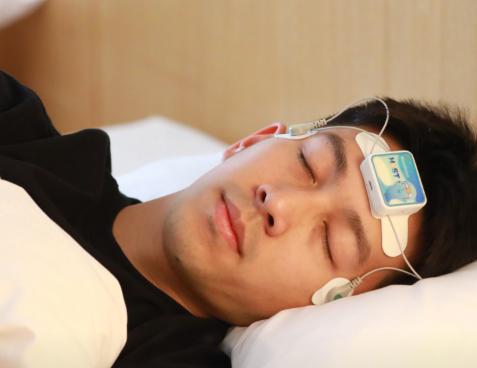
Core Insights - The article discusses the development and challenges of brain-computer interface (BCI) technology, particularly focusing on the integration with MR devices like Vision Pro [1][2]. Group 1: BCI Product Directions - There are three product directions for brain-computer interfaces: non-invasive, semi-invasive, and invasive [2]. - Non-invasive interfaces are expected to dominate the market in the coming years due to better cost and comfort, while invasive options are limited to medical patients [2][6]. Group 2: Market and Technology Challenges - The current market for BCIs is primarily focused on medical applications, with a significant gap in consumer electronics [6]. - The lack of a robust ecosystem for BCI technology in China hinders cost reduction and developer engagement [6]. Group 3: Data Collection and Processing - BCI product managers face challenges in data collection, testing, and annotation, similar to image recognition tasks [8]. - Existing datasets for brain signals, such as gestures and eye movements, facilitate development, but further data annotation is still required [8][9]. Group 4: Technological Breakthroughs - Recent research has achieved a 30% accuracy in reconstructing visual memories from non-invasive BCI signals, marking a significant advancement [9][11]. - Future improvements in signal reconstruction could potentially enhance accuracy to 50% or more, enabling experiences akin to memory recall [13][15]. Group 5: User Experience and Interaction - Current BCI product managers often lack a focus on user experience, leading to subpar interface design and usability [16][20]. - The interaction model for BCIs is still underdeveloped, with many systems lacking community engagement and user-friendly features [20][21]. Group 6: Future Directions - The future of BCI interaction is believed to lie in spatial computing, which could streamline data collection and interpretation without the need for secondary processing on flat devices [21].
玩出梦想MR亮相AWE USA 2025,被誉为苹果Vision Pro的最强竞品
Cai Fu Zai Xian· 2025-06-13 09:00
Core Insights - The company "玩出梦想" has launched the world's first Android-based spatial computer, "玩出梦想 MR," which is positioned as a strong competitor to Apple's Vision Pro, featuring an 8K Micro-OLED display and advanced tracking technologies [1][6]. Group 1: Product Features and Performance - "玩出梦想 MR" boasts an impressive 14 milliseconds video perspective delay and hand-eye controller tracking technology, making it a top-tier consumer device [1][3]. - The device has been praised for its low streaming latency, providing a gaming experience comparable to wired solutions, particularly for high-end titles like "Half-Life: Alyx" [3][9]. - The immersive experience is enhanced by the device's ability to support true 8K IMAX-level viewing and multi-sensory MR/VR gaming, breaking the limitations of personal entertainment spaces [9]. Group 2: Industry Impact and Applications - The company aims to address core industry pain points such as low interactivity and immersion in MR-LBE (Mixed Reality Location-Based Entertainment) and MR tourism scenarios, showcasing revolutionary content and experiences at the AWE USA 2025 [6][11]. - "玩出梦想" has established partnerships with content developers like Story and MixWorld to create high-quality XR content, enhancing the narrative potential of future spaces [6][11]. - The company is actively exploring enterprise-level applications globally, including VR virtual classrooms and vision training projects, and has formed an MR tourism ecosystem alliance to innovate in digital tourism and exhibition spaces [11].

XREAL携手谷歌首次公布全新旗舰AR眼镜重要参数,并宣布进军企业级XR市场
IPO早知道· 2025-06-12 15:07
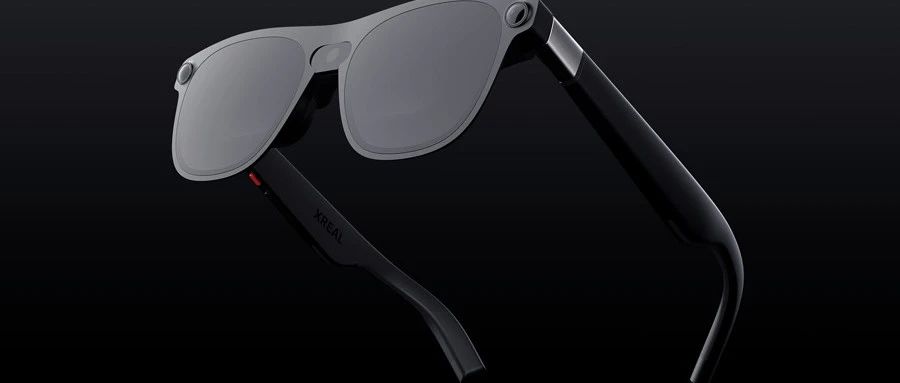
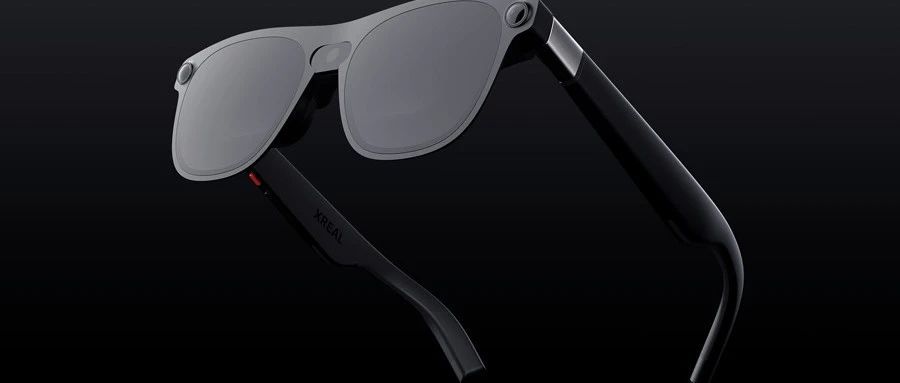
Core Viewpoint - XREAL, in collaboration with Google and Qualcomm, has unveiled its new flagship AR glasses, Project Aura, marking a significant advancement in spatial computing and transitioning from consumer to enterprise-level applications [2][6]. Group 1: Product Features - Project Aura is the first AR glasses natively supporting the Android XR platform, showcasing advancements in AI capabilities, computational architecture, and user interaction [2]. - The device features a dual-chip architecture, incorporating Qualcomm's Snapdragon chip and XREAL's proprietary X1S spatial computing chip, which enhances computational efficiency, AI collaboration, and sensor integration [4]. - Aura boasts a 70° ultra-wide field of view (FOV), the largest for consumer-grade AR glasses, while reducing lens size by 44% to improve user comfort [4]. - The device supports native 6DOF spatial tracking, gesture interaction, and environmental awareness, providing an immersive experience for developers and users [4]. Group 2: Market Position and Strategy - XREAL has announced its entry into the enterprise XR market, marking a new phase in its commercial strategy and service system in the spatial computing era [6]. - Over the past eight years, XREAL has sold more than 600,000 AR glasses, maintaining the top position in global AR shipments for five consecutive years [6]. - According to IDC data, XREAL is expected to retain the leading market share in the global AR and optical see-through (OST) market throughout 2024 and into the first quarter of 2025 [6]. - XREAL ranks among the top five in the overall AR/VR industry, being the only AR glasses manufacturer to achieve this status [6].
XREAL携手谷歌首次公布全新旗舰AR眼镜重要参数,并宣布进军企业级XR市场
IPO早知道· 2025-06-12 15:06
Core Viewpoint - XREAL is transitioning from spatial display to spatial computing, moving from consumer-level products to enterprise-level solutions, with the launch of its new flagship AR glasses, Project Aura, in collaboration with Google and Qualcomm [2][8]. Group 1: Product Features - Project Aura is the first AR glasses natively supporting the Android XR platform, featuring significant advancements in AI capabilities, computational architecture, and user interaction experience [2]. - The device utilizes a dual-chip architecture, incorporating Qualcomm's Snapdragon chip and XREAL's self-developed X1S spatial computing chip, which enhances computational efficiency, AI collaboration, and sensor integration [4]. - Aura boasts a 70° ultra-wide field of view (FOV), the largest for consumer-grade AR glasses, while reducing lens volume by 44% to improve user comfort [4]. - The device supports native 6DOF spatial tracking, gesture interaction, and environmental awareness, providing an immersive experience for developers and users [4]. Group 2: Market Position and Strategy - XREAL has sold over 600,000 AR glasses in the past eight years, maintaining the top position in global AR shipments for five consecutive years [7]. - According to IDC data, XREAL is expected to retain the leading market share in the global AR and optical see-through (OST) market throughout 2024 and into the first quarter of 2025 [7]. - The company is entering the enterprise-level XR market, marking a significant expansion in its commercial landscape and a comprehensive upgrade of its service system in the spatial computing era [7][8].
淘宝获苹果设计大奖,XR业务负责人:希望用下一代技术提升生活品质
Xin Lang Ke Ji· 2025-06-12 11:03
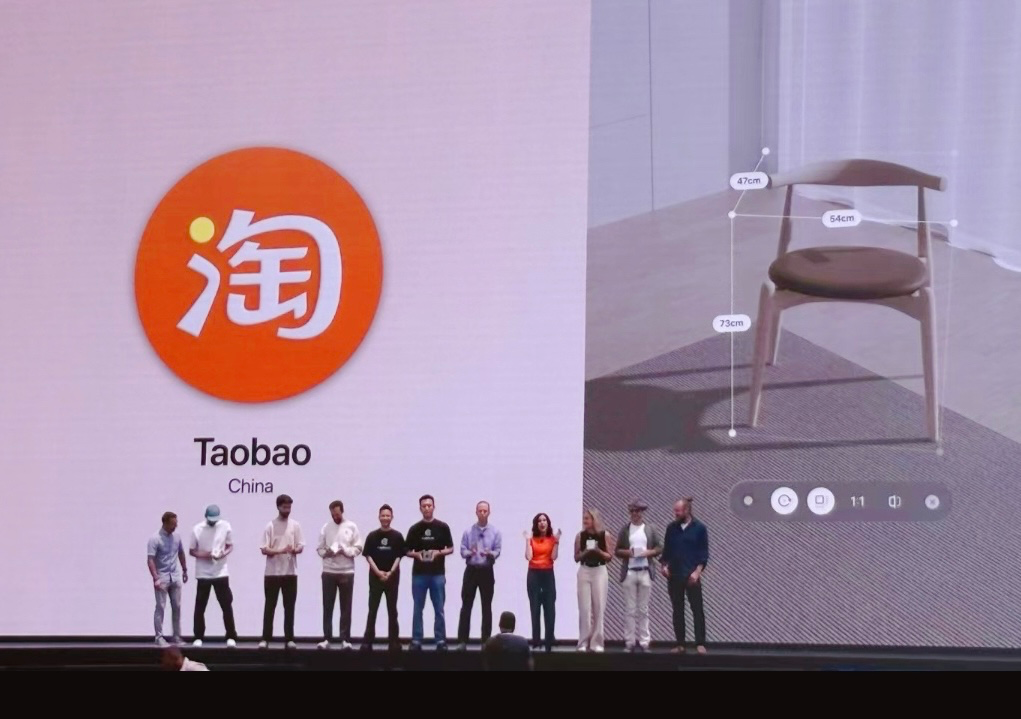
Core Insights - The 2025 Apple Design Awards recognized 12 developer teams globally, highlighting the achievements of Chinese developers, particularly Taobao, which won the "Outstanding Interaction" award for its application on the Apple Vision Pro platform [2][3][9] - Taobao's success marks a significant milestone as it is the first Chinese internet platform to win this award, showcasing the rise of Chinese applications on the global tech stage [3][9] Taobao Vision's Innovation - Taobao Vision leverages Apple Vision Pro's spatial computing to transform the e-commerce experience, moving from 2D to 3D interactions, thus enhancing user engagement and decision-making accuracy [4][14] - The application features over one million 3D product models across key categories, collaborating with major brands like DJI and Xiaomi, and has undergone significant updates since its launch in April 2024 [8][11] User Experience Enhancements - Users can interact with products in a more immersive way, such as viewing detailed ingredient breakdowns for beauty products or experiencing virtual test drives of cars, which enhances the shopping experience beyond traditional methods [6][12] - The application integrates advanced technologies like eye-tracking, gesture control, and voice search, creating a seamless "what you see is what you get" shopping experience [14] Future Developments - Taobao aims to further innovate by developing 3D AI digital avatars for real-time interaction with consumers, enhancing the virtual shopping experience [16] - The cancellation of a separate award category for spatial computing applications in the 2025 ADA signifies the growing importance of this technology in the e-commerce landscape, making Taobao Vision's recognition even more significant [18]
iOS 26丑上热搜,UI取代AI成苹果春晚最大翻车现场?
Hu Xiu· 2025-06-10 23:45
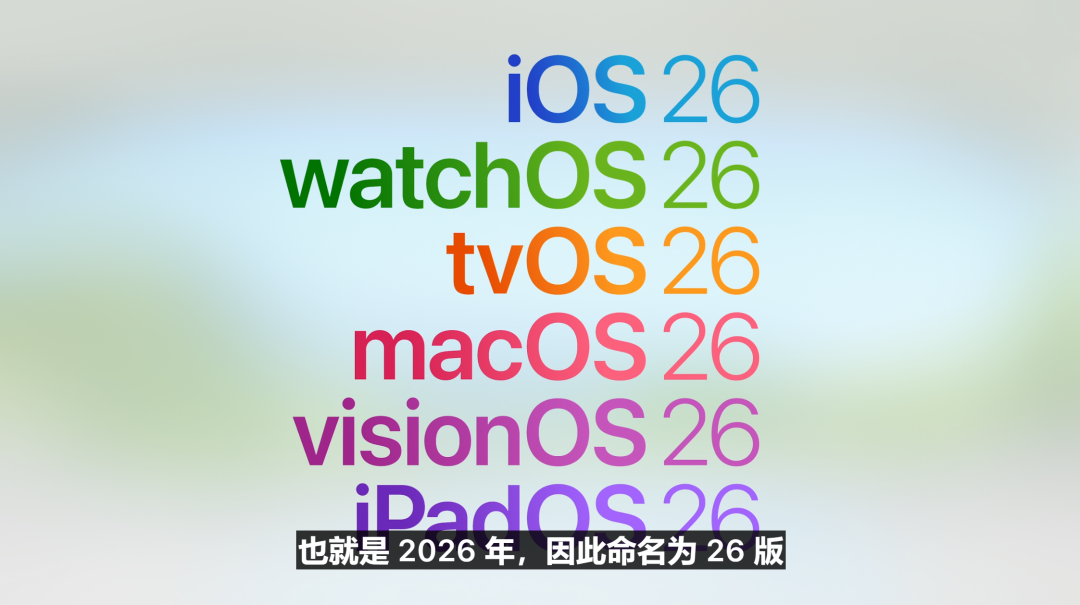
Core Viewpoint - Apple is shifting its focus from AI hype to a significant redesign of its user interface (UI) across all platforms, introducing the "Liquid Glass" design language, which aims to create a more harmonious and unified experience for users [3][4][19]. Group 1: UI Changes - Apple announced a unified naming convention for its operating systems, with all new versions adopting the suffix "26" [3]. - The "Liquid Glass" design language is inspired by visionOS and aims to enhance the user experience by providing a more vivid and natural interaction [3][15]. - The introduction of the "Liquid Glass" design marks a departure from the flat design language established in iOS 7, indicating a new chapter in Apple's design philosophy [4][19]. - Despite the innovative design, user reception has been mixed, with many expressing dissatisfaction with the aesthetics of iOS 26, leading to significant online criticism [8][12]. Group 2: Market Reaction - Following the announcement, Apple's stock price fell by 1.21%, resulting in a market capitalization loss of approximately $36.8 billion, indicating a lukewarm response from investors [5]. - Critics argue that Apple's focus on UI changes does not align with current trends in AI, suggesting that the company has missed an opportunity to introduce groundbreaking AI features [5][24]. Group 3: AI Developments - Apple has adopted a more pragmatic approach to AI, focusing on integrating AI features into practical applications rather than pursuing ambitious AI projects that are not yet feasible [24][25]. - The company introduced a local model with 30 billion parameters, allowing developers to utilize AI capabilities without incurring high costs associated with larger models [26][27]. - Apple's Foundation Models Framework API enables third-party developers to access local language models for free, potentially fostering innovation in AI applications [26][29]. Group 4: Strategic Positioning - The "Liquid Glass" design language is seen as a strategic move to align with the emerging "spatial computing" era, as Apple aims to redefine user interaction with its devices [15][19]. - Apple's historical approach has been to wait for clear industry trends before making significant changes, which may explain the timing of the UI overhaul [35][41]. - The company faces challenges in the AI space, including limited resources and a cautious approach to data privacy, which may hinder its ability to compete with rivals [37][42].
大摩评WWDC大会:缺乏AI重大更新,苹果AI故事的实现路径可能更加漫长
Hua Er Jie Jian Wen· 2025-06-10 11:07
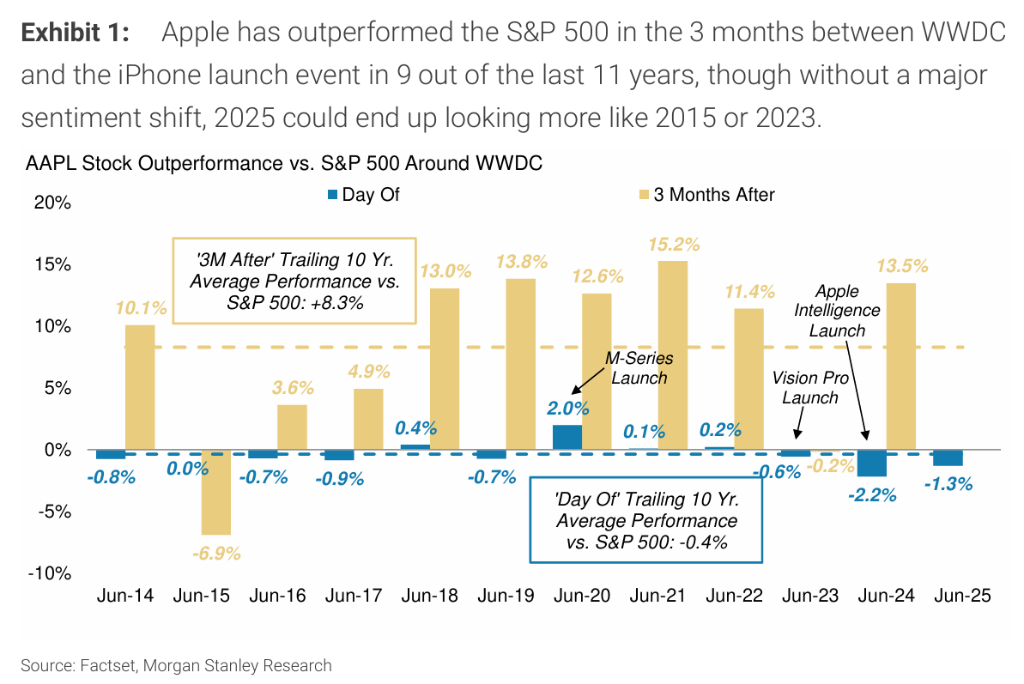
大摩认为,苹果WWDC 2025缺乏重大突破,其AI故事的实现路径可能更为漫长。 据追风交易台消息,摩根士丹利10日发布研报,认为苹果此次更新缺乏重大AI突破,表明苹果在AI领域的进展可能比预期更慢。 尽管苹果推出了"Apple Intelligence"功能,但AI功能升级有限,更个性化的Siri仍需等待,且目前只有20%的iPhone支持新AI功能。此外,与谷歌 Gemini的合作和Apple Intelligence在中国市场的获批进展不足。 AI功能小步前进,Siri升级仍需等待 大摩表示,苹果在WWDC 2025上推出了多项新的Apple Intelligence功能,包括更广泛的语言支持、与ChatGPT的深度集成、实时翻译等。值得注 意的是,苹果向超过3000万全球开发者开放了其大语言模型,这类似于一个现代化的App Store时刻。 然而,软件负责人Craig Federighi预告的更个性化Siri将在"未来一年"推出,符合投资者预期但时间线仍然较长。目前只有20%的iPhone能够支持 Apple Intelligence,这意味着升级机会仍然存在。如果苹果对高级"Apple Intell ...
环球热评局:从淘宝获奖看中国科技的突破与未来
Huan Qiu Wang· 2025-06-10 06:08
Core Points - The Apple Design Awards (ADA) 2025 recognized Taobao for its innovative application on the Apple Vision Pro platform, marking the first time a Chinese internet platform has won this award [1][3] - The ADA is considered one of the most influential awards in digital product design, often referred to as the "Nobel Prize of application ecosystems" and the "Oscar of digital products" [3] - Taobao's award signifies the rise of Chinese applications on the global tech stage and reflects the increasing confidence of Chinese tech companies in global competition [3][9] Summary by Sections Award Significance - The ADA has been established since 1997, focusing on "design, technology, and innovation" as core evaluation criteria [3] - Winning entries must provide exceptional user experiences and redefine industry boundaries through technological innovation [3] Taobao's Innovation - Taobao Vision, the awarded application, utilizes spatial computing and represents a new mode of 3D interaction, enhancing the traditional shopping experience into an immersive 3D environment [5][6] - The application allows users to experience products virtually, such as DJI drones and home furniture, through mixed reality technology, thus lowering decision-making barriers for complex products [6][8] Technical Foundation - Taobao's success is attributed to Alibaba's long-term investments in AI, spatial computing, and 3D modeling, with over a million products currently supporting 3D display on the platform [8] - The application integrates advanced technologies into user-friendly experiences, emphasizing a "technology for experience" philosophy [8] Rise of Chinese Technology - Taobao's recognition is a milestone for Chinese tech companies, showcasing their ability to compete in design and innovation on a global scale [9] - The trend reflects significant investments in technology and innovation capabilities within Chinese enterprises, breaking the Western monopoly on design aesthetics and user experience [9] Future Outlook - The award highlights the importance of rethinking the relationship between technology and daily life, with a focus on user needs [10] - As technologies like spatial computing and generative AI mature, Chinese tech companies are expected to play a more significant role in global competition, transitioning from "Made in China" to "Intelligent Manufacturing in China" [10]