粉丝经济

Search documents
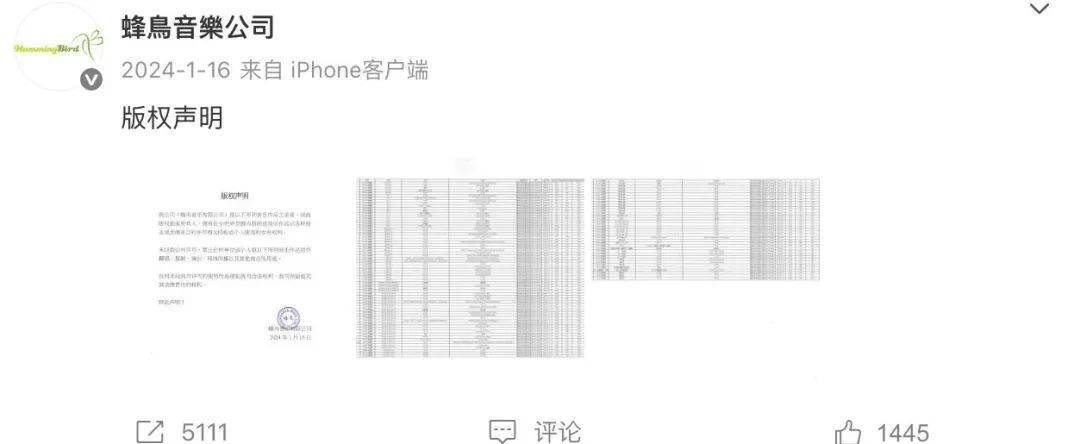
霉霉之后,邓紫棋取得阶段性重大胜利,重制版《I AM GLORIA》上线
3 6 Ke· 2025-06-13 01:18
Core Viewpoint - The article discusses the ongoing legal battle between G.E.M. (邓紫棋) and her former management company, Hummingbird Music, focusing on her recent release of a re-recorded album "I AM GLORIA" amidst copyright disputes and the implications for her career and the music industry [1][2][11]. Group 1: Legal and Copyright Issues - Hummingbird Music claimed ownership of G.E.M.'s 103 songs, prohibiting unauthorized performances and commercial use, which jeopardized her music career [1][2]. - G.E.M. successfully released a re-recorded version of her album, leveraging a legal loophole that allows creators to re-record their works if not explicitly prohibited during the initial release [9][10][24]. - The legal battle has lasted over six years, highlighting the complexities of copyright law in the music industry and the importance of protecting artists' rights [17][21]. Group 2: Market Impact and Artist Recognition - G.E.M. is recognized as one of the most marketable artists in the Chinese music scene, with her concerts achieving significant ticket sales, including a total revenue of 2.5 billion yuan from her tours [4][5]. - The re-recorded album includes 10 classic songs and 2 bonus tracks, showcasing her ability to revitalize her music and connect with fans [2][25]. - The article emphasizes the power of fan support in G.E.M.'s journey, as her loyal fanbase has rallied behind her during the legal disputes [12][13]. Group 3: Industry Reflection and Future Implications - The case serves as a cautionary tale for artists regarding the importance of understanding contract terms and copyright ownership when signing with management companies [17][19]. - It suggests a potential shift in the industry towards more equitable partnerships between artists and management, emphasizing shared decision-making and resource allocation [17]. - The article concludes with a hopeful message about resilience and the possibility of overcoming challenges in the music industry, encouraging artists to advocate for their rights [25][26].

稀缺IP+粉丝经济=爆款制造机?乐华娱乐(02306)联手Wakuku解码潮玩炼金术
智通财经网· 2025-06-12 02:28
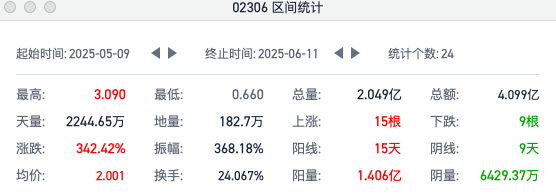
Core Insights - The collaboration between Lehua Entertainment and Wakuku aims to create a "star IP-scarce trendy toys-fan economy" golden loop, potentially leading to a new path for successful product incubation [3][17] - The "Guzi economy" is expected to reach a scale of 168.9 billion yuan in 2024, driven by popular IPs and the rapid expansion of offline "Guzi stores" [5][7] - Lehua Entertainment's stock price has surged by 342.42% over the past month, reflecting investor confidence in its cross-industry trendy toy strategy [8][17] Group 1: Collaboration and Market Strategy - Lehua Entertainment's partnership with Wakuku leverages top-tier artists to enrich the IP pool, enhancing emotional value in product design [3][4] - Wakuku's platform operations utilize advanced technology and community engagement to create a comprehensive sales funnel, leading to rapid sell-outs of limited edition products [3][4] - The collaboration is expected to expand into a "Lehua Trendy Toy Universe," diversifying product offerings and extending product life cycles [4][17] Group 2: Economic Trends and Growth Potential - The "Guzi economy" is anticipated to grow by 40.63% year-on-year, with significant contributions from the idol industry and innovative business models [5][6] - Lehua Entertainment's "Guzi" series, which includes exclusive merchandise linked to its artists, has shown strong sales performance, indicating a successful integration of traditional fan consumption with the new economy [6][7] - The company's focus on high-margin, standardized production of "Guzi" items presents substantial profit growth opportunities [6][7] Group 3: Stock Performance and Investor Sentiment - Lehua Entertainment has actively repurchased shares, with a total expenditure of 18.63 million HKD in May, indicating a strategy to bolster market confidence [10][12] - The concentration of shares is increasing, with institutional holdings rising to 25.32% as of June 11, 2025, suggesting a positive outlook from institutional investors [12][14] - The company's diverse strategies, including the trendy toy market and virtual idols, are expected to provide robust growth momentum in the long term [14][17]
亏7.4亿美元卖了,喜马拉雅投资人举杯庆祝“流血逃亡”
阿尔法工场研究院· 2025-06-11 13:15
Core Viewpoint - The article discusses the challenges faced by Ximalaya, a leading online audio platform in China, including its negative net assets exceeding 10 billion, multiple failed IPO attempts, and the recent acquisition by Tencent Music, which provides some liquidity for its investors [1][2][20]. Group 1: Company Background - Ximalaya was once considered a "unicorn" and became a leading project in the online audio sector after its rapid development post-establishment [5][10]. - The company adopted a PUGC ecosystem strategy, attracting numerous influential content creators and fostering a fan economy [9][10]. - Despite its growth and becoming a market leader, Ximalaya struggled to achieve profitability and faced a growth bottleneck after 2018 [14][15]. Group 2: Financial Challenges - As of 2023, Ximalaya reported total assets of 4.2 billion but had total liabilities of 14.4 billion, leading to negative net assets of -15.5 billion in 2021 and -13.8 billion in 2022 [18][19]. - The company achieved its first profitability in 2023 but still faced significant debt challenges [15][17]. - Ximalaya's investors have been eager for an exit strategy, especially after four failed IPO attempts [19][20]. Group 3: Recent Developments - The acquisition by Tencent Music has provided a much-needed exit for investors, despite the losses incurred over the years [21][24]. - Investors celebrated the liquidity provided by the acquisition, even though it was not at a satisfactory valuation for all [22][25]. - The acquisition led to an immediate increase in Tencent's stock price, indicating positive market sentiment [25].

100亿明星收藏卡市场,腾讯阿里芒果都在布局,“明星小卡”到底有什么魔力?
Xin Lang Cai Jing· 2025-06-06 01:27
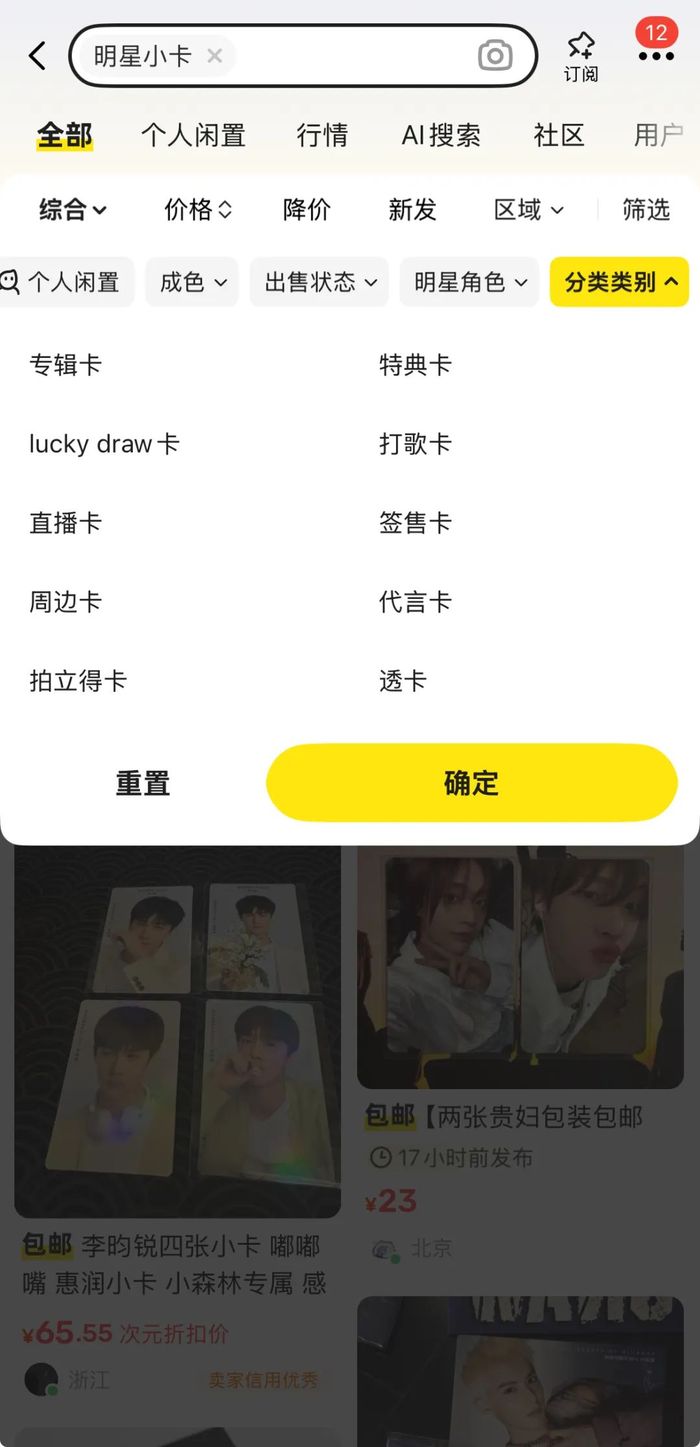
Core Insights - The article discusses the rising popularity and market potential of celebrity trading cards in China, predicting a market size of 27.66 billion yuan by 2025, with approximately 3.587 million consumers involved in the star card market [1][6] - The phenomenon is driven by a combination of social media engagement, consumer enthusiasm, and strategic marketing by companies like Tencent Music, which recently acquired shares in SM Entertainment to expand into the star card business [1][8] Group 1: Market Dynamics - The trading card market is experiencing explosive growth, with a 22-fold increase in transaction volume for celebrity merchandise on platforms like Xianyu since the beginning of 2024 [6] - The average daily views for celebrity trading cards on these platforms have reached nearly 10 million, indicating a strong consumer interest [6] - Rare cards can fetch exorbitant prices, such as 14,000 yuan for a BLACKPINK member's card and 33,000 yuan for a member of the Times Youth League, highlighting the speculative nature of this market [8] Group 2: Consumer Behavior - Young consumers view celebrity cards as "social currency," using them to connect with others who share similar interests, thus enhancing their social interactions [20][23] - The emotional value associated with these cards is significant, as they provide a sense of companionship and connection to idols, which is particularly appealing to fans [20][23] - The collection aspect of these cards drives consumer behavior, with many fans feeling compelled to complete their collections, further fueling demand [23][24] Group 3: Industry Implications - The rise of celebrity trading cards has led to the emergence of a diverse range of related products, such as card sleeves and storage solutions, which are also seeing increased sales [10][12] - Brands are leveraging the popularity of celebrity cards for marketing purposes, with numerous companies launching promotional campaigns that include these cards as incentives for purchases [13][15] - The entertainment industry is benefiting from this trend, as the sales of albums and merchandise are being boosted by the inclusion of trading cards, demonstrating a successful integration of fan engagement strategies [9][10] Group 4: Future Outlook - The trading card market is expected to continue evolving, with potential challenges arising from oversupply and fluctuating consumer interest, necessitating ongoing innovation and adaptation by industry players [29][30] - The overall market for collectible cards, including those based on IPs beyond celebrities, is projected to grow significantly, indicating a broader trend in the collectibles market [19][29]

江南布衣(03306.HK):品牌稳健增长 重视长期发展
Ge Long Hui· 2025-06-05 01:02
Core Viewpoint - The company reported a 5% year-on-year increase in revenue for FY25 H1, driven by online sales growth and an increase in offline stores [1][2]. Financial Performance - FY25 H1 revenue reached 3.16 billion RMB, with mature brands contributing 1.76 billion RMB (+4% YoY), growth brands at 1.2 billion RMB (-2% YoY), and emerging brands at 200 million RMB (+149% YoY) [1]. - Net profit for FY25 H1 was 600 million RMB, reflecting a 5.5% increase YoY [1]. - Gross margin stood at 65.1%, a slight decrease of 0.1 percentage points, while net margin was 19.1%, also down by 0.1 percentage points [1]. Dividend Announcement - The company declared an interim dividend of 0.45 HKD per share (approximately 0.43 RMB per share) [1]. Membership Insights - In 2024, over 80% of retail revenue was contributed by members, with active member accounts totaling 540,000, a slight decrease from 2023 [1][2]. - Membership accounts with total purchases exceeding 5,000 RMB numbered over 330,000, generating retail revenue of 4.68 billion RMB, contributing over 60% of offline retail revenue [1]. Strategic Initiatives - The company aims to strengthen its position as a leading designer brand group in China through various strategies, including optimizing brand and product mix via self-incubation or acquisitions, enhancing retail networks, and leveraging data-driven operations [2]. - The focus will be on creating value-added services for fans and improving the overall retail experience [2]. Earnings Forecast - The company maintains its earnings forecast, projecting revenues of 5.5 billion RMB, 6 billion RMB, and 6.6 billion RMB for FY25-27, with net profits of 880 million RMB, 900 million RMB, and 990 million RMB respectively [2]. - Expected EPS for FY25-27 is 1.69, 1.74, and 1.91 RMB per share, corresponding to PE ratios of 8, 8, and 7 times [2].
从卖酒到“圈粉” 白酒进入粉丝经济时代
Bei Jing Shang Bao· 2025-06-03 13:32
Core Viewpoint - The white liquor industry is increasingly adopting "fan festivals" as a strategy to enhance brand loyalty and consumer engagement, reflecting a shift from "channel-driven" to "consumer-driven" approaches in marketing [1][6]. Group 1: Fan Festival Activities - Yanghe Co. launched the "Dreamy Night · 2025 Yanghe Super Fan Festival" in Zhengzhou, featuring wine tasting, food experiences, and cultural interactions [1][2]. - Major brands like Kweichow Moutai and Wuliangye have also engaged in fan festivals, enhancing consumer connection through innovative formats such as AR interactions and cultural events [2][3]. - Shanxi Fenjiu combined traditional rituals with modern tasting activities during its "8th Fenjiu Apricot Blossom Festival," showcasing the brand's historical narrative [3]. Group 2: Consumer Engagement and Trends - The rise of fan festivals indicates a growing focus on younger consumers, who now represent 34% of white liquor consumption, with a market size of 400 billion yuan [4][5]. - Companies are innovating their marketing strategies to cater to the preferences of younger consumers, emphasizing personalized and diverse experiences [4][5]. - The integration of digital platforms, such as Douyin, has been utilized to reach younger demographics effectively, with campaigns achieving over 1.41 billion views [4]. Group 3: Industry Competition and Future Outlook - The competition in the white liquor industry is evolving, with companies needing to enhance their consumer engagement capabilities to succeed [6][7]. - The "fan festival" model is seen as a data collection opportunity, allowing companies to gather insights on consumer preferences and behaviors for future product innovation [6][7]. - The industry is expected to see a rise in innovative marketing forms, with a focus on product quality, cultural significance, and consumer experience as key competitive factors [7].




雪王都去港交所敲钟了,品牌增长只看流量明星能成吗?
3 6 Ke· 2025-05-30 10:55
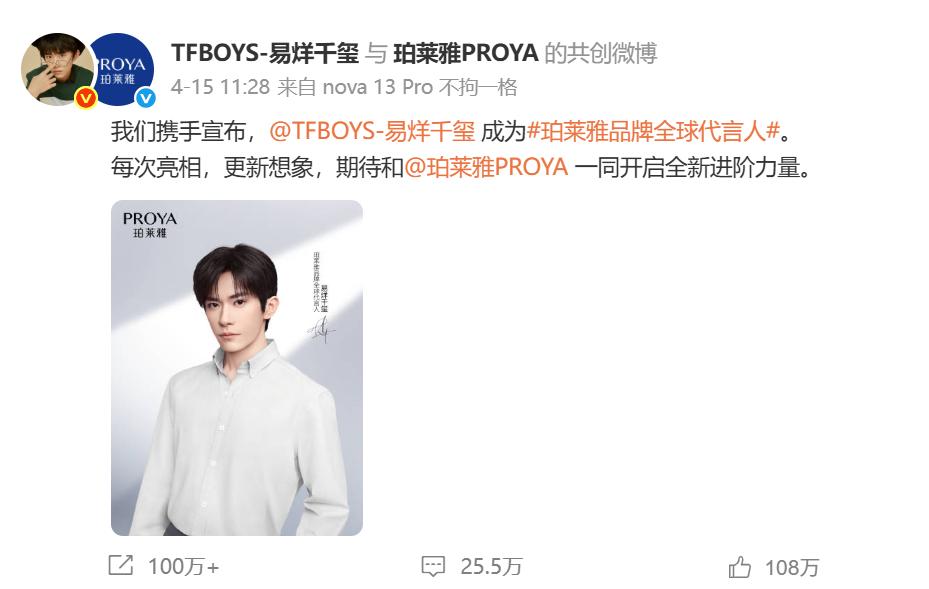
Group 1 - The core viewpoint of the article highlights the dual nature of celebrity endorsements in brand marketing, where they can drive sales but also pose significant risks to brand reputation [1] - The brand endorsement market is expected to grow in 2024, with 1,222 brands announcing endorsements, an 11% increase from the previous year [2] - Top-tier celebrities are commanding endorsement fees exceeding 10 million yuan, equivalent to the annual net profit of many small to medium-sized enterprises [2] Group 2 - The case of the brand Perlayah, which saw a significant increase in exposure and interaction after announcing a partnership with celebrity Yi Yang Qianxi, illustrates the potential for immediate sales impact through celebrity endorsements [2][4] - The gum category has shown a remarkable sales growth rate of 38.89% in 2024, indicating a strong market performance [5] - The top three brands in the gum market, Stride, Green Arrow, and Yida, have increased their market share from 88% in 2023 to 92% in 2024, with each brand's growth rate exceeding 20% [6] Group 3 - The endorsement of the youth group "Times Youth" by Stride led to a 23.6% increase in sales after the announcement, demonstrating the strong influence of celebrity endorsements on consumer purchasing decisions [8] - Stride's market share surged by 8.7 percentage points in April, significantly outperforming a competing brand that saw a decline [10] - The social media engagement from the youth demographic contributed 72% of Stride's brand voice, indicating a successful alignment with the target audience [12] Group 4 - The article discusses the trend of brands utilizing non-human endorsements, such as animals and self-created IPs, to mitigate risks associated with celebrity endorsements [15][30] - The use of virtual digital personas for brand endorsements is on the rise, with examples of successful collaborations with beauty brands [40] - Brands are increasingly adopting multi-dimensional endorsement strategies to diversify risk and maximize brand communication effectiveness [51]
SM娱乐股权风云又起,中国粉丝再割一茬?
3 6 Ke· 2025-05-29 12:08
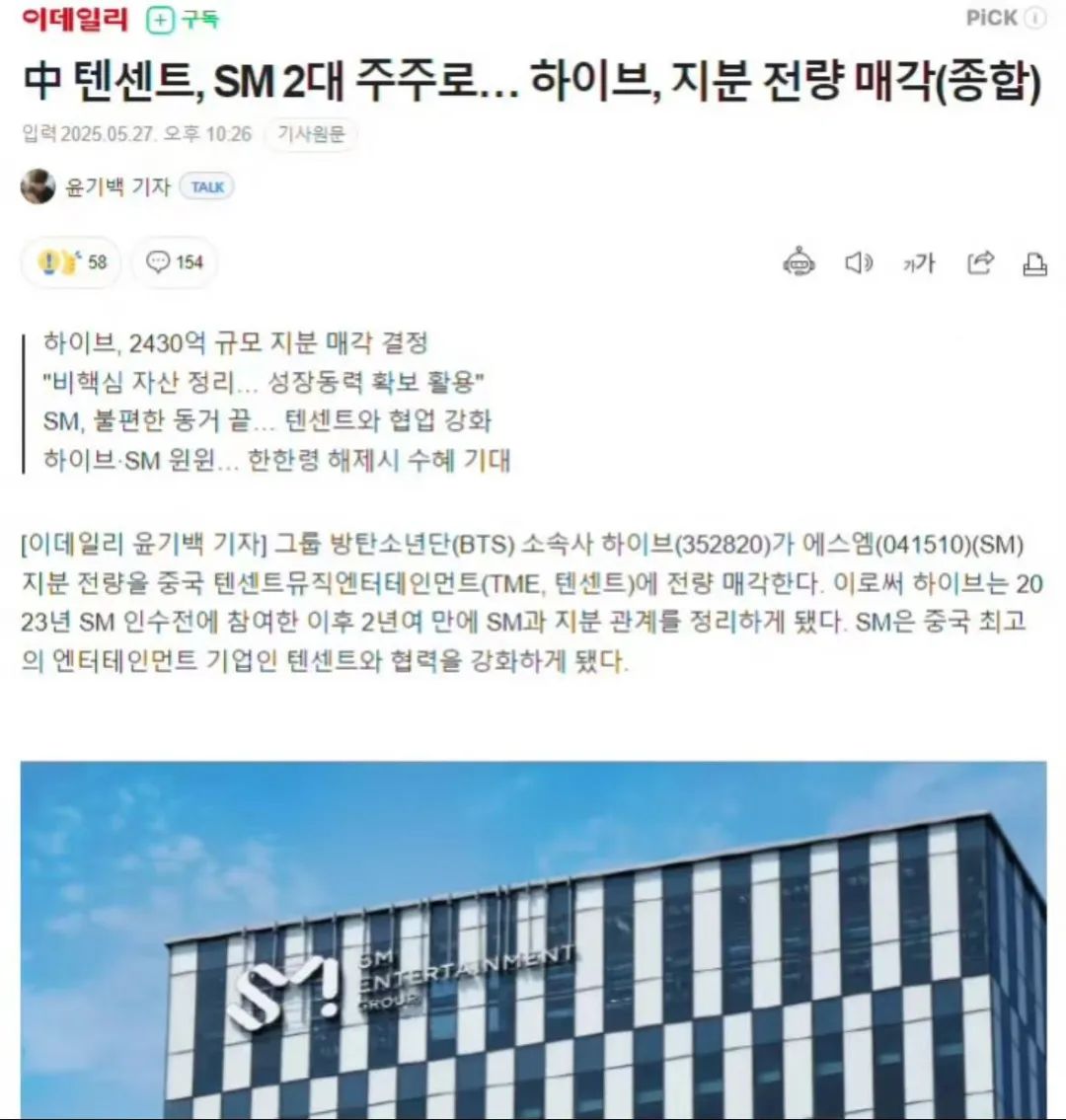
Core Viewpoint - The recent acquisition of SM Entertainment shares by TME (Tencent Music Entertainment) marks a significant shift in the K-Pop landscape, indicating a potential strategy change for SM Entertainment in the Chinese market, despite ongoing internal challenges and controversies [1][4][12]. Group 1: Share Acquisition and Market Impact - HYBE sold its entire stake in SM Entertainment to TME for 243 billion KRW, approximately 1.27 billion RMB, making TME the second-largest shareholder with nearly 10% of the shares [1]. - TME's entry into SM Entertainment enhances its influence, especially considering Tencent's existing stakes in Kakao, the largest shareholder of SM [4]. - The acquisition has sparked speculation among fans regarding potential changes in SM's approach to the Chinese market and its treatment of Chinese fans [4][12]. Group 2: Internal Challenges at SM Entertainment - SM Entertainment has faced significant internal strife, including the ousting of founder Lee Soo-man and ongoing management issues, leading to dissatisfaction among fans and artists [4][8][11]. - The company has been criticized for its handling of artist management and has been labeled as the "net loss king" of K-Pop in 2021, struggling to maintain its competitive edge [5][8]. - Recent incidents, such as the absence of key artists from major events due to mismanagement, have further exacerbated tensions between the company and its fanbase [11]. Group 3: Strategic Shifts and Future Prospects - The partnership with TME is seen as a necessary "new story" for SM Entertainment, potentially revitalizing its business model and stock performance [12][19]. - Historically, SM was a leader in introducing K-Pop to China, but recent years have seen a shift in focus towards Southeast Asia and the U.S. market, with a reduction in opportunities for Chinese trainees [13][15]. - The collaboration with TME may open new avenues for revenue generation, particularly through digital platforms and fan engagement strategies, although it remains uncertain if it will significantly alter the treatment of Chinese fans and artists [19][22]. Group 4: Industry Context and Competitive Landscape - The K-Pop industry is witnessing a consolidation trend, with major players like Kakao, HYBE, and YG also backed by Tencent, raising concerns about potential monopolistic practices in the music market [21]. - TME's previous collaborations with SM, such as the launch of limited-edition merchandise and NFTs, indicate a shift towards leveraging digital assets for fan engagement [22][24]. - The evolving dynamics in the online music market, particularly in China, suggest that SM Entertainment may need to adapt its strategies to remain relevant and competitive amidst changing consumer behaviors and market conditions [19][24].
迪士尼之后,上海又一国际主题乐园开业倒计时,涵盖八大主题区
Xuan Gu Bao· 2025-05-25 23:40
Group 1 - Shanghai Lego Park has completed construction acceptance on May 16, 2023, and is set to open on July 5, 2025, with limited commemorative annual pass products already on sale [1] - The park will feature eight themed areas, over 75 interactive rides, performances, and play attractions, as well as thousands of Lego models made from over 85 million Lego bricks [1] - Lego Group has a historical background dating back to 1916, evolving from a Danish workshop to a global toy leader, with a 2024 projected revenue of 74.3 billion Danish Kroner [1][2] Group 2 - Lego holds a 11.5% market share in the global toy market and a 72.7% share in the building block toy segment, both ranking first in their respective categories [1] - The company focuses on its strengths by standardizing parts design for scale advantages and enhancing playability through compatible parts, while also protecting its innovations through patents [2] - Lego emphasizes continuous innovation, with new products accounting for over 46% of its active product lineup from 2018 to 2024, and expands its commercial footprint through category and audience diversification [2] Group 3 - Jinma Amusement is actively collaborating with various clients to bring world-class IPs, including Lego, into the domestic market [3] - Huajian Group is involved in key projects such as the Jinshan Lego Park [4]
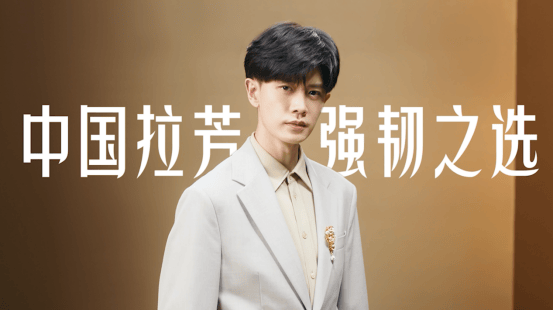
从官宣到破圈:拉芳借势明星代言+创意营销实现品牌声量翻倍增长
Jin Tou Wang· 2025-05-23 05:32
Core Viewpoint - The announcement of Ren Jialun as the new brand ambassador for Lafang successfully leverages fan economy during the 618 e-commerce festival, achieving a remarkable marketing outcome through a combination of timing, location, and strategic alignment [1] Group 1: Brand Strategy - Lafang demonstrates keen market insight and a long-term brand strategy by partnering with Ren Jialun, who has evolved from a newcomer to a recognized actor, aligning with the brand's dedication to craftsmanship and professionalism [1][3] - The collaboration reflects a resonance of professional spirit and shared values of "long-termism" between Lafang and Ren Jialun [3] Group 2: Marketing Approach - Lafang adopts a multi-dimensional marketing strategy, moving away from traditional single-channel communication to a comprehensive online and offline approach, creating a marketing loop that combines traffic generation and emotional resonance [6] - Prior to the official announcement, Lafang established an emotional connection with Ren Jialun's fans through sponsorship of the drama "Wuyou Du," enhancing fan goodwill [6][8] - A series of pre-announcement activities, including teasers and fan engagement events, significantly boosted brand visibility and consumer anticipation, leading to explosive growth in both brand awareness and sales upon the official announcement [8][10] Group 3: Execution and Impact - Following the announcement, Lafang launched an extensive support campaign, including high-profile advertisements in major cities and unique promotional activities, effectively capturing consumer attention [10][13] - The comprehensive marketing matrix created by Lafang effectively addressed consumer needs, successfully completing the transition from promotion to sales [13]