贸易战

Search documents
绝不能任由特朗普胡来!中方已通知190多国,要在联合国声讨美国
Sou Hu Cai Jing· 2025-05-03 08:02
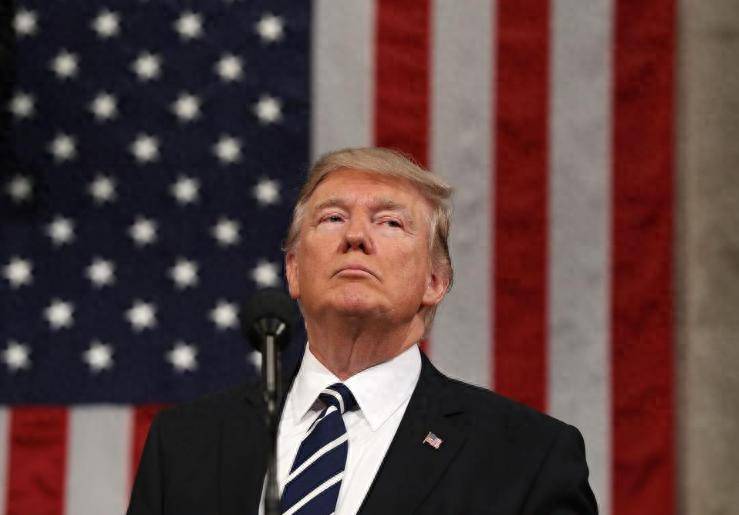
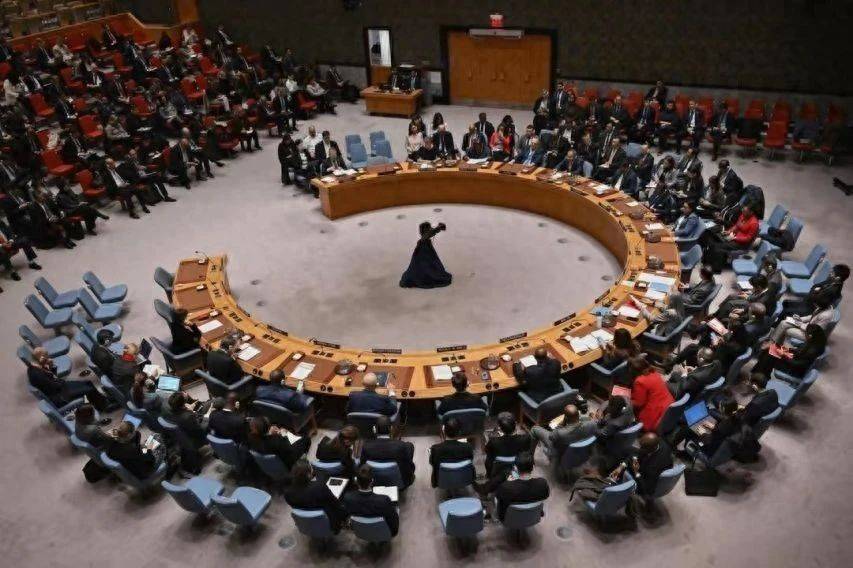
据新京报报道,外交部发言人郭嘉昆主持例行记者会。有记者就联合国安理会讨论美国关税问题进行提问。郭嘉昆对此表示,我相信,美方发动的关税战违 反了世贸组织规则,损害了各国的共同利益,也危害了以联合国为中心的国际体系和以联合国宪章为基础的国际秩序。联合国的各机构有权利也有责任就美 方滥施关税发出自己的声音。 美国代表(资料图) 要知道,中方素来"心平气和",不会轻易就某个问题撂狠话,这次丝毫没有给美国面子,只能说明美国发动的贸易战,不得人心,触动了中国的核心利益, 也激起了国际社会的广泛愤慨。想象一下,你刚建好了工厂并和美国客户谈成了合作,结果特朗普政府的"一纸禁令",就让你所有的付出打了水漂,试问你 能咽下这口气吗?再者,特朗普要的可不仅仅是发展中国家的中低端产业链,其还试图通过"非关税工具",收割越南、印度、印尼等国的外汇储备。 在经历了多轮交手之后,特朗普终于发现,关税战非但未对中国构成明显杀伤,反倒让美国卷进了"消耗战"的漩涡。于是出于稳定国内经济秩序和民意支持 率的现实考量,特朗普可能主动降低对华关税,试图换得中方重新回到谈判桌上。可话说回来,美国罕见"变乖",中国就能原谅美国的鲁莽吗?实未必。因 为贸易 ...

美方主动接触,中方措辞变了,耶伦:关税让美国衰退概率显著上升
Sou Hu Cai Jing· 2025-05-03 05:55
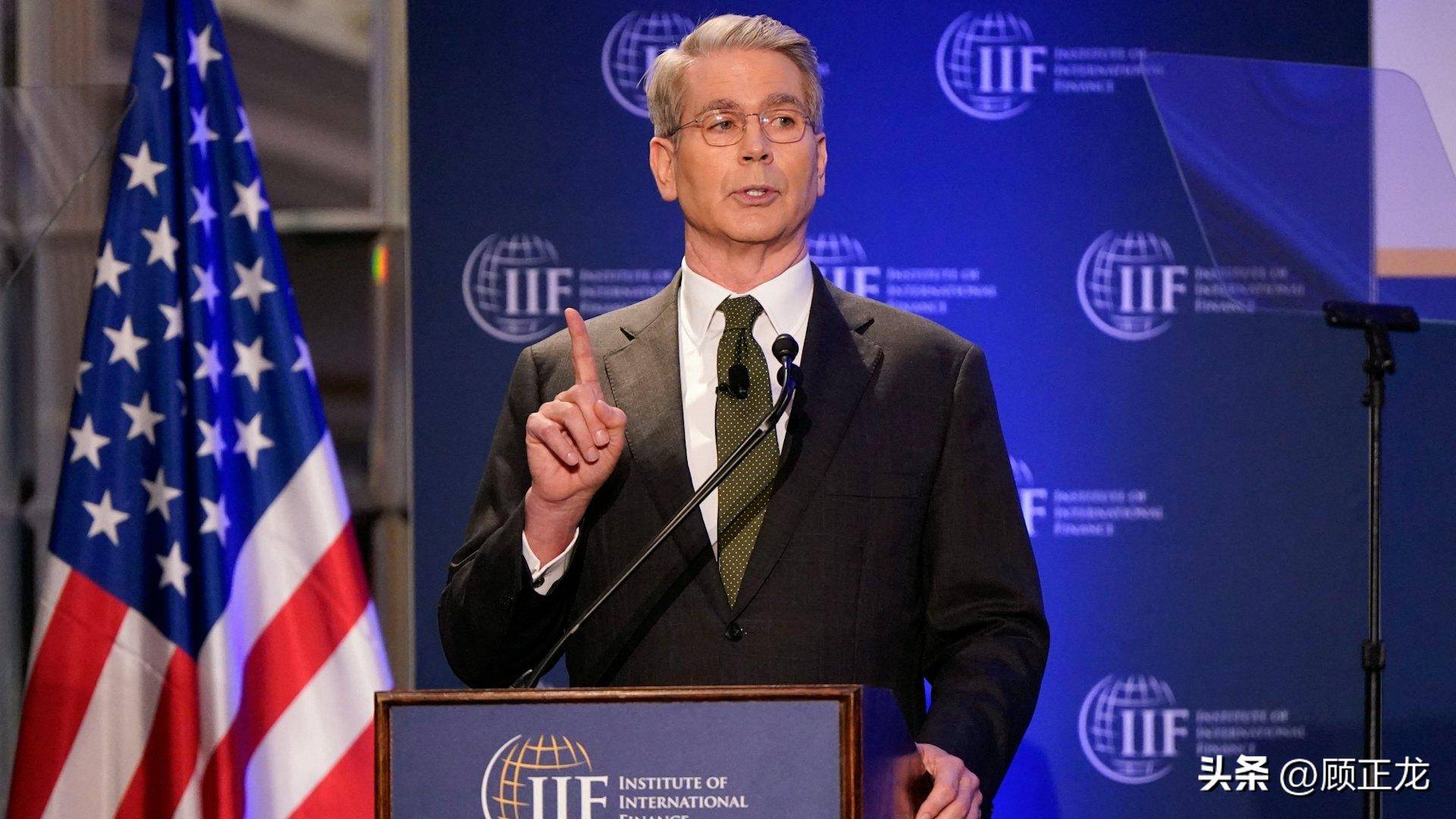
Group 1 - The core viewpoint of the articles indicates a subtle shift in US-China relations, with the US becoming more proactive in engaging with China, particularly regarding tariff issues [1][2][4] - The US is under significant domestic economic pressure, including stock market volatility and rising prices, prompting a need for diplomatic progress to avoid political backlash [1][6] - The US's previous pressure tactics have not yielded the desired results, as China remains firm and is not inclined to negotiate under current circumstances [2][5] Group 2 - China's response to the US's overtures has evolved from outright denial to a cautious evaluation, signaling a willingness to engage if the US demonstrates genuine intent [4][9] - The US's tariff policies are increasingly being questioned internally, with former Treasury Secretary Yellen highlighting the negative impact on the US economy and potential risks of recession [5][6] - The trade war has reached a challenging phase, with the US facing economic setbacks and the realization that it has not gained significant advantages from the tariffs [6][9] Group 3 - The negotiation strategy of the US is characterized by contradictions, attempting to apply pressure while also signaling a desire for dialogue, which China is strategically navigating [7][9] - The consensus is that there are no winners in the tariff war, with both the US and China experiencing adverse effects, and the global economy facing increased challenges [9]
特朗普遭关税恶果反噬
Hu Xiu· 2025-05-03 05:09
Group 1 - The article discusses the significant impact of Trump's tariff policies on American businesses, highlighting the confusion and chaos experienced by various industries due to these measures [2][3][4] - Many companies are facing increased costs and supply chain disruptions, leading to a decline in product demand and potential bankruptcies [2][4][5] - The tariffs have prompted some businesses to relocate production to countries like Vietnam and Mexico, resulting in higher operational costs and longer supply chains [3][5] Group 2 - The agricultural sector is particularly affected, with reports of canceled orders from China for U.S. agricultural products, leading to decreased net income for American farms [4][6] - The environmental impact of the tariffs is also noted, as companies shift production to regions with less developed industrial bases, potentially increasing carbon emissions [5][6] - The article emphasizes that the tariffs disproportionately harm low-income households, as they face higher prices for essential goods, exacerbating income inequality [6][7] Group 3 - The article suggests that Trump's tariff strategy is a form of unilateral protectionism that undermines global trade governance, replacing multilateral agreements with bilateral coercion [9][10] - The long-term consequences of these policies may lead to a breakdown of the World Trade Organization's dispute resolution mechanisms, pushing the global economy towards a "zero-sum game" scenario [9][10] - Overall, the article argues that the tariffs represent a blend of populism and monopolistic capitalism, with far-reaching implications beyond just economic factors [10]
中国释放贸易谈判积极信号,全球市场普涨
Sou Hu Cai Jing· 2025-05-03 01:44
中美贸易僵局可能正发生转变的迹象越来越明显,双方贸易谈判的前景有助于缓解投资者对全球经济下滑的担忧 文|《财经》特约撰稿人 金焱 发自华盛顿 编辑|苏琦 中美关系在5月初释放新信号,带来关税利好。中国商务部表示,美方近期通过相关方面多次主动向中方传递信息,希望与中方谈起来。对此,中方正在 进行评估。这是一项全球期待已久的消息。消息传出后,全球市场沸腾。 港股节后5月开门红,恒生科指收涨3%,欧美股指期货全线上涨。欧洲斯托克50指数期货涨逾1%。欧洲股指周五强劲上涨,受中美贸易谈判希望提振, 同时投资者消化了大量企业财报。德国DAX指数收盘上涨2.6%,法国CAC 40指数上涨2.3%,英国FTSE 100指数上涨1.1%。中国资产雄起,中概股涨势更 胜美股大盘一筹,离岸人民币在美股开盘后涨幅进一步扩大,一度较日低涨超700点、五个月来首次盘中涨破7.21。 原油短线转涨,黄金回吐部分涨幅。 贸易战的暖风叠加美国非农就业人口增长意外强劲,共同推升风险偏好。摄/金焱 5月2日周五,贸易战的暖风叠加美国非农就业人口增长意外强劲,共同推升风险偏好,美股、比特币及更广泛的加密货币等高风险资产价格也有所上涨。 美股高开高 ...
Apple Is Moving US iPhone Assembly to India Amid Tariff Turmoil
CNET· 2025-05-02 23:02
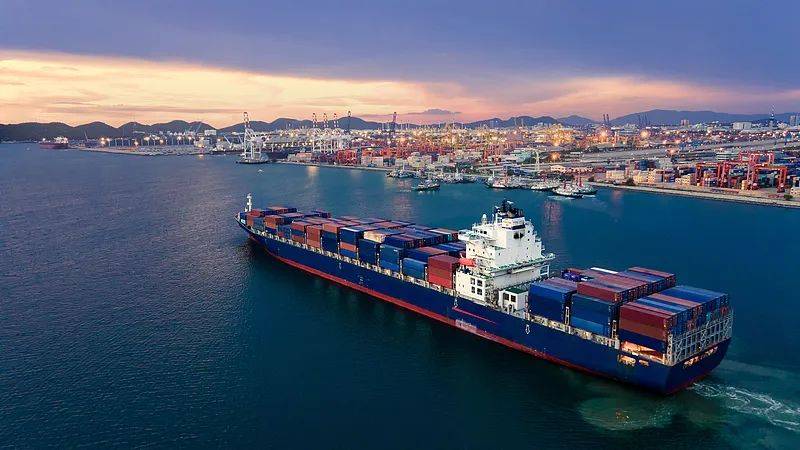
Core Viewpoint - Apple plans to source nearly all iPhones sold in the US from India, amounting to about 60 million units annually, in response to tariffs imposed by the Trump administration on China [1][2] Group 1: Manufacturing Strategy - The majority of iPhones sold in the US are expected to have India as their country of origin for the June quarter, with Vietnam being the source for most iPads, Macs, Apple Watches, and AirPods [2] - By relocating assembly to India, Apple aims to mitigate cost pressures from the trade war, although India may face new tariffs [3] - Apple's shift is part of a broader strategy that may involve increasing US component manufacturing, with plans to potentially double iPhone production capacity in India over the next two to three years [4] Group 2: Market Dynamics - Despite the shift, Apple will maintain a significant manufacturing presence in China, as 15% of its sales are expected to come from that market, and global iPhone manufacturing will still rely heavily on Chinese facilities [4] - The company is unlikely to move all iPhone production to the US due to cost constraints, but it may increase production of modems and internally designed processors in collaboration with Taiwan Semiconductor [4] Group 3: Competitive Landscape - Apple's move to increase manufacturing in India is not unprecedented, as competitors like Samsung, Oppo, Vivo, and Motorola have already established production in the country [7] - There are indications that Google may also shift production of its Pixel phone to India from Vietnam, highlighting a trend among tech companies to diversify manufacturing locations [7]


万没料到,加拿大彻底颠了?刚拿下中国730万桶大单就要全面开炮
Sou Hu Cai Jing· 2025-05-02 19:26
Group 1 - Canada has reached a significant oil trade agreement with China, with imports hitting a historical peak of 7.3 million barrels in March 2023, marking a 90% reduction in U.S. oil imports due to trade tensions [3][5] - The diversification of energy imports is crucial for China to ensure energy security and mitigate trade risks, while Canada benefits from expanding its overseas market and boosting economic gains through increased oil exports [3][5] - The Canadian government, under Prime Minister Mark Carney, has adopted a hardline stance against China, imposing high tariffs on various Chinese products, which disrupts normal international trade and harms both Canadian and Chinese businesses [5][9] Group 2 - Canada has also taken a strong position against the U.S., maintaining retaliatory tariffs in response to unfavorable trade policies, which has negatively impacted Canadian industries [8][9] - The Canadian economy is heavily reliant on the U.S. market, with 75% of exports directed there; continued deterioration in U.S.-Canada trade relations could lead to a projected 18% drop in GDP within six months [9] - The trade relationship with China is vital, as the trade volume exceeded $100 billion in 2023; poor policies towards China could result in significant losses for Canadian industries, as evidenced by tariffs on Canadian canola oil and peas [9]
松口
猫笔刀· 2025-05-02 14:13
昨晚的文章很多读者留言问我,要是我手里有权力,会不会也会给自己家人谋私利? 说明监管潜意识里觉得,你吃了公家饭,你的女儿在惹麻烦,那你就有义务来解决这个麻烦。为了不影 响老丈人的工作,我们夫妻之后就没有再出头当业主代表了。但权力和义务是对应的,日后我们夫妻要 是有事需要老丈人帮忙,他该怎么办呢? 总不能劝女儿的时候是党员干部,要顾全大局,女儿来找了就大公无私,两袖清风吧。他们让老丈人以 体制内身份干预女儿行为,这么做就已经主动模糊了公和私的界限。 所以咯,你们再去看我文章开头的话,是不是逻辑能就自洽了。当然这只是我个人的价值观,我手上没 有半点权力,我北漂20年了还在积分排队等落户,等我下辈子有机会当官再说。 …… 今天最大的新闻是媒体报道美国向中方传递信息,意思是希望谈起来,中方回应正在评估。 这个口径已经比前几天有所松动了,前几天记者问过来中方都是直接否认,没有接触没有谈,现在已经 承认美方有谈的意思,中方也在评估。 这意味着贸易战有转机了吗?我没那么乐观,目前连前期报价试探都不算,双方连是否正式坐下来谈都 没想好。 呵,问这个问题的估计看我时间不久,对我的为人不了解,老读者不问也知道答案。这还用讲吗,只 ...

一周热榜精选:非农意外表现强劲,美日关税谈判未有共识!
Jin Shi Shu Ju· 2025-05-02 13:25
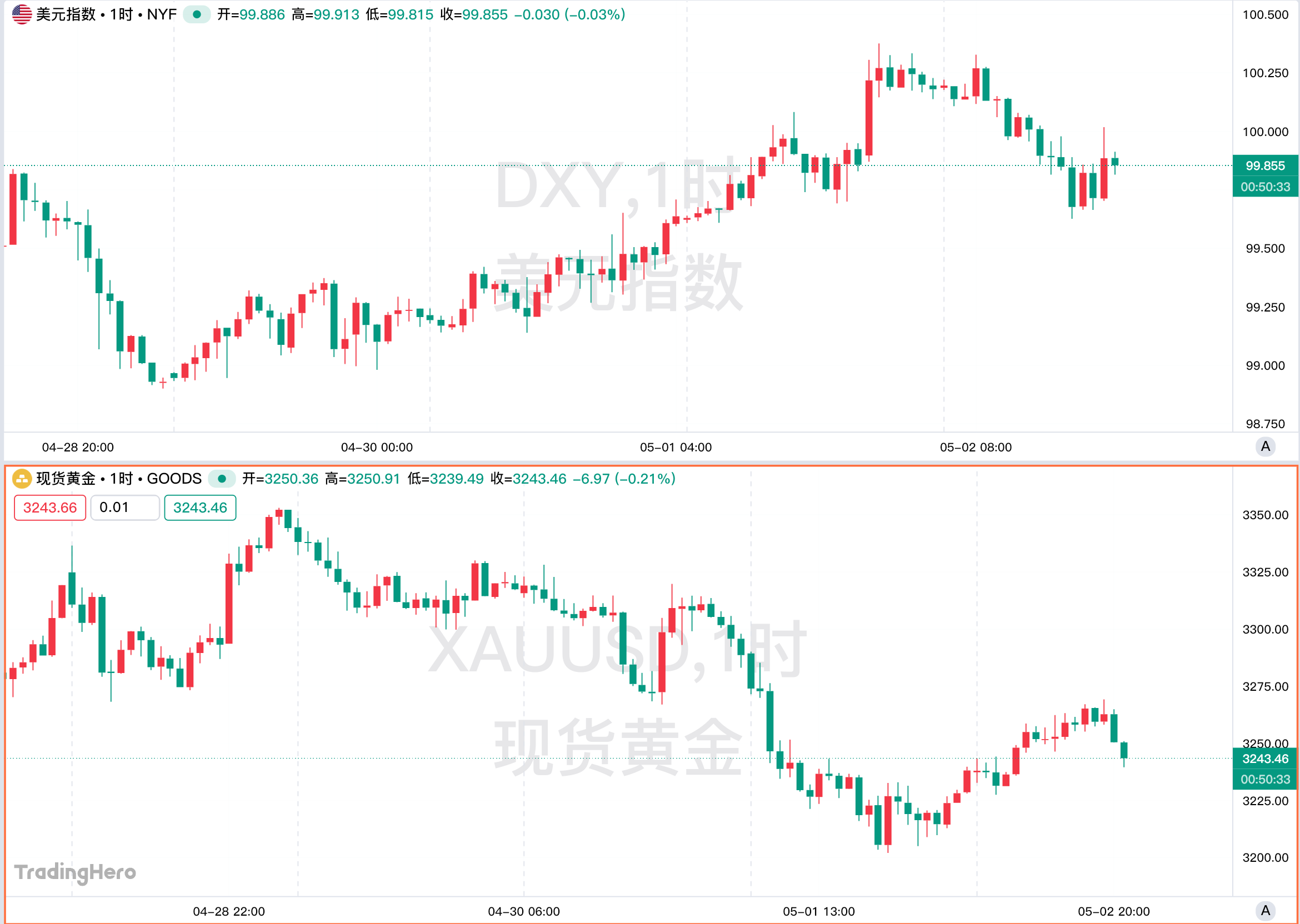
Market Overview - The US dollar index is expected to record a second consecutive week of gains, benefiting from eased concerns over the global trade war, recovering above the 100 mark for the first time since April 16 [1] - Spot gold has recorded a second consecutive week of declines, trading at $3344 per ounce due to reduced safe-haven demand and profit-taking ahead of the Labor Day holiday [1] Currency Performance - Non-USD currencies such as the euro and Australian dollar have seen gains against the US dollar for the fourth consecutive month due to the dollar's decline [3] Oil Market - International oil prices have dropped significantly, with Brent crude oil down approximately 18% for April, influenced by the US-led trade war impacting economic growth and energy demand [6] - Saudi Arabia has expressed reluctance to further cut supply to support oil prices, leading to a sharp decline in oil prices, although a subsequent threat from Trump regarding sanctions on Iranian oil buyers caused a rebound [6] Stock Market - The S&P 500 index has achieved its best eight-day performance in over three years, driven by strong earnings from tech companies like Microsoft and Meta, alleviating fears over tariff impacts [10] - Overall, the Dow Jones Industrial Average fell by 3.17% in April, marking its third consecutive monthly decline, while the Nasdaq rose by 0.85% [10] Investment Bank Insights - Deutsche Bank noted that despite market recovery, US assets still face resistance from foreign buyers [13] - Morgan Stanley highlighted uncertainty in tariff policies and the independence of the Federal Reserve, which may lead to reduced foreign investment in the US [13] - Barclays recommended investors to re-establish long positions in five-year US Treasuries [13] Economic Data - The US economy showed signs of fatigue, with consumer spending growth at a two-year low and a surprising contraction in GDP for Q1 2025 [16][17] - Non-farm payroll data for April showed an increase of 177,000 jobs, exceeding expectations, while the unemployment rate remained at 4.2% [17][18] Trade Developments - Trump signed an executive order exempting imported cars and parts from steel and aluminum tariffs, aiming to alleviate pressure on the US auto industry [19] - Ongoing trade negotiations with Japan have yet to reach consensus, with Japan opposing US proposals on tariffs [19][20] Ukraine and Mineral Agreement - The US and Ukraine have signed a mineral agreement to establish a reconstruction investment fund, emphasizing joint energy development without addressing Ukraine's debt issues [21][22] Oil Sanctions on Iran - The US has intensified sanctions on Iranian oil, warning countries and individuals to cease purchases or face secondary sanctions [23] Saudi Oil Supply Strategy - Saudi Arabia has indicated a shift in strategy, no longer willing to cut oil supply to support prices, potentially increasing production to gain market share [24] Corporate Developments - Elon Musk is gradually stepping back from his role in the White House, while Tesla's board remains confident in his leadership despite stock price declines [25] - The Bank of Japan maintained its interest rate but lowered GDP growth forecasts due to global trade uncertainties [26][27] Gold Demand - The World Gold Council reported that global gold demand in Q1 2025 reached its highest level since 2016, driven by significant inflows into gold ETFs [28]
雪佛龙(CVX.US)Q1利润超预期,拟削减股票回购
智通财经网· 2025-05-02 13:04
雪佛龙首席财务官Eimear Bonner表示:"油价已经发生了变化。从供需角度来看,市场似乎正在走软。" 随着布伦特原油价格今年暴跌17%,大型石油公司发现维持股票回购计划越来越困难。特朗普的关税将 减缓原油需求增长,并推高钢铁及其他油气生产所需材料的成本。与此同时,欧佩克及其盟友上个月宣 布,计划在今年晚些时候增加石油供应,增幅超过市场预期。 智通财经APP获悉,雪佛龙(CVX.US)第一季度调整后每股收益为2.18美元,高于分析师平均预期的每股 2.10美元。由于公司削减了炼油厂的支出,资本支出低于上年同期。 与此同时,雪佛龙的债务水平依然健康。第一季度末,雪佛龙的净债务比率从上一季度的10.4%跃升至 14.4%,但远低于该公司20%至25%的目标范围。 在油价暴跌后,雪佛龙将减少本季度的股票回购,这表明美国总统唐纳德·特朗普的贸易战正在损害他 承诺帮助的美国石油行业。 雪佛龙周五表示,第二季度将回购约27.5亿美元的股票,比今年前三个月回购的股票减少约30%。 截至发稿,雪佛龙盘前跌近2%。 雪佛龙第二季度的回购规模在25亿美元至30亿美元之间,如果今年剩余时间维持这一规模,仍符合其 100亿美元至 ...

美国大豆被中国彻底抛弃,日本成了“接盘侠”?中方对特朗普不再幻想
Sou Hu Cai Jing· 2025-05-02 12:21
Group 1 - The trade war is significantly impacting the U.S. economy, with major commodity exports like soybeans and pork experiencing drastic reductions, as evidenced by a 50% drop in soybean net sales and a 72% decline in pork net sales during the week of April 11-17 [1] - The National Retail Federation predicts that if tariffs continue to rise, U.S. imports could decrease by at least 20% in the second half of the year, leading to potential shortages and price surges in various goods [1] - Retailers are already responding to the situation, with some companies raising prices or issuing warnings about price increases, such as a 30% hike in prices for children's products like car seats and strollers [1] Group 2 - The U.S. perception of having leverage in the economic conflict with China may be overestimated, as China has been preparing for potential trade actions since 2018 and remains calm amid the tensions [3][4] - The trade war is characterized as a significant miscalculation by the Trump administration, which has underestimated China's resilience and strategic planning [4] - Japan is positioning itself to increase imports of U.S. soybeans and corn, potentially taking on the role of a buyer for U.S. agricultural products that China is rejecting [7][9] Group 3 - Japan is actively negotiating with the U.S. to address tariff issues, with proposals including relaxing automobile safety standards and expanding zero-tariff import quotas for rice, while also considering increasing imports of U.S. corn and soybeans [7] - The Japanese government is looking to create a dedicated quota of approximately 70,000 tons for U.S. rice to respond to U.S. demands regarding high import tariffs on agricultural products [7] - Despite Japan's willingness to assist the U.S. by increasing imports, there are concerns among Japanese citizens that such actions could negatively impact the domestic agricultural market, indicating a potential disconnect between government policy and public sentiment [10]