量子计算

Search documents
年薪总额达到3.63亿元 黄仁勋10年来首次增加基本工资
2 1 Shi Ji Jing Ji Bao Dao· 2025-05-03 02:08
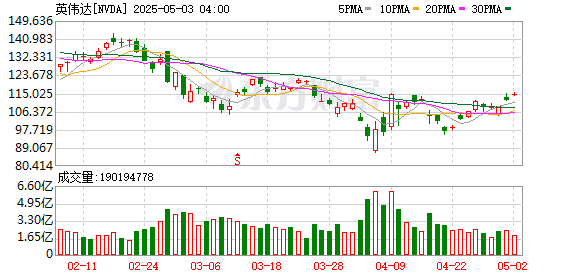
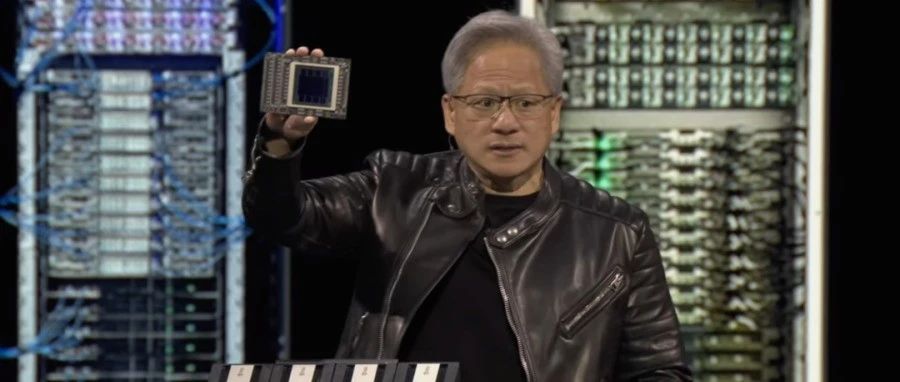
该文件称,英伟达董事会薪酬委员会认为,"考虑到内部薪酬与其他高管基本工资的公平性,这是合适 的",而且"这是黄仁勋10年来首次增加基本工资"。 据新浪财经报道,根据英伟达于当地时间5月1日递交给美国证交所(SEC)的一份新文件显示,黄仁勋 2025财年的基本年薪涨至150万美元,较2024财年增长了49%。他的可变现金也比2024财年增加了100万 美元,增幅为50%。股票奖励增至3880万美元,使薪酬总额达到4990万美元(约合人民币3.63亿元)。 英伟达已成为全球最有价值的公司之一。该公司2月份报告称,2025财年的收入增长了114%,达到1305 亿美元。 从2022年底到去年年底,英伟达的股价上涨了9倍以上。黄仁勋持有的约3.5%的股份目前价值约940亿 美元。 该公司在周四的文件中称,黄仁勋2025财年的薪酬还包括350万美元的住宅安保、咨询费和司机服务 费。在过去的一年里,他的住宅安保和咨询费总计为220万美元。 黄仁勋罕见公开认错!对量子计算时间线预估有误 今年的GTC上,英伟达首次推出了"量子日"。 直接原因是今年1月,英伟达创始人兼CEO黄仁勋称,量子计算机的实际应用大约还需要20年的时间 ...


年薪3.63亿元!黄仁勋,基本工资10年来首涨
21世纪经济报道· 2025-05-03 00:50
据新浪财经报道,根据英伟达于当地时间5月1日递交给美国证交所(SEC)的一份新文件显 示,黄仁勋2 0 2 5财年的基本年薪涨至1 5 0万美元,较2 0 2 4财年增长了4 9%。他的可变现金也 比2 0 2 4财年增加了1 0 0万美元,增幅为5 0%。股票奖励增至3 8 8 0万美元, 使薪酬总额达到 4 9 9 0万美元(约合人民币3 . 6 3亿元)。 该文件称,英伟达董事会薪酬委员会认为,"考虑到内部薪酬与其他高管基本工资的公平性, 这是合适的", 而且"这是黄仁勋1 0年来首次增加基本工资"。 英伟达已成为全球最有价值的公司之一。该公司2月份报告称,2 0 2 5财年的收入增长了 11 4%,达到1 3 0 5亿美元。 从2 0 2 2年底到去年年底,英伟达的股价上涨了9倍以上。黄仁勋持有的约3 . 5%的股份目前价 值约9 4 0亿美元。 该公司在周四的文件中称,黄仁勋2 0 2 5财年的薪酬还包括3 5 0万美元的住宅安保、咨询费和司 机服务费。在过去的一年里,他的住宅安保和咨询费总计为2 2 0万美元。 时隔3个月再次到访北京 黄仁勋:中国是非常重要的市场 据央视新闻报道,4月1 7日,应 ...
Velos Markets:用“量子纠缠”战胜市场熵增
Sou Hu Cai Jing· 2025-04-30 19:33
经济趋势的"时空折叠"洞察 Velos Markets的研究团队擅长在时间轴上折叠经济周期。他们将宏观经济数据解构为三层时序模型:基础层追踪非农就业、CPI等传统指标的即时波动;中 间层捕捉产业链迁移、能源转型等中期趋势;顶层则预判量子计算、太空经济等颠覆性技术的长期价值。这种多维分析框架在2024年美联储政策转向期间展 现威力——当市场聚焦短期利率变化时,平台已通过制造业回流数据推演出美元指数的三年趋势线,帮助投资者提前布局东南亚货币对冲策略。 在全球金融市场的复杂博弈中,Velos Markets(威马证券)如同一台精密运转的雷达,以其独特的市场策略穿透迷雾,为投资者捕捉价值信号。这家国际性 交易平台的成功,不仅源于其多元化的产品布局,更在于将技术工具与人文洞察融合为一把"双刃剑",既斩断信息不对称的枷锁,又开辟出风险可控的收益 路径。 市场分析的"全息投影"策略 传统金融机构往往以单一资产类别为分析单元,而Velos Markets构建的"跨资产联动模型"犹如金融市场的全息投影。通过整合外汇、加密货币、股票指数等 12大类资产数据流,平台能实时解析黄金价格波动与美元指数、地缘政治事件的隐性关联,甚至捕捉 ...
2025年铜价预计持续高位震荡 长期上行趋势未改
Xin Hua Cai Jing· 2025-04-30 05:15
新华财经北京4月30日电(记者王小璐)29日,安泰科2025年(第十六届)有色金属市场报告会在北京 召开。分析师认为,受全球铜矿供应收缩与能源转型需求拉动双重驱动,2025年铜价或将延续高位震荡 格局,铜价全年均价有望突破2024年水平,长期上行趋势未改。 有色金属市场波动品种分化显著 安泰科高级分析师王晓旭表示,从基本面来看,2024年全球铜冶炼产能扩张遭遇矿端供应收缩,支撑铜 价高位运行。2025年一季度在以旧换新消费政策和风光抢装潮等因素刺激下铜消费好于预期,但外部环 境的冲击与不确定性会对铜消费带来负面影响。综合来看,铜作为能源转型的关键支撑材料,长期上行 趋势没有被破坏,预计2025年度铜均价高于2024年。 安泰科铝事业部经理申凌燕表示,2024年,中国电解铝供应和需求均实现了超预期增长,全年产量4346 万吨,同比增长4.3%;消费量4518万吨,同比增长5.5%。2025年以来,错综复杂且多变的宏观及行业 情况使得电解铝价格剧烈波动,整体呈"N"字型走势。后市来看,供应受限支撑铝价的逻辑仍然存在, 但出口下降、国内需求环比有转弱风险,同时成本重心继续下移,价格上涨空间或受压制,整体将表现 为前 ...

江苏华海诚科新材料股份有限公司2025年第一季度报告
Shang Hai Zheng Quan Bao· 2025-04-30 02:40
Core Viewpoint - The company, Jiangsu Huahai Chengke New Materials Co., Ltd., emphasizes its commitment to transparency and accuracy in financial reporting, as well as its strategic focus on enhancing core competitiveness through innovation and sustainable development [1][7][10]. Financial Data - The first quarter financial report for 2025 has not been audited, and the company has provided key financial data and indicators in RMB [2][5]. - The company reported a total of 94,656 shares repurchased, accounting for 0.12% of the total share capital, with a total expenditure of approximately RMB 7.999 million [4]. Shareholder Information - The company plans to repurchase shares using its own funds and bank loans, with a total repurchase amount between RMB 25 million and RMB 50 million, and a maximum price of RMB 121.99 per share [4][10]. Business Strategy - The company is focused on deepening its core business in semiconductor packaging materials, aiming to enhance its R&D capabilities and product offerings in response to emerging technologies such as AI, 5G, and IoT [11][10]. - The company plans to continue its high investment in R&D, with a reported R&D expenditure of RMB 26.41 million in 2024, reflecting a year-on-year increase of 7.15% [12][10]. Mergers and Acquisitions - The company has acquired a 30% stake in Hengsuo Huawai Electronics and plans to acquire the remaining 70% through a combination of shares, convertible bonds, and cash, which will enhance its capabilities in semiconductor packaging materials [15][10]. Corporate Governance - The company is committed to improving its governance structure and compliance with relevant laws and regulations, ensuring a clear division of responsibilities among its board, supervisory board, and management [16][10]. Investor Relations - The company prioritizes effective communication with investors and aims to enhance the quality of its disclosures and investor engagement through various channels [18][10]. Social Responsibility - The company adheres to its core values of integrity, technological innovation, and quality excellence, while actively fulfilling its social responsibilities and contributing to the stability of the capital market [19][10].

富士达20250429
2025-04-30 02:08
Summary of Fujida's Conference Call Company Overview - Fujida reported a 1% year-over-year decline in revenue for Q1 2025, with a net profit decrease of 6.68%, primarily due to insufficient demand for core military projects. However, orders increased by approximately 20% year-over-year, indicating potential future performance improvement. Civilian products accounted for 40% of revenue, while military defense and satellite-related businesses made up 60% [2][3][4]. Key Points Financial Performance - Q1 2025 revenue was 190 million yuan, with a net profit of 12.37 million yuan. The decline in revenue and profit was attributed to the delivery cycle impact from military project demand shortages [3][4]. - The company anticipates significant revenue growth in 2025, with an increase of at least 10% to 20%, although profit levels may not reach 2023 levels due to price reductions and sample giveaways in 2024 [4][32]. Profitability and Margins - Gross margin improvement was mainly due to increased output in the military sector, leading to economies of scale and reduced fixed cost amortization. Although military component margins are expected to decline in 2024, they are projected to stabilize in 2025 [2][6]. - The gross margin for the Q1 2025 remained stable, with the commercial satellite segment maintaining a margin of around 40% [2][31]. Orders and Inventory - Inventory increased from 123 million yuan in Q4 2024 to 139 million yuan in Q1 2025, reflecting pre-investment for projects following order increases [5]. - The average order-to-revenue conversion cycle is approximately three months, with noticeable improvements expected in Q2 2025 [9][11]. Research and Development - R&D investment accounted for about 8% of revenue, focusing on new military protection projects, which are crucial for long-term development [2][3][12]. - Despite a decline in military orders, R&D investment remained stable, with the proportion rising to around 11% due to overall revenue decline [12]. Market Dynamics - The commercial satellite market is stable, with Fujida securing a contract for 300 satellites from Samsung SDS, to be delivered by 2025. However, the launch schedule is lagging, with only one launch in Q1 2025 [16][31]. - The civilian market demand remains stable, with Fujida maintaining its bidding success for Huawei's 4G and 5G products, while also developing new high-end manufacturing instruments [20]. Future Plans and Strategies - Following the termination of a private placement, the company plans to secure funding through bank loans and other means to continue project development and expand production capacity for aerospace products [2][7][8]. - The company aims to expand its testing subsidiary's external third-party testing business, targeting electronic component manufacturers, with plans to grow this segment by 10% to 20% annually [4][38][39]. Challenges and Risks - The company faces challenges in meeting its five-year plan due to previous years' stagnation, making it difficult to achieve the original targets set for 2025 [14][32]. - There are rumors of changes in overseas market access policies, particularly in Europe, but the impact on Fujida's export business is expected to be minimal [21]. Additional Insights - The company is actively pursuing advancements in quantum computing and medical products, with ongoing collaborations and certifications aimed at replacing imported products [27][28]. - The cable business will continue to focus on military applications, despite exploring civilian products like high-speed copper cables [36]. This summary encapsulates the key insights and developments from Fujida's conference call, highlighting the company's current performance, market strategies, and future outlook.
志特新材20250429
2025-04-30 02:08
Summary of Zhite New Materials Conference Call Company Overview - **Company**: Zhite New Materials - **Industry**: Aluminum formwork and related construction materials Key Points Financial Performance - In Q1 2025, Zhite New Materials reported a revenue increase of 30% year-on-year, with operating cash inflow reaching 116 million yuan, a 200% increase compared to the previous year [2][4] - Gross margin improved to 28%, up from 21% in the same period last year [4] - The company achieved a net profit of 24 million yuan, recovering from a loss of 18 million yuan in the previous year [4] Drivers of Growth - The primary driver for growth was the rapid expansion of overseas business, with overseas order signing volume doubling year-on-year [2][5] - Effective management of accounts receivable led to improved cash flow, with accelerated collection efforts during the Spring Festival and policy impacts [5] Market Dynamics - Domestic demand for aluminum formwork has not fully recovered, but the order situation remains positive [2] - The customer base is shifting towards private enterprises with strong payment capabilities, focusing on infrastructure and public construction projects [2][8] Competitive Landscape - Nanshan Aluminum's growth has slowed due to previous expansion efforts, with a stable pricing environment observed [9][10] - Nanshan's customer structure consists of approximately 60% state-owned enterprises and 30-40% private clients, with public construction projects accounting for 10-15% of total capacity [11] Overseas Market Strategy - Zhite's overseas market is primarily in Southeast Asia (40-45%), Hong Kong and Taiwan (30%), and the Middle East (25-30%) [2][12] - The company emphasizes localization strategies by establishing joint ventures with local partners to mitigate policy risks [2][12] Profitability Insights - Profit margins vary by region, with higher profitability in Taiwan and the Middle East compared to more competitive markets like Malaysia [13][14] - Overall, even in lower-margin countries, the profitability remains higher than domestic levels [13] Accounting Adjustments - In Q4 2024, the company adjusted its depreciation method for aluminum formwork to better reflect operational realities, which will gradually diminish in impact by 2026 [16][17] - The adjustment included changing the residual value rate from 35% to 50%, affecting depreciation costs and overall financial data [16] Future Investments - The company is actively exploring AI and quantum computing sectors, collaborating with institutions like Micro Era to develop applications in AI for science [3][19] - Future investment opportunities will be assessed based on project progress and market demand, aiming for diversified growth [20][21] Additional Insights - The company is cautious about increasing capital demands for overseas localization, preferring to share investment risks with local partners [15] - The investment in real estate for operational purposes has seen a notable change, reflecting a strategic shift in managing receivables [18]
干翻19个省会!这座弹丸小城,创造中国最隐秘的经济奇迹
Qian Zhan Wang· 2025-04-29 14:36
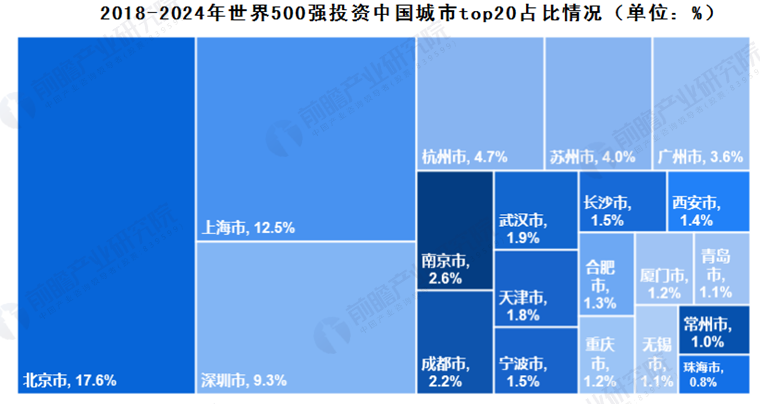
Core Insights - The article discusses the profound changes in urban landscapes due to the restructuring of global supply chains, accelerated industrial adjustments, and explosive growth in new productive forces. It emphasizes the importance of investment as a trust vote for future urban growth potential, as highlighted in the upcoming report by the Forward Industry Research Institute [1]. Investment Trends - Beijing, Shanghai, and Shenzhen are the top investment choices in China, benefiting from superior business environments, industrial support, and infrastructure, maintaining the top three positions in regional investment by Fortune Global 500 companies [2]. - Guangzhou is the only first-tier city experiencing a decline in investment attractiveness, with its share dropping from 10% in 2018 to 4.9% in 2024, while Hangzhou and Suzhou have rapidly ascended to the fourth and fifth positions [5]. - Overall, the investment inclination of Fortune Global 500 companies correlates positively with city rankings, with first-tier and new first-tier cities capturing 70% of the investment volume [5]. Regional Investment Patterns - Investment is increasingly concentrated in the Yangtze River Delta and eastern coastal provinces, indicating a geographical trend in investment preferences [8]. - The report identifies key industries attracting investment from Fortune Global 500 companies, primarily in AI, semiconductor, and new energy sectors, with semiconductors and new energy being the most attractive since 2021 [11]. City-Specific Insights - Shenzhen has seen explosive growth in the semiconductor and AI sectors due to proactive planning and systemic innovation, making these the top two industries for investment from Fortune Global 500 companies [12]. - Changzhou has emerged as a dark horse city, leveraging its new energy industry to attract significant investment, with 87 investments from Fortune Global 500 companies between 2018 and 2024 [13]. - In contrast, Guangzhou's declining investment attractiveness is attributed to structural issues and a lag in industrial transformation, with its investment events being only one-third of Shenzhen's [13]. Investment Logic and Strategies - The investment logic of Fortune Global 500 companies is shifting towards focusing on "irreplaceable nodes" in the industrial chain and achieving value multiplication through urban ecosystems [26]. - Cities are encouraged to deepen their regional advantages, anchor high-potential sectors, and cultivate headquarters economies to attract investment [27][28]. Conclusion - The report serves as a critical guide for local governments to position themselves strategically in the global industrial division and for companies to gain market insights for optimizing resource allocation and achieving sustainable development [1].
300亿美元!美国科技巨头投资量子计算机
第一财经· 2025-04-29 12:51
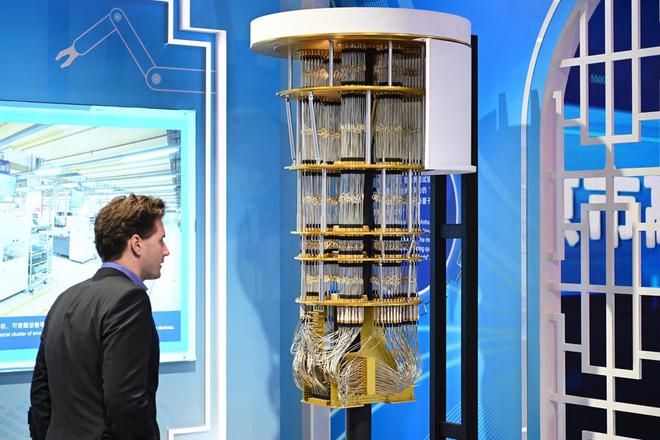
封面图 | AI配图 量子计算正在成为全球竞逐的下一个技术制高点。科技巨头对于量子技术的投资也有升温趋势。 当地时间4月28日,IBM宣布未来五年将投资1500亿美元研发制造费用,其中300亿美元将用于推动量子计算机等的制造。 IBM公司CEO阿尔温德·克里希纳(Arvind Krishna)在一份声明中表示,这项投资承诺将确保IBM先进计算和人工智能中心的领先地位。IBM还 称,该公司运营着全球最大的量子计算机系统群"。 IBM的最新举措反映了美国科技巨头在量子计算领域投入的决心。就在同一天,微软总裁布拉德·史密斯(Brad Smith)呼吁政府优先考虑对量子 研究的资金拨款,并强调美国在研制可运行的量子计算机的竞赛中不能落后于中国。 本文字数:1896,阅读时长大约3分钟 导读 :虽然大多数人认为美国仍然能够在该领域保持领先地位,但中国可能已经与美国并驾齐驱。 作者 | 第一财经 钱童心 去年,谷歌也发布了量子芯片Willow,该公司声称这款新设备是一个"里程碑",因为它能够在五分钟内实现纠错,并解决一道数学题,而这在传统 计算机上要花费比宇宙年龄更长的时间。 芯片巨头英伟达也在押注量子技术。英伟达创始人 ...


微软总裁着急:这项竞争不能落后中国,美国输不起!
Guan Cha Zhe Wang· 2025-04-29 11:22
Core Viewpoint - Quantum computing is a focal point in the technological competition among major powers, with the U.S. urged to enhance its efforts to avoid falling behind China in this critical field [1][2]. Group 1: U.S. Response and Strategy - Microsoft President Brad Smith emphasizes the need for the U.S. government to prioritize funding for quantum research to maintain its competitive edge against China [1]. - Smith suggests that the U.S. should expedite immigration processes for quantum talent and establish a domestic supply chain for key quantum computing components through government procurement [1]. - The article highlights the potential risks to U.S. economic competitiveness and security if China advances in quantum technology [2]. Group 2: Technological Developments - Microsoft has introduced the "Majorana" quantum chip, which currently has 8 quantum bits, with a goal of developing commercial chips with at least 1 million quantum bits [6]. - Google has also launched a new quantum device called "Willow," which is claimed to solve complex mathematical problems significantly faster than traditional computers [6]. - Recent breakthroughs in China include the development of a "continuous variable" quantum entangled state using integrated optical quantum chips, marking a significant advancement in the field [6][7]. Group 3: Implications and Future Outlook - Experts believe that the widespread commercial application of quantum computing may still require decades of development [6]. - The advancements in quantum technology are expected to reshape global information technology infrastructure and have profound implications for the economy and national security [7]. - The competitive landscape indicates that while China is making significant strides, there remains a recognition of the existing gaps that need to be addressed [7].