自动驾驶

Search documents
港股异动 | 小鹏汽车-W(09868)再跌超4% 小鹏汽车否认年产数千辆自动驾驶出租车传闻
Zhi Tong Cai Jing· 2025-11-20 02:34
Core Viewpoint - Xpeng Motors' stock has declined over 4%, currently trading at 81.95 HKD, with a trading volume of 1.097 billion HKD. The company has refuted market rumors regarding its production plans for autonomous taxis in 2026-2027, clarifying that the information originated from a predictive analysis report rather than official disclosures. [1] Group 1: Company Developments - Xpeng Motors plans to produce thousands of autonomous taxis annually starting in 2026-2027, but this information was confirmed to be inaccurate and not based on official data. [1] - The company has engaged with the source of the rumor, which clarified that the content was derived from a predictive analysis report. [1] Group 2: Market Analysis - According to a report from China Merchants Securities International, Xpeng Motors will implement a dual-energy strategy next year, expanding its range-extended vehicles into new markets and accelerating overseas expansion. [1] - The report projects sufficient growth momentum for 2026 but has adjusted sales forecasts for 2025-2027 down by 3%, 6%, and 11% respectively due to increasing industry competition. [1] - Profit forecasts have been revised to -1.4 billion, 1.2 billion, and 3.7 billion RMB for the same period, reflecting increased investment in AI-related research and development. [1] - The target price for Xpeng Motors remains at 115 HKD and 29 USD, with a maintained "Buy" rating. [1]
小鹏汽车-W再跌超4% 小鹏汽车否认年产数千辆自动驾驶出租车传闻
Zhi Tong Cai Jing· 2025-11-20 02:29
消息面上,11月19日,市场消息称,小鹏汽车将于2026-2027年每年生产数千辆自动驾驶出租车。对 此,小鹏汽车相关部门负责人表示,公司留意到市场消息后进行了核实,发现并非源自官方披露的数 据。随后,公司与消息发布方取得联系,对方称相关内容源自一份预测分析报告,并非小鹏汽车实际生 产安排,公司因此判定上述传闻不实。 小鹏汽车-W(09868)再跌超4%,截至发稿,跌4.38%,报81.95港元,成交额10.97亿港元。 招商证券国际发布研报称,小鹏汽车明年推动一车双能策略,增程车拓展新市场空间,以及海外拓展加 快,2026年有充足增长动力,但考虑行业竞争加剧,下调2025-2027年销量3%/6%/11%。同时考虑AI相 关研发加大投入,同期利润预测调整为-14亿/12亿/37亿元人民币。维持小鹏汽车目标价115港元及29美 元,维持"增持"评级。 ...
新型马路判官上路,无人物流车狂奔
3 6 Ke· 2025-11-20 01:53
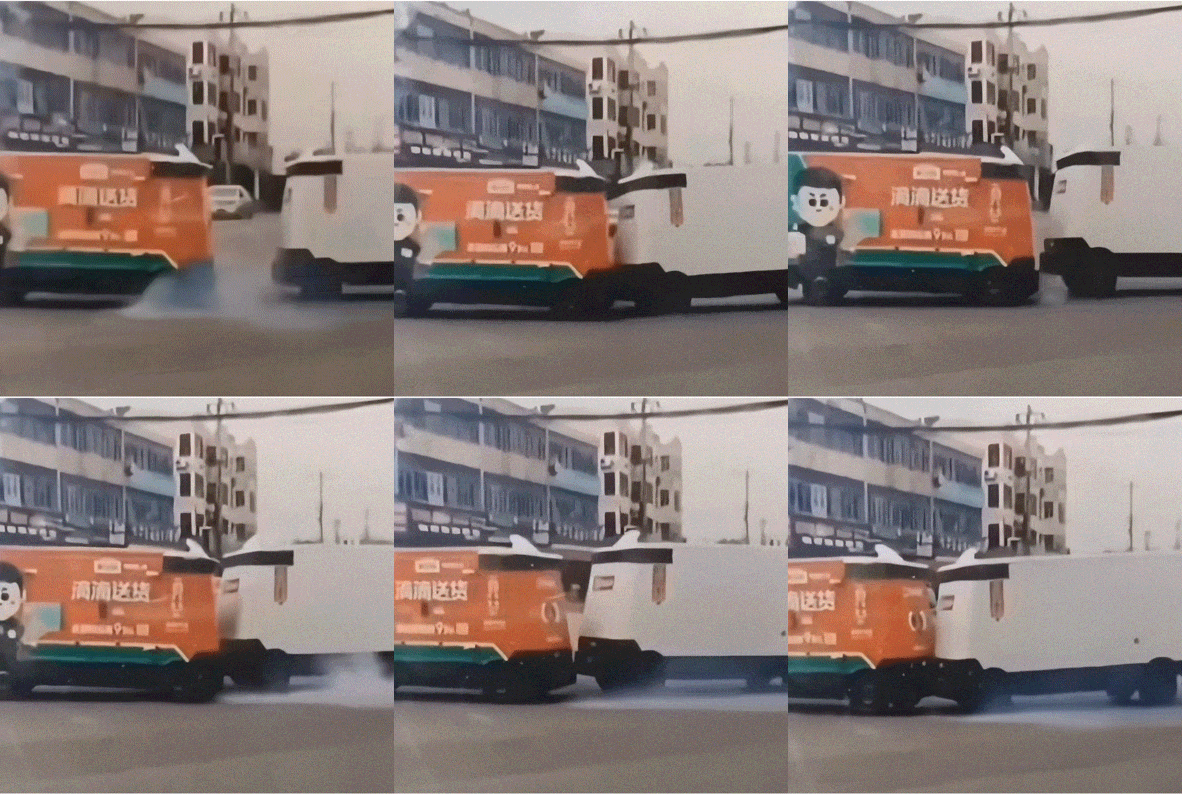
Core Insights - The rise of unmanned logistics vehicles is transforming the delivery landscape, showcasing a clash between advanced technology and traditional agricultural practices [1] - The demand for unmanned logistics vehicles has surged, driven by technological advancements and the need for contactless delivery solutions during the pandemic [8][13] - Major logistics companies are heavily investing in unmanned logistics vehicles, indicating a significant market potential estimated to be worth hundreds of billions [15][18] Demand Explosion - Unmanned logistics vehicles are not new; they have evolved from early tests by companies like JD.com and Suning, which began in 2016 [8][11] - The pandemic accelerated the adoption of unmanned logistics vehicles, as companies like Meituan and SF Express adapted to new delivery challenges [13] - The technology has matured, with L4-level autonomous delivery vehicles being deployed in urban environments, expanding their operational scope [11][19] Industry Growth - The unmanned logistics vehicle market is projected to be a trillion-yuan industry by 2025, driven by increasing demand and technological advancements [15][20] - Major logistics firms are ramping up their investments, with China Post planning to procure 7,000 unmanned vehicles and JD Logistics aiming for 1 million units in five years [18] - The operational model of logistics is shifting from traditional methods to a more efficient system utilizing unmanned vehicles for direct delivery [19] Technological and Policy Support - The Chinese government has been supportive of unmanned logistics vehicle development, issuing guidelines to promote their use in various environments [17] - The cost of producing unmanned logistics vehicles has significantly decreased, making them more accessible for logistics companies [28] - The industry is witnessing a surge in investment, with leading companies securing substantial funding to enhance their capabilities [21][23] Future Outlook - The commercial application of unmanned logistics vehicles is expected to expand beyond delivery services, integrating into a broader autonomous transportation network [30] - The successful trials of unmanned heavy-duty trains and mining vehicles indicate the potential for widespread adoption across various sectors [32][35] - The development of unmanned logistics vehicles is seen as a critical component of China's strategic goals in industrial modernization and technological advancement [39]




恒指收跌99点,四连跌累泻1242点
Guodu Securities Hongkong· 2025-11-20 01:44
Market Overview - The Hang Seng Index closed at 25,830.65, down 99 points or 0.38%, marking a four-day decline totaling 1,242 points or 4.59% [2][3] - The total market turnover was 211.43 billion, with a net inflow of 6.591 billion from northbound trading [2] Macro & Industry Dynamics - The Hong Kong Monetary Authority plans to expand the list of swap connect dealers, with daily trading limits recently raised to 45 billion RMB, reflecting a significant increase in monthly transaction volume from 50 billion to 380 billion RMB since its launch [6] - The Ministry of Industry and Information Technology anticipates that the retail sales of toys in China will exceed 100 billion RMB this year, following a 25.5% increase in 2020 [9] Company News - Link REIT clarified that it has submitted a proposal to acquire interests in several shopping centers in Australia, but no binding agreements have been established yet [11] - Hong Kong Xingye reported a loss of 479 million HKD for the half-year ending September, with revenue increasing by 126% to 1.926 billion HKD due to new project sales [12] - Kingsoft's third-quarter profit fell by 48.47% year-on-year to 213 million RMB, with total revenue down 17% to 2.419 billion RMB, despite a 26.06% increase in office software revenue [13] - Xiaoma Zhixing announced a partnership to develop a new generation of autonomous trucks, aiming for mass production by 2026, which could significantly reduce logistics costs and improve efficiency [14]
台积电日本,再建一座工厂?
半导体行业观察· 2025-11-20 01:28
Core Insights - TSMC's factory in Kumamoto, Japan, has commenced production and plans for a third factory are underway, with significant investments and government support involved [2][3][6]. Group 1: TSMC's Expansion in Japan - TSMC's first factory in Kumamoto is set to begin mass production by the end of 2024, while the second factory's construction has started in October 2023, with an investment of approximately $13.9 billion [2][3]. - The second factory is expected to produce more advanced 6nm chips and is scheduled to start production by December 2027, although full-scale production may be delayed based on demand [3]. - The total investment for both factories in Kumamoto amounts to $22.5 billion, with the Japanese government providing subsidies up to ¥1.2 trillion [3]. Group 2: Government Subsidies and Financial Support - TSMC has received approximately NT$147 billion (around $4.7 billion) in subsidies from various governments, including those in the U.S., Japan, Germany, and China, over the past two years [5][6]. - In the third quarter of this year, TSMC received NT$4.77 billion in subsidies, bringing the total for the first three quarters of 2025 to approximately NT$71.9 billion [5]. - The financial aid is primarily allocated for purchasing property, facilities, and equipment, as well as covering operational costs related to overseas production bases [6].


财联社汽车早报【11月20日】
Xin Lang Cai Jing· 2025-11-20 00:49
Group 1: Electric Vehicle Charging Infrastructure - As of October 2025, China's electric vehicle charging infrastructure reached 18.645 million units, a year-on-year increase of 54.0% [1] - Public charging facilities accounted for 4.533 million units, up 39.5% year-on-year, with a total rated power of 203 million kilowatts [1] - Private charging facilities reached 14.112 million units, a 59.4% increase year-on-year, with a reported electricity capacity of 124 million kilovolt-amperes [1] Group 2: New Energy Industry Projects - A total of 16 key projects in the new energy sector were signed in Changzhou, with a total investment of nearly 10 billion yuan [1] - The projects cover core areas such as power batteries, energy storage systems, transformers, auto parts, and smart grids [1] - Among the signed projects, three are foreign investment projects totaling 130 million USD [1] Group 3: New Energy Vehicle Market Performance - From November 1 to 16, 2023, retail sales of new energy passenger vehicles in China reached 554,000 units, a year-on-year increase of 2% [3] - Cumulative retail sales for the year reached 10.703 million units, up 21% year-on-year [3] - Wholesale figures for the same period were 618,000 units, a 1% increase year-on-year, with cumulative wholesale reaching 12.675 million units, up 28% [3] Group 4: Automotive Industry Developments - Xiaopeng Motors clarified that rumors about producing thousands of autonomous taxis annually from 2026-2027 are unfounded [4] - GAC Toyota denied reports of plans to stop production of two main fuel vehicles by 2026, stating that new models will be launched [4] - Geely and Renault announced a joint investment of 3.8 billion reais (approximately 714 million USD) in Brazil to develop new models [5] Group 5: Autonomous Driving Technology - Pony.ai announced plans to mass-produce its fourth-generation autonomous truck family in collaboration with SANY Heavy Truck and Dongfeng Liuzhou Motor [6] - The first two models will be based on advanced electric platforms and are expected to begin operations next year [6] - This initiative aims to accelerate the development and application of autonomous truck technology [6]
三个月手搓了一辆自动驾驶全栈小车
自动驾驶之心· 2025-11-20 00:05
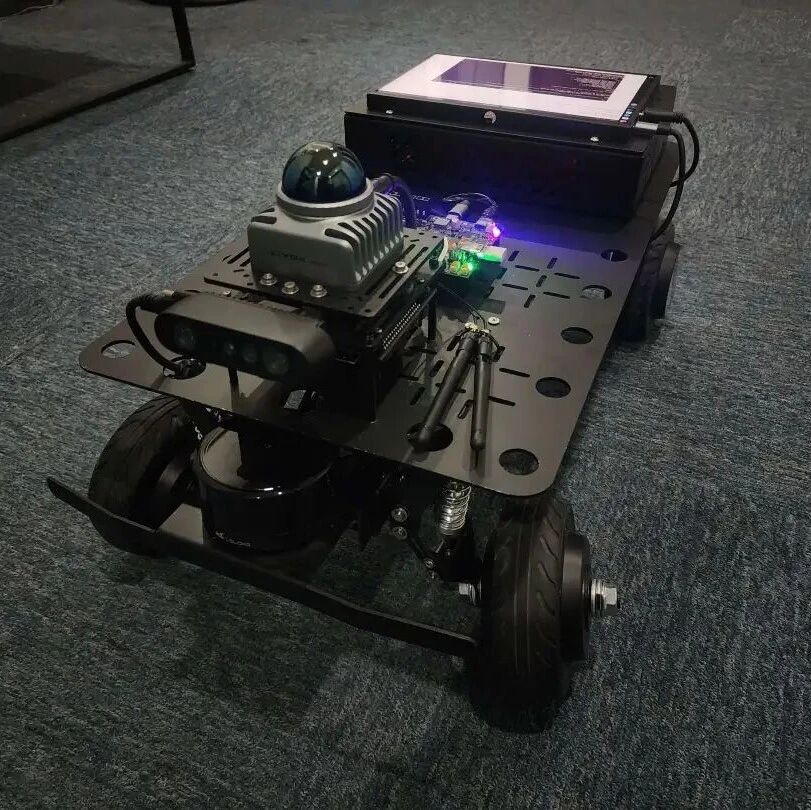
Core Viewpoint - The article announces the launch of the "Black Warrior 001," a comprehensive autonomous driving educational vehicle aimed at research and teaching, now available for pre-sale at a discounted price of 36,999 yuan, including three free courses on model deployment, point cloud 3D detection, and multi-sensor fusion [1]. Group 1: Product Overview - The Black Warrior 001 is a lightweight solution developed by the Autonomous Driving Heart team, supporting various functionalities such as perception, positioning, fusion, navigation, and planning, built on an Ackermann chassis [2]. - The vehicle supports secondary development and modification, with numerous installation positions and interfaces available for adding cameras, millimeter-wave radars, and other sensors [3]. Group 2: Target Audience - The product is suitable for undergraduate students for learning and competitions, graduate students for research and publishing papers, and can be used as teaching tools in university laboratories and vocational training institutions [5]. Group 3: Performance Demonstration - The vehicle has been tested in various environments, including indoor, outdoor, and parking garage scenarios, showcasing its capabilities in perception, positioning, fusion, navigation, and planning [6]. Group 4: Hardware Specifications - Key sensors include a Mid 360 3D LiDAR, a 2D LiDAR from Lidar, a depth camera from Orbbec with IMU, and a main control chip Nvidia Orin NX 16G [22]. - The vehicle weighs 30 kg, has a battery power of 50W, operates at 24V, and has a maximum speed of 2 m/s with a load capacity of 30 kg [25][26]. Group 5: Software and Functionality - The software framework includes ROS, C++, and Python, supporting one-click startup and providing a development environment [28]. - The vehicle features various functionalities such as 2D and 3D SLAM, point cloud processing, vehicle navigation, and obstacle avoidance [29]. Group 6: After-Sales Support - The company offers one year of after-sales support for non-human damage, with free repairs for damages caused by operational errors or code modifications during the warranty period [51].
和港校自驾博士交流后的一些分享......
自动驾驶之心· 2025-11-20 00:05
Core Viewpoint - The article emphasizes the importance of building a comprehensive community for autonomous driving, providing resources, networking opportunities, and guidance for both newcomers and experienced professionals in the field [6][16][19]. Group 1: Community and Networking - The "Autonomous Driving Heart Knowledge Planet" community aims to create a platform for technical exchange and collaboration among members from renowned universities and leading companies in the autonomous driving sector [16][19]. - The community has grown to over 4,000 members and aims to reach nearly 10,000 within two years, facilitating discussions on technology trends and industry developments [6][7]. - Members can freely ask questions regarding career choices and research directions, receiving insights from industry experts [89][92]. Group 2: Learning Resources - The community offers a variety of learning materials, including video tutorials, technical routes, and Q&A sessions, covering over 40 technical directions in autonomous driving [9][11][16]. - Specific learning paths are provided for newcomers, including foundational courses and advanced topics in areas such as end-to-end driving, multi-sensor fusion, and 3D target detection [11][17][36]. - The community has compiled a comprehensive list of open-source projects and datasets relevant to autonomous driving, aiding members in their research and development efforts [32][34][36]. Group 3: Career Development - The community facilitates job referrals and connections with various autonomous driving companies, enhancing members' employment opportunities [11][19]. - Regular discussions with industry leaders are organized to explore career paths, job openings, and the latest trends in the autonomous driving field [8][19][92]. - Members are encouraged to engage in research collaborations and internships, particularly for those pursuing advanced degrees in related fields [3][6][16].

上证早知道|大牛股今日复牌!三大券商官宣合并!这家公司太阳能电池批量用于卫星
Shang Hai Zheng Quan Bao· 2025-11-19 23:28
Group 1: Events and Conferences - The 2025 World Computing Conference will be held from November 20 to 21 [1] - The CDCC 2025 Data Center Standards Conference is scheduled for November 20 to 21 [1] - The 2025 Quantum Technology and Industry Conference will take place on November 20 to 21 [1] Group 2: Stock Market Updates - The stock of HeFu China resumed trading today, with a cumulative increase of 256.29% during the period from October 28 to November 14, with 12 out of 14 trading days closing at the涨停 price [1] - *ST King Kong resumed trading with an adjusted opening reference price of 13.06 yuan per share, following the completion of its restructuring plan, increasing total shares from 216 million to 540 million [1] Group 3: Financial Technology Initiatives - The Hong Kong SAR Government and Shenzhen Local Financial Management Bureau jointly announced an action plan to create a global fintech center between Hong Kong and Shenzhen, aiming to establish over 20 cross-border data verification platforms in financial applications by the end of 2027 [3] Group 4: Industry Growth and Trends - The retail sales of trendy and collectible toys in China are projected to reach 558.3 billion yuan in 2024, indicating a rapid growth phase for the industry [7][8] - Factors such as rising disposable income, the emergence of emotional consumption, and the rise of domestic trendy culture and quality IP are driving the expansion of China's trendy toy market [8] Group 5: AI and Automation Developments - Google launched the Gemini3 AI application, which features a visual understanding accuracy of 72.7%, doubling the current advanced level [10] - Pony.ai announced a collaboration with SANY Heavy Truck and Dongfeng Liuzhou Motor to develop a fourth-generation autonomous truck family, aiming for mass production by 2026 [11] Group 6: Corporate News - CICC announced plans to merge with Dongxing Securities and Xinda Securities through a share swap, with A-shares suspended from trading starting November 20, 2025 [13] - OpenAI partnered with Target to enhance retail experiences through AI-driven recommendations and productivity improvements [13] - Changying Precision reported over 80 million yuan in deliveries of humanoid robot structural components from January to August this year, with ongoing growth in overseas orders [13]


如何搭建低空经济“空中高速路”?
Huan Qiu Wang· 2025-11-19 22:45
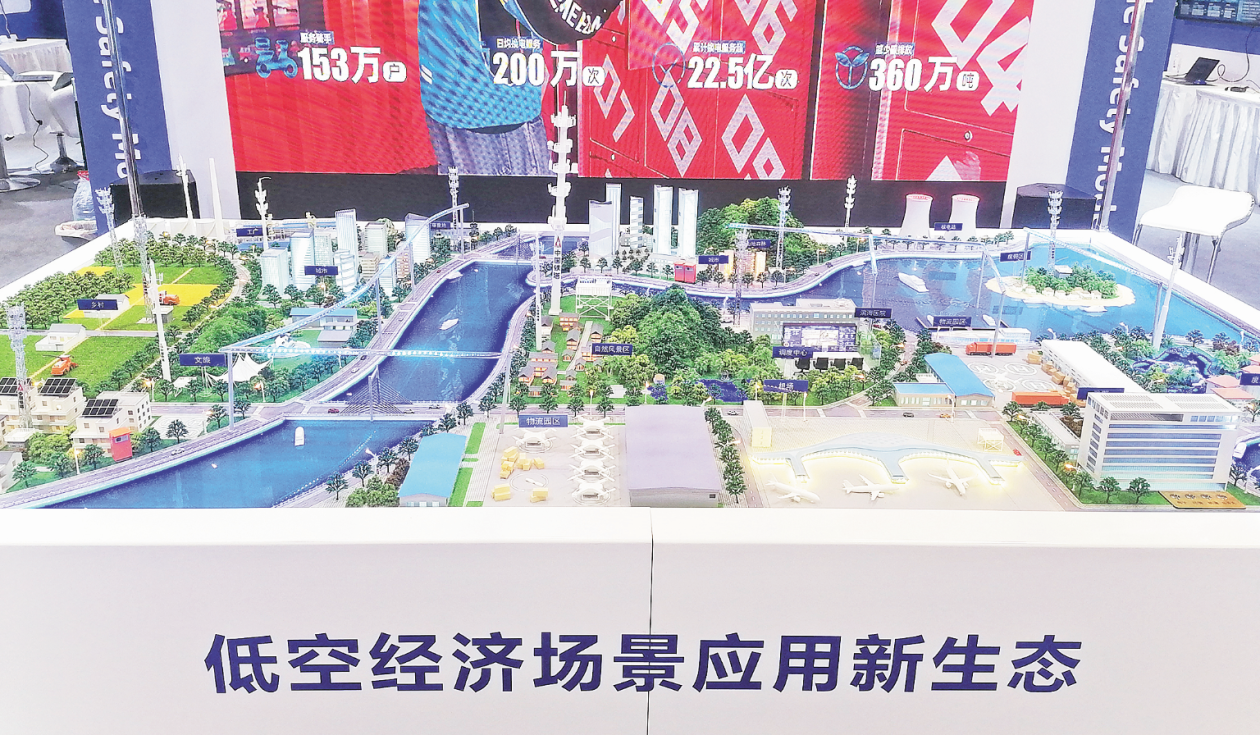
Core Viewpoint - The low-altitude economy is seen as a new engine for China's economic development, requiring the establishment of an invisible air traffic network with appropriate regulations and capabilities to ensure safety and efficiency [1][5]. Group 1: Current Practices and Challenges - China has initiated various practices in the low-altitude economy, including the use of eVTOLs, flying cars, and delivery drones, but these applications are currently fragmented and lack regulatory measures [2][5]. - The development of the low-altitude economy primarily focuses on airspace below 1,000 meters, with specific altitude ranges for different applications, necessitating a unified communication and navigation system to prevent chaos in the air [5][6]. Group 2: Safety and Regulatory Framework - The National Development and Reform Commission emphasized that safety is the primary prerequisite for developing the low-altitude economy, advocating for a cautious and orderly expansion of applications [5]. - The "Kang Qian City-Level Low Altitude Safety Operation Model 1.0" has been proposed to address urban safety regulation challenges, outlining a structured air traffic network supported by various facilities [6][7]. Group 3: Technological and Infrastructure Needs - The low-altitude economy requires a robust safety support network that includes communication, navigation, and monitoring facilities to ensure the safe operation of low-altitude aircraft [6][8]. - The integration of over 2.1 million communication towers across China can serve as foundational infrastructure for the low-altitude economy, providing necessary services and charging stations for drones [6][8]. Group 4: Intelligent Traffic Management - The development of a smart traffic management system for low-altitude operations is essential, similar to existing ground traffic management systems, to mitigate risks associated with low-altitude flights [7][8]. - The proposed low-altitude management service platform will enable indirect control of drones, ensuring comprehensive monitoring and management of flight operations [7][8]. Group 5: Legal and Policy Considerations - The legal framework for the low-altitude economy is under discussion, with a focus on balancing safety, compliance costs, and fostering innovation [11][12]. - Proposed legislative changes aim to clarify management responsibilities and provide local governments with the authority to support low-altitude economic enterprises [11][12]. Group 6: Future Directions and Innovations - Experts advocate for a flexible legal environment that encourages technological innovation while ensuring safety, suggesting that regulations should allow for adaptability to rapid technological advancements [13]. - The potential for automatic driving and AI management in low-altitude operations highlights the need for forward-thinking legislation that can evolve with technological progress [13].