
中部崛起

Search documents
风起皖西,何以六安——探寻革命老区振兴发展密码
Shang Hai Zheng Quan Bao· 2025-11-07 19:10
Core Insights - Liu'an is leveraging its geographical advantages and rich resources to attract investment and develop its industrial base, particularly in the context of national development strategies [23][24][25] Industry Development - Liu'an has established six leading industries: information technology, food health, building materials and home furnishings, new energy, mining metallurgy, and new materials, while also planning for future industries such as low-altitude economy, hydrogen energy, and third-generation semiconductors, forming a "6+3" industrial system [11][32] - The new energy vehicle (NEV) industry is rapidly developing, with 304 related enterprises, including 205 component manufacturers and 99 aftermarket companies. In 2024, Liu'an aims to attract 81 NEV-related projects with a total investment of 239 billion [12][31] - The hydrogen energy sector is highlighted, with Liu'an being one of the first national hydrogen energy demonstration cities, featuring leading companies like Tomorrow Hydrogen, which has developed core technologies and established a large-scale industrialization facility [21][24] Investment and Economic Growth - Liu'an's industrial investment is projected to grow by 33% in the first half of 2025, outpacing the provincial average, with manufacturing investment increasing by 9.9% [32] - The Liu'an Economic and Technological Development Zone is home to advanced manufacturing facilities, such as the introduction of a 9,800-ton die-casting machine, which is expected to generate annual sales of no less than 1 billion [29][30] Strategic Collaborations - Liu'an is benefiting from strategic partnerships, particularly with Shanghai, which has led to the establishment of the Liu'an Modern Industrial Park, designed to attract investment and facilitate industrial cooperation [33][34] - The park operates under a market-oriented model, promoting collaboration between Shanghai and Liu'an in sectors like integrated circuits, high-end equipment, and new energy vehicles [34][35]


四中全会精神在基层丨锚定高质量发展,书写中部崛起新篇章
Xin Hua She· 2025-11-03 15:59
Economic Development - The central region of China, covering six provinces, is focusing on high-quality development and modernizing its industrial system, emphasizing the importance of the real economy and innovation [1][2][3] - The "14th Five-Year Plan" highlights the need to optimize traditional industries while nurturing emerging and future industries, with a focus on smart, green, and integrated development [3][5] Industry Innovation - Companies like Hunan Sheny Precision Parts Co., Ltd. are enhancing their manufacturing processes to support local manufacturing breakthroughs, particularly in key components for large engineering equipment [2] - Wuhan Yuwei Optical Technology Co., Ltd. is developing advanced laser radar technology for railway bed condition measurement, showcasing the region's commitment to innovation in high-tech industries [3] Agriculture Modernization - The central region is advancing agricultural modernization through mechanization and smart farming technologies, such as unmanned agricultural machinery and IoT devices for precise irrigation [4][5] - Various initiatives are being implemented to improve agricultural productivity and quality, including land transfer in Jiangxi and single-crop yield enhancement actions in Henan [5] Energy Transition - The region is actively transitioning to a new energy system, with projects like the liquid hydrogen plant in Anhui, which aims to enhance hydrogen production efficiency and reduce costs [6] - AI systems are being deployed in coal mining operations to improve safety and efficiency, with significant reductions in energy consumption and equipment failure rates reported [5] Infrastructure Development - The central region is enhancing its transportation networks to connect domestic and international markets, with significant investments in ports and logistics facilities [10] - The establishment of modern food industry parks and the expansion of waterway transport routes are examples of how the region is leveraging its geographical advantages for economic growth [10] Social Welfare Initiatives - The implementation of long-term care insurance in regions like Henan is aimed at alleviating the economic burden on families with disabled members, reflecting a commitment to improving social welfare [11] - Various local governments are investing in public services and community support initiatives to enhance the quality of life for residents, including childcare and housing assistance programs [11][13]
湖北汽车产业撑起中部崛起 “硬核支点” | 新京快评
Xin Jing Bao· 2025-11-03 10:53
Core Insights - Hubei's top ten key industries have all experienced growth in the first three quarters, with significant double-digit increases in sectors like automotive and electronics [1] - The automotive industry is the largest pillar industry in Hubei, playing a crucial role in the province's industrial rise and contributing to the transformation and upgrading of manufacturing [1][2] - Hubei aims to become a strategic pivot in the central region of China, aligning its goals with the transformation of the manufacturing sector towards high-end, intelligent, green, and digital directions [1][2] Industry Overview - Hubei has developed a complete automotive industry ecosystem, with 25 vehicle manufacturers and over 2,400 parts suppliers, making it one of the provinces with the highest degree of industrialization and the most complete supply chain in the automotive sector [2] - The "Wuhan-Xiangyang-Tianjin-Suizhou" automotive industry cluster has been recognized as a national advanced manufacturing cluster, with expected revenue exceeding 1 trillion yuan in 2024 [2] - The automotive industry in Hubei showcases a collaborative effect through precise division of labor, with different cities focusing on various segments such as passenger vehicles, commercial vehicles, and specialized vehicles [2] Innovation and Development - Dongfeng Motor has ranked first in patent authorization and innovation index among domestic independent vehicle manufacturers for three consecutive years, while Lantu Motors has accumulated 1,519 authorized patents and 4,783 pending applications [3] - Hubei's automotive industry is a pioneer in the integration of science and technology, with support for collaborative innovation in key areas like intelligent networking and new energy [2][3] - The province has implemented a series of supportive policies to enhance the automotive industry's influence, facilitating both production upgrades and market activation [3] Market Expansion - Hubei's automotive industry is expanding its market presence both domestically and internationally, enhancing the brand influence of "Hubei-made" vehicles [4] - Lantu Motors has successfully entered the European market, selling out its first batch of models, and is also making strides in the Middle East [3][4] - The continuous improvement of the industry chain and innovation capabilities is driving Hubei's steady progress in becoming a pivotal region in central China [4]

追逐光,成为光
Shang Hai Zheng Quan Bao· 2025-10-16 19:01
Group 1 - Jiangxi's GDP is projected to reach 3.6 trillion yuan by 2025, marking a significant increase from 3 trillion yuan in 2022, with per capita GDP surpassing $10,000 [1] - The province has transitioned from a traditional agricultural base to a new industrial powerhouse, with industrial and manufacturing value added consistently exceeding 1 trillion yuan [1] - The "1269" action plan aims to strengthen the industrial framework, focusing on 12 key manufacturing chains and 6 advanced manufacturing clusters, contributing to a modern industrial system [1] Group 2 - The electronic information industry has maintained a value added of over 1 trillion yuan for three consecutive years, becoming a key sector in Jiangxi's industrial landscape [2] - Traditional industries such as non-ferrous metals and equipment manufacturing are undergoing technological upgrades, moving towards trillion-yuan clusters [2] - By the end of August, Jiangxi had 120 listed companies, with total revenue from these companies projected to reach 1.08 trillion yuan in 2024, accounting for nearly one-third of the province's GDP [2] Group 3 - Companies like Lianchuang Optoelectronics and JinkoSolar are leading in high-tech sectors, showcasing successful transformations and innovations [2] - The province is focusing on high-end, intelligent, and green manufacturing, with listed companies playing a crucial role in driving industrial growth and innovation [2][3] - The ongoing development aligns with national strategies for economic advancement, emphasizing high-quality growth in Jiangxi [3]
从“各管一分地”到“共下一盘棋” 长江中游城市群协同创新能力提升61.52分
Zhong Guo Jing Ying Bao· 2025-10-15 17:27
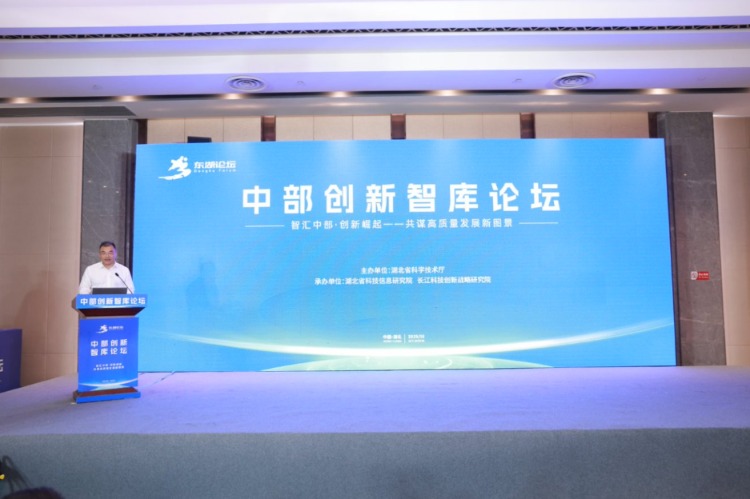
Core Viewpoint - The forum aims to accelerate the construction of a nationally influential technology innovation center in Wuhan, promoting collaborative development among the cities in the Yangtze River middle reaches and the Yangtze River Economic Belt [1][3]. Group 1: Forum Overview - The "2025 East Lake Forum" is a significant part of the initiative, hosted by the Hubei Provincial Department of Science and Technology, with support from various research institutes [1][3]. - The theme of the forum is "Wisdom Gathering in Central China: Innovation Rise - Jointly Seeking New High-Quality Development Landscape" [1]. Group 2: Innovation Index Report - The "Collaborative Innovation Index Report of the Yangtze River Middle Reaches Urban Agglomeration" was released during the forum, highlighting the rapid improvement in the region's technological innovation capabilities [3]. - The report indicates that the innovation capability score increased from a baseline of 100 in 2020 to 161.52, marking a rise of 61.52 points, and a 22-point increase from 139.52 in 2022 [3]. Group 3: Regional Cooperation - The cooperation mechanism among the three provinces (Hunan, Hubei, and Jiangxi) is continuously improving, with multiple agreements signed, including the "Yangtze River Middle Reaches Urban Agglomeration Capital City Cooperation Action Plan (2023-2025)" [3][4]. - The establishment of the Yangtze River Middle Reaches Technology Service Alliance aims to create an industrial internet platform, transitioning from "cooperative actions" to "collaborative development" [3]. Group 4: Development Planning - The State Council approved the "Development Plan for the Yangtze River Middle Reaches Urban Agglomeration" in March 2015, focusing on creating a new economic growth pole with international influence [4]. - The plan emphasizes new urbanization, strengthening the central cities of Wuhan, Changsha, and Nanchang, and promoting inter-city cooperation and integrated urban-rural development [4][5].
最接地气的省份,悄悄扯下旧标签
Hu Xiu· 2025-10-15 02:27
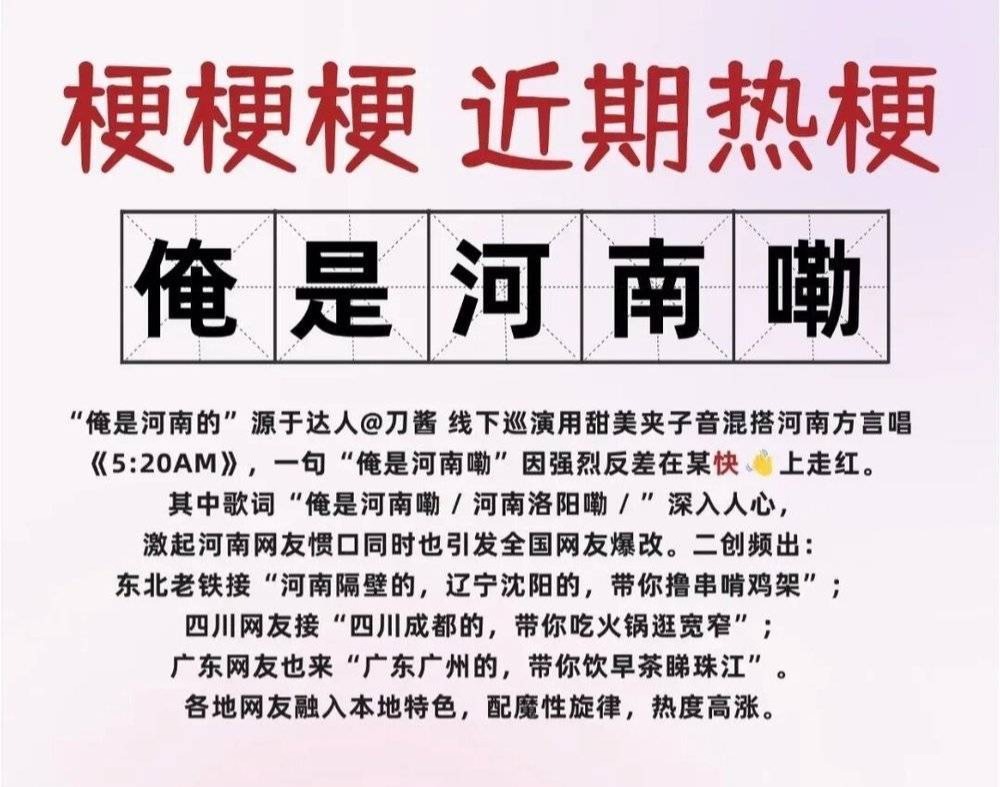
Core Perspective - The article emphasizes the transformation of Henan from a historically defined region to a vibrant and innovative area, showcasing its cultural heritage and modern economic development [2][4][40]. Group 1: Cultural and Economic Transformation - Henan is redefining its identity by merging deep cultural roots with modern experiential economy, creating a unique "Henan model" that balances tradition and innovation [3][4]. - The region is leveraging its historical significance and geographical advantages to foster new development momentum, enhancing its image and self-identity among its people [2][4][40]. Group 2: Consumer Influence and Market Presence - Brands like "胖东来" (Pang Dong Lai) and "蜜雪冰城" (Mixue Bingcheng) have become benchmarks in consumer experience, with the latter selling over 1 billion cups of lemon water annually since 2023 [12][11]. - The emergence of local products and brands, such as "卫龙" (Weilong) and "白象" (Baixiang), reflects a shift in consumer preferences towards affordable and relatable options, contributing to a broader consumption upgrade [15][19]. Group 3: Tourism and Local Experiences - Henan is becoming a significant tourist destination, with attractions like the immersive drama theme park "戏剧幻城" (Theater Fantasy City) and historical sites drawing millions of visitors, enhancing local income and community engagement [42][43]. - The region's approach to tourism emphasizes authenticity and affordability, contrasting with the often expensive and generic experiences found in other tourist spots [30][32]. Group 4: Social and Community Impact - The article highlights the inclusive practices of companies in Henan, such as employing individuals with disabilities, which fosters a sense of community and social responsibility [41]. - Local initiatives are creating new narratives and experiences that resonate with both residents and visitors, contributing to a renewed sense of pride and identity among the people of Henan [40][44].
鄂州花湖机场国际货运航线达45条
Ren Min Wang· 2025-10-10 01:37
Core Viewpoint - The Huahu Airport in Ezhou, Hubei Province, is positioned as a key player in China's global air logistics competition, contributing significantly to the province's foreign trade growth and economic development [1][2] Group 1: Airport Development - Huahu International Airport has opened a total of 106 cargo routes, including 45 international routes, and has achieved a cargo throughput of over 1.06 million tons, with international cargo exceeding 360,000 tons [1] - The airport is projected to increase its cargo routes to 110 by the end of the year, focusing on expanding international routes to Southeast Asia and the Middle East [1] Group 2: Economic Impact - The airport has contributed to a 6.1 percentage point increase in Hubei's foreign trade growth this year, enhancing the province's outward-oriented economy [1] - Ezhou City plans to leverage its bonded logistics center and other regulatory platforms to accelerate the development of bonded business models and attract leading e-commerce companies [1] Group 3: Port and Logistics Enhancement - Ezhou aims to improve port capabilities through "three inspections in one" and promote smart port construction to enhance customs efficiency and service quality [2] - The city will optimize its industrial layout in the airport economic zone and promote the development of clusters in aviation logistics, optoelectronics, smart manufacturing, and healthcare [2]
中部崛起的“湖北密码”
2 1 Shi Ji Jing Ji Bao Dao· 2025-09-05 23:11
Core Insights - Hubei's economic output has surpassed 6 trillion, achieving the "14th Five-Year Plan" target ahead of schedule [1] - The driving forces behind this growth include the deep integration of traditional industries with new dynamics and the transformation of geographical advantages into economic strengths [1] - The "returning talent economy" reflects the positive interaction between talent repatriation and regional development, indicating a reshaping of competitiveness through industrial iteration [1]
上半年湖北经济增速“破6”,自评“中部显眼包”
Sou Hu Cai Jing· 2025-07-26 01:17
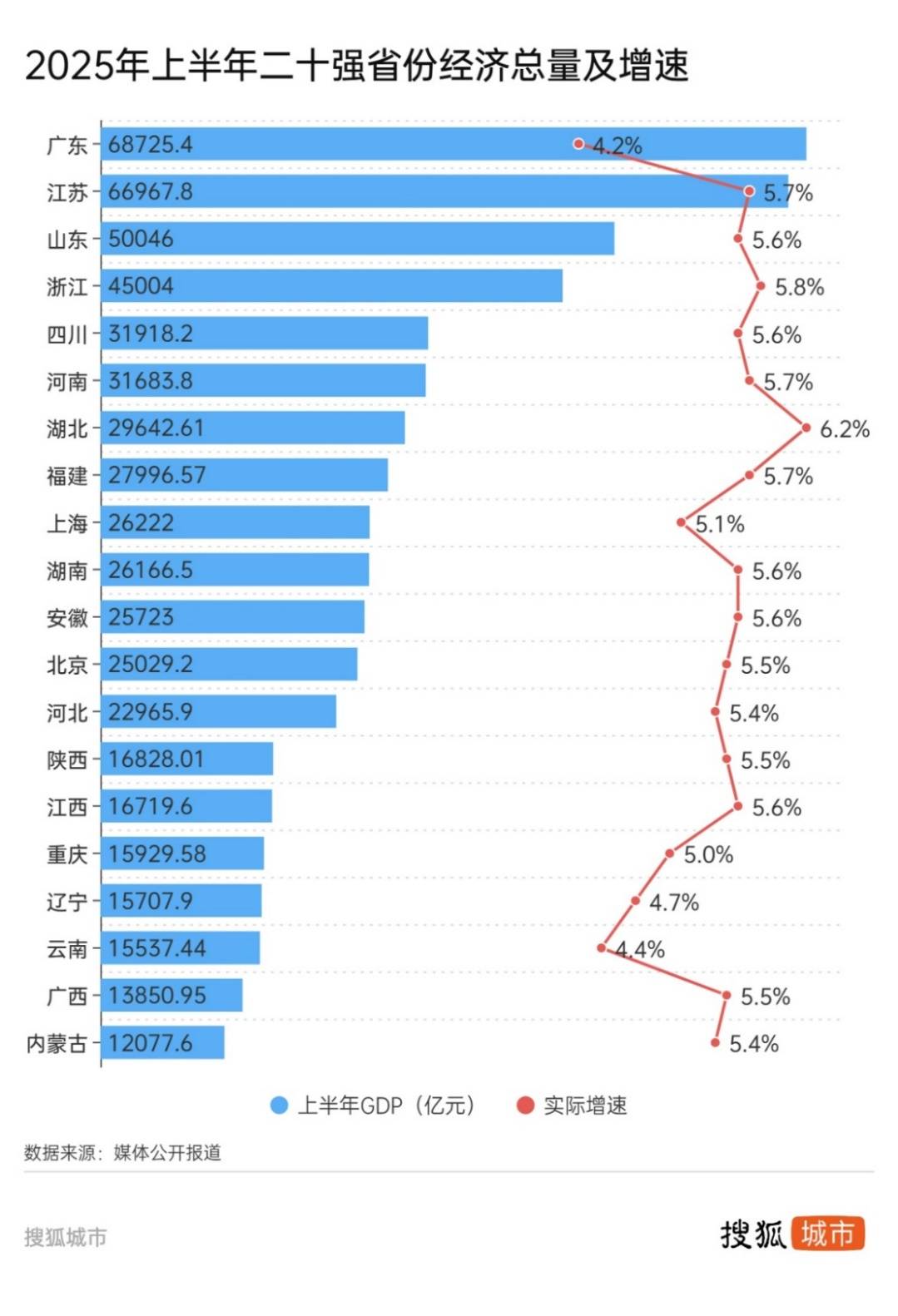
Economic Performance - The central provinces, particularly Hubei, have shown impressive economic growth in the first half of the year, with Hubei achieving a 6.2% growth rate, ranking among the top three provinces in the country [1][4] - Hubei's GDP reached 2.96 trillion yuan, with a nominal and actual growth rate of 6.2%, indicating ongoing efforts in industrial recovery and investment [4] - The economic total of Henan, Hubei, Hunan, Jiangxi, and Anhui reached approximately 13 trillion yuan, accounting for 19.7% of the national total, reflecting a slight increase from the previous year [4] Industry Insights - Hubei's high-tech manufacturing sector saw an increase in value-added output by around 14%, with significant growth in computer assembly and lithium batteries [7][8] - Hunan and Jiangxi are leveraging emerging industries such as new energy vehicles and lithium batteries to drive economic growth, with Hunan's industrial profits growing by 12.3% [5][8] - Despite the growth, there are concerns regarding the reliance on external markets for high-tech manufacturing, particularly in Hubei's integrated circuit sector [8] Consumer Behavior - Retail sales in the central provinces have outpaced the national average, with growth rates of 7.2% in Henan and 6.9% in Hubei, driven by initiatives like "old-for-new" subsidies [11][12] - However, consumer spending remains cautious, with per capita consumption in Hubei and Henan below the national average, indicating a focus on practical spending rather than services [11][12] - The potential for sustained consumer growth is uncertain, as it heavily relies on the continuation of subsidy programs [11] Regional Disparities - Economic performance varies significantly within provinces, with major cities like Wuhan and Zhengzhou dominating their respective provincial economies [15][16] - Many smaller cities in the central region are heavily reliant on traditional industries, lacking innovation and core design capabilities [15][16] - The need for a more balanced regional development strategy is emphasized, focusing on creating "next centers" to support broader economic growth [16]
《三年行动方案》正式出炉!长江中上游“第一港”锚定四大目标
Chang Jiang Ri Bao· 2025-07-08 09:07
Core Viewpoint - The Wuhan Yangtze River Midstream Shipping Center is a crucial component of the national Yangtze River Economic Belt strategy and plays a significant role in the development of central China, as outlined in the newly released three-year action plan for high-quality development from 2025 to 2027 [1][3]. Group 1: Development Progress - Over the past decade, the infrastructure capacity of the Wuhan Yangtze River Midstream Shipping Center has significantly improved, with a stable growth in container throughput since surpassing one million TEUs in 2014 [2]. - In 2024, the container throughput reached 1.8763 million TEUs, accounting for 76.7% of the province's total and 33.7% of the container throughput in the Yangtze River midstream and upstream ports, establishing it as the "first port" in the region [2]. - The completion of the 6-meter deep waterway improvement project from Han to Anqing and the upgrade of the Han River's 33-kilometer waterway to Class II have enhanced navigability [2]. - Wuhan Port currently has 150 productive berths and a maximum annual container throughput capacity exceeding 4 million TEUs, with an annual cargo throughput capacity of 150 million tons [2]. - The port has expanded its open port areas to three port zones and seven berths, facilitating direct shipping routes to Japan, South Korea, Russia, Vietnam, and Indonesia, and establishing a new international transfer channel for sea-rail intermodal transport [2]. Group 2: Future Development Focus - The action plan emphasizes four key areas for the next three years: strengthening infrastructure construction, optimizing port layout, promoting port area collaboration, and improving port access channels [3]. - It aims to cultivate and upgrade port-related industries, expand bonded and cross-border e-commerce, and develop a green and intelligent ship industry chain, targeting an annual growth rate of over 25% [3]. - The plan also includes enhancing shipping service capabilities, establishing a high-standard Wuhan Shipping Exchange, and developing refined shipping finance [3]. - Additionally, it seeks to innovate institutional mechanisms, improve medium- and long-term planning, and secure policy support [3].