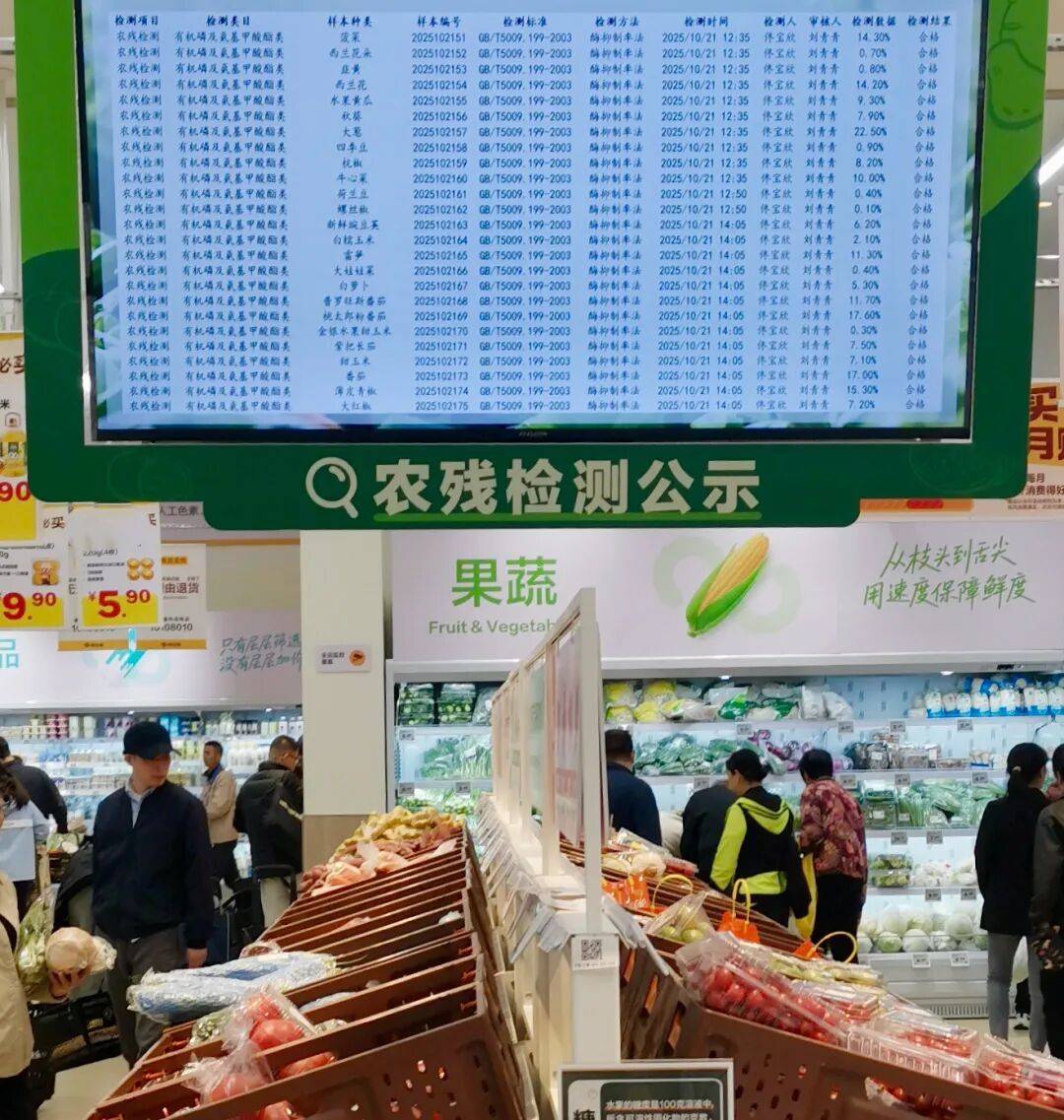
供应链建设

Search documents
中国咖啡市场“变阵”拉开序幕
Zheng Quan Ri Bao· 2026-01-07 17:05
Core Insights - The Chinese coffee market is experiencing intense competition, shifting from price wars to a focus on supply chain management, digital operations, and penetration into lower-tier markets [1][2][9] - The transformation in coffee consumption culture is evident, with coffee evolving from a "social consumption" to a "daily consumption" product [1][2] Market Dynamics - Domestic brands like Luckin Coffee have disrupted the market traditionally dominated by international players such as Starbucks and Costa by leveraging delivery and digital ordering models [2][3] - The proportion of consumers drinking coffee during daily activities has reached 47.89% [2] - The per capita annual coffee consumption in China is projected to rise from 6 cups in 2016 to 22 cups by 2024, with significant growth in second and third-tier cities [2] Brand Expansion - Major coffee brands such as Luckin, Kudi, and others have surpassed 10,000 stores, with Luckin nearing 30,000 locations [3] - Starbucks operates approximately 8,000 stores in China after 26 years, while some mid-tier brands have seen slower growth or even a decline in store numbers [3] Strategic Shifts - International brands are seeking strategic partnerships and restructuring to adapt to the changing market landscape, with Starbucks forming a joint venture with Boyu Capital to enhance local market expertise [8] - The competition is shifting from brand premium to efficiency and scale, with domestic brands likely to dominate the market [4] Pricing Trends - Coffee prices have been declining, with average consumer spending on coffee dropping from 41 yuan in September 2023 to 26 yuan by September 2025 [6] - The percentage of coffee shops with prices below 15 yuan has increased from 29.8% to 36.9% within a year [6] Challenges and Innovations - Coffee brands face challenges such as high costs, price pressures, and severe product homogeneity, leading to decreased consumer loyalty [7] - Brands are exploring various strategies to enhance value, including launching budget sub-brands and utilizing technology to reduce costs [7] Supply Chain Importance - The competition is increasingly focused on supply chain integration, with companies aiming to control costs and ensure quality from sourcing to retail [9][10] - Fluctuations in coffee bean prices have prompted brands to secure long-term procurement agreements and invest in roasting facilities to stabilize costs [9][10] Future Outlook - The coffee industry is expected to undergo a "de-bubbling" reshuffle, leading to increased market concentration and the emergence of brands that leverage unique supply chains and localized operations [11] - The market is transitioning from price-driven competition to efficiency-driven value competition, emphasizing the need for brands to establish comprehensive value chains [11]


裕太微:公司毛利率近两年持续维持在40%以上
Zheng Quan Ri Bao Wang· 2026-01-05 13:48
Core Viewpoint - The company maintains a gross margin above 40% over the past two years, indicating a stable financial performance and plans to enhance profitability through product structure optimization and refined management [1] Group 1: Gross Margin and Profitability - The company's gross margin is influenced by various factors including market demand, competition, product pricing, raw material procurement costs, and product structure [1] - The gross margin has consistently remained above 40%, which is considered a reasonable range for the company [1] - The company aims to further improve its profitability through strategies such as optimizing product structure and implementing refined management practices [1] Group 2: Supply Chain Management - The company collaborates with well-known industry manufacturers for its supply chain, although specific details of these partnerships are not disclosed [1] - The company is focused on domestic supply chain development and will announce specific cooperation progress in accordance with information disclosure regulations [1]

盒马CEO发布内部信,2025年营收同比增速超40%
3 6 Ke· 2026-01-01 03:12
Core Insights - Hema has reported a revenue growth of over 40% year-on-year for the fiscal year 2025, marking a significant achievement in its first year of implementing the "dual-wheel drive" strategy [2][5] - The company achieved adjusted EBITA profitability for the first time in fiscal year 2025, with monthly profitability throughout the year [2][5] - Hema's GMV reached 75 billion yuan in the fiscal year 2025, indicating strong market performance [2] Business Strategy - Hema is focusing on two core business models: Hema Fresh and Super Hema NB, aiming to leverage their complementary advantages [2][5] - In 2025, Hema Fresh expanded into 40 new cities, while Super Hema NB opened over 200 new stores, reflecting a strategic push for growth [5][7] - The expansion into non-first-tier cities is a response to structural changes in the Chinese economy, with emerging cities becoming increasingly important for growth [5][7] Product Development - Hema emphasizes product strength as its core competitive advantage, developing a range of proprietary brands and innovative products [8][9] - The company is actively exploring new consumer trends, particularly in the health sector, by launching health-focused products and collaborating with established brands [9][10] - Hema has established a robust supply chain network, including eight supply chain centers and over 300 direct sourcing bases, enhancing its ability to deliver fresh products efficiently [9][10]


万店古茗:持续加码产品研发、供应链建设
Ren Min Wang· 2025-12-29 06:59
Core Insights - Guming Tea, founded in 2010, has become one of China's leading tea brands, with a store count reaching 11,179 by June 30, 2025, representing a 17.5% year-on-year growth [1] - The brand has a strong presence in lower-tier cities, with 81% of its stores located in these areas, indicating significant market penetration [1] Group 1: Product Development and Quality - Guming emphasizes product quality as a key factor for consumer recognition, supported by a robust R&D framework that has led to the launch of 52 new products in the first half of 2025 [3] - The company has made significant advancements in its coffee product line, with over 8,000 stores equipped with coffee machines and 16 new coffee beverages introduced [3] - Guming's cold chain logistics infrastructure is the largest among Chinese ready-to-drink tea brands, providing two-day delivery service to over 98% of its stores [3][4] Group 2: Supply Chain and Logistics - The company operates 22 warehouses with a total area of approximately 230,000 square meters, including cold storage capacity of over 61,000 cubic meters [4] - Guming utilizes an advanced logistics system that optimizes delivery routes and reduces costs while ensuring the freshness of ingredients through real-time monitoring [4] Group 3: Franchise Model and Market Strategy - Guming operates primarily through a franchise model, fostering long-term relationships with franchisees to enhance store operations and product quality [4] - The company has established a franchisee committee to gather feedback on significant business decisions, which aids in efficient store management and consumer experience [4][5] - Future plans include deepening market presence, enhancing digital capabilities, and continuing product innovation to provide high-quality, cost-effective services [5]
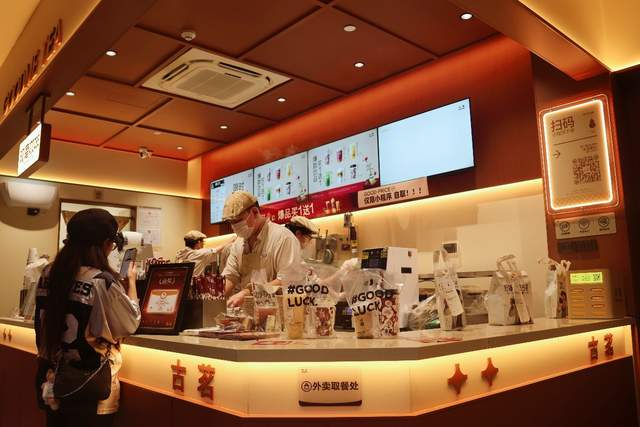
现制茶饮巨头齐聚港股冲刺IPO 茶饮第二股将花落谁家?
Ge Long Hui· 2025-12-26 17:52
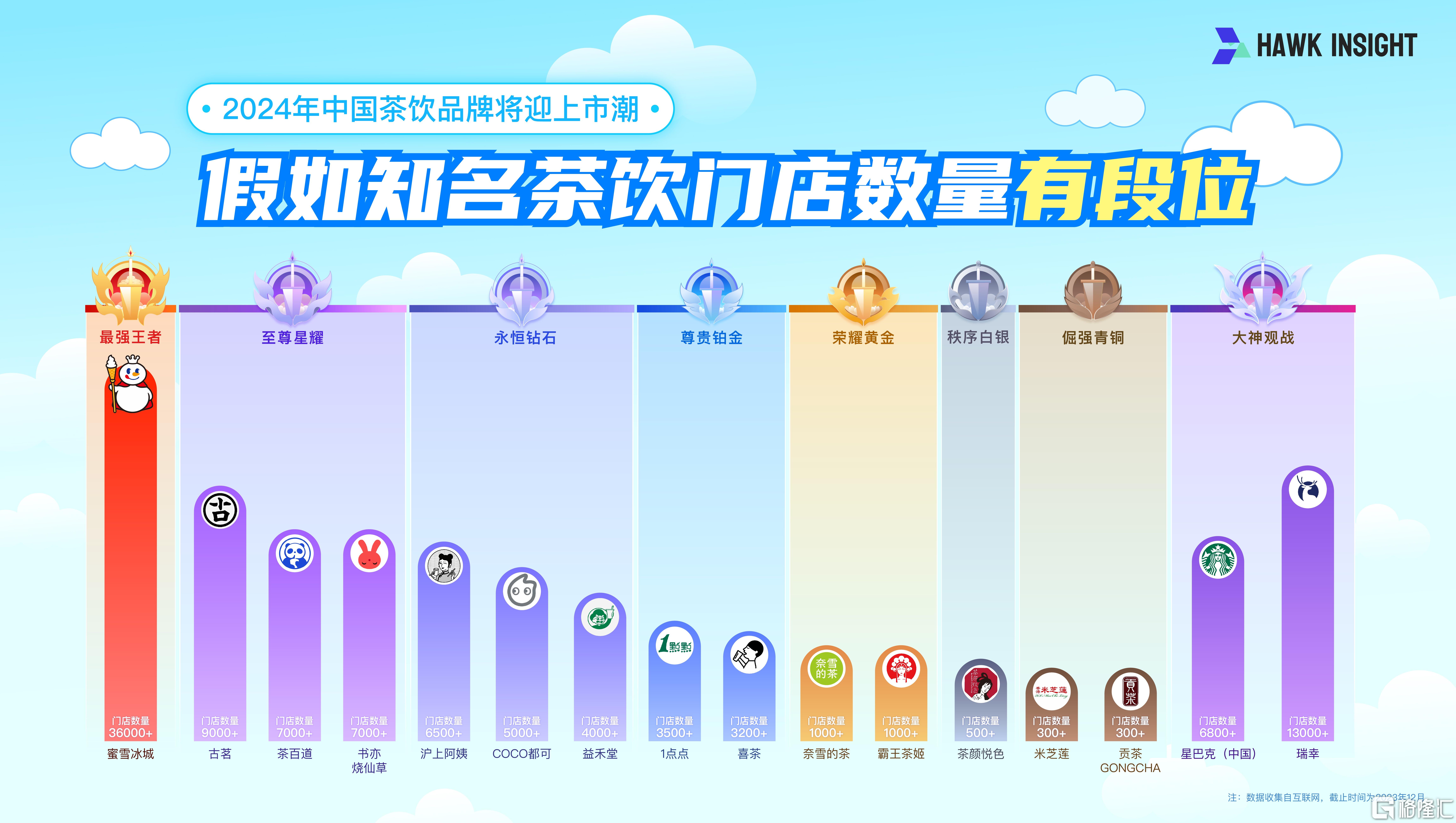
Core Viewpoint - The competition in the Chinese ready-to-drink tea market is intensifying as multiple brands, including Mixue Ice City, Gu Ming, and Cha Bai Dao, are preparing for IPOs, aiming to become the second listed tea brand after Nayuki Tea [2][27]. Group 1: Market Overview - The Chinese ready-to-drink tea market is projected to reach a scale of 149.8 billion yuan in 2023, with a compound annual growth rate of nearly 20% over the past three years, and is expected to expand to 201.5 billion yuan by 2025 [3]. - As of August 31, 2023, there are approximately 515,000 new tea drink stores in operation, a growth of over 36% from 378,000 stores at the end of 2020 [3]. Group 2: Company Expansion Strategies - Mixue Ice City has over 32,000 stores in China and approximately 4,000 overseas, with a cup output of about 5.8 billion cups in the first nine months of 2023, making it the leading ready-to-drink beverage company in China and the second globally [8]. - Gu Ming has 9,001 stores as of December 31, 2023, a 35% increase from the end of 2022, positioning it as a strong contender to enter the "10,000-store era" [8]. - Cha Bai Dao has 7,111 stores, achieving coverage across all provinces and cities in mainland China, and is also approaching the "10,000-store era" [8]. Group 3: Future Expansion Directions - Gu Ming plans to expand into northern China, where it currently has no presence in 19 provinces, indicating significant growth potential [10]. - Cha Bai Dao aims to increase its penetration in second-tier and lower-tier cities, where it currently has about 60% of its stores, and will focus on enhancing store density in potential business districts [12]. - Mixue Ice City is focusing on international expansion, having opened its first overseas store in Vietnam in 2018 and now operating in 11 countries, with plans to deepen its presence in Southeast Asia [13][15]. Group 4: Supply Chain and Logistics - Mixue Ice City has built a large-scale supply and logistics system, with 26 warehouses totaling over 300,000 square meters, making it the largest in the industry [15][16]. - Gu Ming operates the largest cold chain logistics infrastructure among Chinese ready-to-drink tea brands, with 21 warehouses and a delivery cost of only about 0.9% of GMV [18][19]. - Cha Bai Dao relies on a combination of self-operated and third-party logistics, with 22 high-standard warehouses covering a total area of approximately 80,000 square meters [21][22]. Group 5: Marketing Strategies - Mixue Ice City has successfully created a strong brand IP, "Xue Wang," which has garnered over 87 billion exposures on social media platforms, and has developed various related products and events [23][24]. - Other brands, such as Cha Bai Dao and Gu Ming, have engaged in numerous co-branding marketing events, with over 230 collaborations reported in the first three quarters of 2023 [26]. Group 6: Conclusion - The entry of brands like Cha Bai Dao into the IPO stage suggests a potential reshuffling in the ready-to-drink tea market, with various aspects such as R&D, supply chain, digitalization, cold chain logistics, and marketing presenting opportunities for growth [27].
苏州市政协领导赴吴江区走访调研
Su Zhou Ri Bao· 2025-12-16 00:19
Group 1 - The Suzhou Municipal Political Consultative Conference, led by Chairman Zhu Min, conducted a visit to private enterprises in Wujiang District to understand the development of private enterprises and local industrial innovation and supply chain construction this year [1] - The research team visited the Hengli Chemical Fiber's annual production project of 400,000 tons of high-performance special industrial silk, observing the intelligent production process and product applications [1] - The modern supply chain industrial park in the Yangtze River Delta (Shengze) was examined, where the Suzhou Port and Shipping Group has reduced costs for enterprises by 20% to 40% through diversified transportation services since the port's operation [1] Group 2 - The National Advanced Functional Fiber Innovation Center, the first national manufacturing innovation center in Jiangsu Province, focuses on key common technologies and has established an evaluation system covering over 140 testing projects to support the independent control of domestic fiber technology [1] - Zhu Min highlighted the strong innovative momentum of Wujiang's private enterprises, represented by Hengli and Shenghong, through intelligent transformation and industrial chain collaboration [2] - The political consultative conference aims to continuously optimize the business environment and support enterprises in targeting international cutting-edge technologies to inject new momentum into the high-quality development of Suzhou's manufacturing industry [2]
东方甄选向线下求增量,月薪3万招聘首店店长
Xin Lang Cai Jing· 2025-12-04 01:33
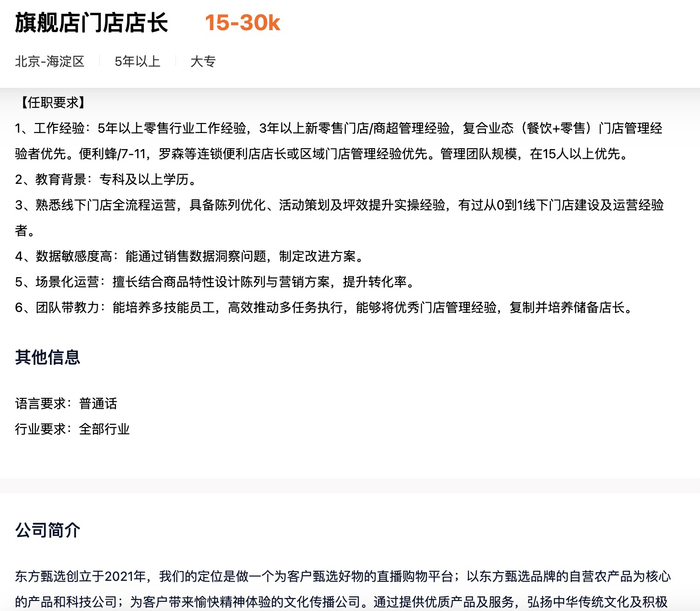
Core Insights - Oriental Selection, led by CEO Yu Minhong, is taking steps to open its first flagship store in Beijing, with a focus on hiring experienced managers in the "food and retail" sector [1][2] - The company aims to leverage its existing educational resources and customer flow from New Oriental's teaching points to establish a low-cost offline presence [5] - Recent financial reports indicate a significant revenue decline, attributed to increased competition in the live e-commerce sector and strategic business adjustments [6][7] Recruitment and Store Details - The flagship store will be located in a prime area of Beijing, covering approximately 400 square meters and offering a mix of convenience store products, fresh food, and a dining area [2] - The recruitment for the store manager position offers a salary range of 15,000 to 30,000 yuan, with specific experience requirements in retail and new retail management [1] Financial Performance - For the fiscal year ending May 31, 2025, Oriental Selection reported total revenue of 4.4 billion yuan, a year-on-year decrease of 32.7% [6] - The company achieved a net profit of 6.2 million yuan, a drastic drop of 97.5% compared to the previous year's profit of 249 million yuan, indicating ongoing challenges following strategic shifts [6][7] Strategic Developments - The recent appointment of Yu Minhong as the legal representative and manager of the company reflects a strategic shift, with an expansion into food service and delivery sectors [8] - The opening of the flagship store is seen as a critical move for Oriental Selection to enhance its offline presence and attract new customer traffic [7]
百联股份:公司积极聚焦供应链建设
Zheng Quan Ri Bao· 2025-11-14 13:41
Core Insights - The company has been focusing on benchmark commercial development and upgrading key projects in the first three quarters of the year [2] - There is an emphasis on enhancing supply chain construction and improving operational quality [2] - The company is deepening the synergy between production and finance [2] Group 1 - The company is actively promoting the transformation and upgrading of key projects [2] - The company is concentrating on expanding its advantageous business formats [2] - The company aims to enhance operational quality through focused efforts [2]

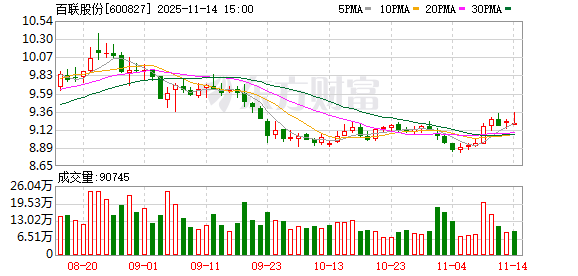
百联股份:公司持续拓展供应链建设
Zheng Quan Ri Bao· 2025-11-14 13:41
Core Viewpoint - The company is actively expanding its supply chain and brand initiatives to drive growth and enhance market presence [2]. Group 1: Supply Chain and Brand Strategy - The company is implementing a strategic brand joint business plan and promoting a billion-yuan sales brand to invigorate brand growth [2]. - By the first half of 2025, 21 brand groups and 44 brands will participate in the first phase of the joint business plan, introducing 3 global flagship stores, 18 national flagship stores, and 18 city flagship stores, including 12 in Shanghai [2].
零售“3.0”点燃中国消费新引擎
Sou Hu Cai Jing· 2025-10-23 11:32
Core Insights - The Chinese retail industry is undergoing a significant transformation driven by policy and market forces, shifting from a focus on real estate benefits to enhancing user experience [1][6][7] - The evolution of retail in China has seen three distinct phases, with the current phase emphasizing user-centric approaches and supply chain efficiency [2][3][5] Retail Evolution - The first phase of retail focused on availability, addressing the question of "whether goods are available" [2] - The second phase, characterized by the entry of large chain supermarkets, prioritized real estate value over customer satisfaction, leading to a disconnect between supply and consumer needs [2][3] - The third phase, or "Retail 3.0," marks a shift towards user-centric models, where retailers engage deeply in the supply chain and prioritize customer relationships [3][5] User Experience as a Driver - Retailers are innovating around three key dimensions: speed and convenience, emotional connection, and quality-price ratio [5][6][7] - Instant retail services, such as 30-minute delivery, are becoming standard, leveraging technology for efficient supply chain management [5][6] - New retail formats are transforming stores into community hubs, enhancing customer engagement and service quality [6][7] Policy Support - The recent policy initiatives aim to foster new retail models and stimulate consumer demand, providing a robust framework for innovation [1][6] - The focus on quality and value is reshaping the competitive landscape, encouraging retailers to adopt direct sourcing and develop private labels [6][7] - The evolution of retail spaces into multifunctional community centers reflects a broader trend towards creating immersive customer experiences [7] Conclusion - The ongoing transformation in the Chinese retail sector is fundamentally about returning to a consumer-centric business model, enhancing quality, efficiency, and emotional engagement [6][7] - This shift is expected to contribute significantly to the sustainable development of the Chinese economy, creating a more vibrant and diverse retail ecosystem [7]