健康饮食

Search documents
法国发布国家战略推动健康饮食
Xin Hua She· 2026-02-12 06:37
新华社巴黎2月11日电(记者罗毓)法国政府11日发布《国家食品、营养与气候战略》,计划通过14项 具体行动,让所有法国人到2030年都能获得更健康和可持续、更本土化的饮食,同时进一步增强农业系 统韧性与粮食主权。 ...
每8人就有1人尿酸高 1.77亿人被“第四高”盯上
Xin Jing Bao· 2026-02-11 07:00
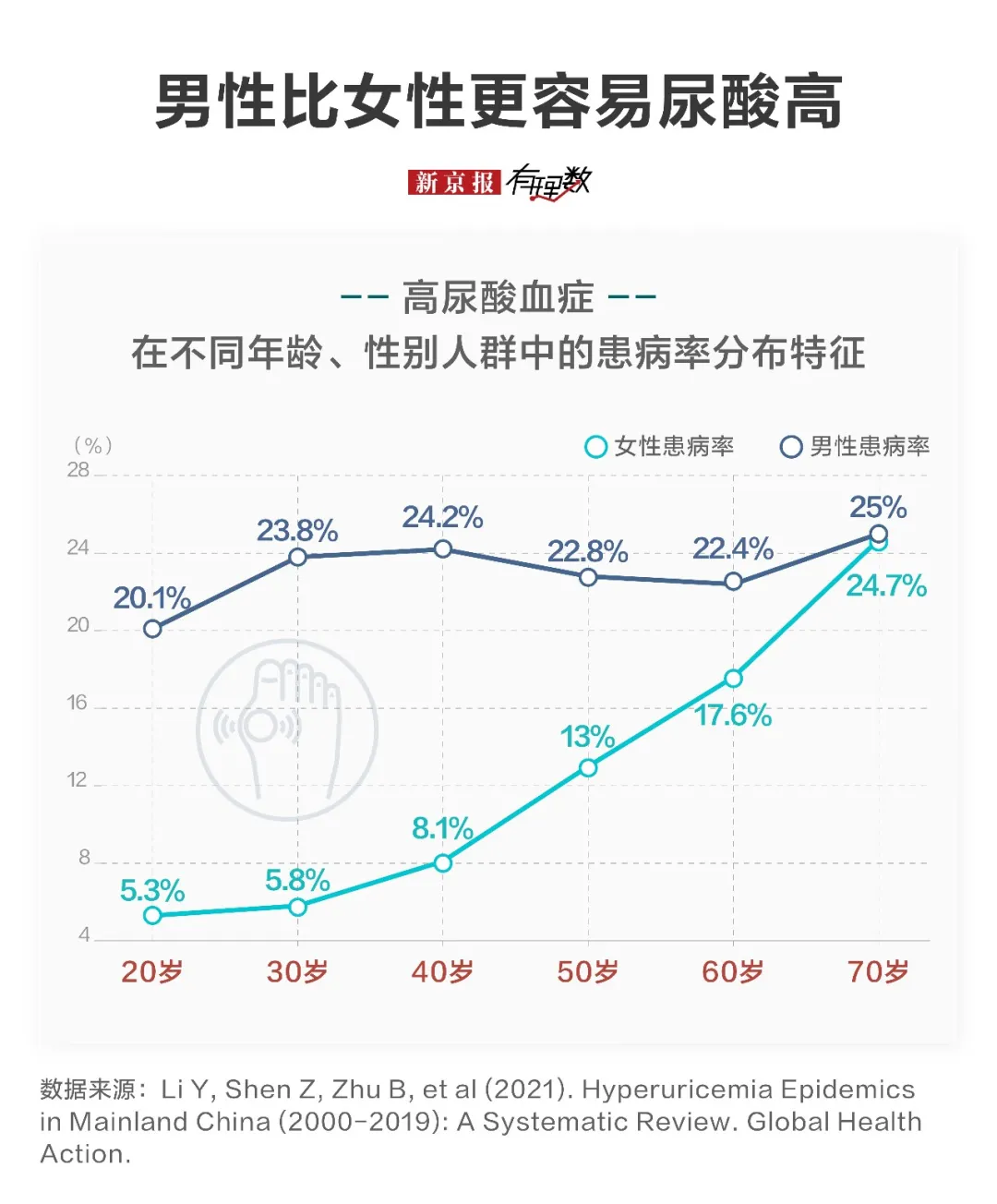
近日,浙江一位40岁男性痛风患者,因连续一周饮用街边贡丸汤引发膝盖剧痛就医,经医生检查确诊为终末期肾病(尿毒症期)。 在众多高嘌呤食物中,海鲜、牛肉、动物内脏等是高尿酸人群的首要"避雷目标",摄入过多可能诱发尿酸升高,痛风发作。 临近春节,聚会聚餐增多,大鱼大肉轮番上桌,各种海鲜、红肉、糖果、糕点琳琅满目。年味拉满的同时也暗藏着健康隐患。一不小心贪嘴多吃,体内的 尿酸就可能悄然飙升,给健康添了不必要的负担。 引援人民日报健康客户端消息,《2021中国高尿酸及痛风趋势白皮书》数据显示,目前我国高尿酸血症总体患病率为13.3%,患病人数约1.77亿。按我国 14.1亿人口计算,平均每8个人里就有1人是高尿酸血症。 继高血压、高血糖、高血脂这"三高"后,高尿酸已经成了威胁健康的"第四高"。 尿酸危机席卷全国 近年来,患高尿酸血症的人越来越多。2021年一项覆盖200余万人、整合177项研究的分析显示:2001年,中国大陆15岁以上人群的高尿酸血症患病率仅为 8.5%,截至2017年这一比例已升至18.4%,16年间涨幅超一倍。 高尿酸血症还呈现出年轻化趋势。一项针对54580名青少年儿童的汇总研究表明,我国3-19 ...

“瑜伽裤面包”,火了
3 6 Ke· 2026-02-11 02:57
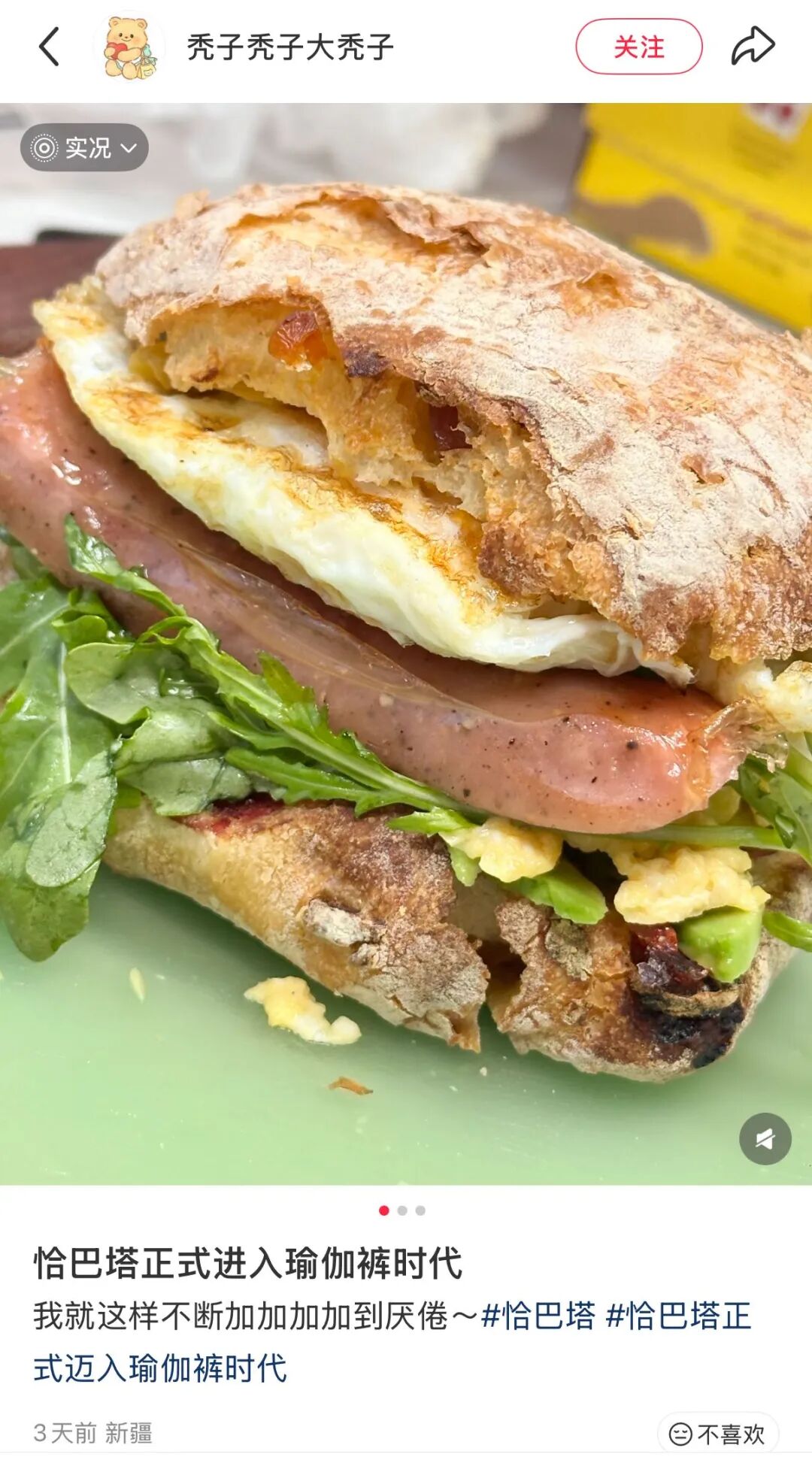
最近,一种长得扁扁平平,表面扑着白面粉,看起来甚至有点"灰头土脸"的面包,火上了热搜。 这种面包名叫恰巴塔,音译自意大利语Ciabatta,意思是"拖鞋"。 在小红书上,不少网友打趣道:恰巴塔已经进入了"瑜伽裤时代"。这个比喻可谓形象,瑜伽裤因为极强的弹性,可以包裹各种身材;而恰巴塔则因为其独 特的形状和内部结构,像个超大容量的"口袋",能把各种中式的西式的食材统统塞进去。 图源:小红书@秃子秃子大秃子(已获授权) 爆火的恰巴塔究竟是什么来头? 恰巴塔进入中国,从帕尼尼变成夹馍? 很多人第一次接触恰巴塔,是肯德基在2015年推出的早餐帕尼尼。热压香脆、夹着芝士蛋或猪柳的恰巴塔三明治,在早餐时段广受关注,成了不少人对恰 巴塔记忆的起点。 后来,一线城市烘焙店开始将恰巴塔单独售卖。2018年,上海MBD面包店就推出黑豆松子恰巴塔,成为网红必吃产品。Drunk Baker等烘焙店也因恰巴塔 等产品备受关注。2024年8月,山姆上新恰巴塔。2025年初,盒马也紧跟趋势推出恰巴塔新品。2025年7月,桃李、曼可顿等传统烘焙巨头相继推出恰巴塔 产品,把它从精品面包房带到了更大众的消费场景里。 就这样,在多个品牌都推出恰巴 ...
果汁再纯也不如鲜水果
Xin Lang Cai Jing· 2026-02-04 17:28
尽量避免用喝果汁来替代吃鲜水果。水果在榨汁过程中,膳食纤维几乎完全丢失,而果糖却浓缩其中, 升糖速度更快,对肝脏和胰岛功能构成更大挑战。尤其是市售的浓缩果汁、果味饮料等,果糖含量甚至 高于可乐,长期摄入可显著增加脂肪肝风险。 (来源:劳动午报) 转自:劳动午报 ...
低盐低糖!“健康版”苏式蜜饯走俏年货市场
Yang Zi Wan Bao Wang· 2026-02-03 14:07
春节的脚步越来越近,苏州传统老字号炒货蜜饯店也迎来了一年中最热闹的时节。扬子晚报/紫牛新闻 记者走访看到,在充满烟火气的老街,各类蜜饯炒货琳琅满目,价格从"2元起"的散装小袋至百元礼盒 装不等,既有唤醒记忆的"老味道",也有年轻人追捧的"网红款",浓浓的年味随着酸甜咸香在街巷中弥 漫开来。 连日来,市区多家炒货商家纷纷推出应季新品,从便携小包装到精致礼盒,价格亲民、选择丰富。在双 塔市集经营多年的一家美食店内,麻酥糖、橄榄、甜细萝卜丝等传统蜜饯摆放得满满当当。店主陈女士 一边招呼顾客,一边热情介绍:"这款苏州特色麻酥糖有三种口味,原味、芝麻、玫瑰,都是小时候的 味道。小的3元,大的5元,很划算,这些是网红款,卖得特别好。话梅也分有核、去核,还有不太咸的 奶油口味,老人家也能放心吃。"她还特意展示了几款礼盒,"过年送人很体面,布包款的才20元,好看 又实用。" 从怀旧的传统滋味,到健康的新式零嘴,从实惠的散装小袋,到雅致的送礼礼盒,苏式炒货蜜饯已不仅 是年节零食,更成为联结人情、传递祝福的情感纽带。随着春节临近,这份酸甜交织的"姑苏味道",正 承载着温暖的年味与情谊,走进千家万户的年货清单里。 实习生 刘娅妮 ...
【提示】无糖食品真的不含糖分吗?来看科普→
Xin Lang Cai Jing· 2026-01-31 13:19
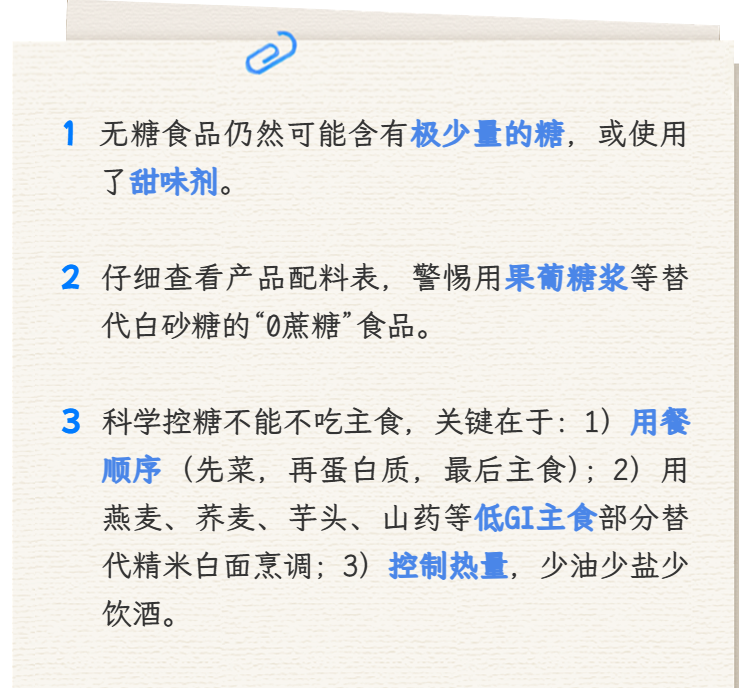
Core Viewpoint - The rise of "sugar-free" products in the market is misleading, as these items may still contain sugar or ingredients that can affect blood sugar levels, making it essential for consumers, especially those with diabetes, to be cautious and informed about their choices [1][3]. Group 1: Misconceptions about "Sugar-Free" Products - "Sugar-free" does not mean 100% free of sugar; products can be labeled as such if they contain ≤0.5 grams of sugar per 100 grams or 100 milliliters [3]. - Many "sugar-free" products use sweeteners but still contain ingredients like flour and fats that can convert to glucose, potentially leading to increased blood sugar levels if consumed excessively [3]. - The term "0 sugar" can be misleading, as some products may contain high-glycemic ingredients like starch syrup or maltose syrup, which can raise blood sugar levels more than regular sugar [3]. Group 2: Dietary Misconceptions for Diabetics - Misconception 1: Avoiding staple foods entirely can lead to low blood sugar or muscle loss; a balanced intake of 200-300 grams of staple foods daily is recommended, with an emphasis on whole grains and legumes [5]. - Misconception 2: A purely vegetarian diet may lead to protein deficiency; it is advised to include quality proteins from fish, poultry, and lean meats along with plenty of dark vegetables [6]. - Misconception 3: Not all fruits should be avoided; low-GI fruits can be consumed in moderation when blood sugar levels are stable [7]. Group 3: Guidelines for Healthy Eating - The 2023 "Adult Diabetes Dietary Guidelines" emphasize the importance of meal order and food variety, recommending starting with vegetables, followed by proteins, and then carbohydrates to slow sugar absorption [7]. - Preferred staple foods include oats and buckwheat, which can help improve blood sugar control [7]. - Cooking should adhere to the "three less" principle: limit daily oil to ≤25g, salt to ≤5g, and alcohol to ≤15g for women and ≤25g for men [7]. - Effective diabetes management focuses on total intake control and optimizing food structure rather than simply avoiding sweets; "sugar-free" products can be included but should be consumed with caution regarding total caloric intake and ingredient scrutiny [7].
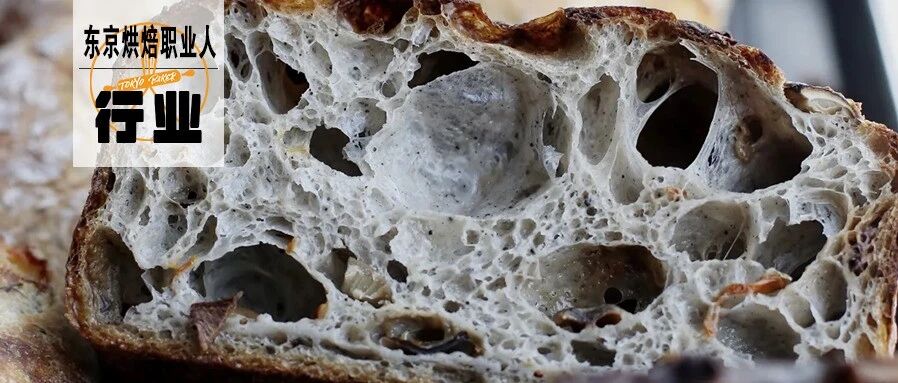
健康烘焙风口下,酸面包如何从“小众精品”变为“大众生意”?
东京烘焙职业人· 2026-01-30 08:34
Core Insights - The article emphasizes that sourdough bread is not only a staple in Germany but also a cultural symbol and a part of daily life, with over half of German consumers believing that sourdough surpasses regular yeast bread in flavor and health benefits, rooted in a long tradition of fermentation wisdom [1][5][10] - Sourdough is transitioning from a regional staple to a global symbol of high-end baking and healthy eating, raising questions about balancing traditional craftsmanship with modern production methods [3][12] Historical Context - The origins of sourdough can be traced back to ancient Egypt, but its unique evolution in the German-speaking world is highlighted, where it was the only method of bread-making until the 19th century [5] - Many German households consider their sourdough starter a family heirloom, with some starters being over a hundred years old, reflecting unique regional and familial characteristics [7][8] Market Trends - According to Innova market insights, the proportion of new products containing sourdough has increased from 20% in 2013-2014 to 33% in 2022-2023, marking a growth of over 50% in a decade [10] - About one-third of millennial consumers actively seek out "sourdough" labels when purchasing bread, indicating a growing trend not only in Europe but also in high-end markets in Asia [10][12] Health Benefits - The article discusses the biochemical advantages of sourdough, which undergoes a natural fermentation process that optimizes nutrient absorption and reduces anti-nutrients like phytic acid [13][16] - Sourdough has a low glycemic index, making it suitable for blood sugar-sensitive individuals, and its complex flavors arise from the production of organic acids and esters during fermentation [17] Clean Labeling - Traditional sourdough recipes typically consist of only four basic ingredients: flour, water, salt, and sourdough starter, without the need for additives like sugar or preservatives [18] - The article highlights the importance of clean labeling in today's consumer market, where sourdough naturally aligns with the philosophy of "less is more" in healthy eating [20] Industrial Challenges - The article outlines challenges in industrializing traditional sourdough production, including the instability of "living dough," long production cycles, and a shortage of skilled bakers [23] - Two main paths for improving sourdough in the industry are identified: using chemical additives to enhance dough properties or optimizing the fermentation process to maintain health benefits while achieving standardization [23] Innovative Solutions - The introduction of products like the "德之焙®麦醒" sourdough improver aims to bridge traditional sourdough methods with modern industrial needs, ensuring consistent quality and flavor across production [24][25] - This improver utilizes a synergistic approach with enzymes to enhance the fermentation process, allowing for stable production while preserving the health benefits of traditional sourdough [24][25] Conclusion - The article concludes that sourdough improvers represent a balance between tradition and innovation, enabling the ancient wisdom of fermentation to reach a broader audience in a stable and accessible manner [29]
海欣食品(002702) - 2026年1月30日投资者关系活动记录表
2026-01-30 07:48
Group 1: Product Performance and Market Strategy - The abalone product series maintains a good reputation and brand recognition in the high-end dining and gifting market, leveraging high-quality raw materials and advanced processing techniques [1] - The company is exploring diverse consumption scenarios such as family dining and ready-to-eat snacks to enhance product value, while optimizing channel structure to tap into market potential [1] - The seafood segment is transitioning from raw material supply to end-consumer products, enhancing overall value chain efficiency [1] Group 2: Profitability and Cost Management - There is continuous potential for optimizing product gross margins through various initiatives, including streamlining the product matrix and eliminating low-margin SKUs [2] - The company is focusing resources on high-margin categories such as hot pot products and premium seafood, while implementing refined supply chain management to reduce costs across procurement and production [2] - As revenue scales up, the overall gross margin is expected to improve [2] Group 3: New Product Development - The company emphasizes R&D, leveraging its seafood protein resources to develop healthy, high-quality new products that meet current consumer health trends [3] - New products include low-calorie, high-protein items like simulated crab claws and cod roe packages [3] Group 4: Snack Business Development - The company is actively expanding into the snack sector, utilizing differentiated seafood protein advantages to build product competitiveness [4] - Several ready-to-eat seafood snack products have been launched and successfully entered mainstream retail channels, showing steady growth in market performance [4] - Future plans include increasing market promotion investments, expanding snack retail partnerships, and diversifying product flavors and specifications to drive rapid growth in the snack business [4]

盒马、奥乐齐都在推的新式馒头,塞满粗粮切半卖,已经火了半年
3 6 Ke· 2026-01-30 00:49
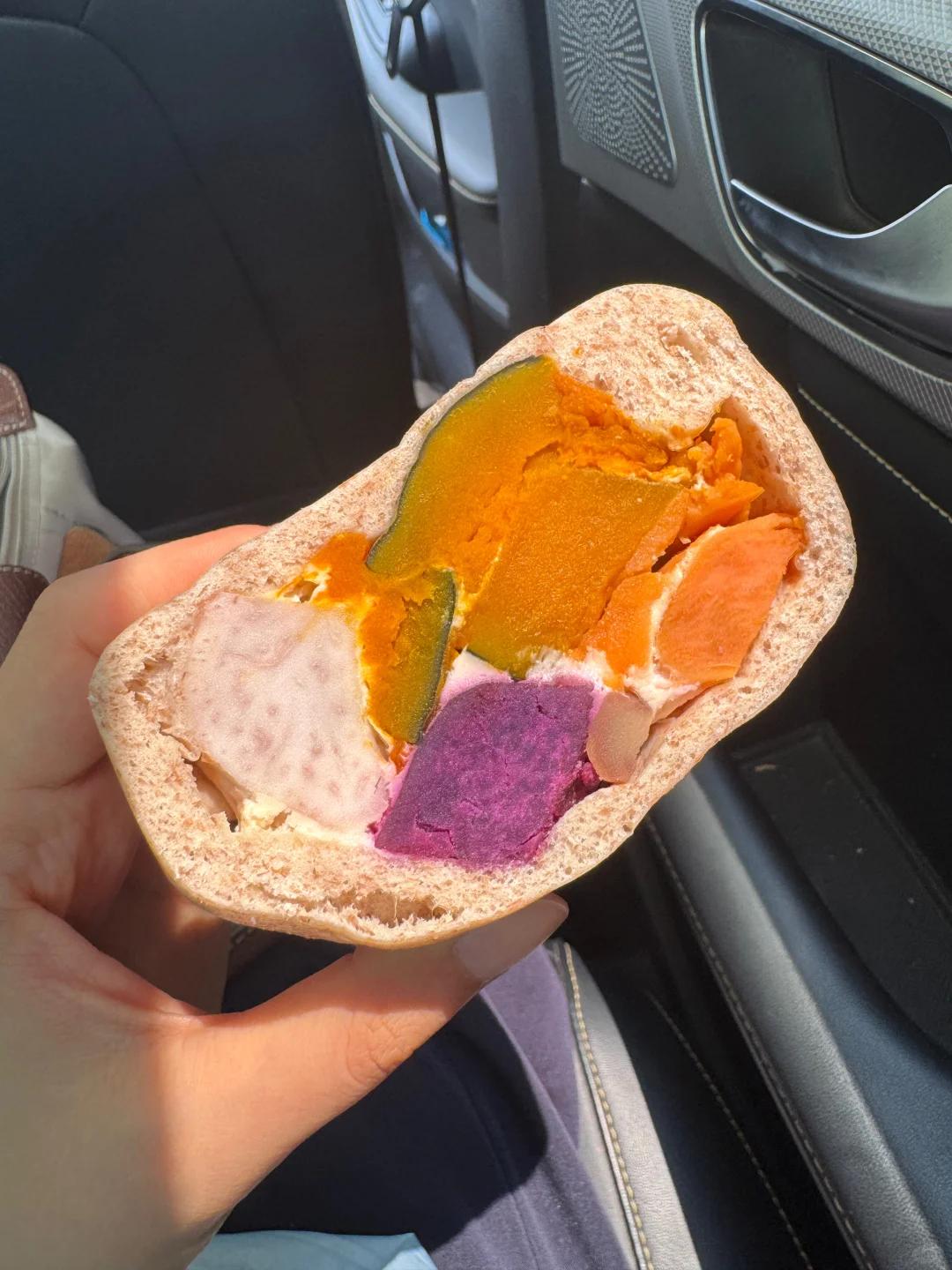
现在的馒头,越来越"花心"了。 近半年来,一种被网友称为"五谷丰登馒头"的新式馒头,开始在社交媒体上频繁出现。 在网友晒出的图片中,"五谷丰登馒头"总是一切两半示人。通过其平整的横切面,可以看到紫薯、芋头、板栗等多种粗粮,被紧实地塞在面皮之下。它们 呈现出粗粮刚蒸熟时新鲜的色泽,仿佛掀开蒸笼的瞬间,看到一锅散发着热气的五谷杂粮。 图片来源:小红书@一颗小豌豆 大量网友晒出了这种"塞满粗粮"的馒头。截至2026年1月29日下午,小红书"五谷丰登馒头"话题下累计讨论量达到4.9万。 引发大量讨论的同时,"五谷丰登馒头"也取得了不错的成绩。 2025年7月,专注早餐面点的品牌蒸笼头,推出"五谷丰登馒头"。截至2026年1月29日,该产品在抖音累计售出6.9万份。 图片来源:盒马 "五谷丰登馒头"采用的产品概念,不只应用在馒头上。欧包、三明治等品类,都有这种将粗粮内馅展示在外的产品推出。 其中,永辉超市的现制产品"丰收的喜悦"欧包最为出圈。截至2026年1月29日下午,小红书"丰收的喜悦"话题下笔记浏览量达1850.7万,讨论量达6.1万。 永辉超市"丰收的喜悦"欧包 图片来源:小红书@Wang41 图片来源:蒸笼头 ...